Category: National and International Current Affairs

  • TRAWL Assembly | Atal Pension Yojana | The Druzhba Pipeline | Dolphin Friends Initiative

    TRAWL Assembly

    Syllabus: GS3/ Defence

    In News

    • The Ministry of Defence signed contracts worth approximately ₹975 crore with BEML and Electro Pneumatics & Hydraulics (EPHL) to procure indigenous TRAWL Assemblies for T-72 and T-90 tanks.

    About –

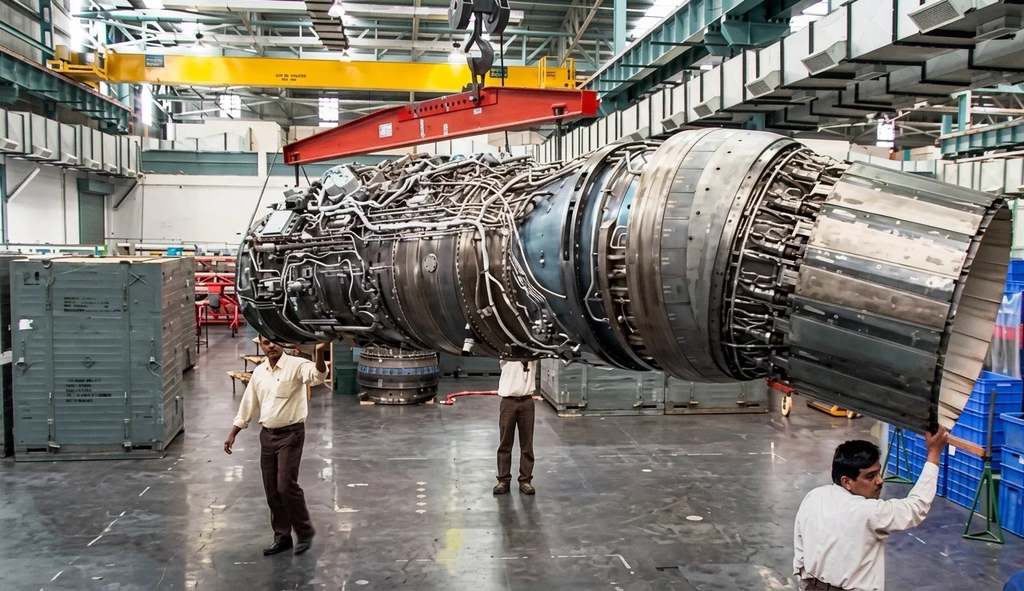
    • TRAWL Assembly – It is a mine-clearing device mounted on the front of a battle tank to safely detect and detonate anti-tank mines before the tank rolls over them.
    • T-72 (Ajeya)-It is a Soviet-era main battle tank that entered service in 1973, with approximately 25,000 units built globally.
    • T-90 (Bhishma) – It is a Russian main battle tank that entered service in 1992.

    Atal Pension Yojana

    Syllabus: GS2/ Governance

    Context

    • The Atal Pension Yojana (APY), has achieved a historic milestone by surpassing total gross enrolments of “9 crore” subscribers on 21st April, 2026.

    Atal Pension Yojana (APY)

    • It was launched in 2015
    • Objective – to provide old-age income security to workers in the unorganised sector.
    • Target Group: Initially available to all citizens of India between 18 and 40 years of age.
    • Scheme Features: APY offers a guaranteed minimum pension of Rs.1,000 to Rs.5,000 per month starting at age 60, based on contributions.
    • Administering Body: Administered by Pension Fund Regulatory and Development Authority (PFRDA).
    • Managed under the National Pension System (NPS)
    • Progress: As of January, 2026, over 8.66 crore subscribers have been enrolled, making APY a cornerstone of India’s inclusive social security framework.

    The Druzhba Pipeline

    Syllabus: GS2/ IR

    In News

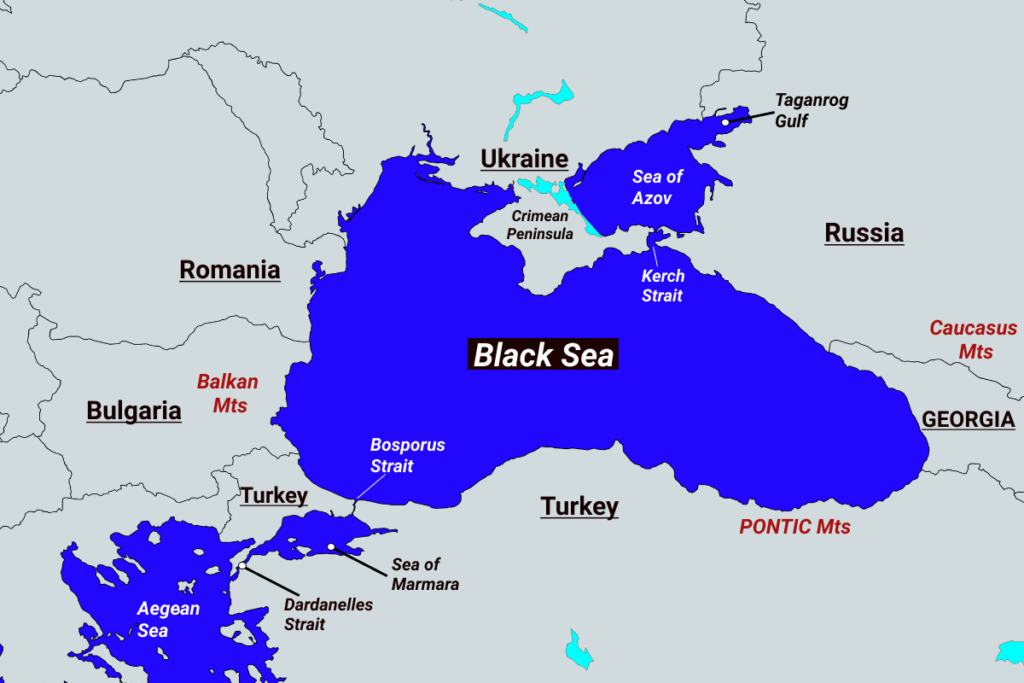
    • The resumption of Russian oil transit through the Ukrainian section of the Druzhba pipeline on 22 April 2026 was the decisive factor in unblocking major financial and diplomatic aid for Kyiv.

    Druzhba Pipeline,

    • It is often called the Friendship Pipeline,
    • It is one of the world’s longest and largest crude oil pipeline networks.

    Key Facts

    • Origin: It starts in Almetyevsk, Tatarstan (Russia), collecting crude from Siberia, the Urals, and the Caspian Sea.
    • Historical Context: Built in the 1960s (operational since 1964) during the Soviet era to supply socialist bloc countries (COMECON).
    • Capacity: It can transport between 1.2 to 2 million barrels of oil per day.
    • Total Length: Approximately 4,000 to 5,500 km.

    Dolphin Friends Initiative

    Syllabus: GS3/ Environment

    In News

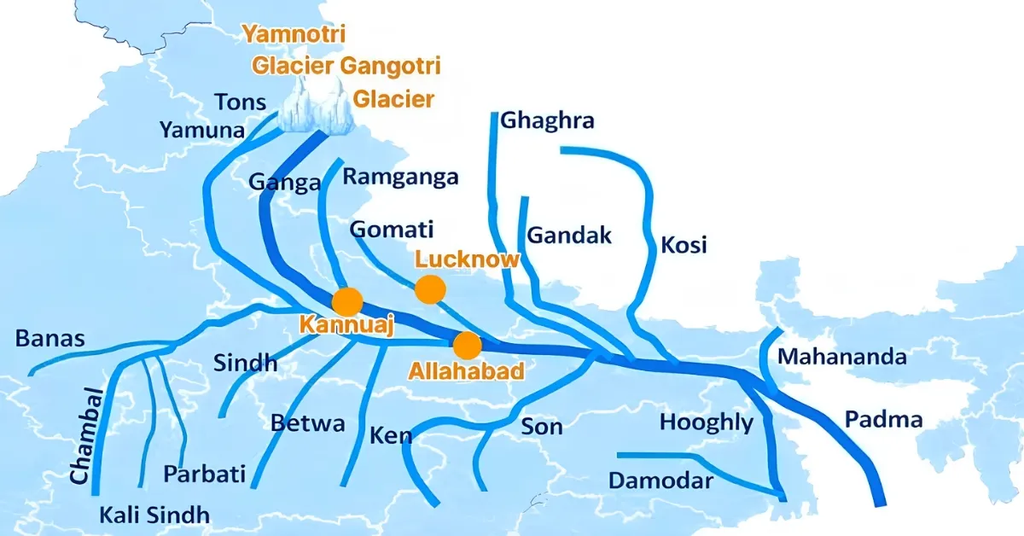
    • The Forest Department, Prayagraj has launched the Dolphin Friends volunteer network.
    • Objective – to strengthen conservation of the Gangetic dolphin through community participation and river monitoring.

    Ganges River Dolphin (Platanista Gangetica)

    Characteristics

    • Functionally blind; relies on echolocation for hunting.
    • Known as Susu due to the sound it makes while breathing.
    • Exclusively freshwater species, inhabiting Ganga and Brahmaputra river basins in India, Nepal, and Bangladesh.
    • Threats: Habitat destruction, pollution and hunting.

    conservation Status

    • Indian Wildlife (Protection) Act, 1972: Schedule I
    • CITES (Convention on International Trade in Endangered Species): Appendix I
    • CMS (Convention on Migratory Species): Appendix I
    • IUCN Red List: Endangered

    National & State Recognition

    • Declared India’s National Aquatic Animal in 2009.
    • Recognized as the State Aquatic Animal of Assam.

    Indus River Dolphin (Platanista minor)

    Characteristics:

    • Functionally blind, navigates using echolocation.
    • Locally called Bhulan in the region.
    • Found mainly in the Indus River System (Pakistan) with a small population in India’s Beas River.
    • Threats: Habitat fragmentation, Restricted range, leading to population isolation.

    Conservation Status:

    • Indian Wildlife (Protection) Act, 1972: Schedule I
    • CITES: Appendix I
    • IUCN Red List: Endangered.
    • State Recognition:Declared the State Aquatic Animal of Punjab.

    Do You Know?

    • One more species of Dolphin i.e. Irrawaddy dolphin found in India in Chilika Lake (Asia’s largest brackish water lagoon) in Odisha.
    • Unlike the other two species, Irrawaddy dolphins are not blind and have a bulbous head with no beak.
    • IUCN Red List Conservation status: Critically Endangered.
  • 18th Civil Services Day | Adi Shankaracharya | SMILE Scheme | Shekha Jheel Bird Sanctuary Designated as New Ramsar Sites

    18th Civil Services Day

    Syllabus:  GS2/ Governance

    Context

    • The 18th Civil Services Day was celebrated on April 21, 2026.
    • This day is observed annually in India to recognize the contributions of civil servants and to allow them to recommit themselves to public service.
    • 2026 Theme – Viksit Bharat: Citizen-Centric Governance and Development at the Last Mile”.
    • Significance: The day (instituted in 2006) honors Sardar Patel’s 1947 address to the first IAS batch, where he dubbed civil servants the “steel frame of India”.
    • Organiser: The event is conducted by the Department of Administrative Reforms and Public Grievances (DARPG)

    Constitutional Provisions of Civil Services

    • Article 309 empowers Parliament and State Legislatures to regulate recruitment and conditions of service.
    • Article 310 of the Constitution states that civil servants of the Union and the States hold office during the pleasure of the President or the Governor,
    • Article 311 provides safeguards for civil servants against arbitrary dismissal.
    • Article 312 outlines the process for creating All India Services, such as the Indian Administrative Service (IAS), the Indian Police Service (IPS), and the Indian Forest Service (IFoS).
    • Articles 315 to 323 of the Indian Constitution establish Public Service Commissions (PSCs) for both the Union (UPSC) and each state (SPSC).

    History of Civil Services in India

    • Lord Cornwallis is considered as ‘Father of Civil Services in India’.
    • Lord Wellesley founded the College of Fort William in Calcutta in 1800 to educate young recruits for the Civil Services.
    • Note – Satyendranath Tagore was the first Indian to clear ICS in 1864.

    Governance reforms to enhance efficiency of bureaucracy

    • Mission Karmayogi National Program: It is a flagship programme of Government of India launched in 2020 for training of civil servants.
    • e-Governance Initiatives: Centralised Public Grievance Redress and Monitoring System (CPGRAMS) for grievance redressal, SPARROW for performance appraisal, and digitization of service records.

    Adi Shankaracharya

    Syllabus: GS1/ History

    In News

    • The Prime Minister of India paid tribute to Adi Shankaracharya on his Jayanti.

    Adi Shankaracharya (approximately 788–820 CE)

    • Born in Kalady, Kerala.
    • He is credited with reviving Hinduism and unifying India’s diverse spiritual strands through the philosophy of Advaita Vedanta.

    Core Philosophy: Advaita Vedanta (Non-Dualism)

    • Concept of Brahman: Asserts that the ultimate reality is Brahman, which is formless (Nirguna), infinite, and the only truth (Brahma Satyam).
    • Atman and Brahman: Taught that the individual soul (Atman) is fundamentally identical to Brahman. The perceived separation is an illusion.
    • Maya: Explained the empirical world as Maya (illusion), a creative power that makes the singular reality appear as a multitude.
    • Path to Liberation: Emphasised Gyan (knowledge) over ritualistic actions as the primary means to achieve Moksha (liberation).

    Major Contributions & Legacy

    • Establishment of Mathas: To unify the country and preserve Vedic thought, he founded four primary monasteries (Mathas) in the cardinal directions:
    • North: Jyotir Math (Badrinath/Joshimath, Uttarakhand) — custodian of the Atharva Veda.
    • South: Sringeri Sharada Peetham (Karnataka) — custodian of the Yajur Veda.
    • East: Govardhana Math (Puri, Odisha) — custodian of the Rig Veda.
    • West: Dwarka Sharada Peetham (Gujarat) — custodian of the Sama Veda.
    • Shanmata System: Synthesised the worship of six major deities (Shiva, Vishnu, Shakti, Ganesha, Surya, and Skanda), reducing sectarian conflicts.
    • Dashanami Sampradaya: Organised a monastic order for renunciates, which remains influential today.

    Important Literary Works

    • Commentaries (Bhashyas): Wrote the Brahmasutrabhasya (oldest surviving commentary on the Brahma Sutras), along with commentaries on the Bhagavad Gita and 12 major Upanishads.
    • Philosophical Treatises: Includes Viveka Chudamani, Atma Bodha, and Upadesa Sahasri.
    • Devotional Hymns (Stotras): Composed works like Bhaja Govindam, Nirvana Shatakam, and Saundarya Lahari.

    SMILE Scheme

    Syllabus: GS2/Governance

    Context

    • The SMILE Scheme is transforming lives across India by promoting inclusive rehabilitation and social reintegration of vulnerable communities.

    Support for Marginalised Individuals for Livelihood and Enterprise (SMILE)

    • Launched in – 2022
    • Implementation – Ministry of Social Justice and Empowerment.
    • Objective – to support vulnerable groups at every stage, from identification and rescue to healthcare, rehabilitation, education, counselling, skill development, and long-term economic independence.

    Features –

    • One of its components was the sub-scheme to identify, profile, and rehabilitate individuals engaged in the act of begging with their consent.
    • The other component of the scheme is for the empowerment of transgender persons.

    Shekha Jheel Bird Sanctuary Designated as New Ramsar Sites

    Syllabus: GS3/ Environment

    Context

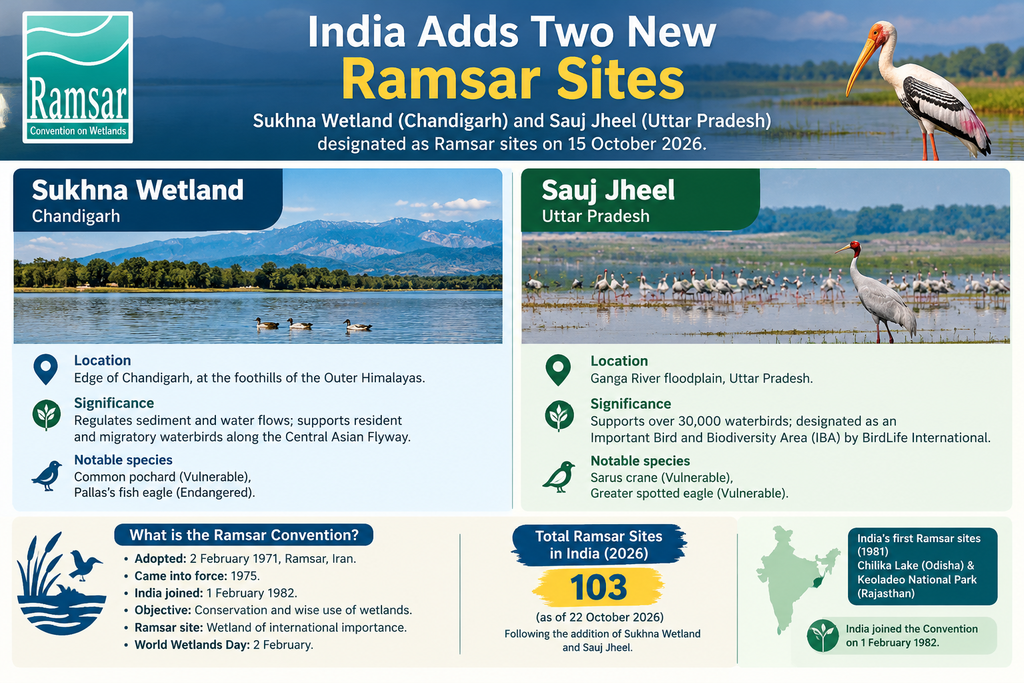
    • India designated Shekha Jheel Bird Sanctuary in Uttar Pradesh as its 99th Ramsar Site, with Uttar Pradesh now having 12th sites on the list.

    Shekha Jheel Bird Sanctuary

    • Location – It is a freshwater wetland ecosystem, formed by the Upper Ganges Canal in Aligarh, Uttar Pradesh.
    • It is a key habitat for migratory birds on the Central Asian Flyway and wintering ground for species such as Bar-headed Goose, Painted Stork and various species of ducks and waterfowl.

    India’s Latest Additions in Ramasar site

    • Siliserh Lake (Rajasthan): 95th Ramsar site
    • Kopra Jalashay (Chhattisgarh): 96th Ramsar Sites
    • Patna Bird Sanctuary (Uttar Pradesh): 97th Ramsar Sites
    • Chhari-Dhand Conservation Reserve (Gujarat): 98th Ramsar Sites

    Connect with the basics – Ramsar Convention

    • A Ramsar site is a wetland designated as one of international importance under the Ramsar Convention.
    • Ramsar Convention – It is one of the inter-governmental accords to preserve the wetlands of international importance.
    • It was signed on February 2, 1971 in Ramsar, Iran and came into force in 1975.
    • India became a signatory to the Ramsar Convention in 1982.
  • Indo–Lanka Accord (1987) | National Medical Commission (NMC) | Odisha: 1st State to Launch Marine Spatial Plan | Lumpongdeng Island

    Indo–Lanka Accord (1987)

    Syllabus: GS2/ International Relations

    Context

    • Tamil political parties in Sri Lanka have urged India to sustain pressure for full implementation of the Indo-Lanka Accord.

    Indo–Lanka Accord (1987)

    • The Indo-Lanka Accord was a bilateral agreement signed in July 1987 between Rajiv Gandhi and J. R. Jayewardene
    • Mandate – to address the ethnic conflict in Sri Lanka.
    • Objectives: The Accord aimed to resolve the long-standing conflict between the Sinhalese-majority government and Tamil minorities.

    Key Provisions:

    • It sought to ensure the devolution of political powers to provinces in order to provide greater regional autonomy.
    • It granted official status to the Tamil language alongside Sinhala.

    13th Amendment to the Sri Lankan Constitution (1987)

    • The 13th Amendment was enacted in 1987
    • Objective – to operationalise the provisions of the Indo–Lanka Accord and provide a constitutional framework for devolution.

    Key Features:

    • The Amendment established Provincial Councils in all nine provinces to facilitate decentralised administration.
    • It introduced a three-fold distribution of powers through the Provincial List, Reserved List, and Concurrent List, broadly resembling the Indian federal structure.
    • It enabled the transfer of several functional subjects such as education, agriculture, health, and local governance to the provincial level.

    National Medical Commission (NMC)

    Syllabus: GS2/ Governance

    Context

    • The National Medical Commission (NMC) has proposed amendments to the Registration of Medical Practitioners and Licence to Practice Medicine (Amendment), Regulations, 2026, aiming to expand medical education capacity while strengthening quality standards.

    National Medical Commission (NMC)

    • It is India’s apex statutory body responsible for regulating medical education, professionals, and institutions.
    • It was established in 2020, under the National Medical Commission Act, 2019, replacing the Medical Council of India (MCI) to streamline governance and improve the quality of healthcare nationwide.

    It operates through four autonomous boards;

    1. Under-Graduate Medical Education Board (UGMEB)
    2. Post-Graduate Medical Education Board (PGMEB)
    3. Medical Assessment and Rating Board (MARB)
    4. Ethics and Medical Registration Board (EMRB)

    Structure of NMC: The NMC consists of;

    • A Chairperson.
    • 10 ex-officio members (including representatives from ministries and institutions).
    • 22 part-time members (including State representatives and experts).

    Odisha: 1st State to Launch Marine Spatial Plan

    Syllabus: GS3/Environment

    Context

    • The Odisha government recently signed a memorandum of understanding with the National Centre for Coastal Research under the Union Ministry of Earth Sciences to launch a Marine Spatial Plan (MSP) in the state for integrated coastal and marine planning.

    About

    • The plan covers Odisha’s 550+ km coastline, aiming to balance economic activities with the protection of ecologically sensitive zones like Chilika Lake, Bhitarkanika, and Gahirmatha.

    Core Objectives

    • Blue Economy Growth: Promoting sustainable development in sectors like fisheries, tourism, ports, and renewable ocean energy.
    • Conflict Resolution: Reducing overlap and disputes between different stakeholders, such as traditional fishing communities and industrial port developers.
    • Climate Resilience: Strengthening the protection of coastal ecosystems that serve as natural buffers against frequent cyclones and sea-level rise.
    • SDG Alignment: Supports Sustainable Development Goal 14 (Life Below Water).

    Lumpongdeng Island

    Syllabus: GS1/Geography

    Context

    • After protests by conservation groups, the Meghalaya government dropped the proposed luxury resort project on Lumpongdeng Island.

    Lumpongdeng Island

    • Location – It is located in Umiam Lake, a manmade reservoir formed in the early 1960s by damming the Umiam River for a hydroelectric project, about 20 km from Shillong.
    • The island is characterised by coniferous vegetation and lies near the centre of the lake.
  • River Basin Management Scheme | Jagadguru Basaveshwara | Pradhan Mantri Gram Sadak Yojana-III (PMGSY-III) | Israel’s ‘Yellow Line’ in Southern Lebanon | India’s First Large-Scale Private Gold Mining Project

    River Basin Management Scheme

    Syllabus: GS2/ Polity

    News

    • The Government of India has approved the continuation of the River Basin Management (RBM) Scheme for the 16th Finance Commission period spanning 2026–27 to 2030–31 with financial outlay of ₹2,183 crore.

    River Basin Management Scheme

    • Financing – Central Sector Scheme
    • Implementation – Ministry of Jal Shakti
    • Objective – It adopts a holistic approach, managing entire river systems—including tributaries and groundwater—as integrated hydrological units.

    Key Developments (2026–2031)

    • Enhanced Funding: The budget for the 16th Finance Commission period (2026–2031) has been increased to ₹2,183 crore.
    • Strategic Focus: Priority is placed on the North Eastern Region and the Indus Basin (J&K/Ladakh) for national security and transboundary management.
    • Modernization: The project utilizes technologies such as GIS, LiDAR, and drones for improved planning.

    Jagadguru Basaveshwara

    Syllabus: GS1/Culture

    Context

    • Prime Minister Narendra Modi paid homage to Jagadguru Basaveshwara on the occasion of Basava Jayanthi.

    About

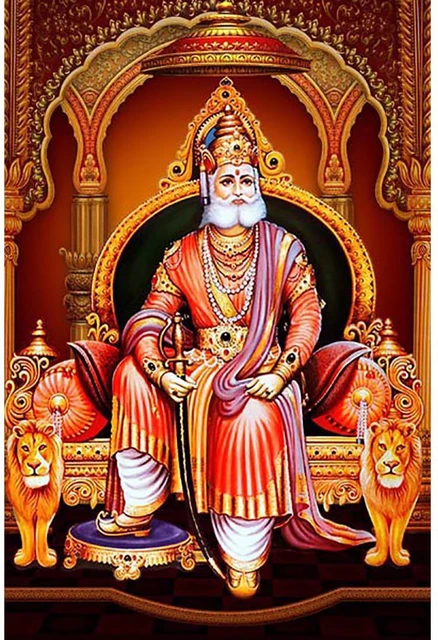
    • Basaveshwara, also known as Basavanna.
    • He was a 12th-century philosopher, social reformer, and key figure of the Bhakti movement, primarily active in the Kalyana region of present-day Karnataka.
    • Lingayata Movement:- He is regarded as the founder of Lingayatism and advocated equality, social justice, and the rejection of caste hierarchy and social discrimination.
    • He served as a finance minister under King Bijjala II of the Kalachuri dynasty, and his teachings are preserved in poetic compositions known as Vachanas.
    • Basaveshwara introduced the concept of Ishtalinga, promoting a direct and personal connection with the divine, transcending social divisions.
    • He also established the Anubhava Mantapa (often referred to as the first Parliament of the world), a pioneering forum for open dialogue, where people from diverse backgrounds, including women, could participate in discussions on spiritual and social issues.

    Pradhan Mantri Gram Sadak Yojana-III (PMGSY-III)

    Syllabus: GS2/Government Initiatives

    Context

    • The Union Cabinet has extended the Pradhan Mantri Gram Sadak Yojana-III (PMGSY-III) beyond March 2025 till 2028–29.

    Pradhan Mantri Gram Sadak Yojana-III (PMGSY-III)

    • Launched in – 2000
    • Financing – Centrally Sponsored Scheme,
    • Implementation – Ministry of Rural Development
    • Objective – It is aimed at providing all-weather road connectivity to unconnected habitations in rural areas .

    PMGSY has evolved through multiple phases:

    • PMGSY-I (2000) focused on providing connectivity to unconnected habitations;
    • PMGSY-II (2013) aimed at upgradation of existing rural roads;
    • PMGSY-III (2019) focuses on consolidation of rural road networks;

    Significance

    • The extension will help complete targeted rural road upgradation.
    • It improves market access for agricultural and non-farm products while reducing transportation costs.
    • It will enhance access to education and healthcare services, particularly in remote areas, and contribute to inclusive growth by bridging the rural–urban divide in line with the vision of Viksit Bharat 2047.

    Israel’s ‘Yellow Line’ in Southern Lebanon

    Syllabus: GS2/ IR

    Context

    • Recently, Israel announced the establishment of a ‘Yellow Line’ in southern Lebanon, shortly after a 10-day ceasefire agreement between Israel and Lebanon.

    What is the ‘Yellow Line’?

    • It is a military demarcation line created by Israel to separate areas of control in a conflict zone.
    • It is a temporary operational boundary that marks the limit of Israeli troop deployment.
    • A threshold beyond which movement is treated as a potential security threat.

    Comparison with Gaza

    • A similar line has been used in Gaza since October 2023.
    • There, it effectively divided territory between Israeli-controlled areas and Hamas-controlled zones.

    India’s First Large-Scale Private Gold Mining Project

    Syllabus: GS3/ Economy

    In News

    • The launch of India’s first large-scale private gold mine at Jonnagiri, Kurnool district, Andhra Pradesh, has brought renewed focus on India’s gold reserves, production deficit, and the strategic importance of domestic mining.

    Gold

    • It is a soft, dense, highly ductile, and corrosion-resistant precious metal found in nature in its native form.
    • Gold is India’s second-largest import after oil, with nearly 1,000 tonnes imported annually to meet domestic demand.
    • Bihar dominates reserves at ~43%, followed by Rajasthan (~25%) and Karnataka (~20%).
    • Karnataka accounts for approximately 97% of India’s total gold output, primarily through the Hutti Gold Mines in Raichur.
    • China leads global gold production with approximately 10% of world output, followed by Russia and Australia.
    • Switzerland is the world’s largest gold importer.
  • India’s First Water Neutral Coaching Depot | State of India’s Bats, 2024-25 Report

    India’s First Water Neutral Coaching Depot

    Miscellaneous

    In News

    • The Kankaria Coaching Depot in Ahmedabad has become India’s first water-neutral railway depot by adopting innovative wastewater treatment and reuse systems.

    Kankaria Coaching Depot : India’s first water-neutral railway depot

    • It saves around 60 lakh litres of water daily and about 5.84 crore litres annually, reducing dependence on freshwater.
    • It uses phytoremediation, where plants help purify wastewater, followed by wetland treatment, carbon and sand filtration.
    • The water is further cleaned using filtration and UV disinfection, making it safe for reuse in operations instead of being discharged.
    • Importance – It reduces water consumption and operational costs while promoting environmental sustainability, serving as a model for greener and more efficient railway infrastructure in India.

    Connect with the basics – Phytoremediation

    • It is a process in which plants are used to clean contaminated soil, water, or groundwater by absorbing or breaking down pollutants like metals, pesticides, explosives, and oil.
    • It works best in areas with low contamination, as high pollution levels can slow plant growth.

    State of India’s Bats, 2024-25 Report

    Environment

    Context

    • The first-ever national assessment titled “State of India’s Bats, 2024–25” has been released by the Nature Conservation Foundation, in collaboration with Bat Conservation International, World Wide Fund for Nature, and the Centre for Wildlife Studies, highlighting the status, diversity, and threats to bats in India.

    Key Findings

    • Geographical Distribution: India hosts around 135 bat species.
    • West Bengal leads with 68 bat species, followed by 66 in Meghalaya, 52 in Uttarakhand 41 each in Kerala and Karnataka and 43 in Sikkim, denoting diversity.
    • Among cities, Delhi had 15 bat species, despite pressures of urbanisation.

    Endemism & Threat Status:

    • 16 species are endemic to India
    • 7 species are listed as threatened by the IUCN
    • 35 species are either Data Deficient or not assessed
    • Major Threats: Urbanisation, deforestation, land-use change and climate change impacts.

    Key Facts about Bats

    • Bats are mammals belonging to the order Chiroptera and are the only mammals capable of sustained powered flight, with wings made of stretched skin over elongated finger bones.
    • There are over 1,400 species of bats worldwide.
    • They inhabit almost every continent except Antarctica, thriving mainly in tropical regions.
    • Bats are crucial for ecosystems as pollinators for many plants, agents of seed dispersal, and natural controllers of insect populations, including agricultural pests.
    • Most bats use echolocation—high-frequency sound waves—for navigation and hunting in the dark, a unique adaptation that allows them to exploit nocturnal ecological niches effectively.
    • Unlike birds, bats cannot take off from the ground easily; they hang upside down to launch into flight.
    • They rest during daytime, often in caves or hollow trees, forming colonies that can range widely in size.
    • The Indian flying fox (Pteropus giganteus) is among the largest bats in India and a critical species for pollination and ecosystem health.
    • Bats are known reservoirs of numerous viruses, including coronaviruses, Nipah virus, and Ebola, yet they exhibit remarkable immunity and longevity which is a subject of scientific research.
  • Kerala Botanist’s Innovation in Tackling Invasive Species | Shahtoosh Wool | Operation Numkhor | Indian Space Situational Awareness Report 2025 (ISSAR-2025)

    Kerala Botanist’s Innovation in Tackling Invasive Species

    Environment

    Context

    • Alim Yusuf, a botanist from Malabar Botanical Garden and Institute for Plant Sciences, has received the World Wide Fund for Nature National Award for developing an application to detect invasive plant species in Kerala.

    About the Innovation

    • The application, Neophyte ID, is an AI-powered mobile tool that enables users to identify invasive plant species by capturing images.
    • The app can identify nearly 100 invasive plant species found in Kerala.
    • It integrates geospatial tracking to map the spread of invasive species, aiding scientific research and policy intervention.

    Connect with the basics – Definition:

    • Definition – Invasive species are non-native organisms (animals, plants, fungi, microbes) that establish self-sustaining populations and cause harm to the environment, economy, or human health.
    • Impacts – They contribute to biodiversity loss, ecological disruption, and can lead to significant economic losses in agriculture, forestry, and fisheries.
    • Causes – Globalization (increased trade and travel), human activities, and climate change facilitate their spread and establishment.
    • Indian Context – India has several widespread invasive species, including plants like Lantana camara and Water Hyacinth, and animals such as the African Catfish and Nile Tilapia.

    Shahtoosh Wool

    Environment

    Context

    • A Delhi court has convicted a Jaipur-based art gallery owner for attempting to illegally export Shahtoosh shawls.

    Shahtoosh Wool

    • It is derived from the hair of the Tibetan Antelope, also known as Chiru.
    • The animal is killed to obtain the wool.
    • Trade in Shahtoosh is strictly prohibited in India and has also been banned globally.

    Tibetan Antelope (Pantholops hodgsonii)

    • The Chiru is a medium-sized bovid endemic to the high-altitude alpine steppes of the Tibetan Plateau (3,250–5,500m).
    • Habitat: They inhabit the arid, cold grasslands of Tibet, Qinghai, and Xinjiang in China, with a small population in Ladakh (Changthang belt), India.
    • Appearance: They have a pale fawn to a reddish-brown coat with a white belly.
    • Males have black markings on their faces and legs, which are absent in females.

    Conservation Status:

    • IUCN Red List – Near Threatened (NT)
    • Wildlife (Protection) Act, 1972 – Schedule I
    • CITES convention – Appendix I

    Operation Numkhor

    Miscellaneous

    Context

    • Operation Numkhor, a nationwide crackdown on vehicle smuggling and forged registration rackets, is likely to be discussed in the upcoming Indo–Bhutan Joint Customs Group meeting.

    Operation Numkhor

    • Launched by Customs (Preventive) Commissionerate, Kochi in September 2025.
    • Mandate – to uncover a widespread racket involving the smuggling of high-end luxury vehicles from Bhutan.
    • The operation revealed over 15,000 illegally registered vehicles across India, bypassing heavy customs duties and involving the use of forged documents

    Indian Space Situational Awareness Report 2025 (ISSAR-2025)

    Science & Technology

    Context

    • Recently, the Indian Space Situational Awareness Report for 2025 (ISSAR-2025) was released by ISRO during the inaugural session of the 2nd international conference on Spacecraft Mission Operations (SMOPS-2026) at Bengaluru.

    Key Global and Indian Statistics for 2025

    • Global Activity – 2025 saw a record 315 successful launches deploying 4,198 satellites.
    • Indian Scenario: India recorded 5 launches, including the 100th mission (GSLV-F15/NVS-02). Notable achievements included the NISAR joint mission, the SpaDeX autonomous docking test, and continued operations of Aditya-L1.
    • Safety & Exploration: ISRO launched NISAR, and is advancing its Debris Free Space Mission (DFSM) 2030.
    • Human spaceflight progress was marked by Group Captain Shubhanshu Shukla’s command of the Axiom-4 mission.
  • Carbon Border Adjustment Mechanism (CBAM) | Marine Heatwaves | Memory Price Inflation (Memflation) | Amazon Rainforests

    Carbon Border Adjustment Mechanism (CBAM)

    Environment

    Context

    • The European Commission has proposed expanding the scope of the Carbon Border Adjustment Mechanism (CBAM) to include around 180 additional products from January 1, 2028.

    Carbon Border Adjustment Mechanism (CBAM)

    • It is a carbon tariff on carbon intensive products, such as cement and some electricity, imported by the European Union.
    • Significance – As a price on carbon, it discourages emissions. As a trade-related measure, it affects production and exports.

    Marine Heatwaves

    Geography

    Context

    • Tropical cyclones passing over marine heatwaves (MHWs) cause 60% more billion-dollar disasters through rapid intensification, warns a new study.

    Marine Heatwaves

    • It is a prolonged period of anomalously high ocean surface temperatures in a specific region.

    They are characterised by two key parameters:

    • Duration: Lasting anywhere from several days to several months.
    • Intensity: Measured as a deviation from the long-term seasonal average, known as a temperature anomaly.

    Key Drivers

    • Climate Change: Oceans absorb 90%+ of excess atmospheric heat, raising baseline temperatures
    • Ocean Currents: Warm water pools shift into cooler regions.
    • Atmospheric Systems: High-pressure systems like the North Pacific High trap surface heat
    • El Niño:  Elevates Pacific sea surface temperatures, triggering the largest recorded MHWs.

    Memory Price Inflation (Memflation)

    Economy

    In News

    • Gartner’s 2026 global semiconductor revenue forecast of $1.3 trillion cited memflation as a key driver of the industry’s third consecutive year of double-digit growth.

    Memflation

    • Inflation refers to a general rise in the overall prices of goods and services in an economy over time.
    • Memflation refers to a structural economic trend where prices of semiconductor memory rise rapidly and persistently over time.

    Amazon Rainforests

    Environment

    Context

    • A recent study shows that consecutive droughts in 2023–2024 pushed Amazon rainforest moisture and biomass to their lowest levels in over three decades, indicating severe ecological stress.

    Amazon Rain Forests

    • Location: The region belongs to nine nations of the South American continent.
    • Surrounded by – It is bounded by the Guiana Highlands to the north, the Andes Mountains to the west, the Brazilian central plateau to the south, and the Atlantic Ocean to the east.
    • Area Covered: The majority of the forest, 60%, is in Brazil, followed by Peru with 13%, Colombia with 10%, and with minor amounts in Bolivia,Ecuador,French Guiana, Guyana, Suriname and Venezuela.
    • Climate: Hot and humid climate with temperatures of 26-30°C throughout the year.There are no periodic seasons.The precipitation ranges from 2,000 mm to 10,920 mm annually.
    • Tribes: Yanomamo,Kayapo,Akuntsu,Matses,Tupi etc.
    • Fauna: Anaconda,Jesus lizard,howler monkey, golden lion tamarin, jaguar,sloth, spider monkey,Amazon River dolphin,toucan and the scarlet macaw,poison dart frog and the glass frog.
    • Flora: Moist broadleaf tropical rainforest like myrtle,laurel,palm, acacia,rosewood,Brazil nut,rubber tree, mahogany and Amazonian cedar.

    Significance of the Rainforests

    • Lungs of the planet: Rainforests generate about 20% of the world’s oxygen and its trees play a key role in reducing pollutant levels.
    • Fight climate change: They act as a crucial buffer in the global fight against climate change as it holds tremendous capacity to store carbon.
    • Medicinal Properties: Many of these plants contain bioactive compounds capable of treatmenting diseases that are not yet curable, especially cancer.

    Threat to the forests

    • Climate Change: Due to climate change the forests are witnessing various challenges like changes in rainfall patterns,pollution etc.
    • Deforestation: The size of the Amazon forest shrank dramatically as a result of settlers’ clearance of the land to obtain lumber and to create grazing pastures and farmland.
    • Wildfires: It causes threat to the survival of ecosystems and biodiversity. The 2019 forest fires in the region have led to widespread devastation in the region.

    Additional Information – Amazon River

    • It is the largest river by volume of water and second longest river after the Nile river of Africa in the world.
    • Source:River has its source in the Peruvian Andes, at an elevation of 5,598 m.
    • Length:6400 km.
    • Basin:The basin includes the greater part of Brazil and Peru,some parts of Colombia, Ecuador and Bolivia and a small area of Venezuela.
    • Tributaries:Japurá , Juruá, Madeira, Negro, Purus, and Xingu rivers.
    • Mouth:Atlantic Ocean on the northeastern coast of Brazil.
  • Ghaggar River | Andaman Sea | AZEC Plus and Maritime Security

    Ghaggar River

    Geography

    In News

    • Villages near the Ghaggar River report rising cancer cases linked to polluted water, but lack of data and poor healthcare hinder action.

    Ghaggar River in northern India

    • The Ghaggar River is an intermittent, monsoon-fed river in northern India.
    • It originates in the village of Dagshai in the Shivalik Hills of Himachal Pradesh at about 1,927 metres elevation and flows through Punjab and Haryana into Rajasthan.
    • Its main tributaries include the Kaushalya, Markanda, Sarsuti, Tangri, and Chautang rivers.

    Andaman Sea

    Geography

    In News

    • A boat carrying Rohingya refugees and Bangladeshi nationals from Bangladesh to Malaysia capsized in the Andaman Sea.

    Andaman Sea

    • The Andaman Sea is a marginal sea in the northeastern Indian Ocean.
    • It is bordered by Myanmar to the north and east, Thailand and Malaysia to the east, Indonesia to the south, and India’s Andaman and Nicobar Islands to the west.
    • It connects to the South China Sea through the Strait of Malacca and serves as an important international shipping route, especially between India and China.

    Additional Information – Rohingya Crisis

    • Rohingya – They are an ethnic group largely comprising Muslims who predominantly live in the Western Myanmar province of Rakhin
    • In Myanmar, they are classified as illegal migrants and foreigners residents.

    Convention Relating to the Status of Refugees

    • It is also known as the 1951 Refugee Convention.
    • It is a United Nations multilateral treaty which asserts that a refugee should not be returned to a country where they face serious threats to their life or freedom.
    • India’s membership – India is not a signatory to this Convention.

    International Covenant on Civil and Political Rights (ICCPR) 

    • Adopted in – It is a multilateral treaty adopted by the United Nations in 1966.
    • The covenant commits its parties to respect the civil and political rights of individuals including the right to life, freedom of religion, freedom of speech, freedom of assembly, electoral rights and rights to due process and a fair trial.

    India’s Stand on Rohingyas

    • Operation Insaniyat: In 2017, India launched “Operation Insaniyat” to provide relief assistance for the refugee camps in Bangladesh.

    AZEC Plus and Maritime Security

    International Relations

    Context

    • India, raised concerns over disruptions in maritime energy routes at the AZEC Plus meeting, amid tensions in the Strait of Hormuz, a critical global energy chokepoint.

    Asia Zero Emission Community (AZEC)

    • It is a Japan-led initiative launched in 2023
    • Objective – to promote decarbonisation, clean energy transition, and energy security in Asia.
    • It provides an alternative, Asia-centric model of energy transition, recognising diverse developmental needs of Asian economies.

    AZEC focuses on:

    • Facilitating technology transfer in clean energy (hydrogen, ammonia, renewables).
    • Supporting carbon neutrality goals while maintaining economic growth.
    • Strengthening energy supply chain resilience in the region.
    • AZEC Plus is an expanded framework that includes more Asian countries and global institutions such as Asian Development Bank and International Energy Agency.
    • It addresses emerging challenges like supply disruptions, critical mineral access, and maritime security.
  • India’s New Deportation Policy | BRICS and Quad Groupings | Cancer-Fighting Herbs of Konyak Naga Tribe | Glufosinate

    India’s New Deportation Policy

    Governance

    In News

    • Recently, the new deportation policy was issued by the Ministry of Home Affairs.

    Deportation

    • It  is a formal legal process where foreigners suspected of staying illegally in India are detained, tried in court, and deported only after all legal steps are completed and their identity is confirmed with their home country.
    • Under the Citizenship Act, 1955, an “illegal migrant” is defined as a foreigner who either entered India without valid travel documents, or entered legally but remained beyond the permitted period.

    Key Features of the New Policy

    • 30-Day Verification Deadline: States/UTs must identify and verify the credentials of illegal migrants within 30 days, triggering automatic deportation upon failure to meet the deadline.
    • District-Level Special Task Forces (STFs): Newly established district-level police units are dedicated to identifying and holding undocumented migrants, often in designated, fenced centres.
    • Biometric & Data Tracking: Mandatory digitization of biometric data via the Foreigners’ Identification Portal (FIP) is enforced for tracking, with data shared between UIDAI (Aadhaar), the Election Commission of India, and the Ministry of External Affairs (MEA) to prevent identity fraud. 

    Statutory Changes (Immigration and Foreigners Act, 2025)

      • The Immigration and Foreigners Act, 2025, active from September 1, 2025, replaces colonial-era laws, including the 1946 Foreigners Act. 
      • Expanded Authority: The Bureau of Immigration receives statutory status, granting officials greater powers to deny entry based on “adverse security reports”.
    • Stricter Penalties: Penalties for illegal entry increase to up to 5 years of imprisonment and fines up to ₹5 lakh.
    • Exemptions: Aligned with the Citizenship Amendment Act (CAA), the Immigration and Foreigners (Exemption) Order, 2025, spares specific religious minority groups from Afghanistan, Bangladesh, and Pakistan who entered before 2025.

    BRICS and Quad Groupings

    International Relations

    In News

    • India is going to host major diplomatic meetings including the BRICS Foreign Ministers’ meeting and the Quad Foreign Ministers’ meeting.

    BRICS

    • Founded in – 2009
    • HeadQuarters – Shanghai
    • It is an acronym for the grouping of the world’s leading emerging economies, namely Brazil, Russia, India, China, and South Africa (included in 2010)
    • Origin – The term “BRIC” was coined by the British Economist Jim O’Neill in 2001 to describe the four emerging economies of Brazil, Russia, India, and China.
    • Recent Expansion (BRICS+): In 2024–2025, the bloc expanded to include Egypt, Ethiopia, Iran, the UAE, and Indonesia. Saudi Arabia has received an invitation but has not yet formalized its membership.
    • Share of BRICS – BRICS brings together five of the largest developing countries, representing 41% of the global population, 24% of the global GDP, and 16% of the global trade (By 2028, BRICS is expected to make up 35 percent of the global economy)
    • Chairmanship – The chairmanship of the forum is rotated annually among the members.

    Initiatives of BRICS

    1. New Development Bank (NDB)
    2. Contingent Reserve Arrangement (CRA)
    3. BRICS Payment System
    4. Customs Agreements
    5. Constellation of Remote Sensing Satellites

    New Initiative

    • BRICS is planning to launch its own “new currency” system, a major step towards de-dollarization (reducing dependence on the US dollar for trade).

    India’s 2026 Presidency

    • India assumed the BRICS Presidency on January 1, 2026, taking over from Brazil.
    • 18th Summit: India is set to host the 18th BRICS Summit in 2026.
    • Theme: “Building for Resilience, Innovation, Cooperation, and Sustainability”.
    • Key Pillars: Resilience, Innovation, Cooperation, and Environmental Sustainability

    Cancer-Fighting Herbs of Konyak Naga Tribe

    Health

    Context

    • A recent study by Nagaland University has identified the anti-cancer potential of traditional herbal medicine used by the Konyak Naga tribe.

    Konyak Naga Tribe

    • Habited in – It is one of the largest Naga tribes of Nagaland, inhabits mainly the Mon district of Nagaland.
    • Konyaks were historically known for the practice of headhunting, which was linked to warrior status and prestige.
    • The traditional political system is headed by hereditary chiefs known as Angh
    • Konyak language belongs to the Tibeto-Burman language family.
    • The primary occupation is jhum (shifting cultivation).
    • Major festival: Aoleang Festival, celebrated in April to mark the New Year and sowing season.

    Glufosinate

    Science and Technology

    In News

    • The government has imposed a six-month restriction on imports of glufosinate and its salts, a herbicide used in farming.

    Glufosinate-ammonium

    • It is a herbicide used to control a broad range of weeds.
    • It is highly water-soluble and has low potential to leach into groundwater.
    • It is considered highly hazardous, with risks including neurotoxicity, reproductive harm, cardiovascular effects, and fetal damage
    • Its volatile nature exposes farmers and nearby populations through inhalation and skin contact.
  • Ambedkar Jayanti | 9th Indian Ocean Conference | India Rejects China’s Fictitious Naming of Places in Arunachal Pradesh | Project HIM SAROVAR | National Agriculture Market (e-NAM)

    Ambedkar Jayanti

    History

    Context

    • On April 14, India commemorates Ambedkar Jayanti, marking the 135th birth anniversary of Dr. BR Ambedkar.

    Dr. Bhimrao Ambedkar

    • Babasaheb Dr. Bhimrao Ambedkar was a social reformer, jurist, economist, author, polyglot (knowing or using several languages), orator, a scholar and thinker of comparative religions.
    • Birth – He was born in 1891 in Mhow, Central Province (now Madhya Pradesh).

    Brief Profile

    • He is known as the Father of the Indian Constitution and was India’s first Law Minister.
    • He was the Chairman of the Drafting Committee of the Constitution.
    • He was a well-known statesman who fought for the rights of the Dalits and other socially backward classes.

    Contributions

    • He led the Mahad Satyagraha in March 1927 against Hindus who were opposing the decision of the Municipal Board which had barred the untouchables from using water from the mahad tank.
    • In 1926, the Municipal Board of Mahad (Maharashtra) passed an order to open the tank to all communities.
    • He participated in all three Round Table Conferences.
    • In 1932, Dr. Ambedkar signed the Poona pact with Mahatma Gandhiji, which abandoned the idea of separate electorates for the depressed classes (Communal Award).
    • However, the seats reserved for the depressed classes were increased from 71 to 147 in provincial legislatures and to 18% of the total in the Central Legislature.
    • His ideas before the Hilton Young Commission served as the foundation of the Reserve Bank of India (RBI).

    Election and Designation

    • In 1937, he was elected to the Bombay Legislative Assembly as a legislator (MLA).
    • He was appointed to the Executive Council of Viceroy as a Labour member in 1942.
    • In 1947, Dr. Ambedkar accepted PM Nehru’s invitation to become Minister of Law in the first Cabinet of independent India.

    Shift to Buddhism

    • He resigned from the cabinet in 1951, over differences on the Hindu Code Bill. He converted to Buddhism in 1956.
    • He was awarded India’s highest civilian honour the Bharat Ratna in 1990.

    Important Works

    Journals

    • Mooknayak (1920), Bahishkrit Bharat (1927), Samatha (1929), Janata (1930).

    Books

    • Annihilation of Caste, Buddha or Karl Marx, The Untouchable: Who are They and Why They Have Become Untouchables
    • Buddha and His Dhamma
    • The Rise and Fall of Hindu Women

    Organizations

    • Bahishkrit Hitkarini Sabha (1923)
    • Independent Labor Party (1936)
    • Scheduled Castes Federation (1942)

    Death

    • He died on 6th December 1956.
    • Chaitya Bhoomi is a memorial to B R Ambedkar, located in Mumbai.

    Relevance of Ambedkar in Present Times

    • Caste-based inequality in India still persists. While Dalits have acquired a political identity through reservation and forming their own political parties, they lag behind in social (health and education) and economic dimension.

    9th Indian Ocean Conference

    Defence/Security

    Context

    • The External Affairs Minister addressed the 9th Indian Ocean Conference, which was centered on the theme “Collective Stewardship for Indian Ocean Governance.”

    Indian Ocean Conference

    • It is a premier annual consultative forum launched in 2016 by the India Foundation
    • Objective – to discuss regional cooperation, maritime security, and economic development in the Indian Ocean Region (IOR).
    • Significance – It connects over 40 countries—including ministers and experts—focused on the SAGAR (Security and Growth for All in the Region) vision.
    • The 9th edition was held in Mauritius (April 2026), with the 8th held in Oman.

    Additional Information – Government Initiatives

    • Sagarmala Programme-Supports port infrastructure, coastal development, and connectivity.
    • Maritime India Vision 2030 (MIV 2030): Aiming for India to become a top 10 shipbuilding nation by 2030 and create a world-class, efficient, and sustainable maritime ecosystem.
    • Sagarmanthan Dialogue: An annual maritime strategic dialogue to position India as a global center for maritime conversations.
    • Maritime Development Fund: ₹25,000 crore fund for long-term financing to modernize ports and shipping infrastructure, encouraging private investment.
    • Launch of MAHASAGAR (Mutual and Holistic Advancement for Security and Growth for All in the Region) reflects India’s strategic rebranding in the IOR.
    • Naval Modernisation and Indigenous Development: India is modernising naval capabilities:
    • Commissioning indigenous warships (e.g., INS Vikrant, INS Visakhapatnam).
    • Boosting maritime domain awareness and power projection.

    India Rejects China’s Fictitious Naming of Places in Arunachal Pradesh

    International

    In News

    • India has strongly rejected China’s attempts to assign “fictitious names” to places it considers part of its territory, calling such actions “mischievous” and harmful to bilateral relations.

    China’s actions

    • China claims Arunachal Pradesh as “southern Tibet” (Zangnan)
    • It has issued multiple lists of renamed locations since 2017, which India consistently rejects as invalid.
    • China is creating administrative units such as He’an and Hekang counties in areas of Ladakh, including parts of Aksai Chin, which is a long-standing border dispute region.
    • China has also reportedly created a new county, Cenling.

    Cenling

    • It is located near the Karakoram mountain range, which falls in the vicinity of Pakistan-occupied Kashmir (PoK) and Afghanistan’s Wakhan corridor.
    • He’an – It included parts of the Aksai Chin plateau, which has been in focus because of the long-running India-China border issue.
    • India’s Response The Ministry of External Affairs (MEA) reiterated that regions like Arunachal Pradesh and other disputed areas are “integral and inalienable” parts of India.

    Line of Actual Control (LAC)

    • The LAC is the demarcation that separates Indian-controlled territory from Chinese-controlled territory.
    • India considers the LAC to be 3,488 km long, while the Chinese consider it to be only around 2,000 km.
    • It is divided into three sectors: the eastern sector which spans Arunachal Pradesh and Sikkim, the middle sector in Uttarakhand and Himachal Pradesh, and the western sector in Ladakh.

    Project HIM SAROVAR

    Environment

    Context

    • Project Him Sarovar has been launched in Ladakh.

    Project Him Sarovar

    • It is a scientific water conservation initiative launched on April 10, 2026,
    • The project aims to address chronic water scarcity in the region by creating 50 small water bodies to capture and store annual snowmelt and rainwater.

    Key Objectives & Impact

    • Water Security: To provide year-round water availability for irrigation and rural needs in the high-altitude cold desert, where melting snow often goes to waste.
    • Climate Resilience: Serving as a “shield” against the visible impacts of climate change, such as receding glaciers and falling water tables.
    • Infrastructure Plan: The goal is to construct 50 reservoirs—30 in Leh and 20 in Kargil—within the next year.
    • Restoration Goals: Aligns with the national vision of restoring 2.6 crore hectares of degraded land by 2030

    National Agriculture Market (e-NAM)

    Economy

    Context

    • The e-NAM portal reflects increasing market integration, with the number of connected mandis rising from 1,389 in 2024 to 1,656 as of March 2026, spanning 23 States and 4 Union Territories.

    National Agriculture Market (e-NAM)

    • It is a pan-India electronic trading portal launched on April 14, 2016.
    • It functions as a “central sector scheme” fully funded by the Central Government via the Agri-Tech Infrastructure Fund (ATIF).
    • Its primary goal is to create a unified national market for agricultural commodities by networking existing Agricultural Produce Market Committee (APMC) mandis.

    Core Objectives

    • Unified National Market: Integrating state-level markets to facilitate pan-India trade, moving towards the vision of “One Nation, One Market”.
    • Transparent Price Discovery: Enabling real-time price discovery based on actual demand and supply through transparent online auctions.
    • Reducing Intermediaries: Minimising the role of middlemen to ensure farmers receive a larger share of the final consumer price.
    • Quality Assuring: Implementing quality assaying and grading so that prices are commensurate with produce quality.