Category: National and International Current Affairs

  • Kar Saathi | E20 Petrol | India’s Push for Piped Natural Gas | India’s Multi-Hazard Early Warning Decision Support System | Indonesia | NCERT Granted Deemed University Tag

    Kar Saathi

    Economy

    Context

    • An AI-enabled digital chatbot platform launched by the Income Tax Department to provide 24×7 guidance on direct tax matters under the new Income Tax Act, 2025 framework.

    Kar Saathi

    • It provides round-the-clock assistance for queries related to ITR filing, tax provisions, forms, notices, deductions, refunds, and compliance.
    • It brings all direct tax-related resources such as forms, challans, e-payment, e-verification, and FAQs under one platform.
    • Supports taxpayer grievance resolution and compliance queries.

    Connect with the basics –

    Direct Tax

    • A direct tax is paid straight to the government by the person or business that earns the income or profit.
    • The burden of this tax cannot be shifted to anyone else; you are solely responsible for paying it.
    • Governing Body: Central Board of Direct Taxes (CBDT).

    Key Examples:

    • Income Tax: Paid by individuals on their annual earnings.
    • Corporate Tax: Paid by companies on their yearly profits.
    • Capital Gains Tax: Levied on profits from selling assets like property or stocks.
    • Securities Transaction Tax (STT): Charged on the sale and purchase of securities on stock exchanges.

    Indirect Tax

    • An indirect tax is levied on the consumption of goods and services.
    • Unlike direct taxes, the burden is transferable; a shopkeeper pays the tax to the government but recovers that cost from you through the selling price.
    • Governing Body: Central Board of Indirect Taxes and Customs (CBIC).

    Key Examples:

    • Goods and Services Tax (GST): The primary indirect tax in India that replaced multiple older taxes like VAT and service tax.
    • Customs Duty: Imposed on goods imported into or exported out of India.
    • Excise Duty: Still applicable to limited items like petroleum products and alcohol

    E20 Petrol

    Environment

    Context

    • India has officially mandated the nationwide rollout of E20 petrol at all fuel stations from April 1, 2025.

    E20 petrol

    • It refers to a fuel blend of 20% ethanol and 80% petrol.
    • Objective – It is a critical part of India’s Ethanol Blended Petrol (EBP) Programme, which aims to reduce reliance on crude oil imports and lower vehicular emissions.
    • Target Advancement: The initial target for 20% blending was 2030, but it was advanced to 2025–26 under the amended National Policy on Biofuels (2022).

    Significance for India

    Category

    Impact

    Energy Security

    Reduces dependence on imported crude oil (~85% of India’s needs are imported).

    Economic

    Saves roughly ₹30,000–₹50,000 crore in foreign exchange annually.

    Environment

    Lowers carbon monoxide, hydrocarbons, and particulate matter emissions by 30–50%.

    Agriculture

    Boosts rural income by creating demand for crops like sugarcane, maize, and damaged food grains.

    India’s Push for Piped Natural Gas

    Science and Tech

    Context

    • India is accelerating the expansion of Piped Natural Gas (PNG) connections to reduce import dependence, improve energy security, and transition towards a cleaner fuel mix.

    Types of Gases

    Liquefied Petroleum Gas (LPG):

    • Composition: Propane and Butane.
    • State & Storage: Stored as a liquid under moderate pressure in cylinders.
    • Usage: Domestic cooking, water heating, and small-scale industrial applications.
    • Key Characteristic: Heavier than air; collects on the ground if leaked.

    Piped Natural Gas (PNG):

    • Composition: Primarily Methane.
    • State & Storage: Delivered as a gas through underground pipelines.
    • Usage: Residential kitchens, commercial cooking, and industries.
    • Key Characteristic: Continuous supply; no need for cylinder storage.

    Compressed Natural Gas (CNG):

    • Composition: Primarily Methane.
    • State & Storage: Compressed to high pressure (200-250 bar) in tanks.
    • Usage: Vehicles (cars, buses, autos) and low-pressure industrial burners.
    • Key Characteristic: Cleaner burning than petrol/diesel.

    Liquefied Natural Gas (LNG):

    • Composition: Primarily Methane.
    • State & Storage: Cooled to roughly –160°C to become a liquid for transport.
    • Usage: Transporting natural gas over long distances by sea, power generation.
    • Key Characteristic: Volume is reduced by 600 times, making it easy to store in bulk.

    India’s Shift Towards Piped Natural Gas (PNG)

    • Reducing Import Dependence: India imports nearly 60% of its LPG requirement, with a large share coming from West Asia and supply routes like Strait of Hormuz are geopolitically vulnerable.
    • Economic Efficiency: PNG eliminates logistics costs associated with cylinder transportation and storage.
    • Pricing can be more stable compared to LPG, which is sensitive to global oil prices.
    • Environmental Benefits: Natural gas burns cleaner than LPG, producing fewer pollutants and greenhouse gases.

    India’s Multi-Hazard Early Warning Decision Support System

    Environment

    Context

    • The India Meteorological Department (IMD) received the National Award for e-Governance 2025 for its indigenously developed Multi-Hazard Early Warning Decision Support System (MHEW-DSS).

    Multi-Hazard Early Warning Decision Support System (MHEW-DSS)

    • Launched in 2024, it is a digital platform that automates decision-making in critical weather forecasting processes and provides forecast and warning services to the public, government, and non-government agencies, as well as specific stakeholders.
    • Developed under Mission Mausam, the system has automated 90% of weather data processing and improved forecast accuracy by 30%, while reducing preparation time from six hours to three.
    • It integrates real-time data from satellites, radars, and ground and upper air-based sensors into a centralized GIS-enabled platform, replacing outdated manual workflows.

    India Meteorological Department (IMD)

    • It was established in 1875 and completed 150 years of service in 2025.
    • Functions under – Ministry of Earth Sciences.
    • Objective – It is a government agency responsible for meteorological observations, weather forecasting, and seismology in India.

    Mission Mausam

    • It is an ambitious multi-faceted initiative launched by Ministry of Earth Sciences (MoES)
    • Objective – to transform the country into a “weather-ready and climate-smart” nation. It aims to dramatically improve the accuracy and lead time of weather and climate forecasts.

    Indonesia

    Geography

    Context

    • A magnitude 7.4 earthquake struck the Northern Molucca Sea off Indonesia’s Ternate island.

    Indonesia

    Basic Geography:

    • World’s largest archipelagic state, located between the Indian and Pacific Oceans, off mainland Southeast Asia.
    • Major islands: Sumatra, Java, Kalimantan (Borneo), Sulawesi, Papua.
    • It shares land borders with East Timor (Timor-Leste), Papua New Guinea, and Malaysia.
    • Capital: Jakarta (on the island of Java); new capital being developed — Nusantara in Kalimantan

    Tectonic Setting:

    • Located on the Pacific Ring of Fire, the seismically active belt where ~90% of the world’s earthquakes occur.
    • The Molucca Sea — where the recent earthquake originated — is a highly active tectonic zone in Indonesia’s northern region.

    Additional Information – Ring of Fire

    • Known as – The Ring of Fire also referred to as the Circum-Pacific Belt is present along the land borders of the Pacific Ocean.
    • Features – It is characterized by active volcanoes and frequent earthquakes.
    • Significance – It consists of 75% of Earth’s volcanoes i.e. more than 450 volcanoes are located along the Ring of Fire.
    • Reason for the occurrence – The abundance of volcanoes and earthquakes along the Ring of Fire is due to the frequent movement of tectonic plates in this area.

    Volcanoes in India

    • Barren Island, Andaman Islands (India’s only active volcano)
    • Narcondam, Andaman Islands
    • Baratang, Andaman Islands
    • Deccan Traps, Maharashtra

    NCERT Granted Deemed University Tag

    Government Initiatives

    In News

    • The Ministry of Education has declared the National Council of Educational Research and Training (NCERT) an Institution Deemed to be a University.

    Impact of the Decision

    • NCERT can now start courses and academic programmes and also award degrees.
    • It has also been asked to begin research programmes, doctoral programmes, and innovative academic programmes.
    • NCERT should also gradually expand into other academic domains in line with UGC norms and regulations, and the National Education Policy (NEP) 2020.

    Additional Information – The National Council of Educational Research and Training (NCERT)

    • It is an autonomous organisation established in 1961
    • Mandate – It assists and advises Central and State governments on policies and programmes aimed at improving the quality of school education.

    Key Roles and Functions

    • Curriculum Development: NCERT is the nodal agency for developing the National Curriculum Framework (NCF), which sets the standard for school education in India.
    • Textbook Publication: It publishes model textbooks for Classes I to XII in English, Hindi, and Urdu.
    • Educational Research & Training: It promotes research in school education and provides pre-service and in-service training for teachers.
    • Digital Initiatives: Through platforms like ePathshala and DIKSHA, it offers free digital access to textbooks, audio, and video resources.
  • FCRA Amendment Bill 2026 | Parliament Passes Insolvency and Bankruptcy Code Bill, 2026 | Qdenga (TAK-003) | GLP-1 Therapy | Pradhan Mantri Awaas Yojana – Gramin (PMAY-G) Completed 10 Years

    FCRA Amendment Bill 2026

    Polity & Governance

    Context

    • Recently, the Union Government has deferred discussion on the FCRA Amendment Bill, 2026 which triggered political controversy, especially ahead of the Kerala Assembly elections.

    Foreign Contribution (Regulation) Act (FCRA)

    • Mandate– It is a key legislation that regulates the acceptance and utilisation of foreign funds by individuals, NGOs, and associations in India.
    • It is administered by the Union Ministry of Home Affairs (MHA).
    • Significance – It aims to ensure foreign contributions do not affect national interest, sovereignty, or public order.

    Provisions of FCRA Amendment Bill, 2026

    New “Designated Authority” to Take Over Assets

    • What it does: If an NGO’s registration is cancelled, surrendered, or even if it simply expires and isn’t renewed, this authority can step in and take control of all its foreign funds and assets (like buildings or equipment bought with foreign money).
    • Permanent Takeover: If the registration is not restored within a certain timeframe, the government can permanently take these assets, sell them, or transfer them to other government departments.

    Personal Liability for “Key Functionaries”

    • The Bill expands the definition of “key functionary” to include directors, partners, trustees, and anyone in a management role.

    Automatic Ending of Registration

    • How it works: Under the new rules, an FCRA registration will automatically lapse if it expires and hasn’t been renewed, or if a renewal request is rejected.
    • Strict Timelines: The Bill also sets fixed timelines for how quickly organisations must use the foreign funds they receive.

    Changes to Investigations and Penalties

    • Centralised Approval: Local police or state agencies now need prior approval from the Central Government before they can even start an investigation into an FCRA-related complaint.
    • Reduced Prison Time: The maximum jail term for breaking FCRA rules is being reduced from five years to one year, though fines still apply.

    Parliament Passes Insolvency and Bankruptcy Code Bill, 2026

    Economy

    Context

    • The Parliament has passed the Insolvency and Bankruptcy Code (Amendment) Bill, 2026.

    Insolvency and Bankruptcy Code (IBC), 2016

    • It provides a time-bound process for resolving insolvency in companies and among individuals.
    • Insolvency definition – It is a situation where individuals or companies are unable to repay their outstanding debt.
    • Bankruptcy definition – It is a situation whereby a court of competent jurisdiction has declared a person or other entity insolvent, having passed appropriate orders to resolve it and protect the rights of the creditors. It is a legal declaration of one’s inability to pay off debts.
    • Significance – It aims to remove bottlenecks, streamline the corporate insolvency resolution process and protect the last mile funding in order to boost investment in financially distressed sectors.

    Adjudicating authority

    • National Company Law Tribunal (NCLT) for companies and LLPs.
    • Debt Recovery Tribunal (DRT) for individuals and partnership firms.

    Key Features of IBC (Amendment) Bill, 2026

    • Timelines for liquidation: The Bill adds that NCLT must pass the order for liquidation within 30 days from the date of the application or intimation. 
    • It also specifies that liquidation proceedings must be completed in 180 days, extendable by up to 90 days.
    • Mandatory Admission: The bill mandates that the National Company Law Tribunal (NCLT) must admit an insolvency application within 14 days if the default is proven and the application is complete, removing judicial discretion on this timeline.
    • Cross-Border Insolvency: Introduces a framework to deal with insolvency cases involving foreign assets/creditors.

    Qdenga (TAK-003)

    Health

    Context

    • Qdenga, developed by Takeda Pharmaceutical Company, has received clearance from the Drugs Controller General of India for individuals aged 4–60 years.

    Qdenga (TAK-003)

    • TAK-003 is a live-attenuated, tetravalent dengue vaccine, containing weakened forms of all four dengue virus serotypes (DENV-1, DENV-2, DENV-3, and DENV-4) to stimulate immunity.

    India’s first indigenous dengue vaccine

    • DengiAll is an indigenous, tetravalent, single-dose dengue vaccine candidate being developed by Panacea Biotec in collaboration with the Indian Council of Medical Research (ICMR).
    • It is designed to fight all four serotypes and is currently in Phase III trials.

    Additional Information – Dengue

    • Pathogen – Dengue is a viral infection caused by the dengue virus (DENV).
    • DENV is an RNA virus of the Flaviviridae family with four serotypes (DENV-1 to 4).
    • Symptoms: High fever, severe headache, pain behind the eyes, muscle and joint pains, nausea, vomiting, swollen glands, rash.
    • Transmission: The virus is transmitted to humans through the bites of infected female mosquitoes, primarily the Aedes Aegypti mosquito.
    • There is a possibility of maternal transmission of Dengue (from a pregnant mother to her baby), transmission via blood products, organ donation and transfusions.
    • Prevention: There is no specific antiviral treatment for dengue, so prevention relies on controlling mosquito populations and raising public awareness.
    • The mosquitoes that spread dengue are active during the day. The best way of protection is to protect yourself from mosquito bites.

    GLP-1 Therapy

    Health

    Context

    • Multiple variants of GLP-1 drugs have been recently introduced in the Indian market, and concerns have emerged regarding their on-demand availability.
    • GLP-1 medication was approved by the United States’ Food & Drug Administration in 2005.

    GLP-1 drugs

    • Glucagon-like peptide-1 receptor agonists are medications developed to treat both type 2 diabetes and obesity by correcting hormonal imbalance.
    • They slow down the gastric emptying, increasing the feeling of fullness.
    • This decreases patients’ appetites and thereby leads to their weight loss.
    • To ensure ethical pharmaceutical practices in the supply chain of GLP-1, the Drug Controller General of India has intensified its regulatory surveillance against the drug’s unauthorised sale and promotion.
    • In India, the drug can be prescribed only by endocrinologists, internal medicine specialists and cardiologists.

    Additional Information – Central Drugs Standard Control Organization (CDSCO)

    • Established under – It is the Central Drug Authority and is responsible for carrying out duties entrusted by the Drugs and Cosmetics Act,1940.
    • Responsibilities:
      • Adoption of drugs.
      • clinical trials, please.
      • establishing the criteria for drugs.
      • control over the country’s imported drugs’ quality.
      • Coordination of state drug control organizations’ effort

    Other Drug Regulatory Bodies in India

    • Drugs Controller General of India (DCGI): It is in charge of approving licenses for specific kinds of medications. He or she also serves as the head of the CDSCO department of the Indian government.
    • Drug Price Control Order (DPCO): To keep certain necessary medications in India accessible for the general people, the DPCO controls their prices.
    • Drugs and Cosmetics Act, 1940: This act regulates domestic drug use.

    Pradhan Mantri Awaas Yojana – Gramin (PMAY-G) Completed 10 Years

    Schemes

    In News

    • PMAY-G completes 10 years of implementation in 2026, marking a decade of India’s flagship rural housing mission.

    Pradhan Mantri Awaas Yojana – Gramin (PMAY-G)

    • Aim: Provide “Housing for All” in rural areas — financial assistance to eligible rural households, including houseless families and those living in zero, one, or two-room kutcha houses, to construct pucca homes with basic amenities.
    • Beneficiary Selection: Using housing deprivation parameters from the Socio-Economic and Caste Census (SECC), 2011, verified by Gram Sabhas.
    • Funding Pattern: 60:40 (Centre:State) in plain areas; 90:10 for North-Eastern and Himalayan states.
    • Nodal Ministry: Ministry of Rural Development (MoRD).

    Financial Assistance:

    • Minimum unit size of 25 sq. m.
    • ₹1.20 lakh in plain areas; ₹1.30 lakh in hilly/North-Eastern states.
    • Additional ₹12,000 for toilet construction via convergence with Swachh Bharat Mission.

    Reforms in the Scheme

    • Direct Benefit Transfer (DBT): Financial assistance released directly to beneficiaries’ bank accounts, eliminating middlemen.
    • Geo-tagging: Time and date-stamped photographs uploaded at every construction stage for real-time monitoring.
    • AI-driven monitoring: AI and Machine Learning tools for anomaly detection; Aadhaar face authentication (including eye-blink detection) to verify beneficiaries and prevent fraud.
    • Village-level Functionaries: Each sanctioned house is tagged to a local functionary who follows up with the beneficiary.
    • Social Audits: Every Gram Panchayat conducts a formal social audit at least once a year.

    Jan Vishwas (Amendment of Provisions) Bill, 2026

    Economy

    In News

    • The Jan Vishwas (Amendment of Provisions) Bill, 2026, was passed by the Parliament of India on April 2, 2026.
    • This legislation is a significant expansion of the government’s decriminalisation initiative, following the original Jan Vishwas Act of 2023.

    Key Objectives & Impact

    • Mandate – The Bill aims to enhance Ease of Doing Business and Ease of Living by transitioning from a punitive to a trust-based governance model.
    • Decriminalisation: It decriminalises 717 provisions across 79 Central Acts.
    • Scale: In total, the Bill amends 784 provisions administered by 23 different Ministries.
    • Offence Rationalisation: More than 1,000 minor offences have been rationalised, shifting from criminal imprisonment to civil penalties, administrative fines, or warnings.

    Major Provisions

    • Adjudication Mechanism: It provides for the appointment of Adjudicating Officers to handle inquiries and determine penalties, and Appellate Authorities to hear appeals, thereby reducing the burden on the court system.
    • Graduated Response: For first-time or minor lapses, the Bill introduces “warning-first” principles.
    • Dynamic Penalties: Most fines and penalties will see a 10% increment every three years to maintain their deterrent effect.
    • Key Acts Amended: Major laws affected include the Reserve Bank of India Act, 1934, Motor Vehicles Act, 1988, and the Food Safety and Standards Act, 2006.

    Ammonium Nitrate

    Science and Tech

    Context

    • Bharat Coal Gasification and Chemicals Ltd. and Mahanadi Coalfields Ltd. recently signed an agreement for a Coal to Ammonium Nitrate Project.

    Ammonium Nitrate

    • A white, crystalline, water-soluble solid, not found in nature; synthetically produced by reacting ammonia with nitric acid.
    • It is hygroscopic in nature and under high heat, it decomposes explosively, releasing nitrogen dioxide (NO₂).
    • Example: 2015 Tianjin (China) explosion and 2020 Beirut port explosion.
    • One of the world’s most widely used chemicals serving dual roles as a fertiliser and an industrial explosive.
    • It is listed as a hazardous chemical under Hazardous Chemicals Rules, 1989.

    E-3 Sentry AWACS

    Defence

    Context

    • Iran’s missile and drone strike on Saudi Arabia’s Prince Sultan Air Base has reportedly destroyed a US E-3 Sentry AWACS aircraft.

    E-3 Sentry (AWACS)

    • The E-3 Sentry is an airborne early warning and control aircraft developed by Boeing for advanced surveillance and battle management.
    • The aircraft is commonly known as AWACS, which stands for Airborne Warning and Control System.
    • It is equipped with a distinctive rotating radar dome mounted above its fuselage that enables long-range detection and tracking of aerial targets.

    Airborne Warning and Control System in India

    • The Indian Air Force (IAF) operates three Israeli-origin Phalcon Airborne Warning and Control Systems (AWACS) mounted on Russian Ilyushin Il-76 transport aircraft.
    • These systems, known as “eyes in the sky,” provide 360-degree radar coverage, with capabilities to detect aircraft, cruise missiles, and drones at ranges of 370–500 km.
    • The NETRA Airborne Early Warning and Control (AEW&C) system is an indigenous, multi-sensor platform developed by DRDO, primarily designed for aerial surveillance, target identification, and command-and-control capabilities.
    • It is based on the Brazilian Embraer ERJ 145 aircraft.

    Rice’s Whale

    Environment

    Context

    • The US expansion of oil and gas drilling could push the Rice Whale to extinction.

    Rice’s Whale (Balaenoptera ricei)

    • Belonging to the baleen whale family Balaenopteridae.
    • It is one of the rarest whale species, with fewer than 100 individuals remaining.
    • Range and Habitat: It is endemic to the northern Gulf of Mexico and lives year‑round within this region without undertaking long migrations.
    • Diet: Primarily feeds on small fish and squid.
    • Threat: Oil drilling, vessel strikes, and climate change.
    • Conservation status: It is listed as Critically Endangered on the IUCN Red List.

    Do you know?

    • The International Whaling Commission (IWC) was established in 1946 as the global body responsible for management of whaling and conservation of whales.
    • Currently, the IWC has more than 80 member countries, including India.
  • Sanand as India’s Semiconductor Hub | Cooperatives of India | Bab el-Mandab Strait | Samrat Samprati | Indian National Space Promotion and Authorization Centre (IN-SPACe) | Solid Waste Management (SWM) Rules, 2026

    Sanand as India’s Semiconductor Hub

    Economy

    Context

    • Recently, the Prime Minister of India inaugurated a semiconductor assembly and test facility by Kaynes Semicon in Sanand, Gujarat. 
      • The project is part of the India Semiconductor Mission (ISM)
      • It marks India’s push toward becoming a global semiconductor manufacturing hub.
    • Sanand is being positioned as a critical link in the global semiconductor supply chain.

    India Semiconductor Mission (ISM) 

    • Launched in – December 2021
    • Implementation- Ministry of Electronics and Information Technology (MeitY). Launched in December 2021
    • Objective – to build a sustainable semiconductor and display ecosystem

    India-Semiconductor Mission 2.0 

    • It was unveiled in the Union Budget 2026–27, 
    • It focuses on semiconductor equipment and materials to create a “full-stack Indian semiconductor ecosystem.”

    Additional Information – Government Schemes

    • Design Linked Incentive (DLI) Scheme: Financial and infrastructure su pport for chip design startups; target of 100+ domestic semiconductor design firms.
    • PLI Scheme for Electronics Manufacturing: Boosts demand-side ecosystem, linked with mobile manufacturing growth.
    • Chips-to-Startup Programme: Access to EDA tools and fabrication support; covers 300+ institutions.
    • National Critical Minerals Mission & Rare Earth Corridor: To reduce dependence on China (rare earths) and Taiwan (fabs).

    Global Supply Chain & Strategic Positioning

    • India’s membership in Pax Silica — a U.S.-led initiative — aims to secure supply chains for critical technologies including semiconductors and AI. 

    Pax Silica Initiative

    • Objective – It is a US-led strategic initiative to build a secure, prosperous, and innovation-driven silicon supply chain from critical minerals.
    • Members – Japan, Republic of Korea, Singapore, the Netherlands, The United Kingdom, Israel, United Arab Emirates, and Australia.

    Cooperatives of India

    Economy

    Context

    • Centre has  informed Lok Sabha that only 3.49 lakh cooperatives are in profit.

    Connect with the basics – Cooperatives

    • A cooperative (or co-op) is an organization or business that is owned and operated by a group of individuals who share a common interest, goal, or need. 
    • The main purpose of a cooperative is to meet the economic, social, or cultural needs of its members, rather than to maximize profits for external shareholders.

    Benefits of Cooperatives

    • Democratic Control: Members have a voice in decision-making.
    • Economic Participation: Profits are distributed based on usage or contribution, not capital invested.
    • Community Focus: Co-ops often aim to benefit local communities by keeping resources and profits within the group.
    • Better Services/Prices: By pooling resources, cooperatives often offer better services or prices than for-profit businesses.

    97th Constitutional Amendment Act 2011

    • It established the right to form cooperative societies as a fundamental right (Article 19).
    • It included a new Directive Principle of State Policy on the Promotion of Cooperative Societies (Article 43-B).
    • It added a new Part IX-B to the Constitution titled “The Co-operative Societies” (Articles 243-ZH to 243-ZT). 

    Legal Framework and Support for Cooperatives:

    • In India, cooperatives are governed by the Cooperative Societies Act, which is implemented at both the state and national levels.
    • The Multi-State Cooperative Societies Act (2002): This law regulates cooperatives that operate in more than one state.
    • The National Cooperative Policy (2002): Aimed at creating an enabling environment for the cooperative movement, it focuses on improving governance, member participation, and financial sustainability.
    • The Ministry of Cooperation: Established in 2021, this ministry focuses on supporting the growth of cooperatives in India, including reforming their governance and providing financial support.
    • National Cooperation Policy 2025: It aims to build on the unique strengths of India’s cooperative tradition, promote economic democratization, and uplift rural economies through collective participation.

    Bab el-Mandab Strait

    Geography

    In News

    • Concerns have risen over the possible disruption of the Bab el-Mandab Strait, following the entry of the Iran-backed Houthis of Yemen into the ongoing Middle East conflict.

    Bab el-Mandab Strait

    • It is also known in Arabic as the “Gate of Tears,” is located at the southern tip of the Red Sea.
    • It lies between Yemen on one side and the Horn of Africa on the other.
    • It connects the Red Sea with the Gulf of Aden, and further with the Indian Ocean.
    • It is one of the world’s most important maritime chokepoints.

    Strategic Importance

    • The Bab el-Mandab accounts for roughly 10–12% of global oil and natural gas shipments.
    • It is strategically important because it connects with the Suez Canal, which further links it to  the Mediterranean Sea.
    • It is also linked to the SUMED pipeline, making it a vital corridor for global energy and trade flows.

    Additional Information – SUMED (Suez-Mediterranean) pipeline

    • It is a 200-mile pipeline in Egypt connecting Ain Sukhna on the Red Sea to Sidi Kerir on the Mediterranean.
    • It is a strategic alternative to the Suez Canal for transporting Persian Gulf oil to Europe and North America,

    Key Details :

    • Purpose: Key crude oil transportation route to bypass the Suez Canal, vital for energy security during congestion.
    • Route: Connects Ain Sukhna (Gulf of Suez, Red Sea) to Sidi Kerir (near Alexandria, Mediterranean).
    • Capacity: Roughly 2.5 million barrels per day.
    • Ownership: Operated by the Arab Petroleum Pipeline Company (joint venture between Egypt, Saudi Arabia, Kuwait, UAE, and Qatar).

    Samrat Samprati

    Art & Culture

    In News

    • The Prime Minister inaugurated the Samrat Samprati Sangrahalay (Jain Heritage Museum) at Koba Tirth in Gandhinagar, Gujarat.

    Samrat Samprati

      • A Mauryan emperor and grandson of emperor Ashoka.
      • Also known by the names Indrapalit, Sangat, and Vigatashok.
      • His life is described in Jain scriptures including Sampratikatha, Parishistaparva, and Prabhavakcharita.
      • Referred to as ‘Jain Ashoka’ for his pivotal role in spreading Jainism and the principle of ahimsa (non-violence) across the subcontinent.
      • PM Modi noted that Samrat Samprati expanded ahimsa from the throne and propagated Satya (Truth), Asteya (non-stealing), and Aparigraha (non-possessiveness) with detachment and selflessness — treating power as service and sadhana. Prime Minister of India
    • Known to have built and repaired many Jain temples across the subcontinent.


    Indian National Space Promotion and Authorization Centre (IN-SPACe)

    Science & Technology

    In News

    • The Indian National Space Promotion and Authorization Centre (IN-SPACe) has opened applications for the second edition of IN-SPACe’s Model Rocketry Competition.

    Indian National Space Promotion and Authorisation Centre (IN-SPACe) 

    • It is a single-window, autonomous nodal agency under the Department of Space (DOS). 
    • Established by the Government of India in June 2020, 
    • It acts as a bridge between the Indian Space Research Organisation (ISRO) and Non-Governmental Entities (NGEs), including private companies and academia. 
    • Chairman: Dr. Pawan Kumar Goenka.
    • Headquarters: Located in Bopal, Ahmedabad, Gujarat.

    Key Functions & Roles

    • IN-SPACe is responsible for promoting, enabling, authorising, and supervising the space activities of private players in India: 
    • Facilitation: Provides NGEs with access to ISRO infrastructure and technical expertise to build and launch space missions.
    • Promotion: Focuses on expanding the Indian space economy through initiatives like the ₹500 crore Technology Adoption Fund (TAF) and the Satellite Bus as a Service (SBaaS).

    Solid Waste Management (SWM) Rules, 2026

    Environment

    Context

    • The Ministry of Environment, Forest and Climate Change has notified the Solid Waste Management (SWM) Rules, 2026.

    The Solid Waste Management (SWM) Rules, 2026

    • Notified by – Ministry of Environment, Forest and Climate Change (MoEFCC)
    • It will come into full effect on April 1, 2026.
    • These rules supersede the SWM Rules, 2016 and aim to transition India toward a Circular Economy and a “Zero Waste” model.

    Key Provisions of SWM Rules, 2026

    • Source Segregation: Mandates separating waste into four streams: wet, dry, sanitary, and special care (hazardous).
    • Bulk Generators: Entities producing 100 kg/day must handle wet waste locally or adopt Extended Producer Responsibility (EPR).
    • Fuel Usage: Industries and cement plants must increase Refuse Derived Fuel (RDF) usage from 5% to 15% within six years.
    • Digital Monitoring: A centralized CPCB portal will track the entire waste life cycle.
    • Compliance: Stricter “Polluter Pays” enforcement and mandatory, time-bound remediation of legacy landfill sites.
  • Arab League | “Bhavasagara” Referral Centre | GRSE Delivers 3 Frontline Naval Platforms to Indian Navy

    Arab League

    Syllabus: GS2/Regional Groupings

    Context

    • The Council of the League of Arab States has issued a strong condemnation of Iran’s attacks on several Arab countries.

    About

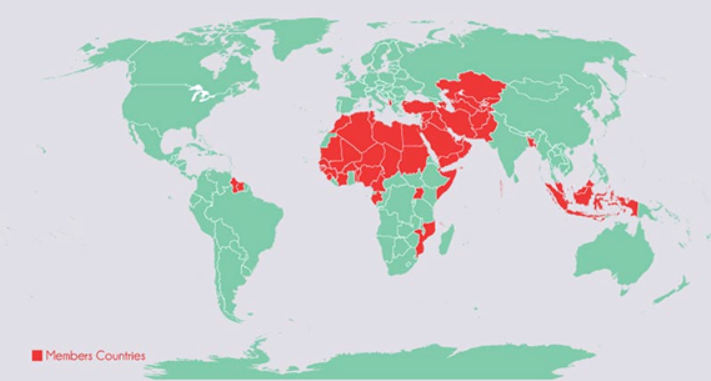
    • The Arab League, officially known as the League of Arab States was established in Cairo in 1945 initially with seven members.
    • Seven founding member states: Egypt, Iraq, Jordan, Lebanon, Saudi Arabia, Syria, and Yemen.
    • Currently it has 22 member states.
    • The member nations are located in the Middle East and North Africa.
    • It has pledged to cooperate on economic and military affairs.
    • The League Council is the highest body and is composed of representatives of member states.
    • The league makes decisions on a majority basis, but there is no mechanism to compel members to comply with resolutions.
    • There are four nations that were conferred observer status: Brazil, Eritrea, India, and Venezuela.
    • Source: AIR

    “Bhavasagara” Referral Centre

    Syllabus: GS3/ Environment

    In News

    • The Ministry of Environment, Forest and Climate Change (MoEFCC) has officially designated the “Bhavasagara” Referral Centre of the Centre for Marine Living Resources & Ecology (CMLRE), Kochi, Kerala, as India’s National Repository for Deep-Sea Fauna.
    • The recognition has been granted under the Biological Diversity Act, 2002.

    About

    • The designation establishes “Bhavasagara” Referral Centre as a critical national facility for the preservation, study, and documentation of India’s deep-sea biological heritage.
    • The Centre currently houses an extensive collection of more than 3,500 taxonomically identified and geo-referenced voucher specimens.
    • Under the Biological Diversity Act, 2002, the Repository is authorised to:
    • Preserve representative biological samples (such as DNA sequences)
    • Act as the official custodian for any new deep-sea species
    • Capacity Building: Aligning with the goals of the UN Decade of Ocean Science for Sustainable Development (2021–2030).
    • Centre for Marine Living Resources & Ecology (CMLRE)
    • Established in 1998, Centre for Marine Living Resources & Ecology (CMLRE) is a premier institute under the Ministry of Earth Sciences (MoES), Government of India.
    • It is dedicated to the exploration, management, and conservation of marine living resources.
    • CMLRE works in India’s Exclusive Economic Zone (EEZ), and the adjacent deep seas.

    GRSE Delivers 3 Frontline Naval Platforms to Indian Navy

    Syllabus: GS3/ Defence

    Context

    • Garden Reach Shipbuilders and Engineers Ltd (GRSE) delivered three frontline naval platforms, INS Dunagiri, INS Sanshodhak, and INS Agray,  to the Indian Navy.
    • With this GRSE has reached the milestone of building 118 warships, including 80 delivered to the Indian Navy, strengthening India’s indigenous defence ecosystem.

    INS Dunagiri (Advanced Stealth Frigate)

    • It is the second ship under Project 17A built by GRSE. The 149-metre, 6,670-tonne frigate is equipped with:
    • BrahMos for precision strikes.
    • Advanced AESA radar and integrated combat management systems.
    • It operates on a Combined Diesel and Gas (CODAG) propulsion system.
    • It is capable of multi-dimensional warfare across air, surface, and sub-surface domains.
    • INS Sanshodhak (Survey Vessel – Large)
    • It is the fourth and final vessel in its class. It is designed for
    • Hydrographic surveys in coastal and deep waters.
    • Collection of oceanographic data.
    • It also supports Helicopter operations, Humanitarian Assistance and Disaster Relief (HADR) missions and Limited combat roles.
    • INS Agray (ASW Shallow Watercraft)
    • It is designed specifically for anti-submarine warfare (ASW) in littoral waters. It features:
    • ~88% indigenous content
    • Lightweight torpedoes and ASW rockets
    • 30 mm naval gun
    • Its shallow draught and waterjet propulsion enhance manoeuvrability in coastal areas.
    • Source: AIR
  • 14th Ministerial Conference of the World Trade Organization | Census 2027

    14th Ministerial Conference of the World Trade Organization

    Syllabus: GS3/ Economy

    Context

    • The 14th Ministerial Conference (MC14) of the World Trade Organization concluded in Yaoundé without consensus on extending the e-commerce duty moratorium.

    What is the E-commerce Moratorium?

    • WTO members agreed in 1998 not to impose customs duties on electronic transmissions, which include:
    • Digital goods such as e-books, software, music, and video games.
    • Services delivered electronically such as streaming platforms.
    • The moratorium has been renewed biennially at successive Ministerial Conferences. Its expiry on March 31, 2026 allows countries to impose tariffs on digital trade.

    Key Issues at Ministerial Conference (MC14)

    • Lack of Consensus on Extension: Developed countries such as the U.S., EU, and Japan supported a long-term or permanent extension.
    • Developing countries, including India, opposed the extension due to concerns over revenue loss and reduced policy space in the digital economy.
    • Disagreement over duration (2 years vs. 5 years) led to a negotiation deadlock.
    • TRIPS Non-Violation Moratorium: It led to the expiry of the safeguard against non-violation complaints under the TRIPS Agreement,
    • The safeguard since 1995 has protected the policy space of developing countries. Without it, even WTO-compliant measures, such as compulsory licensing, can be challenged by developed countries.
    • For India, this increases the risk of disputes over Section 3(d) of the Indian Patents Act, 1970, which restricts patents for already-known drugs unless the new claims are superior in terms of efficacy. It curbs the evergreening of patents.
    • Fisheries Subsidies: Members celebrated the entry into force of the 2022 Agreement on Fisheries Subsidies, which bans support to illegal fishing, to the fishing of already depleted stocks without efforts to restore them, and to unregulated fishing on the high seas.
    • However the agreement does not cover subsidies causing overcapacity and overfishing.
    • The members agreed to continue negotiations on fisheries subsidies to address unresolved issues at the 15th Ministerial Conference.
    • Core Principles Advocated by India
    • Development-Centric Multilateralism: India stressed the importance of an open trading system and reiterated the principle of non-discrimination, as embedded in the Marrakesh Agreement.
    • Public Stockholding (PSH) for Food Security: India demanded a permanent solution on Public Stockholding (PSH). It argued that:
    • A large proportion of Indian farmers are small and resource-constrained.
    • The Minimum Support Price (MSP) system is essential for ensuring income security.
    • Special and Differential Treatment (S&DT): India emphasised the need for effective Special and Differential Treatment provisions for developing countries and Least Developed Countries (LDCs) to address structural inequalities in global trade.
    • Dispute Settlement Mechanism: India stressed the need to restore a fully functional, automatic, and binding dispute settlement system.
    • The current paralysis of the Appellate Body undermines the credibility of the WTO.

    World Trade Organization (WTO)

    • WTO is the international organization that deals with the rules of trade between countries.
    • History:WTO is the successor to the General Agreement on Tariffs and Trade (GATT) established in the wake of the Second World War.
    • The Marrakesh Agreement establishing the World Trade Organization was signed by 123 countries in 1994, leading to the birth of the WTO on 1 January 1995. 
    • Headquarters: Geneva, Switzerland
    • Member: The WTO is run by its 166 members.
    • Mandate: Its aim is to promote free trade, which is done through trade agreements that are discussed and signed by the member states.
    • The preamble of the Marrakesh Agreement accords primacy to the developmental objectives of this organization.

    Organizational Structure of WTO

    • Ministerial Conference: The WTO’s apex decision-making body is the Ministerial Conference, which usually takes place every two years.
    • All members of the WTO are involved in the Ministerial Conference and they can take decisions on all matters covered under any multilateral trade agreements.
    • General Council: It is just below the Ministerial Conference that meets several times a year at the WTO’s headquarters in Geneva.
    • It meets as the Trade Policy Review Body and the Dispute Settlement Body.
    • Trade Related Intellectual Property Rights (TRIPS) Council: It is for the Goods, Services, and Intellectual Property, and it reports to the General Council.
    • Source: TH

    Census 2027

    Syllabus: GS2/ Polity and Governance

    Context

    • India is set to conduct its next population Census digitally, with the exercise scheduled to commence in 2026 and conclude by March 1, 2027.

    Census in India

    • A census is a survey of the population of an area that includes collecting details of a country’s demographics including age, sex and occupation.
    • It is typically conducted every ten years and was scheduled for 2021 but had to be postponed due to the Covid pandemic. 
    • The government has made it mandatory for every usual resident of India to register in the NPR.
    • The NPR is prepared under the provisions of the Citizenship Act 1955 and the Citizenship (Registration of Citizens and Issue of National Identity Cards) Rules, 2003.
    • It is mandatory for every “usual resident of India” to register in the NPR.
    • History: Under W.C. Plowden, the Census Commissioner of India, the first synchronous decennial (every ten years) census was conducted in 1881.
    • Independent India’s first census was held in 1951 and since then it has happened in the first year of every decade.
    • The Constitution mandates that enumeration is carried out but the Census of India Act of 1948 does not specify its timing or periodicity.
    • The population census is conducted by the Office of the Registrar General and Census Commissioner of India under the Ministry of Home Affairs.
    • Major Features of Census 2027
    • First Digital Census: The Census will be conducted using digital devices such as mobile phones and laptops.
    • Multilingual Access: The self-enumeration portal will be available in 16 languages.
    • Caste Enumeration: This will be the first Census since 1931 to capture granular caste data, beyond the broader classifications of Scheduled Castes (SCs) and Scheduled Tribes (STs).
    • Key Structural Changes in Administrative Units
    • India now has 36 States and Union Territories, marking an increase of one since Census 2011.
    • The number of districts has increased significantly from 640 to 784, reflecting administrative reorganization.
    • Urban Expansion:
    • Statutory towns increased from 4,041 to 5,128, indicating formal urban growth.
    • Census towns rose from 3,892 to 4,580, reflecting rural areas transitioning into urban-like settlements.
    • Source: TH
  • West Asian Crisis Disrupts India’s Coffee Exports | Artemis 2 Mission | PM-KUSUM 2.0 | Iranian Parliament Mulls Possible Exit from Nuclear Treaty

    West Asian Crisis Disrupts India’s Coffee Exports

    Syllabus: GS3/ Agriculture

    Context

    • The ongoing crisis in West Asia has severely disrupted Indian coffee exports, stalling approximately 15–20% of shipments near the Persian Gulf, impacting key markets in West Asia and Europe.

    Coffee Exports of India

    • India ranks as the fifth-largest exporter of coffee.
    • The top 5 export destinations for Indian coffee are Italy (18.09percent), Germany (11.01percent), Belgium (7.47percent), the Russian Federation (5.28percent), and the United Arab Emirates (5.09percent).

    Geographical Condition for Coffee production

    • Climate: Coffee grows well in tropical climates. It requires a warm, humid climate with mild winters. Shade is essential for healthy growth, and coffee is often grown under tree cover.
    • Soil: Requires well-drained, fertile soils, rich in humus and organic matter.
    • Soil should be slightly acidic, with a pH of 6.0–6.5.
    • Temperature: Ideal annual temperature ranges between 15°C and 28°C.
    • Frost is harmful to coffee plants, and extreme hot or dry conditions also reduce yield.
    • Precipitation: Coffee thrives in hilly regions with elevations of 600–1,600 metres above sea level.
    • Sloping terrain ensures proper drainage and prevents waterlogging.
    • Major Coffee producing states are Karnataka (largest producer, contributes nearly 70% of India’s coffee), Kerala, and Tamil Nadu.
    • Other emerging states are: Andhra Pradesh, Odisha, and the North-Eastern region (mainly Arunachal Pradesh, Nagaland, and Meghalaya).

    Indian coffees with GI tags

    • Coorg Arabica coffee: Grown in Kodagu district, Karnataka.
    • Wayanad robusta coffee: Cultivated in Wayanad district, Kerala.
    • Chikmagalur Arabica coffee: Produced in Chikmagalur district, Karnataka.
    • Bababudangiri Arabica coffee: Grown in Chikmagalur, known for hints of chocolate.
    • Monsooned Malabar robusta coffee: A distinctive speciality from Kerala, renowned for its unique taste.
    • Araku coffee: cultivated in the hilly terrains of the Visakhapatnam district in Andhra Pradesh and the Odisha region, at elevations of 900-1100 meters above sea level. 

    Coffee Board of India

    • It was established under the Coffee Act VII of 1942.
    • It functions under the Ministry of Commerce and Industry.
    • Headquarters: Bengaluru.

    Artemis 2 Mission

    Syllabus: GS3/ Space

    Context

    • NASA is going to  launch the Artemis II mission.

    About Artemis II

    • Artemis II is part of NASA’s Artemis programme, which aims to return humans to the Moon in a more sustained and strategic manner.
    • The mission will send four astronauts on a journey around the Moon.
    • Artemis II is part of a broader effort to establish a long-term human presence on the Moon.
    • The mission treats the Moon not just as a destination, but as a platform for deeper space exploration.

    Difference between Artemis and Apollo Missions

    Apollo Programme Artemis Programme

    – The Apollo programme landed 12 humans on the Moon. These landings took place between 1969 and 1972.

    – The astronauts landed two at a time.

    – Apollo missions were historic achievements, but they were designed primarily for short-duration visits and demonstration of technological capability. – The Artemis programme aims not only to land humans on the Moon, but also to:

    1. develop the capability for repeated missions,
    2. support long-term astronaut presence,
    3. and create infrastructure needed for future deep-space missions.

    – Artemis is a stepping stone toward more ambitious human exploration beyond the Moon.

    • Source: TH

    PM-KUSUM 2.0

    Syllabus: GS3/ Environment

    In News

    • The government is considering adding a battery energy storage component under the revamped PM-KUSUM 2.0 scheme.

    About PM-KUSUM

    • PM-KUSUM stands for Pradhan Mantri Kisan Urja Suraksha evam Utthaan Mahabhiyan.
    • The current PM-KUSUM scheme, launched in 2019, is set to expire in March 2026. The revamped version is likely to be called PM-KUSUM 2.0.
    • The proposal has gained importance because the existing scheme focuses on solarisation of agricultural pumps but does not include battery storage.
    • The scheme seeks to reduce farmers’ dependence on diesel and grid electricity.
    • It also supports India’s broader renewable energy transition.
    • The scheme is implemented by the Ministry of New and Renewable Energy (MNRE).
    • The scheme follows a shared funding model like 30 percent subsidy by Union government & state government each and 40 % contribution by the farmers. 

    Role of Battery Storage

    • Battery storage can store surplus solar power generated during peak hours.
    • It can then supply this stored power when demand remains high, but solar generation falls.
    • Therefore, battery storage is being considered as a way to improve energy management, power reliability and grid stability.
    • Source: TH

    Iranian Parliament Mulls Possible Exit from Nuclear Treaty

    Syllabus: GS2/IR

    Context

    • As per the Iran’s Foreign Ministry spokesperson Iran’s Parliament is reviewing a possible exit from the Nuclear Non-Proliferation Treaty (NPT).

    About

    • The proposed legislation, according to lawmakers, would:
    • Withdraw Iran from the NPT;
    • Remove legal commitments tied to the 2015 nuclear deal;
    • Support cooperation with other countries on civilian nuclear technology.
    • Treaty on the Non-Proliferation of Nuclear Weapons (NPT)
    • Iran is a signatory to the NPT, which aims to prevent the spread of nuclear weapons while allowing peaceful nuclear activity under monitoring.
    • It was signed in 1968 and entered into force in 1970, the NPT aims to prevent the spread of nuclear weapons and promote disarmament.
    • It divides the world into nuclear-weapon states (NWS), recognized as possessing nuclear weapons at the time of the treaty’s signing, and non-nuclear-weapon states (NNWS), which agree not to develop or acquire nuclear weapons. 
    • The treaty also requires NWS to pursue disarmament negotiations in good faith.
    • India, Israel, North Korea and Pakistan have not signed the NPT.
    • Joint Comprehensive Plan of Action (JCPOA) 2015
    • Participants:
    • Iran
    • P5+1: Five permanent members of the UN Security Council (China, France, Russia, UK, U.S.) plus Germany.
    • EU: Participated in negotiations.
    • Iran’s Commitments
    • Nuclear Restrictions: Iran agreed not to produce highly enriched uranium or plutonium for nuclear weapons and to ensure its nuclear facilities focus on civilian purposes.
    • Centrifuge Limits: Iran limited the number, type, and level of its centrifuges, and reduced its stockpile of enriched uranium.
    • Uranium enriched to 5% is for nuclear power; 20% for research or medical use; 90% for weapons.
    • Monitoring and Verification: Iran agreed to allow the International Atomic Energy Agency (IAEA) unfettered access to nuclear facilities, including undeclared sites.
    • What Other Signatories Agreed To:
    • Sanctions Relief: The EU, UN, and U.S. agreed to lift nuclear-related sanctions on Iran, but U.S. sanctions on ballistic missiles, terrorism support, and human rights remained.
    • The U.S. lifted sanctions on oil exports but kept restrictions on financial transactions.
    • UN arms and missile bans on Iran were lifted after five years, provided the IAEA confirmed Iran’s nuclear activities remained civilian.
    • Violation of the Deal: If any signatory suspects Iran is violating the deal, the UN Security Council can vote on whether to continue sanctions relief.
    • This “snapback” mechanism remains in effect for ten years, after which the UN sanctions are set to be permanently removed.
    • Trump’s Withdrawal: In 2018, President Trump withdrew the U.S. from the deal, leading Iran to resume nuclear activities.
    • Iran’s Nuclear Activity: In 2023, Iran enriched uranium to near weapons-grade levels, raising international concerns.
    • Key provisions of the JCPOA began to expire by late 2023.

    Way Ahead

    • Lawmakers in Iran have in the past raised the idea of leaving the treaty in response to external pressure. 
    • The current conflict has brought the issue back to the centre of political discussion.
    • There has been no official confirmation yet that Iran will exit the treaty, and the outcome will depend on internal approvals and the course of the conflict.
    • Source: TH
  • World Buddhist Peace Conference 2026 | Olive Ridley Turtle Conservation in Andhra Pradesh | Khelo India Tribal Games | Tunguska Air Defence Missile System

    World Buddhist Peace Conference 2026

    Syllabus: GS1/Ancient History

    Context

    • Hyderabad hosted the inaugural of the World Buddhist Peace Conference 2026.

    About

    • It is organised by Buddhavanam and Telangana Tourism Development Corporation, in association with Vietnam Buddhist Sangha.
    • It brings together ministers, monks, scholars and delegates from over 20 countries in a bid to advance dialogue on peace, reconciliation and ethical leadership.
    • Aim: To showcase Buddhavanam as a Buddhist Heritage Theme Park to world Buddhist countries, and to encourage them to have their monasteries and educational institutions at Buddhavanam to attract maximum footfalls from India.
    • It is part of a larger global initiative aimed at positioning Telangana as a centre for Buddhist heritage diplomacy and peace-building. 

    Buddhavanam

    • It is located in Telangana, and is India’s first Buddhist Heritage Theme Park.
    • It is located on the banks of the Krishna River, it showcases the life and teachings of Lord Buddha through art, sculptures, meditation zones, and thematic installations. 
    • It is developed by the Telangana State Tourism Development Corporation.

    Buddhism

    • Buddhism is a spiritual and philosophical tradition based on the teachings of Siddhartha Gautama, known as the Buddha, who lived between roughly 563 and 483 BCE in what is now Nepal and India.
    • The core of Buddhism is the understanding of human suffering, its causes, and the path to overcome it. 
    • Buddhism offers a path to enlightenment, which is seen as liberation from suffering and the cycle of birth, death, and rebirth (samsara).
    • The ultimate goal in Buddhism is to attain Nirvana, a state of liberation from the cycle of birth, death, and rebirth.

    Buddhism

    • Core Teachings of the Buddha
    • The Four Noble Truths
    • Dukkha: Life is suffering or unsatisfactory.
    • Samudaya: Suffering is caused by craving and attachment (tanhā).
    • Nirodha: The cessation of suffering is possible by letting go of craving.
    • Magga: The path to the cessation of suffering is the Eightfold Path.
    • The Noble Eightfold Path: Grouped into three categories: wisdom, ethical conduct, and mental discipline.

    The Three Marks of Existence

    • Anicca (Impermanence): All things are in constant change.
    • Dukkha (Suffering): Existence is filled with dissatisfaction.
    • Anattā (Non-self): There is no permanent, unchanging self.
    • The Goal: Nirvana (Nibbāna)
    • A state beyond suffering and rebirth.
    • Achieved through wisdom, ethical living, and mental discipline.
    • Nirvana is the ultimate liberation and peace.

    Buddhist Circuits

    • In 2016, the Ministry of Tourism announced the Buddhist Circuit as the country’s first transnational tourism circuit, covering sites in Nepal and Sri Lanka alongside those in India. 
    • The Buddhist Circuit seeks to help tourists and pilgrims experience first-hand the teachings of Lord Buddha and trace the footsteps of Buddha.
    • The main sites covered under the circuit span the life of Buddha from his birth to his Parinirvana and comprise Bodh Gaya, Vaishali, Rajgir, Kushinagar, Sarnath and Shravasti, along with Kapilavastu and Lumbini.
    • Four Holiest Buddhist Sites (Chaturmahāsthāna): 
    • Lumbini (Nepal): Birthplace of Gautama Buddha.
    • Bodh Gaya (Bihar): Attained Enlightenment under the Bodhi Tree.
    • Sarnath (Uttar Pradesh): First sermon (Dhammachakra Pravartana).
    • Kushinagar (Uttar Pradesh): Mahaparinirvana (death).
    • About the International Buddhist Confederation (IBC)
    • It was founded in 2012 following the Global Buddhist Congregation in New Delhi.
    • The IBC is the world’s first organization that brings together Buddhist organizations, monastic orders, and lay institutions across 39 countries and over 320 member bodies. 
    • Mission: Embed Buddhist values into global conversations and foster harmony, the IBC upholds a vision of unity, compassion, and spiritual dialogue.
    • Headquarters: New Delhi.
    • Governing Structure: Includes both monastic and lay participation, truly reflecting the principle of collective responsibility in preserving and propagating the Buddha Dhamma.
    • Source: TH

    Olive Ridley Turtle Conservation in Andhra Pradesh

    Syllabus: GS3/Environment

    Context

    • The officials of the Wildlife Management Authority and Coringa Wildlife Sanctuary have conserved nearly 20,000 eggs of Olive Ridley Turtles on Hope Island in the Kakinada Bay.

    About Olive Ridley Turtles

    • The olive ridley gets its name from the olive green color of its heart-shaped shell.
    • These are carnivores and feed mainly on jellyfish, shrimp etc.
    • Distribution: Olive ridleys are found throughout the world primarily in the tropical regions of the Pacific, Indian, and Atlantic oceans.
    • Major nesting sites in India are located along the coasts of Odisha, Andhra Pradesh, and Tamil Nadu including Rushikulya rookery coast (Odisha) and Gahirmatha beach (Bhitarkanika National park).
    • Features: They are known for their unique mass nesting called Arribada, where thousands of females come together on the same beach to lay eggs.
    • Conservation Status: 
    • IUCN Red List: Vulnerable
    • CITES Appendix I
    • Schedule I of the Indian Wildlife (Protection) Act, 1972.
    • olive ridley turtles
    • Coringa Wildlife Sanctuary
    • It is India’s second-largest mangrove forest, located near Kakinada in Andhra Pradesh.
    • The sanctuary lies in the Godavari estuarine region, where the Godavari River meets the Bay of Bengal.
    • Keystone Species: Fishing cat, smooth-coated otter, and golden jackal.
    • Hope Island
    • Hope Island (Krachchu Lanka) is a small tadpole shaped Island situated off the coast of Kakinada. 
    • It is formed from the sediment outflow carried by the waters of the Koringa River, a distributary of the Godavari.
    • It is one of the safe nesting grounds of Olive Ridley Turtles in Andhra Pradesh.
    • Source: TH

    Khelo India Tribal Games

    Syllabus: Miscellaneous

    Context

    • The inaugural edition of the Khelo India Tribal Games (KITG) is being held in Chhattisgarh, across three host cities—Raipur, Jagdalpur and Sarguja.
    • The Games are being conducted over a ten-day period.

    About

    • It is the first national multi-sport event under the Khelo India programme dedicated exclusively to tribal athletes.
    • The Games feature seven medal sports- athletics, football, hockey, weightlifting, archery, swimming and wrestling- along with demonstration events such as mallakhamb and kabaddi.
    • Over 60,000 athletes from 30 states and UTs will play for 338 medals in the Games.
    • The Games serve as a platform for talent identification, with a dedicated Talent Identification and Development committee (TIDC) deployed to scout promising athletes for further training and development under the Khelo India framework.
    • Mascot: The official mascot is Morveer, derived from Chhattisgarhi words Mor (our own) and Veer (bravery).
    • National Level Competitions Under Khelo India Scheme
    • Khelo India Youth Games
    • Khelo India University Games
    • Khelo India Para Games
    • Khelo India Winter Games
    • Khelo India Beach Games
    • Source: PIB

    Tunguska Air Defence Missile System

    Syllabus: GS3/Defence

    Context

    • The Ministry of Defence has signed contracts for the procurement of the Tunguska Air Defence Missile System.

    About

    • The Tunguska is a Soviet-origin (Inducted in early 1980s), tracked, self-propelled air defence system designed to protect ground forces from low-flying aerial threats.
    • Upgraded variants: 2K22M, 2K22M1 with improved fire control and missile capability.
    • NATO designation: SA-19 “Grison.”
    • It uniquely combines missiles and guns on a single platform.
    • Key Features
    • Hybrid System: Integrates surface-to-air missiles with twin 30 mm autocannons, effective against helicopters, drones, and cruise missiles.
    • Missiles:
    • 9M311 series
    • Range: 8–10 km
    • Altitude: up to 3,500 m
    • Guidance: Radio command
    • Autocannons:
    • Fire rate: 3,900–5,000 rounds/min
    • Radar & Tracking: 360° target acquisition radar with detection range up to 18 km.
    • Source: ET

    Red-Crowned Roofed Turtle

    Syllabus: GS3/Environment

    Context

    • Once a jewel of the Ganga, the Red-Crowned Roofed Turtle now survives in a rapidly shrinking habitat.

    About Red-crowned roofed turtle 

    • Scientific Name: Batagur kachuga
    • Genus: Batagur (one of three large freshwater species in India).
    • Habitat: Beyond India, Bangladesh and Nepal hold only marginal habitat, with no confirmed wild populations.
    • Diet: Primarily herbivorous; helps regulate aquatic vegetation and maintain nutrient cycling, supporting balanced freshwater ecosystems.
    • Threats: Rampant harvest of adults and eggs, illegal trade, and habitat degradation.
    • Conservation Status: Critically Endangered (IUCN Red List); protected under Schedule I of the Wild Life (Protection) Act, 1972; listed in Appendix I of CITES.
    • Do you Know?
    • The Indian Turtle Conservation Program, supported by Namami Gange and the Uttar Pradesh and Rajasthan forest departments, works to restore the species’ former glory.
    • red-crowned roofed turtle

    M e-DRIVE Scheme

    Syllabus: GS3/Environment

    Context

    • The government has revised the PM Electric Drive Revolution in Innovative Vehicle Enhancement (PM E-DRIVE) scheme to set new deadlines and unit caps for e-scooters and e-rickshaws.

    Revision of the Scheme

    • The Ministry of Heavy Industries has extended subsidies for electric two-wheelers till 31 July 2026, and for electric rickshaw and electric carts till 31 March 2028.
    • The maximum ex-factory price to avail an incentive is capped at ₹1.5 lakh for electric two-wheelers and ₹2.5 lakh for electric three-wheelers (e-rickshaws and e-carts).

    About PM E-DRIVE Scheme

    • The scheme was launched in 2024 by The Ministry of Heavy Industry.
    • The scheme duration was from October, 2024 till 31st March, 2026 and is now extended to March 31, 2028.
    • The EMPS-2024 (Electric Mobility Promotion Scheme) was also subsumed under the PM E-DRIVE scheme.
    • The PM E-DRIVE scheme is proposed to be implemented through the following components:
    • Subsidies: Demand Incentives for e-2W, e-3W, e-ambulances, e-trucks and other new emerging EV categories.
    • Grants for creation of capital assets: e-buses, establishment of network of charging stations & upgradation of testing agencies of MHI, and;
    • Administration of the Scheme including IEC (Information, Education & Communication) activities and fee for project management agency (PMA).
    • The following categories of vehicles are eligible for support:
    • Buses (only electric buses) (e-bus);
    • Three-Wheelers (electric) including registered e-rickshaws & e-carts and L5 (e-3W);
    • Two wheelers (electric) – e-2W;
    • e-ambulances (electric, plug in hybrid & strong hybrid); and
    • e-trucks and other new emerging EV categories (to be notified subsequently).
    • Charging Stations: The scheme addresses range anxiety of EV buyers by promoting in a big way the installation of electric vehicle public charging stations (EVPCS). 

    What are Electric Vehicles?

    • An electric vehicle (EV) operates on an electric motor, instead of an internal-combustion engine that generates power by burning a mix of fuel and gases.
    • They are seen as a possible replacement for current-generation automobiles in order to address the issue of rising pollution, global warming, depleting natural resources, etc.

    Government Initiatives

    • National Electric Mobility Mission Plan (2020) and FAME-I: NEMMP was brought into effect to accelerate the adoption and production of electric vehicles (EVs).
    • As part of this mission, the FAME India Scheme (Faster Adoption and Manufacturing of Hybrid and Electric Vehicles) was implemented from 2015 to 2019 to encourage the adoption of electric and hybrid vehicles.
    • FAME II (Faster Adoption and Manufacturing of Electric Vehicles) — Phase II: Launched in 2019, the scheme focuses on increasing EV adoption, expanding the e-bus network, and strengthening the charging infrastructure.
    • Production Linked Incentive (PLI) Scheme for Automobile and Auto Component Industry in India (PLI-Auto): Launched in 2021, the scheme aims to boost domestic manufacturing of Advanced Automotive Technologies (AAT).
    • Major players like Tata Motors and Mahindra & Mahindra have stepped up with significant EV production investments. 
    • A key mandate is that companies must ensure at least 50% domestic value addition (DVA) to qualify for incentives.
    • Scheme for Promotion of Manufacturing of Electric Passenger Cars in India 2024 (SPMEPCI): To draw global automakers to invest, the scheme grants approved applicants a five-year window to import Completely Built-in Units (CBUs) of electric four-wheelers (e-4W) valued at a minimum CIF (Cost, Insurance, and Freight) of USD 35,000 at a significantly reduced customs duty of 15%.
    • India Electric Mobility Index (IEMI): NITI Aayog unveiled the India Electric Mobility Index (IEMI) in 2025. It is designed to track, measure, and compare how States and Union Territories are progressing on their electric mobility ambitions.
    • Based on these results, regions are ranked as frontrunners with thriving ecosystems; Delhi, Maharashtra, and Chandigarh are leading as ‘Frontrunners’ in the recent IEMI score.
    • PM e-Bus Sewa-Payment Security Mechanism (PSM) Scheme: It was notified in 2024, aims to support deployment of more than 38,000 electric buses.
    • The objective of the scheme is to provide payment security to e-bus operators in case of default by Public Transport Authorities (PTAs).
    • Source: TH

    Birsa Munda

    Syllabus: GS1/ Modern History

    Context

    • The Vice-President of India visited the birthplace of Birsa Munda in Jharkhand.

    About

    • Birsa Munda was born on 15th November 1875 in Ulihatu of the erstwhile Bengal Presidency (present day Jharkhand) .
    • He was a legendary Indian tribal freedom fighter, religious leader, and folk hero from the Munda tribe. 
    • Birsait religion: He founded a new religion called “Birsait“ and declared himself as God’s messenger. He believed in One God. 
    • People of Munda and Oraon community joined the sect and challenged British conversion activities of tribals.
    • He was referred to as  ‘Dharti Abba or Father of Earth’ by his followers.
    • Munda Rebellion: It was the tribal movement led by Birsa Munda against the oppressions of the British Raj and local exploiters (Dikus).
    • It is also referred to as ‘Ulgulan’ or the ‘Great Tumult’.
    • In 1900 he was arrested in Jamkopai forest and passed away in custody (due to cholera).
    • Outcome: The British government introduced the Chotanagpur Tenancy Act in 1908, to prohibit the transfer of tribal land to non-tribals (Dikus).
    • Janjatiya Gaurav Divas: Observed on November 15 since 2021 to honor his legacy.
    • Source: HT

    Zojila Pass

    Syllabus: GS1/Geography

    Context

    • An avalanche at the Zojila Pass claimed multiple lives, raising concerns over traffic management and safety protocols on this high-risk mountain highway.
    • An avalanche is a rapid flow of snow down a slope, such as a hill or mountain.

     Zojila Pass 

    • It is one of the most critical and challenging high-altitude passes in the world.
    • It is  located at 3,528 metres in Jammu and Kashmir.
    • It  is a vital link between the Kashmir Valley and Ladakh.
    • It is  known for its strategic importance and stunning Himalayan scenery. 

    Zojila Tunnel Project

    • It is an under-construction tunnel situated at an altitude of 11,578 ft (around 3,500 metres) on the Srinagar-Leh Highway in Jammu and Kashmir.
    • It will be India’s longest road tunnel, and Asia’s longest bi-directional tunnel.
    • Source: AIR
  • Saraswati Samman 2025 | Cabinet Approves India’s Nationally Determined Contribution (2031-2035) | Paternity Leave | Gold Prices Fall Amid Crisis | Nikul Tests 3D-Printed ‘Agnite’ Booster Engine

    Saraswati Samman 2025

    Syllabus: Miscellaneous

    Context

    • Bengali Novel Hara Parbati Katha by Author Ramkumar Mukhopadhyay has been selected for Saraswati Samman, 2025.

    About

    • The Saraswati Samman, instituted by the K.K. Birla Foundation in 1991, is an annual award given to outstanding literary work written in any Indian language by an Indian citizen and published during the last 10 years. 
    • The awardee will be given 15 lakh rupees, a citation and a plaque.
    • Source: AIR

    Cabinet Approves India’s Nationally Determined Contribution (2031-2035)

    Syllabus: GS3/  Environment

    Context

    • The Union Cabinet approved India’s updated Nationally Determined Contribution (NDC) for 2031–2035 under the United Nations Framework Convention on Climate Change and the Paris Agreement.

    What are Nationally Determined Contributions (NDCs)?

    • Nationally Determined Contributions (NDCs) are country-specific climate action plans submitted under the Paris Agreement.
    • They outline targets for reducing greenhouse gas emissions and adapting to climate change.
    • NDCs are revised periodically to enhance ambition.

    Guiding Principles of India’s NDC:

    • India’s NDC is based on the principle of Common But Differentiated Responsibilities and Respective Capabilities (CBDR-RC). The approach emphasises equity and climate justice.
    • India’s NDC balances developmental needs, energy security, and climate commitments.

    Key Targets in NDC 3.0 (2031-2035)

    • Emissions Intensity Reduction: India has committed to reducing the emissions intensity (CO₂ per unit of GDP) of its GDP by 47% by 2035 from 2005 levels.
    • India has already reduced its emissions intensity by about 36% between 2005 and 2020.
    • Expansion of Non-Fossil Fuel Capacity: India has committed to achieving 60% of its installed electric power capacity from non-fossil fuel sources by 2035.
    • India has already achieved more than 52% non-fossil fuel capacity by 2026, ahead of its earlier target.
    • Creation of Carbon Sink: India has committed to creating a carbon sink of 3.5 to 4 billion tonnes of CO₂ equivalent through forest and tree cover by 2035.

    Challenges in Achieving India’s NDC Targets

    • Technology and Innovation Gaps: Critical technologies such as Green hydrogen, Battery storage, Carbon Capture, Utilisation and Storage (CCUS) are still costly and not commercially scalable.
    • India remains dependent on imports for critical minerals and advanced technologies.
    • Dependence on Fossil Fuels: Coal continues to dominate India’s energy mix due to affordability and energy security concerns. Non-fossil capacity exceeds 50%, but actual electricity generation share remains much lower (~25%), reflecting structural dependence.
    • Infrastructure Pressure: India is undergoing rapid urbanisation, with cities contributing a large share of emissions.
    • Infrastructure demand (housing, transport, industry) increases carbon footprint.
    • Major Government Initiatives for Achieving NDC Targets
    • PM Surya Ghar: Muft Bijli Yojana aims to promote rooftop solar in households and reduce fossil fuel-based electricity consumption.
    • PM-KUSUM (Pradhan Mantri Kisan Urja Suraksha Evam Utthaan Mahabhiyan) promotes solar pumps and decentralised solar plants, reducing diesel use in agriculture.
    • National Green Hydrogen Mission aims to decarbonise hard-to-abate sectors and position India as a global green hydrogen hub.
    • Production Linked Incentive (PLI) Schemes support domestic manufacturing of solar modules, batteries, and electric vehicles.
    • Green Energy Corridor Project strengthens transmission infrastructure for renewable energy integration.
    • The National Afforestation Programme enhances forest cover to create carbon sinks.

    Way Ahead

    • India should enhance climate finance mobilisation through green bonds, blended finance, and increased private sector participation, while actively seeking global climate finance.
    • India must invest in research and innovation in emerging technologies such as Carbon Capture, Utilisation and Storage (CCUS), hydrogen, and storage solutions.
    • India needs to gradually reduce coal dependence through a phased and just transition strategy that protects jobs and regional economies.
    • Source: PIB

    Paternity Leave

    Syllabus: GS2/Governance

    Context

    • The Supreme Court called on the Union government to examine the need for a formal law recognising paternity leave for all fathers, adoptive or biological.
    • The Court observed that the duration of the leave must be determined to suit the needs of both the parents and the child.

    About

    • Paternity leave is leave granted to a male employee (father) to take care of his newborn or adopted child and support the mother after childbirth.
    • India does not have a universal paternity leave law.
    • However, under the Central Civil Services (Leave) Rules, 1972 male government employees are entitled to 15 days of paternity leave, which they can take within six months of their child’s birth or adoption.
    • The Supreme Court of India in 2026 urged the government to:
    • Enact a dedicated law on paternity leave.
    • Recognize it as a social security benefit.
    • Countries like Sweden, Iceland and Germany provide paid parental leaves.
    • Significance
    • It challenges the stereotype that childcare is solely a mother’s responsibility.
    • Encourages shared parenting roles.
    • Reduces physical and emotional burden on mothers after childbirth.
    • Ensures better newborn care.
    • Strengthens parent-child bonding.
    • Makes workplaces more inclusive and progressive.

    Gold Prices Fall Amid Crisis

    Syllabus: GS3/ Economy

    Context

    • Gold prices have declined sharply despite the outbreak of a major conflict in West Asia in February 2026.

    Why Gold Traditionally Rises During Crises? 

    • Safe Haven Demand: Gold is considered a reliable store of value during periods of uncertainty such as wars, financial crises, and inflationary shocks.
    • Low Interest Rate Environment: Gold does not generate interest or dividends.
    • When interest rates fall, returns on bonds and deposits decline, making gold relatively more attractive.

    Key Factors Driving the Current Fall in Gold Prices

    • Rising Oil Prices and Inflation Concerns: The West Asian conflict has disrupted oil supply, pushing crude prices above $100 per barrel. Higher oil prices have increased global inflationary pressures.
    • Shift in Monetary Policy Expectations: Markets now expect central banks to maintain higher interest rates for a longer period.
    • Higher interest rates increase returns on fixed-income instruments such as government bonds.
    • Opportunity Cost of Holding Gold: As interest-bearing assets become more attractive, investors shift away from gold, which offers no yield.

    Key Facts

    • Top Global Producers (2024–25): China, Australia, Russia.
    • India’s Position:
    • Production: Extremely low,  less than 1% of global production.
    • Consumption: Second largest consumer of gold globally.
    • Gold Reserves in India: Bihar, Rajasthan, and Karnataka.
    • Key Mining Areas in India:
    • Karnataka is the leading gold-producing state in India. Major mining sites include Hutti Gold Mines and Kolar Gold Fields (closed in 2001).
    • Jharkhand: Gold is found in alluvial form in the Subarnarekha River basin.

    Nikul Tests 3D-Printed ‘Agnite’ Booster Engine

    Syllabus: GS3/ S&T

    In News

    • Indian space startup Agnikul Cosmos recently announced the successful test of its 3D-printed booster engine, named ‘Agnite’.

    About

    • Agnite is a single-piece 3D-printed booster engine developed for the booster stage of Agnibaan launch vehicles.
    • The engine is designed to reduce production complexity and turnaround time for space missions.
    • Unlike conventional booster engines made of thousands of parts, Agnite is built as a single-piece architecture.
    • It can reportedly be fully printed within a week, making manufacturing significantly faster.
    • The engine is made of Inconel, a high-performance alloy commonly used in high-temperature aerospace applications.
    • Source: TOI

    QS World University Rankings by Subject 2026

    Syllabus: Miscellaneous

    Context

    • The 16th annual edition of the QS World University Rankings by Subject has been recently published.

    About QS World University Rankings by Subject

    • QS Quacquarelli Symonds is a London-based higher education analytics firm.
    • It ranks universities not overall, but specifically for 55 individual subjects giving a more granular picture of academic excellence.
    • The 55 subjects are grouped into five broad areas — Arts and Humanities, Engineering and Technology, Life Sciences and Medicine, Natural Sciences, and Social Sciences and Management.
    • IIT-ISM Dhanbad (Indian School of Mines) has ranked 21st globally in Mineral and Mining Engineering & IIM Ahmedabad has featured as India’s top-ranked institution in both Business and Management Studies and Marketing.
    • Source: TH

    IIED Food Security Index

    Syllabus: GS3/ Economy

    In News

    • A new study by the International Institute for Environment and Development (IIED) has found that India is among the large economies most vulnerable to worsening food insecurity under rising global temperatures.

    Key Highlights

    • India’s Position:
    • India’s baseline score in the new Food Security Index is 5.31, significantly below the global average of 6.74.
    • It is behind countries such as Brazil, Mexico, and Indonesia, indicating structural weaknesses in its food system.
    • Impact of Rising Temperatures:
    • India’s score is projected to decline further to:
    • 4.96 at 1.5°C warming
    • 4.52 at 2°C warming.
    • This means that climate change (long-term rise in global temperatures and weather instability) could increasingly reduce access to adequate food.
  • Foreign Contribution (Regulation) Amendment Bill 2026 | Central Armed Police Forces (CAPF-General Administration) Bill | Lok Sabha Passes Finance Bill 2026 | Immigration, Visa, Foreigners Registration & Tracking (IVFRT) Scheme | PRISM-SG Portal

    Foreign Contribution (Regulation) Amendment Bill 2026

    Syllabus: GS2/ Polity and Governance

    Context

    • The union government introduced the Foreign Contribution (Regulation) Amendment Bill, 2026 in the Lok Sabha.

    Foreign Contribution Regulation Act (FCRA), 2010

    • FCRA aims to regulate the acceptance and utilization of foreign contributions to prohibit activities detrimental to the national interest.
    • First enacted in 1976, replaced in 2010, and further amended in 2016, 2018, and 2020.
    • It is administered by the Ministry of Home Affairs (MHA).
    • FCRA registration is valid for 5 years and must be renewed before expiry.
    • Around 16,000 NGOs are registered under FCRA, receiving nearly ₹22,000 crore annually.

    Key Provisions of the 2026 Amendment Bill

    • Designated Authority for Asset Management: The Bill proposes the creation of a Designated Authority as the core institutional mechanism for managing foreign-funded assets.
    • The authority will take control of foreign contributions and assets when an organisation’s registration is cancelled, surrendered, expired, or not renewed.
    • Government Power Over Assets: If registration is not restored, the government can transfer assets to a government department.
    • It can also sell those assets, with proceeds going to the Consolidated Fund of India.
    • Automatic Cessation of Registration: A new Section 14B is introduced, providing for “deemed cessation” of FCRA registration upon expiry or refusal of renewal.
    • Registration automatically stops in three situations:
    • Organisation fails to apply for renewal.
    • Renewal application is rejected.
    • Validity period expires without renewal.
    • Time-Bound Utilisation of Funds: The amendment introduces mandatory timelines for the receipt and utilisation of foreign funds to improve financial discipline and transparency.
    • Restrictions During Suspension: A suspended organisation cannot sell, transfer, or mortgage its foreign-funded assets.
    • Prior government approval is mandatory for any such action.
    • Centralised Investigation Control: Section 43 of the parent Act is amended, requiring any law enforcement agency or state government to obtain prior clearance from the Centre before beginning an inquiry into FCRA allegations. 
    • Rationalisation of Penalties: The amendment reduces the severity of penalties for violations under the Act. The maximum punishment is reduced from five years of imprisonment to one year, or fine, or both.
    • Individual Accountability: The definition of “Key Functionary” now includes directors, partners, trustees, karta of Hindu Undivided Family (HUF), office-bearers of societies/trusts/trade unions, and any person with control over management.
    • They are personally liable unless they prove lack of knowledge or due diligence.
    • Permanent Vesting of Assets: If an organisation shuts down, becomes inactive, or ceases to exist, its foreign-funded assets will permanently vest with the government through the Designated Authority.
    • Why is Regulating Foreign Contributions Necessary?
    • Protects national security and sovereignty from foreign interference.
    • Prevents money laundering and diversion of funds to illegal activities.
    • Ensures funds are used only for developmental and charitable purposes.
    • Brings transparency and accountability to NGO functioning.
    • Prevents foreign funding of electoral candidates, journalists, judges, government servants, and political organisations — all of which are prohibited under FCRA.
    • Concerns over regulating foreign contributions
    • Administrative Delays: The registration and renewal process is often time-consuming, affecting NGOs’ ability to access funds and carry out activities.
    • Political Interference: The government’s discretionary powers to cancel registrations or freeze accounts of NGOs have been misused in some cases to target NGOs critical of the government, leading to accusations of political interference.
    • Hinders social and economic development: Stringent Compliance Requirements of foreign contributions affects the social and economic development in India.
    • Lack of Transparency Within NGOs: Some NGOs do not clearly disclose how and where foreign funds are spent. Tightening entry-level rules alone cannot fix this internal accountability problem. 

    Way Ahead

    • The government should ensure transparent and time-bound approval processes under FCRA.
    • There is a need to balance regulatory oversight with autonomy of civil society organisations.
    • Judicial and institutional safeguards should be ensured to prevent arbitrary use of powers.
    • Source: TH

    Central Armed Police Forces (CAPF-General Administration) Bill

    Syllabus: GS2/Polity and Governance

    Context

    • The Parliament started discussion on the Central Armed Police Forces (CAPF-General Administration) Bill.

    Major Highlights of the Bill

    • Aim: To regulate recruitment, deputation, promotion, and other service conditions for the paramilitary officers.
    • The bill will retain dominance of IPS officers on deputation in the five CAPFs:
    • the Border Security Force (BSF), the Central Reserve Police Force (CRPF), the Central Industrial Security Force (CISF), the Indo Tibetan Border Police (ITBP), and the Sashastra Seema Bal (SSB) in leadership positions.
    • Reserving Posts: The bill proposes reserving 67% of additional director general posts and 50% of inspector general posts for IPS officers on deputation.
    • The posts in the ranks of Special DG and DG shall be filled exclusively by deputation.
    • The government argues that IPS officers are necessary in the interest of maintaining Centre-state relationship and ensuring close coordination between the Union and the states.
    • The Bill, if passed, is likely to effectively undo a Supreme Court verdict directing the Centre to progressively reduce the deputation of IPS officers in the CAPFs.

    Background

    • In 2015, Group A officers of the CAPFs approached the court seeking Non Functional Financial Upgradation (NFFU), cadre review, restructuring, and changes to recruitment rules to eliminate IPS deputation and enable internal promotions to Senior Administrative Grade (SAG).
    • In the case of Sanjay Prakash & Others vs Union of India, 2025, the Supreme Court ruled that:
    • Group A officers of CAPFs are to be treated as “Organised Services” for all purposes.
    • The deputation of IPS officers to SAG posts i.e., up to the rank of Inspector General (IG), in CAPFs should be progressively reduced within an outer limit of two years.
    • The court also asked for a time-bound review of cadre and framing of service rules in six months. 
    • Purpose of the Ruling: The decision aimed to ensure fair career progression for CAPF cadre officers and to curb the longstanding dominance of deputed IPS officers within CAPFs.

    Current Organisational Setup of CAPF

    • The CAPFs include the Border Security Force, Central Industrial Security Force, Central Reserve Police Force, Sashastra Seema Bal, and Indo-Tibetan Border Police. 
    • The Ministry of Home Affairs is the cadre-controlling authority for both IPS and CAPF officers.
    • The Centre had mentioned that the deputation of IPS officers was necessary to maintain the operational readiness of the forces and to ensure Centre-State coordination.
    • Reserved Seats: At present, 20% of Deputy Inspector General (DIG) posts and 50% of Inspector General (IG) posts in CAPFs are reserved for IPS officers. 

    Concerns of IPS Appointments in CAPFs

    • Stagnation in Career Progression: Due to high reservation of senior ranks for IPS officers, CAPF cadre officers face limited promotional opportunities.
    • On average, a CAPF officer takes 25 years to reach the rank of Commandant, a position they should ideally achieve in 13 years.
    • Violation of Organisational Integrity: The continued deputation of IPS officers hampers institutional autonomy and the long-term professionalization of CAPFs as elite forces.
    • Violation of Natural Justice and Equality: Articles 14 (Right to Equality) and Articles 16 (Equality of Opportunity in Public Employment) come into play, as CAPF cadre officers are denied equal promotional avenues compared to their IPS counterparts.

    Conclusion

    • The success of the bill will depend on balanced implementation i.e. ensuring operational efficiency while safeguarding the rights, morale, and well-being of personnel. 
    • In this regard, continuous stakeholder consultation, transparency, and robust oversight mechanisms will be crucial. 
    • Source: TH

    Lok Sabha Passes Finance Bill 2026

    Syllabus: GS2/ Polity and Governance

    Context

    • The Finance Bill, 2026 was passed by the Lok Sabha marking a significant step in concluding the Union Budget process for the 2026-27 financial year.

    What is the Finance Bill?

    • The Finance Bill is a Money Bill that gives effect to the taxation and financial proposals of the Union Government.
    • It is introduced annually after the presentation of the Union Budget under Article 110 of the Constitution. It includes provisions related to;
    • Provisions related to direct and indirect taxes.
    • Amendments to existing tax laws.
    • Changes in financial regulations and policy framework.
    • Significance of the Bill
    • Provides legal sanction to tax proposals, ensuring revenue mobilisation.
    • Promotes ease of doing business through tax simplification.
    • Encourages investment and consumption via targeted tax measures.
    • Strengthens India’s path towards fiscal consolidation and growth.

    How is it different from the Appropriation Bill?

    • The Appropriation Bill is introduced under Article 114 of the Constitution of India to authorise the withdrawal of funds from the Consolidated Fund of India to meet government expenditure.
    • It deals with appropriation of funds already voted by the Lok Sabha and charged expenditure, as provided under Article 114(3).
    • The Bill does not allow any amendments, as it only seeks approval for expenditure already voted.
    • It is introduced after the Demands for Grants are voted by the Lok Sabha under Article 113.
    • Both the Finance Bill and Appropriation Bill are classified as Money Bills.
    • Key Tax & Financial Highlights

    Support for Key Sectors:

    • Digital infrastructure and electronics manufacturing.
    • Marine products, leather industry, and critical minerals.
    • Nuclear energy and strategic sectors.
    • TCS Reductions: Tax Collected at Source (TCS) on overseas tour packages and remittances for education and medical purposes (under LRS) has been reduced to 2%.
    • Stock Market Taxes: Securities Transaction Tax (STT) on Futures increased to 0.05% (from 0.02%), while the rate for Options rose to 0.15%.
    • Customs Exemptions: Basic customs duty has been exempted for 17 life-saving cancer drugs.
    • Corporate Buybacks: All share buybacks are now taxed as capital gains; promoters face an additional buyback tax.
    • Principles of Finance Bill 2026: 
    • Trust-based tax administration, 
    • Improving the ease of living for the common citizens, 
    • Empowering MSMEs, farmers and cooperatives, 
    • Strengthening India as a global business hub and 
    • Enabling seamless trade facilitation and customs reforms.

    Key Economic Terms

    • Tax Collected at Source (TCS) is a tax collected by the seller from the buyer at the time of sale of specified goods or services, as per Section 206C of the Income Tax Act, 1961.
    • The seller collects a percentage of the transaction value as tax and deposits it with the government.
    • Securities Transaction Tax (STT) is a direct tax levied on the purchase and sale of securities traded on recognised stock exchanges in India.
    • It was introduced in 2004 through the Finance Act. The tax is collected by stock exchanges and deposited with the government.

    Fiscal Estimates for FY 2026-27

    • Total Expenditure: ₹53.47 lakh crore, marking a 7.7% increase over the previous fiscal year.
    • The total capital expenditure proposed for the next fiscal is ₹12.2 lakh crore.
    • It proposes a gross tax revenue collection of ₹44.04 lakh crore and a gross borrowing of ₹17.2 lakh crore.
    • The fiscal deficit for FY27 is projected at 4.3% of GDP, lower than 4.4% in the current fiscal.
    • Source: AIR

    Immigration, Visa, Foreigners Registration & Tracking (IVFRT) Scheme

    Syllabus: GS2/Governance

    Context

    • The Union Cabinet has approved the continuation of the Immigration, Visa, Foreigners Registration & Tracking (IVFRT) Scheme beyond March 31, for a period of five years, till 2031.

    About

    • The IVFRT platform seeks to interlink and optimize functions related to immigration, visa issuance and registration of foreigners in India. 
    • It was first approved by the Cabinet Committee on Economic Affairs in 2010 with project duration till 2014.
    • The scheme will modernize the immigration and visa ecosystem through adoption of emerging technologies for seamless and secure passenger movement. 
    • IVFRT system has enabled a 100% contactless and faceless visa process leading to faster visa processing times with 91.24% of e-Visa applications having been cleared within 72 hours during the past five years.
    • Average passenger clearance time at Immigration Posts has also been reduced to 2.5-3 minutes from the conventional 5-6 minutes.
    • Source: TH

    PRISM-SG Portal

    Syllabus: GS3/ Economy

    In News

    • The PRISM-SG Portal was recently launched to improve coordination in highway and railway infrastructure projects.

    What is PRISM-SG?

    • PRISM-SG stands for Portal for Rail-Road Inspection & Stages Management – Steel Girders.
    • It is a digital platform that streamlines approval and inspection processes for bridge construction.
    • Specifically covers construction of:
    • Road Over Bridges (ROBs)
    • Railway Bridges
    • The portal brings all key players onto a single platform like road owning departments, Indian Railways, contractors etc.
  • The Judicial Push for Environmental CSR | Bureau of Indian Standards (BIS) | Subhash Chandra Bose Aapda Prabandhan Puraskar | National Dental Commission (NDC) | GlobE Network

    The Judicial Push for Environmental CSR

    Syllabus: GS3/Economy; Environment

    Context

    • By invoking Article 51A (g), the judiciary underscored that the right to conduct business is inseparably linked to the responsibility to restore the planet.

    Corporate social responsibility (CSR)

    • CSR is a business model that encourages companies to operate in ways that enhance society and the environment while still being accountable to their stakeholders and the public.
    • CSR includes four categories: environmental impacts, ethical responsibility, philanthropic endeavors, and financial responsibilities.
    • CSR in India: Section 135 of the Companies Act, 2013 provides that certain companies must mandatorily contribute a certain amount towards CSR activities.
    • The Board of Directors of every company for which the CSR provisions apply must ensure that the company spends in every financial year at least 2% of its average net profits made during the immediately preceding three financial years. 
    • It plays a critical role in balancing profit-making with social accountability.
    • It ensures that businesses contribute positively to society while pursuing economic goals.
    Article 51A(g)

    • Article 51A(g) is a fundamental duty (Environment Protection).
    • It was added by the 42nd Constitutional Amendment Act and falls under Part IVA of the Constitution.
    • It mandates every citizen to protect and improve the natural environment, including forests, rivers, lakes, and wildlife.
    • Courts have linked Article 51A(g) with Article 21, expanding the right to a clean and healthy environment.

    Bureau of Indian Standards (BIS)

    Syllabus: GS3/Economy

    Context

    • The Decade of Bureau of Indian Standards (BIS) was highlighted by the Union Minister for Consumer Affairs, Food and Public Distribution.

    About Bureau of Indian Standards (BIS)

    • Established: The BIS was constituted under the Bureau of Indian Standards Act, 2016.
    • Headquarters: New Delhi.
    • Regional Offices: Five offices located in Kolkata, Chennai, Mumbai, Chandigarh, and Delhi.
    • Core Functions: Standards Formulation (e.g., Indian Standards codes) and Product Certification (e.g., ISI mark for quality assurance).
    • Source: AIR

    Subhash Chandra Bose Aapda Prabandhan Puraskar

    Syllabus: Miscellaneous

    Context

    • The Subhash Chandra Bose Aapda Prabandhan Puraskar is a prestigious National honour announced every year on 23rd January, the birth anniversary of Subhash Chandra Bose.

    About

    • Aim: To recognise and acknowledge the invaluable contributions of individuals and institutions in the field of disaster management. 

    Award Categories

    • Individual: Scroll and Medal.
    • Institution: Scroll and Plaque.
    • Both Indian citizens and institutions are eligible.
    • Nominations are open throughout the year.
    • Applications must be submitted online through the National Awards Portal.
    • Self-nomination and third-party nomination are permitted.
    • About Netaji Subhash Chandra Bose
    • He was a prominent Indian nationalist and leader who played a crucial role in the Indian independence movement. 
    • Indian National Congress: He was elected as the President of the Indian National Congress twice, in 1938 and 1939. 
    • Azad Hind Radio 1942: He established Azad Hind Radio in Germany to reach out to Indians and spread his vision of independence.
    • He coined several patriotic slogans, including “Jai Hind,” “Dilli Chalo” (On to Delhi), and “Give me blood, and I will give you freedom,”.
    • Formation of Indian National Army (INA): In 1942, he formed the INA with the help of Japanese forces.
    • The INA was an armed force aimed at securing India’s independence through military action against British rule.
    • Azad Hind Government: In 1943, Subhash Chandra Bose renamed the Andaman and Nicobar Islands as “Shaheed” (Martyr) and “Swaraj” (Self-Rule) during his leadership of the Azad Hind Government.
    • This was a symbolic gesture of asserting India’s sovereignty against British rule.
    • On October 21, 1943, Netaji declared the establishment of the Provisional Government of Free India (Azad Hind Sarkar).
    • He was the first person to call Mahatma Gandhi “Father of the Nation”, in his address from Singapore.

    Legacy: 

    • He is widely respected for his contributions to the nationalist movement, and his legacy continues to inspire people across India and beyond.
    • Source: PIB

    National Dental Commission (NDC)

    Syllabus: GS2/Governance

    Context

    • The Government of India has replaced the Dental Council of India (DCI) with a new regulator, the National Dental Commission (NDC).

    About the National Dental Commission

    • Established under the National Dental Commission Act, 2023.
    • Aims to bring regulatory reforms in dental education and improve access to affordable oral healthcare.

    Key Functions

    • Frame regulations to implement the provisions of the Act;
    • Conduct assessment and rating of dental institutions;
    • Evaluate human resources and promote dental research;
    • Frame guidelines for fee regulation in private dental colleges;
    • Set standards for community dental care, education, research, and professional ethics.
    • Institutional Structure: To support its functioning, three autonomous boards have been constituted:
    • Undergraduate and Postgraduate Dental Education Board – to oversee dental education;
    • Dental Assessment and Rating Board – to regulate accreditation and institutional assessment;
    • Ethics and Dental Registration Board – to govern professional conduct and registration of dentists.
    • Source: PIB

    GlobE Network

    Syllabus: GS2/ International Organizations

    Context

    • India recently hosted the 12th Steering Committee Meeting of the Global Operational Network of Anti-Corruption Law Enforcement Authorities in New Delhi.

    About GlobE Network

    • The Global Operational Network of Anti-Corruption Law Enforcement Authorities (the GlobE Network) was established in 2021.
    • Evolution: The initiative originated from the G20 Anti-Corruption Ministerial Meeting 2020, which endorsed the Riyadh Initiative.
    • It is open to anti-corruption law enforcement authorities of all UN Member States and States parties to the UN Convention against Corruption (UNCAC). 
    • The Network is governed by its members and is supported by the United Nations Office on Drugs and Crime (UNODC) which provides the Network’s secretariat.
    • India joined the Network in 2022, with the CBI and the ED as its two designated member agencies and was elected to the 15-member Steering Committee in 2024.
    • Source: AIR