Category: National and International Current Affairs

  • World Tuberculosis Day | National Biodiversity Authority Constitutes Expert Committee on Invasive Alien Species | Modifies of Credit Guarantee Scheme to Support MSME Manufacturers and Exporters | Minor Planet Centre (MPC) | Diego Garcia

    World Tuberculosis Day

    Syllabus: GS2/Health

    Context

    • World Tuberculosis Day is celebrated on March 24 to educate people about tuberculosis.

    About

    • The day is observed to commemorate the anniversary of Dr. Robert Koch’s discovery of the TB bacteria in 1882.
    • The theme for 2026 is “Yes! We can end TB”, which focuses on hope as well as action. 

    What is Tuberculosis?

    • Tuberculosis (TB) is an infectious disease that most often affects the lungs and is caused by the bacteria Mycobacterium tuberculosis.  
    • It spreads through the air when infected people cough, sneeze or spit.
    • Symptoms: prolonged cough (sometimes with blood), chest pain, weakness, fatigue, weight loss, fever, night sweats.
    • While TB usually affects the lungs, it also affects the kidneys, brain, spine and skin.
    • Treatment: It is preventable and curable with antibiotics.
    • TB Vaccine: The Bacillus Calmette-Guérin (BCG) vaccine remains the only licensed vaccine against TB; it provides moderate protection against severe forms of TB (TB meningitis) in infants and young children.
    • India’s TB burden and progress
    • TB as a global health challenge: India has the highest TB burden in the world, contributing to 26% of the global burden and 29% of global TB-related deaths.
    • India is followed by Indonesia (10%), China (6.8%), the Philippines (6.8%), and Pakistan (6.3%).
    • Multidrug-Resistant TB: India represents 27% of the world’s multi-drug-resistant TB cases, underscoring the need for specialized treatment approaches.
    • The World Health Organization (WHO) has recognised India’s progress, with a 17.7% decline in TB incidence from 2015 to 2023, a rate more than double the global decline of 8.3%.
    • India aims to eliminate TB through programmes like the National TB Elimination Programme.
    • Source: AIR

    National Biodiversity Authority Constitutes Expert Committee on Invasive Alien Species

    Syllabus: GS3/Environment

    Context

    • The National Biodiversity Authority (NBA) has constituted an Expert Committee on Invasive Alien Species to address the growing ecological and socio-economic risks posed by such species across the country.

    About

    • The decision follows a suo motu proceeding by the National Green Tribunal, which underscored the serious threats of invasive alien species to native biodiversity.
    • The Committee has been mandated to prepare a consolidated national list of invasive alien species based on State-wise inputs.
    • The Committee will identify and prioritise high-risk species and recommend science-based management strategies, ecological restoration measures, and national-level guidelines for their prevention, control, and eradication.  
    • The Committee will function for a period of two years and will contribute in safeguarding the country’s biodiversity.

    National Biodiversity Authority (NBA)

    • The National Biodiversity Authority (NBA) was established in 2003.
    • It is a statutory body that performs a facilitative, regulatory and advisory function for the Government on the issue of Conservation, sustainable use of biological resources and fair equitable sharing of benefits of use.

    Modifies of Credit Guarantee Scheme to Support MSME Manufacturers and Exporters

    Syllabus: GS3/ Economy

    Context

    • The Government has modified the Mutual Credit Guarantee Scheme to support Micro, Small and Medium Enterprises in line with the Budget 2025-26.

    Mutual Credit Guarantee Scheme for MSMEs

    • Mutual Credit Guarantee Scheme for MSMEs (MCGS- MSME) was launched in 2025. 
    • The scheme provides 60% guarantee coverage by National Credit Guarantee Trustee Company Limited (NCGTC) to Member Lending Institutions (MLIs) for credit facility up to ₹ 100 crore sanctioned to eligible MSMEs under MCGS-MSME for purchase of equipment/ machinery.
    • Modifications in the existing “MCGS–MSME” scheme
    • Upfront Contribution: 5% Upfront contribution made refundable, 1% each from 4th year onwards, subject to satisfactory performance of loan account.
    • Eligibility: Service Sector MSMEs also included in the Scheme.
    • Minimum project cost towards Machinery / Equipment: Cost of equipment/ machinery reduced up to 60% of project cost from earlier 75%.
    • Guarantee Tenure: The credit guarantee would expire after 10 years, as compared to the unspecified period in the earlier scheme.
    • Incorporation of Special Provisions for Exporters
    • Eligible exporters: Profitable units having exported at least 25% of their sales turnover in each of previous 3 financial years and satisfying certain export realisation conditions.
    • Guaranteed Loan Amount: ₹20 crore.
    • Guaranteed Loan Amount: ₹20 crore.
    • Upfront Contribution:  2% of loan amount (Max ₹40 Lacs); 1% each refundable in 4th and 5th year of the guarantee period.
    • Guarantee Coverage: 75% of the amount in default.
    • Source: PIB

    Minor Planet Centre (MPC)

    Syllabus: GS3/Space

    In News

    • The Minor Planet Center (MPC) has recently announced the discovery of 15 new moons (natural satellites)—four around Jupiter and eleven around Saturn.

    About Minor Planet Centre (MPC)

    • The MPC is the global repository (central database) for observations of small bodies in the solar system (asteroids, comets, and minor planets).
    • It operates under the International Astronomical Union (IAU) at the Smithsonian Astrophysical Observatory, Cambridge, Massachusetts, USA.
    • It plays a key role in tracking, cataloguing, and identifying celestial objects beyond major planets.
    • Functions of MPC
    • Data Management: Receives and verifies astronomical observations to calculate orbital paths and assign official scientific identities to new space objects.
    • Tracking NEOs: Monitors Near-Earth Objects (asteroids/comets) and collaborates with NASA to assess potential collision threats to Earth.
    • Global Coordination: Publishes scientific updates to inform researchers of new discoveries, enabling worldwide collaboration among observatories for further study.
    • Source: TH

    Diego Garcia

    Syllabus: GS1/Places In News

    In News

    • Reports have indicated that Iran attempted a missile strike on the Diego Garcia base. 
    • Diego Garcia

    About Diego Garcia

    • Located in the Chagos Archipelago (British Indian Ocean Territory), Diego Garcia is a strategic island base in the Indian Ocean. It is a joint US–UK military facility.
    • It serves as a key logistics and bomber base (launch point for long-range military operations) in West Asia.
    • Its distance from Iran is about 3,800–4,100 km. It was previously considered beyond Iran’s strike capability.
  • Removal of the Chief Election Commissioner | Autonomous District Councils in Meghalaya | CITES | Nilgiri Tahrs | Inquiry and Prosecution Wing of Lokpal

    Removal of the Chief Election Commissioner

    Polity

    Context

    • Opposition parties are considering an impeachment motion against Chief Election Commissioner (CEC) Gyanesh Kumar.

    Article 324 of Constitution

    • Article 324 of the Constitution states that the Election Commission will comprise the Chief Election Commissioner (CEC) and such number of Election Commissioners (ECs), as the President may decide.
    • The Election Commission of India (ECI) is responsible for managing the preparation of electoral rolls and conducting elections to Parliament, State Legislatures, and the offices of the President and Vice-President.
    • The Constitution specifies that the President will appoint the CEC and ECs, subject to the provisions of an Act of Parliament.

    Constitutional Provisions for Removal of the CEC

    • Article 324(5) of the Constitution of India provides that the Chief Election Commissioner (CEC) can be removed in the same manner and on the same grounds as a judge of the Supreme Court.
    • A motion seeking the removal of the CEC may be introduced in either House of Parliament and must specify the grounds for seeking removal.

    The motion must be supported by:

    1. At least 100 members of the Lok Sabha, or
    2. At least 50 members of the Rajya Sabha.
    3. Once the motion is admitted, the Speaker of the Lok Sabha or the Chairman of the Rajya Sabha constitutes an inquiry committee to investigate the allegations.
    4. If the committee finds the charges proven, the motion is taken up for voting in Parliament.
    5. Both Houses must then pass the motion with a two‑thirds majority of those present and voting. After both Houses approve the motion, the President issues the final order for removal.

    Autonomous District Councils in Meghalaya

    Polity and Governance

    Context

    • The election to the Garo Hills Autonomous District Council (GHADC) in Meghalaya has been postponed due to ongoing violence and disturbances in the West Garo Hills district.

    About

    • The Sixth Schedule (Articles 244(2) and 275(1)) of Constitution provides autonomous administrative arrangements for tribal areas in certain northeastern states like Assam, Meghalaya, Tripura and Mizoram.
    • Autonomous District Councils (ADCs) in Meghalaya are special local self-governing institutions created under the Sixth Schedule of the Constitution of India to protect the political, cultural, and economic rights of tribal communities.
    • These councils enjoy legislative, executive, judicial, and financial powers.

    Objectives

    1. Protect tribal land and customs.
    2. Provide self-governance to indigenous communities.
    3. Prevent exploitation by external groups.

    CITES

    Environment

    Context

    • Recently, the Supreme Court of India has dismissed a petition alleging violation of Convention on International Trade in Endangered Species of Wild Fauna and Flora (CITES)

    Convention on International Trade in Endangered Species (CITES)

    • Objective – It is a legally binding agreement aimed at ensuring that international trade in wild animals and plants does not threaten their survival.
    • It does not ban trade completely, but regulates it through a system of permits and classifications.
    • Signed: 1973 (Washington Convention)
    • Entered into force: 1975
    • Administered by: UNEP (Secretariat in Geneva)
    • Parties: 180+ countries; India is a member
    • Nature: Binding on countries, but implementation via national laws;
    • Institutional Structure: Conference of Parties (CoP): Highest decision-making body (meets every 2–3 years)
    • Secretariat: Geneva

    Three Appendices

    • Appendix I: Species threatened with extinction; Trade allowed only in exceptional cases;
    • Example: Tiger, Elephant (certain populations), Rhino
    • Appendix II: Species not immediately threatened, but may become so; controlled trade allowed.
    • Example: Many timber species, marine species (e.g., sharks)
    • Appendix III: Species protected in at least one country; other countries help regulate trade.

    India & CITES

    • India is a signatory since 1976; Implemented via Wildlife Protection Act, 1972;
    • Key Authorities: MoEFCC (Management Authority); Wildlife Institute of India (Scientific Authority).

    Nilgiri Tahrs

    Environment

    Context

    • The Chokramudi hills near Munnar in Idukki (Kerala) have now transformed into a thriving natural habitat for the Nilgiri tahr.

    Nilgiri Tahr

    • Description: A stocky mountain goat (Nilgiritragus hylocrius) with short, yellowish-brown fur, and the state animal of Tamil Nadu.
    • Habitat and Distribution: Endemic to a 400 km stretch of the Western Ghats, primarily across Kerala and Tamil Nadu.
    • Diet: A herbivore feeding on over 120 species of grasses, herbs, and shrubs.
    • Threats: Key threats include habitat loss (deforestation, plantations, hydroelectric projects), competition with domestic livestock, and hunting.
    • Conservation Status: Listed as Endangered (IUCN Red List) and protected under Schedule I of the Wildlife Protection Act 1972.
    • Note – The Nilgiri tahr is the state animal of Tamil Nadu, and Eravikulam National Park hosts the largest surviving population and highest density of the species.

    Inquiry and Prosecution Wing of Lokpal

    Polity

    In News

    • A Parliamentary Standing Committee has sought details on the operationalisation of inquiry and prosecution wings provision in the Lokpal and Lokayukta Act 2013, highlighting delays even after a decade of enactment.

    Lokpal

    • Status & Mandate: Statutory anti-corruption body (Lokpal and Lokayuktas Act, 2013). It became functional in 2019. Mandated to inquire into corruption allegations against public functionaries.
    • Structure: Consists of a Chairperson (former CJI, former SC Judge, or eminent person) and eight Members (four Judicial). At least 50% of Members must be from SC/ST/OBC/Minorities/women.
    • Appointment & Term: Appointed by the President based on the recommendation of a selection committee chaired by the Prime Ministe The term is 5 years or until 70 years of age.
    • Jurisdiction: Covers current or former PM, Union Ministers, MPs, and Union Government officials (Groups A, B, C, D). Also includes heads and members of bodies funded by Union/State or receiving foreign contributions over ₹10 lakh.
    • Powers: It has powers to superintendence over and to give direction to the CBI. Can refer complaints against Central government servants to the CVC.
    • PM Exemptions: Cannot inquire into allegations against the PM regarding international relations, security, public order, atomic energy, or space. Initiation of a PM inquiry requires consideration by the full Lokpal bench and approval by at least 2/3rds of the members.
  • National Shipping Board (NSB) | Black Rain in Tehran | Proton Accelerator Facility to Come up in Visakhapatnam

    National Shipping Board (NSB)

    Governance

    News

    • The government held a high-level interaction with the National Shipping Board (NSB) to address emerging challenges in India’s shipping sector amid evolving global geopolitical dynamics.

    National Shipping Board (NSB)

    • It is India’s apex advisory body on shipping and maritime matters, constituted under Section 23 of the Merchant Shipping Act, 1958.
    • It works under the Ministry of Ports, Shipping and Waterways.
    • Objective – Its primary role is to advise the central government on shipping policies and maritime development.
    • Its chairperson is appointed by the Central Government.

    Black Rain in Tehran

    Environment

    Context

    • The World Health Organization (WHO) has warned of “black rain” and toxic air pollution in Tehran, following attacks on oil facilities.

    Black Rain

    • It refers to rainfall contaminated with soot, ash, oil particles, and chemical pollutants that are released into the atmosphere after large fires or explosions.
    • Instead of clear water droplets, the rain carries dark, oily particles, giving it a black or grey appearance.
    • Such rain usually occurs when massive fires release pollutants into the air and rainfall absorbs these particles before reaching the ground.
    • Historically, similar phenomena were observed after the Atomic Bombings of Hiroshima and Nagasaki in 1945, when radioactive soot and debris mixed with rainwater.

    Proton Accelerator Facility to Come up in Visakhapatnam

    Science and Technology

    News

    • Andhra Pradesh will host a high-energy proton accelerator in Visakhapatnam as part of India’s long-term nuclear research programme.
    • A proton is a subatomic particle with a positive electrical charge. It is found in every atomic nucleus of every element.

    About the Project

    • The high-energy proton accelerator in Visakhapatnam will generate high-energy neutrons for converting thorium into uranium fuel.
    • The facility benefits from Visakhapatnam’s technological ecosystem and sea access for cooling.

    Significance – The proton accelerator is being developed as part of India’s long-term nuclear programme.

  • Savitribai Phule | Kurumba Painting | Fiscal Health Index 2026

    Savitribai Phule

    History / Personality in News

    Context

    • Union Home Minister Amit Shah paid tribute to Savitribai Phule on her death anniversary.

    Savitribai Phule (1831 – 1897)

    • Born in – Naigaon village of Maharashtra’s Satara district.
    • In 1840, at the age of nine, she married Jyotirao Phule, who was just 13 at the time.
    • Formally recognised as India’s first female teacher.
    • In 1848, the couple established the country’s first school for girls in Bhidewada, Pune.
    • In 1863, Jyotiba Phule and Savitribai began Balhatya Pratibandhak Griha, India’s first home dedicated to prohibiting infanticide.
    • She also advocated inter-caste marriages, widow remarriage, and eradication of child marriage, sati, and dowry systems, among other social issues.
    • In 1873, the Phule’s set up the Satyashodhak Samaj (‘Truth-seekers’ society’), a platform open to all, irrespective of their caste, religion or class hierarchies, with the sole aim of bringing social equity.
    • Literary works: Kavya Phule (Poetry’s Blossoms) in 1854 and Bavan Kashi Subodh Ratnakar (The Ocean of Pure Gems), in 1892.

    Kurumba Painting

    History/Culture

    In News

    • The Kurumba art tradition is facing the threat of extinction due to declining practitioners.

    Kurumba paintings

    • It traces back over 3,000 years, linked to rock art sites like Ezhuthupaarai in Tamil Nadu’s Nilgiris; they were practiced by the Kurumba tribe.
    • The Kurumba tribe is classified as a Particularly Vulnerable Tribal Group (PVTG).
    • Originally they were painted over the house walls, temple walls or during festivals and artists derive natural pigments from forest sources like tree resins.
    • These folk paintings illustrate rituals, festivals, honey hunting, nature, animals, and daily community activities using simple linear motifs, dots, lines, and geometric patterns.

    Fiscal Health Index 2026

    Polity and Governance

    Context

    • NITI Aayog has released the second annual edition of Fiscal Health Index (FHI 2026.

    Fiscal Health Index

    • Mandate – It assesses the fiscal health of states in India.
    • Parameters – Quality of Expenditure, Revenue Mobilisation, Fiscal Prudence, Debt Index, and Debt Sustainability.
    • Data for the index is sourced from the Comptroller and Auditor General of India (CAG).

    Key Highlights of FHI 2026

    Overall State Rankings:

    • Odisha remains the top-performing state, further improving its fiscal score.
    • Goa and Jharkhand also feature among the Achiever states.
    • Gujarat and Maharashtra continue to remain in the top five.
    • Haryana shows a notable improvement by gaining three ranks.

    States Showing Recovery:

    • Bihar, Karnataka, and Telangana demonstrate moderate improvement in fiscal performance.

    Low-Performing States:

    • Punjab, West Bengal, and Kerala continue to remain at the bottom of the rankings, reflecting persistent fiscal stress.

    NE and Himalayan States:

    • Evaluated separately for the first time, Arunachal Pradesh tops as Achiever (strong revenue growth), followed by Uttarakhand;
  • Aravalli hills | India’s Bioeconomy Moving Towards $300 billion | RELIEF Scheme | Small Hydro Power Development Scheme | World Happiness Report 2026

    Aravalli hills

    Environment

    In News

    • The central empowered committee of the Supreme Court (SC) has assigned the task of mapping mining areas in the Aravalli hills of Rajasthan to the Forest Survey of India.

    Aravalli hills

    • Origin: Formed during the Proterozoic era (Precambrian period) by the Aravalli-Delhi Orogeny.
    • It is a Fold Mountain system, now reduced to “residual hills” due to millions of years of erosion.
    • Extent: Stretches approximately 670–800 km from Gujarat (Ahmedabad) through Rajasthan and Haryana to Delhi.
    • Highest Peak: Guru Shikhar (1,722 m) on Mount Abu, Rajasthan.
    • Major Rivers: Source of the Banas, Luni, Sabarmati, and Sahibi rivers.
    • Mineral Wealth: Rich in copper, zinc, lead, silver, marble, and granite.

    Ecological & Strategic Significance

    • Climate Regulator: Acts as a barrier guiding the South-West Monsoon towards the Himalayas, nourishing the North Indian plains.
    • “Green Wall”: Serves as a natural shield preventing the eastward expansion of the Thar Desert into fertile Indo-Gangetic plains.
    • Groundwater Recharge: A vital source of water for the National Capital Region (NCR) and surrounding areas.
    • Biodiversity: Home to 300+ bird species and wildlife like leopards, striped hyenas, and golden jackals

    Additional Information – Forest Survey of India

    • Established in – 1981
    • Functions under – Ministry of Environment and Forests
    • Function -is the premier national body for monitoring India’s forest resources.
    • Significance – Its core mandate includes publishing the biennial State of Forest Report to assess cover changes and maintaining a comprehensive inventory of tree resources in forest and non-forest areas.

    India’s Bioeconomy Moving Towards $300 billion

    Economy

    Context

    • Union Minister Dr. Jitendra Singh said India’s bioeconomy has witnessed a remarkable surge from around $10 billion in 2014 to over $195 billion in 2025.

    BioEconomy

    • It is the knowledge-based production and use of biological resources to provide products, processes and services in all economic sectors within the framework of a sustainable economic system.
    • It encompasses sectors like agriculture, forestry, fisheries, food production, biotechnology, and bioenergy.

    Subsectors of the BioEconomy in India are;

    • BioPharma or BioMedical: It includes the development and production of medical products and services, such as pharmaceuticals, medical devices, and lab-grown organoids.
    • BioAgri: It includes the development and production of genetically modified crops and animals, precision agriculture technologies, and bio-based products. EX: Bt Cotton
    • BioIndustrial: It includes the development and production of biobased chemicals and products using enzymes, biosynthetic routes, and recombinant DNA technology.

    Major Government Initiatives

    • BioE3 Policy (Biotechnology for Economy, Environment and Employment): Promotes sustainable biomanufacturing and bio-based industries.
    • The focus areas include smart proteins, precision therapeutics, and climate-resilient agriculture.
    • Research, Development and Innovation (RDI) Fund: ₹1 lakh crore corpus aimed at supporting deep-tech innovation and scaling startups.
    • Startup and Incubation Support: Strengthening biotech clusters and innovation hubs across India.
    • Inclusive Talent Development: Special focus on tier-2 and tier-3 cities, women entrepreneurs, and young researchers.

    RELIEF Scheme

    International Relations

    In News

    • The Centre has launched the RELIEF Scheme to support exporters affected by disruptions due to the West Asia crisis.

    Resilience & Logistics Intervention for Export Facilitation (RELIEF) Scheme

    • It is a ₹497-crore initiative launched by the Government of India on March 19, 2026.
    • Objective – It is designed to support Indian exporters—particularly MSMEs—facing extraordinary freight hikes, insurance premium spikes, and logistical disruptions due to geopolitical tensions in West Asia.
    • Mission: Launched under the Export Promotion Mission (EPM).
    • Nodal Agency for implementation – Export Credit Guarantee Corporation of India.
    • Target Region: Consignments destined for or transshipping through the UAE, Saudi Arabia, Kuwait, Qatar, Oman, Bahrain, Iraq, Iran, Israel, and Yemen.
    • Significance –  To mitigate financial risks, prevent order cancellations, and safeguard employment in export-linked sectors during maritime disruptions

    Small Hydro Power Development Scheme

    Schemes

    News

    • The Union Cabinet has approved the Small Hydro Power Development Scheme for 2026–31 to boost clean energy (low-emission renewable power) and rural development.

    Small Hydro Power (SHP) Development Scheme

    • It is a centrally sponsored initiative approved by the Union Cabinet in March 2026
    • Objective – to boost clean energy generation in remote and rural areas.
    • Implementation – It is managed by the Ministry of New and Renewable Energy (MNRE)
    • Target – Approximately 1,500 MW of capacity between FY 2026-27 and FY 2030-31

    World Happiness Report 2026

    Economy

    Context

    • The World Happiness Report 2026 highlights that heavy social media use is adversely affecting the well-being of young people across many countries.

    World Happiness Report 2026

    • The annual report is published by the University of Oxford’s Wellbeing Research Centre in partnership with Gallup, and the UN Sustainable Development Solutions Network.

    Six factors for evaluation of happiness ranking:

    1. GDP per capita,
    2. Life expectancy,
    3. Social support,
    4. Freedom to make life choices,
    5. Generosity,
    6. Perceptions of corruption.
    • Top 3: Finland (1st, since 2018), Iceland (2nd), and Denmark (3rd).
    • Bottom 3: Malawi (145th), Sierra Leone (146th), and Afghanistan (147th).
    • India: Ranked 116th (improved from 118th in 2025).
  • National Vaccination Day | North Atlantic Treaty Organisation (NATO) | PM POSHAN Scheme | Bharat Audyogik Vikas Yojna (BHAVYA) | Methane Emission Hotspot

    National Vaccination Day

    Health

    Context

    • India marked National Vaccination Day (March 16) to highlight achievements in immunisation.
    • The day is observed to commemorate the first dose of the Oral Polio Vaccine administered in 1995 under the Pulse Polio Programme.

    Government Initiatives

    • The Universal Immunisation Programme: Launched in 1985 and implemented by the Ministry of Health and Family Welfare, it aims to provide free vaccines to children and pregnant women against various diseases.
    • Mission Indradhanush: It was launched in December 2014 by the Government of India to reach children and pregnant women who are unvaccinated or partially vaccinated.

    Recent Initiatives (2026)

    • HPV Vaccination Campaign: Targets ~1.15 crore girls (14 years) for cervical cancer prevention.
    • Indigenous Td Vaccine: Manufactured at CRI, Kasauli; ~55 lakh doses planned for supply.

    Digital Initiatives:

    • eVIN: Real-time vaccine stock and temperature tracking;
    • U-Win: Digital vaccination registry and tracking platform;
    • CoWIN: Enabled administration of 220+ crore COVID vaccine doses.

    North Atlantic Treaty Organisation (NATO)

    International

    Context

    • US President Donald Trump has warned of leaving the North Atlantic Treaty Organisation (NATO) after its allies declined to assist in securing the Strait of Hormuz.

    North Atlantic Treaty Organization (NATO)

    • NATO, also called the North Atlantic Alliance, is an intergovernmental military alliance.
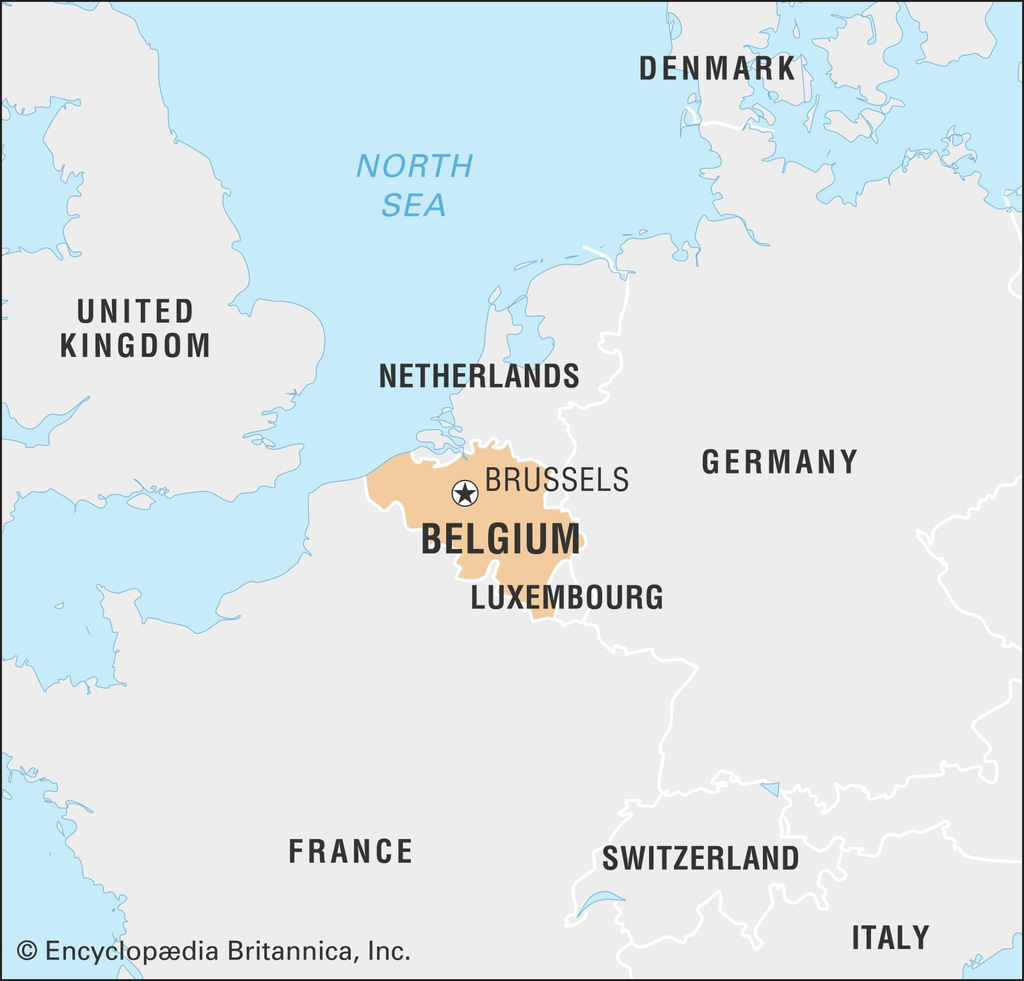
    • Headquarters: Brussels, Belgium
    • Background: It was established by 12 countries from Europe and North America with the signing of the North Atlantic Treaty (also known as Washington Treaty) in 1949 in Washington, D.C to provide collective security against the Soviet Union attack in the aftermath of World War II.
    • Collective Defense: According to Article 5, NATO works on the principle of collective defense, where an attack on any NATO member is considered an attack on all NATO members. So far, Article 5 has been invoked once – in response to the 9/11 terrorist attacks in the United States in 2001.
    • Members: It comprises 32 member states. Sweden became the 32nd member.

    PM POSHAN Scheme

    Schemes

    News

    • A Parliamentary Standing Committee has recommended the inclusion of breakfast in the PM POSHAN Scheme & extension of coverage up to Class 12.

    PM-POSHAN

    • Earlier known as Mid-Day Meal Scheme (MDMS) and renamed as PM POSHAN (Pradhan Mantri Poshan Shakti Nirman) in 2021.
    • It operates under the Ministry of Education and is approved for the period 2021-22 to 2025-26.
    • It is a centrally sponsored scheme (jointly funded by Centre and States) providing one hot cooked meal to students in government and aided schools up to Class 8.
    • It aims to address hunger (lack of adequate food intake) and educational outcomes (attendance, retention, learning) simultaneously.

    Bharat Audyogik Vikas Yojna (BHAVYA)

    Schemes

    Context

    • The Union Cabinet approved the Bharat Audyogik Vikas Yojna (BHAVYA), with an allocation of ₹33,660 crore.

    Bharat Audyogik Vikas Yojna (BHAVYA)

    • Aim: To create 100 “future ready” industrial parks that will integrate with the PM GatiShakti programme so that they can avail of that programme’s multi-modal connectivity and last-mile access.
    • These parks will set new benchmarks in industrial infrastructure, ensuring reliability, reducing inefficiencies, and enhancing productivity across sectors.
    • Land Use: Industrial parks ranging from 100 to 1,000 acres will be taken up for the development.
    • Funding: While the Central government will provide funding of up to Rs 1 crore per acre, the scheme is meant to include the involvement of the respective State governments as well as the private sector.
    • Infrastructure: Core infrastructure like internal roads, underground utilities, drainage, common treatment facilities, ICT and administrative systems.
    • The National Industrial Corridor Development Corporation (NICDC), under the Department for Promotion of Industry and Internal Trade, will play a key role in implementing the initiative.
    • The scheme duration would be for six years starting in 2026-27.

    Additional Information –  PM GatiShakti

    • It was launched in – 2021
    • Objective – to enhance the country’s infrastructure and promote seamless connectivity across various sectors.
    • Significance – It is a transformative approach for economic growth and sustainable development which is driven by seven engines – railway, roads, ports, waterways, airports, mass transport and logistics infrastructure.
    • Implementation: PM Gati Shakti will incorporate the infrastructure schemes of various Ministries and State Governments like Bharatmala, Sagarmala, inland waterways, dry/land ports, UDAN etc.

    Methane Emission Hotspot

    Environment

    Context

    • Recent satellite-based research by the Stop Methane Project (UCLA) has revealed that a small number of oil and gas sites account for disproportionately high methane emissions.

    Connect with the basics – Methane

    • Methane (CH₄) is a colorless, odorless, and highly flammable gas, and it is the primary component of natural gas.
    • It has a relatively short atmospheric lifetime of about 12 years, compared to carbon dioxide.
    • Methane as a Greenhouse Gas: Methane is a highly potent greenhouse gas with a strong short-term warming impact.
    • It is over 80 times more effective than carbon dioxide at trapping heat over a 20-year period.
    • It is responsible for around 30% of the current global warming since the pre-industrial era.
    • Major Sources: Human-driven emissions arise mainly from oil and gas production, coal mining, livestock enteric fermentation (burps), and decomposing waste in landfills.
    • Natural sources include Wetlands, marine sediments and hydrates and geological Sources like volcanoes.
  • India’s First National Report (NR1) on Nagoya Protocol | Nominations for Padma Awards-2027 Begins | Gajapati Inscription in Guntur | Ladakh Magmatic Arc | Adoptive Mothers Get Equal Maternity Rights

    India’s First National Report (NR1) on Nagoya Protocol

    Environment

    In News

    • India recently submitted its first National Report (NR1) on Nagoya Protocol implementation to the CBD Secretariat, marking a key milestone in biodiversity governance.

    Nagoya Protocol

    • Adopted on – October 29, 2010, in Nagoya, Japan
    • Enforced in – October 12, 2014
    • Objective – it ensures fair access to genetic resources
    • India ratified it in 2012, aligning with its Biological Diversity Act, 2002.

    Nominations for Padma Awards-2027 Begins

    Miscellaneous

    News

    • The Centre has opened nominations and recommendations for the Padma Awards 2027, one of the country’s highest civilian honours.

    Padma Awards

    • The Padma Awards are among India’s highest civilian honours instituted in 1954.
    • They are presented in three categories: Padma Vibhushan, Padma Bhushan and Padma Shri.
    1. ‘Padma Vibhushan’ is awarded for exceptional and distinguished service;
    2. ‘Padma Bhushan’ for distinguished service of high order and
    3. ‘Padma Shri’ for distinguished service in any field.
    • The awards recognise “work of distinction” and are given for exceptional achievements or service across a wide range of fields, including art, literature and education, sports, medicine, social work, science and engineering, public affairs, civil service, trade and industry.
    • All individuals are eligible for the awards regardless of race, occupation, position or gender.
    • Note – However, government servants, including employees of public sector undertakings, are generally not eligible, except for doctors and scientists.
    • The government is committed to transform Padma Awards into “People’s Padma”, encouraging citizens to nominate deserving individuals.
    • Self-nominations are also allowed.
    • The nominations must include detailed information about the nominee’s distinguished achievements in their respective fields
    • nominations will be accepted only through the online Rashtriya Puraskar Portal.
    • The awards are announced on the occasion of Republic Day every year.
    • These Awards are conferred by the President of India at ceremonial functions which are held at RashtrapatiBhawan usually around March/ April every year.

    Gajapati Inscription in Guntur

    History

    Context

    • A medieval inscription linked to the Gajapati Dynasty has been discovered at the Lakshmi Narasimha Swamy Temple in Guntur, Andhra Pradesh.
    • The inscription is engraved on a stone pillar in the temple mandapam.
    • It mentions Kumaraguru Mahapatra, an officer serving under Purushottama Deva in the 15th century CE.
    • The record indicates that the idol of Lord Narasimha and the mandapa pillars were relocated from Kondaveedu Fort following invasions in the region.
    • The inscription was originally dedicated to Lord Mallikarjuna of Kondaveedu but was later shifted to the Guntur temple.

    Gajapati Dynasty

    • The Gajapati Dynasty was a powerful medieval kingdom that originated in Odisha and flourished during the 15th–16th centuries.
    • It was founded by Kapilendra Deva after the decline of the Eastern Ganga dynasty.
    • At its peak, the empire extended from parts of present-day West Bengal to Tiruchirappalli in Tamil Nadu, with its capital at Kataka (modern-day Cuttack).
    • The Gajapati rulers were known for their patronage of art, architecture, and literature, and they maintained continuous rivalry with the Vijayanagara Empire.

    Ladakh Magmatic Arc

    Geography

    News

    • Scientists from the Wadia Institute of Himalayan Geology have recently decoded the evolution of the Ladakh Magmatic Arc (LMA) in the North-West Himalaya.

    Ladakh Magmatic Arc

    • It is a belt of igneous rocks located in the Trans-Himalayan region of India (mainly Ladakh).
    • It represents a long-extinct volcanic arc system.
    • The present-day Ladakh region once lay above the Neo-Tethys Ocean.
    • Beneath this ocean, the oceanic crust of the Indian Plate was moving towards the Eurasian Plate.
    • The denser oceanic plate subducted (sank) beneath the Eurasian Plate.
    • This process led to melting of mantle material, formation of magma & rise of magma to form volcanic arcs.

    Adoptive Mothers Get Equal Maternity Rights

    Governance

    Context

    • The Supreme Court of India held that all female employees adopting children are entitled to 12 weeks of paid maternity leave, regardless of the child’s age.

    Background

    • The legal framework governing maternity benefits in India originates from the Maternity Benefit Act, 1961 and through the 2017 Amendment for the first time, adoptive and commissioning mothers were granted 12 weeks of maternity leave.
    • However, a restrictive condition was introduced that maternity leave was available only if the adopted child was below 3 months of age.

    Supreme court ruling

    • Concern: India’s adoption process, governed by Central Adoption Resource Authority guidelines, rarely permits adoption of children below three months.
    • As a result, most adoptive mothers were effectively denied maternity benefits, rendering the provision largely illusory.
    • The court ruled that age-based classification was discriminatory and violative of Articles 14 and 21 of the Constitution, emphasising that adoption is an equally valid pathway to parenthood and cannot be treated differently from biological childbirth.
  • India to Begin Mapping Its Manuscript Heritage | Tropical Forest Forever Facility (TFFF) | Tribal Arts in Conversation | NMDC Iron Ore Production

    India to Begin Mapping Its Manuscript Heritage

    Culture

    Context

    • The Ministry of Culture has launched a first-of-its-kind, three-month nationwide survey to map India’s vast manuscript heritage.
    • The initiative is part of the Gyan Bharatam Mission, announced in the Union Budget 2025–26.

    Significance of the initiative

    • Preservation of Heritage: Digitisation and documentation will protect fragile manuscripts from deterioration and loss.
    • Research Accessibility: A centralised repository will enable easier access for scholars and the public.
    • Curbing Intellectual Piracy: Proper records and metadata will help establish authenticity and prevent misuse.
    • Cultural Revival: Greater visibility will promote India’s literary and knowledge traditions.

    Additional information – Gyan Bharatam Mission

    • Purpose – The mission aims to preserve and protect manuscripts found across the country.
    • Objective: To undertake the “survey, documentation and conservation” of more than one crore manuscript heritage lying with academic institutions, museums, libraries, etc.
    • Significance of Mission: Preserving historical value, unveiling ancient Indian knowledge to the world, ensuring longevity and round-the-clock access to Manuscripts, etc.

    Manuscripts

    • A manuscript is a handwritten composition on paper, bark, palm leaf etc. dating back at least 75 years that has significant scientific, historical or aesthetic value.
    • g. Bakhshali manuscript (Third or fourth century A.D.), an ancient Indian mathematical text written on birch bark, is considered to be the earliest recorded example of use of zero.
    • India possesses an estimated 10 million manuscripts in 80 ancient scripts like Brahmi, Kushan, Gaudi, Lepcha, and Maithili.

    Other initiatives for manuscript conservation in India

    • National Manuscripts Mission (NMM): Launched In 2003, by the Ministry of Tourism and Culture to locate and preserve manuscripts.
    • National Library of India, Kolkata: It has about 3600 rare and historically important manuscripts.
    • Asiatic Society of Bengal: Founded on Jan. 15, 1784, by Sir William Jones, undertakes digitization of ancient manuscripts.
    • Abhilekh Patal is an initiative of the National Archives of India to provide online access to over a million files, including a significant collection of manuscripts, oriental records, and private papers.
    • Gyan-Setu: It was launched as a national challenge to source AI-led solutions for manuscript preservation, decipherment, restoration and access.
    • Antiquities and Art Treasures Act, 1972: It seeks to prevent the illegal export and smuggling of India’s cultural heritage, including valuable manuscripts.

    Tropical Forest Forever Facility (TFFF)

    Environment

    Context

    • The COP30 held in Belém brought global attention that effective forest conservation requires not only financial commitments but also a redistribution of decision-making power.
    • Brazil introduced the Tropical Forest Forever Facility (TFFF) as a new model of forest finance aimed at transforming conservation efforts.

    Tropical Forest Forever Facility (TFFF)

    • It is a performance-based financial mechanism that seeks to reward countries for maintaining standing forests rather than merely reducing deforestation rates.
    • It is designed to generate financial returns while supporting long-term forest conservation.
    • The fund has already secured more than $5.5 billion in initial commitments, including a significant contribution of $3 billion from Norway.

    Tribal Arts in Conversation

    Culture

    Context

    • The Tribes Art Fest 2026, held at Travancore Palace in New Delhi, showcased India’s rich tribal artistic heritage.

    Major Tribal Art Forms Highlighted

    Warli Painting

    • It originates from Maharashtra and is practised by the Warli tribe.
    • It has roots possibly dating back to the Neolithic period (2500–3000 BC). Key features are;
    • Use of white pigment made from rice paste on mud walls.
    • Representation through basic geometric shapes (circles, triangles, squares).
    • Themes include agriculture, rituals, hunting, and Tarpa dance.
    • Rabha and Tamang Masks: Mask-making is central to the Rabha tribe of Assam and North Bengal. Masks are made using wood, bamboo, gourd, or clay, and painted in vibrant colours.
    • They depict gods, spirits, animals, and mythological beings, used in ritual dances and folk theatre.

    Gond Art

    • Gond painting originates from central India, especially Madhya Prades It has received a GI tag, ensuring legal protection and recognition.

    Key features are;

    • Use of dots and lines to create intricate patterns.
    • Themes rooted in folklore, animals, forests, and ecology.

    Bhil Painting:

    • It is practised by the Bhil tribe, one of India’s largest indigenous groups mainly from Madhya Pradesh, Maharashtra, Gujarat, and Rajasthan. It is considered among the oldest tribal art traditions.

    Key features are:

    • Use of thousands of coloured dots, symbolising seeds and nature’s rhythm.
    • Themes include deities, animals, forests, and daily life.

    NMDC Iron Ore Production

    Economy

    Context

    • NMDC Limited has become India’s first mining company to achieve 50 million tonnes (MT) of iron ore production in a single financial year (FY 2025–26).

    Iron Ore

    • Iron ore refers to rocks and minerals from which metallic iron is extracted.
    • Iron ore is categorized into four main types based on iron content and quality:
    1. Magnetite (best quality, >70% iron)
    2. Hematite (most important industrial ore, 60-70% iron)
    3. Limonite (lower grade, 40-60% iron)
    4. Siderite (poor quality, <40% iron).
    • India is the 4th largest producer, after Australia, Brazil, and China.
    • Odisha leads in production, followed by Chhattisgarh and Karnataka.

    About NMDC

    • Established in 1958 to develop India’s iron ore resources.
    • India’s largest iron ore producer and a Navratna CPSE under the Ministry of Steel.
    • It Supports India’s target of 300 MT steel production capacity by 2030.

    Gynandromorphy

    Environment

    Context

    • A rare case of gynandromorphy has been reported in a freshwater crab species Vela carli from Silent Valley National Park in the Western Ghats.

    Gynandromorphy

    • Gynandromorphy refers to the presence of both male and female characteristics in a single organism.

    It occurs due to;

    • Errors in cell division (mitosis/meiosis).
    • Chromosomal anomalies during early development.

    It is different from;

    • Hermaphroditism: Organism has functional reproductive organs of both sexes.
    • Intersex conditions: Mixed sexual characteristics but not distinct male/female halves.

    Additional Information – Silent Valley National Park

    • It is located in the Nilgiri hills, Kerala.
    • Silent Valley was declared as a National Park in 1984 and formally inaugurated in the year 1985.
    • Rivers – The Bhavani River, a tributary of the Kaveri River, and Kunthipuzha River, a tributary of Bharathapuzha river, originate in the vicinity of Silent Valley.
    • Tribals – The indigenous tribal groups that live within park boundaries includeIrulas, Kurumbas, Mudugas and Kattunaikkars.
  • SWAMIH | National Chambal Sanctuary | International Solar Alliance | KC-135 Stratotanker | Global Pandemic Agreement

    SWAMIH

    Syllabus: GS2/Government Initiatives

    Context

    • The Special Window for Affordable and Mid-Income Housing Investment Fund (SWAMIH) has emerged as a key policy initiative for India’s Housing Sector.

    Special Window for Affordable and Mid-Income Housing Investment Fund (SWAMIH)

    • Launched in 2019,
    • It provides last-mile financing to housing projects affected by financial constraints.
    • The fund is sponsored by the Ministry of Finance, Government of India, and is managed by SBICAP Ventures Ltd., a State Bank Group company.
    • Impact and Outcomes: Over 58,596 homes completed so far under SWAMIH, with more than 1 lakh homes expected, benefiting over 2.38 lakh people.

    National Chambal Sanctuary

    Syllabus: GS3/Environment

    In News

    • Recently, the Supreme Court of India took suo motu cognisance to protect the National Chambal Sanctuary from rampant illegal sand mining that threatens the habitat of Gharial.

    National Chambal Sanctuary

    • Location- It is situated in a large arc of the Chambal River, covering nearly 1800 km across Rajasthan, Madhya Pradesh and Uttar Pradesh.
    • It is the first and only tri-state riverine protected area in India.
    • It is a major habitat of the critically endangered Gharial.
    • Species – Besides Gharials, the sanctuary hosts a rich biodiversity of Marsh Crocodile Muggers, several species of freshwater turtles, including the endangered Red Crowned Roof Turtle, Smoothcoated Otters, Gangetic River Dolphins, Indian Skimmer, Black-bellied Tern, Sarus Crane and Black-necked Storks.

    Additional Information – Gharials

    Characteristics:

    • They show Sexual Dimorphism means males and females differ significantly in size and appearance.
    • Unlike crocodiles, gharials feed exclusively on warm-blooded species and are not man-eaters.

    Habitat Distribution:

    • Gharials are strictly riverine species, requiring deep, clear, fast-flowing waters with steep, sandy riverbanks.
    • Mainly found in Chambal River, Girwa River, Ken River, Yamuna River, Brahmaputra River, Ghaghara River, Bhagirathi-Hooghly River.

    Conservation Status:

    • IUCN Status: Critically Endangered
    • It is listed under Schedule 1 of the Wild Life (Protection) Act, 1972.

    Conservation programmes

    • Project Crocodile (1975): Initiative of United Nations Development Programme (UNDP) and the Food and Agriculture Organization (FAO) and focused on captive breeding.

    International Solar Alliance

    Syllabus: GS3/Environment

    News

    • Recently, the Government highlighted the growing global momentum behind solar energy and ISA’s role in advancing the clean energy transition.

    International Solar Alliance

    • Started – The ISA, is an Indian initiative that was launched by the Prime Minister of India and the President of France on 30th November 2015 in Paris.
    • Solar powered countries – It is an initiative with 124 solar resource rich countries lying fully or partially between the tropic of Cancer and the tropic of Capricorn.
    • Objective – To collectively address key common challenges to the scaling up of solar energy in ISA member countries.
    • HeadquarterNational Institute of Solar Energy (NISE) campus, Gurugram.
    • Members: As of March 2026, the International Solar Alliance (ISA) has expanded to include 125 member and signatory countries. Of these, approximately 107 countries have officially ratified the ISA Framework Agreement to become full members.

    KC-135 Stratotanker

    Syllabus: GS3/Defence

    Context

    • A KC-135 Stratotanker refuelling aircraft crashed in western Iraq during an ongoing military mission Operation Epic Fury (code name mission against Iran).

    KC-135 Stratotanker

    • The KC-135 Stratotanker was built by Boeing in the 1950s and early 1960s.
    • It has been a backbone to the US military’s air refuelling fleet, and critical in allowing aircraft to carry out missions without having to land.
    • They were used extensively in the first Gulf War to extend the range of fighter jets and bombers.
    • It has a speed of 530 miles per hour at 30,000 feet (9,144 meters).

    Global Pandemic Agreement

    Syllabus: GS2/Health

    News

    • India is pushing for a fair benefit-sharing framework for developing countries in the upcoming pandemic agreement negotiations in Geneva.

    Global Pandemic Agreement

    • It was adopted by the World Health Assembly in May 2025.
    • It seeks to establish a legally binding international framework to address global gaps and inequalities in pandemic prevention, preparedness, and respons
    • Its Pathogen Access and Benefit-Sharing (PABS) system is being negotiated to regulate how biological samples and genetic data are shared internationally.
    • It is expected to be adopted by May 2026, will then be open for countries to sign and ratify, and will enter into force 30 days after 60 ratifications.
  • Sangita Kalanidhi Award | Jnanpith Award | Western Tragopan: King of Birds | Paid Menstrual Leave May Hurt Women’s Careers: SC | Transgender Persons (Protection of Rights) Amendment Bill, 2026 | Kharg Island

    Sangita Kalanidhi Award

    Syllabus: Miscellaneous

    Context

    • Veena player Jayanthi Kumaresh has been announced the coveted Sangita Kalanidhi at the 100th Conference and Concerts of The Music Academy, Madras.
    • Bharatanatyam dancer Narendra G will be conferred the Nritya Kalanidhi award.

    Sangita Kalanidhi Award

    • Instituted in 1942 by The Music Academy, Madras.
    • It is regarded as the highest honour in Carnatic music, often described as the “Nobel Prize of Carnatic music.”
    • The award comprises a gold medal and a ‘birudu patra’ (citation).

    Additional Information – Music Academy, Madras

    • It originated as an offshoot of the All India Congress Session of 1927 held in Chennai (then Madras).
    • It was established to promote and standardise Carnatic music traditions.
    • The Academy organizes the annual Music and Dance Festival, one of the most prominent cultural events in the Carnatic tradition.
    • The Academy also confers several awards, including the Sangita Kala Acharya, TTK Award, and Musicologist Award.

    Jnanpith Award

    Syllabus: Miscellaneous

    Context

    • Tamil poet and lyricist Vairamuthu has been selected for the Jnanpith Award for the year 2025.

    Vairamuthu

    • He is the third Tamil litterateur to receive the award after Akilan (1975) and Jayakanthan (2002), and the first to be honoured for Tamil poetry, while the earlier awardees were recognised for prose.
    • He has written over 8,000 songs, won seven National Film Awards for lyrics, and earned the honorific “Kaviperarasu” (Emperor of Poets).
    • The award, however, has been met with sharp criticism from some writers, artists and activists who point to sexual harassment allegations made against him during the #MeToo movement in India.

    About Jnanpith Award (also spelled Gyanpeeth Award)

    • Instituted in 1961 by the Bharatiya Jnanpith,
    • It is India’s highest literary honour, awarded annually to an Indian author for outstanding contribution to literature.
    • Bharatiya Jnanpith is a literary and research organization founded by Sahu Shanti Prasad Jain and Rama Jain.
    • It is awarded for the work in 22 languages recognized by the Constitution of India and, from 2013, in the English language.
    • The award carries a ₹11 lakh cash prize, citation, and a bronze statuette of Vagdevi (Saraswati).
    • The first recipient was Malayalam writer G. Sankara Kurup in 1965 for Odakkuzhal.

    Western Tragopan: King of Birds

    Syllabus: GS3/Environment

    Context

    • The Western Tragopan, a rare Himalayan pheasant, faces increasing threats due to forest loss and human pressures.

    Western Tragopan (Tragopan melanocephalus),

    • It is also known as Jujurana or “king of birds,” is one of the rarest and most stunning pheasant species in the world.
    • Habitat and Distribution: Found in temperate and subalpine forests at 2,400–3,600 m (occasionally down to 2,000 m in winter).
    • From Swat Valley (Pakistan) across Kashmir and Himachal Pradesh to Uttarakhand.
    • Diet: They are omnivores, feeding on berries, seeds, buds, shoots, and insects.
    • Major Threats: Forest degradation, climate change, and human disturbances.
    • Conservation Status: It is listed as Vulnerable by BirdLife International and the International Union for Conservation of Nature (IUCN).

    Do you know?

    • The bird is also the state bird of Himachal Pradesh, highlighting its cultural and ecological value.

    Paid Menstrual Leave May Hurt Women’s Careers: SC

    Health & Society

    Context

    • The Supreme Court expressed apprehensions that a law making paid leave during menstrual pain compulsory may damage the careers of young women and deprive them of equal opportunities.

    Menstrual Leave

    • Menstrual leave refers to paid or unpaid leave granted to women during menstruation when they experience health issues such as:
    • Dysmenorrhea: painful menstrual cramps
    • Endometriosis: a disorder where tissue similar to uterine lining grows outside the uterus

    Highlights of the SC Judgement

    • Such a move could create a psychological barrier among women that they are inferior to men as they can’t work when they are menstruating.
    • The Court encouraged “voluntary” initiatives in this regard by States like Odisha, Karnataka and Kerala, which gives leave to students in State-run universities and institutions up to 60 days’ leave annually for menstrual pain.

    Arguments in Favour of Paid Menstrual Leave

    • Promotes Gender-Sensitive Workplaces: Recognises biological realities of women and promotes inclusivity and empathy in the workplace.
    • Aligns with Constitutional Principles: Supports Article 42 of the Constitution of India, which directs the state to ensure just and humane conditions of work.
    • Improves Productivity and Well-being: Allows women to rest during periods of pain or discomfort, leading to better overall performance and morale.
    • Health and Human Rights Perspective: Upholds women’s right to health, dignity, and bodily autonomy.
    • De-stigmatising Menstruation: Recognising menstrual health in workplace policy can help break social taboos & promote gender equality.
    • Global Alignment: Reflects global best practices, countries like Japan, South Korea, Indonesia, Taiwan, and Spain have similar policies.

    Arguments Against

    • Risk of Workplace Discrimination: Employers may become reluctant to hire or promote women, viewing them as less productive or more costly.
    • Informal Sector Dominance: Nearly 88% of India’s workforce is in the informal sector, where formal leave policies are largely absent.
    • Implementation Challenges in the Private Sector: Ensuring compliance and monitoring across diverse industries could be difficult.

    Existing Menstrual Leave Policies in India

    • India does not have a national law on menstrual leave, but some states have introduced policies.
    • Bihar was the first state to introduce menstrual leave (1992) for government employees.
    • Some companies have introduced voluntary menstrual leave policies like Zomato, Swiggy.

     Additional Information – Karnataka Menstrual Leave Policy-2025

    • Women in the state of Karnataka will be entitled to up to 12 menstrual leaves annually.
    • This development marks a significant step in recognising menstrual health at a workplace and rights issue.
    • The Dr. Sapna S committee was appointed by the Karnataka government to study and recommend menstrual leave policy
    • Significance – It aims to create a more inclusive and stigma-free workplace and is considered a landmark decision in India, as it covers both government and private sectors comprehensively.

    Transgender Persons (Protection of Rights) Amendment Bill, 2026

    News-

    • The Transgender Persons (Protection of Rights) Amendment Bill, 2026 was introduced in the Lok Sabha by the Union Minister for Social Justice and Empowerment.

    Major Highlights of the Bill

    • The Bill aims to amend the Transgender Persons (Protection of Rights) Act, 2019.
    • Definition of Transgender Person: It seeks to narrow the definition of “transgender person” and clarifies that persons with different sexual orientations or self perceived sexual identities will not fall within the definition of transgender persons under the Act.
    • Changes To Recognition Of Gender Identity: The District Magistrate will issue a certificate of identity after examining the recommendation of a designated medical board headed by a Chief Medical Officer or Deputy Chief Medical Officer.

    Additional Information – LGBTQIA+

    • LGBTQIA+ is an umbrella term for lesbian, gay, bisexual, transgender, queer, intersex, and asexual persons, with ‘+’ representing other identities that are not specifically included in these letters.

    India’s Position on LGBTQIA+ Rights

    • As per census 2011, there were 4.87 lakhs persons in India who opted for “other” in gender category.
    • Decriminalisation: Navtej Singh Johar v. Union of India (2018) decriminalised consensual homosexual acts (Section 377 partially struck down).
    • Transgender Rights: NALSA v. Union of India (2014) recognised the right to self-identify gender.
    • It recognises transgender as the “third gender” upholding their fundamental rights.
    • Constitutional Provisions: Article 14 – Right to equality, Article 15 – No discrimination on grounds of sex and Article 21 – Right to life and personal liberty.
    • Legislation: The Transgender Persons (Protection of Rights) Act, 2019 provides legal recognition of transgender identity.

    Challenges Faced by the Transgenders

    • Societal Issues: Trans persons face deep-rooted societal prejudices, leading to ostracisation from families and communities.
    • Lack of Access to Education: High school dropout rates due to bullying, harassment, and gender-based violence.
    • Barriers in Employment: Trans persons face widespread discrimination in hiring and the workplace. Often forced into informal, unsafe, and exploitative sectors, like begging or sex work, due to lack of opportunities.
    • Healthcare Exclusion: They face lack of gender-affirmative healthcare, discrimination by medical staff, and unavailability of hormonal and surgical services in public hospitals.
    • High mental health burden due to social rejection and isolation.
    • Violence and Abuse: Prone to verbal, physical, and sexual violence both in public and private spaces.
    • Political Underrepresentation: Low political visibility and representation in mainstream parties and institutions.
    • Lack of policy-making participation hinders the articulation of their needs.

    Government Initiatives

    • National Portal for Transgender Persons – launched in 2020, enables online applications for identity certificates and access to benefits.
    • SMILE (Support for Marginalised Individuals for Livelihood and Enterprise)Scheme, introduced in 2022, provides livelihood, skill training, and shelter support through Garima Greh centres and Ayushman Bharat TG Plus health coverage.
    • National Council for Transgender Persons: It serves as a statutory body under the Ministry of Social Justice and Empowerment to safeguard and promote the rights of transgender persons in India.

    Kharg Island

    Syllabus: GS1/Geography

    Context

    • Recently, U.S. forces struck military targets at Kharg Island in Iran.

    Kharg Island

    • It is often referred to as the ‘Orphan pearl’.
    • It is a small island in the northeastern Persian Gulf, approximately 25 kilometres off the coast of Iran’s Khuzestan Province.
    • Despite its modest size, it is the single most important oil export terminal in Iran and one of the most strategically significant energy chokepoints in the world.
    • Almost all Iranian crude destined for international markets is loaded here before passing through the Strait of Hormuz into global shipping lanes.

    Do you know?

    • Iran is the third-largest producer in Organization Of The Petroleum Exporting Countries (OPEC), accounting for roughly 4.5% of global oil supply.