Category: National and International Current Affairs

  • Golestan Palace | High Chances of El Niño After July: WMO | United Nations Convention on the Law of the Sea (UNCLOS) | India renews Bilateral Swap Arrangement with Japan

    Golestan Palace

    Art & Culture

    In News

    • Tehran’s Golestan Palace, a UNESCO World Heritage Site, sustained damage from shockwaves and debris caused by US-Israel airstrikes.

    Golestan Palace

    • It is a historic royal complex that served as the official residence of the Qajar dynasty and is one of the oldest historic monuments in Tehran.
    • The origins of the complex date back to the Safavid Dynasty, when Tehran first gained importance as a political centre. Later rulers expanded and renovated the palace complex.
    • Golestan Palace reflects a blend of traditional Persian architecture and Western influences introduced during the 19th century.
    • Inscribed by UNESCO in 2013, it preserves cultural archives, early Iranian photography, and sites of historic coronations.

    Important Structures within the Complex

    • Shams-ol-Emareh (Edifice of the Sun): One of the most famous buildings in the palace complex.
    • It was built in the 1860s by Naser al-Din Shah Qajar.
    • Marble Throne Hall (Takht-e-Marmar): Used for royal coronations and official ceremonies.
    • Mirror Hall: Famous for extensive mirror mosaics and luxurious decoration.
    • Museum Buildings: The complex houses several museums displaying Qajar-era paintings & royal gifts and artefacts.

    High Chances of El Niño After July: WMO

    Geography

    In News

    • The World Meteorological Organization forecasts a high likelihood of El Niño developing in the latter half of 2026, following the fading of the current La Niña into ENSO-neutral conditions.
    • El Nino and La Nina are complex weather patterns resulting from variations in ocean temperatures in the Equatorial Pacific Region.

    Difference between El Niño and La Niña

    Feature

    El Niño (Warm Phase)

    La Niña (Cold Phase)

    Meaning

    Spanish for “Little Boy”

    Spanish for “Little Girl”

    Ocean Temp.

    Abnormal warming of eastern Pacific

    Abnormal cooling of eastern Pacific

    Trade Winds

    Weaken or reverse direction

    Become unusually strong

    Indian Monsoon

    Weakens monsoon; often leads to droughts

    Strengthens monsoon; brings heavy rainfall

    Winter in India

    Generally warmer/milder winters

    Severely cold winters in North India

    Frequency

    Occurs every 2–7 years; lasts 9–12 months

    Occurs every 2–7 years; can last 1–3 years

    United Nations Convention on the Law of the Sea (UNCLOS)

    International Relations

    Context

    • The Iranian frigate IRIS Dena was reportedly sunk off the south-western coast of Sri Lanka after a torpedo strike by a United States Navy submarine.

    United Nations Convention on the Law of the Sea (UNCLOS)

    • It is a comprehensive international treaty that establishes the legal framework for governance of oceans and seas.
    • Adopted in 1982 at Montego Bay, Jamaica and entered into force in 1994.

    It defines:

    1. Maritime boundaries of coastal states
    2. Rights and duties of states in maritime zones
    3. Rules for navigation, resource exploitation, and environmental protection
    4. Because of its extensive scope, it is commonly referred to as the “Constitution of the Oceans.”
    • Membership: 168 parties, including the European Union.
    • Countries such as India, Japan, and China are parties.
    • Note – The United States has signed but not ratified the convention.

    Maritime Zones under UNCLOS

    • UNCLOS divides the oceans into several legal zones, each with different rights and responsibilities.
    • Territorial Sea: Extends up to 12 nautical miles from a coastal state’s baseline. The coastal state has full sovereignty over these waters. Foreign ships enjoy the right of innocent passage.
    • Contiguous Zone: Extends 12–24 nautical miles from the baseline. Coastal states can enforce laws relating to Customs, immigration, sanitation & security.
    • Exclusive Economic Zone (EEZ): Extends up to 200 nautical miles. The coastal state has exclusive rights over natural resources. However, other states retain freedom of navigation and overflight.
    • High Seas (International Waters): Areas beyond the EEZ of any state. No country has sovereignty over them. Governed by international law and UNCLOS principles.

    India renews Bilateral Swap Arrangement with Japan

    International Relations

    In News

    • India has renewed its Bilateral Swap Arrangement (BSA) with Japan with effect from 28th February, 2026.

    Basic terms -Currency swap

    • It is a financial agreement where two parties exchange the principal and interest of a loan in one currency for the equivalent in another.
    • These are typically medium- to long-term contracts used by multinational corporations and central banks to manage risks or reduce borrowing costs.

    Additional Information – India & Japan relations

    Defence and Security

    • Military Exercises: Malabar, Dharma Guardian, and JIMEX exercises enhance interoperability and Indo-Pacific security.
    • Trade: Bilateral trade reached approximately $23 billion in 2023-24.
    • FDI: Japan is India’s fifth-largest source of FDI
    • Bullet Train: The Mumbai-Ahmedabad High Speed Rail exemplifies flagship India-Japan transport cooperation.
    • Energy: Clean Energy Partnership (2022) expands hydrogen, renewables, and climate cooperation.
    • Quad: Quad coordination ensures Indo-Pacific stability through collective maritime commitments.
    • SCRI: Supply Chain Resilience Initiative (SCRI) reduces dependency on China for the supply of critical goods.
    • F orums: India and Japan cooperate in G20, International Solar Alliance (ISA), CDRI, and IPEF, strengthening multilateral governance.
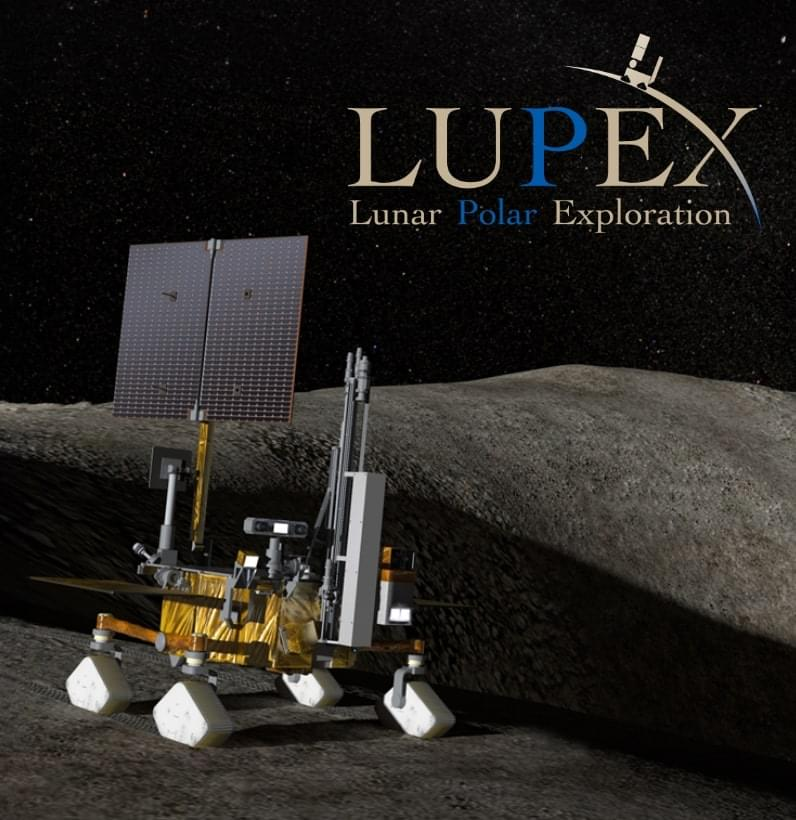
    • Space: ISRO–JAXA LUPEX mission exemplifies frontier collaboration in space exploration.
  • Bureau of Energy Efficiency Commemorates 25th Foundation Day | Rice fortification Scheme Suspended | World Obesity Atlas 2026

    Bureau of Energy Efficiency Commemorates 25th Foundation Day

    Environment

    Context

    • The 25th Foundation Day of the Bureau of Energy Efficiency (BEE) was celebrated at the India Habitat Centre.

    Bureau of Energy Efficiency (BEE)

    • It is an Indian statutory body under the Ministry of Power.
    • Established in 2002 under the Energy Conservation Act, 2001,
    • Objective – to reduce the energy intensity of the Indian economy through market-driven initiatives and self-regulation.

    Major Programs & Initiatives

    • Standards & Labelling (S&L) Scheme: Provides star-rating labels on appliances (e.g., refrigerators, ACs) to inform consumers about energy efficiency and savings potential.
    • Perform, Achieve & Trade (PAT): A market-based mechanism under the National Mission for Enhanced Energy Efficiency (NMEEE) that incentivizes large energy-intensive industries to meet efficiency targets.
    • Energy Conservation Building Codes (ECBC): Guidelines for efficient building design.
    • Assistance in Deploying Energy Efficient Technologies in Industries and Establishments (ADEETIE) Scheme: Assists MSMEs in adopting energy-efficient technologies with technical and financial support.
    • National Energy Conservation Awards (NECA): Annual recognition for exemplary  energy efficiency achievements.

    Rice fortification Scheme Suspended

    Economy

    In News

    • The Government of India has decided to temporarily discontinue rice fortification under the Pradhan Mantri Garib Kalyan Anna Yojana (PMGKAY) and other welfare schemes after a review of its implementation.

    Pradhan Mantri Garib Kalyan Anna Yojana (PMGKAY)

    • Launched in – It was announced as part of the relief package during the COVID-19 pandemic.
    • Aim – To ensure sufficient food for the poor and needy during the coronavirus crisis.
    • Ministry – The department of Food and Public Distribution under the Ministry of Consumer Affairs, Food and Public Distribution.
    • Beneficiaries – Under the scheme, about 80 Crore beneficiaries are eligible for foodgrains (free-of-cost).

    Additional Information – Food fortification

    • Definition – Food Fortification is the practice of increasing the content of one or more micronutrients (i.e., vitamins and minerals) in a food.
    • Significance – To improve the nutritional quality of the food and provide a public health benefit with minimal risk to health.
    • Rice fortification – It involves the addition of micronutrients (Iron, Folic Acid, Vitamin B 12).
    • Milk fortification – It involves the addition of vitamins A and D, which helps in combating deficiencies linked to these vitamins.
    • Salt fortification – It involves the addition of iodine (iodized salt) to prevent iodine deficiency disorders.

    World Obesity Atlas 2026

    Health

    Context

    • India ranks second globally in the number of children who are overweight or living with obesity, according to the World Obesity Atlas 2026 released on World Obesity Day (4 March).

    World Obesity Atlas

    • Published by – World Obesity Federation.
    • It provides global data, projections, and policy insights on obesity trends and related health risks.
    • The report highlights that the global target to halt the rise in childhood obesity by 2025 has been m issed, and the deadline has now been extended to 203

    Government Initiatives

    • POSHAN Abhiyaan (National Nutrition Mission): Focuses on improving nutritional outcomes for children, adolescents, and women through convergence of nutrition-related schemes.
    • Fit India Movement: Launched to promote physical activity, fitness culture, and behavioural change among citizens.
    • Eat Right India: Initiative by the Food Safety and Standards Authority of India to encourage healthy diets, food safety, and reduction of unhealthy food consumption.
    • School Health and Wellness Programme: Promotes health education, physical activity, and lifestyle awareness among school students.
  • Sri Guru Tegh Bahadur | Cabinet Committee on Security (CCS) | Coconut Promotion Scheme

    Sri Guru Tegh Bahadur

    History

    In News

    • The Prime Minister addressed the 350th Martyrdom Year (Shaheedi Samagam) of Guru Tegh Bahadur, paying tribute to his sacrifice and highlighting India’s legacy of bravery, harmony, and social unity.

    Guru Tegh Bahadur

    • He was born in 1621 in Amrits ar to Guru Hargobind, the sixth Sikh Guru.
    • At age 13, his bravery in battle earned him the name “Tegh Bahadur” (Brave of the Sword).
    • He spent years in meditation at Bakala before being recognized as the ninth Sikh Guru in 1664, after being identified by the trader Makhan Shah.
    • His son, Guru Gobind Singh, later honored him as one who gave his head but not his faith, cementing his legacy as “Hind di Chadar” — the protector of India’s conscience and dharma.

    Contributions

    • He founded Chak Nanki (now Anandpur Sahib) and travelled widely across North and East India, spreading spiritual teachings that emphasized fearlessness (nirbhau), equality, and devotion to one God.
    • His message resonated widely during the reign of Mughal emperor Aurangzeb, a period marked by religious tensions and forced conversions.
    • When Kashmiri Brahmins sought his protection against persecution, Guru Tegh Bahadur stood up for their religious freedom, challenging Mughal authority.
    • Death – He was arrested in Delhi and, after refusing to convert to Islam, was publicly executed in 1675 at Chandni Chowk along with his companions.
    • His martyrdom is remembered as a supreme sacrifice for religious liberty.

    Cabinet Committee on Security (CCS)

    Polity and Governance

    Context

    • Prime Minister Narendra Modi chaired a meeting of the Cabinet Committee on Security (CCS) to review the evolving situation in West Asia.

    Cabinet Committee on Security (CCS)

    • It is the apex decision-making body in India responsible for matters related to national security and defence.
    • It is chaired by the Prime Minister, it typically includes key ministers such as the Home Minister, Defence Minister, Finance Minister, and External Affairs Minister.
    • The National Security Advisor (NSA) acts as a secretary-level coordinator for issues within its purview.

    Coconut Promotion Scheme

    Schemes

    Context

    • The 2026-27 Union budget announced a ‘Coconut Promotion Scheme’.

    Coconut Promotion Scheme

    • Aim: Improving productivity by rejuvenating old, non-productive gardens with high yielding coconut varieties and establishing new plantations along the coast.
    • Nodal agency – Coconut Development Board (CDB)

    Additional Information – Coconut (Cocos nucifera)

    • It is a major perennial horticultural plantation crop of India, predominantly grown in the humid tropics and coastal regions.
    • It thrives in well-drained sandy loam soils, high humidity, and temperatures between 27–32°C. It requires plenty of sunlight.
    • India is one of the leading producers of coconut globally. Kerala, Tamil Nadu, and Karnataka together contribute about 82–83% of India’s coconut production.
  • US-Israel-Iran War | Securities and Exchange Board of India (SEBI) | Missile Defence Systems | PM Inaugurates India’s First Semiconductor Plant

    US-Israel-Iran War

    International Relations

    Context

    • Following the launch of Operation Epic Fury (U.S.) and Operation Roaring Lion (Israel), the geopolitical landscape has shifted fundamentally with the confirmed death of Iran’s Supreme Leader, Ayatollah Ali Khamenei.
    • Iran retaliated through Operation True Promise 4, launching missile attacks against Israel and nearby Gulf states.
    • Iran retaliated with missile and drone attacks on U.S. facilities in Bahrain, Qatar, UAE, Kuwait, and Jordan.
    • Iran has effectively closed the Strait of Hormuz through threats and strikes on tankers, reducing shipping traffic by 70% and risking global oil supply disruptions.

    US-Israel-Iran war

    Background of the Current Escalation

    • Long-standing Hostility & Ideological Rivalry: Since the 1979 Islamic Revolution, the S. and Iran have been locked in a “Cold War” posture. This relationship has been defined by severe economic sanctions, the labeling of Iran as a state sponsor of terrorism.
    • Collapse of the Nuclear Deal (JCPOA): The withdrawal of the U.S. from the 2015 Nuclear Deal in 2018 triggered a “maximum pressure” campaign.
    • Iran responded by gradually breaching enrichment limits, leading the U.S. and Israel to view a nuclear-armed Iran as an imminent existential threat that could no longer be contained by diplomacy alone.
    • The “Gray Zone” and Proxy Warfare: For years, the conflict was fought in the shadows via proxies. Iran’s support for the “Axis of Resistance” (Hamas, Hezbollah, and the Houthis) expanded its influence across Lebanon, Syria, Iraq, and Yemen.

    Global Implications

    • Energy Shock & Inflation: Oil prices likely to surge beyond sustainable levels. Higher transportation and insurance premiums.
    • Risk of global stagflation (slow growth + high inflation).
    • Global Supply Chain Disruption: Oil, LNG, fertilizers, petrochemicals affected. Shipping rerouted via longer routes which led to increased freight costs.
    • China & Russia Factor: China is the largest buyer of Iranian oil. Russia may benefit from high oil prices.

    Impact on India

    • Energy Inflation: As India imports 85% of its crude, the “war surcharge” on shipping and rising oil prices are putting immense pressure on the rupee.
    • Diaspora Safety: With 8–9 million Indians in the Gulf, the Cabinet Committee on Security (CCS) has met to discuss potential large-scale evacuations as commercial flights to the region are being suspended.
    • Trade Disruptions: Exports of agricultural goods and imports of essential fertilizers are currently at risk due to maritime insecurity.
    • Strategic Connectivity: Chabahar Port (Iran) for Central Asia access; I2U2 (India-Israel-UAE-USA grouping); IMEC (India-Middle East-Europe Corridor); Gulf partnerships (UAE, Saudi Arabia), and Israel relations.

    Additional Information – West Asia (Middle East)

    • It is a subregion of Asia that is bordered by Europe to the west, Central Asia to the north, South Asia to the east, and Africa and the Arabian sea to the south.
    • The region of West Asia roughly includes Armenia, Azerbaijan, Bahrain, Cyprus, Georgia, Iraq, Israel, Jordan, Kuwait, Lebanon, Iran, Oman, Palestine, Qatar, Saudi Arabia, Syria, Turkey, United Arab Emirates, and Yemen.

    It is strategically vital due to:

    1. Energy resources (oil & gas reserves);
    2. Chokepoints: Strait of Hormuz, Bab-el-Mandeb, Suez Canal;
    3. Religious significance (Jerusalem, Mecca, Medina);
    4. Geo-strategic location linking Asia, Africa, and Europe;
    5. Major external power involvement (US, Russia, China);
    6. The region is currently undergoing structural transformation marked by power realignments, proxy wars, and strategic competition.

    Important maps –

    Strait of Hormuz

    • Location – The Strait of Hormuz lies between Iran to the north and Oman and the United Arab Emirates to the south, linking the Persian Gulf with the Gulf of Oman and the Arabian Sea.
    • At its narrowest point it is about 33 kilometres wide, with shipping lanes just a few kilometres across in either direction.
    • Significance- Nearly half of India’s crude oil and around 60 per cent of its natural gas imports pass through the strait.

    Securities and Exchange Board of India (SEBI)

    Context

    • The Securities and Exchange Board of India (SEBI) will enhance surveillance and enforcement on market manipulators and cyber fraudsters through technology and use Artificial Intelligence (AI).

    Securities and Exchange Board of India (SEBI)

    • It is the regulatory authority for the securities and capital markets in India.
    • It was established in 1988 and given statutory powers through the SEBI Act of 1992.
    • It falls under the administrative control of the Ministry of Finance.

    Objective:

    1. Protect the interests of investors in securities.
    2. Promote the development of the securities market.
    3. Regulate the securities market in India.

    Composition: SEBI consists of:

    1. A Chairperson (appointed by the Central Government).
    2. Two members from the Ministry of Finance.
    3. One member from the Reserve Bank of India (RBI).
    4. Five other members (at least three whole-time members).

    Missile Defence Systems

    Defence

    Context

    • The renewed hostilities between the United States-led coalition (including Israel and United Arab Emirates) and Iran have tested a newly integrated regional air and missile defence network in West Asia.

    Missile defence system –

    • It is a sophisticated, multi-layered architecture designed to detect, track, and destroy incoming ballistic and cruise missiles.

    India’s Missile Defence Architecture

    Multi-layered Ballistic Missile Defence (BMD) system under DRDO:

    • The Prithvi Air Defence (PAD) interceptor is designed for exo-atmospheric interception to intercept incoming missiles at altitudes of 50 km to 180 km.
    • The Advanced Air Defence (AAD) interceptor is intended for endo-atmospheric interception during the terminal phase to neutralise threats within the Earth’s atmosphere at altitudes up to 30 km.

    Layered Air Defence Shield:

    • The S-400 Triumf is a highly advanced, mobile, Russian-developed surface-to-air missile (SAM) system inducted by India to enhance long-range air defence capability.
    • Medium-Range (70–100 km): The Barak-8 (MRSAM/LRSAM), co-developed with Israel, provides 360-degree protection for both land and naval assets.
    • Short-Range (25–50 km): The indigenous Akash system and Israel’s SPYDER protect strategic points and mobile army units.
    • Mission Sudarshan Chakra: Announced as a comprehensive vision for 2035, Mission Sudarshan Chakra aims to create an all-encompassing, AI-enabled national shield.

    Key Air-Defence Systems of other countries

    Country/Region

    Key Systems

    Russia

    S-400 Triumph, S-300VM, S-350 Vityaz, S-500  Prometheus

    USA

    THAAD, Patriot (PAC-3 MSE), Golden Dome (in development)

    Israel

    Iron Dome, David’s Sling, Iron Beam

    China

    HQ-9, HQ-22, HQ-16

    European Sky Shield Initiative (ESSI)

    Skyranger, IRIS-T SLM

    PM Inaugurates India’s First Semiconductor Plant

    Economy

    Context

    • Prime Minister Narendra Modi inaugurated India’s first semiconductor facility at Sanand in Gujarat.
    • The semiconductor plant has been set up by Micron Technology (an American chipmaker) as an Assembly, Testing, Marking and Packaging (ATMP) facility, with an investment of ₹22,516 crore at Sanand, Gujarat.

    Semiconductor Chips

    • These are materials which have a conductivity between conductors and insulators.
    • Example – They can be pure elements, silicon or germanium or compounds; gallium, arsenide or cadmium selenide.
    • Significance of Semiconductor Chips – They are the basic building blocks that serve as the heart and brain of all modern electronics and information and communication technology products.
    • Applications – These chips are now an integral part of contemporary automobiles, household gadgets and essential medical devices such as ECG machines.

    India Semiconductor Mission (ISM)

    • Launched by – Ministry of Electronics and Information Technology.
    • Aim – To build a vibrant semiconductor manufacturing ecosystem to enable India’s emergence as a global hub for electronics manufacturing and design.
  • Durand Line | National Science Day 2026 | Progress Toward an Epstein-Barr Virus (EBV) Vaccine | Meningococcal Disease | INS Anjadip | State Innovation Mission (SIM)

    Durand Line

    International

    In News

    • Pakistan recently launched Operation Ghazab lil-Haq, a series of cross-border strikes against Afghan Taliban targets along the disputed Durand Line.

    Durand Line

      • The 2,640 km Durand Line, drawn in 1893 by British diplomat Sir Mortimer Durand and Afghan Amir Abdur Rahman Khan, 
    • It separates Pakistan from Afghanistan but splits Pashtun tribes. 
      • Afghanistan has never fully recognized it as a legitimate border, viewing it as a colonial imposition.
    • Disputes over the line have fueled decades of tensions, including fencing efforts and militant crossovers.

    National Science Day 2026

    Science and Technology

    Context

    • National Science Day is celebrated every year on 28th February to commemorate the discovery of the ‘Raman Effect’ made by the physicist Sir C.V. Raman.

    Sir C.V. Raman 

      • He was awarded the Nobel Prize in 1930 for the discovery of the Raman Effect.
      • The objective of the observation of National Science Day is to spread the message of the importance of science and its application among the people.
    • Theme for 2026: “Women in Science: Catalyzing Viksit Bharat”

    About C V Raman

      • He founded the Indian Journal of Physics in 1926.
      • He became the first Indian director of the Indian Institute of Science (IISc) in 1933.
      • He established the Raman Research Institute in 1948.
    • In 1954, the Government of India honored him with the Bharat Ratna.

    Raman Effect

    • When a beam of light passes through a transparent medium (such as a liquid or gas), a small fraction of the scattered light changes in wavelength.
    • This change occurs due to the interaction of light with the vibrational and rotational energy levels of the molecules in the medium.

    Progress Toward an Epstein-Barr Virus (EBV) Vaccine

    Health

    In News

    • Researchers are developing monoclonal antibodies that could prevent EBV infection.

    Epstein-Barr Virus (EBV)

      • It is also known as Human Herpesvirus 4 (HHV-4).
      • It is one of the most common human viruses, infecting nearly 95% of the global population. 
      • It is a double-stranded DNA virus belonging to the herpesvirus family
    • Highly Contagious: It primarily spreads through bodily fluids, especially saliva, earning it the nickname “the kissing disease”. It can also spread through blood transfusions and organ transplants.

    Complications – While often harmless, EBV can lead to serious conditions: 

    • Infectious Mononucleosis (Mono): Characterized by fever, sore throat, extreme fatigue, and swollen lymph nodes.
    • Cancer (Oncogenic): Linked to several malignancies, including Burkitt’s lymphoma, Hodgkin’s lymphoma, and nasopharyngeal carcinoma.
    • Autoimmune Disorders: Recent research strongly links EBV to Multiple Sclerosis (MS), Systemic Lupus Erythematosus (SLE), and Rheumatoid Arthritis.
    • Vaccine Research: As of early 2026, there is no approved vaccine for EBV, but researchers are making breakthroughs using monoclonal antibodies targeting viral proteins (gp42 and gp350).

    Meningococcal Disease

    Health

    In News

    • The Meghalaya government has sounded a high-level health alert after two Agniveer trainees at the Assam Regimental Centre in Shillong died from a suspected meningococcal infection.

    Meningococcemia Infection

      • It is a severe, rapidly progressing disease caused by the bacterium Neisseria meningitides.
      • It leads to life-threatening meningitis (infection of the lining of the brain) or meningococcemia (blood poisoning).
    • It infects meninges, the membranes that cover the brain and spinal cord to become inflamed.

    Transmission

      • People spread meningococcal bacteria to other people by sharing respiratory and throat secretions (saliva or spit).
      • They are not as contagious as germs that cause the common cold or the flu.
    • Symptoms: It includes high fever, severe headache, stiff neck, and a non-blanching rash.
    • Treatment: It is treated with antibiotics.

    INS Anjadip

    Defence

    In News

    • INS Anjadip was formally commissioned into the Indian Navy.

    INS Anjadip

    • ‘Anjadip’, the third of eight ASW SWC (Anti-Submarine Warfare Shallow Water Craft), indigenously designed and built by Garden Reach Shipbuilders and Engineers (GRSE), Kolkata.
    • The ASW-SWC corvettes are being built indigenously to replace the Navy’s aging Abhay-class vessels.
    • It is engineered to act as a ‘Dolphin Hunter‘, focused on detection, tracking, and neutralisation of enemy submarines.

    State Innovation Mission (SIM)

    Government Initiatives

    Context

    • Atal Innovation Mission (AIM) under NITI Aayog, launched the first State Innovation Mission (SIM) in Tripura.

    State Innovation Mission (SIM) 

      • It is launched by NITI Aayog under the Atal Innovation Mission (AIM) 2.0. 
      • First Implementation: Tripura became the first state in India to launch its State Innovation Mission on February 26, 2026.
    • Objective: To decentralise innovation by providing states with the tools to design their own innovation strategies, support local startups, and strengthen school-level innovation (via Atal Tinkering Labs).
    • Significance: It promotes cooperative and competitive federalism by allowing states to lead innovation in their own unique socio-economic contexts
  • PM Visit to Israel | Chandrashekhar Azad | Hexagon Alliance | RailTech Portal and e-RCT System | Global Mind Health 2025 Report | India Bhutan Cooperation on HydroPower Projects

    PM Visit to Israel

    International

    Context

    • The Prime Minister paid an official visit to Israel.
    • In a historic first, Prime Minister Modi addressed the Israeli Parliament, the Knesset, becoming the first Indian Prime Minister to do so.

    Major Outcomes

    • Both nations elevated their relationship to Special Strategic Partnership.
    • India and Israel also discussed the implementation of the India-Middle East Europe Economic Corridor (IMEC) and cooperation under the framework of I2U2 (India-Israel-UAE-USA).

    India and Israel Bilateral Relations & Evolving Ties

      • Bilateral Relations: India announced its recognition of Israel in 1950. Regular embassies opened in 1992 when full diplomatic relations were established between the two countries. 
      • The bilateral relations were elevated to strategic partnership in 2017 and were upgraded to Special Strategic Partnership after this visit.
      • Defense & Security: Israel has been a key supplier of advanced technology from AWACS (Airborne Warning and Control System) radars and drones to missile and surveillance systems making it one of India’s largest defense suppliers.
    • Bilateral Trade: India is Israel’s 2nd trading partner in Asia and the 7th largest globally.
    • Multilateral Cooperation: Both are active members of the I2U2 group (India, Israel, USA, UAE), focusing on economic and space collaboration with projects like food parks and space-based environmental tools.

    Chandrashekhar Azad

    History

    In News

    • The Prime Minister paid tribute to the revolutionary Chandrashekhar Azad marking his Martyrdom Day.

    Chandrashekhar Azad

    • He was a great Indian freedom fighter and he was born on July 23, 1906 in Badarka village of Unnao district in Uttar Pradesh.
    • He actively participated in the Non-Cooperation Movement (1920–22) launched by Mahatma Gandhi.
    • When produced before a magistrate, he declared his name as “Azad,” father’s name as “Swatantra,” and residence as “Jail.” After being publicly flogged, he adopted the title Azad, meaning “Free,” as his permanent identity.
    • After the Chauri Chaura incident (1922) and the withdrawal of the Non-Cooperation Movement, he shifted towards revolutionary activities.
    • On 27 February 1931, Azad was surrounded by police at Alfred Park in Allahabad (now Chandrashekhar Azad Park). After a gunfight in which he enabled his associate Sukhdev Raj to escape, he shot himself with his last bullet to avoid capture

    Key Contributions

    • Kakori Train Robbery (1925): As a leader in the Hindustan Republican Association (HRA) with Ram Prasad Bismil, Azad helped rob a train to fund arms for independence. He escaped capture while others were jailed.
    • Lahore Assassination (1928): Aided Bhagat Singh and Rajguru in killing British officer John Saunders, avenging Lala Lajpat Rai’s death during a protest.
    • HSRA Formation: He reorganised the Hindustan Republican Association under the new name of Hindustan Socialist Republican Association (HSRA) after the death of its founder Pandit Ram Prasad Bismil. He was the chief strategist of the HSRA.

    Hexagon Alliance

    International

    Context

    • A new geopolitical grouping, the Hexagon Alliance, has been proposed by Israel’s Prime Minister Benjamin Netanyahu, with India at its centre.

    Hexagon Alliance

    • It would include Israel, India, Mediterranean partners such as Greece and Cyprus, along with other unnamed Arab, African and Asian states.
    • The framework is designed to operate across three tracks: economic cooperation, diplomatic alignment and security collaboration. 
    • For India, participation would reflect its expanding strategic footprint in the Mediterranean and West Asia, complementing initiatives like India–Middle East–Europe Economic Corridor (IMEC).
    • However, deeper alignment in such a bloc could complicate India’s ties with Iran, a key energy and connectivity partner.

    RailTech Portal and e-RCT System

    Governance

    Context

    • The Union Minister for Railways announced the RailTech Policy and the complete digitisation of the Railway Claims Tribunal (RCT) under Indian Railways’ flagship “52 Reforms in 52 Weeks” initiative.

    Rail Tech Policy Reform

    • This policy aims to engage innovators, startups, industry and institutions to promote innovation in Indian Railways. 
    • The new policy simplifies the selection of innovators and introduces a dedicated “Rail Tech Portal” for innovation.

    Key innovation areas include:

    1. AI-based Elephant Intrusion Detection System (EIDS), 
    2. AI-based fire detection system in coaches, 
    3. drone-based broken rail detection system, 
    4. rail stress monitoring system, 
    5. sensor-based load calculation device on parcel vans (VPUs) etc.

    Railway Claims Tribunal (RCT) 

    • It is a quasi-judicial body in India established under the Railway Claims Tribunal Act, 1987 
    • Objective – to provide a faster and more specialised mechanism for settling claims against the Railway Administration
    • The E-RCT system will enable end-to-end computerisation and digitisation of the Railway Claims Tribunal. 
    • Earlier, claimants had to physically visit tribunal benches for filing and case tracking, causing delays, travel burdens, and jurisdictional confusion.

    Global Mind Health 2025 Report

    Health

    Context

    • The Global Mind Health 2025 Report, released by Sapien Labs, highlights a significant mental health crisis among young adults in India and reveals a sharp generational divide in mind health outcomes.

    About the Report

    • Formerly known as the Mental State of the World Report, it is published under the Global Mind Project. 
    • The study assesses emotional, social, cognitive and functional capacities required to manage life, work and relationships, using the Mind Health Quotient (MHQ) as a composite indicator.

    The study identifies four key drivers behind declining youth mental health:

    • Weakening family bonds
    • Decline in spirituality
    • Early exposure to smartphones
    1. High consumption of ultra-processed foods.

    Key Findings

    Global Trends:

    • Young adults in economically developed countries show poorer mind health outcomes compared to those in less developed regions. 
    • Notably, Finland ranks high in happiness but not proportionately in mind health, suggesting that life satisfaction and mental resilience are distinct measures.

    India’s Position:

    • Age 18–34: Ranked 60th globally with an MHQ score of 33.
    • Age 55+: Ranked 49th globally with an MHQ score of 96.

    India Bhutan Cooperation on HydroPower Projects

    International Relations

    Context

    • India and Bhutan have reaffirmed their longstanding partnership in water resources management and hydropower development during a high level visit by an Indian delegation to Bhutan.

    India-Bhutan Relations

    • Geographical Connection: Bhutan shares its border with four Indian states, Assam, Arunachal Pradesh, West Bengal and Sikkim with a length of 699 km and serves as a buffer between India and China.
      • Diplomatic relations – Established in 1968. 
      • Treaty of Friendship – The basic framework of India Bhutan relations is the Treaty of Friendship and Cooperation signed in 1949 and was renewed in February 2007.
    • Four major bilateral projects are launched in Bhutan from India,
      1. Hydroelectric projects – Punatsangchhu and Mangdechhu Hydro Project, 
    • Ground Earth Station of ISRO
    • RuPay Card
    • National Knowledge Network of India
      • Economy – India is Bhutan’s top trade partner both as an import source and as an export destination.
    • Bhutan became the second country to launch the BHIM app.
    • Cultural and Buddhist Links: A number of Bhutanese pilgrims travel to Bodh Gaya, Rajgir, Nalanda, Sikkim, Udayagiri, and other Buddhist sites in India
  • RAMP Programme | Him-CONNECT | Mission Sudarshan Chakra | SUJVIKA Portal | International Climate Initiative (IKI)

    RAMP Programme

    Governance

    Context

    • The 5th National MSME Council has reviewed the progress of the World Bank supported RAMP Programme. 

    Raising and Accelerating MSME Performance (RAMP)

      • It is a World Bank-assisted Central Sector Scheme launched in June 2022
    • Implementation – Ministry of Micro, Small and Medium Enterprises. 
    • Objective – It is aiming to enhance the competitiveness and productivity of MSMEs.

    Primary Objectives

    1. Market & Credit Access: Improving MSMEs’ ability to reach domestic and global markets and secure formal financing.
    2. Institutional Strengthening: Building capacity and improving governance at both Central and State levels.
    3. Greening MSMEs: Promoting environmentally sustainable practices and green investments.
    4. Addressing Delayed Payments: Scaling up online dispute resolution (ODR) mechanisms to tackle liquidity issues caused by payment delays

    Him-CONNECT

    Government Initiatives

    Context

    • The Ministry of Environment, Forest and Climate Change (MoEFCC) is organising Him-CONNECT in New Delhi as part of The Energy and Resources Institute’s (TERI) World Sustainable Development Summit (WSDS).

    ‘Him-CONNECT’ 

    • It links researchers from the Indian Himalayan Region (IHR) with start-ups, investors and policymakers.
    • It will showcase more than 24 technologies and innovations developed under the National Mission on Himalayan Studies (NMHS).
    • The platform aims to facilitate commercialisation, on-ground deployment and wider adoption of Himalayan-focused solutions.

    Mission Sudarshan Chakra

    Defence

    In News

    • Indian PM visit to Israel boosted defence deal on advanced weapons tech and missile defence under Mission Sudarshan Chakra.

    Mission Sudarshan Chakra.

    • During Operation Sindoor, India faced drone and missile threats from Pakistan.
    • To strengthen national security, the Sudarshan Chakra missile shield—planned for 2035 under Make in India.
    • Mandate – It aims to integrate advanced defensive systems like Iron Dome, Iron Beam, Arrow, David’s Sling, along with existing S-400, Barak, and Akash systems, covering India’s borders and coastline.

    Sudarshan Chakra

    • It is a multi-layered, home-grown air defence initiative. 
    • It is  named after Lord Krishna’s divine disc, designed to protect key sites from missiles, rockets, drones, and swarms.
    • It combines long-range systems like S-400 and Project Kusha, medium-range MRSAM/Barak-8, short-range Iron Dome, and future laser-based weapons like Iron Beam and DURGA-II for cost-effective drone and low-altitude threat interception.

    SUJVIKA Portal

    Science & Technology

    Context

    • On the 40th Foundation Day of the Department of Biotechnology (DBT), “SUJVIKA”, an AI-driven Biotech Product Data Portal, was launched highlighting biotechnology as a key driver of India’s future economic growth.

    SUJVIKA Portal

    • It is an AI-driven trade intelligence platform launched by the Department of Biotechnology (DBT) on 24 February 2026. 

    Key Features and Purpose

    • AI-Powered Analysis: The portal uses artificial intelligence to provide authenticated and structured data on biotechnology product imports.
    • Sectoral Insights: It offers detailed information on specific categories such as biochemical products and industrial enzymes.
    • Indigenisation: By identifying high-value and high-volume imports, it helps researchers and startups prioritise domestic manufacturing (Atmanirbhar Bharat) to reduce foreign dependency.
    • Significance – The launch of SUJVIKA aligns with India’s goal of reaching a $1 trillion bioeconomy by 2047.
    • It supports the BioE3 Policy, which focuses on high-performance biomanufacturing for the economy, environment, and employment

    International Climate Initiative (IKI)

    Environment

    In News

    • Germany and India have launched a €20 million (approximately ₹180 crore) Large Grant project under the International Climate Initiative (IKI).

    International Climate Initiative (IKI)

      • It is a key funding programme by the German government in 2008.
    • Objective – to support international climate and biodiversity projects in developing and emerging economies. 

    Core Funding Areas

    • It focuses on four main pillars to help partner nations meet their Paris Agreement and Convention on Biological Diversity (CBD) goals: 
    1. Mitigating Greenhouse Gas Emissions: Transitioning to renewable energy, sustainable mobility, and low-carbon industrial processes.
    2. Adapting to Climate Change Impacts: Increasing resilience through ecosystem-based adaptation and risk management strategies.
    3. Preserving and Restoring Natural Carbon Sinks: Focused on forest conservation, peatland protection, and ending land-use changes (REDD+).
    4. Conserving Biological Diversity: Implementing National Biodiversity Strategies and Action Plans (NBSAPs) and managing protected areas
  • PM Surya Ghar scheme | IAF’s Tejas Fleet Undergoes Maintenance Check | Pangolins | Free HPV Vaccination Drive for Adolescent Girls | Overseas Citizen of India (OCI)

    PM Surya Ghar scheme

    Government Schemes

    In News

    • Recently, the Prime Minister praised 30 lakh households adopting rooftop solar under the PM Surya Ghar scheme, marking a key clean energy milestone.
    • Gujarat leads in adoption, followed by Maharashtra and Uttar Pradesh, with widespread participation across other states and UTs.

    PM Surya Ghar Muft Bijli Yojana

      • Launched in – 2024
      • Ministry: Ministry of New and Renewable Energy
    • Objective: Installing rooftop solar (RTS) & providing free electricity for up to 300 monthly units for 1 Crore households. 
    • Uniqueness – It is the world’s largest domestic rooftop solar initiative, transforming India’s energy landscape
    • Subsidy: The scheme offers a subsidy of up to 40% to households.

    IAF’s Tejas Fleet Undergoes Maintenance Check

    Defence

    Context

    • The Indian Air Force’s (IAF) Tejas fighter aircraft fleet is undergoing a “maintenance check” to determine the reason for the recent incident that occurred while one of the fighters was taking off from a base.

    Tejas fighter aircraft

    • It is an indigenous, fourth-generation, multi-role supersonic fighter jet developed for the Indian Air Force (IAF) and Indian Navy
    • Designed by the Aeronautical Development Agency (ADA) under DRDO and manufactured by Hindustan Aeronautics Limited (HAL).

    Major Variants

    Variant 

    Features

    Status

    Tejas Mk-1

    Initial version; 4th-gen capabilities.

    Operational in IAF.

    Tejas Mk-1A

    4.5-gen; features AESA Radar (Uttam), Advanced Electronic Warfare Suite, and mid-air refueling.

    First aircraft completed; mass production starting in 2026.

    Tejas Mk-2

    Medium Weight Fighter; larger airframe, canards, more powerful GE F414 engine.

    Prototype flight expected by mid-2026.

    Naval Variant

    Carrier-capable with strengthened landing gear and arrestor hook.

    Prototype successfully tested on INS Vikramaditya.

    Pangolins

    Environment

    Context

    • CITES report revealed that over 500,000 pangolins were seized globally between 2016 and 2024.

    Pangolin

    • Pangolins are mammals covered in keratin scales, the only such mammals on Earth.
    • They feed on ants, termites, and larvae using their long sticky tongues.
    • When threatened, they use volvation (rolling into a ball) to protect themselves with their armor-like scales.
    • They are considered “ecosystem engineers” due to their role in soil aeration and pest control.
    • There are eight recognised species of pangolins globally — four species are found in Africa (Black-bellied, White-bellied, Giant Ground, and Temminck’s Ground pangolins) and four species are found in Asia (Indian, Philippine, Sunda, and Chinese pangolins).

    Free HPV Vaccination Drive for Adolescent Girls

    Health

    Context

    • The Union government is set to launch a nationwide immunisation drive against Human Papillomavirus (HPV) targeting girls aged 14 years, marking a major preventive step against cervical cancer.

    Human papillomavirus (HPV)

      • HPV is a common sexually transmitted infection. 
    • Most infections are asymptomatic and self-limiting.
    • Nature: HPV is a DNA virus from the Papillomaviridae family.

    Additional Information – Cervical Cancer

    • Cervical cancer develops in a woman’s cervix (the entrance to the uterus from the vagina).  
    • Spread: Almost all cervical cancer cases (99%) are linked to infection with high-risk human papillomaviruses (HPV), an extremely common virus transmitted through sexual contact.
    • Prevalence: Cervical cancer is the fourth most common cancer in women.
    • It is the second most common type of cancer in India for women.
    • Treatment: When diagnosed, cervical cancer is one of the most successfully treatable forms of cancer, as long as it is detected early and managed effectively.
    • Vaccination: There are, at present, two vaccines available in the country against the human papillomavirus (HPV) which causes cervical cancer, namely Merck’s Gardasil and Serum Institute of India’s Cervavac.

    Overseas Citizen of India (OCI)

    Governance

    In News

    • The Supreme Court dismissed a plea filed by an overseas citizen of India (OCI) seeking to be treated at par with NRIs for the purpose of practising law and obtaining state bar council membership. 

    Overseas Citizen of India

    • Introduced in – OCI scheme was introduced by the Indian government in 2005. 
    • A registered OCI is granted multiple entry, multi-purpose life-long visa for visiting India.
    • They are exempted from registration with Foreign Regional Registration Officer (FRRO) or Foreign Registration Officer (FRO) for any length of stay in India.
    • OCI cardholders can open special bank accounts in India. They can buy non-farm property and exercise ownership rights. They can also apply for a driver’s licence and PAN card.
    • However they are required to seek permission or a permit to visit protected areas in India.
  • ‘PRAHAAR’, India’s First National Counter-terror Policy | National Monetisation Pipeline 2.0 (NMP 2.0) | Green Ammonia | Chakravarti Rajagopalachari | ‘Rah-Veer’ scheme

    ‘PRAHAAR’, India’s First National Counter-terror Policy

    Governance

    Context

    • The Ministry of Home Affairs (MHA) unveiled India’s inaugural National Counter-Terrorism Policy and Strategy, titled ‘PRAHAAR’.

    ‘PRAHAAR’, India’s First National Counter-terror Policy

    • It is this principled approach which informs the Indian policy of ‘zero tolerance’ against terrorism. 

    The counter-terrorism strategy of India, ‘PRAHAAR’, flows from these ideals: 

    • Prevention of terror attacks to protect Indian citizens and interests; 
    • Responses, which are swift and proportionate to the threat posed; 
    • Aggregating internal capacities for achieving synergy in a whole-of-government approach; 
    • Human rights and ‘Rule of Law’ based processes for mitigation of threats; 
    • Attenuating the conditions enabling terrorism, including radicalization; 
    • Aligning and shaping the international efforts to counter terrorism;
    • Recovery and resilience through a whole-of-society approach.

    National Monetisation Pipeline 2.0 (NMP 2.0)

    Economy

    Context

    • Recently, the Union Finance Minister has launched the National Monetisation Pipeline 2.0 (NMP 2.0).

    National Monetisation Pipeline 2.0 (NMP 2.0) 

    • It is the second phase of India’s asset monetisation programme, covering the five-year period from FY 2025–26 to FY 2029–30. 
    • Objective – it aims to unlock value from existing (brownfield) public infrastructure by leasing it to private players for a fixed period while the government retains ownership

    National Monetisation Pipeline (NMP) 

    • It is the Indian government’s plan to lease out existing public infrastructure—like highways, railways, and power lines—to private companies for a specific period
    • The government retains ownership, while private firms operate the assets and pay the government for the right to earn revenue from them. 

    Key Aspects of NMP:

      • Goal: To unlock funds from underutilized, built assets (“brownfield” projects) to invest in new infrastructure development.
      • Mechanism: Rather than selling, the government uses public-private partnerships (PPPs) to transfer operating and maintenance rights.
    • Sectors: Major sectors included are roads, railways, power pipelines, telecom, and airports

    Green Ammonia

    Environment

    In News

    • India’s energy transition is increasingly focusing on green hydrogen and its derivatives, with green ammonia emerging as a crucial pathway.

    Green ammonia

    • It is produced using green hydrogen, and is emerging as a leading clean fuel for fertilizers, energy, and marine applications. 

    Benefits of Green Ammonia

    • Decarbonization of Fertilizers: India’s fertilizer sector, heavily dependent on imported ammonia, can significantly cut emissions by adopting green ammonia.

    Additional Information – Green Hydrogen

    • Green Hydrogen: It is produced using electrolysis of water with electricity generated by renewable energy.
    • Benefit: It is a clean burning element that can decarbonise a range of sectors including iron and steel, chemicals, and transportation. 
    • Hydrogen can be stored for long periods of time which can be used to produce electricity using fuel cells.

    National Green Hydrogen Mission

    • Aim: To make India a global hub for the production of green hydrogen.
    • Implementing Ministry: Ministry of New and Renewable Energy(MNRE) 

    Hydrogen

    • Symbol and Atomic number – Hydrogen is the chemical element with the symbol H and atomic number 1. 
    • Hydrogen is the lightest element and the most abundant chemical substance in the universe, constituting roughly 75% of all normal matter.
    • It is colorless, odorless, tasteless, non-toxic, and highly combustible gas.

    Chakravarti Rajagopalachari

    History

    Context

    • The President of India, unveiled a bust of Shri Chakravarti Rajagopalachari, the first and only Indian Governor General of independent India at Rashtrapati Bhavan.
    1. Rajagopalachari 
      • Early Life: Chakravarti Rajagopalachari, popularly referred to as Rajaji, was born in 1878 in Thorapalli, Tamil Nadu.
      • He participated in agitations against the Rowlatt Act, the Non-Cooperation movement, the Vaikom Satyagraha, and the Civil Disobedience Movement and was jailed five times between 1912 and 1941.
    • Post-independence, Rajaji served as the last Governor-General of India till 1950.
      • He briefly served as Tamil Nadu’s Chief Minister between 1952 and 1954.
      • He founded the Swatantra Party in 1959, representing classical liberal economic ideas.
      • Literary Contribution: His most popular works include a retelling of the Mahabharata and Ramayana in English, and Ramayana – Chakravarti Thirumagan in Tamil.
    • In 1954 he was conferred with the Bharat Ratna for his contribution to Indian politics and literature.

    ‘Rah-Veer’ scheme

    Governance

    In News

    • The Delhi government is going to implement the Centre’s ‘Rah-Veer’ scheme to motivate citizens to assist seriously injured road accidents.

    ‘Rah-Veer’ scheme

      • The scheme, aligned with the Good Samaritan Rules under the Motor Vehicles (Amendment) Act, 2019.
    • It provides legal protection and financial incentives to encourage prompt humanitarian action.
    • Features: citizens who help seriously injured road accident victims within the “golden hour” will receive a ₹25,000 cash reward.
    • A district-level committee will evaluate cases, and the reward will be directly transferred to beneficiaries’ bank accounts. 
    • Additionally, 10 outstanding Rah-Veers annually will receive ₹1 lakh and a certificate.
    • Significance – It aims to overcome citizens’ hesitation to assist accident victims due to legal or procedural fears.
  • PRASHAD Scheme | Prime Minister Launches Full Delhi-Meerut RRTS Corridor | Biopharma Shakti

    PRASHAD Scheme

    Governance

    In News

    • Union Civil Aviation Minister announced plans to enhance pilgrimage tourism in Andhra Pradesh under the PRASHAD scheme.

    Pilgrimage Rejuvenation and Spiritual Augmentation Drive (PRASAD) Scheme

    • Launched in – 2014–2015
    • Financing – Central Sector Scheme
    • Implementation – Ministry of Tourism
    • Objective- It focuses on developing and identifying pilgrimage sites across India to enrich the religious tourism experience.
    • Significance – It improved infrastructure in tourism areas—roads, transport, sanitation, and utilities—and enhanced both residents’ quality of life and the overall experience for tourists.

    Prime Minister Launches Full Delhi-Meerut RRTS Corridor

    Economy

    News

    • The Prime Minister inaugurated India’s first Namo Bharat Regional Rapid Transit System (RRTS) and dedicated the 82-km Delhi-Meerut Namo Bharat Corridor to the nation.

    Namo Bharat

    • It is India’s first Regional Rail connecting key urban nodes across the National Capital Region via high-speed rail corridors (82-km long corridor).
    • It is a rail-based, high-speed, high-frequency and sustainable transit system with a design speed of 180 Kmph and an average speed of 100 Kmph which aims at bringing people and places closer to NCR.
    • Implementing agency – National Capital Region Transport Corporation (NCRTC).
    • Significance- Bharat will provide fast, safe, and comfortable regional commute and encourage more people to switch to public transport by way of seamless integration among public transit systems in the region.

    Biopharma Shakti

    Economy

    Context

    • India announced a massive investment of ₹10,000 crore in the Union Budget 2026-27 for the biotechnology sector.

    Biopharma Shakti

    • The aim is to focus on boosting the production of biologics and biosimilars through a new initiative called the Biopharma Shakti.
    • The initiative aligns with the aim of transforming India into a leading global biopharma industry and capturing 5% of the global biopharmaceutical market share.
    • The initiative is designed to support domestic development and manufacturing of high-value biopharmaceutical products and medicines, reduce import dependence, and enhance India’s competitiveness in global biologics supply chains.
    • Biopharma involves production, manufacturing, or extraction of therapies through biological organisms, such as human cells, fungi, or microbes.
    • Some examples of biopharmaceuticals include vaccines, antibody treatments, gene therapies, cell implants, modern insulin, and recombinant protein drugs.