Category: National and International Current Affairs

  • Failure of Atomic Clock Cripples ISRO’s NavIC | Thorium can Power India’s 100 GWe by 2047 Mission | Rajasthan’s Property Bill

    Failure of Atomic Clock Cripples ISRO’s NavIC

    Syllabus: GS3/ Science and Technology

    Context

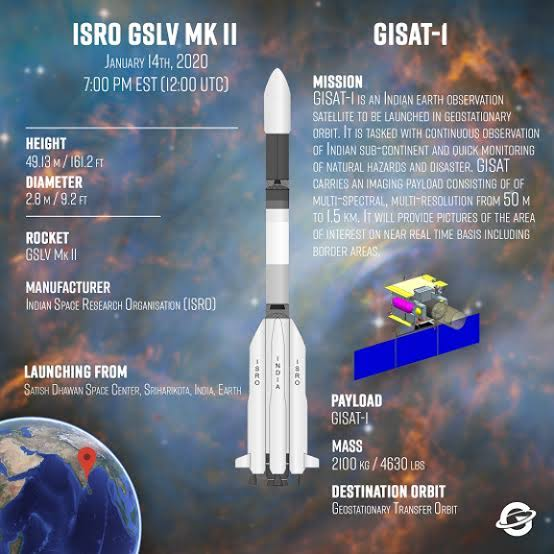
    • India’s indigenous navigation satellite system Navigation with Indian Constellation (NavIC) has suffered a setback after the failure of the IRNSS-1F satellite due to malfunction of its last operational rubidium atomic clock.

    Navigation with Indian Constellation (NavIC)

    • It was launched in 2013.
    • Established by – Indian Space Research Organisation (ISRO).
    • It is India’s autonomous regional navigation satellite system, designed to fulfill both civilian and military navigational needs.
    • NavIC was erstwhile known as Indian Regional Navigation Satellite System (IRNSS).
    • Purpose – It provides precise Position, Velocity, and Timing (PVT) services within India and extends up to 1,500 km beyond the country’s borders, forming its primary service area.
    • NavIC is designed with a constellation of 7 satellites and a network of ground stations operating 24 x 7.
    • Three satellites of the constellation are placed in geostationary orbit and four satellites are placed in inclined geosynchronous orbit.
    • Significance – It provides location accuracy better than 20 meters and timing accuracy better than 40 nanoseconds across the core service area.

    Thorium can Power India’s 100 GWe by 2047 Mission

    Syllabus: GS3/Energy Sector

    Context

    • The SHANTI Act 2025 represents a watershed moment for India’s atomic energy programme; however, resolving the challenges of thorium utilisation is urgent.

    India’s Thorium Reserves

    • India has one of the largest reserves of thorium in the world.
    • Together, Kerala and Odisha account for over 70% of India’s thorium.
    • India has been developing a three-stage nuclear program, with thorium-based reactors being a critical part of the third stage.
    • Challenges: Extracting thorium from ores requires high amounts of energy and creates significant waste.
    • It includes challenges such as the need for advanced reactor technology and economic viability.

    Need for Thorium Utilization

    • Reduce Reliance on Imports: The growth of nuclear generation capacity currently depends heavily on imported uranium.
    • Domestic uranium ores are lean and costly to extract, though this does provide some insulation against supply disruptions.

    Significance of Thorium for India

    • Resource Advantage: India has limited uranium but abundant thorium reserves, mainly in coastal and riverine sands.
    • Nuclear Behaviour: Thorium is not fissile like uranium; it is fertile and converts into uranium-233 after absorbing neutrons, which can then sustain nuclear fission.
    • Strategic Fit: Integral to India’s long-term three-stage nuclear power programme.

    India’s Three-stage nuclear programme

    • India established the Atomic Energy Commission in 1948.
    • In 1956, Asia’s first research reactor, Apsara, was commissioned at the Bhabha Atomic Research Centre (BARC) in Trombay.
    • Note – India was the second Asian nation to build a nuclear power plant in 1969 at Tarapur, just after Japan and long before China.
    • India has a three-phase programme of nuclear power visioned by Dr Homi J Bhabha, the father of India’s nuclear programme.
    1. First Stage (Pressurized Heavy Water Reactors – PHWRs)
    2. Second Stage (Fast Breeder Reactors – FBRs)
    3. Third Stage (Advanced Heavy Water Reactors – AHWRs)

    Rajasthan’s Property Bill

    Syllabus: GS2/Polity

    Context

    • The Rajasthan Prohibition of Transfer of Immovable Property in Disturbed Areas Bill was passed by the Rajasthan Legislative Assembly.
    • Rajasthan becomes the second state in India, after Gujarat, to implement such a bill.

    Rajasthan Prohibition of Transfer of Immovable Property in Disturbed Areas Bill

    • Aim: To regulate property transactions in areas that the government declares as “disturbed”.
    • Under the proposed law, Section 3(1,2) states that the State government may declare any area within the State as a ‘disturbed area’ if it considers that communal violence, riots, or public disorder exist or are likely to occur.
    • Once a locality is notified, any transfer of immovable property, including land, houses or commercial establishments, would require prior approval from the District Magistrate.
    • Property transactions carried out without such permission would be treated as legally invalid.
    • The law also provides penalties for property transfers carried out without the required permission.
    • Concern – The Bill has also drawn attention in relation to Article 14, which guarantees equality before the law.

    Do you Know?

    • Note – The right to property was removed as a fundamental right by the 44th Amendment to the Constitution in 1978.
    • It remains protected under Article 300A, which states that no person can be deprived of property except by authority of law.
  • Dandi March | Bull Sharks in Iran’s Karun River | UNSC Condemning Iran Attacks on Gulf | Purple Potatoes | Assam’s GI-tagged Joha Rice | Operation White Hammer | Operation Sagar Bandhu

    Dandi March

    Syllabus: GS1/ Modern History of India

    Context

    • The Vice President of India recently paid tribute to Mahatma Gandhi and the freedom fighters involved in the Dandi March (1930).

    Dandi March

    • The British colonial government had imposed a monopoly on the production and sale of salt and levied a salt tax, making even this basic necessity expensive for Indians.
    • In 1930, Gandhiji declared that he would lead a march to break the salt law as it was sinful to tax salt since it is such an essential item of food.
    • Gandhiji with his 78 followers started Salt Satyagraha March on 12th March 1930 from Sabarmati Ashram and reached Dandi after 24 days on 6 th April 1930.
    • He broke the salt law by picking up natural salt from the seashore and boiling seawater to make salt.
    • The Salt Satyagraha became the starting point of the Civil Disobedience Movement.
    • The Dandi March inspired similar protests across different regions like in Tamil Nadu led by C. Rajagopalachari & in Kerala organized by K. Kelappan, popularly known as Kerala Gandhi.
    • After Gandhi’s arrest, Sarojini Naidu led a nonviolent protest at the Dharasana Salt Works on 21 May 1930.

    Bull Sharks in Iran’s Karun River

    Syllabus: GS1/ Geography

    Context

    • Recent discussions about unusual wildlife habitats have highlighted the presence of bull sharks in Iran’s Karun River near the city of Ahvaz.

    Karun River

    • The Karun River is the largest and only navigable river in Iran.
    • It originates in the Zagros Mountains.
    • It flows through southwestern Iran and eventually joins the Shatt al-Arab, which is formed by the confluence of the Tigris River and Euphrates River.
    • The Shatt al-Arab then empties into the Persian Gulf.

    Bull Sharks (Carcharhinus leucas)

    • Biological Features: Bull sharks are one of the few shark species capable of surviving in both saltwater and freshwater.
    • They possess specialised osmoregulation mechanisms that allow them to control salt concentration in their bodies.
    • This adaptation enables them to travel far inland through river systems.
    • Global Distribution: Bull sharks have been recorded in several rivers across the world, like; Mississippi River (USA), Amazon River, Zambezi River and Ganges River.
    • Conservation Status: It is listed as Vulnerable on the IUCN Red List.

    UNSC Condemning Iran Attacks on Gulf

    Syllabus: GS2/IR

    Context

    • India co-sponsored a resolution at the UN Security Council that condemned the attacks by Iran against Gulf Cooperation Council countries and Jordan.
    • India along with 134 countries that demanded the “immediate cessation of all attacks by Iran” against GCC countries Bahrain, Kuwait, Oman, Qatar, Saudi Arabia, the United Arab Emirates, and Jordan.
    • The resolution was passed with 13 UNSC members voting in favour while Russia and China abstained.
    • It also condemned “any actions or threats by Iran aimed at obstructing international navigation through the Strait of Hormuz”.

    Additional Information – Gulf Cooperation Council (GCC)

    • It is a political and economic union of six Arabian Peninsula countries
    • Members: Bahrain, Kuwait, Oman, Qatar, Saudi Arabia, and the United Arab Emirates.
    • Establishment: Founded on May 25, 1981, through an agreement signed in Riyadh, Saudi Arabia.
    • Objectives: To achieve unity and coordination among member states in all fields, including economic, security, cultural, and social cooperation.
    • Headquarters: Riyadh, Saudi Arabia.

    Purple Potatoes

    Syllabus: GS3/Agriculture

    Context

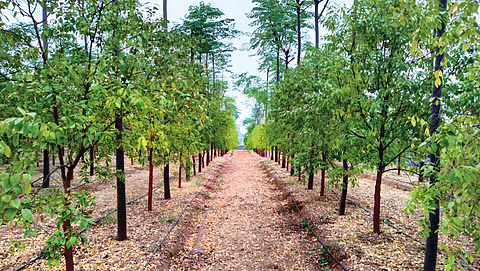
    • A young farmer from Punjab has gained attention for cultivating purple potatoes using seed tubers imported from Bolivia.

    Purple potatoes

    • Cultivated in – Andean region of South America, especially Peru and Bolivia.
    • Purple potatoes are naturally pigmented potato varieties with deep purple skin and flesh.
    • The tubers are deep purple both externally and internally due to a high concentration of anthocyanins, natural antioxidants responsible for the colour.
    • The thicker peel gives them a longer shelf life than conventional potatoes.
    • The crop duration is around 90–100 days, with sowing generally done in October–November.
    • They are rich in vitamin C and antioxidants, and are considered beneficial for people managing conditions such as diabetes or joint pain.

    Do You Know?

    • India has developed its own purple potato variety Kufri Jamunia, launched in 2024 by Prime Minister Narendra Modi.

    Potato Cultivation

    • India is the world’s second top producer and consumer of potato after China; in 2020, it saw a production of 51.30 million tonnes.
    • Among the states in India, Uttar Pradesh and West Bengal lead the production, followed by Bihar.
    • Potato is a cool-season crop and best suited to well-drained sandy loam soils.

    Assam’s GI-tagged Joha Rice

    Syllabus: GS3/Economy

    Context

    • India has facilitated the export of 25 metric tonnes of Assam’s GI-tagged Joha Rice to the United Kingdom and Italy.

    Joha Rice

    • It is an aromatic indigenous rice variety, which received its Geographical Indication (GI) tag in 2017.
    • It is gaining recognition in premium global markets for its distinctive fragrance, fine grain texture and rich taste.
    • The leading districts in Joha rice production are: Nagaon, Baksa, Goalpara, Sibsagar, Majuli, Chirang and Golaghat.
    • This strong production base provides a good opportunity to create a surplus for exports and enhance farmers’ income.

    Connect with the basics – Geographical Indication or GI Tag

    • It is a name or a sign given to certain products related to a specific geographical location or origins like a region, town, or country.
    • A certification for unique products – GI Tag may be regarded as a certification for a particular product with certain specific qualities or has a specific reputation because of its geographical origin.
    • GI Tags can be issued for wine and spirit drinks, foodstuffs, agricultural products, handicrafts, and industrial products.
    • Trade-Related Aspects of Intellectual Property Rights (TRIPS) – At the International level, GI is governed by the World Trade Organisation’s (WTO’s) Agreement on Trade-Related Aspects of Intellectual Property Rights (TRIPS).
    • Geographical Indications of Goods (Registration and Protection) Act – In India, Geographical Indications registration is administered by the Geographical Indications of Goods (Registration and Protection) Act, 1999, which came into force in September 2003.
    • Darjeeling tea  – The first product in India to be accorded with the GI tag was Darjeeling tea in 2004-05.

    Operation White Hammer

    Syllabus: GS3/Internal Security

    Context

    • The Directorate of Revenue Intelligence (DRI) recently raided an illegal Alprazolam manufacturing unit in Andhra Pradesh as part of Operation “White Hammer.”

    Alprazolam

    • It is a psychotropic substance regulated under the Narcotic Drugs and Psychotropic Substances Act, 1985.
    • Alprazolam is a benzodiazepine drug used to treat anxiety disorders and commonly marketed under brand names such as Xanax.
    • India is one of the world’s largest producers of generic medicines, which sometimes leads to misuse of pharmaceutical chemicals for illicit drug trade.

    Legal Framework in India

    • Narcotic Drugs and Psychotropic Substances Act, 1985: Regulates production, possession, sale, transport, and consumption of narcotic and psychotropic substances.
    • Drugs and Cosmetics Act, 1940: Regulates manufacture, quality, and sale of pharmaceutical drugs in India.

    Directorate of Revenue Intelligence

    • It is India’s premier anti-smuggling intelligence agency & functions under the Department of Revenue, Ministry of Finance.
    • Headquarters: New Delhi.

    Operation Sagar Bandhu

    Syllabus: GS2/IR; GS3/Defence

    Context

    • The Indian Army has launched a Major Bridge Project in Sri Lanka under Operation Sagar Bandhu.

    About

    • The bridge will connect Colombo, the capital city, with the key economic centre of Puttalam along a vital coastal corridor passing through Chilaw District.
    • The project reflects India’s engineering assistance to support Sri Lanka’s infrastructure recovery and connectivity.
    • It is aligned with India’s Neighbourhood First Policy and broader regional cooperation initiatives.

    Background

    • India launched Operation Sagar Bandhu in November 2025 as a First Responder following the devastating Cyclone Ditwah.
    • The operation aimed to provide Humanitarian Assistance and Disaster Relief (HADR) to Sri Lanka.
  • Savitribai Phule | Kurumba Painting | Fiscal Health Index 2026 | National Shipping Board (NSB) | International Energy Agency (IEA) | Black Rain in Tehran | Kisan Credit Card (KCC)

    Savitribai Phule

    Syllabus: GS1/Personality in News

    Context

    • Union Home Minister Amit Shah paid tribute to Savitribai Phule on her death anniversary.

    About Savitribai Phule (1831 – 1897)

    • Born in Naigaon village of Maharashtra’s Satara district.
    • In 1840, at the age of nine, she married Jyotirao Phule, who was just 13 at the time.
    • Formally recognised as India’s first female teacher. In 1848, the couple established the country’s first school for girls in Bhidewada, Pune.
    • In 1863, Jyotiba Phule and Savitribai began Balhatya Pratibandhak Griha, India’s first home dedicated to prohibiting infanticide.
    • She also advocated inter-caste marriages, widow remarriage, and eradication of child marriage, sati, and dowry systems, among other social issues.
    • In 1873, the Phule’s set up the Satyashodhak Samaj (‘Truth-seekers’ society’), a platform open to all, irrespective of their caste, religion or class hierarchies, with the sole aim of bringing social equity.
    • Literary works: Kavya Phule (Poetry’s Blossoms) in 1854 and Bavan Kashi Subodh Ratnakar (The Ocean of Pure Gems), in 1892.

    Kurumba Painting

    Syllabus: GS1/ Culture

    In News

    • The Kurumba art tradition is facing the threat of extinction due to declining practitioners.

    About

    • Kurumba paintings trace back over 3,000 years, linked to rock art sites like Ezhuthupaarai in Tamil Nadu’s Nilgiris; they were practiced by the Kurumba tribe.
    • The Kurumba tribe is classified as a Particularly Vulnerable Tribal Group (PVTG).
    • Originally they were painted over the house walls, temple walls or during festivals and artists derive natural pigments from forest sources like tree resins.
    • These folk paintings illustrate rituals, festivals, honey hunting, nature, animals, and daily community activities using simple linear motifs, dots, lines, and geometric patterns.
    • Source: IE

    Fiscal Health Index 2026

    Syllabus: GS2/Polity and Governance

    Context

    • NITI Aayog has released the second annual edition of Fiscal Health Index (FHI 2026.
    • Key Highlights of FHI 2026
    • Overall State Rankings:
    • Odisha remains the top-performing state, further improving its fiscal score.
    • Goa and Jharkhand also feature among the Achiever states.
    • Gujarat and Maharashtra continue to remain in the top five.
    • Haryana shows a notable improvement by gaining three ranks.
    • States Showing Recovery:
    • Bihar, Karnataka, and Telangana demonstrate moderate improvement in fiscal performance.
    • Low-Performing States:
    • Punjab, West Bengal, and Kerala continue to remain at the bottom of the rankings, reflecting persistent fiscal stress.
    • NE and Himalayan States:
    • Evaluated separately for the first time, Arunachal Pradesh tops as Achiever (strong revenue growth), followed by Uttarakhand;
    • Himachal Pradesh and Manipur lag due to weak own-revenues (<5% GSDP) and fiscal stress from high committed expenditures.
    • Policy Recommendations:
    • Priorities include boosting own-tax capacity (e.g., property, excise reforms), elevating capex to 5%+ GSDP, enhancing public financial management via digitization, and curbing off-budget borrowings to ensure debt sustainability below 25-30% GSDP.
    • Fiscal Health Index
    • FHI initiative assesses the fiscal health of states in India.
    • Sub Indices: Quality of Expenditure, Revenue Mobilisation, Fiscal Prudence, Debt Index, and Debt Sustainability.
    • Data for the index is sourced from the Comptroller and Auditor General of India (CAG).

    National Shipping Board (NSB)

    Syllabus: GS2/Governance

    In News

    • The government held a high-level interaction with the National Shipping Board (NSB) to address emerging challenges in India’s shipping sector amid evolving global geopolitical dynamics.
    • About National Shipping Board (NSB)
    • It is India’s apex advisory body on shipping and maritime matters, constituted under Section 23 of the Merchant Shipping Act, 1958.
    • It works under the Ministry of Ports, Shipping and Waterways.
    • Its primary role is to advise the central government on shipping policies and maritime development.
    • Its chairperson is appointed by the Central Government.
    • Source: PIB

    International Energy Agency (IEA)

    Economy

    Context

    • India is not going to join the International Energy Agency (IEA) initiative to release strategic oil reserves as part of an effort to cool oil prices.
    • India is the world’s third-largest oil-importing and consuming nation, and has 5.33 million tonnes of underground strategic reserves. But they are only 80% filled currently.
    • India is not a full member of IEA and does not have an obligation to follow the mandate of the international body. 

    India’s Oil Imports

    • India imports nearly 88% of its crude oil requirements from around 41 countries.
    • Roughly half of those supplies in February passed through the Strait of Hormuz.

    International Energy Agency (IEA)

    • Established: In 1974.
      • Founding members – Austria, Belgium, Canada, Denmark, Germany, Ireland, Italy, Japan, Luxembourg, The Netherlands, Norway, Spain, Sweden, Switzerland, Türkiye, United Kingdom, and the United States.
      • Reason: It was created when major oil-exporting countries drastically reduced oil supplies, causing severe economic disruptions in industrialized nations.
      • Mandate: IEA’s original mandate was to ensure that oil supplies were kept stable, and potential disruptions in future were anticipated and prevented through timely action.
    • Members: The membership was kept open only for OECD countries.
      • There are now 33 full members with Colombia being inducted as 33rd members recently.
      • Associate Members: In 2015, IEA opened the doors for non-OECD countries to become associate members.
      • Note – The associate members participate in the policy discussions and activities, but do not have decision-making rights. 
    • India became an associate member in 2017. There are 13 associate members right now.

    Additional information – Organisation for Economic Co-operation & Development (OECD)

      • It is an intergovernmental organisation that promotes economic development, policy coordination, and global cooperation.
      • Motto: “Better Policies for Better Lives.”
      • Established in 1961, succeeding the Organisation for European Economic Co-operation (OEEC).
    • Headquarters: Paris, France.
    • Membership: 38 member countries (mainly developed economies). India is not a member.

    Black Rain in Tehran

    Syllabus: GS3/ Environment

    Context

    • The World Health Organization (WHO) has warned of “black rain” and toxic air pollution in Tehran, following attacks on oil facilities.

    What is “Black Rain”?

    • “Black rain” refers to rainfall contaminated with soot, ash, oil particles, and chemical pollutants that are released into the atmosphere after large fires or explosions.
    • Instead of clear water droplets, the rain carries dark, oily particles, giving it a black or grey appearance.
    • Such rain usually occurs when massive fires release pollutants into the air and rainfall absorbs these particles before reaching the ground.
    • Historically, similar phenomena were observed after the Atomic Bombings of Hiroshima and Nagasaki in 1945, when radioactive soot and debris mixed with rainwater.
    • Source: IE

    Kisan Credit Card (KCC)

    Syllabus: GS3/Economy

    Context

    • The Kisan Credit Card (KCC) provides timely, affordable, and collateral-free credit to farmers, including small, marginal, tenant farmers and SHGs/JLGs.

    Kisan Credit Card (KCC)

    • The Kisan Credit Card (KCC) Scheme, introduced in 1998, was designed to simplify and expedite farmers’ access to short-term institutional credit for crop production.
    • It provides working capital and investment credit for allied activities and covers post-harvest and marketing expenses, thereby offering comprehensive financial support to enhance farm incomes.
    • Under the Modified Interest Subvention Scheme (MISS), the loan limit has been enhanced to Rs. 5 lakh, with collateral-free credit raised to Rs. 2 lakh per borrower.

    Eligible Beneficiaries of KCC: It extends coverage to:

    • individual farmers and joint borrowers who are owner-cultivators,
    • tenant farmers, oral lessees, and sharecroppers.
    • In addition, the scheme also includes Self Help Groups (SHGs) and Joint Liability Groups (JLGs), including groups formed by tenant farmers and sharecroppers.
  • SIPRI Report on Arms | Proton Accelerator Facility to Come up in Visakhapatnam | Haleem | National Highways Green Cover Index (NH-GCI) | Stranded Renewable Power and Grid Constraints in India | International Year of the Woman Farmer (IYWF 2026)

    SIPRI Report on Arms

    Syllabus: GS3/Defence

    Context

    • The Stockholm International Peace Research Institute (SIPRI) Arms Transfers Database (1950–2025) was updated recently.

    Major Highlights

    • The volume of international transfers of major arms in 2021–25 was 9.2% higher than in 2016–20. This was the biggest increase since 2011–15.
    • The five largest suppliers of major arms in 2021–25 were the United States, France, Russia, Germany and China.
    • Top five importers are Ukraine, India, Saudi Arabia, Qatar and Pakistan accounted for 35% of global imports.
    • Europe accounted for 33% of global arms imports, followed by Asia and Oceania at 31% and West Asia at 26%.
    • Arms exports by the USA increased by 27% between 2016–20 and 2021–25, giving it a 42% share of total global arms exports.
    • India accounted for 8.2% of total global arms imports between 2021 and 2025, making it the second-largest importer of major weapons systems.
    • The largest share of Indian arms imports came from Russia, at 40% a significantly smaller share than in 2016–20 (51%) and almost half that in 2011–15 (70%).
    • India is increasingly turning to Western suppliers including France, Israel and the United States.

    sipri report on arms

    • About SIPRI
    • SIPRI is an independent international institute dedicated to research into conflict, armaments, arms control and disarmament. It is based in Stockholm.
    • It was established in 1966, SIPRI provides data, analysis and recommendations, based on open sources, to policymakers, researchers, media and the interested public.
    • Funding: It was established on the basis of a decision by the Swedish Parliament and receives a substantial part of its funding in the form of an annual grant from the Swedish Government.
    • The Institute also seeks financial support from other organizations in order to carry out its research.
    • Source: SIPRI

    Proton Accelerator Facility to Come up in Visakhapatnam

    Syllabus: GS3/Science and Technology

    In News

    • Andhra Pradesh will host a high-energy proton accelerator in Visakhapatnam as part of India’s long-term nuclear research programme.
    • A proton is a subatomic particle with a positive electrical charge. It is found in every atomic nucleus of every element.

    About the Project

    • The high-energy proton accelerator in Visakhapatnam will generate high-energy neutrons for converting thorium into uranium fuel.
    • The facility benefits from Visakhapatnam’s technological ecosystem and sea access for cooling.
    • The project is linked to the Raja Ramanna Centre for Advanced Technology (RRCAT).
    • Importance
    • The proton accelerator is being developed as part of India’s long-term nuclear programme.
    • It is a strategically important technology that may take decades to become fully operational.
    • It will generate high-energy neutrons through spallation reactions to convert India’s abundant thorium into uranium fuel for reactors.
    • Raja Ramanna Centre for Advanced Technology (RRCAT)
    • It was established in 1984 under the Department of Atomic Energy.
    • It leads research in particle accelerators and laser technologies with applications in space, defence, communications, and medical science.
    • It also runs national-scale labs where industries, hospitals, and institutions conduct experiments.

    Haleem

    Syllabus: Miscellaneous

    Context

    • Amid shortage of commercial LPG, there are apprehensions that haleem will be pushed off the Ramzan menu in Hyderabad.

    About the Haleem

    • Haleem is a GI-tagged seasonal delicacy served during the Islamic holy month of Ramzan in Hyderabad, that is shipped across the country by multiple restaurant chains.
    • Cooked over wood-fired ovens — known as ‘bhatti’ — for nearly 12 hours, the wheat, meat, and spices are turned into a gooey consistency by evening and is part of the fast-breaking food items at Iftaar.
    • Source: TH

    National Highways Green Cover Index (NH-GCI)

    Syllabus: Miscellaneous

    Context

    • NHAI in coordination with ISRO has released the first-of-its-kind Annual Report on the National Highways Green Cover Index (NH-GCI) 2025–26.

    About

    • The assessment uses high-resolution satellite sensors to detect chlorophyll content, enabling an objective and technology-driven measure of vegetation along highways.
    • The NH-GCI value is expressed as a percentage, indicating the proportion of land covered by green cover within the Right of Way (RoW) of National Highways.
    • The index measures vegetation along both sides of highways at a granularity of one kilometre.
    • Approximately 30,000 km of National Highways spanning 24 States have been covered for the period July–December 2024.

    Stranded Renewable Power and Grid Constraints in India

    Syllabus: GS3/ Energy

    Context

    • At the Bharat Climate Forum 2026, energy experts highlighted a critical risk in India’s energy transition that renewable power generation is increasing rapidly, but grid and institutional constraints are preventing its efficient utilisation.

    India’s Renewable Energy Sector

    • India’s total renewable energy capacity reached 253.96 GW in November 2025, representing an increase of over 23% from 205.52 GW in 2024.
    • Solar installed capacity reached 132.85 GW followed by Wind at around 53.99 GW.

    India’s Global Position:

    • India ranks 3rd globally in solar power installed capacity.
    • India ranks 4th in wind power installed capacity.
    • India ranks 4th in total renewable energy installed capacity worldwide.
    • The leading states in India for renewable energy capacity are Rajasthan, Gujarat, Tamil Nadu, and Karnataka.
    • The country aims to achieve 500 GW of non-fossil fuel capacity by 2030 as part of its climate commitments.

    Challenges in India’s Renewable Energy Transition

    • Transmission Congestion and Stranded Power: In Rajasthan, around 23 GW of renewable capacity has been commissioned, but grid evacuation capacity is only 18.9 GW, leaving over 4,000 MW of power stranded during peak solar hours.
    • Unequal Curtailment of Renewable Projects: Renewable projects with Permanent General Network Access (GNA) continue to transmit power normally while projects with Temporary GNA (T-GNA) often face complete shutdown during peak hours.
    • This unequal treatment creates financial losses for developers who invested in projects after obtaining necessary approvals.
    • Under-utilisation of Transmission Infrastructure: High-capacity transmission lines such as 765 kV corridors are designed to evacuate large amounts of electricity (around 6000 MW). In reality, many operate at only 600–1000 MW, which is less than 20% of their designed capacity.
    • These projects involve huge investments of ₹4,000–₹5,000 crore per corridor, and their costs are ultimately borne by electricity consumers.
    • Institutional and Governance Issues: The grid operator Grid Controller of India Limited focuses mainly on grid stability, while no clear utilisation benchmarks or review mechanisms exist to address persistent underuse of transmission assets.
    • Technical Constraints in Grid Operation: Grid operators cite technical risks such as voltage oscillations and potential grid instability when renewable energy injection increases rapidly.
    • Technologies such as STATCOMs, reactive power compensators, and advanced protection systems can help address these issues but are not deployed at sufficient scale.

    Government Initiatives to Improve Clean Energy Utilisation

    • Green Energy Corridor (GEC): Aims to strengthen the transmission infrastructure to evacuate renewable energy efficiently from generation points to demand centres.
    • PM-KUSUM Scheme: Promotes installation of solar pumps and grid-connected solar power plants in rural areas to reduce diesel usage and support farmers.
    • National Green Hydrogen Mission: Seeks to promote the production and use of green hydrogen to reduce reliance on fossil fuels in sectors like refining, steel, and fertilisers.
    • Production Linked Incentive (PLI) Scheme: Provides financial incentives for domestic manufacturing of high-efficiency solar photovoltaic (PV) modules and advanced battery storage systems.
    • Renewable Energy Hybrid Policy: Encourages setting up of projects that combine solar and wind energy in the same location to increase capacity utilisation and reliability.

    International Year of the Woman Farmer (IYWF 2026)

    Syllabus: GS3/Agriculture

    Context

    • The United Nations Food and Agriculture Organization has declared 2026 the International Year of the Woman Farmer (IYWF 2026).

    About

    • Workforce shift: Rural men are moving to non-farm jobs leading to women replacing them in agriculture.

    • Rise in women’s participation:
    • Employment in agriculture surged by 135% in a decade.
    • Women now account for 42% of the agricultural workforce.
    • 2 in 3 working women are engaged in agriculture.
    • This still remains lower than the rest of the world, women’s work participation was in the range 57%-63% in a majority of countries.
    • In 2023-24, there were at least 117.6 million women working in agriculture (of whom 21.7 million were hired workers, 95.1 million were self-employed and 0.8 million were regular workers).
    • The estimated male workforce in agriculture was 127.5 million.
    • Economic Impact: Women’s greater participation has not translated into higher income for the economy, as agriculture’s share of the national GVA fell from 15.3% in 2017-18 to 14.4% in 2024-25.

    Challenges Faced by Women in Agriculture

    • Unpaid Labour: Nearly half of the women in agriculture are unpaid family workers, with their numbers jumping 2.5 times from 23.6 million to 59.1 million in just eight years.
    • In States such as Bihar and Uttar Pradesh, more than 80% of women workers are in agriculture, and over half of them receive no wages.
    • Systemic Inequities: Women as farmers, own only 13-14% of land holdings, and earn 20-30% less than men for equivalent work.
    • Asset ownership, decision-making power, and access to credit and government support remain male-dominated, trapping women in low-value activities.
    • Digital Divide: Barriers in digital literacy, language, affordability of devices limits the participation in modern agri-markets.
    • Therefore, the feminisation of agriculture; has, in a way, reinforced inequities rather than enabling women’s economic empowerment.

    Emerging Opportunities

    • High-Value Segments: With global demand rising for organic products and superfoods, India’s value chains for tea, spices, millets and certified organic produce are poised for expansion in sectors where women are already strongly represented.
    • Geographical Indications, branding initiatives, and support for meeting export standards can help women producers shift from subsistence farming toward premium, value-added product markets.
    • Digital Innovations: Digital innovations can play a decisive role in bridging this gap.
    • Platforms such as e-NAM, mobile-based advisory services, voice-assisted applications, and precision agriculture tools are already connecting women to markets, knowledge systems, and financial services.
    • These solutions help formalise women’s labour while expanding access to schemes, credit, and fair pricing.

    Government Initiatives for Women in Agriculture

    • Mahila Kisan Sashaktikaran Pariyojana (MKSP): Under National Rural Livelihood Mission (NRLM), supports women farmers in sustainable agriculture, livestock, and NTFP (non-timber forest produce).
    • Joint Land Titles: States encouraged to issue land pattas in joint names of husband and wife.
    • Priority Sector Lending (PSL): Mandates credit flow to women farmers.
    • Rural women SHGs & FPOs: Supported through NABARD and DAY-NRLM.
    • Agri-Clinics & Agri-Business Centres (ACABC): Special provisions for women agri-entrepreneurs.
    • Digital Literacy: Initiatives like Digital Sakhi, BHASHINI platform for multilingual access to agri-services.
    • Maternity Benefits & Health Schemes: Support women farmers’ welfare indirectly.
    • Support for Women FPOs: Encouraged under the 10,000 FPOs Scheme (2020) with special provision for women-led groups.
    • GI Tags, Branding, and Export Facilitation: Helps women producers in spices, tea, millets, organic produce.
  • Central Industrial Security Force (CISF) | Minuteman III | National Investment and Infrastructure Fund | Asteroid 2024 YR4

    Central Industrial Security Force (CISF)

    Syllabus: GS3/Defence

    Context

    • The 57th Raising Day of the Central Industrial Security Force (CISF) was observed recently.

    Central Industrial Security Force

    • It is a paramilitary force established in 1969, under the Central Industrial Security Force Act, 1968.
    • Every year, CISF Raising Day is observed on March 10.
    • Operates under – Ministry of Home Affairs of India.

    Functions –  It provides security to the strategic establishment including

    • Department of Space
    • Department of Atomic Energy,
    • Airports, Delhi Metro and ports.
    • Historical monuments
    • Basic areas of the Indian economy such as petroleum and natural gas, electricity, coal, steel and mining.

    Minuteman III

    Syllabus: GS3/Defence

    Context

    • As tensions continue to rise in the Middle East, the United States conducted a test launch of a Minuteman III missile.

    Minuteman III

    • It is nicknamed as ‘doomsday’ missile, and is an intercontinental ballistic missile (ICBM).
    • Range – It reaches a top speed of Mach 23, or roughly 28,400 kilometres per hour, and can travel over 9,600 kilometres.
    • Developed by Boeing in the 1950s
    • Purpose – to bolster American homeland protection,
    • Minuteman III is stored and launched from a silo, a fortified underground bunker designed to protect the missile from enemy attacks.
    • Notably, a Minuteman III has never been fired in actual combat, making the weapon one of the most powerful things on Earth that has never actually been used in war.

    Do you know?

    • The Minuteman III was originally supposed to be replaced in the 2030s, but delays with the new Sentinel ICBM have led officials to consider keeping it in service potentially until 2050.

    National Investment and Infrastructure Fund

    Syllabus: GS3/ Economy

    In News

    • The National Investment and Infrastructure Fund (NIIF) has raised $750 million for its Second Private Market Fund (PMF-II).
    • About National Investment and Infrastructure Fund (NIIF)
    • Established in 2015 as India’s sovereign wealth fund.
    • NIIF is a collaborative platform managed by National Investment and Infrastructure Fund Limited (NIIFL) to attract equity into infrastructure and related areas.
    • The Government stake is 49% and remaining 51% from global institutional investors
    • Source: ET

    Asteroid 2024 YR4

    Syllabus: GS3/Space

    Context

    • NASA has confirmed that asteroid 2024 YR4 poses no collision risk to the Moon in 2032, based on observations from the James Webb Space Telescope.
    • 2024 YR4 is classified as a Near-Earth Asteroid (NEA), indicating its orbit brings it close to Earth’s orbital path.

    About

    • Asteroids, sometimes called minor planets, are rocky, airless remnants left over from the early formation of our solar system about 4.6 billion years ago.
    • Most asteroids can be found orbiting the Sun between Mars and Jupiter within the main asteroid belt.
    • asteroid 2024 yr4
    • Source: TH
  • Defence Forces Vision 2047 | Removal of the Chief Election Commissioner | National Dam Safety Authority (NDSA)

    Defence Forces Vision 2047

    Syllabus: GS3/ Defence

    Context

    • The Minister of Defence released the document “Defence Forces Vision 2047: A Roadmap for a Future-Ready Indian Military”, prepared by the Headquarters Integrated Defence Staff.

    Objectives of Defence Forces Vision 2047

    • Future Warfare Preparedness: The vision emphasises preparing the military for multi-domain warfare, including cyber, space, artificial intelligence and information warfare.
    • Alignment with National Development Goals: The transformation of defence capabilities is linked with India’s broader objective of becoming a developed nation by 2047.

    Key Features of the Roadmap

    • Integrated and Multi-Domain Military: The vision proposes developing an integrated and agile military structure capable of conducting operations across land, sea, air, cyber and space domains.
    • Enhanced joint operational planning among the three services will improve efficiency and response capabilities.
    • Greater Jointness among the Services: A core pillar is enhanced jointness and synergy among the Army, Navy and Air Force.
    • Improved coordination in planning, operations and capability development is expected to increase operational efficiency.
    • Strengthening Self-Reliance in Defence: The roadmap supports the government’s Aatmanirbhar Bharat initiative in defence manufacturing.
    • Technological Advancement: It proposes the greater use of emerging technologies such as artificial intelligence, autonomous systems, cyber capabilities and advanced surveillance tools.
    • Phased Implementation: The roadmap outlines a phased approach, identifying short-term, mid-term and long-term priorities for building critical military capabilities.

    Recent Steps Taken by India

    • Creation of the Chief of Defence Staff (CDS) and Department of Military Affairs: The appointment of the CDS aims to promote jointness in operations, procurement and training.
    • The Department of Military Affairs (DMA) was created under the Ministry of Defence and is headed by the Chief of Defence Staff (CDS).
    • Defence Acquisition Procedure (DAP) 2020: It promotes indigenous design, development & manufacturing, prioritises “Make in India” categories.
    • Defence Industrial Corridors & Indigenous Production Push: Two defence industrial corridors have been established in Tamil Nadu and Uttar Pradesh to bolster its defence manufacturing ecosystem and promote domestic defence production.
    • Integrated Theatre Commands (ITCs): Push to restructure command structure so that Army, Navy, Air Force in a region operate under unified command.
    • It is part of the “jointness” agenda to avoid duplication and improve responsiveness.
    • Challenges
    • Limited Defence Budget: India’s defence modernisation is constrained by budgetary limitations, with defence spending remaining around 2–2.5% of GDP in recent years.
    • Weak Integration in Technology: Integration of communication systems, intelligence networks and digital battlefield technologies remains limited.

    Removal of the Chief Election Commissioner

    Syllabus: GS2/ Polity

    Context

    • Opposition parties are considering an impeachment motion against Chief Election Commissioner (CEC) Gyanesh Kumar.

    Article 324 of Constitution

    • Article 324 of the Constitution states that the Election Commission will comprise the Chief Election Commissioner (CEC) and such number of Election Commissioners (ECs), as the President may decide.
    • The Election Commission of India (ECI) is responsible for managing the preparation of electoral rolls and conducting elections to Parliament, State Legislatures, and the offices of the President and Vice-President.
    • The Constitution specifies that the President will appoint the CEC and ECs, subject to the provisions of an Act of Parliament.

    Constitutional Provisions for Removal of the CEC

    • Article 324(5) of the Constitution of India provides that the Chief Election Commissioner (CEC) can be removed in the same manner and on the same grounds as a judge of the Supreme Court.
    • A motion seeking the removal of the CEC may be introduced in either House of Parliament and must specify the grounds for seeking removal.

    The motion must be supported by:

    • At least 100 members of the Lok Sabha, or
    • At least 50 members of the Rajya Sabha.
    • Once the motion is admitted, the Speaker of the Lok Sabha or the Chairman of the Rajya Sabha constitutes an inquiry committee to investigate the allegations.
    • If the committee finds the charges proven, the motion is taken up for voting in Parliament.
    • Both Houses must then pass the motion with a two‑thirds majority of those present and voting. After both Houses approve the motion, the President issues the final order for removal.

    National Dam Safety Authority (NDSA)

    Syllabus: GS2/ Governance

    In News

    • The new office of the National Dam Safety Authority (NDSA) was inaugurated at R.K. Puram, New Delhi.
    • About National Dam Safety Authority (NDSA)
    • The NDSA is a statutory body established under the Dam Safety Act, 2021.
    • It functions under the Department of Water Resources, River Development and Ganga Rejuvenation of the Ministry of Jal Shakti.
    • It acts as the national-level regulator for dam safety in India
    • Key Digital Initiatives Launched
    • NETRA, NDSA Engine for Tracking and Review using AI. It is connected with DHARMA Dam Safety Database.
    • Rashtriya Bandh Suraksha Darpan (RBSD), developed by Centre for Development of Advanced Computing (C-DAC) for visualization of Dam Break Analysis (DBA).
  • Invoking of Essential Commodities Act, 1955 For Natural Gas Allocation | SC Permits Withdrawal of Life Support in India’s First Passive Euthanasia Case | Supreme Court Reiterates Support for Uniform Civil Code

    Invoking of Essential Commodities Act, 1955 For Natural Gas Allocation

    Syllabus: GS2/ Governance; GS3/ Economy

    Context

    • Recently, the Union Ministry of Petroleum and Natural Gas (MoPNG) invoked the Essential Commodities Act, 1955 by notifying the Natural Gas (Supply Regulation) Order, 2026 amid the ongoing conflict in West Asia and disruptions in LNG shipments through the Strait of Hormuz.
    • Key Points in Natural Gas (Supply Regulation) Order, 2026
    • Establishment of a four-tier priority system for gas allocation: Based on the average consumption of gas from the past six-month.
    • Gas redistribution: Lower-priority users like petrochemicals & power plants face cuts to support higher ones.
    • Pooled Mechanism: Petroleum Planning & Analysis Cell (PPAC) notifies pooled prices for gas diverted from non-priority to priority sectors, ensuring standardized pricing during shortages.
    • Priority sector entities must accept these pooled prices and waive litigation rights over force majeure or supply adjustments.
    • natural gas allocation
    • Reasons for Gas Rationing
    • Disruption of LNG Imports: The Strait of Hormuz is a crucial global energy transit route connecting the Persian Gulf to international markets. Conflict in the region has disrupted LNG shipments.
    • Around one-third of India’s LNG imports have been affected.
    • India’s Dependence on Imported Natural Gas: India’s natural gas demand continues to rise while domestic production remains limited.
    • Key Statistics:
    • Total gas consumption (2024–25): 71.3 billion cubic metres (BCM);
    • Import dependency: about 50%;
    • Major LNG suppliers: Qatar, United States, Russia, Australia;
    • High import dependence exposes economies to geopolitical shocks and price volatility.
    • About Essential Commodities Act (ECA), 1955
    •  
    • It aims to regulate the production, supply, distribution, and pricing of essential commodities to ensure their availability at fair prices and prevent hoarding, black-marketing, and profiteering during shortages or emergencies.
    • It empowers the Central Government(and in some cases state governments)to intervene in markets when necessary to protect consumer interests and maintain food and energy security.
    • Commodities Covered Under the Act
    •  
    • The central government can declare certain goods as ‘essential commodities’.
    • Common examples include food grains (rice, wheat, pulses); edible oils, sugar, petroleum and petroleum products, fertilisers, drugs, LPG and natural gas.
    • The government can add or remove commodities from the list depending on national requirements.
    • Key Changes in 2020 (During Covid-19)
    •  
    • The Essential Commodities (Amendment) Act, 2020 introduced major reforms to liberalise agricultural markets.
    • It aims to encourage private investment in storage, cold chains, and supply infrastructure.
    • Removal of Several Agricultural Commodities from the List: Certain items were deregulated except in extraordinary circumstances.
    • It includes cereals, pulses, oilseeds, edible oils, onions, and potatoes.
    • Stock Limits Only in Extraordinary Situations: The government can impose stock limits only under exceptional conditions, such as war, famine, extraordinary price rise, and natural calamities.
    • Price Trigger for Stock Limits: Stock limits can be imposed only if prices increase significantly:
    • 100% increase in price of horticultural produce;
    • 50% increase in price of non-perishable food items;
    • Exemption for Value Chain Participants: Stock limits do not apply to processors or exporters if stocks are within their production or export requirements.

    SC Permits Withdrawal of Life Support in India’s First Passive Euthanasia Case

    Syllabus: GS2/Polity; Health

    Context

    • The Supreme Court practically applied the principles of passive euthanasia for the first time by permitting the withdrawal of clinically-assisted nutrition and hydration (CANH) to 32-year-old Harish Rana.

    About

    • The court laid down that:
    • withdrawal of life support must be in the “best interests” of the patient and guiding factors include whether life support provided to the patient qualify as medical treatment;
    • whether medicines have any therapeutic benefit, but only works to prolong life, pain and suffering for the patient;
    • and whether it would be in the best interest of the patient to artificially prolong life.
    • The court said the patient must be looked after in a sensitive manner with concerns for his or her dignity given foremost importance.
    • The judgment decisively draws the boundaries on when to allow natural death to take over.
    • The bench noted that there is no comprehensive legislation addressing end-of-life care in the country and urged the Centre to enact a law in this regard.

    Euthanasia

    • Euthanasia is the act of deliberately ending a person’s life to eliminate pain or suffering
    • Ethicists differentiate between active and passive euthanasia.
    • Passive euthanasia entails the deliberate decision to withhold or withdraw medical interventions, like life support, with the aim of permitting a person’s natural death.
    • Active Euthanasia is the intentional act of killing a terminally ill patient on voluntary request, by the direct intervention of a doctor for the purpose of the good of the patient. It is illegal in India.

    Legal Stance

    • The Supreme Court had in 2018 legalised passive euthanasia, contingent upon the person having a “living will”.
    • SC held that the ‘right to die with dignity’ forms a part of the right to life under Article 21 of the Constitution of India.
    • A living will is a written document that specifies the actions to be taken if the person is unable to make their own medical decisions in the future.

    Arguments in Favour of Assisted Dying

    • Autonomy and Choice: Individuals should have the right to make decisions about their own lives, including the choice to end it to avoid prolonged suffering.
    • Relief from Suffering: Assisted dying provides a compassionate option for those with terminal illnesses or unbearable pain, allowing them to die with dignity.
    • Respect for Individual Rights: People should have control over their bodies and lives, including the decision to end their life in a humane and controlled manner.

    Arguments Against Assisted Dying

    • Moral and Ethical Concerns: Many believe that taking a life, even at the person’s request, is morally wrong and goes against the sanctity of life.
    • Risk of Abuse: Vulnerable individuals, such as those with mental health issues or pressure from family, may be coerced into choosing assisted dying.
    • Medical Ethics: Healthcare professionals are traditionally bound to preserve life, and assisted dying may conflict with the fundamental role of doctors in healing and care.
    • Alternative Solutions: There are arguments that palliative care and pain management can provide relief, making assisted dying unnecessary.

    Way Ahead

    • Palliative Care Expansion: Improving access to high-quality palliative care to address suffering and reduce the demand for assisted dying.
    • Public Debate: Ongoing discussions about the moral, legal, and ethical implications of assisted dying, can be considered while framing the guidelines.
    • International Perspective: Countries may look to those with legal assisted dying frameworks (e.g., the Netherlands, Canada) for guidance on effective regulation and safeguards.
    • Mental Health Support: Providing psychological evaluations to prevent coercion or impulsive decisions and ensure informed consent is given.

    Supreme Court Reiterates Support for Uniform Civil Code

    Syllabus: GS2/ Polity and Governance

    Context

    • The Supreme Court of India reiterated its support for a Uniform Civil Code, observing that a common civil law framework would help address complexities arising from multiple personal laws governing marriage, divorce, and succession across communities.

    Supreme Court’s Observations

    • The petition before the court challenges provisions of the Muslim Personal Law (Shariat) Application Act, 1937, arguing that it discriminates against Muslim women in matters such as inheritance.
    • The Court stated that striking down personal law provisions may create a legal vacuum regarding inheritance rules.
    • It emphasised that a Uniform Civil Code would provide a clearer and more comprehensive solution to ensure equality in personal laws, which requires legislative action, not only judicial decisions.

    What is Uniform Civil Code (UCC)?

    • A Uniform Civil Code refers to the provision of one law for the entire country, applicable to all religious communities, in their personal matters such as marriage, divorce, inheritance, adoption, etc.
    • Aim: To replace the existing diverse personal laws that vary based on religious affiliations.

    Constitutional Provisions

    • Article 44 contained in part IV of the Constitution says that the state “shall endeavor to secure for the citizens a uniform civil code throughout the territory of India”.
    • Part IV of the Constitution outlines the Directive Principles of State Policy, which, while not enforceable or justiciable in a court of law, are fundamental to the country’s governance.

    UCC in India

    • UCC in Goa: It follows the Portuguese Civil Code of 1867, which means that people of all religions in Goa are subject to the same laws on marriage, divorce, and succession.
    • The Goa Daman and Diu Administration Act of 1962, which was passed after Goa joined the union as a territory in 1961, gave Goa permission to apply the Civil Code.
    • In 2024, The Uttarakhand Legislative Assembly passed The Uniform Civil Code of Uttarakhand Act, 2024, becoming the first Indian State to adopt a UCC post-independence.

    Arguments in favor of UCC

    • Uniformity in Governance: Having a common set of laws would streamline governance and administrative processes, making it easier for the state to administer justice and ensure the rights of its citizens.
    • Women’s Rights: Personal laws in different religions have discriminatory provisions, particularly against women, and a uniform code will provide a more egalitarian legal framework.
    • Secularism: A Uniform Civil Code is seen as a way to reinforce the secular fabric of the country by treating all citizens equally irrespective of their religious affiliations.
    • The Supreme Court in various judgments including Mohd. Ahmed Khan vs Shah Bano Begum judgment of 1985, has called for the implementation of the Uniform Civil Code.
    • Promote national Spirit: The implementation of a UCC will promote the integration of India by establishing a shared platform for diverse communities.

    Arguments against UCC

    • Issues with implementation: The implementation of the code has been difficult because India is a diverse country with various religious communities following their own personal laws.
    • It has been argued that the marriage and death rituals observed by tribal communities differ from Hindu customs, and there is concern that these practices may also face prohibition.
    • Challenge for Law and Order: It would be a tyranny to the minority and when implemented could bring a lot of unrest in the country.
    • Against Constitutional provisions: UCC is perceived as an infringement upon the constitutional right to freely exercise one’s chosen religion found in Article 25 and 26 and the Sixth Schedule of the Constitution

    Way Ahead

    • Build broad social consensus: The government should undertake wide consultations with religious leaders, legal experts, civil society groups, and minority communities to ensure that the framework reflects India’s pluralistic character and reduces apprehensions.
    • Focus on gender justice: The primary objective should be to remove discriminatory provisions in personal laws, particularly those affecting women in matters of marriage, divorce, maintenance, and inheritance.
  • India – US Defence Ties | Essential Commodities Act Invoked | US F-1 Visas for Indian Students Drop 69%

    India – US Defence Ties

    Syllabus: GS2/IR

    Context

    • India has denied reports that it assisted the United States in targeting an Iranian vessel near Sri Lankan waters.

    India – US Military Exercises:

    • Yudh Abhyas: Land forces.
    • Malabar: Naval quadrilateral with US, India, Japan, Australia.
    • Cope India: Air exercise.
    • Tiger Triumph: Tri-service HADR exercise.
    • Vajra Prahar: Special forces.

    Essential Commodities Act Invoked

    Syllabus: GS2/Governance

    News

    • The Centre invoked the Essential Commodities Act in response to the oil crisis following Israel-U.S. strikes on Iran.
    • Centre directed oil refining companies to prioritize LPG production using propane and butane streams, supply it exclusively to domestic consumers, and not use these streams for other petrochemical products.

    Essential Commodities Act, 1955

    • It has been a tool used by the government through the years to offset rising food prices, prevent hoarding and maintain food security.
    • The list of essential commodities includes drugs and medicines, fertilizers, foodstuffs (including edible oils), hank yarn, petroleum and petroleum products, raw jute and jute textiles, and various types of seeds such as those for fruits, vegetables, and cattle fodder.
    • The 2020 amendment to the Essential Commodities Act limited the Centre’s powers to regulate key food items only under extraordinary circumstances and
    • It allowed stock limits on agricultural produce only if prices rose sharply—100% for horticultural goods and 50% for non-perishable foodstuffs.

    US F-1 Visas for Indian Students Drop 69%

    Syllabus: GS2/IR

    In News

    • In 2025, F-1 visa issuances to Indian students fell by 69% in June-July (12,776 visas) compared to 41,336 in 2024.

    F-1 visa

    • The F-1 visa permits foreign students to study full-time in the U.S.
    • It has long served as a key talent pipeline for the US. Created under the Immigration and Nationality Act of 1952,
    • It allows students to remain temporarily in the US after graduation.
    • This route has helped American universities and technology firms attract global talent, particularly from India and China.

    How is the F-1 visa different  from an M visa?

    • There are two types of US study visas — F and M.
    • The ‘F’ category visa is used for university or college, high school, private elementary school, seminary, conservatory, and other academic institutions, including a language training programme.
    • The ‘M’ category visa is used for vocational or other recognised nonacademic institutions, other than a language training programme.
  • Iranian Kurds | Raisina Dialogue 2026 | Gravity Bomb | India’s 7th National Report to the Convention on Biological Diversity | Karnataka & Andhra to Ban Social Media Use by Children | IISc launches “Moonshot” Project on Brain Co-processors

    Iranian Kurds

    International

    Context

    • S. President Donald Trump encouraged Iranian Kurdish forces to launch attacks against Iran as conflict in West Asia widened.

    Kurds

    • Kurdish people are an ethnic minority group in the Middle East without an independent state.
    • The population ranges between 25 million and 45 million worldwide, with most living in the mountainous region across parts of western Iran, eastern Turkey, northern Iraq and Syria, and Armenia.
    • They speak various Kurdish dialects, not related to Turkish or Arabic; and are mostly Sunni Muslims.
    • Turkey has the largest population of approximately 15 to 20 million people while Iran has 8-12 million Kurds.
    • Concerns of Kurds: They were promised a nation post-WWI, but never granted.
    • They faced rebellions, state suppression of language and culture.
    • Kurdistan Regional Government: Following years of conflict and the 1991 Gulf War, the Kurds established the Kurdistan Regional Government (K.R.G.) in Iraq, which is now a constitutionally recognised autonomous region.

    Raisina Dialogue 2026

    International

    Context

    • PM Modi attended the inaugural session of the Raisina Dialogue 2026 in New Delhi.
    • The theme for 2026 edition is “Samskara: Assertion, Accommodation, Advancement.”

    Raisina Dialogue

    • The Raisina Dialogue is India’s premier conference on geopolitics and geoeconomics committed to addressing the most challenging issues facing the global community.
    • It brings together global leaders, policymakers, diplomats, scholars, and strategic experts to discuss major international challenges.
    • The first session was held in 2016.
    • It is hosted by the Delhi-based Observer Research Foundation, in collaboration with the External affairs ministry of India.

    Gravity Bomb

    Science and Tech

    Context

    • US Secretary of War, Pete Hegseth announced that the US would be shifting to ‘gravity bombs’, marking a major tactical pivot in the ongoing campaign against Iran.

    Gravity Bomb

    • A gravity bomb (or free-fall bomb) is an unpowered munition dropped from an aircraft.
    • Unlike cruise missiles such as the Tomahawk cruise missile, it has no engine and falls toward the target under gravity, guided by the aircraft’s speed and altitude.
    • Modernisation: Many gravity bombs are fitted with Joint Direct Attack Munition (JDAM) kits, which use GPS and steerable fins to convert them into precision-guided munitions.
    • Key Feature: Gravity bombs are relatively cheap but require aircraft to fly close to targets, making them effective mainly when air superiority is achieved.

    India’s 7th National Report to the Convention on Biological Diversity

    Environment

    Context

    • India has submitted its 7th National Report to the Convention on Biological Diversity (CBD), assessing national progress toward biodiversity targets for 2030.
    • The report evaluates India’s performance against 23 National Biodiversity Targets (NBTs) aligned with the Kunming–Montreal Global Biodiversity Framework (KMGBF).

    Convention on Biological Diversity (CBD)

    • Origin: The Convention was opened for signature in 1992 at the United Nations Conference on Environment and Development (Rio Earth Summit).
    • The Convention on Biological Diversity (CBD) entered into force on 29 December 1993.
    • The first session of the COP was scheduled in 1994 in the Bahamas.
    • Secretariat: Montreal, Canada.
    • Ratification: The CBD has been ratified by 196 nations, making it one of the most widely adopted international treaties.
    • Note – The United States is the only UN member state that has not ratified the convention.

    It has 3 main objectives;

    1. The conservation of biological diversity
    2. The sustainable use of the components of biological diversity
    3. The fair and equitable sharing of the benefits arising out of the utilization of genetic resources.
    • The governing body is the Conference of the Parties (COP), which meets every two years.
    • The Cartagena Protocol on Biosafety and the Nagoya Protocol on Access and Benefit-Sharing are supplementary agreements to the CBD.

    Kunming-Montreal Global Biodiversity Framework

    • The Kunming-Montreal Global Biodiversity Framework was concluded at COP15 of the Convention on Biological Diversity (CBD), held in Montreal, Canada, in 2022.
    • It features 23 targets to be met by 2030 and four global goals for 2050 to preserve biodiversity for current and future generations.
    • The agreement is not binding on members.

    Karnataka & Andhra to Ban Social Media Use by Children

    Syllabus: GS2/Governance

    Context

    • Karnataka has announced a ban on social media use by children under 16 in its latest Budget, and Andhra Pradesh is moving to introduce a measure that would prohibit those under 13 to use such service.
    • Objective – to restrict social media access for minors to combat digital addiction and safeguard mental health.

    State-Wise Proposed Restrictions

    • Karnataka: The proposal aims to ban social media for children under 16 years of age.
    • Andhra Pradesh – to prohibit social media for children under 13 years of age,

    Key Objectives and Context

    • Health and Safety: The primary drivers are rising concerns over digital addiction, cyberbullying, and declining academic performance.
    • Global Precedents: These moves follow international trends, such as Australia’s world-first nationwide ban for under-16s enacted in late 2025.
    • Support Measures: Karnataka has paired its proposal with the “Mobile Bidi, Pustaka Hidi” (Leave the phone, pick a book) campaign and plans to deploy mental health counselors in educational centers.

    Additional Information – ‘Mobile Bidi Pustaka Hidi’ (Drop the Mobile, Pick up a Book)

    • It is a statewide campaign launched by the Government of Karnataka in February 2026
    • Objective – to combat mobile phone addiction and revive reading habits among schoolchildren.

    Key Details of the Campaign

    • Primary Objective: To reduce excessive screen time for children under 16 and encourage them to cultivate a love for physical books and libraries.
    • Target Audience: Approximately 50 lakh students across government, aided, and private schools in Karnataka.
    • Implementation: Overseen by the Department of School Education and Literacy (DSEL) and the Department of State Education Research and Training (DSERT).

    IISc launches “Moonshot” Project on Brain Co-processors

    Syllabus: GS3/ Science and Technology

    Context

    • The Indian Institute of Science (IISc) launched a moonshot project to develop brain co-processors that combine neuromorphic hardware and AI algorithms to enhance or restore brain function.

    Brain Co-Processors

    • Brain co-processors are advanced devices designed to interact directly with the human brain.
    • They decode neural signals, process them using AI algorithms, and re-encode them back into the brain through neural stimulation or neurofeedback.
    • They enable cognitive and motor rehabilitation, particularly for stroke survivors who lose sensorimotor abilities such as reaching and grasping objects.
  • International Atomic Energy Agency (IAEA) | Project HANUMAN | Sungudi Saris

    International Atomic Energy Agency (IAEA)

    International

    News

    • The Director General of the International Atomic Energy Agency (IAEA has said that there has been no evidence of Iran building a nuclear bomb.

    International Atomic Energy Agency (IAEA)

    • It was established in 1957 as the world’s “Atoms for Peace” organisation within the UN.
    • It serves as the UN’s nuclear watchdog, promoting peaceful atomic energy use while verifying safeguards against proliferation.
    • Headquartered in Vienna, the body got the 2005 Nobel Peace Prize for non-proliferation efforts.
    • The IAEA has 178 member states, India being one of the founding members of it.

    Project HANUMAN

    Environment

    News

    • Project HANUMAN is a new initiative by the Andhra Pradesh government to mitigate human-wildlife conflicts through advanced rescue, monitoring, and community protection measures.

    Project HANUMAN

    • Acronym – Healing and Nurturing Units for Monitoring, Aid and Nursing of Wildlife.
    • Objective – It targets forest-fringe areas prone to incidents like elephant raids and snake bites, promoting coexistence via scientific tools and local involvement.

    Key Features

    • 100 GPS-enabled vehicles, 93 rapid response units and 7 wildlife ambulances for quick rescues and aid.
    • Four rescue centers in Visakhapatnam, Rajamahendravaram, Tirupati, and Birlut (or Byrluti).
    • ‘Vajra’ volunteer teams at village level for minor incidents like snake rescues.
    • AI systems for tracking animal movements and early warnings to settlements.
    • HANUMAN app for reporting conflicts and coordination.
    • Enhanced compensation like ₹10 lakh for human deaths, ₹2 lakh for injuries, market value for livestock.

    Sungudi Saris

    Art and Culture

    News

    • Sungudi sarees are gaining popularity among consumers looking for distinctive and eco-friendly fashion.

    Sungudi saris

    • Sungudi saris are traditional cotton saris which are Perfected by the Saurashtrian community, who migrated from Gujarat to Madurai (Tamil Nadu) in the 17th century.
    • It features intricate tie-and-dye patterns inspired by the night sky.
    • It is hand-knotted, dyed, washed, starched, and sun-dried, often revealing over 15,000 delicate white dots.
    • The process takes more than 15 days, producing breathable, culturally rich garments prized across generations.
    • The Madurai Sungudi sari received the Geographical Indication (GI) tag in December 2005.