Blog
-
Birsa Munda | Hindu Kush Himalaya | Coal Exchange Rules, 2026 | Dark Patterns | Summer Air Pollution and Ground-Level Ozone | Southwest Monsoon | Navachar Mantra Initiative | Price Stabilisation Fund | E85 Fuel Adoption in India
Birsa Munda
Art & Culture
Context
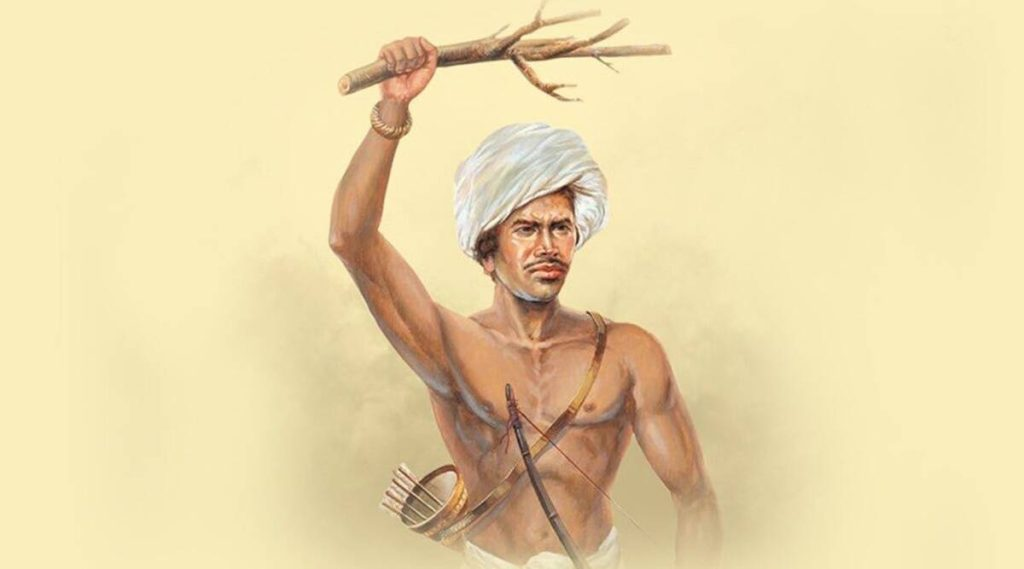
- PM Modi paid tributes to Dharti Aaba Bhagwan Birsa Munda Ji on his martyrdom day.
Birsa Munda
- He was born in 1874 in Ulihatu village, Jharkhand and was a spiritual reformer and freedom fighter.
- He is Known as Dharti Aaba (“Father of the Earth”).
- He led the Ulgulan or “Great Tumult” (1899–1900) (also called Munda Rebellion (1895–1900)) which was a fierce movement for tribal self-rule and the restoration of Khuntkatti (community land rights).
- He united the Munda tribes against British land laws and feudal exploitation.
- He envisioned a moral, self-governed society free from colonial influence.
- He was captured and martyred in Ranchi Jail at the age of 25.
Janjatiya Gaurav Divas
- Janjatiya Gaurav Divas is dedicated to remembering the contributions of tribal freedom fighters for the country.
- This day will now be celebrated every year.
- It would recognize the efforts of the tribals for the preservation of cultural heritage and would help the coming generations know about the sacrifices made by the tribals for the country.
- November 15th chosen for Janjatiya Gaurav Divas – The date is the birth anniversary of Sri Birsa Munda who is revered as Bhagwan by tribal communities across the country.
PM Janjati Adivasi Nyaya Maha Abhiyan
- Objective – To ensure last-mile welfare scheme delivery and protection for Particularly Vulnerable Tribal Groups (PVTGs).
- Viksit Bharat Sankalp Yatra – It is a nationwide programme to reach out to all villages and include those eligible for various central schemes.
Hindu Kush Himalaya
Geography
Context
- The HKH Monsoon Outlook 2026, projects below-normal rainfall and above-normal temperatures across the Hindu Kush Himalaya (HKH) region during the 2026 monsoon season.
Hindu Kush Himalaya (HKH)
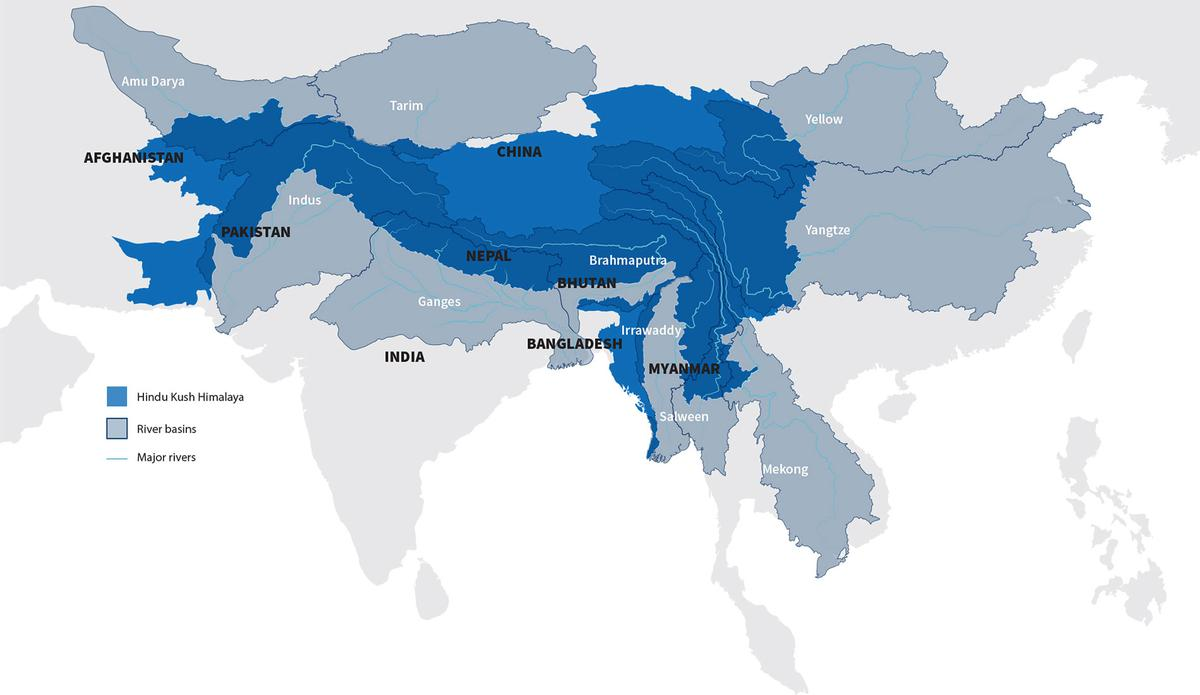
- The HKH mountains extend around 3,500 km over eight countries — Afghanistan, Bangladesh, Bhutan, China, India, Nepal, Myanmar, and Pakistan.
- These mountains are also called the “water towers of Asia” because they are the origins of 10 crucial river systems on the continent — Amu Darya, Indus, Ganga, Brahmaputra, Irrawaddy, Salween, Mekong, Yangtse, Yellow river, and Tarim.
- These river basins provide water to almost one-fourth of the world’s population and are a significant freshwater source for 240 million people in the HKH region.
Coal Exchange Rules, 2026
Economy
Context
- The Ministry of Coal has notified the Coal Exchange Rules, 2026, paving the way for the establishment of Coal Exchanges in the country to enable transparent and market-driven coal trading.
Coal Exchange
- A Coal Exchange is an electronic marketplace where coal producers, consumers, traders, and other participants can buy and sell coal through transparent trading mechanisms.
- Significance – It facilitates efficient price discovery based on market demand and supply conditions.
Coal Sector in India
- India is the world’s second-largest producer and consumer of coal.
- India has the fifth-largest coal reserves globally.
- Coal accounts for around 55% of India’s primary commercial energy requirement and about 70% of electricity generation.
- Major coal-producing regions are concentrated in states such as Odisha, Jharkhand, Chhattisgarh, Madhya Pradesh, and West Bengal
Dark Patterns
Science and Technology
Context
- According to a report, Indian consumers are losing an estimated ₹25,000 crore to ₹28,000 crore annually due to dark patterns, across online marketplaces.
About
- Definition – Dark patterns are user interface or user experience designs that manipulate, pressure, or mislead people into making choices they might not otherwise make.
- The term ‘dark patterns’ was coined by Harry Brignull in 2010.
- It encompasses a wide range of manipulative practices such as drip pricing, disguised advertising, bait and click, choice manipulation, false urgency and privacy concerns.
Dark patterns can:
- Undermine informed consent.
- Reduce user autonomy.
- Lead to unintended purchases or data sharing.
- Erode trust in products and companies.
India’s Laws Related to Dark Patterns
- Consumer Protection Act, 2019 & CCPA Guidelines, 2023: The Consumer Protection Act empowers the Central Consumer Protection Authority (CCPA) to curb unfair trade practices.
- The CCPA’s Guidelines for Prevention and Regulation of Dark Patterns, 2023 explicitly prohibit deceptive practices such as false urgency, basket sneaking, confirm shaming, and subscription traps.
- Consumer Protection (E-Commerce) Rules, 2020: Require transparency in pricing, advertisements, and terms of sale, and prohibit misleading practices on e-commerce platforms.
- Digital Personal Data Protection Act, 2023: Mandates free, informed, and unambiguous user consent for data processing, thereby discouraging dark patterns that manipulate users into sharing personal data.
Summer Air Pollution and Ground-Level Ozone
Environment
Context
- Several Indian cities witnessed severe summer air pollution in 2026, leading to the reimposition of Stage-I restrictions under GRAP in Delhi.
Summer Causes Ground-Level Ozone
- Ground-level ozone is a secondary pollutant and is not released directly into the air.
- Formation – It forms when Nitrogen Oxides (NOx) from vehicles and Volatile Organic Compounds (VOCs) from industries, paints, solvents, and fuel emissions react under strong sunligh
- Hot summer conditions and heatwaves accelerate this reaction, causing high ozone levels during daytime.
- Ozone and particulate matter can cause serious respiratory illnesses, especially among children, the elderly, and people with lung diseases.
Graded Response Action Plan (GRAP)
- Objective – It is a set of emergency measures implemented in Delhi-NCR to control air pollution based on the Air Quality Index (AQI) levels.
- Implementation – It was formulated by the Environment Pollution (Prevention & Control) Authority (EPCA) and enforced by CAQM from 2021.
GRAP is divided into four stages corresponding to AQI levels:
- Stage I – Poor (AQI 201–300)
- Stage II – Very Poor (AQI 301–400)
- Stage III – Severe (AQI 401–450)
- Stage IV – Severe+ (AQI >450)
Additional Information – Commission for Air Quality Management
- Constituted under: The Commission for Air Quality Management in NCR and Adjoining Areas Act, 2021.
- Jurisdiction: Delhi, Haryana, Punjab, Rajasthan, and Uttar Pradesh.
- Purpose: To coordinate and implement region-wide measures for air quality improvement, replacing the earlier EPCA.
Southwest Monsoon
Geography
Context
- The India Meteorological Department (IMD) confirmed the arrival of the southwest monsoon in Kerala (June 4, 2026).
- This marks the official start of the rainy season in India.
Southwest Monsoon
- Onset and Retreat: The monsoon season in India generally starts in early June and lasts until September.
- The onset of the monsoon is marked by the arrival of the southwest monsoon winds, which bring moisture-laden air from the Indian Ocean.
- The withdrawal or retreat of the monsoon typically begins in October.
- The northeast monsoon, occurring from October to December, brings rainfall to parts of southern India.
- Monsoon Dynamics: Factors such as the El Niño and La Niña phenomena can influence the strength and distribution of the monsoon.
- Agricultural Impact: The success of the monsoon directly influences crop yields and, consequently, the overall economy of the country.
Connect with the basics- Difference between El Niño and La Niña
Feature
El Niño (Warm Phase)
La Niña (Cold Phase)
Meaning
Spanish for “Little Boy”
Spanish for “Little Girl”
Ocean Temp.
Abnormal warming of eastern Pacific
Abnormal cooling of eastern Pacific
Trade Winds
Weaken or reverse direction
Become unusually strong
Indian Monsoon
Weakens monsoon; often leads to droughts
Strengthens monsoon; brings heavy rainfall
Winter in India
Generally warmer/milder winters
Severely cold winters in North India
Frequency
Occurs every 2–7 years; lasts 9–12 months
Occurs every 2–7 years; can last 1–3 years
Connect with the basics- Difference between El Niño and La Niña
Navachar Mantra Initiative
Economy
News
- Navachar Mantra is a national initiative launched by the Union Minister at IIT Delhi.
Navachar Mantra Initiative
- Launched by – Ministry of Skill Development and Entrepreneurship (MSDE)
- Objective – to identify, mentor, and scale grassroots innovations originating from Tier-2, Tier-3, and rural India
Key Features
- Target Demographic: Open to Indian citizens aged 18 to 55 residing in aspirational districts and underserved rural or semi-urban geographies.
- Eligibility: Flexible criteria allow individuals with ideas in the validation or early prototype stages to apply; a registered corporate entity or finished market product is not required.
- Focus Sectors: Prioritizes high-impact verticals including Agritech, HealthTech & Wellness, EdTech, Climate Action, Rural Commerce, and MSME Enablement.
Price Stabilisation Fund
Economy
Context
- The Union Cabinet has approved a one-time budgetary support of up to ₹10,000 crore for Oil Marketing Companies (OMCs) to provide Aviation Turbine Fuel (ATF) price stabilisation support to Scheduled Indian Airlines.
Aviation Turbine Fuel (ATF) Price Stabilisation Fund
- Financial outlay – ₹10,000 crore
- Objective – It protects Indian airlines from sudden jumps in fuel prices.
How It Works
- Fixed Price: The fund pays oil companies to keep jet fuel prices steady for local airlines.
- The Buffer: When global oil prices go up, the fund covers the extra cost. When prices go down, the money goes back into the fund.
- Rules: Airlines must sign a 36-month deal to buy fuel only from participating oil companies. Foreign airlines cannot use this fund
E85 Fuel Adoption in India
Environment
Context
- The Union Government is considering a policy framework to support the affordable adoption of E85 fuel in India.
E85 Fuel
- E85 is a fuel blend containing 85% ethanol and 15% petrol.
- It can be used in specially designed flex-fuel vehicles (FFVs) that can operate on varying ethanol-petrol blends.
- These vehicles are equipped with modified engines and fuel systems that can automatically adjust to different fuel compositions.
Why is India Promoting E85?
- Enhancing Energy Security: Greater ethanol use can reduce India’s dependence on imported crude oil.
- Reducing Import Bill: If just 1% of annual petrol vehicle sales shift to E85 during the 2026–27 ethanol supply year, India could save around ₹195 crore in foreign exchange.
- Supporting Farmers and Rural Economy: Increased adoption of E85 could generate demand for more than 4 crore litres of ethanol.
- Environmental Benefits: E85 adoption at the projected level could result in a net reduction of nearly 0.86 LMT of CO₂ emissions.
Ethanol
- Ethanol is9% pure alcohol that can be blended with petrol. It can be produced from sugarcane, maize, wheat, etc which are having high starch content.
Ethanol Blending
- Ethanol blending refers to the practice of mixing ethanol with gasoline to create a fuel mixture that can be used in internal combustion engines.
There are a few common blends:
- E10: This is a mixture of 10% ethanol and 90% gasoline. It is the most common blend and is used widely in many countries.
- E15: This blend contains 15% ethanol and 85% gasoline.
- E85: This is a high-ethanol blend, consisting of 85% ethanol and 15% gasoline. It’s used in flex-fuel vehicles designed to run on higher ethanol content.
-
MCQs on National & International
MCQs on National & International
1. Consider the following statements regarding Janjatiya Gaurav Divas:
- It is observed on November 15 every year.
- The date marks the birth anniversary of Birsa Munda.
Which of the statements given above is/are correct?
A. 1 only
B. 2 only
C. Both 1 and 2
D. Neither 1 nor 2Answer: C
2. Consider the following statements regarding the Hindu Kush Himalaya (HKH) region:
- It extends across eight countries of Asia.
- It is the source region of both the Indus and Mekong river systems.
- It provides freshwater resources to nearly one-fourth of the world’s population.
Which of the statements given above are correct?
A. 1 and 2 only
B. 2 and 3 only
C. 1 and 3 only
D. 1, 2 and 3Answer: D
3. India is the:
A. Largest producer and consumer of coal in the world
B. Second-largest producer and consumer of coal in the world
C. Third-largest producer and consumer of coal in the world
D. Fifth-largest producer and consumer of coal in the worldAnswer: B
4. With reference to India’s legal framework relating to Dark Patterns, consider the following:
- Consumer Protection Act, 2019
- Consumer Protection (E-Commerce) Rules, 2020
- Digital Personal Data Protection Act, 2023
Which of the above contain provisions that can help address concerns arising from Dark Patterns?
A. 1 only
B. 1 and 2 only
C. 2 and 3 only
D. 1, 2 and 3Answer: D
5. Which one of the following events officially marks the beginning of the monsoon season in India?
A. Withdrawal of western disturbances
B. Arrival of southwest monsoon winds over Kerala
C. Formation of tropical cyclones in the Bay of Bengal
D. Onset of the northeast monsoon over Tamil NaduAnswer: B
-
QUIZ on National & International Current Affairs – June 11th 2026
QUIZ on National & International Current Affairs – June 11th 2026
-
Rules Governing Election Symbols in India | Prime Minister of India | Ayushman Bharat Scheme | Viksit Bharat-Guarantee for Rozgar and Ajeevika Mission Gramin (VB-G RAM G) | Land Port Management System (LPMS): Vinimay | Shiv Shakti Point | Battery Energy Storage System
Rules Governing Election Symbols in India
Polity
Context
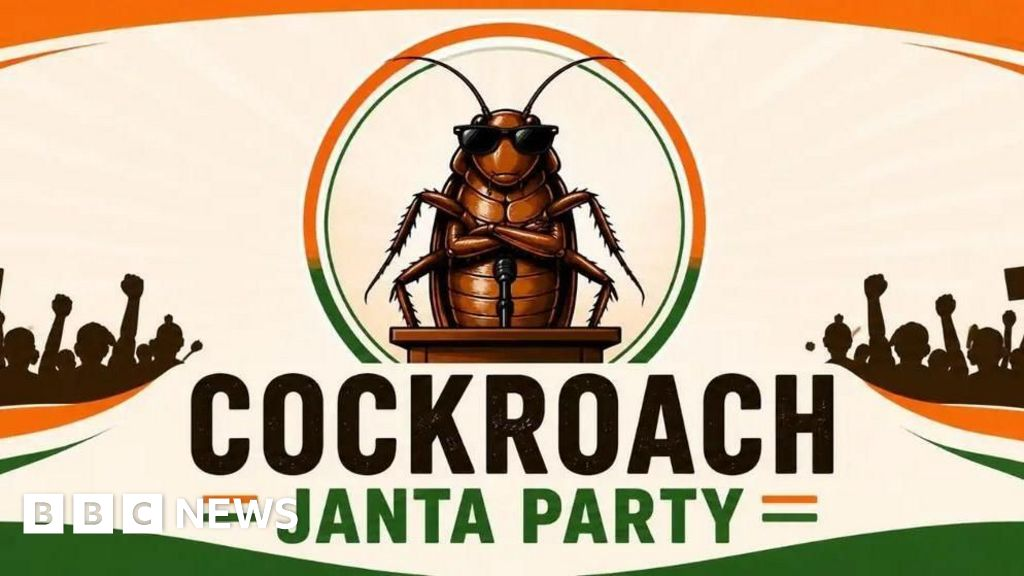
- The satirical Cockroach Janta Party (CJP) has sparked debate over whether a cockroach can be allotted as an election symbol if it registers as a political party.
Election Symbols in India
- Election symbols are governed by the Election Symbols (Reservation and Allotment) Order, 1968, administered by the Election Commission of India.
Types of Symbols:
- Reserved Symbols: Exclusively allotted to recognised national and state parties (e.g., lotus, hand).
- Free Symbols: Allotted to registered unrecognised parties and independent candidates from a notified list.
What Symbols Are Available?
- The EC’s latest free-symbol list (May 2025) contains 184 symbols.
- These include household items, fruits, vegetables, sports equipment, and tools such as air-conditioner, dustbin, frying pan, grapes, toothbrush, TV remote, etc.
The Cockroach Janta Party (CJP)
- It is a satirical, youth-led Indian political movement that emerged in May 2026. It was started by political communication strategist Abhijeet Dipke
- It started as a joke after a judge reportedly called internet-active youth “cockroaches.”
- It quickly gained millions of online followers to protest youth unemployment and exam scams.
Prime Minister of India
Polity
In News
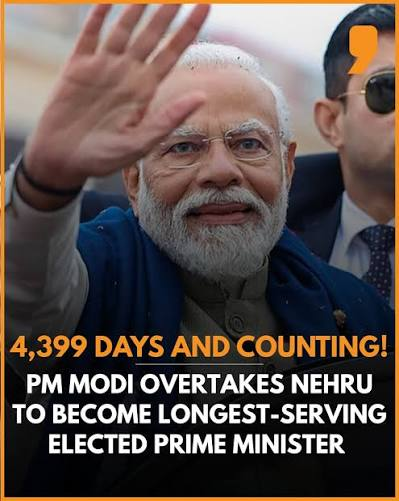
- Prime Minister Narendra Modi has overtaken Jawaharlal Nehru as the longest-serving Prime Minister in India to remain in office through consecutive electoral mandates.
Prime Minister of India
- Constitutional Position (Article 75): The Prime Minister is appointed by the President and serves as the head of the Union government, exercising actual executive authority.
- Leader of the Council of Ministers (Article 74): The Prime Minister leads the Council of Ministers, which assists and advises the President in carrying out constitutional functions.
- Role: The Prime Minister acts as the chief link between the President and the Council of Ministers,conveying decisions of the Cabinet and advising the President on matters such as appointments, convening Parliament, and dissolution of the Lok Sabha.
- Head of Key Bodies: The Prime Minister presides over several major institutions and councils, including NITI Aayog, the National Integration Council, and the Inter-State Council.
Ayushman Bharat Scheme
Government Schemes
Context
- West Bengal has formally joined the flagship health insurance programme, Ayushman Bharat Pradhan Mantri Jan Arogya Yojana (AB-PMJAY), becoming the last state in India to come under its ambit.
Ayushman Bharat
- Launched in – It was launched in 2018
- Objective – To achieve universal health coverage.
It has two key components
- Ayushman Bharat Pradhan Mantri- Jan Arogya Yojana (AB PM-JAY)
- Ayushman Arogya Mandir
Ayushman Arogya Mandir
- Launched in – The Government of India in 2018 announced the creation of 1,50,000 Health and Wellness Centres (HWCs) by transforming existing Sub Centres and Primary Health Centres.
- Functions – These centres would deliver Comprehensive Primary Health Care (CPHC) bringing healthcare closer to the homes of people covering both maternal and child health services and non-communicable diseases, including free essential drugs and diagnostic services.
Pradhan Mantri Jan Arogya Yojana (PM-JAY)
- Objective – The world’s largest health insurance/assurance scheme fully financed by the government.
- Feature – It provides cover of Rs 5 lakhs per family per year, for secondary and tertiary care hospitalization across public and private empaneled hospitals in India.
- Coverage – Over 10.74 crore poor and vulnerable entitled families (approximately 50 crore beneficiaries) are eligible for these benefits.
- Implementation – The National Health Authority (NHA) is the nodal agency responsible for the nationwide roll-out and implementation of the AB-PMJAY scheme.
- Financing – This scheme is a Centrally sponsored scheme with some Central sector components.
- Note – First Ayushman Arogya Mandir inaugurated in Bijapur, Chhattisgarh.
Viksit Bharat-Guarantee for Rozgar and Ajeevika Mission Gramin (VB-G RAM G)
Government schemes
Context
- The government has proposed an interim budget allocation of 95,692 crore rupees to states and union territories to ensure a smooth transition from MNREGA to Viksit Bharat-Guarantee for Rozgar and Ajeevika Mission Gramin (VB-G RAM G).
Key Differences
Feature
MGNREGA (2005)
VB-G RAM G (2025 Act)
Days Guaranteed
At least 100 days of work per year.
At least 125 days of work per year.
Funding Model
Demand-driven. The centre paid 100% of unskilled wages.
Normative allocation. General cost-sharing is 60:40 between Centre and States.
Work Pauses
Continuous work throughout the year.
Allows a 60-day pause for farming seasons.
Technology
Basic digital systems over time.
Advanced AI, biometrics, and GPS tracking.
Planning Approach
Handled locally by Gram Sabhas.
Integrated into the national PM Gati Shakti plan.
Land Port Management System (LPMS): Vinimay
Economy
In News
- Union Home Minister Amit Shah inaugurated the Land Port Management System (LPMS), named ‘Vinimay’, in New Delhi under the Smart Borders initiative.
About
- It is a unified digital platform launched to modernise operations across India’s international land borders.
- Developed by – Land Ports Authority of India (LPAI), a statutory body under the Ministry of Home Affairs established through the Land Ports Authority of India Act, 2010.
- Significance – It achieve Smart Border Management by replacing manual paperwork with end-to-end digital workflows
Additional Information – The Smart Borders Initiative
- It is an Indian government project to secure international borders using advanced technology.
- Implementation – Ministry of Home Affairs to secure India’s borders with Pakistan and Bangladesh. It uses technology instead of just human patrolling.
Key features
- Quadrangular Security Grid: Links local people, police, civil officials, and the military with the Border Security Force (BSF).
- High-Tech Tools: Uses drones, anti-drone systems, underground sensors, and thermal cameras. It protects tough areas like rivers and swamps.
- VINIMAY System: A digital platform by the Land Ports Authority of India. It cuts paper paperwork by 90% and tracks trade data in real time.
Shiv Shakti Point
Science and Technology
Context
- Data from Chandrayaan-3’s Pragyan rover has revealed that the soil at Shiv Shakti Point near the Moon’s South Pole is chemically very similar to a lunar meteorite (ALHA 81005) discovered in Antarctica.
- The findings are based on observations made by the Alpha Particle X-ray Spectrometer (APXS) onboard the rover.
Shiv Shakti Point
- It is the official name of the place on the Moon where India’s Chandrayaan-3 mission landed.
- The mission’s lander, Vikram, successfully touched down at this spot on 23 August 2023.
- With this achievement, India became the first country to land a spacecraft near the lunar south pole.
Chandrayaan-3
- It is India’s third moon mission.
- It was made by the Indian Space Research Organisation (ISRO).
- On August 23, 2023, it landed near the Moon’s South Pole. This made India the first country to reach the south polar region and the fourth country to land on the Moon. August 23 is now celebrated as National Space Day in India.
Key Quick Facts
- Launch Rocket: LVM3-M4 rocket.
- Landing Site: Named Shiv Shakti Point.
- Mission Life: 1 Lunar Day (about 14 Earth days).
The Three Spacecraft Parts
Propulsion Module: Carried the lander close to the Moon. It has 1 payload
- SHAPE (Spectro-polarimetry of Habitable Planet Earth): Studies Earth from orbit.
Vikram Lander: The main box that made the soft landing.It has 4 payloads
- ChaSTE (Chandra’s Surface Thermophysical Experiment) : Measures surface temperature.
- ILSA (Instrument for Lunar Seismic Activity): Records moonquakes.
- RAMBHA-LP (Radio Anatomy of Moon Bound Hypersensitive Ionosphere and Atmosphere – Langmuir Probe) :Measures plasma density.
- LRA (Laser Retroreflector Array) : Measures Moon distance (NASA)
Pragyan Rover: A small 6-wheeled robot. It has 2 payloads.
- LIBS (Laser-Induced Breakdown Spectroscope): Finds elements (found Sulphur).
- APXS (Alpha Particle X-ray Spectrometer): Studies soil minerals.
Why the South Pole Matters
- Water Ice: Deep craters have ice that never melts.
- Resources: This ice can make drinking water, oxygen, and fuel for future astronauts.
- History: The cold preserves old solar system clues.
Battery Energy Storage System
Environment
In News
- The Defence Ministry has approved the establishment of a 250 MW Solar Power Project with Battery Energy Storage System (BESS) at Sitapur (Ex-Cantonment) in Uttar Pradesh.
Battery Energy Storage System
- Battery Energy Storage System (BESS) refers to a technology that stores electrical energy in rechargeable batteries for later use.
- It helps balance electricity demand and supply by storing excess power generated from renewable sources such as solar and wind energy.
- Significance – It improves grid stability, reduces power fluctuations, and supports peak load managemen
- It also enhances energy access in remote areas and strengthens energy securit
Major Storage Technologies
Electrochemical (Battery-Based):
- Lithium-ion: Most widely deployed globally, energy density 150 to 300 Wh/kg, round-trip efficiency 90 to 95%, used in EVs and gridscale storage but dependent on imported lithium and cobalt.
- Lithium Iron Phosphate (LFP): Safer, cheaper, longer life cycle, increasingly preferred for utility-scale Battery Energy Storage Systems (BESS) and electric buses.
- Sodium-ion: Abundant domestic sodium, lower cost and reduced geopolitical dependence. Strategically important for India given limited domestic lithium reserves.
- Solid-state: Next-generation with solid electrolyte, higher density and improved safety. Still high cost and limited scalability.
- Flow batteries (Vanadium Redox, ZincBromine): Long-duration storage, minimal degradation, suited for utility-scale renewable integration.
Mechanical and Thermal
- Pumped Storage Hydropower (PSH): Most mature large-scale technology globally, using height difference to store and release energy.
- Molten salt and ice thermal storage are used in concentrated solar and industrial applications.
-
MCQs on National & International
MCQs on National & International
1. Election symbols in India are governed by:
A. Representation of the People Act, 1951
B. Election Symbols (Reservation and Allotment) Order, 1968
C. Election Commission Rules, 1971
D. Political Parties Registration Act, 1989Answer: B
2. Consider the following statements:
- Article 74 provides for a Council of Ministers to aid and advise the President.
- The Prime Minister is the leader of the Council of Ministers.
Which of the statements given above is/are correct?
A. 1 only
B. 2 only
C. Both 1 and 2
D. Neither 1 nor 2Answer: C
3. Consider the following statements:
- Ayushman Arogya Mandirs provide maternal and child healthcare services.
- They also cover non-communicable diseases and provide free essential drugs and diagnostics.
Which of the statements given above is/are correct?
A. 1 only
B. 2 only
C. Both 1 and 2
D. Neither 1 nor 2Correct Answer: C
4. Consider the following statements:
- MGNREGA guarantees at least 100 days of work per year.
- VB-G RAM G guarantees at least 125 days of work per year.
Which of the statements given above is/are correct?
A. 1 only
B. 2 only
C. Both 1 and 2
D. Neither 1 nor 2Answer: C
5. Shiv Shakti Point refers to:
A. The location where Chandrayaan-2 crashed on the Moon
B. The official name of the Chandrayaan-3 landing site on the Moon
C. The launch site of Chandrayaan-3
D. The location of India’s first satellite tracking stationAnswer: B
6. Which one of the following is identified as the most mature large-scale energy storage technology globally?
A. Sodium-ion batteries
B. Flow batteries
C. Pumped Storage Hydropower (PSH)
D. Solid-state batteriesAnswer: C
-
QUIZ on National & International Current Affairs – June 10th 2026
QUIZ on National & International Current Affairs – June 10th 2026
-
SIPRI Yearbook 2026 | Pride Month | Zojila Tunnel | Pradhan Mantri Surakshit Matritva Abhiyaan (PMSMA) | Preventive Detentions | Pradhan Mantri Ujjwala Yojana | Gallantry Awards | Tejas | Herbicide-Tolerant Mustard Hybrids
SIPRI Yearbook 2026
Science and Technology
Context
- According to the Stockholm International Peace Research Institute (SIPRI) Yearbook 2026, India is estimated to have modestly expanded its nuclear arsenal in 2025.
Key Highlights for India
- Nuclear Growth: India’s nuclear arsenal grew to 190 warheads (up from 180 in 2025). It leads Pakistan (170) but trails China (620).
- Nuclear Posture: India now keeps a small number of warheads mated to missiles during peacetime patrols. This strengthens its sea-based nuclear triad.
- Defence Spending: India ranks 5th globally in military spending, shelling out $92.1 billion in 2025.
- Arms Imports: India remains the world’s 2nd largest arms importer, holding an 8.2% global share.
Global Trends
- Total Stockpile: Nine nuclear nations hold about 12,187 nuclear weapons.
- Rising Risks: Countries are relying more on nuclear weapons, reversing years of risk reduction.
- Record Spending: Global military spending hit a record high of $2.9 trillion.
Stockholm International Peace Research Institute’s (SIPRI)
- It is an independent international institute dedicated to research into conflict, armaments, arms control and disarmament.
- It was established in 1966 in Stockholm (Sweden).
Additional Information – Nuclear Disarmament
- Disarmament refers to the act of eliminating or abolishing weapons (particularly offensive arms) either unilaterally or reciprocally.
Nuclear Powers in the World
- There are nine countries recognized as possessing nuclear weapons.
- These are United States, Russia, China, United Kingdom, France, India, Pakistan, North Korea and Israel.
Treaties Related to Nuclear Disarmament
Treaty on the Non-Proliferation of Nuclear Weapons (NPT):
- Signed in 1968 and entered into force in 1970.
- It aims to prevent the spread of nuclear weapons and promote disarmament.
Treaty on the Prohibition of Nuclear Weapons (TPNW):
- Adopted by the United Nations in 2017 and opened for signature in 2018.
- It aims to prohibit the development, testing, production, stockpiling, stationing, transfer, use, and threat of use of nuclear weapons.
Comprehensive Nuclear – Test-Ban Treaty (CTBT)
- Opened for signature in
- It aims to ban all nuclear explosions for both civilian and military purposes.
- The treaty has been signed by 185 countries and ratified by 170, it has not entered into force as nuclear-armed states must ratify it to become operational.
Outer Space Treaty
- This multilateral agreement entered into force in 1967 and bans the siting of weapons of mass destruction in space.
India’s Nuclear Weapon Program
- Smiling Buddha: In 1974, India conducted its first nuclear test code-named “Smiling Buddha, and since then, it has developed a nuclear triad consisting of land-based, sea-based, and air based delivery systems.
- Operation Shakti: In 1998, India conducted a series of nuclear tests at Pokhran, codenamed “Operation Shakti.”
Pride Month
Polity

Context
- June is observed globally as Pride Month to celebrate the LGBTQ+ community and raise awareness about issues of equality, inclusion, and human rights.
LGBTQ+ Community
- LGBTQ+ is an umbrella term for lesbian, gay, bisexual, transgender, and queer persons, with ‘+’ representing other identities that are not specifically included in these letters.
- Notably, LGBTQ+ persons do not conform with traditional gender roles and expectations, display sex characteristics that do not fit the typical male or female binary, and their gender identities that differ from the sex they were assigned at birth.
- Pride Month – It commemorates the struggle for LGBTQ+ rights and celebrates diversity and inclusion.
India’s Position on LGBTQ+ Rights
- As per census 2011, there were 4.87 lakhs persons in India who opted for “other” in gender category.
- Transgender Rights: NALSA v. Union of India (2014) recognised the right to self-identify gender.
- It recognises transgender as the “third gender” upholding their fundamental rights.
- Decriminalisation: Navtej Singh Johar v. Union of India (2018) decriminalised consensual homosexual acts (Section 377 partially struck down).
- Constitutional Provisions: Article 14 Right to equality, Article 15 No discrimination on grounds of sex and Article 21 Right to life and personal liberty.
- Legislation: The Transgender Persons (Protection of Rights) Act, 2019 provides legal recognition of transgender identity.
Zojila Tunnel
Geography
Context
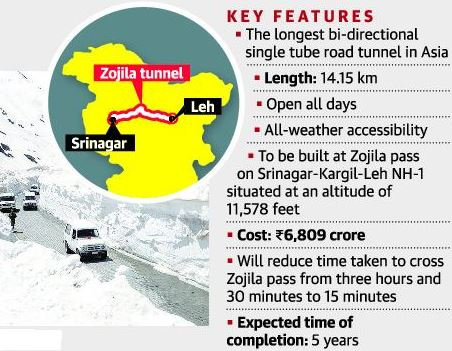
- The Zojila Tunnel achieved its final breakthrough in June 2026, marking a significant milestone in India’s efforts to establish all-weather connectivity between Kashmir and Ladakh.
Zojila Tunnel
- The Zojila Tunnel is a 14-km-long single-tube, bi-directional road tunnel being constructed beneath the Zojila Pass in the Himalayas.
- It is located at an altitude of approximately 11,578 feet and connects Baltal in Kashmir with Meenamarg in Ladakh.
- The tunnel is designed as a two-lane horseshoe-shaped structure and is among the world’s longest road tunnels at such a high altitude.
- The project is being executed by Megha Engineering & Infrastructures Ltd.
- The tunnel has been constructed using the New Austrian Tunnelling Method (NATM).
Strategic Importance
- It will provide all-weather connectivity between Kashmir Valley and Ladakh.
- It will reduce dependence on the snow-bound Zojila Pass, which remains closed during winter due to heavy snowfall and avalanches.
- It will improve military logistics and troop mobility in areas close to the Line of Actual Control.
Pradhan Mantri Surakshit Matritva Abhiyaan (PMSMA)
Government Schemes
Context
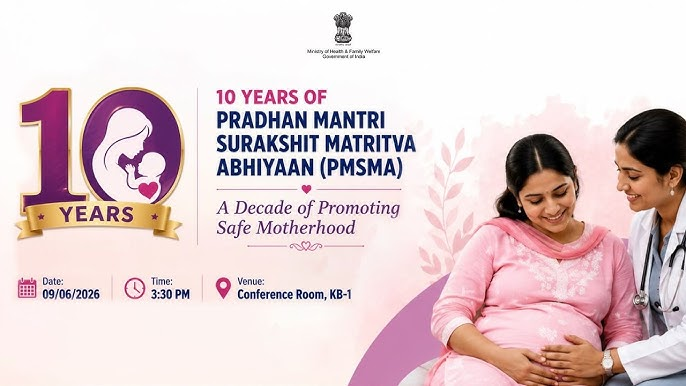
- The 10th anniversary of the Pradhan Mantri Surakshit Matritva Abhiyan (PMSMA) was observed.
Pradhan Mantri Surakshit Matritva Abhiyan (PMSMA)
- Launched on – June 9, 2016,
- Objective – It provides free, comprehensive antenatal care to pregnant women — particularly those in their second and third trimesters — at designated government health facilities on the 9th of every month.
- Key Services: Under PMSMA, pregnant women receive:
- Clinical examinations and risk assessment;
- Blood and urine tests;
- Ultrasonography;
- Essential medicines and supplements;
- Counselling on nutrition, birth preparedness, and safe pregnancy practices.
- The Doctor Volunteer System: The programme encourages voluntary participation of private-sector specialists, including obstetricians, gynaecologists, radiologists, and physicians, to provide antenatal care services on the 9th of every month.
- In 2022, the government launched the Extended PMSMA (e-PMSMA) to strengthen tracking and follow-up of high-risk pregnancies.
- Note – India’s Maternal Mortality Ratio (MMR) declined from 130 per lakh live births (2014–16) to 87 per lakh live births (2022–24).
Additional Information- Maternal Health Initiatives
- Janani Suraksha Yojana (JSY): Gives cash to poor women who choose to give birth in a hospital instead of at home.
- Janani Shishu Suraksha Karyakram (JSSK) – Makes hospital births 100% free. Covers medicine, food, tests, and free rides to and from the hospital.
- Surakshit Matritva Aashwasan (SUMAN) – It Promises dignified care with zero tolerance for being turned away by a hospital.
- Pradhan Mantri Matru Vandana Yojana (PMMVY) – Gives direct cash (₹5,000 for the first child and ₹6,000 for a second girl child) to buy nutritious food.
- LaQshya: Upgrades the quality and safety of hospital delivery rooms.
Preventive Detentions
Polity
Context
- The Allahabad High Court recently raised concerns over the alleged misuse of preventive detention laws.
Preventive Detention
- Preventive detention refers to the detention of a person without trial in order to prevent them from committing an act that may threaten public order, national security, or other vital state interests.
- Unlike punitive detention, which is imposed as punishment after conviction by a court of law, preventive detention is based on the apprehension that a person may engage in activities prejudicial to:
- Security of the State;
- Defence of India;
- Public order;
- Foreign affairs; or
- Maintenance of essential supplies and services.
- The Constitution divides the legislative power to enact preventive detention laws between the Union and the States.
Constitutional Provisions
- Article 22(3) of the Constitution provides for preventive detention laws,
- Article 22(4) contain the following safeguards against abuse of this power:
- No law providing for preventive detention shall authorise the detention of a person for a longer period than three months. Detention beyond this 3-month period requires clearance from an Advisory Board.
- The 44th Amendment Act of 1978 has reduced the period of detention without obtaining the opinion of an advisory board from three to two months.
- However, this provision has not yet been brought into force, hence, the original period of three months still continues.
Pradhan Mantri Ujjwala Yojana
Government Schemes
Context
- The Union Ministry of Petroleum & Natural Gas has indicated that subsidised LPG cylinders for households under the Pradhan Mantri Ujjwala Yojana (PMUY) have been reduced from nine to four.
Pradhan Mantri Ujjwala Yojana
- Launched in – May 2016
- Implementation – Ministry of Petroleum and Natural Gas.
- Objective -To give free LPG (gas) connections to poor women to replace dirty cooking fuels.
- Key Benefits: The government pays ₹1,600 for the connection setup. In Ujjwala 2.0, the first refill and stove are free.
- There is also a ₹300 subsidy per cylinder for up to 12 refills a year.
- Eligibility: Only adult women from poor households (like SC/ST or low-income families) who do not already have a gas connection.
- Scale: Over 10.3 crore connections have been given out so far.
Gallantry Awards
Defence
Context
- President conferred Gallantry Awards to the personnel of the Armed Forces, Central Armed Police Forces, and State and Union Territory Police during the Defence Investiture Ceremony at Rashtrapati Bhawan.
Gallantry Awards
- Honoured by – Government of India
- It is given to honour acts of bravery, sacrifice, and exceptional courage by members of the armed forces, paramilitary forces, and civilians.
- They are classified as wartime (gallantry in the face of enemy) and peacetime awards.
- Administered by: Ministry of Defence (for armed forces) and Ministry of Home Affairs (for police and civilians).
- Awarded by: President of India.
- These gallantry awards are announced twice in a year – first on the occasion of the Republic Day and then on the occasion of the Independence Day.
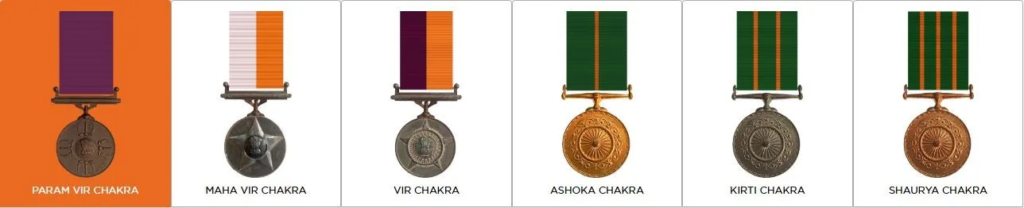
- Wartime Gallantry Awards: Param Vir Chakra (PVC), Mahavir Chakra (MVC) and Vir Chakra.
- Peacetime Gallantry Awards: Ashok Chakra, Kirti Chakra, Shaurya Chakra.
Gallantry Awards
- Order of Precedence: Param Vir Chakra (PVC), Ashoka Chakra (AC), Maha Vir Chakra (MVC), Kirti Chakra (KC), Vir Chakra (VrC), Shaurya Chakra (SC).
- All six awards can be conferred posthumously.
Tejas
Syllabus: GS3/Defence
Context
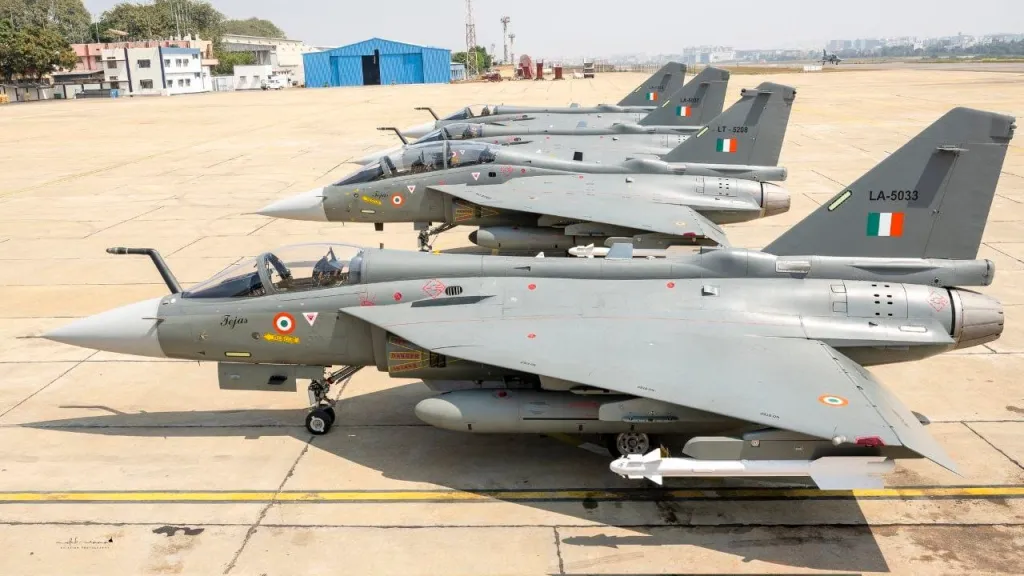
- The Defence Minister reviewed the progress of major ongoing projects of Hindustan Aeronautics Limited (HAL) where delays in the delivery of Light Combat Aircraft (LCA) Tejas Mk1A was also discussed.
Light Combat Aircraft (LCA) Tejas Mk1A
- It is an advanced, 5-generation multirole fighter jet built in India.
- Developed by- Hindustan Aeronautics Limited (HAL)
- The aircraft is designed to be a multi-role aircraft capable of taking up offensive air support, close combat and ground attack roles at ease.
- Advanced Radar: Uses an AESA Radar (including the indigenous Uttam radar) to track multiple targets at once.
- Electronic Warfare: Equipped with a jamming suite to protect the jet from enemy missiles.
- Smart Weapons: Can fire Beyond Visual Range (BVR) missiles like the Indian-made Astra.
- Mid-Air Refueling: Features a probe to refuel in the sky, which helps it fly longer distances.
- Engine: Powered by the American GE F404-IN20 turbofan engine.
Herbicide-Tolerant Mustard Hybrids
Syllabus: GS3/ Agriculture
Context
- India is set to begin large-scale cultivation of imidazolinone-resistant (IMI-resistant) mustard hybrids during the 2026–27 rabi season.
IMI-Resistant Mustard Hybrids
- These are mustard hybrids resistant to imidazolinone (IMI) herbicides.
- They have been developed through mutation breeding, not through genetic modification (GM).
- Mutation breeding involves selecting and preserving naturally occurring genetic mutations that confer desirable traits.
Connect with the basics – Gene Editing Technology
- It refers to technology that permits the change of an organism’s DNA by allowing genetic material to be added, removed, or altered at particular locations in the genome.
CRISPR Cas9 Technology
- Acronym – Clustered Regularly Interspaced Short Palindromic Repeats.
- Significance – With the use of the gene editing technique CRISPR, researchers can modify the DNA of living things.
- An enzyme called Cas9 functions as molecular scissors, guided by RNA molecules created to precisely match a certain DNA sequence.
- GE (Genome Editing): Involves precise modification of specific genes within an organism’s genome without introducing foreign genes, resulting in targeted genetic changes.
- GM (Genetically Modified): Involves the insertion of foreign genes from unrelated organisms into an organism’s genome to confer specific traits or characteristics.
Regulatory Bodies
- GEAC (Genetic Engineering Appraisal Committee): It is a regulatory body under the Ministry of Environment, Forest and Climate Change (MoEFCC).GEAC is responsible for evaluating and approving genetically modified organisms (GMOs)
- Cartagena Protocol on Biosafety (CPB): Ensures safe handling of GMOs that may impact biodiversity under the Convention on Biological Diversity. Nagoya-Kuala Lumpur.
-
MCQs on National & International
MCQs on National & International
1. Consider the following statements:
- Smiling Buddha was India’s first nuclear test conducted in 1974.
- Operation Shakti refers to the series of nuclear tests conducted in 1998.
- India’s nuclear triad consists of land-based, sea-based and air-based delivery systems.
How many of the above statements are correct?
A. Only one
B. Only two
C. All three
D. NoneAnswer: C
2. Which one of the following judgments recognised the right to self-identify gender and recognised transgender persons as the “third gender”?
A. Navtej Singh Johar v. Union of India
B. Kesavananda Bharati v. State of Kerala
C. NALSA v. Union of India
D. Maneka Gandhi v. Union of IndiaAnswer: C
3. Which Article of the Constitution specifically provides for preventive detention laws?
A. Article 19(1)
B. Article 21
C. Article 22(3)
D. Article 32Answer: C
4. Which ministry is responsible for the implementation of the Pradhan Mantri Ujjwala Yojana?
A. Ministry of Rural Development
B. Ministry of Women and Child Development
C. Ministry of Petroleum and Natural Gas
D. Ministry of Consumer AffairsAnswer: C
5. Herbicide-Tolerant Mustard Hybrids recently in news are resistant to:
A. Glyphosate herbicides
B. Atrazine herbicides
C. Imidazolinone (IMI) herbicides
D. Paraquat herbicidesAnswer: C
-
QUIZ on National & International Current Affairs – June 9th 2026
QUIZ on National & International Current Affairs – June 9th 2026