‘The State government was investing ₹1,000 crore to build innovation clusters across Mangaluru, Mysuru, Hubballi-Dharwad, and Belagavi’
Bengaluru’s ecosystem leads globally in AI skill penetration and R&D output, ranking among the top five cities worldwide.
“3P model of People, Policy and Participation, which ensures every stakeholder, from academia to entrepreneurs, has a voice in shaping growth,’‘
Karnataka is not just an investment destination but the global knowledge and skill capital. With 40% of India’s R&D talent, 30% of all Global Capability Centres, and 48% of the country’s 110 unicorns.
Supreme Court on Retrospective Application of Surrogacy Act
Syllabus: GS2/ Health
In News
In a landmark judgment, the Supreme Court ruled that the age restrictions under the Surrogacy (Regulation) Act, 2021, cannot be applied retrospectively to couples who had frozen embryos and initiated the surrogacy process before the Act came into force.
Surrogacy (Regulation) Act, 2021
Definition of Surrogacy – The Act defines surrogacy as a practice where a woman gives birth to a child for an intending couple with the intention to hand it over to them after the birth.
It is permitted only for altruistic purposes or for couples who suffer proven infertility or disease.
Surrogacy is prohibited for commercial purposes including for sale, prostitution or any other forms of exploitation.
Abortion:Abortion of such a fetus is allowed only with the consent of the surrogate mother and the authorities and must adhere to the provisions of the Medical Termination of Pregnancy Act.
Eligibility and Conditions for Couples: A couple should procure certificates of eligibility and essentiality in order to have a child via surrogacy.
The couple is deemed ‘eligible’ if they have been married for five years, the wife is aged between 23-50 years and the husband is between 26-55 years.
The couple must not have any living child (biological, adopted or surrogate.)
A child with mental or physical disabilities, or one suffering from a life-threatening disorder has been exempted from the above criterion.
The couple can get an ‘essential’ certificate if suffering from proven infertility of either partner certified by a District Medical Board.
They must also have insurance coverage for 16 months for the surrogate mother, covering any postpartum complications.
Eligibilty to be a surrogate – A surrogate mother has to be a close relative of the couple, a married woman with a child of her own, aged between 25-35 years, who has been a surrogate only once in her life.
She must also possess a certificate of medical and psychological fitness for surrogacy.
Regulation: The Centre and State governments will constitute a National Surrogacy Board (NSB) and State Surrogacy Boards (SSB) respectively.
Offences: Offences under the Act include commercial surrogacy, selling of embryos, exploiting, abandoning a surrogate child etc.
These may invite up to 10 years of imprisonment and a fine of up to Rs. 10 lakh.
Importance : The Act expands access to reproductive options for individuals and couples who are unable to conceive or carry a pregnancy due to medical reasons.
World Mental Health Day
Syllabus: GS2/Health
Context
On October 10, every year, World Mental Health Day highlights the extent of mental illness in the world.
Global Mental Health Issue (as per WHO): More than a billion people are living with mental health disorders.
World Mental Health Day
Most Common Mental Health Disorders:Anxiety and depressive disorders together accounted for more than two-thirds of all mental health conditions in 2021.
Mental Health in India: India has a 7% lifetime prevalence of mental disorders in the country.
According to the latest NCRB data,1,71,418 suicides were reported in India in 2023, a 0.3% increase from 2022, with Maharashtra recording the highest number.
Even more alarming, student suicides reached 13,892, a 64.9% rise over the past decade.
Rise in Mental Health Issues Among Youth
Excessive internet & social media use: Leads to anxiety, sleep disorders, and attention issues.
Lack of family engagement:Weak social support systems negatively impact emotional well-being.
Hostile workplaces & long working hours: Cause burnout, stress, and reduced productivity.
Unhealthy lifestyle choices: Ultra-processed foods and lack of physical activity worsen mental and physical health.
Understanding Mental Wellbeing
The India’s National Mental Health Survey defines mental well-being as a multidimensional concept that includes:
Emotional health: Managing stress and emotions effectively.
Social health: Building healthy relationships and a supportive community.
Cognitive health: Enhancing focus, decision-making, and problem-solving abilities.
Physical health: Maintaining overall fitness through a healthy lifestyle.
Key Initiatives by the Government of India
Mental Healthcare Act, 2017: The act decriminalised suicide attempts in India and also included WHO guidelines in the categorisation of mental illnesses.
The most significant provision in the act was “advance directives”, which allowed individuals with mental illnesses to decide the course of their treatment.
It also restricted the use of electro-convulsive therapy (ECT) and banned its use on minors, finally introducing measures to tackle stigma in Indian society.
Rights of Persons with Disabilities Act, 2017: The Act acknowledges mental illness as a disability and seeks to enhance the Rights and Entitlements of the Disabled.
In Sukdeb Saha vs State of Andhra Pradesh, the Supreme Court of India reinforced mental health as a fundamental right under Article 21.
District Mental Health Programme (DMHP): Delivered in 767 districts, offering services like suicide prevention, stress management, and counseling.
National Tele Mental Health Programme (NTMHP): Launched in 2022 to provide access to mental health services through 53 Tele MANAS Cells across 36 states/UTs.
Atacama Desert
Syllabus: GS1/ Geography
In News
A rare burst of winter rains has triggered in Chile’s Atacama Desert
Atacama Desert
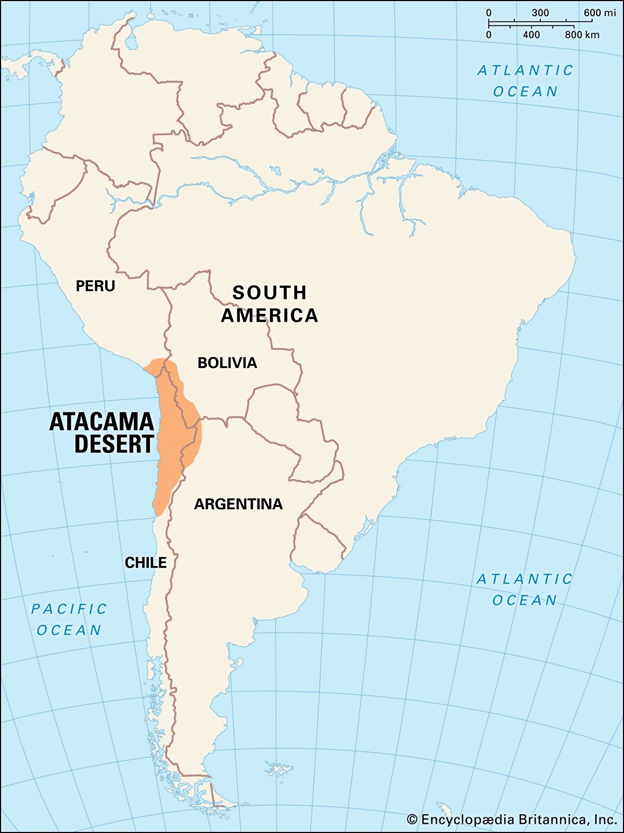
Location: It is the driest desert in the world, located in northern Chile.
It is nestled between the Andes Mountains on the east and the Pacific Ocean on the west.
It forms a continuous strip for nearly 1,000 km along the narrow coast of the northern third of Chile.
Bordered by: It is bordered by Argentina, Peru, and Bolivia
It also hosts 12 volcanoes, mainly located in the western outliers of the Andes.
Rainfall: Average rainfall in this region is about 1 mm per year. Some locations within the desert have never had any rainfall whatsoever.
Temperature: Temperatures are comparatively mild throughout the year. The average temperature in the desert is about 63 degrees F (18 degrees C).
Natural Resources: This region has the largest natural supply of Sodium Nitrate, which can be used for producing fertilizers and explosives, amongst other things.
Chinchorro Mummies: The oldest artificially mummified human remains have been found in the Atacama Desert.
Africa’s Great Green Wall project
Syllabus: GS2/IR
Context
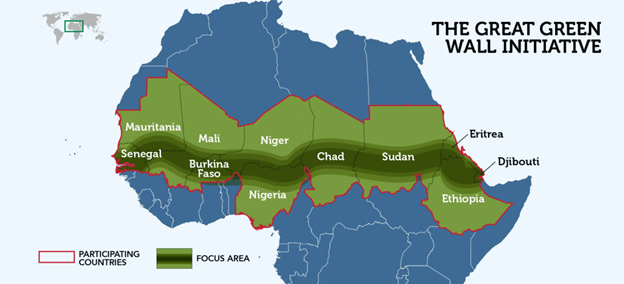
Despite ambitious goals to restore 100 million hectares of land across Africa, the Great Green Wall project faces significant challenges in Senegal.
Africa’s Great Green Wall project
Launched by – African Union in 2007,
Objective – It aims to combat desertification and land degradation across the Sahel region by creating a mosaic of green and productive landscapes.
Key aspects of the Great Green Wall
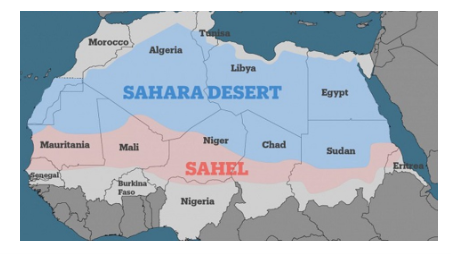
Location: The project focuses on the Sahel region, a semi-arid zone that stretches across Africa, forming a transition between the Sahara Desert to the north and the savannas to the south.
Countries involved: Originally involving 11 countries, the initiative now includes over 20 nations across Africa’s width, from Senegal in the west to Djibouti in the east. Core participating countries include Burkina Faso, Chad, Djibouti, Eritrea, Ethiopia, Mali, Mauritania, Niger, Nigeria, and Sudan.
Objectives
Land restoration: To restore 100 million hectares of degraded land by 2030.
Climate change mitigation: To sequester 250 million tonnes of carbon from the atmosphere.
Livelihood improvement: To create 10 million green jobs for local communities, enhancing food security and reducing poverty.
Additional Information – African Union
The African Union (AU) is a continental body consisting of the 55 member states that make up the countries of the African Continent.
It was officially launched in 2002 as a successor to the Organisation of African Unity (OAU, 1963-1999).
Aim: integration of African states to drive Africa’s growth and economic development.
UN to Cut 25% of its Global Peacekeeping Force
Syllabus:GS2/IR
In News
The United Nations is going to reduce its global peacekeeping operations by 25%, with 13,000–14,000 personnel expected to withdraw from nine missions due to significant U.S. funding cuts.
United Nations peacekeepers
The United Nations (UN) Peacekeepers, commonly known as the ‘Blue Helmets’
They are military, police, and civilian personnel deployed by the United Nation
Objective – to help countries transition from conflict to peace.
Duties – It includes protecting civilians, preventing conflict, strengthening security, and supporting peace processes.
Peacekeeping operations are authorized by the UN Security Council and supported by member states, with personnel drawn from many countries around the world.
Saksham
Syllabus:GS3/Defence
In News
The Indian Army has initiated the procurement of SAKSHAM (Situational Awareness for Kinetic Soft and Hard Kill Assets Management).
Saksham
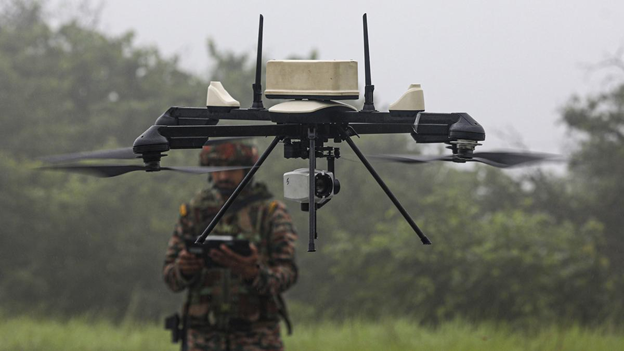
It is an indigenously developed Counter-Unmanned Aerial System (CUAS) Grid System,to bolster operational readiness against emerging drone threats.
It is a modular Command and Control (C2) system that integrates real-time sensor data, AI-driven analytics, and counter-drone capabilities to secure the Tactical Battlefield Space (TBS).
It was developed in collaboration with Bharat Electronics Limited (BEL).
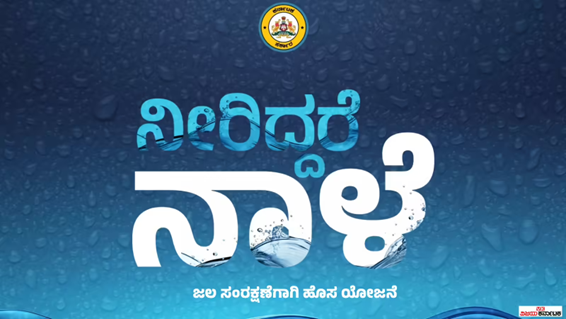
The State government will implement the Neeriddare Nale (water is future) initiative across 525 gram panchayats in 27 taluks of 15 districts.
Neeriddare Nale scheme (meaning “Water is Future”)
Launched on – October 9, 2025
Goal: To conserve water and increase groundwater levels in areas where it has been overexploited.
Focus areas: The first phase targets 525 gram panchayats across 27 taluks in 15 districts where groundwater is critically low.
Strategies: The program will implement several measures including:
Constructing new groundwater recharge structures.
Installing rain water harvesting systems.
Regulating water extraction in critical areas.
Developing region-specific crop and water management strategies.
Public awareness: The scheme also involves public awareness campaigns. Actor Vasista Simha was appointed as the brand ambassador for the Department of Minor Irrigation and Groundwater Development to help engage the younger generation on water conservation issues.
IISc, IIT-M join forces with Greater Bengaluru authority for the World Bank-funded water security and resilience project.
The project will receive over ₹3,500 crore in funding from the World Bank, with key stakeholders including the GBA, BWSSB, Minor Irrigation, and the Karnataka State Natural Disaster Monitoring Centre (KSNDMC).
Karnataka Water Security and Resilience Program (Bengaluru)
Objective – It is a World Bank-supported initiative to address water scarcity and urban flooding in Bengaluru through improved water management
It includes reviving 183 lakes, upgrading stormwater drains, building sewage treatment plants, reducing water leakage through new technology like smart meters, and enhancing disaster response systems.
Duration: The program is set to be initiated in April 2025.
Implementing Agency: The Revenue Department (Disaster Management) is the primary implementing agency.
Recently, the Union Ministry of Labour & Employment has unveiled the Draft National Labour and Employment Policy, titled as Shram Shakti Niti 2025, aimed at reshaping India’s labour landscape.
Shram Shakti Niti 2025 or National Labour and Employment Policy
ಶ್ರಮ ಶಕ್ತಿ ನೀತಿ 2025 ಅಥವಾ ರಾಷ್ಟ್ರೀಯ ಕಾರ್ಮಿಕ ಮತ್ತು ಉದ್ಯೋಗ ನೀತಿ
Objective – It aims to build a labour ecosystem that is inclusive, equitable, and resilient, ensuring dignity, protection, and opportunity for every worker.
Key Features of the Policy
Universal and Portable Social Security: Policy aims to establish universal and portable social security for all workers.
It envisions the creation of a Universal Social Security Account (USSA) by integrating key welfare and insurance systems such as:
Employees Provident Fund Organisation (EPFO);
Employees State Insurance Corporation (ESIC);
Pradhan Mantri Jan Arogya Yojana (PM-JAY);
e-SHRAM portal
State welfare boards.
Skilling & Employment: The policy envisions a skill-employment creation with the help of programs like Skill India, the National Apprenticeship Promotion Scheme, and Pradhan Mantri Kaushal Vikas Yojana.
These will be supported by a digitally enhanced National Career Service–Digital Public Infrastructure (NCS-DPI), designed to connect talent with opportunity across India’s towns, cities, and MSME cluster
Nodal ministry – The Ministry of Labour & Employment aims to act as National Employment Facilitator and regulator enabling convergence among workers, employers, and training institutions.
Invasive Alien Species
Syllabus: GS3/Environment
In News
Conservation scientists warn that invasive alien species are destroying local biodiversity and habitats in India.
Invasive alien species
Definition: They are non-native organisms introduced accidentally or intentionally (e.g., ornamental fish, decorative plants, or for land restoration).
They often spread rapidly, outcompeting native species, harming biodiversity and damaging habitats.
Common Examples in India
Lantana camara: Invades forests, outcompetes native plants, and hinders regeneration.
Parthenium hysterophorus (Congress grass): Spreads over farmland and causes allergic reactions.
Eichhornia crassipes (Water hyacinth): Chokes lakes and rivers, depleting oxygen and affecting fisheries.
Stricter quarantine checks on imports, trade, and shipping.
Ballast water management in ships to prevent marine invasions.
Mechanical Control: Manual removal, cutting, dredging, or uprooting.
Chemical Control: Use of herbicides or pesticides — applied cautiously to avoid ecological harm.
Biometric, Wearable Glass Authentication for UPI Payments
Syllabus: GS3/Economy
Context
The National Payments Corporation of India (NPCI) and the Reserve Bank of India launched biometric and wearable glass recognition-based authentication for UPI transactions at the Global Fintech Fest 2025.
About
Face & Biometric Authentication: Users can authenticate UPI payments using face recognition or biometrics stored in Aadhaar.
Authentication occurs entirely on the user’s device, ensuring data privacy and security.
Hands-Free Payments via Smart Glasses:
Wearable smart glasses enable small-value transactions using voice commands.
Users can scan a QR code and complete payments without using a phone, PIN, or touch.
Enhances convenience, transparency, and control for family or business accounts.
Additional Information – National Payments Corporation of India (NPCI)
Established in – It serves as an umbrella body for the operation of retail payments in India.
Established by – Reserve Bank of India along with the Indian Bank’s Association.
Established under – It was set up under the provisions of the Payment and Settlement Systems Act, 2007.
Products of NPCI
RuPay
National Common Mobility Card
Bharat Interface for Money (BHIM)
Unified Payments Interface (UPI)
Bharat Bill Payment System
Central, State co-op Banks Brought under Ambit of RBI’s Ombudsman scheme
Syllabus: GS3/Economy
Context
State co-operative banks and central co-operative banks will come under the ambit of the Reserve Bank Integrated Ombudsman Scheme, 2021.
Reserve Bank Integrated Ombudsman Scheme (RB-IOS)
It was launched in 2021,
Objective– to provide customers a speedy, cost-effective, and expeditious grievance redress mechanism.
Coverage: All commercial banks, regional rural banks (RRBs), state co-operative banks, central co-operative banks, and scheduled/non-scheduled primary (urban) co-operative banks with a deposit size of ₹50 crore or more.
All Non-Banking Financial Companies (excluding housing finance companies) with asset size of ₹100 crore or more that accept deposits or have a customer interface.
Significance:
Strengthens consumer protection in the financial sector.
Enhances trust and accountability in banks and NBFCs
PM-KUSUM Programme
Syllabus:GS3/Environment
In News
The Union government is planning to promote the PM-KUSUM in African and island nations through the International Solar Alliance.
PM-KUSUM Scheme
Launched in – 2019
Implementation – Ministry of New and Renewable Energy.
Aim: To provide financial support to farmers for installing solar-powered irrigation systems like solar pumps and grid-connected solar plants.
Significance- To deliver affordable and reliable solar energy to the agricultural sector, reducing irrigation costs and cutting pollution caused by diesel use.
Target: The scheme aims to add about 34,800 MW of solar capacity by March 2026.
93rd Air Force Day
Syllabus: GS3/Defence
Context
The Indian Air Force (IAF) celebrated its 93rd anniversary with a ceremonial parade at Air Force Station Hindon.
Indian Air Force (IAF)
Establishment – It is the air arm of the Indian Armed Forces, officially established on October 8, 1932.
Mission – to safeguard Indian airspace and conduct aerial warfare.
Uniqueness – it is the fourth largest air force in the world,
Motto –“Touch the sky with glory,” is inspired by the Bhagavad Gita.
Theme: The 2025 theme is focused on the IAF’s contribution to Operation Sindoor.
The Union Minister of Ports, Shipping and Waterways (MoPSW) received India’s third Very Large Gas Carrier (VLGC), Shivalik,
Very Large Gas Carrier (VLGC), Shivalik
It is built in South Korea and named after the Himalayan range.
It is an 82,000 cubic metre LPG carrier equipped with advanced safety, temperature control, and operational systems.
The vessel joins the Shipping Corporation of India Limited’s (SCI) two existing VLGCs — Sahyadri and Anandamayi.
Significance – The arrival of Shivalik symbolizes India’s march toward maritime self-reliance.
Paramparagat Krishi Vikas Yojana (PKVY)
Syllabus: GS3/ Agriculture, GS3/ Environment
Context
The Paramparagat Krishi Vikas Yojana (PKVY), launched in 2015 under the National Mission for Sustainable Agriculture, has emerged as a flagship initiative to promote organic farming in India.
Basics – Organic farming
Organic farming is a sustainable agriculture system that excludes synthetic inputs like chemical fertilizers and pesticides.
It relies on natural resources like crop residues, farmyard manure, and compost to maintain soil health and manage pests and diseases.
Organic farming in India
India ranks at 4th place in organic farming globally in terms of area.
Madhya Pradesh has the largest area under organic certification followed by Maharashtra, Rajasthan, Gujarat and Karnataka.
Sikkim is India’s first fully organic state.
India ranks first globallyin terms of number of farmers practicing organic farming.
Paramparagat Krishi Vikas Yojana (PKVY)
It was launched in 2015 under the National Mission for Sustainable Agriculture
Aim – The schemes stress on end-to-end support to farmers engaged in organic farminge. from production to processing, certification and marketing and post-harvest management.
Objective – to advance a scalable model of eco-agriculture that integrates low-cost, chemical-free techniques.
Significance – to enhance food safety, income generation, and environmental sustainability.
150th anniversary of Vande Matram
Syllabus: GS1/ Culture
In Context
The Union Cabinet announced nationwide celebration of the 150th anniversary of the national song ‘Vande Mataram’.
Vande Matram
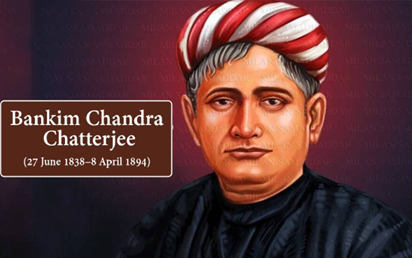
Vande Mataram was composed by Bankim Chandra Chatterjee in Sanskrit and first appeared in the novel Anandamath(1882).
Its first public recital by Rabindranath Tagore at the 1896 INC session gave it national exposure.
The national song has equal status with Jana Gana Mana, as declared by a 1950 Presidential order.
Article 51A(a) mandates respect for the anthem but not for a national song, indicating a sensitive balance.
The song was a rallying cry for anti-colonial revolutionaries and a symbol of collective resolve during the independence movement.
Leprosy in India
Syllabus: GS2/ Health
Context
India’s leprosy prevalence rate has fallen from 57.2 per 10,000 population in 1981 to just 0.57 in 2025.
Leprosy
Leprosy, also known as Hansen’s disease.
It is a chronic neuromuscular disorder. It is caused by several strains of Mycobacterium leprae.
Leprosy can be cured with Multi-Drug Therapy (MDT).
National Leprosy Eradication Programme (NLEP)
It is a Centrally Sponsored Scheme under the National Health Mission (NHM).
Objective – It aims at eliminating leprosy in each of the districts by 2030.
NIKUSTH- A real-time leprosy reporting software implemented across India..
Namchik Namphuk Coal Block
Syllabus: GS3/ Environment
In News
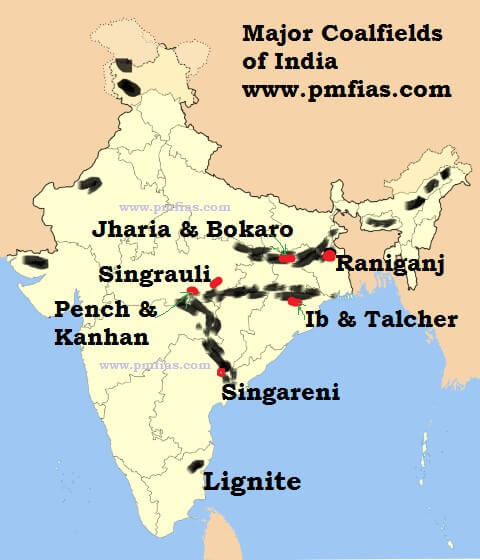
Arunachal Pradesh has launched its first commercial coal mining project at the Namchik-Namphuk coal block in Changlang district.
Namchik-Namphuk Coal Block
Location: Changlang district, southeastern Arunachal Pradesh, part of the Upper Assam coal belt region.
Reserves: Estimated 5 crore tonnes of coal, enabling long-term production viability.
Economic Impact: Expected to generate ₹100 crore annual revenue for the state.
Environmental Features: Operates under Mission Green Coal Regions, focusing on land reclamation, afforestation, and eco-responsible mining.
Social Impact: Creation of local employment; reduction of illegal mining activities.
Strategic Alignment: Supports the PM EAST vision – balanced Northeast development.
Falling Camel Counts
Syllabus: GS3/Species in News
Context
The Ministry of Fisheries, Animal Husbandry and Dairying is planning to launch the National Camel Sustainability Initiative (NCSI) — a national mission aimed at reversing the steady decline in India’s camel population.
Key findings –
India is witnessing a rapid and alarming decline in its camel population, especially in the traditionally camel-rearing states of Rajasthan and Gujarat.
According to the 20th Livestock Census, India’s camel population stood at 2.52 lakh in 2019, down from about 11 lakh in 1977 and 4 lakh in 2013.
Nearly 90% of these camels are concentrated in Rajasthan and Gujarat.
Camels in India – Dromedary Camel (Camelus dromedarius)
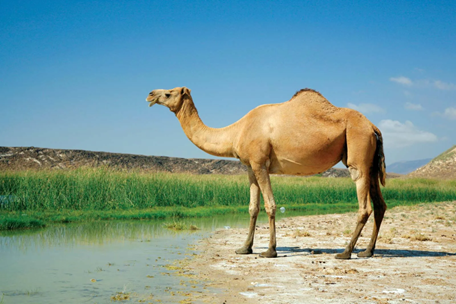
India mainly has one species of camel. It is a one-humped camel, adapted to desert conditions.
Chinkara and Camel are the two State Animals of Rajasthan.
Economic & Cultural Importance:
Transport & Labor: Traditionally used for carrying goods, plowing, and transport in desert regions.
Milk Production: Camel milk is nutritious and in demand.
Tourism: Camel safaris are popular in Rajasthan.
Cultural Festivals: Camel fairs, especially the Bikaner Camel Festival, celebrate the animal.
Defense Use: Camels are used by the Border Security Force (BSF) in desert patrols.
Exercise KONKAN-25
Syllabus: GS3/Defence
Context
India and the United Kingdom conducted the 2025 edition of Exercise KONKAN, an annual bilateral maritime exercise that began in 2004.
Exercise KONKAN-25
Participating countries – India and the United Kingdom
Type – It is an annual bilateral maritime exercise
Other India-UK Bilateral Exercises
AJEYA WARRIOR (Army)
Exercise Indradhanush (Air Force)
Exercise Cobra Warrior (multinational air exercise hosted by the UK).
WHO Global Report on Trends in Prevalence of Tobacco Use
Syllabus: GS2/ Health
In News
The WHO Global Report on Trends in Prevalence of Tobacco Use 2000–2024 and projections 2025–2030 has been released.
Key Highlights
Global Trends:
Decline in Use: Global adult tobacco use dropped from 26.2% (2010) to 19.5% (2024).
Still Prevalent: Despite progress, 1 in 5 adults globally still consumes tobacco.
E-Cigarettes Rise: Over 100 million people worldwide now use e-cigarettes, posing new regulatory and health challenges.
India’s Progress & Status:
Tobacco Users (2024): Around 48 million Indians aged 15+ use tobacco.
Global Standing: India is the 2nd largest producer (after China) and 2nd largest exporter (after Brazil).
Initiatives taken by India to Control Tobacco Consumption
Cigarettes Act, 1975 – The act mandated the display of statutory health warnings in advertising and cigarette packages.
Cigarettes and other Tobacco Products Act (COTPA), 2003 – The act replaced the Cigarettes Act of 1975. It aims to provide smoke-free public places and also place restrictions on tobacco advertising and promotion.
Prohibition of Electronic Cigarettes Bill, 2019 – To prohibit the Production, Manufacture, Import, Export, Transport, Sale, Distribution, Storage and Advertisement of e-Cigarettes.
National Health Policy 2017 – It has set an ambitious target of reducing tobacco use by 30% by 2025.
Tobacco Quit line service – 1800-112-356 – It was initiated in 2016 to reach a large number of tobacco users. It aims to provide telephone-based information, advice and support for tobacco cessation.
National Tobacco Control Programme (launched in 2007-08): Aims to create awareness about harmful effects, aligned with the WHO Framework Convention on Tobacco Control (FCTC).
Tobacco-Free Film Rules (2024): Enforced new standards for tobacco depiction in films and TV.
Yellow Line Campaign: Introduced visible indicators (yellow lines) around schools to reinforce bans on tobacco sales within 100 yards.
Taxation and Price Interventions:Incremental increases in excise and GST duties, though experts recommend further hikes to maximize impact.
About Tobacco (Nicotiana tabacum)
Cultivation – It is an annual herbaceous plant native to tropical and subtropical regions of South America and widely cultivated worldwide.
Climatic conditions – It requires a frost-free period of 90–120 days, with optimal temperatures of 20°C–30°C and at least 500 mm of rainfall;
Soil – It prefers well-drained sandy loam or alluvial soils.
Nicotine content – Every part of the plant (except the seed) contains nicotine (2–8% nicotine), concentrated mostly in the leaves (about 64% of total plant nicotine content).
Reforming Passive Euthanasia in India
Syllabus: GS2/Polity and Governance; GS4/Ethics
Context
Despite the legal validity of passive euthanasia, its implementation remains mired in procedural complexity, institutional gaps, and ethical ambiguity.
Note – Karnataka is the second State after Kerala to implement the directive.
Supreme Court Ruling
Common Cause vs. Union of India & Anr. (2018) case – It recognised right to die with dignity as a fundamental right under Article 21 and upheld legal validity of passive euthanasia.
Definition of Euthanasia – It is an act of deliberately ending a person’s life to relieve suffering from painful and incurable disease or disorder.
Passive euthanasia v/s Active euthanasia
Passive euthanasia – It is withholding or withdrawal of life-sustaining treatment for terminally ill patients undergoing prolonged medical treatment with no hope of recovery and do not have decision-making capacity.
Active euthanasia – It is the intentional act of killing a terminally ill patient on voluntary request. It is illegal in India.
MY Bharat-National Service Scheme (NSS) Awards
Syllabus: Miscellaneous
Context
President Droupadi Murmu presented the MY Bharat-National Service Scheme (NSS) Awards for the year 2022–23 at Rashtrapati Bhavan.
MY Bharat-National Service Scheme (NSS) Awards
Instituted by – Ministry of Youth Affairs and Sports
Aim – These awards are conferred annually to acknowledge outstanding voluntary community service.
National Service Scheme (NSS)
Launched in – 1969 during the birth centenary of Mahatma Gandhi,
It is one of the flagship youth programmes of the Government of India.
It aims to foster the personality and character development of students through voluntary community service, inspired by the Gandhian ideals of selfless service.
The motto of NSS – “Not Me, But You” (स्वयं से पहले आप) – reflects its core philosophy of prioritising community welfare above individual interest.
PM-SETU Yojana
Syllabus: GS2/Governance
Context
The Prime Minister launched the Pradhan Mantri Skilling and Employability Transformation through Upgraded ITIs- PM – SETU.
PM-SETU Yojana
Abbreviation – Pradhan Mantri Skilling and Employability Transformation through Upgraded ITIs
Financing – It is a centrally sponsored scheme
Objective – to transform 1,000 Government ITIs across India into modern, industry-aligned training institutions.
All Jal Jeevan mission Pipelines to be mapped
Syllabus :GS2/Governance
In News
The Union government is planning to map all drinking water assets, including pipelines under the Jal Jeevan Mission (JJM), on the GIS-based PM Gati Shakti platform.
Jal Jeevan Mission (JJM)
Launched in – 2019
Objective – to provide Functional Household Tap Connections
Significance – to ensure 55 litres per capita per day of safe drinking water to all rural households by 2024.
However, due to implementation challenges, the deadline has now been extended to 2028.
Nodal Ministry –Ministry of Jal Shakti.
Financing – Central sponsored scheme
Securities Transaction Tax
Syllabus: GS3/Economy
In News
The Supreme Court of India decided to examine a plea challenging the constitutional validity of the Securities Transaction Tax (STT).
Securities Transaction Tax (STT)
It is a direct tax levied on the transaction value of securities traded on the Indian stock exchange under the Finance Act, 2004.
It aims to combat tax evasion in the stock market.
It includes – derivatives, shares, and equity-oriented mutual funds.
It is applied on the buying and selling of securities irrespective of the profit or loss made in the transaction.
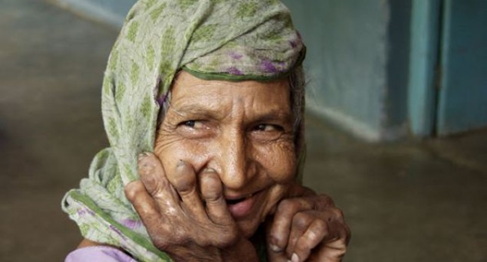
HelpAge India, a NGO working for the cause of senior citizens, launched its new campaign ‘AdvantAge60
‘AdvantAge60: Powering Aspirations’,
It is a campaign that promotes a positive view of aging for elders in India.
The campaign aims to showcase how individuals over 60 can lead active, enabled, and empowered lives, countering ageist stereotypes by highlighting the strength and potential of older people.
The International Buddhist Confederation (IBC), in collaboration with Gautam Buddha University (GBU), Antarrashtriya Baudh Shodh Sansthan and the Ministry of Culture celebrated International Abhidhamma Day
Abhidhamma Divas
It commemorates the Buddha’s descent from the Tāvatiṃsa Heaven after imparting Abhidhamma teachings.
According to tradition, after attaining enlightenment, the Buddha spent three months in the Tāvatiṃsa Heaven. He taught the Abhidhamma to his mother, Māyā, who had passed away and was reborn there.
Significance in Modern Times:
Abhidhamma Divas encourages mindfulness, self-reflection, and spiritual growth.
It reinforces the core values of Buddhism, including compassion and the pursuit of wisdom.
The observance also highlights the importance of connecting with the teachings of the Buddha to lead a life of peace and purpose.
Supermoon
Syllabus: GS1/Geography
Context
The Supermoon, also known as the Harvest Moon, was observed recently.
Supermoon
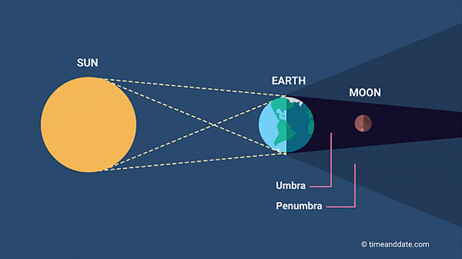
A supermoon occurs when a full moon or new moon coincides with the moon’s closest approach to the earth in its elliptical orbit — a point known as the perigee.
Because the moon’s orbit is not a perfect circle, its distance from the earth varies throughout the month by around 50,000 km.
When the moon is near its perigee and also directly opposite the sun, the full moon appears about 14% larger and 30% brighter than when it is at its farthest point. This is the supermoon.
Culturally, supermoons have long captured human imagination, inspiring folklore and spiritual observances across civilisations.
The term “supermoon” was first used by astrologer Richard Nolle in the 1970s and is now common in astronomy and the media.
Moscow Format Talks
Syllabus: GS2/ International Relation
In News
India, China, Pakistan attend 10-nation Moscow Format talk.
Moscow Format Talks
Established in – 2017
Objective – It is a regional diplomatic initiative to address the Afghanistan conflict, promote stability, and foster national reconciliation.
Significance – It serves as a platform for regional countries to coordinate on Afghan peace and stability.
Members – India, Afghanistan, China, Iran, Kazakhstan, Kyrgyzstan, Pakistan, Russia, Tajikistan, and Uzbekistan.
Polar Silk Road
Syllabus: GS2/ International Relation
In News
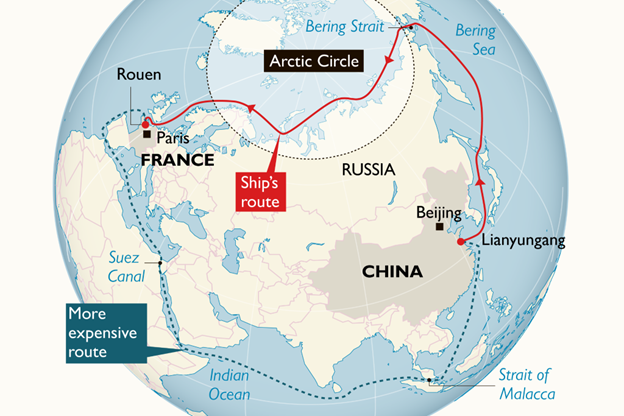
The Chinese ship “Istanbul Bridge” became the first commercial vessel to sail from Ningbo-Zhoushan (China) to Felixstowe (UK) via the Arctic in 18 days, marking the operational launch of the Polar Silk Route.
Polar Silk Road
The Polar Silk Road is a part of China’s broader Belt and Road Initiative (BRI), envisioned as a “blue economic corridor” through the Arctic Ocean.
It focuses on developing navigable Arctic sea routes connecting East Asia, North America, and Western Europe via the Northern Sea Route (NSR) along Russia’s coast.
Significance – It establishes a new shipping corridor between Asia and Europe — shorter and more cost-effective than the Suez Canal route.
Additional Information – China’s Belt and Road Initiative (BRI)
OBOR
One Belt One Road (OBOR) is an ambitious project of China that focuses on connectivity and cooperation among multiple countries spread across the continents of Asia, Africa and Europe. OBOR spans about 78 countries.
Initially announced in the year 2013, the project involves building networks of roadways, railways, maritime ports, power grids, oil and gas pipelines and associated infrastructure projects.
The project Covers two parts
Silk Road Economic Belt – It is land-based and is expected to connect China with Central Asia, Eastern Europe and Western Europe.
21st Century Maritime Silk Road – It is sea-based and is expected to connect China’s southern coast to the Mediterranean, Africa, South-East Asia and Central Asia.
The Central Bureau of Investigation (CBI) has arrested eight accused and identified 45 suspects as part of Interpol’s Operation HAECHI-VI.
Operation HAECHI-VI
The operation focused on seven categories of offences:
cyber-enabled financial crime,
voice phishing,
love and romance scams,
online sextortion,
investment fraud,
money laundering linked to illegal online gambling,
business email compromise,
e-commerce fraud.
Investigators worked together to detect and disrupt online fraud as well as money laundering activities, blocking over 68,000 associated bank accounts and freezing close to 400 cryptocurrency wallets.
Additional Information – International Criminal Police Organization (INTERPOL)
It is an intergovernmental organization established in
Objective – To facilitate worldwide police cooperation and crime control in around 195 countries.
Headquarters –Lyon, France
Different Types of Notices issued by INTERPOL
INTERPOL issues various notices to facilitate worldwide police cooperation and crime control.
Red Notice
It is issued to seek the arrest of a person.
The person is in the wanted list of an international tribunal or in a judicial jurisdiction.
Green Notice
It is issued to warn about the criminal activities of a person.
It is issued if the person is considered as a possible threat to public safety.
Blue Notice
It is issued to obtain information about a person.
Yellow Notice
To locate a missing person. It is also issued when a person is unable to identify himself or herself.
Black Notice
To seek information about unidentified bodies.
Orange Notice
It is issued to process an imminent threat or danger to property or person.
Purple Notice
To provide information on procedures, modus operandi, devices or hiding place
Central Bureau of Investigation
Set up in – It was set up in 1963 by a resolution of the Ministry of Home Affairs.
Established under – It comes under the administrative control of the Department of Personnel and Training (DoPT) of the Ministry of Personnel, Public Grievances and Pensions.
Recommended by – It was established on the recommendation of the Santhanam Committee.
Legal status – The CBI is not a statutory body. It derives its powers from the Delhi Special Police Establishment (DSPE) Act, 1946.
Functions
The CBI is the main investigating agency of the Central Government.
It also provides assistance to the Central Vigilance Commission and Lokpal.
It is also the nodal police agency in India which coordinates investigations on behalf of Interpol Member countries.
PM Gati Shakti National Master Plan
Syllabus: GS3/Infrastructure
Context
The Union Cabinet on Economic Affairs approved four multi-tracking projects under the PM Gati Shakti National Master Plan.
These projects span across Maharashtra, Madhya Pradesh, Gujarat, and Chhattisgarh, adding about 894 km to the Indian Railways network.
PM GatiShakti
It was launched in – 2021
Objective – to enhance the country’s infrastructure and promote seamless connectivity across various sectors.
Significance – It is a transformative approach for economic growth and sustainable development which is driven by seven engines – railway, roads, ports, waterways, airports, mass transport and logistics infrastructure.
Implementation: PM Gati Shakti will incorporate the infrastructure schemes of various Ministries and State Governments like Bharatmala, Sagarmala, inland waterways, dry/land ports, UDAN etc.