
Lakkundi
News-
- The Karnataka state government is actively pushing to permanently bring back over 150 rare antiquities from the ancient heritage town of Lakkundi that are currently housed at the National Museum in New Delhi.
Key Details of the Historic Repatriation Push
- The 1976 Handover: On October 16, 1976, local leaders K. Hebboor and T.K. Nayak formally handed over the artifacts to then-Prime Minister Indira Gandhi to guarantee their long-term preservation.
- The Priceless Collection: The repository reflects Karnataka’s medieval legacy and includes ancient weapons, inscriptions, manuscripts, jewelry, and gold and silver coins.
- The Proposed Destination: The state plans to display the returned treasures locally in Lakkundi (located in the Gadag district), which is currently being developed into one of India’s largest open-air museums.
- The UNESCO Strategy: The repatriation push strongly aligns with Karnataka’s intensified campaign to secure UNESCO World Heritage status for Lakkundi.
Additional Information – Lakkundi
- Location: Gadag district, Karnataka.
- Ancient Name: Lokkigundi.
- Dynasties: Kalyana Chalukyas (Western Chalukyas), Kalachuris, Seunas, and Hoysalas (10th–13th century).
- Economic Role: Major commercial hub; hosted a Tankashale (royal mint).
- Prehistoric Links: ASI excavations found Neolithic human habitation relics near Kote Veerabhadreshwar Temple.
- Gold Discovery: Treasure trove of ancient gold ornaments found during house construction.
Architecture Highlights
- Style: Kalyana Chalukya style—the bridge between Badami Chalukya and Hoysala styles (Vesara school).
- Material: Chloritic schist (soapstone), allowing intricate carving.
- Monuments:
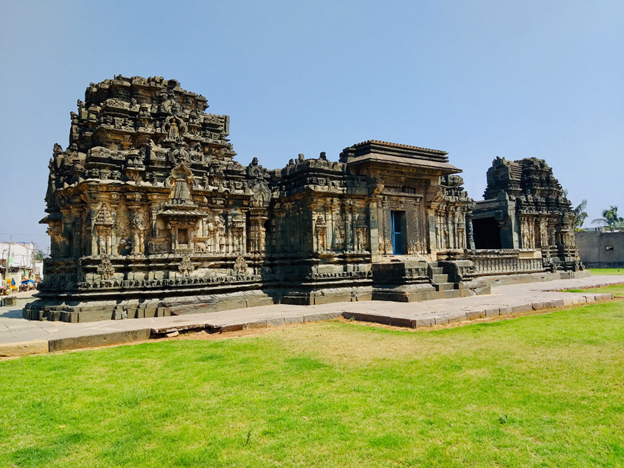
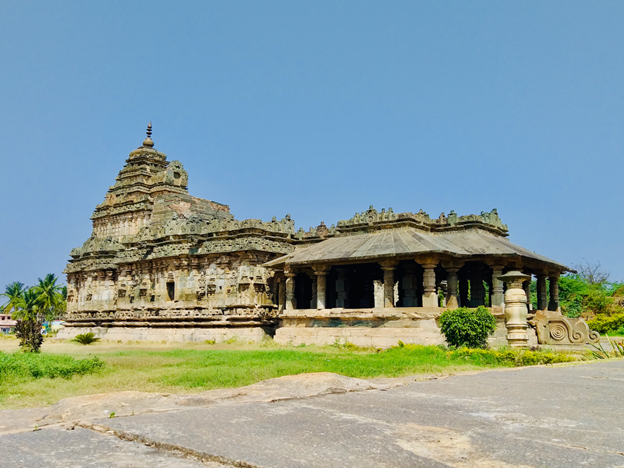
- Brahma Jinalaya: Oldest Jain shrine here, built by Queen Attimabbe (~1007 CE).
- Kasi Visvesvara Temple: Most ornate double-shrine temple.
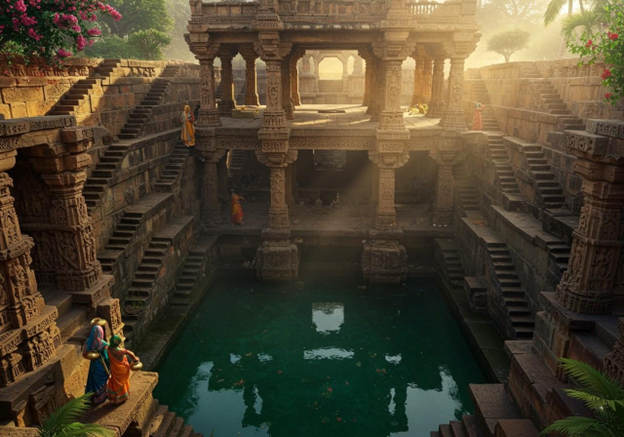
- Water Heritage: Over 101 historic stepped wells (Kalyanis), like Musukina Bavi.
Religious Significance
- Pluralism: Co-existence of Shaivism, Vaishnavism, and Jainism.
- Bhakti Movement: Associated with 12th-century Sharana saints (Ajaganna and Muktayakka) of the Virashaiva movement.















Leave a Reply