
NEET Paper Leak Controversy
Syllabus: GS2/Education/Governance
Context
- The National Testing Agency (NTA) stated that the 2026 NEET examination had been “compromised” and announced that a re-test would be conducted for the National Eligibility cum Entrance Test (NEET).
- NEET paves the way for admission to medical colleges.
Radhakrishnan Panel
- Following the NEET-UG 2024 controversy, the Ministry of Education formed a high-level committee headed by former ISRO chairman K. Radhakrishnan.
National Testing Agency (NTA)
- Established: In 2017.
- It is an autonomous body of the Department of Higher Education of the Ministry of Education of India.
NTA conducts major entrance examinations such as the
- Joint Entrance Examination (JEE) Main for engineering;
- National Eligibility Cum Entrance Test-Undergraduate (NEET-UG) for medicine;
- Common University Entrance Test (CUET) for general Undergraduate and Postgraduate programmes in central universities.
- It also conducts recruitment exams for several government agencies including National Highway Authority of India (NHAI), Delhi High Court, Employment Provident Fund Organisation (EPFO) and for several posts in central government universities.
Public Examination (Prevention of Unfair Means ) Act, 2024
- It was passed in 2024 and is aimed at curbing leaks, malpractices in recruitment examinations like UPSC, SSC etc and entrance tests such as NEET, JEE, and CUET.
- The Act broadly defines “unfair means” to include various malpractices, such as:
- Leaking question papers or answer keys,
- Assisting candidates during exams (unauthorized communication, providing solutions),
- Tampering with computer networks or resources,
- Impersonating candidates,
- Conducting fake examinations or issuing fake documents,
- Tampering with documents for merit lists or ranks.
Penalties and Punishments:
Individuals:
- Imprisonment ranges from 3 to 10 years depending on the offense’s severity.
- Fines up to Rs. 1 crore for organized crimes.
Service providers:
- Fines up to Rs. 1 crore for involvement in malpractices.
- Barring from conducting public examinations for 4 years.
- Personal liability for directors/management involved.
Organized crimes:
- Harsher penalties, with imprisonment between 5 and 10 years and a minimum fine of Rs. 1 crore
- The institution involved can face property attachment and forfeiture
Investigation:
- All offences under the Act are cognisable, non-bailable, and non-compoundable.
- An officer not below the rank Deputy Superintendent or Assistant Commissioner of Police will investigate the offences under the Act.
- The Central Government may transfer the investigation to any Central Investigating Agency.
Central Bureau of Investigation (CBI)
Syllabus: GS2/Polity and Governance
Context
- The Appointments Committee of the Cabinet (ACC) has approved a one-year extension in the tenure of Praveen Sood as Director of the Central Bureau of Investigation.
Central Bureau of Investigation
- Set up in – It was set up in 1963 by a resolution of the Ministry of Home Affairs.
- Established under – It comes under the administrative control of the Department of Personnel and Training (DoPT) of the Ministry of Personnel, Public Grievances and Pensions.
- Recommended by – It was established on the recommendation of the Santhanam Committee.
- Legal status – The CBI is not a statutory body. It derives its powers from the Delhi Special Police Establishment (DSPE) Act, 1946.
Functions
- The CBI is the main investigating agency of the Central Government.
- It also provides assistance to the Central Vigilance Commission and Lokpal.
- It is also the nodal police agency in India which coordinates investigations on behalf of Interpol Member countries.
Revving up Immune Cells Might Help Fight HIV: Study
Syllabus: GS2/Health
Context
- Scientists are tweaking a powerful cancer therapy in hopes it could fight HIV instead, by supercharging patients’ own immune cells.
Acquired immunodeficiency syndrome (AIDS)
- Pathogen – It is a chronic, potentially life-threatening health condition caused by the human immunodeficiency virus (HIV) which damages the human immune system.
- Transmission: Through direct contact with certain body fluids (blood, semen, rectal fluid, vaginal fluid or breast milk) from a person infected with HIV.
- Symptoms:
- Stage 1: Flu-like illness (Fever, chills, rashes, night sweats)
- Stage 2: Clinical latency (No particular symptoms)
- Stage 3: AIDS (Weakening of Immune System)
- Prevention: Prevention is better than cure, using protective techniques, non-contaminated needles & preventing mother to child transmission.
- Treatment: There is no cure for HIV infection. It is treated with antiretroviral drugs, which stop the virus from replicating in the body. Untreated HIV can progress to AIDS, often after many years.
Steps taken by Government of India
- National AIDS Control Programme (NACP) (Central Sector Scheme)
- India has achieved the 6th MDG of halting and reversing the HIV epidemic.
- Prevention from Parent to Child Transmission (PPTCT) programme
- HIV/AIDS Act 2017 (Prohibits discrimination against HIV-infected people on any grounds)
- 90:90:90 strategy as adopted by UNAIDS (90% (diagnosed, treatment (by anti-retroviral treatment (ART)) & suppression)) by 2020. Extended by 10 years with the goal post of 95-95-95.
- Project ACCELERATE (John Hopkin & NACO initiative): To provide HIV Services through Safe Zindagi online portal.
- Mission Sampark: Its purpose was to “bring back” people living with HIV (PLHIV) who had stopped antiretroviral therapy (ART).
Alzheimer’s Disease
Syllabus: GS2/Health
In News
- Eli Lilly and Company has launched a new Alzheimer’s treatment in India called Lormalzi, marking one of the first disease-modifying therapies for the condition in the country.
- Lormalzi Drug – It is a monoclonal antibody, is given as a once-a-month infusion and works by removing amyloid-beta plaques in the brain, which are linked to Alzheimer’s progression.
Alzheimer’s Disease
- It is the most common form of dementia, a brain disorder that slowly destroys a person’s memory and thinking skills.
- It is characterized by a loss of cognitive functioning — thinking, remembering, and reasoning — and behavioral abilities to such an extent that it interferes with a person’s daily life and activities.
- Eventually, people with Alzheimer’s lose the ability to perform simple daily tasks, such as eating or walking.
- Drugs like lecanemab and aducanumab exist globally, benefits are modest and come with complexity, high cost, and safety concerns.
Tatya Tope
Syllabus: GS1/ Modern History
Context
- A rare handwritten and signed letter of Tatya Tope dating back to 1857 has been discovered in the archives of Madhya Pradesh.
Tatya Tope
- Early Life: Tatya Tope, originally named Ramachandra Pandurang Tope, was born in 1814 in Nashik, Maharashtra.
- His father served as a noble in the court of Baji Rao II, the last Maratha Peshwa.
- He shared a close association with Nana Sahib, the adopted son of Baji Rao II, which later shaped his role in the revolt.
- Role in the Revolt of 1857: He emerged as one of the most capable military commanders during the Revolt of 1857.
- He played a key role in major centres of resistance such as Kanpur and Gwalior.
- He worked closely with leaders like Rani Lakshmibai, helping sustain the rebellion against British forces.
- Military Tactics: He was known for his effective use of guerrilla warfare, rapid mobility, and surprise attacks.
- He was eventually captured by the British and executed in Shivpuri in 1859 after a formal trial.
Sikkim Becomes India’s First Paperless Judiciary State
Syllabus: GS2/Judiciary
Context
- The Chief Justice of India, Surya Kant, declared Sikkim as the first paperless judiciary state in India.
About –
- Significance – This initiative drastically reduces dependence on physical files, minimizes logistical delays, ensures transparency, and aids in reducing case pendency.
- Technology Integration: The system includes e-filing, digital case management, and virtual hearings, aligning with the broader e-Courts Mission Mode Project and the Digital India vision.
- Relevance to Hilly Terrain: Digitalization facilitates easier access to justice for litigants and lawyers, overcoming geographical barriers in the region.
Centre Eyes New E-bus Scheme
Syllabus: GS3/Environment
Context
- The Centre may roll out a fresh electric bus scheme for States after completing the tendering and allocation of all 14,000 buses under the PM E-DRIVE programme.
PM E-DRIVE Scheme
- Objective – To set up charging infrastructure and development of EV manufacturing ecosystem in India.
- Duration – The scheme shall be implemented from October 1, 2024 to March 31, 2026.
- e-Vouchers: Ministry of Heavy Industries is introducing e-vouchers for EV buyers to avail demand incentives under the scheme.
- Charging Stations: The scheme addresses range anxiety of EV buyers by promoting in a big way the installation of electric vehicle public charging stations (EVPCS).
Additional Information
- India’s Electric Vehicle Policy – To achieve the ambitious target of having EV sales penetration of 30% of private cars, 70% of commercial cars, 40% of buses and 80% of two and three-wheelers by 2030.
- National Electric Mobility Mission Plan (NEMMP): The NEMMP was launched in 2013 with the goal of achieving national fuel security by promoting hybrid and electric vehicles.
- FAME India Scheme: The Faster Adoption and Manufacture of Electric Vehicles (FAME) India scheme was launched in 2015 to promote the manufacturing and adoption of EVs.
Sacred Groves in India
Syllabus: GS3/ Environment
Context
- The Kerala State Biodiversity Board has launched a pilot programme to restore sacred groves.
Sacred Groves
- Sacred groves are patches of forest or natural vegetation protected by local communities due to religious beliefs and traditional practices.
- They function as community-conserved ecosystems, often associated with temples, rituals, and indigenous traditions.
- India has an estimated 100,000–150,000 sacred groves, reflecting their widespread cultural and ecological significance.
- Suitable groves may be notified as Biodiversity Heritage Sites under the Biological Diversity Act, 2002.
Significance
- Sacred groves act as biodiversity hotspots, preserving rare, endemic, and medicinal plant species.
- They contribute to soil conservation and prevent erosion, especially in fragile ecosystems like the Western Ghats and Himalayas.
- Culturally, they are centres of rituals, festivals, and community identity, reinforcing conservation through belief systems.
Transgender Persons (Protection of Rights) Amendment Act, 2026
Syllabus: GS2/ Polity & Governance
Context
- Recently, the Supreme Court of India flagged the critical issues like Self-identification vs State verification and Welfare targeting vs individual dignity in Transgender Persons (Protection of Rights) Amendment Act, 2026.
Background: Legal Evolution of Transgender Rights in India
- NALSA Judgment, 2014: It recognised transgender persons as the ‘third gender’, and affirmed right to self-identification without medical intervention.
- It established self-determination as a core constitutional value.
- It is linked gender identity to Article 21 (Right to Life and Dignity).
- Transgender Persons Act, 2019: It defines transgender persons, mandates the right to self-perceived identity, prohibits discrimination in employment and education, and establishes the right to reside in the household.
- It introduced certification by District Magistrate.
- Amendment Act, 2026: It mandates medical board certification before legal recognition; removes explicit recognition of self-perceived identity; and introduces stricter definitions and penal provisions.
Key Issues Raised in the Supreme Court
- Self-Identification vs Medical Gatekeeping: Violates bodily autonomy and dignity (Art. 21), and creates ‘medical gatekeeping’ by the State. Clinical validation undermines identity autonomy.
- Fear of Misuse vs Rights Protection: Court flagged risk of ‘masquerading’ to access reservations/welfare.
- However, misuse probability is negligible, and concerns of misuse are often overstated compared to systemic exclusion.
- Impact on NALSA Principles: Amendment in 2026 dilutes self-identification doctrine, and reintroduces biological essentialism.
- It acts as a ‘regressive shift from rights-based to regulatory framework’.
- Healthcare and Transition Rights: It alleged that ongoing gender-affirming treatments will be disrupted.
- Access to healthcare is already limited and stigmatized in India.
- Classification and Stigma: Inclusion of victims of coercion alongside transgender persons leads to arbitrary and stigmatizing classification (Art. 14 violation).
Ru-Soam Bridges
Syllabus: GS1/ Culture; GS3/ Environment
Context
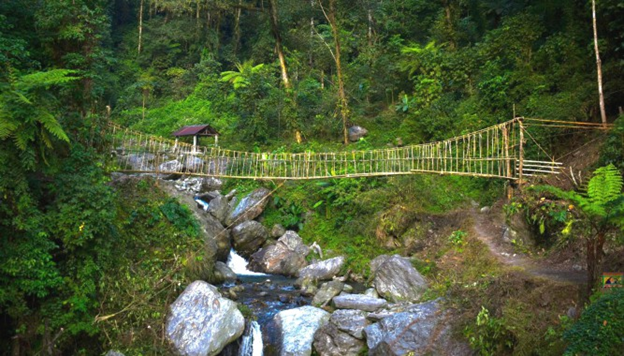
- UNESCO has partnered with the Government of Sikkim to document indigenous Ru-Soam (cane bridge) engineering practices.
- The project is being implemented in the Khangchendzonga Biosphere Reserve with support from Airbnb.
About Ru-Soam Bridges
- Ru-Soam are traditional cane bridges built by the Lepcha community.
- These bridges are constructed using locally available natural materials such as bamboo, cane, and wood.
- They demonstrate a high level of ecological understanding and structural resilience suited to mountainous terrain.
- The bridges proved their resilience during the Sikkim Glacial Lake Outburst Flood 2023.
Tanzania
Syllabus: GS1/Geography
In News
- Recently, the 5th session of the India–Tanzania Joint Trade Committee (JTC), held in Dar es Salaam in Tanzania.
Tanzania
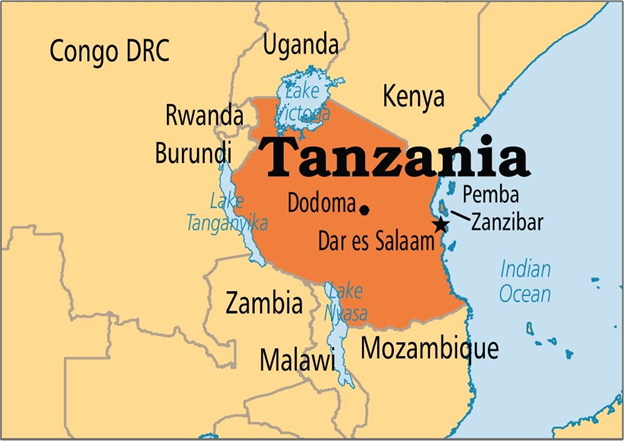
- It is an East African country located just south of the Equator.
- The capital is Dodoma, and Dar es Salaam is the largest city and main port.
- tanzania
- Bordering countries – It is bordered by Uganda, Kenya, and Lake Victoria to the north; the Indian Ocean to the east; Mozambique, Malawi, Zambia, and Lake Nyasa to the south; and Rwanda, Burundi, and Lake Tanganyika to the west.
- Geographical features: Mount Kilimanjaro Located in Tanzania,
- Mount Kilimanjaro is the African continent’s highest peak
- Tanzania also includes a portion of Lake Victoria, the largest lake in Africa and a source of the Nile River.
- Rivers – Great Ruaha, Rufiji, and Kagera rivers
- Lake Tanganyika, forms the boundary between Tanzania and the Democratic Republic of the Congo.
Rashtriya Bal Swasthya Karyakram (RBSK) 2.0 Guidelines
Syllabus: GS2/Governance
In News
- The Ministry of Health and Family Welfare released the Rashtriya Bal Swasthya Karyakram (RBSK) 2.0 Guidelines at the recently concluded National Summit on Good Practices and Innovations in Public Healthcare Service Delivery.
Rashtriya Bal Swasthya Karyakram (RBSK)
- It is a national initiative launched under the National Health Mission (NHM).
- Implementation – Ministry of Health and Family Welfare.
- Objective – It focuses on early identification and intervention for children from birth to 18 years to manage conditions like birth defects, deficiencies, diseases, and developmental delays.
- Target Beneficiaries – The programme splits children into age-appropriate cohorts for structured tracking:
- 0 to 6 weeks: Newborns screened at delivery points and through home visits by ASHAs.
- 6 weeks to 6 years: Pre-school children monitored at local Anganwadi centres.
- 6 years to 18 years: Students enrolled in government and government-aided schools.
- The “4Ds” Strategy – RBSK systematically screens and provides free treatment for 30 to 32 selected health conditions grouped under four major categories:
- Defects at Birth: Down syndrome, congenital cataract, cleft lip/palate, club foot, and congenital heart diseases.
- Deficiencies: Anaemia, Vitamin A or D deficiency, severe acute malnutrition (SAM), and goitre.
- Diseases of Childhood: Skin conditions, otitis media, rheumatic heart disease, and reactive airway disease.
- Developmental Delays & Disabilities: Vision impairment, hearing loss, autism spectrum disorder, and cerebral palsy.
Hantavirus Outbreak
Syllabus: GS3/Science
Context
- Three passengers on a cruise ship in the Atlantic Ocean have died after a suspected hantavirus outbreak, according to the World Health Organization (WHO).
Hantavirus
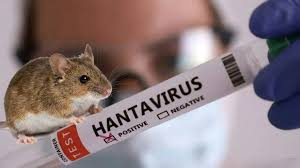
- Responsible Pathogen – It is a rare but severe zoonotic disease, meaning it spreads from animals to humans. It belongs to the Hantaviridae family and is an RNA virus.
- Vector – The virus is primarily spread by rodents such as mice and rats.
- It spreads through inhalation of airborne particles from infected rodent urine or droppings, or by touching contaminated surfaces.
- Human-to-human transmission is generally rare.
- Symptoms – The disease usually begins with flu-like symptoms such as fever and fatigue within one to eight weeks after exposure.
- In severe cases, it can lead to Hantavirus Pulmonary Syndrome, which may cause respiratory distress and can be fatal.
- Treatment – There are no specific drugs to treat the disease, so treatment focuses on supportive care, including putting patients on ventilators in severe cases.





Leave a Reply