
Dhansiri River
Geography
Context
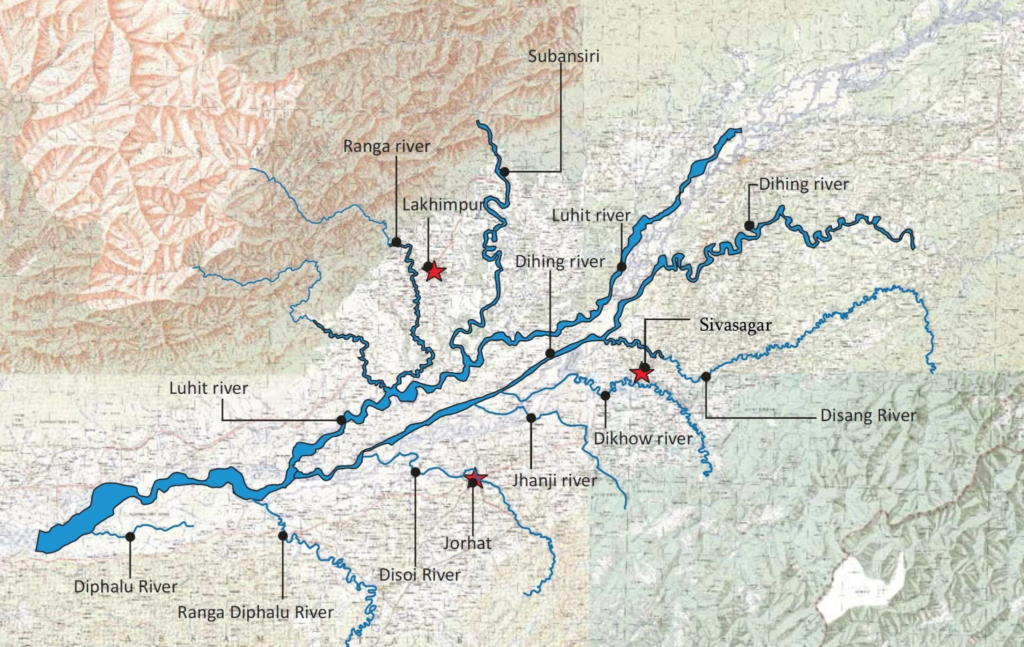
- According to the Assam State Disaster Management Authority (ASDMA), the Dhansiri River is flowing above the danger mark, raising concerns that the flood situation in low-lying areas could worsen.
About
- Origin: It originates from the Laisang peak in Nagaland.
- Course: It is situated in north-east India.
- It is a transboundary river running through the states of Assam and Nagaland.
- It flows 352 kilometres through Dimapur, Chümoukedima, and Assam’s Golaghat district before joining the Brahmaputra.
- Confluence: It joins the Brahmaputra on its south bank in Assam, near Dhansirimukh.
- Being heavily rain-fed, its water level rises sharply during the monsoon, and high flows can cause flooding in areas of Golaghat and adjoining Assam.
Additional Information- Brahmaputra River
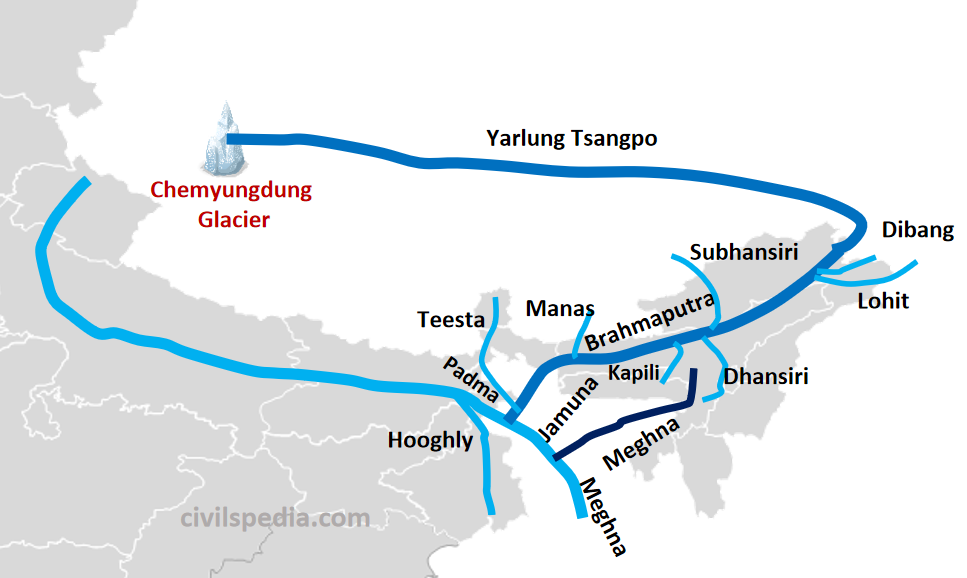
- The Brahmaputra is a major transboundary river in Asia.
- It originates from the Chemayungdung Glacier near Lake Manasarovar (Mapam Yumco) in Tibet.
- It is known variably as Yarlung Tsangpo in Tibet (its longest upper stretch), Siang or Dihang in Arunachal Pradesh, Brahmaputra in Assam & Jamuna in Bangladesh.
- It flows east through Tibet’s plateau, enters India via Arunachal Pradesh, widens in Assam’s plains, and merges with the Ganges in Bangladesh before reaching the Bay of Bengal.
16th BRICS Trade Ministers Meeting
International
Context
-
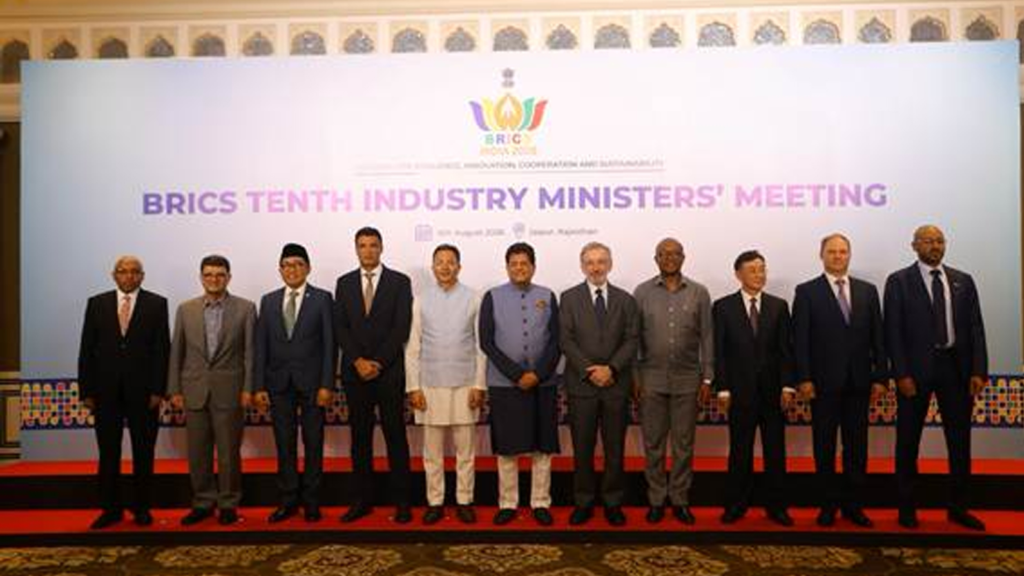
- India concluded the 16th BRICS Trade Ministers’ Meeting in Jaipur under its BRICS Chairship 2026.
- theme: Building for Resilience, Innovation, Cooperation and Sustainability
Key Outcomes
- Economic Strategy: Finalised the BRICS Economic Partnership 2030 roadmap.
- Trade Finance: Adopted The Jaipur Consensus to tackle the global finance gap.
- MSME Support: Created guiding principles for cash-flow-based, collateral-free lending.
- Supply Chains: Approved a 2026–2030 action plan for food and pharma security.
- Digital Trade: Agreed on framework principles for cross-border digital services.
Additional Information – BRICS
-
- Founded in – 2009
- HeadQuarters – Shanghai
- It is an acronym for the grouping of the world’s leading emerging economies, namely Brazil, Russia, India, China, and South Africa (included in 2010)
- Origin – The term “BRIC” was coined by the British Economist Jim O’Neill in 2001 to describe the four emerging economies of Brazil, Russia, India, and China.
- Recent Expansion (BRICS+): In 2024–2025, the bloc expanded to include Egypt, Ethiopia, Iran, the UAE, and Indonesia. Saudi Arabia has received an invitation but has not yet formalized its membership.
- Share of BRICS – BRICS brings together five of the largest developing countries, representing 41% of the global population, 24% of the global GDP, and 16% of the global trade (By 2028, BRICS is expected to make up 35 percent of the global economy)
- Chairmanship – The chairmanship of the forum is rotated annually among the members.
Initiatives of BRICS
- New Development Bank (NDB)
- Contingent Reserve Arrangement (CRA)
- BRICS Payment System
- Customs Agreements
- Constellation of Remote Sensing Satellites
Official Secrets Act, 1923
Defense
Context
- A Wing Commander of the Indian Air Force (IAF) was arrested under provisions of the Official Secrets Act for allegedly leaking sensitive defence-related information.
Official Secrets Act, 1923
- It is a colonial-era law designed to protect official secrets and safeguard national security.
- The law, applicable to government servants and citizens, provides the framework for dealing with espionage, sedition, and other potential threats to the integrity of the nation.
- The law makes spying, sharing ‘secret’ information, unauthorised use of uniforms, withholding information, interference with the armed forces in prohibited/ restricted areas, among others, punishable offences.
- If guilty, a person may get up to 14 years’ imprisonment, a fine, or both.
- The information could be any reference to a place belonging to or occupied by the government, documents, photographs, sketches, maps, plans, models, official codes or passwords.
India’s First Privately-built 800 kN FFSC Engine Unveiled
Science and Technology
Context
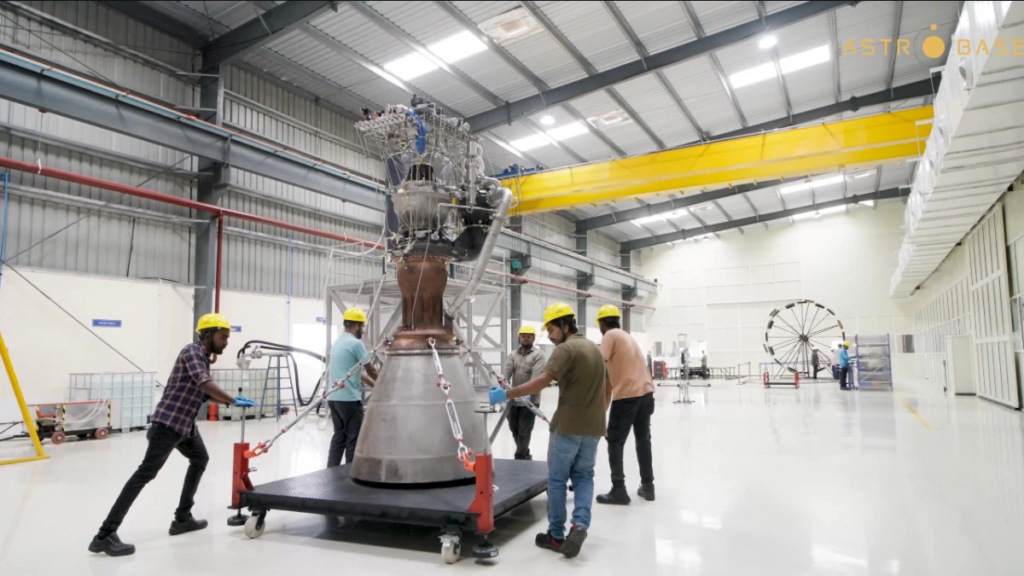
- Space-tech company Astrobase Space Technologies has unveiled India’s first privately developed 800 kN Full-Flow Staged Combustion (FFSC) rocket engine.
About
-
- The engine, named EVEREST, has been developed by Astrobase.
- Global Standing: India is the 4th nation to master this tech (after the US, Russia, China).
- Reusability: Methane burns cleanly without soot, enabling rapid rocket refurbishment.
- Payload Boost: Designed to lift up to 30 tonnes to Low Earth Orbit (LEO).
- Policy Link: Funded via IN-SPACe’s Technology Adoption Fund (TAF).
- Strategic Capability: Aims for a 15-day launch-on-demand turnaround time.
Slender-Billed Vultures
Environment
News
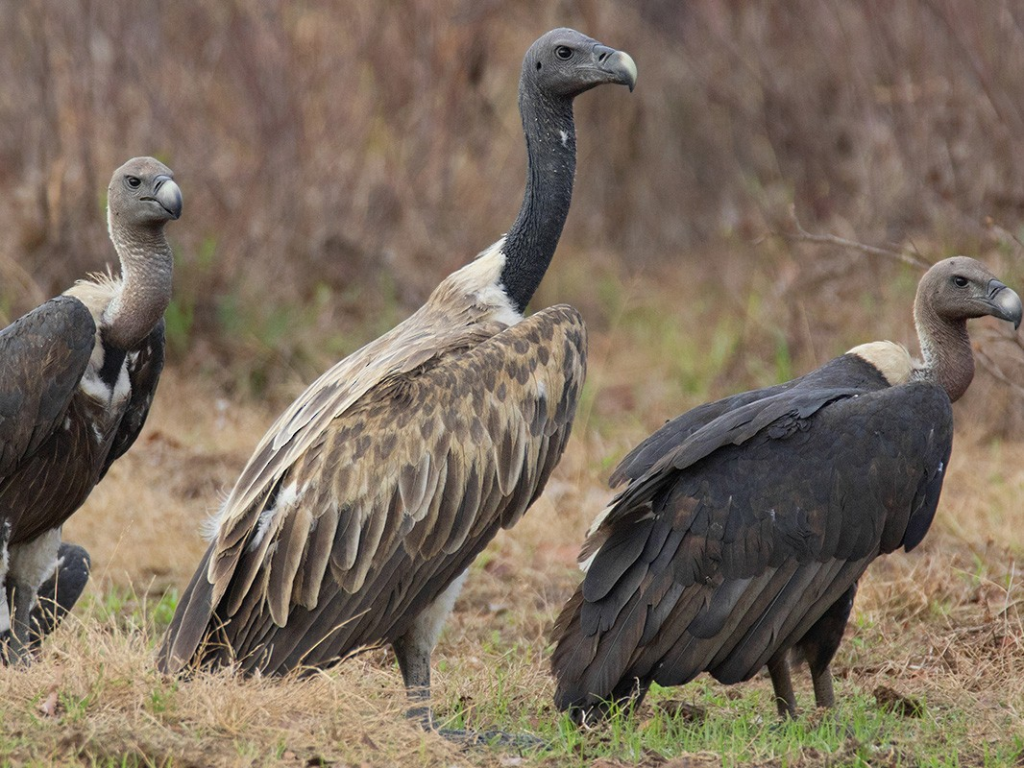
- Five captive-bred slender-billed vultures along with white-rumped vultures were released at Jatayu Soft Release Center in Kaziranga National Park and Tiger Reserve, Assam, the first release of its kind anywhere in the world.
Slender-Billed Vultures (Gyps tenuirostris)
- The slender-billed vulture is a dark, lean scavenger with broad wings, a long bare neck and pale underparts.
- Habitat: It inhabits dry open and forested regions away from human settlements.
- Distribution: It is found mainly in the northern Indian subcontinent including the Gangetic plains, parts of Himachal Pradesh, Haryana, West Bengal, Assam, Nepal and Bangladesh.
- Ecological Role: It is an important scavenger and a provider of ecosystem services that helps to dispose of animal remains naturally and maintain environmental hygiene.
- Threats: The main cause of the decline of the slender-billed vulture is diclofenac poisoning, which leads to kidney failure.
- Other threats include food shortage, pesticide poisoning, habitat and tree loss, persecution, and electrocution or collisions.
Conservation status
- IUCN status – Critically Endangered.
- It is included in CITES Appendix II,
White-rumped vulture (Gyps bengalensis)
- It is mainly found in plains and open country, but also in woodland, villages and cities.
- It eats carrion. It is very social, gathering in large feeding flocks and communal roosts, and breeds colonially in tall trees.
- It occurs in Pakistan, India, Bangladesh, Nepal, Bhutan, Myanmar, Thailand, Laos, Cambodia and southern Viet Nam,
- It is listed as Critically Endangered by the IUCN Red List of Threatened Species.
National Gopal Ratna Awards (NGRA) 2026
Miscellaneous
Context
- The Department of Animal Husbandry and Dairying has invited nominations for the National Gopal Ratna Awards (NGRA) 2026.
National Gopal Ratna Awards (NGRA) 2025
- It is one of the highest national honours in the livestock and dairy sector.
- These awards will be presented on 26th November 2025 as part of the National Milk Day celebrations.
- It was instituted in 2014 as a part of Rashtriya Gokul Mission (RGM)
- It focuses on the scientific conservation and development of indigenous bovine breeds.
- It is annually conferred to encourage milk-producing farmers, dairy cooperative societies/MPCs/FPOs, and Artificial Insemination Technicians (AITs).
- The awardees will get a certificate of merit and a memento and cash price of ₹5,00,000, ₹3,00,000 and ₹2,00,000 for the first, second and third categories respectively.
Additional information- Rashtriya Gokul Mission
- It was launched in 2014
Objectives
-
- Development and conservation of indigenous breeds
- Breed improvement programme for indigenous cattle breeds to improve their genetic makeup
- Enhancement of milk production and productivity
- Upgradation of nondescript cattle using elite indigenous breeds like Gir, Sahiwal, Rathi, Deoni, Tharparkar, Red Sindhi and
- Distribution of disease free high genetic merit bulls for natural service.
- Gokul Grams: They will act as Centres for development of Indigenous Breeds and a dependable source for supply of high genetic breeding stock to the farmers in the breeding tract




Leave a Reply