
ASEAN–India Defence Think Tank Forum
International
Context –
- India’s Defence Minister emphasised the need for greater India–ASEAN cooperation to promote a free, open, inclusive and rules-based Indo-Pacific, at the 1st ASEAN–India Defence Think Tank Forum, held in New Delhi.
ASEAN–India Defence Think Tank Forum
-
Objective: Strengthen strategic dialogue, joint research and defence cooperation between India and ASEAN.
-
Announcement: By Defence Minister Rajnath Singh at the 2nd ASEAN–India Defence Ministers’ Informal Meeting, Kuala Lumpur, 2025.
Indo-Pacific Region
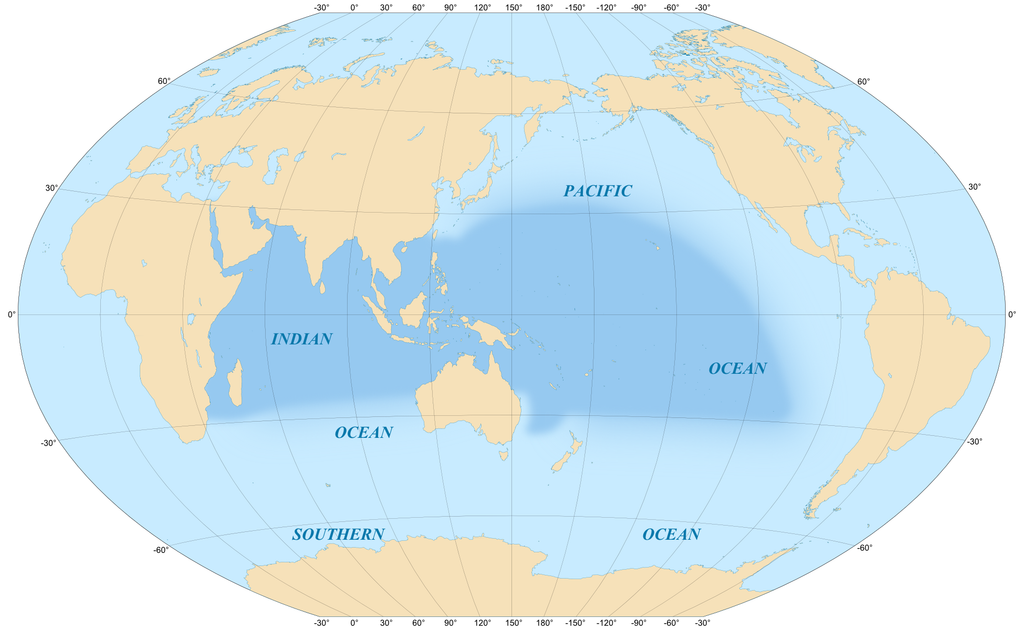
- Extent: From eastern Africa across the Indian and Pacific Oceans to the Americas.
- Significance: Accounts for around 62% of global GDP and 50% of global maritime trade.
- India’s Dependence: Around 90% of India’s trade by volume is maritime; approximately 80% of its oil imports are transported by sea.
- India’s Vision: A free, open and inclusive Indo-Pacific, anchored in ASEAN centrality.
Varunastra Torpedoes and GSAT-7C
Defence
Context –
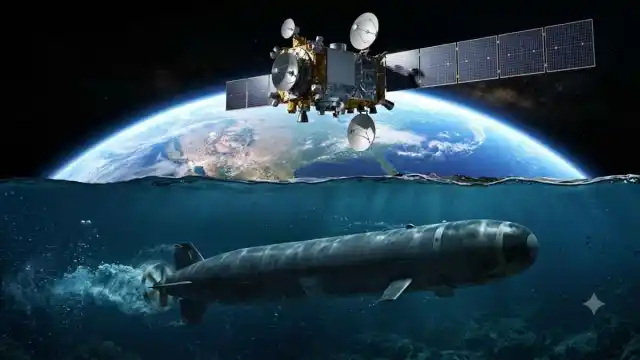
- The Ministry of Defence (MoD) signed contracts for the acquisition of the Varunastra Heavy Weight Torpedoes and GSAT-7C communication satellite.
Varunastra Torpedo
-
Type: Ship-launched heavyweight anti-submarine torpedo; 95% indigenous content.
-
Developer: Naval Science and Technological Laboratory (NSTL), DRDO.
-
Warhead: 250 kg high-explosive.
-
Range: 40–50 km; Speed: Over 40 knots.
-
Operating Depth: Up to 600 metres.
-
Guidance: Active-passive acoustic homing, wire guidance and NavIC-enabled navigation.
GSAT-7C
-
-
Type: Indigenous communication satellite for the Indian Air Force (IAF).
-
Objective: Provide secure, resilient and seamless communication among IAF assets, enhancing operational effectiveness.
-
Global Multidimensional Poverty Index 2026
International
Context
- According to the latest update of the Global Multidimensional Poverty Index (MPI), the number of multidimensionally poor people increased by 51.5 million in 2025.
Global MPI
- Published by – United Nations Development Programme (UNDP) and the Oxford Poverty and Human Development Initiative (OPHI), University of Oxford.
- It was introduced in 2010 to measure poverty beyond monetary income.
- Coverage: The index covers 108 countries, representing approximately 78% of the global population.
Key Findings of Global MPI 2026
- Global Poverty: Approximately 1.2 billion people worldwide were multidimensionally poor in 2025.
- Child Poverty: Nearly half of the world’s multidimensionally poor population consists of children.
- Rural Concentration: More than four-fifths of multidimensionally poor people live in rural areas.
- Regional Disparities: Sub-Saharan Africa records the highest levels of multidimensional poverty, while South Asia faces substantial deprivations in nutrition, housing and schooling.
10 Years of Kigali Amendment
Environment
Context (IE):
- The Kigali Amendment to the Montreal Protocol, adopted in Kigali (Rwanda) on 15 October 2016, has completed 10 years.
Kigali Amendment
-
Adopted:
2016, Kigali, Rwanda; entered into force on 1 January 2019. - Objective: Phase down hydrofluorocarbons (HFCs) under the Montreal Protocol.
- Note – HFCs do not deplete ozone but have high global warming potential.
- Origin: Micronesia and Mauritius proposed controlling HFCs in 2009.
- Phase-down: Reduce HFC production and consumption by 80–85% by the late 2040s, with differentiated timelines for developed and developing countries.
- Trade Controls: HFC import-export licensing; trade restrictions with non-Parties scheduled from 2033.
- India: Ratified the amendment in 2021; phasedown begins in 2032.
Bharat Stage VII (BS-VII) Emission Norms
Environment
Context (TH):
- The Ministry of Road Transport and Highways (MoRTH) issued a draft notification to introduce Bharat Stage (BS)-VII emission standards from April 1, 2029.
About
- Context: MoRTH proposed new vehicle pollution rules (BS-VII) from April 2029.
- Implementation: Cars (2029), light commercial vehicles (2030), trucks and buses (2031).
- Objective: Reduce air pollution caused by vehicles.
- EV Coverage: First Bharat Stage norms to include electric vehicles (EVs).
- Pollution Control: Stricter limits on tiny particles released by vehicle exhaust, brakes and tyres.
- Battery Durability: EVs must maintain a specified level of battery performance for a fixed period.
- Environmental Vehicle Passport (EVP): Displays information on fuel use, battery health and vehicle emissions.
JWALA-India’s First Private-Sector Micro-Missile
Science & technology
Context (BS):
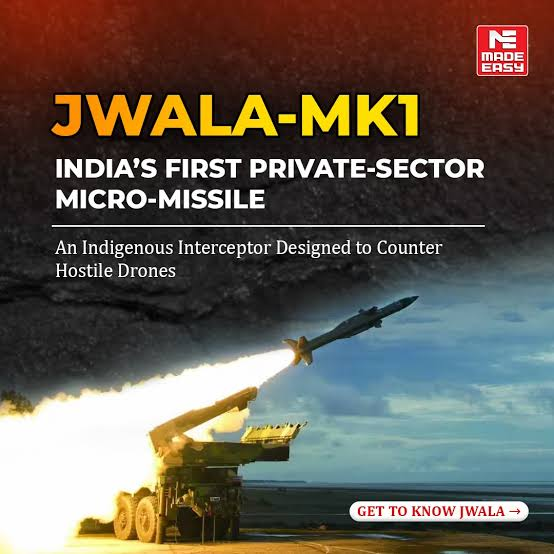
- India’s first indigenously developed private-sector micro-missile, JWALA, is being prepared for its maiden experimental trial.
JWALA
- Type: Short-range surface-to-air missile designed to destroy hostile drones.
- Developer: IG Defence, an Indian private defence company.
- Range: Approximately 2–5 km.
- Propulsion: Dual-pulse solid rocket motor.
- Warhead: High-explosive payload with proximity fuze.
- Integration: Part of GRID Defend, an AI-based system connecting sensors, command systems and interceptors.
Measles
Health & Society
Context-
- Context: 161 confirmed and 116 suspected cases reported in Kozhikode, Kerala.
About
- Cause: Highly contagious viral disease caused by a virus of the genus Morbillivirus.
- Transmission: Spreads through the air when an infected person coughs, sneezes or breathes.
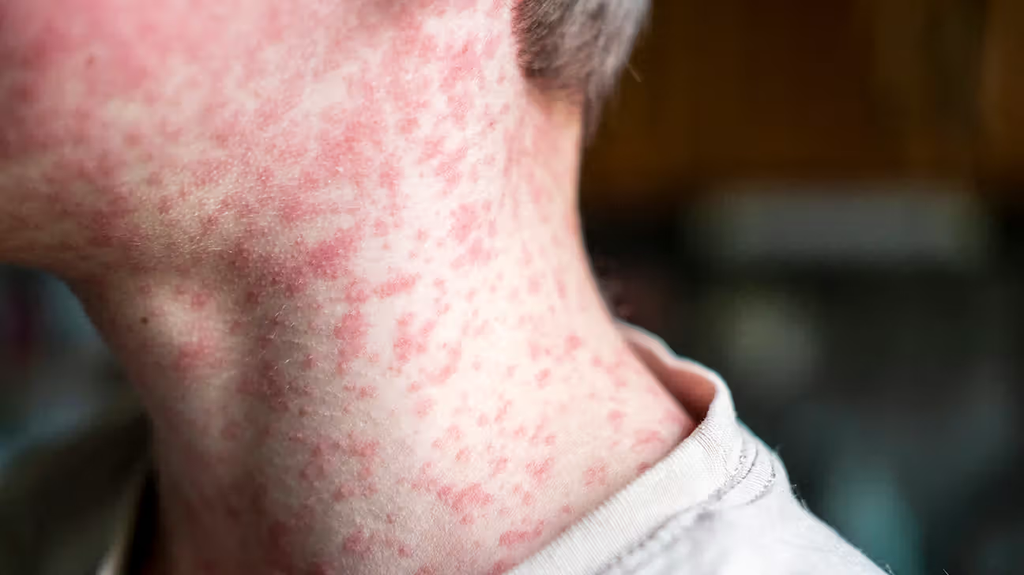
- Symptoms: High fever, cough, runny nose, red eyes and skin rash.
- Complications: Pneumonia and encephalitis, especially in children below 5 years.
- Prevention: Two doses of the MMR vaccine provide about 97% protection.
- India: Measles vaccination is included in the Universal Immunization Programme (UIP).
Ramesh Chand Committee
Economy
- Context: The Union Government constituted a committee chaired by Professor Ramesh Chand, former NITI Aayog Member, to examine sugarcane farmers’ issues.
- Mandate: Review the demand for increasing Fair and Remunerative Price (FRP) for sugarcane and revising the Minimum Selling Price (MSP) of sugar at the ex-mill level.
Fair and Remunerative Price (FRP)
- Meaning: Minimum price that sugar mills are legally required to pay sugarcane farmers.
- Determination: Fixed by the Central Government based on CACP recommendations, after consulting State Governments and stakeholders.
- Legal Basis: Sugarcane (Control) Order, 1966, issued under the Essential Commodities Act, 1955.
Sugar Production in India
- India became the world’s top sugar producer in 2021-2022, surpassing Brazil.
- Location of Sugar Industry in India: Sugar industry is broadly distributed over two major areas of production:
- Uttar Pradesh, Bihar, Haryana and Punjab in the north and
- Maharashtra, Karnataka, Tamil Nadu and Andhra Pradesh in the south.
Sugarcane – Uses
- It belongs to the bamboo family of plants and is indigenous to India.
- About two-third of the total sugarcane produced in India is consumed for making gur and khandsari and only one-third of it goes to sugar factories.
-
- It also provides raw material for manufacturing alcohol.
- Bagasse, the crushed cane residue, can be more beneficially used for manufacturing paper.
- Ethanol production – It is also an efficient substitute for petroleum products and a host of other chemical products.
- India has become the 3rd largest country in the world in ethanol production after the USA and Brazil.
Conditions for growth
- Crop duration: 10-15 months, and even 18 months to mature, depending upon geographical conditions.
- Soil: Sugarcane can tolerate any kind of soil that can retain moisture. Examples – loams, clayey, black cotton soil, brown or reddish loam and laterites.
- It should be rich in nitrogen, calcium and phosphorus.
- Climate: Hot and Humid (21-27 °C of temperature and 75-150 cm of rainfall).




Leave a Reply