
VB-G RAM G Act Come Into Force
Polity
In News
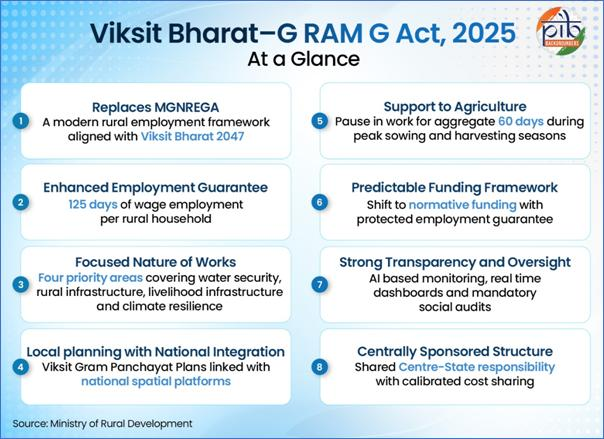
- The Viksit Bharat-Guarantee for Rozgar and Ajeevika Mission (Gramin) (VB-G RAM G) Act, 2025, has come into effect from 1st July.
Key features
- It replaces the MGNREGA 2005, transitioning India’s rural employment from a “relief-based” system to a “developmental and asset-creation” model under the Ministry of Rural Development.
- It includes increasing guaranteed work to 125 days, implementing a 60:40 Centre-State funding ratio, and moving to a supply-driven, normative budget allocation linked with PM Gati Shakti.
- Furthermore, the Act mandates a 60-day pause in work during agricultural seasons.
Key Features & Implementation
- Wages: A national base wage of ₹300 per day is set, with regional variations.
- Projects: Focus on water security, infrastructure, and climate resilience.
- Technology: Uses the Viksit Bharat National Rural Infrastructure Stack for AI-driven, transparent, and geo-tagged tracking.
- Rights: Continues to provide for unemployment allowance and wage penalties
eSARAS
Polity
Context
- The Government recently emphasized the role of eSARAS (SARAS Aajeevika) in digitally empowering women-led Self-Help Groups (SHGs) by linking rural artisans to national markets and promoting inclusive growth under the Digital India mission.
eSARAS (SARAS Aajeevika)
- It is a digital marketplace for products created by women SHGs, rural artisans and producer collectives across India.
- It is developed by the Ministry of Rural Development under the Deendayal Antyodaya Yojana–National Rural Livelihoods Mission (DAY-NRLM).
- Objective – to provide SHG members with direct market access, eliminate middlemen, ensure fair remuneration and promote indigenous crafts and rural entrepreneurship.
- Every product on eSARAS carries a story, and every purchase is a direct connection to the artisan behind it. It includes examples like:
- Chanderi sarees from Madhya Pradesh
- Marble artisans in Rajasthan
- Pashmina producers in the hills of Jammu & Kashmir
Key Milestones: From Portal to e-Commerce Ecosystem
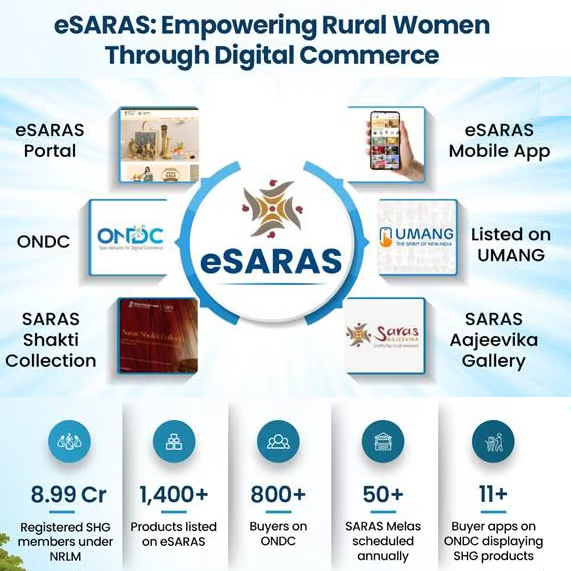
- eSARAS Portal: e-Commerce portal launched for better and more effective marketing of Saras products
- eSARAS Mobile App: Mobile app launched alongside the eSARAS Fulfilment Centre. It is used for processing, packaging and shipping of products.
- ONDC (Open Network for Digital Commerce) – to democratise and unbundle the e-commerce sector.
- UMANG: eSARAS listed on UMANG; platform now serves 2,572 services with 796.69 crore transactions (June 2026)
- SARAS Shakti Collection: Premium curated gift collection launched at Rashtriya Gramin Vikas Sammelan 2026 for institutional and corporate markets.
- SARAS Aajeevika Gallery: It is a permanent retail gallery established for showcasing curated SHG products.
India’s Diminishing Cotton Productivity
Economy
Context
- The stagnation in India’s cotton productivity has led to a debate on whether new genetically modified (GM) cotton technologies alone can improve productivity or whether greater emphasis is needed on soil health and agronomic practices.
Cotton Cultivation in India
- It is often referred to as “White Gold,”
- It is a vital commercial crop that serves as the backbone of India’s textile industry and sustains millions of livelihoods.
Geographic & Climatic Requirements-
- It is a subtropical Kharif crop requiring 6–8 months to mature, cotton needs a warm, sunny climate (21°C–30°C) with at least 210 frost-free days.
- Rainfall/Soil: Requires 50–100 cm of water; best grown on moisture-retaining Black Cotton Soil (Regur), though it thrives in alluvial/red soils with proper drainage to avoid waterlogging.
- Production: India is the world’s top producer and holds the largest acreage.
- Major producing states – Gujarat, Maharashtra, and Madhya Pradesh
- Key Challenges: Pink Bollworm (PBW) resistance
Mission for Cotton Productivity
-
- It is also referred as Kapas Kranti
- Objective – it aims to address stagnant yields and improve fibre quality to make India a self-reliant and globally competitive textile hub.
- Focuses on high-density planting (HDPS), developing 24 climate-resilient varieties, promoting Extra Long Staple (ELS) cotton, and branding (“Kasturi Cotton Bharat”).
- Modernization: Includes upgrading 2,000 ginning units and integrating digital tools for better market access
GAGAN (GPS Aided GEO Augmented Navigation)
Science and Tech
Context
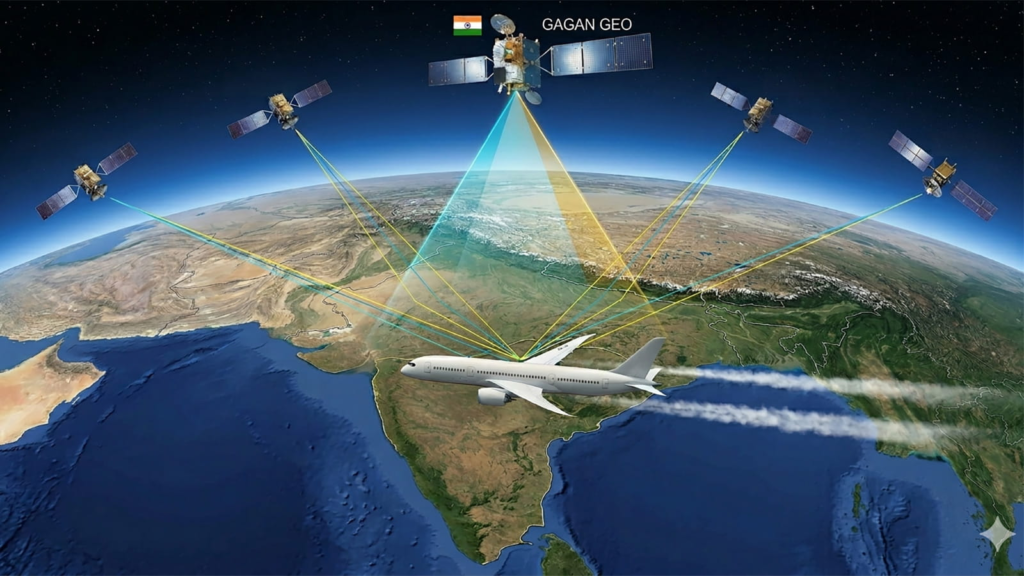
- India has achieved a major milestone in satellite navigation with GAGAN (GPS Aided GEO Augmented Navigation) becoming the first Satellite-Based Augmentation System (SBAS) certified for the equatorial region.
GAGAN (GPS Aided GEO Augmented Navigation)
- GAGAN is India’s indigenous Satellite-Based Augmentation System (SBAS), jointly developed by the Indian Space Research Organisation (ISRO) and the Airports Authority of India (AAI).
- Operational since 2015, it enhances the accuracy, availability, and integrity of GPS signals by providing real-time correction information.
Applications
- Besides aviation, GAGAN supports:
- Maritime navigation
- Intelligent transport and fleet management
- Railway operations
- Disaster management
- Defence, telecom synchronisation, and geospatial mapping.
31st Chief of the Army Staff
Defence
Context
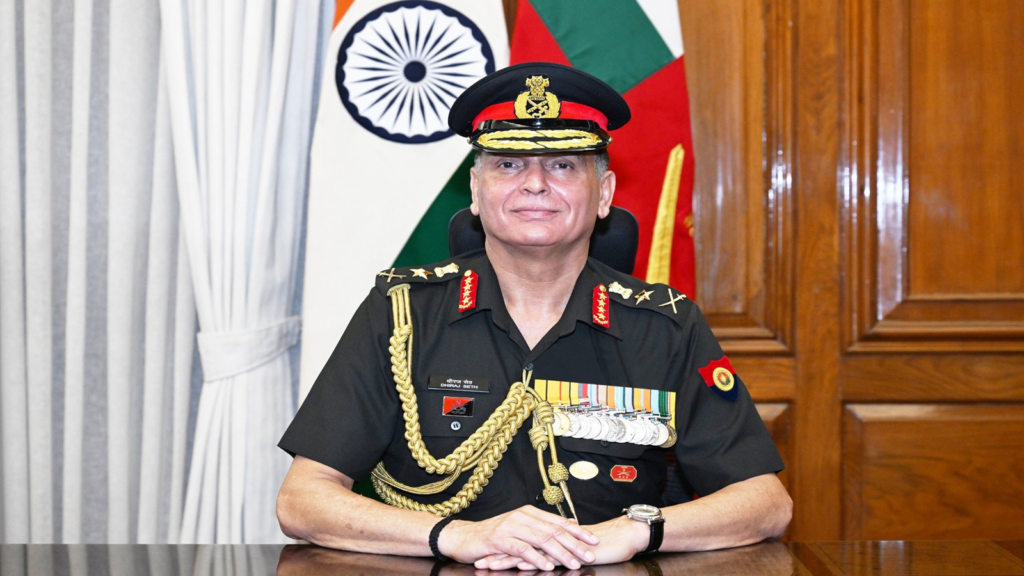
- General Dhiraj Seth took charge as the 31st Chief of the Army Staff from General Upendra Dwivedi, who superannuated after more than four decades of distinguished service to the nation.
Chief of the Army Staff (COAS)
- COAS is the professional head and highest ranking serving officer of the Indian Army.
- COAS is responsible for the command, training, administration, discipline and operational readiness of the Indian Army.
- But under Article 53(2) of the Constitution, the President of India is the Supreme Commander of the Armed Forces.
- The COAS is appointed by the Appointments Committee of the Cabinet (ACC) for a tenure of three years or up to the age of 62 .
- The COAS works within the civilian-led defence structure headed by the Cabinet Committee on Security (CCS) and the Ministry of Defence.
Transcaspian marinka (Schizothorax pelzami)
GS3/Species in News
News
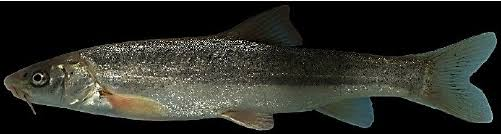
- A clan in Arunachal Pradesh’s East Kameng district has started a conservation campaign to protect the ray-finned fish Schizothorax pelzami (Transcaspian marinka).
Transcaspian marinka (Schizothorax pelzami)
- Habitat type: Freshwater, benthopelagic (bottom-dwelling in rivers).
- Distribution: It is found in rivers of Turkmenistan, Afghanistan, and northeastern Iran, thriving in temperate benthopelagic environments.
- IUCN Red List Status : It has been assessed as Least Concern due to its large range and the lack of widespread threats in this area.
- Latest Conservation in India : The Sangno clan of Arunachal Pradesh’s East Kameng district has started a community-based conservation initiative with 52 fingerlings of the Transcaspian marinka (Schizothorax pelzami), locally called Ngarsing, released into a mahseer-free stretch of the Richaso stream.
Forest Owlet (Heteroglaux blewitti)
Ecology
News –
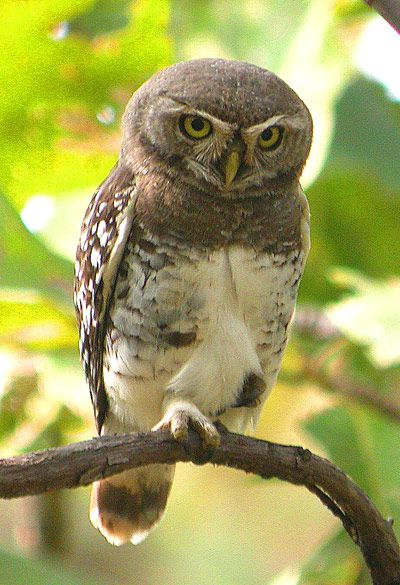
- Forest Owlet is an endemic owl species rediscovered in 1997 after being presumed extinct for over 100 years.
Forest Owlet
- Appearance: It is a small owl with an unspotted crown, white throat collar, and heavily banded wings and tail.
- Behaviour: Unlike most owls, it is diurnal and shows rapid side-to-side tail flicking while hunting.
- Habitat Preference: The species inhabits dry deciduous forests dominated by teak with an open canopy and dense undergrowth.
- Distribution: The owl is restricted to central India with fragmented populations in Madhya Pradesh, Maharashtra, and Gujarat.
- Ecological Role: As an understory predator, it regulates populations of small mammals, reptiles, and large insects.
- Key Threats: Habitat degradation from illegal logging, forest fires, and agricultural expansion.
- Conservation Status: IUCN: Endangered; CITES: Appendix I; WPA: Schedule I
16th India-Japan Annual Summit
International
Context (PIB):
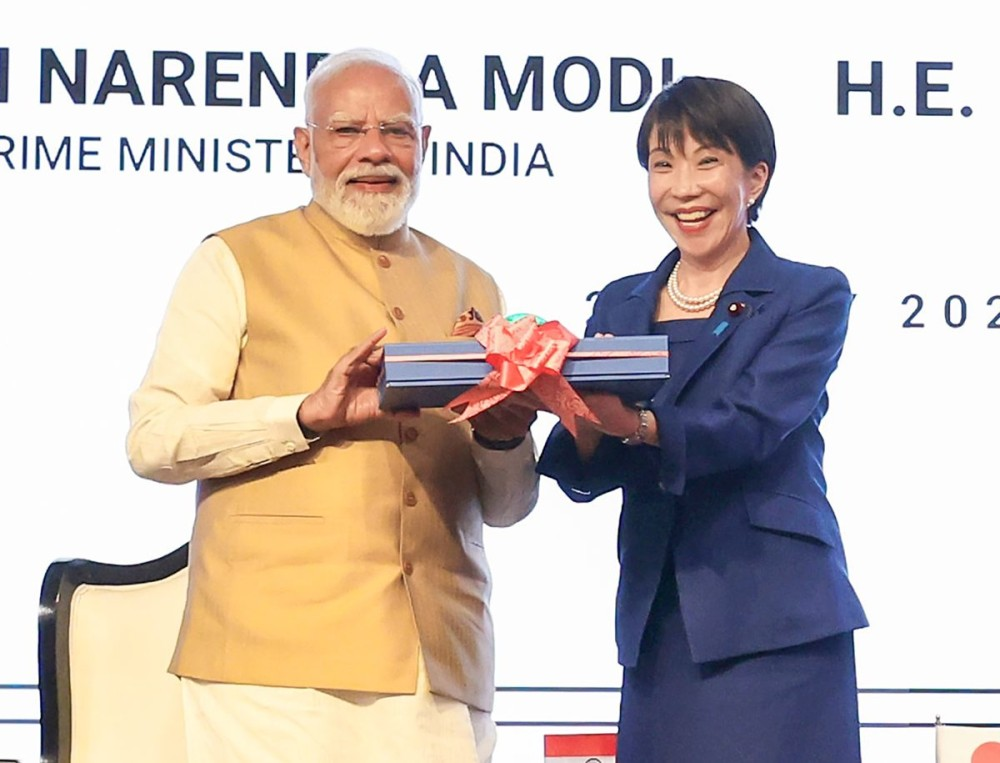
- Japanese Prime Minister Sanae Takaichi visited India to attend the 16th India-Japan Annual Summit in New Delhi.
India-Japan Bilateral Relations
-
- India and Japan elevated their bilateral ties to a “Special Strategic and Global Partnership” in 2014,
- FDI Source: Japan is the 5th-largest FDI source for India, accounting for 6% of total FDI between 2000 and 2026.
- Defence Relations: Bilateral defence cooperation is based on the 2+2 Ministerial Dialogue
- Joint Exercise: JIMEX (Navy), Dharma Guardian (Army), Veer Guardian (Air Force), Malabar (multilateral naval exercise between US-India-Japan-Australia).
- Space Collaboration: ISRO and JAXA are collaborating on the Lunar Polar Exploration (LUPEX) mission to investigate lunar water ice at the Moon’s south pole.
- Nuclear Treaty: The 2016 civil nuclear agreement made Japan the first country to extend nuclear cooperation to a non-NPT state, with a clause permitting termination upon an Indian nuclear test.
- Strategic Convergence: Free and Open Indo-Pacific (FOIP), counter maritime aggression through the Quad, and build resilient supply chains through the Supply Chain Resilience Initiative (SCRI).
Borjuli Wetland
Ecology
News –
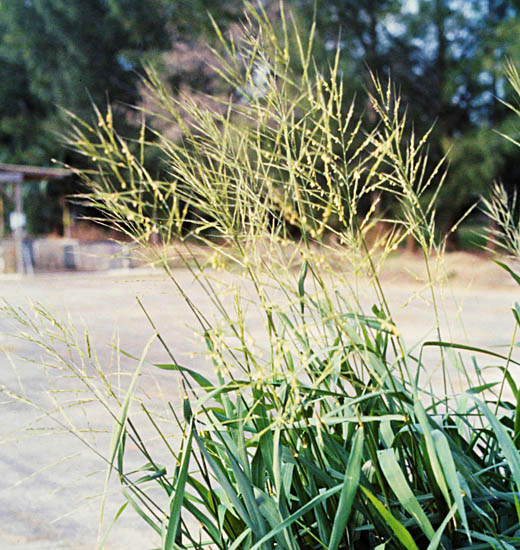
- The Borjuli wetland in Assam, known for harbouring a wild rice species called Oryza rufipogon, has been notified as a Biodiversity Heritage Site (BHS).
- Oryza rufipogon, is the progenitor of present-day cultivated rice, Oryza sativa.
- It is resistant to pests and diseases and can tolerate flooding and saline conditions, making it a valuable genetic resource for developing climate-resilient crop varieties.
Biodiversity Heritage Site (BHS)
- These are well-defined areas that are unique, ecologically fragile ecosystems (terrestrial, coastal, inland water, or marine) characterized by one or more of the following:
- Species richness
- High endemism
- Presence of rare and threatened species, keystone species, and species of evolutionary significance
- Presence of wild ancestors of domestic/cultivated species
- Past pre-eminence of biological components represented by fossil beds
- Areas with significant cultural, ethical, aesthetic values important for maintenance of cultural diversity
- Legal Status: They are notified under Section 37 of the Biological Diversity Act, 2002.
- Notifying Authority: State Government in consultation with local bodies after recommendations from the State Biodiversity Board.
- As per the National Biodiversity Authority, India has 54 Biodiversity Heritage Sites as of March 2026.
Neurocysticercosis
Science and Tech
News –
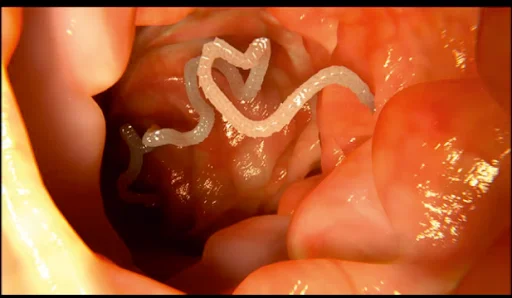
- A UK woman’s discovery of 38 parasite cysts in her brain following a tapeworm infection has renewed global attention on neurocysticercosis.
Neurocysticercosis
- It is a parasitic infection of the brain caused by the larval stage of the pork tapeworm (Taenia solium) and is a leading cause of acquired epilepsy in endemic regions.
- Transmission & Symptoms: Infection occurs by ingesting tapeworm eggs through contaminated food, water, or poor hygiene.
- Larvae form cysts in the brain, which may remain asymptomatic for years before triggering seizures and other neurological symptoms due to inflammation.
- Treatment: Management is individualised, involving antiparasitic drugs, anti-seizure medications, anti-inflammatory therapy, or surgery, depending on the number, location, and stage of the cysts.




Leave a Reply