Blog

  • ‘Bhu Guarantee’ scheme (Nanna Khata, Nanna Hakku)

    ‘Bhu Guarantee’ scheme (Nanna Khata, Nanna Hakku)

    News –

    • The Karnataka state government has officially launched the ‘Bhu Guarantee’ scheme (also known as Nanna Khata, Nanna Hakku), slashing the B-Khata to A-Khata property conversion fee from 5% down to 2% of the property’s guidance value.

    ‘Bhoo Guarantee’ (Nanna Khata, Nanna Hakku) scheme

    • Objective – It is Karnataka’s sixth welfare initiative, designed to provide secure, digitized property records to 23 lakh owners in Bengaluru.

    Major Financial Savings

    • 60% Fee Cut: B-Khata to A-Khata conversion fees dropped from 5% to 2% of the guidance value.
    • 100-Day Window: The discounted fee is a one-time offer valid for 100 days from mid-May 2026.

    Key Features

    • Doorstep Delivery: Officials deliver digital e-Khatas directly to homes for free.
    • Tamper-Proof: Records feature GPS mapping, Aadhaar linking, and owner photos to stop fraud.
    • Violation Regularisation: Relaxes minor building violations to allow legal water and power connections.

    Weekly Camps

    • When: Every Saturday for three months.Where: Open-house camps in all Assembly constituencies.
    • Purpose: On-the-spot help for conversions, corrections, and tax issues to eliminate middlemen.
  • Simultaneous Election Bill | Digital Public Infrastructure (DPI)@2047 Roadmap | Anti-Defection Law | Prevention of Insults To National Honour Act, 1971

    Simultaneous Election Bill

    Syllabus: GS2/Polity and Governance

    Context

    • The Joint Parliamentary Committee (JPC) on ‘One Nation, One Election’ has said that simultaneous elections can save nearly 7 lakh crore rupees, improve governance efficiency and increase India’s GDP growth by up to 1.6%.

    Background

    • To introduce simultaneous elections, the Constitution (One Hundred and Twenty-Ninth Amendment) Bill, 2024 and the Union Territories Laws (Amendment) Bill, 2024 were introduced in Lok Sabha in 2024.

    Key Features of the Bills

    • Bodies Responsible: The Constitution (129th Amendment) Bill, 2024 empowers the Election Commission to conduct elections for Lok Sabha and all State Assemblies together (referred to as simultaneous elections).
    • The Union Territories Laws (Amendment) Bill, 2024 extends this framework to Union Territory (UT) Assemblies.
    • Commencement of simultaneous elections: The terms of all State and Union Territory Assemblies constituted after the date of the notification will expire with the expiry of the full term of Lok Sabha.
    • Hence, elections to Lok Sabha and all State and UT Assemblies thereafter will be conducted together.
    • Premature dissolution of Lok Sabha or Assemblies: If Lok Sabha or a State/UT Assembly is dissolved sooner than its full term of five years, a fresh election will be held for a term equal to the remainder of the five-year term.
    • This will synchronise elections for Lok Sabha and all Assemblies every five years.
    • Deferring a state election: If the Election Commission is of the opinion that the election for a particular State Assembly cannot be held as part of the simultaneous elections, it may make a recommendation to the President in this regard.
    • Thereafter, the President may issue an order to conduct election for that State Assembly at a later date.
    • The UT Laws Amendment Bill does not have such provisions.

    Digital Public Infrastructure (DPI)@2047 Roadmap

    Syllabus: GS3/Economy

    In News

    • NITI Aayog has launched DPI@2047 for Viksit Bharat, a roadmap for India’s next phase of Digital Public Infrastructure (DPI) aimed at driving inclusive and productivity-led growth.

    Digital Public Infrastructure (DPI)

    • It refers to foundational digital systems that are accessible, secure, and interoperable, supporting essential public services.
    • India’s Digital Public Infrastructure began with the JAM trinity—Jan Dhan bank accounts, Aadhaar identity, and mobile connectivity—which linked citizens directly to government systems.
    • Significance – This enabled direct transfer of welfare benefits, reducing intermediaries, delays, and leakages, and laid the foundation for India’s broader digital transformation.

    Importance of DPI

    • Governance Efficiency: DPI Enables direct benefit transfers, subsidy delivery, and e-governance platforms, reducing leakages and corruption.
    • Financial Inclusion: UPI has transformed payments, now operational in 8 countries, supporting cross-border transactions.
    • Economic Growth: India is the world’s 3rd-largest digitalised economy, with digital platforms embedded in daily economic and social life.

    Key Digital Public Infrastructure (DPI) and digital solutions are as follows

    • Aadhaar – A biometric-based digital identity platform that enables unique identification and authentication of residents for efficient service delivery.
    • Unified Payments Interface (UPI) – A real-time digital payment system enabling instant, interoperable, and secure person-to-person and merchant transactions.
    • UPI is now active in 8 countries, improving cross-border payments, remittances, and financial inclusion, and strengthening India’s fintech influence globally.
    • CoWIN – A digital platform for end-to-end management of vaccination services, including registration, scheduling, and certification.
    • API Setu – A platform that enables secure and standardized sharing of government data and services through APIs.
    • DigiLocker – A digital document wallet that allows citizens to store, access, and share authenticated electronic documents.
    • Aarogya Setu – A digital health application providing risk assessment, health advisories, and access to health-related services.
    • Government e-Marketplace (GeM) – An online platform for transparent and efficient procurement of goods and services by government entities.
    • UMANG – A unified mobile and web platform providing single-window access to a wide range of government services.
    • DIKSHA – A national digital platform supporting teachers and learners with e-content, training, and academic resources.
    • e-Sanjeevani – A telemedicine platform enabling remote doctor-to-patient consultations, particularly in rural and underserved areas.
    • e-Hospital – A hospital management system providing online registration, appointments, diagnostics, a nd billing services.
    • e-Office – A digital platform for paperless governance enabling electronic file management and decision-making in government offices.
    • eCourts – A mission-mode project for digitising court processes and improving access to judicial services.
    • POSHAN Tracker – A mobile-based application for real-time monitoring of nutrition service delivery under ICDS.
    • National Non-Communicable Diseases Platform (NCD) – A digital platform for screening, diagnosis, and management of major non-communicable diseases.
    • Skill India Digital Hub (SIDH) – A unified digital platform integrating skilling, training, and employment-related services.
    • Public Financial Management System (PFMS) – A platform for end-to-end monitoring of government funds and direct benefit transfers.
    • PM GatiShakti – A GIS-based digital platform for integrated planning and coordinated implementation of infrastructure projects.

    Anti-Defection Law

    Syllabus: GS2/Polity and Governance

    Context

    • More than two-thirds of the MPs of the Aam Aadmi Party in the Rajya Sabha have decided to merge with the Bharatiya Janata Party, raising questions around the application of the anti-defection law.

    Anti-defection law

    • Aaya Ram Gaya Ram was a phrase that became popular in Indian politics after a Haryana MLA Gaya Lal changed his party thrice within the same day in 1967.
    • The anti-defection law (Tenth Schedule of the Constitution) was inserted by the 52nd Amendment in 1985 to prevent political defections.
    • Constitutional Disqualifications [Articles 102(1) & 191(1)]: A person shall be disqualified if he/she:
    1. Holds an office of profit under the Central or State Government;
    2. Is of unsound mind, as declared by a competent court;
    3. Is an undischarged insolvent;
    4. Is not a citizen of India, or has acquired citizenship of a foreign State, or shows allegiance to a foreign State;
    5. Is disqualified under any law made by Parliament.

    Features of the Anti-Defection Law

    • Disqualification on ground of defection: A legislator belonging to a political party will be disqualified if he: (i) voluntarily gives up his party membership, or (ii) votes/abstains to vote in the House contrary to the direction issued by his political party.
    • A member is not disqualified if he has taken prior permission of his party, or if the voting or abstention is condoned by the party within 15 days.
    • Independent members will be disqualified if they join a political party after getting elected to the House. Nominated members will be disqualified if they join any political party six months after getting nominated.
    • The decision to disqualify a member from the House rests with the Chairman/Speaker of the House.

    Exceptions

    • The Tenth Schedule originally provided for two exceptions that would not render the members liable for disqualification.
    • One-third members of the ‘legislature party’ split to form a separate group.
    • Merger of their ‘political party’ with another party that is approved by two-third members of its ‘legislature party’.
    • However, the first exception (one-third split) was removed in 2003 to strengthen the law.

    Supreme Court Judgments

    • Kihoto Hollohan v. Zachillhu (1992): The decisions of the Speaker regarding disqualification under the Tenth Schedule (Anti-defection Law) are subject to judicial review by the High Courts and the Supreme Court.
    • Keisham Meghachandra Singh v. Speaker, Manipur (2020): The Supreme Court set a clear outer limit of three months for the Speaker to decide on a disqualification petition.

    Prevention of Insults To National Honour Act, 1971

    Syllabus: GS2/ Polity and Governance

    Context

    • The Union Cabinet gave the go-ahead to amend The Prevention of Insults To National Honour Act, 1971.

    About

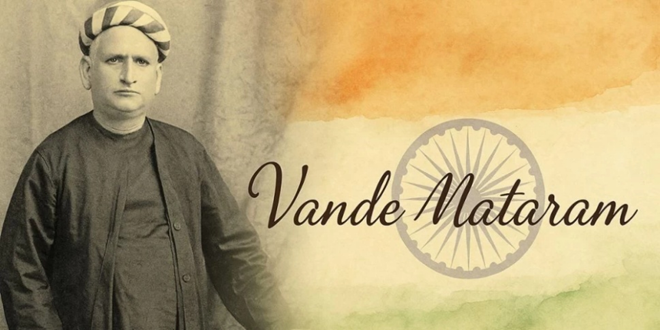
    • Aim: To make any insult or obstruction to the singing of National Song Vande Mataram a punishable offence.
    • At present, insults to the National Anthem, the National Flag and the Constitution of India is mentioned in the 1971 Act and is punishable by an imprisonment of up to three years or a fine or both.

    Vande Mataram

    • Vande Mataram was composed by Bankim Chandra Chatterjee in Sanskrit and first appeared in the novel Anandamath in 1882.
    • Anandamath is set against the backdrop of the 1769–73 Bengal famine and the Sanyasi Rebellion.
    • First sung by Rabindranath Tagore at the 1896 Indian National Congress session gave it national exposure.
    • During the Swadeshi Movement of 1905, Vande Mataram emerged as the anthem of civil resistance.
    • Vande Mataram, as a political slogan, was first used on 7 August 1905.
    • National Song: On 24 January 1950, the Vande Mataram was adopted as India’s National Song.

    Constitutional Provisions

    • Article 51A(a) Fundamental Duties: Mandates every citizen to abide by the Constitution and respect its ideals and institutions, the National Flag and the National Anthem.
    • Absence of Explicit Constitutional Protection: Unlike the national anthem, Vande Mataram is not explicitly protected by any constitutional provision.
    • Its status flows from Constituent Assembly resolutions, not from enforceable constitutional text.
  • Kartavya-KAAMS (Karnataka Advanced Attendance Management System

    Kartavya-KAAMS (Karnataka Advanced Attendance Management System

    News –

    • The Department of School Education and Literacy (DSEL) in Karnataka has launched the Kartavya-KAAMS (Karnataka Advanced Attendance Management System) mobile app
    • Objective – to monitor the attendance of permanent teaching and non-teaching staff.

    How the App Works

    • Technology: Integrates Artificial Intelligence, Facial Recognition, and GIS-based geo-fencing to verify attendance.
    • Usage: Staff are required to click a “selfie” to mark their “In Time” (arrival) and “Out Time” (departure) twice daily from their assigned duty location (e.g., school, training, or exam center).
    • Verification: The system uses liveness detection and geofencing to ensure employees are within a 100-meter radius of their designated workplace.

    Important Rules & Timelines

    • Mandatory Rollout: Effective from the 2026-27 academic year, it is completely mandatory for all teaching, non-teaching staff, and headmasters.
    • Salary Disbursement: The old biometric attendance systems have been replaced, and only attendance registered via the Kartavya-KAAMS app will be considered for payroll processing and salary release.
    • System Integration: The platform links directly to the state’s Human Resource Management System (HRMS) and the Students Achievement Tracking System (SATS).
  • Water Hyacinth Livelihood Initiative in Assam | PM Modi Receives Agricola Medal | PRAGATI 2026 Exercise | Zwan-Wolf Effect

    Water Hyacinth Livelihood Initiative in Assam

    Syllabus: GS3/ Environment

    Context

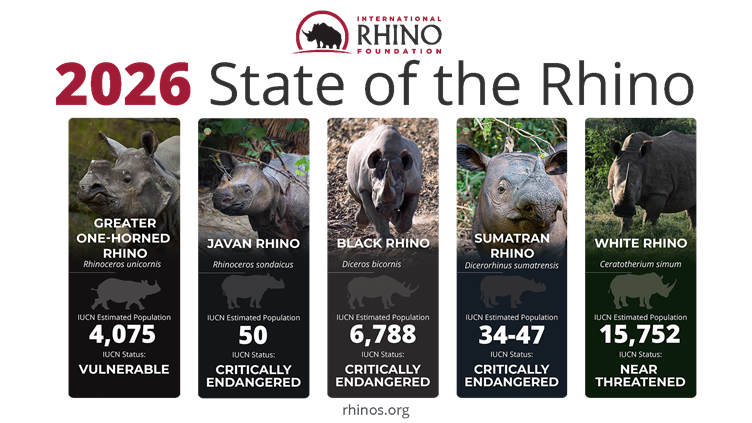
    • A livelihood initiative supported by the International Rhino Foundation has enabled women living near the Laokhowa-Burhachapori Wildlife Sanctuary in Assam to convert invasive water hyacinth into marketable household products.

    Water Hyacinth (Eichhornia crassipes or Pontederia crassipes)

    • It is a free-floating, perennial aquatic plant native to tropical and subtropical South America.
    • It is widely recognized as one of the world’s most aggressive Invasive Alien Species (IAS).
    • It is famously referred to as the “Terror of Bengal” in India due to its devastating ecological and economic footprint.

    Laokhowa-Burhachapori Wildlife Sanctuary (LBWLS)

    • Location – Situated on the southern bank of the Brahmaputra River in Assam
    • Ecological Connectivity: Strategically nestled between Kaziranga National Park to the east and Orang National Park to the west.
    • Vegetation – A mosaic of wet alluvial grasslands, riparian forests, moist deciduous woods, and significant wetland systems (like the Rowmari-Donduwa wetland complex).
    • Keystone Species: Great Indian one-horned rhinoceros, Royal Bengal Tiger, Asian elephant, and Asiatic water buffalo.

    PM Modi Receives Agricola Medal

    Syllabus: GS2/ International Relations

    Context

    • Prime Minister Narendra Modi was conferred the prestigious Agricola Medal by the Food and Agriculture Organization (FAO) at its headquarters in Rome, Italy.
    • The medal was presented by FAO Director-General Qu Dongyu.

    About Agricola Medal

    • The Agricola Medal is the highest honour conferred by the Director-General of the FAO.
    • The medal is named after Georgius Agricola, a German scholar widely considered the “father of mineralogy” and a pioneer in agricultural and mining sciences.
    • It is awarded to distinguished world leaders and individuals for exceptional and long-term contributions to global food security, sustainable agriculture, poverty reduction and improved nutrition.

    Food and Agriculture Organization (FAO)

    • FAO is a specialized agency of the United Nations that leads international efforts to defeat hunger and improve food security.
    • It was founded on 16 October 1945.
    • Members: The FAO comprises 195 members, including 194 countries and the European Union.
    • Headquarters: Rome, Italy.

    PRAGATI 2026 Exercise

    Syllabus: GS3/Defence

    Context

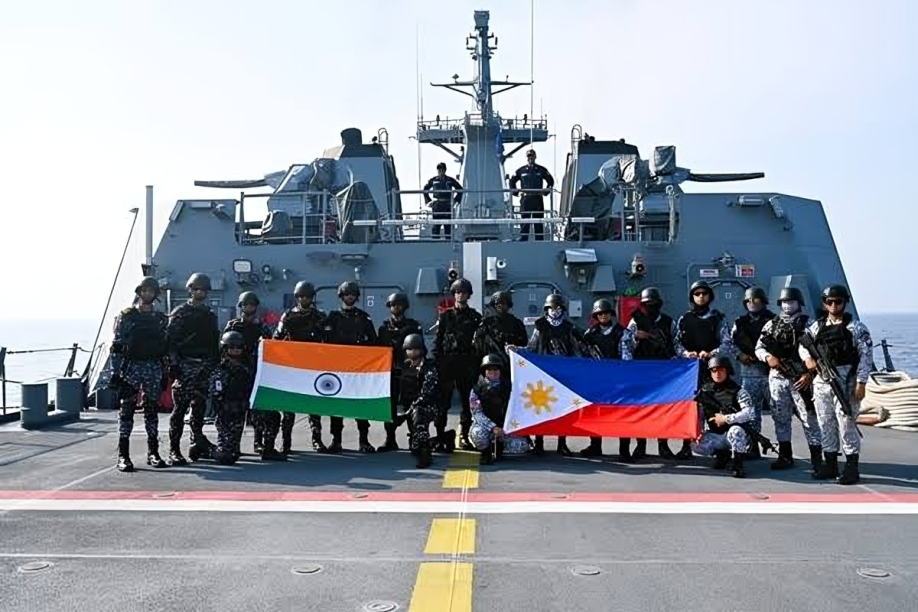
    • The multilateral military exercise PRAGATI 2026 commenced at Umroi Military Station in Meghalaya.

    PRAGATI

    • Abbreviation – Partnership of Regional Armies for Growth and Transformation in the Indian Ocean Region.
    • Participating countries – India, Bhutan, Cambodia, Indonesia, Laos, Malaysia, the Maldives, Myanmar, Nepal, the Philippines, Seychelles, Sri Lanka, and Vietnam.
    • Significance – The exercise will focus on counter-terrorism operations in semi-mountainous and jungle terrain.

    Zwan-Wolf Effect

    Syllabus: GS3/ Science and Technology

    Context

    • A recent study published in Nature Communications has provided evidence of the Zwan-Wolf effect at Mars using data from NASA’s MAVEN spacecraft.

    Zwan-Wolf Effect

    • The Zwan-Wolf effect is a space weather phenomenon where electrically charged particles (plasma) are compressed and squeezed along magnetic field lines when a planet’s magnetic boundary interacts with the solar wind.
    • First identified in 1976 by scientists B.J. Zwan and R.A. Wolf.

    Significance of Discovery

    • Mars lacks a strong global magnetic field unlike the Earth.
    • The discovery shows that even relatively “unmagnetised” planets can experience complex magnetic interactions.

    MAVEN Mission

    • MAVEN stands for Mars Atmosphere and Volatile Evolution Mission.
    • It is a NASA mission launched in 2013 to study the Martian atmosphere and its interaction with the solar wind.
    • The mission investigates how Mars lost much of its atmosphere and water over time.

    Connect with the basics – Mars

    • It is the fourth planet from the Sun
    • It is the second-smallest planet in the Solar System.
    • Mars is about half the size of Earth.
    • Rotation period – Its rotation period is 6 hours, which is very similar to that of Earth (23.9 hours).
    • Red Planet – The reason Mars looks reddish is due to oxidation or rusting of iron in the rocks, and dust of Mars. Hence it is also called the Red Planet.
    • Moon of MarsPhobos and Deimos

    Mars Orbiter Mission (MOM) or Mangalyaan

    • Launched from – Satish Dhawan Space Centre in Andhra Pradesh
    • Launched by – It was launched by Indian Space Research Organisation in November 2013.
    • Rocket used – PSLV C-25 rocket
    • Objective – To study Martian surface and mineral composition as well as scan its atmosphere for methane (an indicator of life on Mars).
  • HPV vaccination campaign

    HPV vaccination campaign

    News –

    • Karnataka’s Human Papillomavirus (HPV) vaccination campaign for adolescent girls has crossed a major milestone by securing 2,00,028 beneficiaries, accounting for 29% of its total target population of 6.89 lakh girls aged 14 to 15 years.

    Key findings –

    • Kalaburagi (Leader): Emerged as the best-performing district, vaccinating 20,511 girls to reach 68.5% of its target while utilizing 94.2% of its vaccine stock.
    • Yadgir: Ranked second by achieving 60.7% of its target population.
    • Shivamogga: Stood third with a 50.9% coverage rate.
    • Greater Bengaluru Authority (GBA) (Trail): Recorded the lowest progress in the state.

     Key Details of the Vaccination Drive

    • Target Group: The campaign primarily targets girls who have completed 14 years of age but are below 15 years.
    • Scale of the Initiative: Approximately 6 lakh girls in Karnataka have been identified as eligible beneficiaries, contributing to a national target of nearly 1.15 crore girls.
    • Vaccine Type & Dosage: The drive uses the quadrivalent Gardasil-4 vaccine, which protects against four common HPV strains (6, 11, 16, and 18). Under the current national guidelines, it is administered as a single-dose intramuscular injection.
    • Cost: The vaccine is provided free of cost at government health facilities.
    • Duration: The initial intensive campaign is set for three months (90 days) in mission mode, after which the vaccine will be integrated into routine immunization days.
  • India Backs Ethiopia’s WTO Entry | Myopia Pandemic | BHAVYA Scheme | International Booker Prize

    India Backs Ethiopia’s WTO Entry

    Syllabus: GS2/IR

    Context

    • India and Ethiopia signed a bilateral accession protocol in Geneva as part of Ethiopia’s process of joining the World Trade Organization (WTO).

    World Trade Organization (WTO)

    • Mandate – It is the only global international organization responsible for regulating and facilitating trade between nations.
    • Established on – January 1, 1995, as the successor to the General Agreement on Tariffs and Trade (GATT), which had governed global trade since 1948.
    • Member countries- 166 representing over 98% of global trade
    • Headquartered in – Geneva, Switzerland.

    Myopia Pandemic

    Syllabus: GS2/Health

    Context

    • By 2050, approximately 4.75 billion people,nearly half the world’s population, are expected to be myopic.
    • The prevalence of myopia among urban children in India has increased from 4.44% in 1999 to 21.15% in 2019 and is projected to rise to nearly 48% by 2050.

    Myopia

    • It is primarily a refractive condition caused by excessive axial elongation of the eye.
    • In a myopic eye, the axial length, which is the distance between the front and back of the eye, becomes too long.
    • As a result, incoming light rays focus in front of the retina instead of directly on it, causing distant objects to appear blurred.
    • Concerns: As the axial length of the eye increases, the tissues of the eye, including the sclera, choroid, and retina, undergo stretching and thinning. This increases the risk of retinal detachment, myopic macular degeneration, glaucoma, and early cataract formation.
    • High myopia, generally defined as a refractive error of −6 dioptres or greater, is associated with potentially irreversible visual impairment and blindness.
    • Prevention: Research suggests that more outdoor time may help reduce progression risk.
    • Regular eye exams are important, especially in school-age children.

    BHAVYA Scheme

    Syllabus: GS2/Government Schemes

    Context

    • The Department for Promotion of Industry and Internal Trade (DPIIT), under the Ministry of Commerce & Industry, has released the operational guidelines for implementation of the BHAVYA Scheme.

    Bharat Audyogik Vikas Yojna (BHAVYA)

    • Aim: To create 100 “future ready” industrial parks that will integrate with the PM GatiShakti programme so that they can avail of that programme’s multi-modal connectivity and last-mile access.
    • These parks will set new benchmarks in industrial infrastructure, ensuring reliability, reducing inefficiencies, and enhancing productivity across sectors.
    • Land Use: Industrial parks ranging from 100 to 1,000 acres will be taken up for the development.
    • Funding: While the Central government will provide funding of up to Rs 1 crore per acre, the scheme is meant to include the involvement of the respective State governments as well as the private sector.
    • Infrastructure: Core infrastructure like internal roads, underground utilities, drainage, common treatment facilities, ICT and administrative systems.
    • The National Industrial Corridor Development Corporation (NICDC), under the Department for Promotion of Industry and Internal Trade, will play a key role in implementing the initiative.
    • The scheme duration would be for six years starting in 20526-27.

    Additional Information –  PM GatiShakti

    • It was launched in – 2021
    • Objective – to enhance the country’s infrastructure and promote seamless connectivity across various sectors.
    • Significance – It is a transformative approach for economic growth and sustainable development which is driven by seven engines – railway, roads, ports, waterways, airports, mass transport and logistics infrastructure.
    • Implementation: PM Gati Shakti will incorporate the infrastructure schemes of various Ministries and State Governments like Bharatmala, Sagarmala, inland waterways, dry/land ports, UDAN etc.

    International Booker Prize

    Syllabus: Miscellaneous

    Context

    • The International Booker Prize completed a decade in its present form in 2026.

    International Booker Prize

    • Establishment: Originally set up in 2005 as the Man Booker International Prize.
    • It is a prestigious literary award presented annually for a single work of fiction translated into English and published in the United Kingdom or Ireland.
    • Prize Value: £50,000, which is split equally between the author and the translator.
    • Shortlisted authors and translators each receive £2,500.Core
    • Objective: To promote global fiction and elevate the critical, historically invisible role of translators.

    Additional Information – Comparison: Booker Prize vs. International Booker Prize


    The Booker Prize

    The International Booker Prize

    Inception Year

    1969

    2005

    Language Rule

    Originally written in English

    Translated into English from any language

    Recipient

    The Author only

    Shared equally between Author and Translator

    Latest Winner

    Flesh by David Szalay (2025)

    Taiwan Travelogue by Yáng Shuāng-zǐ (2026)

  • BMTC launches a centralised Commercial Asset Management Platform

    BMTC launches a centralised Commercial Asset Management Platform

    News –

    • The Bengaluru Metropolitan Transport Corporation (BMTC) is launching a centralised Commercial Asset Management Platform (CAMP) to streamline and monitor its non-fare revenue stream.

    About-

    • The digital system and mobile application will centrally track real-time income from rentals, advertising, stalls, and open spaces across its 52 depots to eliminate revenue gaps.

    Key Features of CAMP

    • Unified Tracking: Integrates data from the central office down to individual depots.
    • Asset Monetisation: Centralizes lease and rental details for commercial stalls, ATM counters, and telecom towers.
    • Gap Analysis: Identifies collection deficiencies and tracks demand status organisation-wide.

    Boosting Non-Fare Revenue

    • Beyond land and stall rentals, BMTC is significantly expanding its advertising footprint to bolster non-traffic revenue, which surpassed ₹811 crore.

    New monetisation efforts include:

    • Ticket Advertisements: Rights granted to display artwork on the reverse side of passenger Electronic Ticketing Machine (ETM) rolls.
    • Digital Integration: The platform will be maintained by a selected IT service provider, complete with mobile and hosting services.
  • India’s Cultural Diplomacy Through Gifts | Arunachal Kiwi Mission | Sperm Whales | Sample Registration Survey 2024

    India’s Cultural Diplomacy Through Gifts

    Syllabus: GS2/ International Relations

    Context

    • PM Modi gifted traditional Indian handicrafts, textiles, and regional artefacts to world leaders during his five-nation diplomatic tour covering the United Arab Emirates, Sweden, Norway, Netherlands, and Italy.

    Gifts Presented to World Leaders

    • Italian PM Giorgia Meloni received a Muga silk stole from Assam and an off-white Shirui Lily silk stole from Manipur.
    • Muga silk, known as the “golden silk” of Assam, is a rare textile produced in the Brahmaputra Valley without artificial dyes.
    • The Shirui Lily silk stole derives inspiration from the Shirui Kashong Peak of Manipur and the rare Shirui Lily flower.
    • Queen Máxima of the Netherlands was gifted Meenakari and Kundan earrings from Rajasthan.
    • Norwegian Leader Jonas Gahr Støre received a pressed orchid painting and orchid paperweights made from real pressed orchids and ferns of Sikkim.
    • Harald V was presented with a silver sailboat model crafted using Tarakasi, the traditional silver filigree art of Cuttack, Odisha.
    • Swedish Prime Minister Ulf Kristersson received a Santiniketan messenger bag from West Bengal along with works of Rabindranath Tagore.
    • UAE President Sheikh Mohamed bin Zayed Al Nahyan received a Rogan painting featuring the “Tree of Life” motif from Gujarat.
    • Rogan art is a rare textile painting tradition from the Kutch region of Gujarat.
    • A box of Kesar mangoes from Junagadh, Gujarat, was also presented.

    Arunachal Kiwi Mission

    Syllabus: GS3/ Agriculture

    Context

    • The Union Minister for Development of North Eastern Region launched a Mission on “Arunachal Kiwi: The USP of Arunachal Pradesh”.

    Mission on Arunachal Kiwi

    • Objective – to strengthen the entire kiwi value chain – from cultivation and post-harvest management to branding, exports and agri-tourism.
    • Significance – The mission aims to promote kiwi orchard tourism and farm-stay experiences in areas such as Ziro Valley and Dirang, combining horticulture with experiential tourism.
    • Note – Arunachal Pradesh currently contributes more than 50 percent of India’s kiwi production, producing over 7,050 metric tonnes annually.

    Kiwi or Chinese gooseberry (Actinidia deliciosa)

    • It is a nutrient-rich woody deciduous vine native to eastern Asia.
    • It is known for its fuzzy brown skin, green/golden flesh, and edible black seeds.
    • It requires 700–800 chilling hours below 7°C during winter and best suited to mid-hill regions (800–1,500 m altitude).
    • It begins fruiting in 4–5 years and attains full commercial production by 7–8 years.

    Sperm Whales

    Syllabus: GS3/Species in News

    Context

    • Researchers have revealed that sperm whales, which communicate using clicking sounds, also vary the sounds in ways that resemble how humans use vowels.

    Sperm whale (Physeter macrocephalus).

    • Sperm whales got their name because the semi-liquid, waxy substance in their head was first believed to be sperm.
    • Distribution: They occur throughout the world’s oceans and in the Mediterranean Sea.
    • Appearance: It is a large, dark-colored, toothed whale with a massive, square-shaped head that can make up more than a third of its body length.
    • Sperm whales are the largest of the toothed whales.
    • Threats: Deep-sea oil and gas exploration can cause multiple issues, such as loss of hearing, water pollution from hydrocarbons, and increased risk of being hit by ocean vessels.
    • Conservation Status: IUCN Vulnerable.
    • Protected under Schedule 2 of the Wildlife Protection Act and possession or trade of any of its by-products, including Ambergris, is illegal.
    • They are listed in Appendix I of the CITES (Convention on International Trade in Endangered Species of Wild Fauna and Flora).
    • However, ambergris is not covered in CITES provisions as it is considered a naturally excreted waste product and trade of which is legal in many countries.

    Ambergris

    • Ambergris means grey amber in French, is a waxy substance that originates from the digestive system of sperm whales.
    • Due to its high value in the market, ambergris is often called the ‘floating gold’ and ‘treasure of the sea’.

    Sample Registration Survey 2024

    Syllabus: GS2/Health

    Context

    • The recent Sample Registration Survey 2024 was released by the Office of the Registrar General of India (ORGI).

    The Sample Registration System (SRS)

    • It provides reliable annual estimates of Infant Mortality Rate, Birth Rate, Death Rate and other Fertility & Mortality Indicators at the National and subNational levels.
    • Conducted by – Registrar General of India.

    Major Findings

    • Birth Rate: It is live births per 1,000 population, it fell from 21 in 2014 to 18.3 in 2024.
    • The number declined from 14.9 to 14.7 in urban areas and from 20.3 to 20.2 in rural areas.
    • The highest Birth Rate was observed at 26.8 in Bihar, whereas Andaman & Nicobar Islands had the lowest Birth Rate of 9.9.
    • Death Rate: It is deaths per 1,000 people, it is down from 6.7 to 6.4.
    • In 2024, Chhattisgarh recorded the highest Death Rate of 8.4, whereas the lowest Death Rate was recorded in Chandigarh at 3.9.
    • Infant Mortality Rate: The Infant Mortality Rate (IMR) is the number of deaths of children under one year of age per 1,000 live births in a given year.
    • The present level of IMR (24 infant deaths per thousand live births, for the year 2024) is less than one-fifth as compared to 1971. In the last ten years, IMR has witnessed a decline of about 38%.
    • In 2024, the maximum IMR was reported in Chhattisgarh (36) and the minimum in Manipur (2).

    Government Initiatives to Curb Infant Mortality in India

    • Janani Shishu Suraksha Karyakram (JSSK) – It includes free drugs, consumables, free diet during the stay, free diagnostics, free transportation, and free blood transfusion if required.
    • Pradhan Mantri Surakshit Matritva Abhiyan (PMSMA) provides pregnant women a fixed day, free of cost, assured and quality antenatal checkup by a Specialist/Medical Officer on the 9th day of every month.
    • Mission Indradhanush: It was launched in 2014, aiming to achieve over 90% full immunisation coverage by strengthening routine immunisation services and targeting hard-to-reach populations.
    • Rashtriya Bal Swasthya Karyakram (RBSK): Children from 0 to 18 years of age are screened for 32 health conditions (i.e. Diseases, Deficiencies, Defects, and Developmental delays) under RBSK to improve child survival.
    • Nutrition Rehabilitation Centres (NRCs) are established at public health facilities where children with Severe Acute Malnutrition (SAM) and medical complications are admitted for treatment.
  • Prevention of Corruption (PC) Act, 1988

    Prevention of Corruption (PC) Act, 1988

    News –

    • According to the National Crime Records Bureau (NCRB), Karnataka recorded the third-highest number of registered corruption cases (334) nationally.

    The Prevention of Corruption (PC) Act, 1988

    • It is a federal law enforced in Karnataka primarily by the Karnataka Lokayukta.

    Core Offences & Penalties

    1. Taking Bribes (Section 7): Public servants face 3 to 7 years in prison plus a fine.
    2. Giving Bribes (Section 8): Bribe-givers or companies face up to 7 years in prison.
    3. Criminal Misconduct (Section 13): Misappropriation of property or illicit enrichment carries 4 to 10 years in prison.

    Strict Legal Conditions

    • Demand & Acceptance: The Karnataka High Court rules that prosecutors must prove both a demand was made and a bribe was accepted; missing either invalidates the case.
    • Prior Sanction (Section 17A): Police cannot investigate a public servant’s official decisions without prior approval from the government.

    Key Enforcement Authority

    • Karnataka Lokayukta: The state’s independent anti-corruption ombudsman handling traps, raids, and prosecutions.
  • Apache Helicopters | Chandrayaan-3: Latest Research | India and Italy Ties Upgraded to Special Strategic Partnership | Veera Pasi

    Apache Helicopters

    Syllabus: GS3/Defence

    Context

    • The United States has approved the proposed sale of support services and related equipment for Apache helicopters to India at an estimated cost of 198.2 million US dollars.

    About

    • Apache helicopters are among the world’s most advanced multi-role attack helicopters.
    • Developed by Boeing, it combines firepower, agility, and modern avionics.
    • It is equipped with Hellfire missiles, 70mm rockets, and a 30mm chain gun, enabling it to engage ground targets, armoured vehicles, and even low-flying aircraft.
    • They have advanced sensors, targeting radar, and night vision systems that make it effective for operations in all weather conditions, including high-altitude and low-visibility combat zones.
    • Besides India, other users include Egypt, Israel, Japan, Saudi Arabia, the UK, and more.

    Chandrayaan-3: Latest Research

    Syllabus: GS3/Space

    In News

    • Scientists from the Physical Research Laboratory have used data from Chandrayaan-3 to reveal new details about the Moon’s surface.

    Chandrayaan-3,

    • It is a follow-on mission to Chandrayaan-2, successfully achieved a soft landing on the Moon’s south pole in 2023.

    Lander payloads:

    • Chandra’s Surface Thermophysical Experiment (ChaSTE) – to measure the thermal conductivity and temperature
    • Instrument for Lunar Seismic Activity (ILSA) – for measuring the seismicity around the landing site etc.

    Rover payloads:

    • Alpha Particle X-ray Spectrometer (APXS) & Laser Induced Breakdown Spectroscope (LIBS) for deriving the elemental composition in the vicinity of landing site.

    Additional Information – Chandrayaan-1

    • It was launched in 2008.
    • It was India’s first lunar mission.
    • It made India the fifth country to reach the Moon.
    • The mission’s most significant discovery was the presence of water molecules on the lunar surface, a finding confirmed by NASA.

    Chandrayaan-2

    • It was launched in 2019 with an orbiter, a lander (Vikram), and a rover (Pragyan).
    • The mission aimed to achieve a soft landing on the lunar surface, but ISRO lost contact with the lander just before touchdown, resulting in a crash landing.
    • Despite this setback, the orbiter continued functioning and provided crucial data on the Moon’s surface and atmosphere.

    India and Italy Ties Upgraded to Special Strategic Partnership

    Syllabus: GS2/IR

    Context

    • India and Italy upgraded their ties to a special strategic partnership.

    India and Italy bilateral relations

    • Partnership: Elevated to Special Strategic Partnership, focusing on the Indo-Mediterranean corridor.
    • Initiatives: Enhanced cooperation on the India-Middle East-Europe Economic Corridor (IMEC).
    • Tech: Collaboration through the INNOVIT hub focusing on AI and space
    • Cultural Focus: Italian involvement in India’s National Maritime Heritage Complex.

    Maharashtra Completes Documentation of Over 23,000 Wetlands

    Syllabus: GS3/Biodiversity and  Conservation

    Context

    • National Centre for Sustainable Coastal Management (NCSCM) has completed the documentation and Ground-truthing of Maharashtra’s 23,415 wetlands.

    Wetlands  

    • Definition – ‘A wetland is the transitional land between terrestrial and aquatic eco-systems where the water table is usually at or near the surface or the land is covered by shallow water’.
    • These are ecotone between terrestrial and aquatic ecosystem
    • India has around 6% of its land as wetlands, 99 Wetlands of India are under the List of Wetlands of International Importance called as Ramsar Sites.
    • India boasts the largest Ramsar site network in Asia and the 3rd largest in the world in terms of number of sites.
    • Tamil Nadu holds the highest number of Ramsar sites in India in 2026 with 20 sites.

    India’s Latest Additions in Ramasar site

    • Siliserh Lake (Rajasthan): 95th Ramsar site
    • Kopra Jalashay (Chhattisgarh): 96th Ramsar Sites
    • Patna Bird Sanctuary (Uttar Pradesh): 97th Ramsar Sites
    • Chhari-Dhand Conservation Reserve (Gujarat): 98th Ramsar Sites

    Connect with the basics – Ramsar Convention

    • A Ramsar site is a wetland designated as one of international importance under the Ramsar Convention.
    • Ramsar Convention – It is one of the inter-governmental accords to preserve the wetlands of international importance.
    • It was signed on February 2, 1971 in Ramsar, Iran and came into force in 1975.
    • India became a signatory to the Ramsar Convention in 1982.

    Veera Pasi

    Syllabus: GS1/ Modern History

    Context

    • Recently, a statue of Veera Pasi, often remembered as a “forgotten hero” of the Revolt of 1857, was unveiled in Raebareli.

    Veera Pasi

    • Veera Pasi (born Shivdeen Pasi) was a valiant 19th-century warrior and army commander from Raebareli, Uttar Pradesh, who played a heroic role in the 1857 Uprising.
    • Born on November 11, 1835, in Lodhwari village, he was orphaned early and lived with his sister.
    • In the local dialect, a brother living with his sister’s family was affectionately called “Veerna,” which eventually evolved into the name Veera.
    • He became a trusted commander and associate of Rana Beni Madhav Baksh Singh, ruler of the Shankarpur Estate in Awadh.
    • When British forces captured Rana Beni Madhav Singh, Veera Pasi displayed remarkable courage by launching a rescue operation and freeing him from prison.