Category: National and International Current Affairs

  • National Makhana Board Holds First Meeting | CoalSETU Policy | International Fund for Agricultural Development (IFAD) | Project Suncatcher | SC widens ambit of POSH

    National Makhana Board Holds First Meeting

    Syllabus: GS3/Economy

    In News

    • A ₹476.03 crore Central Sector Scheme for holistic makhana development was rolled out during the National Makhana Board’s first meeting.

    National Makhana Board

    • Objective – to strengthen and modernize India’s Makhana sector.
    • It is headquartered in Purnea, Bihar.

    Makhana (Euryale ferox)

    • It is a flowering plant classified in the water lily family (Nymphaeaceae).
    • Climatic condition: Requires a temperature range of 20-35°C, and annual rainfall between 100- 250 cm.
    • It is a fully organic non-cereal food found principally in India but also in Korea, Japan, as well as parts of eastern Russia.
    • Bihar accounts for ~90% of India’s makhana production.
    • GI Tag: In 2022, ‘Mithila Makhana’ was conferred a GI tag.

    CoalSETU Policy

    Syllabus: GS3/ Economy

    In News

    • The Union Cabinet has approved the CoalSETU Policy.

    CoalSETU Policy

    • Objective – It introduces a new system for coal linkage auctions aimed at improving transparency, efficiency, and flexibility in coal allocation for industrial use

    International Fund for Agricultural Development (IFAD)

    Syllabus: GS3/ Agriculture

    In News

    • India showcased its achievements in rural development, women’s empowerment and climate-resilient agriculture at the IFAD–India Day event held in Rome.

    International Fund for Agricultural Development

    • Headquartered in Rome, Italy,
    • It functions as a UN specialized agency established in 1977
    • Objective – to combat rural poverty in developing nations through targeted financing.
    • Significance – provides concessional loans, grants, and technical assistance primarily to smallholder farmers, pastoralists, and rural entrepreneurs, emphasizing agriculture, climate resilience, value-chain development, and livelihood diversification.

    Project Suncatcher

    Syllabus: GS3/Science and Technology

    Context

    • Google CEO Sundar Pichai has announced Project Suncatcher, a long-term research initiative to deploy solar-powered data centres in space by 2027.

    Project Suncatcher

    • It is Google’s ambitious initiative to build solar-powered, AI-focused data centers in space using satellite constellations

    Benefits        

    • Environmental advantage: Eliminates the need for terrestrial land, water, and cooling systems required by traditional data centers.
    • Continuous energy: Access to uninterrupted solar power for consistent operation.
    • Resilience: Avoids risks from power outages, natural disasters, and undersea cable failures.

    Challenges    

    • Technical difficulties: Maintaining a tight satellite formation (within 1 km) for high-speed laser communication is complex.
    • Operational hurdles: The high cost of building and maintaining space infrastructure and the difficulty of in-orbit repairs are major concerns.
    • Environmental conditions: The hardware must be radiation-resistant and manage heat dissipation effectively in a vacuum.

    SC widens ambit of POSH

    Syllabus: GS2/ Polity & Governance

    In News

    • The Supreme Court has expanded the jurisdiction of Internal Complaints Committees (ICCs) under the Sexual Harassment of Women at Workplace (Prevention, Prohibition and Redressal) Act, 2013 (POSH Act),
    • SC said that the complaints should be filed not just at the accused’s workplace but also at the complainant’s workplace or any employment-related site.

    Sexual Harassment of Women at Workplace (Prevention, Prohibition and Redressal) Act, 2013 (PoSH)

    • Sexual harassment defined – Sexual harassment includes “any one or more” of the following “unwelcome acts or behaviour” committed directly or by implication: Physical contact and advances, a demand or request for sexual favours, sexually coloured remarks, showing pornography, any other unwelcome physical, verbal, or non-verbal conduct of a sexual nature.
    • Obligation – Every employer is required to constitute an Internal Complaints Committee (ICC) at each office or branch with 10 or more employees.
    • Complaint Committees – ICC has powers similar to those of a civil court in respect of summoning and examining any person on oath and requiring the discovery and production of documents.
    • Time – The complaint must be made “within three months from the date of the incident”.
    • Conciliation – The ICC may (at the request of the aggrieved woman) allow the matter to be settled through conciliation (but no monetary settlement allowed)
    • Punishment – Non-compliance with the provisions of the Act shall be punishable with a fine of up to Rs 50,000.
  • Cabinet Approves SHANTI Bill | Cabinet Approves India-Oman Free Trade Pact | India out of Pax Silica Initiative | Preah Vihear Temple | Pradhan Mantri Garib Kalyan Package

    Cabinet Approves SHANTI Bill

    Syllabus: GS3/ Energy

    Context

    • The Union Cabinet has approved the Atomic Energy Bill, 2025, titled SHANTI

    SHANTI Bill

    • Acronym Sustainable Harnessing of Advancement of Nuclear Technology for India.
    • Mandate – The Bill seeks to create a unified and modern legal framework for India’s nuclear sector.

    About

    • Traditionally, nuclear power plants in India have been owned and operated only by state-owned Nuclear Power Corporation of India Ltd (NPCIL) and its fully-owned subsidiary Bharatiya Nabhikiya Vidyut Nigam (BHAVINI).
    • To allow private sector participation government has to amend key legislations;
    1. Atomic Energy Act, 1962, a framework for nuclear energy development and regulation.
    2. Civil Liability for Nuclear Damage Act, 2010, ensuring compensation mechanisms for nuclear incidents.

    Key Provisions of the Bill

    • Partial Opening of the Nuclear Value Chain: The Bill allows private and global companies to participate in atomic mineral exploration, manufacturing of nuclear equipment and components.
    • Core and strategic areas such as reactor operation and weapons-related activities will continue to remain under government control.
    • Nuclear Safety Authority: The legislation proposes the establishment of an independent nuclear safety authority.
    • Dedicated Nuclear Tribunal: It calls for a dedicated tribunal to handle nuclear-related disputes, intended to streamline resolution and enhance transparency in the sector.

    Cabinet Approves India-Oman Free Trade Pact

    Syllabus: GS2/IR

    Context

    • The Union Cabinet has approved the proposed Free Trade Agreement between India and Oman.

    Highlights of the FTA

    • With the Comprehensive Economic Partnership Agreement (CEPA), India will get access to 98% of its products in Oman and significant access in services.

    India-Oman Ties

    • Diplomatic relations were formalised in 1955 and elevated to a Strategic Partnership in 2008.
    • Trade Relations: Oman is India’s 30th largest trading partner in FY 2023-2024 with total trade of US$ 8.947 billion.
    • India is among Oman’s top trading partners and Oman is the third largest export destination among the Gulf Cooperation Council (GCC) countries.
    • India is the 4th largest market for Oman’s crude oil exports for the year 2023 after South Korea.
    • Defence Cooperation: India and Oman conduct regular biennial bilateral exercises between all three services.
    1. Army exercise: Al Najah
    2. Air Force exercise: Eastern Bridge
    3. Naval Exercise: Naseem Al Bahr
    • Maritime Cooperation: Oman is at the gateway of Strait of Hormuz through which India imports one-fifth of its oil imports.
    • India signed a pact with the country in 2018 to access the Duqm port of Oman.
    • The Port of Duqm is situated on the southeastern seaboard of Oman, overlooking the Arabian Sea and the Indian Ocean. It is strategically located, in close proximity to the Chabahar port in Iran.
    • Gulf Cooperation Council (GCC)
    • It is a political and economic union of six Arabian Peninsula countries
    • Members: Bahrain, Kuwait, Oman, Qatar, Saudi Arabia, and the United Arab Emirates.
    • Establishment: Founded on May 25, 1981, through an agreement signed in Riyadh, Saudi Arabia.
    • Objectives: To achieve unity and coordination among member states in all fields, including economic, security, cultural, and social cooperation.
    • Headquarters: Riyadh, Saudi Arabia.

    India out of Pax Silica Initiative

    Syllabus: GS2/IR, GS3/Economy

    Context

    • India has been excluded from the US-led Pax Silica initiative, a new US critical mineral diversification plan.

    Pax Silica Initiative

    • Objective – It is a US-led strategic initiative to build a secure, prosperous, and innovation-driven silicon supply chain from critical minerals.
    • Members – Japan, Republic of Korea, Singapore, the Netherlands, The United Kingdom, Israel, United Arab Emirates, and Australia.

    Critical minerals

    • Definition – Critical minerals are those minerals which are essential for economic development and national security
    • The government has released a list of 30 critical minerals for India.
      • These minerals are Antimony, Beryllium, Bismuth, Cobalt, Copper, Gallium, Germanium, Graphite, Hafnium, Indium, Lithium, Molybdenum, Niobium, Nickel, PGE, Phosphorous, Potash, REE,Rhenium, Silicon, Strontium, Tantalum, Tellurium, Tin, Titanium, Tungsten, Vanadium,Zirconium, Selenium and Cadmium.
      • The Mines and Minerals Development and Regulation Act, 1957 (MMDR Act, 1957) has identified critical and strategic minerals for the country.

    Preah Vihear Temple

    Syllabus: GS1/ Art & Culture

    In News

    • India has expressed concern over reports of damage to conservation facilities at the Preah Vihear temple complex.

    Preah Vihear Temple

    • Location – It is an ancient Hindu temple dedicated to Shiva located in Cambodia, near the border with Thailand.
    • It was built mainly during the reigns of Khmer kings Suryavarman I and Suryavarman II (9th–12th centuries CE).
    • It was declared a UNESCO World Heritage Site in 2008.

    Pradhan Mantri Garib Kalyan Package

    Syllabus: GS2/ Welfare Scheme

    In News

    • The Supreme court extends ₹50 Lakh Pradhan Mantri Garib Kalyan Package (PMGKY) insurance to all doctors who died on COVID.

    Pradhan Mantri Garib Kalyan Package

    • The PMGKP Insurance Scheme is a specific component under the larger Pradhan Mantri Garib Kalyan Package, launched in March 2020.
    • Coverage: Personal accident insurance cover of ₹50 lakh per eligible health worker.​
    • Risks Covered: Death due to COVID-19 infection.
  • Sardar Vallabhbhai Patel | Bison Horn Maria Dance | FDA Approves Two Oral Therapies to Treat Gonorrhea | Ponduru Khadi | MahaCrimeOS AI | Lunarcrete

    Sardar Vallabhbhai Patel

    Syllabus: GS1/Personalities

    Context

    • Prime Minister Narendra Modi paid tributes to Sardar Vallabhbhai Patel, the Iron Man of India, on his 75th death anniversary (15 December 1950).

    Sardar Vallabhbhai Patel

    • Born on – October 31, 1875,
    • India’s first Deputy Prime Minister and Home Minister.
    • He is widely regarded as the architect of India’s national integration and a key force behind the establishment of modern civil services
    • He was posthumously honoured with the Bharat Ratna, the highest civilian award in the country in 1991.

    Contributions in India’s Freedom Struggle

    • Kheda Satyagraha, 1917: As a prominent local leader in the Kheda district of Gujarat, Patel supported Mahatma Gandhi in organising the Satyagraha against unjust land revenue taxes imposed by the British.
    • Non-Cooperation Movement, 1920-22: Patel significantly impacted the Non-Cooperation Movement, recruiting approximately 300,000 members and raising 1.5 million rupees.
    • Bardoli Satyagraha, 1928: During the Bardoli Satyagraha, Patel supported the local population suffering from famine and increased land taxes.
    • Civil Disobedience Movement 1930-34: He actively participated in the Salt Satyagraha, a nonviolent protest against the British salt monopoly.
    • Quit India Movement, 1942: He organised protests and strikes against British rule, and delivered compelling and electrifying speeches throughout India, inspiring and mobilising people to join mass protests, engage in acts of civil disobedience, boycott tax payments, and stage civil service shutdowns.

    Do you know?

    ●    Since 2014, Rashtriya Ekta Diwas, also known as National Unity Day, has been celebrated every year on October 31 to commemorate the birth anniversary of Sardar Patel.

    ●    The Statue of Unity, the world’s tallest statue, was unveiled on 31 October 2018 at Kevadia in Gujarat on the 143rd birth anniversary of Sardar Vallabhbhai Patel.

    ●    Civil Services Day is observed on 21 April to mark Sardar Vallabhbhai Patel’s address to the first batch of civil servants of Independent India in 1947.

    Bison Horn Maria Dance

    Syllabus: GS1/ Culture

    Context

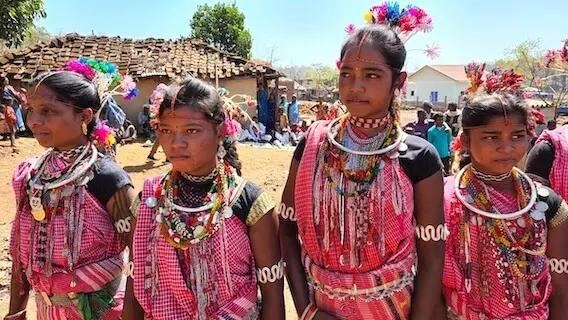
    • The traditional Bison Horn Maria dance was performed during a village festival at Judiya Para in Bastar, Chhattisgarh.

    Bison Horn Maria Dance

    • Performed by: Dandami Madia (Maria /Gaur Maria) tribes of Bastar, Chhattisgarh.
    • Both men and women perform the dance, during village festivals and major community occasions.
    • Costumes: Male dancers wear horn-shaped headgear made of bamboo, decorated with bison horns, feathers, shells and bright cloth strips.
    • Women wear brass chaplets and heavy necklaces.
    • Instruments: Log drums slung around the neck provide rhythmic beats.
    • Performance: Men mimic bison charging and hunting, while women dance alongside, often with sticks, in a synchronized, ritualistic way.
    • Ritual chants invoke deities such as Budhadev and Danteshwari Mai, reinforcing spiritual continuity.

    FDA Approves Two Oral Therapies to Treat Gonorrhea

    Syllabus: GS2/ Health

    Context

    • The U.S. The Food and Drug Administration recently approved two new oral medicines to treat gonorrhea.

    Gonorrhoea

    • Pathogen – It is a preventable and curable sexually transmitted infection caused by the bacterium Neisseria gonorrhoeae.
    • Concern – Antimicrobial resistance to gonorrhoea is a serious and growing problem
    • Transmission – Gonorrhoea can be passed from a pregnant mother to her baby.
    • Diagnosis: Molecular tests, Gram stain microscopy.

    Ponduru Khadi

    Syllabus: GS3/ Economy

    In News

    • Ponduru Khadi from Srikakulam district in Andhra Pradesh has received Geographical Indication (GI) tag recognition.

    Ponduru Khadi

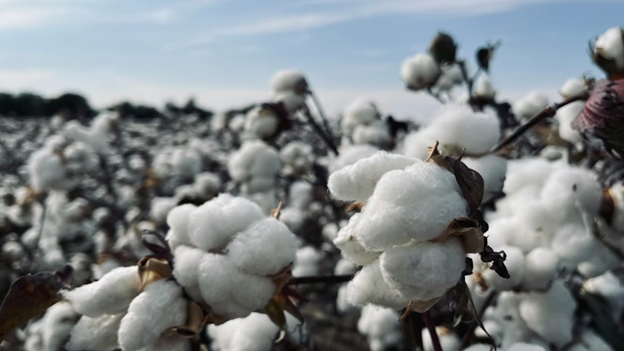
    • It is a handwoven fabric primarily produced from short-staple, hill-variety, pest-resistant cotton grown locally.
    • This cotton enables chemical-free farming practices, promoting sustainable agriculture and eco-friendly production methods traditional to the region.

    Connect with the basics – Geographical Indication or GI Tag

    • It is a name or a sign given to certain products related to a specific geographical location or origins like a region, town, or country.
    • A certification for unique products – GI Tag may be regarded as a certification for a particular product with certain specific qualities or has a specific reputation because of its geographical origin.
    • GI Tags can be issued for wine and spirit drinks, foodstuffs, agricultural products, handicrafts, and industrial products.
    • Trade-Related Aspects of Intellectual Property Rights (TRIPS) – At the International level, GI is governed by the World Trade Organisation’s (WTO’s) Agreement on Trade-Related Aspects of Intellectual Property Rights (TRIPS).
    • Geographical Indications of Goods (Registration and Protection) Act – In India, Geographical Indications registration is administered by the Geographical Indications of Goods (Registration and Protection) Act, 1999, which came into force in September 2003.
    • Darjeeling tea  – The first product in India to be accorded with the GI tag was Darjeeling tea in 2004-05.

    MahaCrimeOS AI

    Syllabus: GS2/Governance; GS3/AI

    Context

    • Microsoft Chairman Satya Nadella announced the statewide rollout of its AI-powered investigation platform for the Maharashtra Police “MahaCrimeOS AI”.

    MahaCrimeOS

    • Jointly developed by – Microsoft & Maharashtra Government and its specialised AI policing initiative, MARVEL (Maharashtra Research and Vigilance for Enhanced Law Enforcement).

    Key Features and Functionality

    • Instant Case Creation: The system enables instant digital case file creation, reducing manual effort.
    • Multimodal Data Extraction: It can ingest complaints in various formats, such as PDFs, audio files, handwritten notes, or images, and extract relevant data for analysis.
    • AI-Powered Investigation: Using AI-based Retrieval-Augmented Generation (RAG), it helps investigators link related cases and analyze digital evidence rapidly.
    • Legal Assistance: It provides contextual legal assistance and guidance based on India’s criminal laws, aiding officers in legal compliance and procedure.

    Lunarcrete

    Syllabus: GS3/Science & Technology

    Context

    • Researchers are developing Lunarcrete, concrete produced using lunar materials for sustainable long-term habitats on the Moon.

    Lunarcrete

    • Lunarcrete is an umbrella term for ‘concrete made on the moon’.
    • It is a proposed construction material made using lunar regolith (Moon soil) instead of Earth-based sand and gravel.
    • Purpose: It supports in-situ resource utilisation (ISRU) by enabling construction of habitats, landing pads, and roads on the Moon without transporting materials from Earth.
  • Operation Hinterland Brew | Yellow Line Defining New Gaza Border | Trump Threatens Tariffs on Indian Rice | Blue Corner Notice | Bharat 6G Alliance (B6GA)

    Operation Hinterland Brew

    Syllabus: GS2/ Health

    In News

    • The Directorate of Revenue Intelligence (DRI) successfully dismantled a clandestine Mephedrone manufacturing facility in Wardha, Maharashtra, during a strategic operation codenamed “Operation Hinterland Brew.”

    Mephedrone

    • Known as – 4-methylmethcathinone (4-MMC) or 4-methylephedrone.
    • It is classified as a New Psychoactive Substance (NPS)
    • Mephedrone is prohibited under the NDPS Act, 1985.

    National Drug Control Framework

    • Nasha Mukt Bharat Abhiyaan (August 15, 2020)
    • National Action Plan for Drug Demand Reduction (NAPDDR).

    Yellow Line Defining New Gaza Border

    Syllabus: GS2/ International Relations

    Context

    • The Israeli military has described the “Yellow Line”, a temporary withdrawal line agreed during Phase-1 of the 2025 U.S.-brokered ceasefire, as a “new border”.

    Yellow Line

    • The Yellow Line is a temporary military demarcation line inside the Gaza Strip.
    • Territory east of the line remains under direct Israeli operational control.
    • Territory Controlled by Israel:  More than half of Gaza (53–58%) remains under Israeli control. It includes most agricultural land and Rafah border crossing with Egypt.

    Trump Threatens Tariffs on Indian Rice

    Syllabus: GS3/Economy

    Context

    • The US President warned of new tariffs on agricultural imports, especially on rice imports from India as trade talks continue without major progress.

    India’s Rice Exports

    • China is the largest producer of rice in the world, followed by India, Bangladesh and Indonesia.
    • India is the world’s largest exporter of rice, accounting for 33 percent of the world’s total rice exports during 2023.
    • India exports rice to 179 other countries.

    Facts and Conditions

    • Staple Food: Rice is the primary staple food for a majority of the Indian population.
    • Production Leader: India is the world’s second-largest producer of rice after China and the largest exporter globally.
    • Climatic Conditions: It is a Kharif (monsoon) crop requiring a hot and humid climate.
    • Temperature: Requires high temperatures, generally above 25°C.
    • Rainfall: Needs high annual rainfall, typically above 100 cm (ideally 150-300 cm). It is grown with the help of irrigation in areas with less rainfall, such as Punjab and Haryana.
    • Soil: Thrives in fertile, clayey, or loamy soils that can retain water, common in river valleys, flood plains, deltas, and coastal plains.
    • Major Producing States: West Bengal, Uttar Pradesh, and Punjab are leading producer states, with Punjab, Tamil Nadu, and Haryana known for high yields.

    Blue Corner Notice

    Syllabus: GS2/IR/Governance

    In News

    • Interpol has issued a Blue Corner Notice to track owners of nightclubs in Goa, after a fire at the club killed 25 people.
    • The Goa Police had requested the Central Bureau of Investigation (CBI) to seek the notice from Interpol.

    INTERPOL Notices

    • Red Notice: To seek the location and arrest of persons wanted for prosecution or to serve a sentence.
    • Yellow Notice: To help locate missing persons, often minors, or to help identify persons who are unable to identify themselves.
    • Blue Notice: To collect additional information about a person’s identity, location or activities in relation to a criminal investigation.
    • Black Notice: To seek information on unidentified bodies.
    • Green Notice: To provide warning about a person’s criminal activities, where the person is considered to be a possible threat to public safety.
    • Orange Notice: To warn of an event, a person, an object or a process representing a serious and imminent threat to public safety.
    • Purple Notice: To seek or provide information on modus operandi, objects, devices and concealment methods used by criminals.
    • INTERPOL–United Nations Security Council Special Notice: Issued for entities and individuals who are the targets of UN Security Council Sanctions Committees.

    Bharat 6G Alliance (B6GA)

    Syllabus: GS3/ Science & Technology

    In News

    • The Union Minister of Communications, chaired the meeting of the apex council under the Bharat 6G Mission and reviewed the progress of the Bharat 6G Alliance (B6GA).

    Bharat 6G Alliance (B6GA)

    • It functions as the implementation arm of the Bharat 6G Vision, which India unveiled in March 2023 to position the nation as a global leader in 6G technology by 2030.​

    About 6G Technology

    • 6G represents the next frontier of wireless communication technology, succeeding 5G as the sixth generation of mobile networks.
    • 6G will deliver peak data rates of 1 terabit per second (1 Tbps), approximately 100 times faster than 5G, which offers 10 Gbps.
    • 6G will achieve ultra-low latency of 0.1 milliseconds (compared to 5G’s 1 millisecond).

    African Penguins

    Syllabus: GS3/Environment; Species In News

    Context

    • A new study finds that excessive sardine fishing off southern Africa led to the deaths of over 60,000 African penguins between 2004 and 2011, especially around Dassen and Robben Islands.

    African Penguins

    • Scientific name: Spheniscus demersus
    • Among the smallest penguin species, fast swimmers, living along the coasts of South Africa and Namibia.
    • Unlike Antarctic penguins, they live on sandy beaches and rocky shores, not ice.
    • Appearance – Have a bare pink patch above the eyes to regulate body temperature. Each penguin has a unique chest-spot pattern, like human fingerprints.
    • Reclassified from “Endangered” to “Critically Endangered” (IUCN, 2024).

    Do You Know?

    • There are 18 penguin species globally — with King, emperor and rockhopper among the most familiar.
  • 150 Years of Vande Mataram | Thailand-Cambodia Conflict | UPI Recognized as World’s Largest Real-Time Payment System by IMF | International Big Cat Alliance (IBCA) | C. Rajagopalachari | ‘Your Money, Your Right’ Movement

    150 Years of Vande Mataram

    Syllabus: GS1/ Modern History

    Context

    • India is celebrating the 150th anniversary of its national song, Vande Mataram.

    Historical Background

    • It was composed by Bankim Chandra Chatterjee in Sanskrit and first appeared in the novel Anandamath in 1882.
    • First sung by Rabindranath Tagore at the 1896 Indian National Congress session gave it national exposure.
    • The song celebrates the motherland as an embodiment of strength, prosperity, and divinity and provided a poetic voice to India’s awakening national consciousness.

    Rise of National Consciousness

    • During the Swadeshi Movement of 1905, Vande Mataram emerged as the anthem of civil resistance.
    • Vande Mataram, as a political slogan, was first used on 7 August 1905.
    • For many young revolutionaries facing execution, Vande Mataram became the last chant before martyrdom, turning the song into a symbol of sacrifice.
    • In 1907, Madam Bhikaji Cama raised the tricolour flag for the first-time outside India in Stuttgart, Berlin. The words Vande Mataram were written on the flag.
    • In October 1905, a Bande Mataram Sampradaya was founded in North Calcutta to promote the idea of the Motherland as a mission and a religious passion.
    • In 1906, an English daily titled Bande Mataram was launched under the editorship of Bipin Chandra Pal, with Aurobindo later joining as joint editor.

    National Song

    • After independence, the Constituent Assembly deliberated on the status of Vande Mataram.
    • On 24 January 1950, the first two stanzas were adopted as India’s National Song.

    Bankim Chandra Chattopadhyay

    • Bankim Chandra Chattopadhyay was one of the architects of modern Indian literature.
    • As a distinguished novelist, poet, and essayist, his contributions significantly influenced the development of modern Bengali prose and the articulation of an emerging Indian nationalism.
    • Other works: Durgeshanandini (1865), Kapalkundala (1866), and Devi Chaudhurani (1884).

    Thailand-Cambodia Conflict

    Syllabus: GS2/IR

    In News

    • Recently, Thailand launched airstrikes on Cambodian military targets.

    Background

    • The conflict centers on a long-standing territorial dispute dating back to colonial-era border demarcations made by France in 1907.
    • At the heart of the dispute is the Preah Vihear temple, a culturally significant 11th–12th century Khmer shrine claimed by both countries.
    • Though the International Court of Justice affirmed Cambodian sovereignty in 1962 and again in 2013, Thailand has rejected the rulings, and the area remains heavily militarized.

    UPI Recognized as World’s Largest Real-Time Payment System by IMF

    Syllabus: GS3/Economy

    In News

    • The International Monetary Fund (IMF) report on ‘Growing Retail Digital Payments (The Value of Interoperability)’ dated June 2025 had recognized Unified Payments Interface (UPI) as the world’s largest retail fast-payment system (FPS) by transaction volume.

    Unified Payments Interface (UPI)

    • Launched by – UPI was designed and launched by the National Payments Corporation of India (NPCI) in 2016.
    • Objective – It is a system that powers multiple bank accounts into a single mobile application (of any participating bank), merging several banking features, seamless fund routing & merchant payments into one hood.
    • Countries with operational or planned interoperability include: Singapore (PayNow), UAE, France, Nepal, Bhutan, Mauritius, Sri Lanka, Indonesia, and others.

    Additional Information – National Payments Corporation of India (NPCI)

    • Established in – It serves as an umbrella body for the operation of retail payments in India.
    • Established by – Reserve Bank of India along with the Indian Bank’s Association.
    • Established under – It was set up under the provisions of the Payment and Settlement Systems Act, 2007.

    Products of NPCI

    1. RuPay
    2. National Common Mobility Card
    3. Bharat Interface for Money (BHIM)
    4. Unified Payments Interface (UPI)
    5. Bharat Bill Payment System

    International Big Cat Alliance (IBCA)

    Syllabus: GS3/ Environment

    In News

    • The Union Minister for Environment, Forest and Climate Change addressed a high-level meeting of the Collaborative Initiative for Big Cat Conservation under the International Big Cat Alliance (IBCA) in New Delhi.

    International Big Cat Alliance (IBCA)

    • Headquarters India,
    • Objective – It is a multi-country, multi-agency coalition of 95 big cat range countries with an interest in big cat conservation.
    • Genesis: IBCA was launched by the Prime Minister of India in 2023 during the event ‘Commemorating 50 years of Project Tiger’.
    • Aim: Conserving seven big cats – Tiger, Lion, Leopard, Snow Leopard, Cheetah, Jaguar, and Puma.
    • Members: Nicaragua, Eswatini, India, Somalia and Liberia have signed the Framework Agreement to formally become members of the IBCA.

    C. Rajagopalachari

    Syllabus: GS1/History

    In News

    • Prime Minister Narendra Modi paid tribute to C. Rajagopalachari popularly known as Rajaji on his birth anniversary (10th December).
    1. Rajagopalachari

    Early Life and Education:

    • He was a close associate of Mahatma Gandhi.
    • Completed Bachelor of Law (1899) and began practicing law in Salem.
    • Early political consciousness was shaped by Curzon’s Partition of Bengal (1905) and Tilak’s call for Swaraj.

    Contributions to Freedom’s Struggle:

    • He left his legal career in 1919 and went on to play a leading role in several major movements, including the protests against the Rowlatt Act, the Non-Cooperation Movement, the Vaikom Satyagraha, and the Civil Disobedience Movement.
    • Led the Vedaranyam Salt Satyagraha (1930) in the Madras region, parallel to Gandhi’s Dandi March.
    • After Quit India Movement, published “The Way Out”, proposing the C. R. Formula to resolve the constitutional deadlock with the Muslim League over Pakistan.

    Post-Independence Contributions:

    • Appointed Governor of West Bengal and later became the first Indian Governor-General of India (1947–1950) after independence.
    • Worked to protect India’s secular fabric and integrate Muslims into the national mainstream.
    • Served as Union Home Minister after Sardar Patel’s death; contributed to national integration & early planning processes, including the First Five-Year Plan.
    • Legacy: He was awarded the Bharat Ratna in 1954 for his contributions to politics, literature and public service.

    ‘Your Money, Your Right’ Movement

    Syllabus: GS2/Governance/GS3/Economy

    In News

    • Prime Minister Narendra Modi urged citizens to participate in the ‘Your Money, Your Right’ movement.

    ‘Your Money, Your Right’ movement

    • It is an initiative, launched in October 2025
    • It was designed to ensure citizens can reclaim their rightful assets.
    • It aimed at helping people recover unclaimed deposits, insurance proceeds, dividends and other financial assets.
    • Significance – It offers individuals a chance to convert forgotten financial assets into usable funds.

    Do you know?

    ●    Indian banks currently hold about ₹78,000 crore in unclaimed deposits.

    ●    Insurance companies have nearly ₹14,000 crore lying unclaimed, mutual fund companies around ₹3,000 crore, and unclaimed dividends amount to roughly ₹9,000 crore.

    Various Steps

    • Dedicated online portals have been created to enable easy tracking and claiming of funds:
    • RBI UDGAM Portal for unclaimed bank deposits
    • IRDAI Bima Bharosa Portal for unclaimed insurance proceeds
    • SEBI MITRA Portal for unclaimed mutual fund amounts; and
    • IEPFA Portal for unpaid dividends and unclaimed shares.
    • Facilitation camps have been held in 477 districts across the country, with a focus on rural and remote areas.
  • Technology Development Fund Scheme | Export Promotion Mission (EPM)

    Technology Development Fund Scheme

    Syllabus: GS2/Governance; GS3/Science and Tech

    In News

    • Defence Research and Development Organisation (DRDO) has handed over seven technologies developed under the Technology Development Fund (TDF) scheme to the three Services.

    Technology Development Fund (TDF) scheme

    • It is a flagship programme of the Ministry of Defence executed by DRDO under ‘Make in India’ initiative.
    • Objective – It provides grants-in-aid to Indian industries, especially MSMEs and startups, to innovate, research, design, and develop indigenous defence and dual-use technologies.

    Export Promotion Mission (EPM)

    Syllabus: GS3/Economy

    Context

    • The Government has approved the Export Promotion Mission (EPM) with ₹25,060 crore to boost exports, especially for MSMEs and labour-intensive sectors.

    Export Promotion Mission

    • Launched in – Union Budget for 2025-26, the Finance Minister announced an Export Promotion Mission.
    • Objective – It would facilitate easy access to export credit, cross-border factoring support, and support to MSMEs to tackle non-tariff measures in overseas markets.
    • Duration – 2025-26 to FY 2030-31.

    Two Integrated Sub-Schemes: Niryat Protsahan & Niryat Disha.

    Financial Support (Niryat Protsahan)

    • Credit Guarantee Scheme for Exporters (CGSE): Provides 100% coverage by the National Credit Guarantee Trustee Company Ltd (NCGTC).
    • Additional credit facilities up to ₹20,000 crore to eligible exporters (including MSMEs).
    • Enables collateral-free credit, improving liquidity and competitiveness.

    Non-Financial Support (Niryat Disha)

    • Addressing Non-Tariff Barriers (NTBs): Funding for compliance, certifications, and technical standards.
    • Market Acquisition & Branding: Assistance for international exhibitions, packaging, and branding.
    • Logistics Cost Reduction: Support for supply chain efficiency and trade facilitation.
  • Directorate General of Civil Aviation (DGCA) | Exercise Harimau Shakti

    Directorate General of Civil Aviation (DGCA)

    Syllabus: GS2/ Statutory Bodies

    In News

    • A large-scale cancellation of flights by a major Indian airline recently led the Directorate General of Civil Aviation (DGCA) to grant a one-time exemption from the newly implemented Flight Duty Time Limitations (FDTL) rules.

    Directorate General of Civil Aviation (DGCA)

    • Establishment: Created in 1927 as a government organisation.
    • Legal status – It is a statutory body which is responsible for the implementation of the Aircraft Act.
    • Administrative Control: Functions under the Ministry of Civil Aviation (MoCA).
    • Aim: To promote safe, efficient, and reliable air transport through ICAO (International Civil Aviation Organization) norms.

    Exercise Harimau Shakti

    Syllabus: GS3/ Defence

    In News

    • India and Malaysia have commenced the 5th edition of Exercise Harimau Shakti 2025 at the Mahajan Field Firing Range, Rajasthan.

    Exercise Harimau Shakti

    • It is a bilateral military exercise between the Indian Army and the Malaysian Army.
    • The exercise aimed at training both forces in jungle warfare, counter-insurgency operations, semi-urban combat & enabling smoother cooperation in future missions.
  • 23rd India-Russia Annual Summit | 70th Mahaparinirvan Diwas | India’s Groundwater Contamination Crisis

    23rd India-Russia Annual Summit

    Syllabus: GS2/IR

    Context

    • India and Russia held their 23rd annual bilateral summit, marking a major milestone — 25 years of the Declaration on Strategic Partnership (2000).

    Key Outcomes of the Visit

    • Economic Programme 2030: The Leaders welcomed the adoption of the Programme for the Development of Strategic Areas of India – Russia Economic Cooperation till 2030 (Programme 2030).
    • Trade Target: timely achievement of the revised bilateral trade target of USD 100 billion by 2030.
    • Strategic Agreements Signed: India and Russia exchanged sixteen agreements in areas related to defence, trade, economy, healthcare, academics, culture and media.
    • Free Trade Agreement (FTA) Push: Both sides are working towards the early conclusion of a Free Trade Agreement with the Eurasian Economic Union.
    • Migration Cooperation: India will soon be launching a free 30-day e-tourist visa and a 30-day Group Tourist Visa for Russian citizens.
    • Cooperation in Global and Multilateral Platforms: The Russian side has decided to join the International Big Cat Alliance.

    70th Mahaparinirvan Diwas

    Syllabus: GS1/History

    In News

    • President Droupadi Murmu and Prime Minister Narendra Modi paid floral tributes to Dr. B.R. Ambedkar on Mahaparinirvan Diwas at the Parliament complex in New Delhi.

    Mahaparinirvan Diwas

    • Meaning – Parinirvana, regarded as one of the major principles as well as goals of Buddhism, is a Sanskrit term which means release or freedom after death.
    • As per the Buddhist text ‘Mahaparinibbana Sutta’, the death of Lord Buddha at the age of 80 is considered as the original Mahaparinirvan.
    • Observed on – 6th December is observed to commemorate the unfathomable contribution to society given by Dr. Bhimrao Ambedkar and his achievements.
    • Owing to Dr. B.R.Ambedkar’s status as a Buddhist leader, his death anniversary is referred to as Mahaparinirvan Diwas.

    Dr. Bhimrao Ambedkar

    • Babasaheb Dr. Bhimrao Ambedkar was a social reformer, jurist, economist, author, polyglot (knowing or using several languages), orator, a scholar and thinker of comparative religions.
    • Birth – He was born in 1891 in Mhow, Central Province (now Madhya Pradesh).

    Brief Profile

    • He is known as the Father of the Indian Constitution and was India’s first Law Minister.
    • He was the Chairman of the Drafting Committee of the Constitution.
    • He was a well-known statesman who fought for the rights of the Dalits and other socially backward classes.

    Contributions

    • He led the Mahad Satyagraha in March 1927 against Hindus who were opposing the decision of the Municipal Board which had barred the untouchables from using water from the mahad tank.
    • In 1926, the Municipal Board of Mahad (Maharashtra) passed an order to open the tank to all communities.
    • He participated in all three Round Table Conferences.
    • In 1932, Dr. Ambedkar signed the Poona pact with Mahatma Gandhiji, which abandoned the idea of separate electorates for the depressed classes (Communal Award).
    • However, the seats reserved for the depressed classes were increased from 71 to 147 in provincial legislatures and to 18% of the total in the Central Legislature.
    • His ideas before the Hilton Young Commission served as the foundation of the Reserve Bank of India (RBI).

    Election and Designation

    • In 1937, he was elected to the Bombay Legislative Assembly as a legislator (MLA).
    • He was appointed to the Executive Council of Viceroy as a Labour member in 1942.
    • In 1947, Dr. Ambedkar accepted PM Nehru’s invitation to become Minister of Law in the first Cabinet of independent India.

    Shift to Buddhism

    • He resigned from the cabinet in 1951, over differences on the Hindu Code Bill. He converted to Buddhism in 1956.
    • He was awarded India’s highest civilian honour the Bharat Ratna in 1990.

    Important Works

    Journals

    • Mooknayak (1920), Bahishkrit Bharat (1927), Samatha (1929), Janata (1930).

    Books

    • Annihilation of Caste, Buddha or Karl Marx, The Untouchable: Who are They and Why They Have Become Untouchables
    • Buddha and His Dhamma
    • The Rise and Fall of Hindu Women

    Organizations

    • Bahishkrit Hitkarini Sabha (1923)
    • Independent Labor Party (1936)
    • Scheduled Castes Federation (1942)

    Death

    • He died on 6th December 1956.
    • Chaitya Bhoomi is a memorial to B R Ambedkar, located in Mumbai.

    Relevance of Ambedkar in Present Times

    • Caste-based inequality in India still persists. While Dalits have acquired a political identity through reservation and forming their own political parties, they lag behind in social (health and education) and economic dimension.

    India’s Groundwater Contamination Crisis

    Syllabus: GS3/ Environment

    Context

    • The Central Ground Water Board (CGWB) highlights a disturbing rise in toxic contaminants across India’s aquifers.

    India’s Groundwater Contamination Crisis

    • India holds 18% of the world’s population but only 4% of its freshwater resources, placing enormous pressure on available water systems.
    • India depends on groundwater for about 85% of its rural drinking water needs and around 60% of irrigation water.

    Crisis of Groundwater Contamination

    • India’s aquifers show simultaneous contamination with, Arsenic, Fluoride, Nitrate, Uranium, Salinity and Heavy metals.

    Government Initiatives

    • Jal Shakti Abhiyan (2019): Focuses on water conservation and groundwater recharge in water-stressed districts.
    • Amrit Sarovar Mission: Aims to develop and rejuvenate 75 water bodies per district.
    • National Aquifer Mapping Program (NAQUIM): Helps delineate and understand aquifers for sustainable management.
    • Atal Bhujal Yojana – It was launched to improve groundwater management in priority areas with critical and overexploited blocks.
  • PM JI-VAN | Antarctic Ozone Hole Closes Early in 2025 | BNHS to Reintroduce Two Vulture Species in Assam | Leprosy | Inhalable Microplastics (iMPs) | Invasive Alien Plants in India

    PM JI-VAN

    Syllabus: GS2/Govt Policy & Intervention; GS3/Environment

    Context

    • Recently, the Union Government has expanded the timeline of the Pradhan Mantri JI-VAN Yojana, reaffirming its commitment to sustainable development and energy security.

    PM JI-VAN

    • It was launched in 2019
    • Implementation- Ministry of Petroleum and Natural Gas (MoP&NG).
    • Objective: To promote 2G ethanol projects, use agricultural waste (biomass), meet Ethanol Blending (EBP) targets, increase farmers’ income and help in environmental goals (such as net-zero emissions).
    • Methodology: The scheme encourages ethanol production from molasses and non-edible biomass (such as crop residues) instead of the petrochemical route.

    Importance

    • Energy security: reducing dependence on fossil fuel imports.
    • Rural Economy: Providing farmers with new markets for their crop residues, increasing their income.
    • Environment: Reducing greenhouse gas emissions, tackling pollution, contributing to the net-zero emissions target.
    • Investment: Attracting private investment in the 2G ethanol sector.
    • Example: India’s first 2G ethanol project (at Panipat by IOCL) was set up under this scheme and dedicated to the nation by the Prime Minister in 2022.

    Additional Information – Biofuels

    • Definition – Biofuels are alternative fuels made from plant and plant-derived resources.
    • Example: Bioethanol, Biodiesel, Green diesel, Biogas etc.

    National Policy on Biofuels, 2018

    • The National Policy on Biofuels 2018 (amended in 2022) provides a framework for increasing the use of biofuels in India to enhance energy security.

    Government Efforts for Biofuel Expansion

    • Pradhan Mantri JI-VAN Yojana (Jaiv Indhan – Vatavaran Anukool fasal awashesh Nivaran Yojana): It promotes 2G ethanol production from agricultural waste and residues.
    • GOBAR-Dhan Scheme (Galvanizing Organic Bio-Agro Resources Dhan): It promotes biogas and bio-CNG production from cattle dung and organic waste.
    • SATAT Scheme (Sustainable Alternative Towards Affordable Transportation): It promotes Compressed Bio-Gas (CBG) production as a fuel alternative.

    Antarctic Ozone Hole Closes Early in 2025

    Syllabus: GS3/Environment

    In News

    • The Antarctic ozone hole that formed in August 2025 closed earlier than usual, offering hope for recovery amid record global warming.

    OZONE LAYER DEPLETION

    Basics – Ozone Layer (O3)

    • It is a highly reactive molecule containing three oxygen atoms.
    • Found in – It is present between 10 and 50 km above the earth’s surface, called the stratosphere.
    • Function – This ozone layer serves as a natural filter for blocking deadly incoming UV radiation from the sun.
    • Significance – This ozone shield is necessary for the survival of human life on the earth.

    OZONE LAYER DEPLETION

    • Definition – The decrease in ozone concentration in the middle layers of the atmosphere – mainly in the stratosphere is referred to as the depletion of the ozone layer.
    • Caused by – It is caused by emissions of anthropogenic halogenated hydrocarbons such as CFCs, HCFCs, Halons, Carbon tetrachloride and Methyl bromide.

    Why is ozone depletion more in Antarctica than the equator?

    • The severe depletion of the Antarctic ozone layer known as the “ozone hole” occurs because of the special weather conditions that exist there and nowhere else on the globe.
      • The very low temperatures of the Antarctic stratosphere create ice clouds called polar stratospheric clouds (PSCs).

    Measures to Prevent Ozone Layer Depletion

    Vienna Convention

    • Objective – To protect human health and the environment from any harmful effects of the depletion of the ozone layer.
    • Held in – Vienna , Austria
    • Adopted in – 1985.
    • Came into force – 1988.

    Montreal Protocol

    • Enforcement – It was agreed upon in 1987 in Montreal, Canada and entered into force in 1989.
    • Objective – To protect the Ozone layer by reducing the production of substances that are supposed to be responsible for Ozone layer depletion.
    • Kigali Agreement – The protocol was further strengthened with the ratification of the legally binding Kigali Agreement in 2016 in Kigali, Rwanda.
    • Significance – It seeks to phase out the production of hydrofluorocarbons (HFCs) that are potent greenhouse gases by the late 2040s.

    BNHS to Reintroduce Two Vulture Species in Assam

    Syllabus: GS3/ Environment

    Context

    • The Bombay Natural History Society (BNHS), is set to reintroduce two critically endangered vulture species, Slender-billed Vultures (Gyps tenuirostris) and White-rumped Vultures (Gyps bengalensis), in Assam.

    Vulture

    • Vultures are one of the 22 species of large carrion-eating birds that live mostly in the tropics and subtropics.

    India is home to nine species of Vulture namely

    1. Oriental white-backed,
    2. Long-billed,
    3. Slender-billed
    4. Himalayan,
    5. Red-headed,
    6. Egyptian,
    7. Bearded,
    8. Cinereous
    9. Eurasian Griffon.

    Threats

    • Use of Diclofenac: A veterinary nonsteroidal anti-inflammatory drug (NSAID) found in the carcass of cattle the vultures feed on. The veterinary use of diclofenac was banned in 2008.
    • Pesticides: The presence of organochlorine pesticide, polychlorinated biphenyls, polycyclic aromatic hydrocarbons and heavy metals were also the major cause of mortality.
    • Other threats include lack of nesting trees, electrocution by power lines, and food dearth and contaminated food.

    Conservation Efforts

    • The National Board for Wildlife (NBWL) has approved an Action Plan for Vulture Conservation 2020-2025. It includes:
    • Vulture Conservation Centre: Uttar Pradesh, Tripura, Maharashtra, Karnataka and Tamil Nadu will get a vulture conservation and breeding centre.
    • India has lost 99 percent of the population of the three species, Oriental White-Backed Vulture, Long-billed Vulture and Slender-billed Vulture.

    Conservation Status

    • Schedule-1 of the Wildlife Protection Act 1972: Bearded, Long-billed, Slender-billed, Oriental white-backed.
    • Rest are protected under ‘Schedule IV’.

    IUCN Red List;

    • Critically Endangered: Oriental White-backed Vulture, Long-billed Vulture, Slender-billed Vulture and Red-headed Vulture.
    • Endangered: Egyptian Vulture.
    • Least Concerned: Eurasian Griffon.
    • Near Threatened: Himalayan, Bearded and Cinereous.

    Additional Information – Bombay Natural History Society (BNHS)

    • It is one of the largest and oldest non-governmental organizations in India
    • Founded on September 15, 1883, in Mumbai,
    • Objective – to conserve nature through action based on research, education, and public awareness.

    Leprosy

    Syllabus: GS2/Health

    Context

    • The Supreme Court has directed the NHRC to address discrimination against persons affected by leprosy.

    Leprosy in India

    • India continues to report about 57 % of leprosy cases worldwide,
    • States with highest prevalence of leprosy – Bihar, Chhattisgarh, Jharkhand, Maharashtra, and Odisha.

    Elimination efforts –

    • National Strategic Plan (NSP) and Roadmap for Leprosy (2023-27) – Launched in 2023, to achieve zero transmission of leprosy by 2027.
    • The Sustainable Development Goal (SDG) 3.3 aims to end leprosy by 2030.
    • The World Health Organization (WHO) declared Jordan as the first country in the world to eliminate leprosy in 2024.

    Leprosy

    • Leprosy is also known as Hansen’s disease.
    • Pathogen – It is a chronic infectious disease caused by a type of bacteria, Mycobacterium leprae.
    • It is known to occur at all ages ranging from early childhood to old age.
    • Symptoms: The disease predominantly affects the skin and peripheral nerves.
    1. Loss of sensation in affected areas.
    2. Left untreated, the disease may cause progressive and permanent disabilities.
    • Transmission: Through droplets from the nose and mouth.
    • Treatment: Leprosy is a curable disease through the multi-drug therapy (MDT).

    Inhalable Microplastics (iMPs)

    Syllabus: GS2/ Health

    In News

    • Recent study has revealed the presence of inhalable microplastics (iMPs) in the air of major Indian markets, marking them as a new class of pollutants comparable to PM2.5 and PM10.

    Inhalable microplastics (iMPs)

    • They are plastic particles less than 10 micrometres (microns) in size and can enter human lungs through the nose.
    • It found the highest concentrations in Kolkata and Delhi, with iMPs contributing up to 5% of urban particulate matter, largely from synthetic clothing, packaging, tyre wear, and footwear.
    • Inhalable microplastics (iMPs) can penetrate deep into the lungs, enter the bloodstream, and act as carriers for toxic chemicals like diethyl phthalate and heavy metals such as lead.
    • It poses risks of cancer, respiratory, hormonal, and neurological disorders.

    Invasive Alien Plants in India

    Syllabus: GS3/Environment

    In News

    • Invasive alien plants are rapidly transforming India’s ecosystems, nearly doubling their range in sensitive regions like the Western Ghats, Himalayas, and the north-east, driven by climate change, land-use shifts, and biodiversity loss.

    Invasive Alien Plants

    • Definition – Invasive species refer to non native species that, when introduced to a new environment, can cause harm to the ecosystem, economy, or human health.
    • These species often outcompete or negatively interact with native species, disrupt natural processes, and can lead to significant ecological imbalances.
    • They can be plants, animals, fungi, or even microbes.

    Characteristics of Invasive Species

    • Rapid reproduction and growth
    • High dispersal ability
    • Broad dietary range
    • Physiological adaptability to new conditions
    • Tolerance to a wide range of environmental factors
    • Capacity to alter growth forms based on surroundings

    Common Invasive Species Found in India

    • Viper grass
    • Lantana camara
    • Prosopis juliflora
    • Water hyacinth
    • African catfish
    • Cotton Mealy Bug
    • Primrose Willow

    Measures taken at the International Level

    • United Nations Convention on Biological Diversity (CBD – 1992): The Convention emphasizes the need to prevent the introduction of, control, or eradicate invasive alien species that threaten ecosystems, habitats, or species.
    • Kunming-Montreal Global Biodiversity Framework (KMGBF – 2022): It has been agreed under the UN CBD and aims to reduce the rate of introduction and establishment of invasive alien species by at least 50% by 2030.
    • Global Invasive Species Programme (GISP): It supports research, capacity building, and management strategies to address invasive species issues worldwide.

    Measures taken at the National Level

    • National Action Plan on Invasive Alien Species (NAPINVAS): It focuses on the prevention, early detection, control, and management of invasive species.
    • National Invasive Species Information Center (NISIC) – It  provides information and resources on invasive species in India.
    • The Himalayan Environmental Foundation is working to control invasive species like Lantana camara in the Himalayas.

    World Soil Day

    Syllabus: GS3/ Environment

    Context

    • World Soil Day is observed annually on December 5 to raise awareness about the importance of healthy soil and to advocate for sustainable management.

    World Soil Day

    • Observed on – December 5
    • Observed by – International Union of Soil Sciences (IUSS).
    • 2025 theme – “Healthy Soils for Healthy Cities”.

    Initiatives for Soil Conservation

    • Soil Health Card Scheme: It provides farmers with soil nutrient status reports to encourage balanced fertilizer use and improve productivity.
    • Promotion of Organic Farming: Initiatives like Paramparagat Krishi Vikas Yojana (PKVY) encourage organic farming practices to maintain soil health.

    Global Initiatives

    • Global Soil Partnership (GSP): It is an FAO-led initiative to improve global soil governance and promote sustainable soil management.
    • United Nations Convention to Combat Desertification (UNCCD): It works to prevent land degradation and promote sustainable land management
    • It has a pledge for land degradation neutrality (LDN) by 2030.

    Kuno National Park (KNP)

    Syllabus: GS3/Environment

    Context

    • On International Cheetah Day (December 4), the Madhya Pradesh Chief Minister released three cheetahs into the wild at Kuno National Park.

    Kuno

    • Located in – Sheopur district, Madhya Pradesh.
    • It is named after the Kuno River, a perennial tributary of the Chambal that flows through the park.
    • Notified as – Kuno Wildlife Sanctuary in 1981
    • Forest type – Northern Tropical Dry Deciduous

    Do you know?

    • Twelve years after the Supreme Court’s 2013 order to shift some Asiatic lions from Gujarat to Madhya Pradesh’s Kuno as a second home, the translocation still hasn’t materialised.

    About

    • India declared the cheetah extinct in 1952, after decades of over-hunting, habitat fragmentation, and depletion of prey species.
    • The launch of Project Cheetah in 2022 and the arrival of cheetahs from Namibia and South Africa created the world’s first intercontinental relocation programme for a large carnivore.
    • Botswana – It’s a landlocked country with nearly 70% of its landmass covered by the Kalahari Desert, and holds one of the world’s largest wild cheetah populations.

    Project Cheetah

    • Overview: Project Cheetah is India’s ambitious attempt to reintroduce the cheetah in suitable open forest and grassland ecosystems.
    • Launched By: National Tiger Conservation Authority (NTCA), a statutory body under the Wildlife (Protection) Act, 1972 (amended 2006).
    • Uniqueness – It is the world’s first intercontinental translocation of a large wild carnivore.

    Translocations So Far:

    • 8 cheetahs from Namibia in 2022
    • 12 cheetahs from South Africa in 2023
    • 8 cheetahs from Botswana (2025 announcement)

    Cheetah(Acinonyx jubatus)

    • It is the world’s fastest mammal and the only large carnivore to have gone extinct in India (1952).
    • Unlike other big cats, cheetahs do not roar.
    • There are two main species: the African cheetah (Vulnerable) and the Asiatic cheetah (Critically Endangered), found only in eastern Iran and parts of Africa.​
  • Supreme Court on Rohingya Deportation Case | Insolvency and Bankruptcy Code (IBC) | Carbon Capture, Utilization, and Storage (CCUS) | WHO Backs Use of GLP-1 Drugs For Weight Loss | Samagra Shiksha Scheme | Malaria Parasites

    Supreme Court on Rohingya Deportation Case

    Syllabus: GS2/Governance/IR

    In News

    • The Supreme Court heard a habeas corpus petition by activists alleging disappearance of several Rohingya persons who were in Delhi Police custody since May.

    Rohingya Crisis

    • Rohingya – They are an ethnic group largely comprising Muslims who predominantly live in the Western Myanmar province of Rakhin
    • In Myanmar, they are classified as illegal migrants and foreigners residents.

    Convention Relating to the Status of Refugees

    • It is also known as the 1951 Refugee Convention.
    • It is a United Nations multilateral treaty which asserts that a refugee should not be returned to a country where they face serious threats to their life or freedom.
    • India’s membership – India is not a signatory to this Convention.

    International Covenant on Civil and Political Rights (ICCPR) 

    • Adopted in – It is a multilateral treaty adopted by the United Nations in 1966.
    • The covenant commits its parties to respect the civil and political rights of individuals including the right to life, freedom of religion, freedom of speech, freedom of assembly, electoral rights and rights to due process and a fair trial.

    India’s Stand on Rohingyas

    • Operation Insaniyat: In 2017, India launched “Operation Insaniyat” to provide relief assistance for the refugee camps in Bangladesh.

    Insolvency and Bankruptcy Code (IBC)

    Syllabus: GS3/Economy

    Context

    • Recently, the Parliamentary Standing Committee on Finance warned that systemic inefficiencies and structural delays are undermining India’s Insolvency and Bankruptcy Code (IBC) effectiveness.

    Insolvency and Bankruptcy Code 2016

    • It provides a time-bound process for resolving insolvency in companies and among individuals.
    • Insolvency definition – It is a situation where individuals or companies are unable to repay their outstanding debt.
    • Bankruptcy definition – It is a situation whereby a court of competent jurisdiction has declared a person or other entity insolvent, having passed appropriate orders to resolve it and protect the rights of the creditors. It is a legal declaration of one’s inability to pay off debts.
    • Significance – It aims to remove bottlenecks, streamline the corporate insolvency resolution process and protect the last mile funding in order to boost investment in financially distressed sectors.

    Adjudicating authority

    • National Company Law Tribunal (NCLT) for companies and LLPs.
    • Debt Recovery Tribunal (DRT) for individuals and partnership firms.

    National Company Law Tribunal (NCLT)

    • Established under – It is a quasi-judicial body constituted under section 408 of the Companies Act, 2013 in 2016.
    • Recommendation – The tribunal was established based on the recommendation of the Balakrishna Eradi committee on the law relating to insolvency and the winding up of companies.
    • Objective – The tribunal deals with matters mainly related to companies Act and insolvency law.

    Carbon Capture, Utilization, and Storage (CCUS)

    Syllabus: GS3/Environment

    Context

    • The first of its kind R&D Roadmap to Enable India’s Net Zero Targets through Carbon Capture, Utilization and Storage (CCUS) was launched.

    Do you know?

    • India is the 3rd largest emitter of CO2 in the world after China and the US, with estimated annual emissions of about6 gigatonne per annum (gtpa).
    • The Government of India has committed to reducing CO2 emissions by 50% by 2050 and reaching net zero by 2070.

    Carbon Capture, Utilization, and Storage (CCUS):

    • Capturing CO₂ from industrial plants/power plants or emission sources; then either using the CO₂ (utilization) or storing it permanently (storage, e.g. geological storage).
    • Utilization Pathways Envisaged: Converting CO₂ into value-added products — such as green urea (fertilizer), building materials (concrete, aggregates), chemicals (methanol, ethanol), polymers/bioplastics, aggregates for construction, etc.

    WHO Backs Use of GLP-1 Drugs For Weight Loss

    Syllabus: GS2/Health

    In News

    • The World Health Organization (WHO) has released its first guideline on the use of Glucagon-Like Peptide-1 (GLP-1) therapies for treating obesity.

    GLP-1 therapies

    • GLP-1 therapies (glucagon-like peptide-1 receptor agonists) are a class of medications that mimic the natural GLP-1 hormone, which helps regulate blood sugar and appetite.

    Obesity

    • It is a chronic complex disease defined by excessive fat deposits.
    • It can lead to increased risk of type 2 diabetes and heart disease, it can affect bone health and reproduction.
    • It increases the risk of certain cancers and influences the quality of living, such as sleeping or moving.
    • As per NFHS-5, 24% of Indian women and 23% of Indian men are obese.

    Samagra Shiksha Scheme

    Syllabus: GS2/Welfare Schemes

    In News

    • Union Education Minister Dharmendra Pradhan reiterated that States must meet the Samagra Shiksha scheme’s conditions to receive Central funds.

    Samagra Shiksha Scheme

    • Launched in – 2018-19
    • Financing – Centrally Sponsored Scheme
    • Objective – to provide equitable, inclusive, and quality education from pre-school to class 12.
    • Features – It supports States and UTs through interventions such as composite school grants, libraries, sports, free uniforms and textbooks, ICT initiatives, remedial teaching, and leadership development.
    • Significance – The scheme is aligned with NEP 2020

    Malaria Parasites

    Syllabus: GS2/ Health

    Context

    • A recent Nature Physics study reveals that malaria sporozoites, the infectious forms injected by mosquitoes, move through human skin using right-handed helical (corkscrew) paths.

    Malaria

    • Responsible pathogen – Malaria is an acute febrile illness caused by Plasmodium parasites.
    • Vector – It spreads from people to people through the bites of infected female Anopheles mosquitoes. It is preventable and curable.
    • Transmission – Malaria is not contagious and cannot spread from one person to another; the disease is transmitted through the bites of female Anopheles mosquitoes.
    • Five species of parasites can cause malaria in humans and 2 of these species Plasmodium falciparum and Plasmodium vivax – pose the greatest threat.

    Symptoms

    • Infants, children under 5 years, pregnant women, travelers and people with HIV or AIDS are at higher risk. Severe symptoms include:
      • extreme tiredness and fatigue
      • impaired consciousness
      • multiple convulsions
      • difficulty breathing
      • dark or bloody urine
      • jaundice (yellowing of the eyes and skin)
      • abnormal bleeding.

    Initiatives to Control Malaria by WHO

    • WHO’s Global technical strategy for malaria 2016–2030 – It aims to reduce malaria case incidence and mortality rates by at least 40% by 2020, at least 75% by 2025 and at least 90% by 2030 against a 2015 baseline.
    • ‘E-2025 Initiative’: The WHO has identified 25 countries with the potential to eradicate malaria by 2025 under the initiative.
    • High Burden to High Impact (HBHI) initiative: WHO has initiated the initiative in 11 high malaria burden countries, including India.

    Indian Government Initiatives to Control Malaria

    • National target – The Government of India set a target to eliminate malaria in India by 2027.
    • National Framework for Malaria Elimination (NFME) – It has been developed and launched in 2016 aligned with the Global Technical Strategy (GTS) for malaria elimination 2016-2030.
    • Malaria Elimination Research Alliance-India (MERA-India): It was established by the Indian Council of Medical Research (ICMR) as a conglomeration of partners working on malaria control.

    PM Internship Scheme

    Syllabus: GS2/Schemes

    Context

    • The PM Internship Scheme’s pilot project has exceeded its target of providing 1.25 lakh internship opportunities in a year.

    Prime Minister’s Internship Scheme

    • Objective: To provide internship opportunities to youth in leading companies, bridging the gap between academic knowledge and practical skills.
    • Ministry: Ministry of Corporate Affairs
    • Duration: The internship lasts for 12 months.
    • Stipend: Interns will receive a monthly stipend of ₹5,000 for the entire year.
    • Eligibility Criteria: Must be an Indian citizen.
      • Must be aged between 21-24 years.
      • Should not be employed full-time or engaged in full-time education.

    Numaligarh Refinery Limited (NRL) Gets Navratna status

    Syllabus: GS3/Economy

    Context

    • Numaligarh Refinery Ltd (NRL) has been accorded ‘Navratna’ status.
    • It becomes the 27th Central Public Sector Enterprise (CPSE) to be accorded the status.

    Numaligarh Refinery Limited (NRL)

    • Location-It is a petroleum refinery situated at Numaligarh in Golaghat district of Assam.
    • India’s central public sector enterprises (CPSEs) are classified into three major categories – Miniratna, Navratna and Maharatna CPSEs.

    Classification

    • Miniratna Status: CPSEs are put in two sub-categories under the Miniratna status – Miniratna-I and Miniratna – II.
    • Navratna status: PSUs that have a Miniratna-I status and have obtained an “Excellent” or “Very Good” MoU rating in three out of the last five years.
    • Maharatna status: A PSU is eligible for being granted a “Maharatna” status, in case it meets the following criteria:
    1. Should have a “Navratna” status
    2. Should be listed on the Indian stock exchanges
    3. Should be compliant with minimum shareholding norms
    4. Average annual turnover of more than ₹25,000 crore and average annual net worth of over ₹15,000 crore in the last three years
    • Average annual net profit of over ₹5,000 crore in the last three years along with significant global presence.
    • BHEL, BPCL, Coal India, GAIL, HPCL, Indian Oil, NTPC, ONGC are some of the Maharatna PSUs.

    State of the World’s Land and Water Resources for Food and Agriculture (SOLAW 2025)

    Syllabus: GS3/Environment

    In News

    • The Food and Agriculture Organization (FAO) of the United Nations recently released The State of the World’s Land and Water Resources for Food and Agriculture (SOLAW 2025).

    State of the World’s Land and Water Resources for Food and Agriculture (SOLAW)

    • Publishing organization – Food and Agriculture Organization (FAO)
    • It is a report on land and water management, aimed at promoting sustainable use to achieve food security and rural development.

    Latest Findings

    • The report warns that agriculture must produce 50% more food by 2050 to meet global demand, but this will intensify pressure on already strained land, soil, and water resources.
    • Agriculture now covers one-third of Earth’s land and uses 72% of global freshwater, leading to water scarcity, groundwater overuse, and degradation of over 1.6 billion hectares of land, much of it farmland.
    • This cycle of degraded soils, declining water, and deforestation is undermining agriculture’s foundations and weakening food system resilience.

    Dr Rajendra Prasad

    Syllabus: GS1/ Famous Personalities

    Context

    • The President of India, paid tributes to Dr Rajendra Prasad, the first President of India, on his birth anniversary.

    Early Life and Education

    • Birth: He was born in 1884 in the Siwan district of Bihar.
    • Education: He joined Presidency College, Calcutta, where he pursued his undergraduate studies. In 1915, he completed his Master of Law (LLM) with Honours.

    Role in the Freedom Movement

    • Champaran Satyagraha (1917): Gandhiji’s call brought him to Champaran. This marked a turning point, inspiring him towards national service.
    • Non-Cooperation Movement (1920–22): Gave up his successful law practice and founded the National College in Patna (1921).
    • Stood firmly with Gandhiji after the Chauri Chaura incident.
    • Salt Satyagraha (1930): Led the Salt Satyagraha in Bihar at Patna’s Nakhas Ponds, where volunteers made salt and courted arrest.
    • Congress President: He presided over the Bombay session of the INC in 1934. Following the resignation of Subhash Chandra Bose as the President of the Congress in 1939, He was elected as President.
    • In July 1946, when the Constituent Assembly was established to frame the Constitution of India, he was elected its President.
    • He was awarded the Bharat Ratna in 1962 for his exemplary service.

    Committees of Constituent Assembly chaired by Rajendra Prasad

    1. Committee on the Rules of Procedure
    2. Steering Committee
    3. Finance and Staff Committee
    4. Ad hoc Committee on the National Flag

    Literary Contributions

    1. Satyagraha at Champaran (1922)
    2. India Divided (1946)
    3. Atmakatha (1946)
    4. Mahatma Gandhi and Bihar, Some Reminiscences (1949)
    5. Bapu Ke Kadmon Mein (1954)