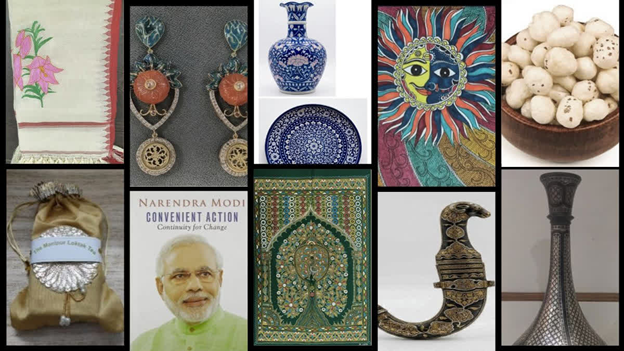
PM Modi gifted traditional Indian handicrafts, textiles, and regional artefacts to world leaders during his five-nation diplomatic tour covering the United Arab Emirates, Sweden, Norway, Netherlands, and Italy.
Gifts Presented to World Leaders
Italian PM Giorgia Meloni received a Muga silk stole from Assam and an off-white Shirui Lily silk stole from Manipur.
Muga silk, known as the “golden silk” of Assam, is a rare textile produced in the Brahmaputra Valley without artificial dyes.
The Shirui Lily silk stole derives inspiration from the Shirui Kashong Peak of Manipur and the rare Shirui Lily flower.
Queen Máxima of the Netherlands was gifted Meenakari and Kundan earrings from Rajasthan.
Norwegian Leader Jonas Gahr Støre received a pressed orchid painting and orchid paperweights made from real pressed orchids and ferns of Sikkim.
Harald V was presented with a silver sailboat model crafted using Tarakasi, the traditional silver filigree art of Cuttack, Odisha.
Swedish Prime Minister Ulf Kristersson received a Santiniketan messenger bag from West Bengal along with works of Rabindranath Tagore.
UAE President Sheikh Mohamed bin Zayed Al Nahyan received a Rogan painting featuring the “Tree of Life” motif from Gujarat.
Rogan art is a rare textile painting tradition from the Kutch region of Gujarat.
A box of Kesar mangoes from Junagadh, Gujarat, was also presented.
Arunachal Kiwi Mission
Syllabus: GS3/ Agriculture
Context
The Union Minister for Development of North Eastern Region launched a Mission on “Arunachal Kiwi: The USP of Arunachal Pradesh”.
Mission on Arunachal Kiwi
Objective – to strengthen the entire kiwi value chain – from cultivation and post-harvest management to branding, exports and agri-tourism.
Significance – The mission aims to promote kiwi orchard tourism and farm-stay experiences in areas such as Ziro Valley and Dirang, combining horticulture with experiential tourism.
Note – Arunachal Pradesh currently contributes more than 50 percent of India’s kiwi production, producing over 7,050 metric tonnes annually.
Kiwi or Chinese gooseberry (Actinidia deliciosa)
It is a nutrient-rich woody deciduous vine native to eastern Asia.
It is known for its fuzzy brown skin, green/golden flesh, and edible black seeds.
It requires 700–800 chilling hours below 7°C during winter and best suited to mid-hill regions (800–1,500 m altitude).
It begins fruiting in 4–5 years and attains full commercial production by 7–8 years.
Sperm Whales
Syllabus: GS3/Species in News
Context
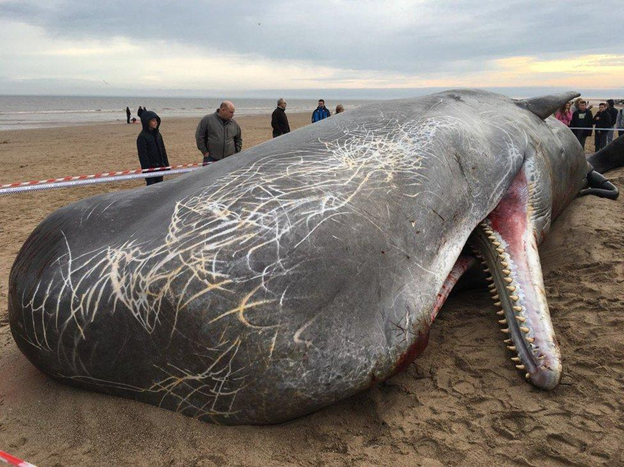
Researchers have revealed that sperm whales, which communicate using clicking sounds, also vary the sounds in ways that resemble how humans use vowels.
Sperm whale (Physeter macrocephalus).
Sperm whales got their name because the semi-liquid, waxy substance in their head was first believed to be sperm.
Distribution: They occur throughout the world’s oceans and in the Mediterranean Sea.
Appearance: It is a large, dark-colored, toothed whale with a massive, square-shaped head that can make up more than a third of its body length.
Sperm whales are the largest of the toothed whales.
Threats: Deep-sea oil and gas exploration can cause multiple issues, such as loss of hearing, water pollution from hydrocarbons, and increased risk of being hit by ocean vessels.
Conservation Status: IUCN Vulnerable.
Protected under Schedule 2 of the Wildlife Protection Act and possession or trade of any of its by-products, including Ambergris, is illegal.
They are listed in Appendix I of the CITES (Convention on International Trade in Endangered Species of Wild Fauna and Flora).
However, ambergris is not covered in CITES provisions as it is considered a naturally excreted waste product and trade of which is legal in many countries.
Ambergris
Ambergris means grey amber in French, is a waxy substance that originates from the digestive system of sperm whales.
Due to its high value in the market, ambergris is often called the ‘floating gold’ and ‘treasure of the sea’.
Sample Registration Survey 2024
Syllabus: GS2/Health
Context
The recent Sample Registration Survey 2024 was released by the Office of the Registrar General of India (ORGI).
The Sample Registration System (SRS)
It provides reliable annual estimates of Infant Mortality Rate, Birth Rate, Death Rate and other Fertility & Mortality Indicators at the National and subNational levels.
Conducted by – Registrar General of India.
Major Findings
Birth Rate:It is live births per 1,000 population, it fell from 21 in 2014 to 18.3 in 2024.
The number declined from 14.9 to 14.7 in urban areas and from 20.3 to 20.2 in rural areas.
The highest Birth Rate was observed at 26.8 in Bihar, whereas Andaman & Nicobar Islands had the lowest Birth Rate of 9.9.
Death Rate: It is deaths per 1,000 people, it is down from 6.7 to 6.4.
In 2024, Chhattisgarh recorded the highest Death Rate of 8.4, whereas the lowest Death Rate was recorded in Chandigarh at 3.9.
Infant Mortality Rate: The Infant Mortality Rate (IMR) is the number of deaths of children under one year of age per 1,000 live births in a given year.
The present level of IMR (24 infant deaths per thousand live births, for the year 2024) is less than one-fifth as compared to 1971. In the last ten years, IMR has witnessed a decline of about 38%.
In 2024, the maximum IMR was reported in Chhattisgarh (36) and the minimum in Manipur (2).
Government Initiatives to Curb Infant Mortality in India
Janani Shishu Suraksha Karyakram (JSSK) – It includes free drugs, consumables, free diet during the stay, free diagnostics, free transportation, and free blood transfusion if required.
Pradhan Mantri Surakshit Matritva Abhiyan (PMSMA) provides pregnant women a fixed day, free of cost, assured and quality antenatal checkup by a Specialist/Medical Officer on the 9th day of every month.
Mission Indradhanush: It was launched in 2014, aiming to achieve over 90% full immunisation coverage by strengthening routine immunisation services and targeting hard-to-reach populations.
Rashtriya Bal Swasthya Karyakram (RBSK): Children from 0 to 18 years of age are screened for 32 health conditions (i.e. Diseases, Deficiencies, Defects, and Developmental delays) under RBSK to improve child survival.
Nutrition Rehabilitation Centres (NRCs) are established at public health facilities where children with Severe Acute Malnutrition (SAM) and medical complications are admitted for treatment.
The United States has approved the proposed sale of support services and related equipment for Apache helicopters to India at an estimated cost of 198.2 million US dollars.
About
Apache helicopters are among the world’s most advanced multi-role attack helicopters.
Developed by Boeing, it combines firepower, agility, and modern avionics.
It is equipped with Hellfire missiles, 70mm rockets, and a 30mm chain gun, enabling it to engage ground targets, armoured vehicles, and even low-flying aircraft.
They have advanced sensors, targeting radar, and night vision systems that make it effective for operations in all weather conditions, including high-altitude and low-visibility combat zones.
Besides India, other users include Egypt, Israel, Japan, Saudi Arabia, the UK, and more.
Chandrayaan-3: Latest Research
Syllabus: GS3/Space
In News
Scientists from the Physical Research Laboratory have used data from Chandrayaan-3 to reveal new details about the Moon’s surface.
Chandrayaan-3,
It is a follow-on mission to Chandrayaan-2, successfully achieved a soft landing on the Moon’s south pole in 2023.
Lander payloads:
Chandra’s Surface Thermophysical Experiment (ChaSTE) – to measure the thermal conductivity and temperature
Instrument for Lunar Seismic Activity (ILSA) – for measuring the seismicity around the landing site etc.
Rover payloads:
Alpha Particle X-ray Spectrometer (APXS) & Laser Induced Breakdown Spectroscope (LIBS) for deriving the elemental composition in the vicinity of landing site.
Additional Information – Chandrayaan-1
It was launched in 2008.
It was India’s first lunar mission.
It made India the fifth country to reach the Moon.
The mission’s most significant discovery was the presence of water molecules on the lunar surface, a finding confirmed by NASA.
Chandrayaan-2
It was launched in 2019 with an orbiter, a lander (Vikram), and a rover (Pragyan).
The mission aimed to achieve a soft landing on the lunar surface, but ISRO lost contact with the lander just before touchdown, resulting in a crash landing.
Despite this setback, the orbiter continued functioning and provided crucial data on the Moon’s surface and atmosphere.
India and Italy Ties Upgraded to Special Strategic Partnership
Syllabus: GS2/IR
Context
India and Italy upgraded their ties to a special strategic partnership.
India and Italy bilateral relations
Partnership: Elevated to Special Strategic Partnership, focusing on the Indo-Mediterranean corridor.
Initiatives: Enhanced cooperation on the India-Middle East-Europe Economic Corridor (IMEC).
Tech: Collaboration through the INNOVIT hub focusing on AI and space
Cultural Focus: Italian involvement in India’s National Maritime Heritage Complex.
Maharashtra Completes Documentation of Over 23,000 Wetlands
Syllabus: GS3/Biodiversity and Conservation
Context
National Centre for Sustainable Coastal Management (NCSCM) has completed the documentation and Ground-truthing of Maharashtra’s 23,415 wetlands.
Wetlands
Definition – ‘A wetland is the transitional land between terrestrial and aquatic eco-systems where the water table is usually at or near the surface or the land is covered by shallow water’.
These are ecotone between terrestrial and aquatic ecosystem
India has around 6% of its land as wetlands, 99 Wetlands of India are under the List of Wetlands of International Importance called as Ramsar Sites.
India boasts the largest Ramsar site network in Asia and the 3rd largest in the world in terms of number of sites.
Tamil Nadu holds the highest number of Ramsar sites in India in 2026 with 20 sites.
A Ramsar site is a wetland designated as one of international importance under the Ramsar Convention.
Ramsar Convention – It is one of the inter-governmental accords to preserve the wetlands of international importance.
It was signed on February 2, 1971 in Ramsar, Iran and came into force in 1975.
India became a signatory to the Ramsar Convention in 1982.
Veera Pasi
Syllabus: GS1/ Modern History
Context
Recently, a statue of Veera Pasi, often remembered as a “forgotten hero” of the Revolt of 1857, was unveiled in Raebareli.
Veera Pasi
Veera Pasi (born Shivdeen Pasi) was a valiant 19th-century warrior and army commander from Raebareli, Uttar Pradesh, who played a heroic role in the 1857 Uprising.
Born on November 11, 1835, in Lodhwari village, he was orphaned early and lived with his sister.
In the local dialect, a brother living with his sister’s family was affectionately called “Veerna,” which eventually evolved into the name Veera.
He became a trusted commander and associate of Rana Beni Madhav Baksh Singh, ruler of the Shankarpur Estate in Awadh.
When British forces captured Rana Beni Madhav Singh, Veera Pasi displayed remarkable courage by launching a rescue operation and freeing him from prison.
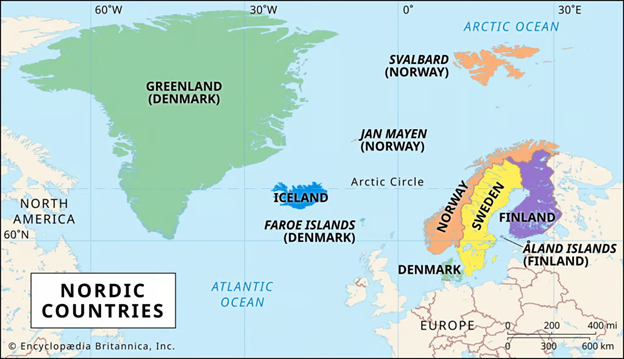
After the Third India-Nordic Summit, Prime Minister Modi said that India and the Nordic countries are committed to “democracy, rule of law and multilateralism”.
Nordic Countries
Nordic countries are a group of countries in northern Europe consisting of Denmark, Finland, Iceland, Norway, and Sweden.
The designation includes the Faroe Islands and Greenland, which are autonomous island regions of Denmark, and the Åland Islands, an autonomous island region of Finland.
Nordic countries
The term is sometimes used interchangeably with Scandinavia, a peninsular region of northern Europe that serves as the geographic core of the Nordic countries.
Scandinavia is typically defined more restrictively, however, and refers primarily to Norway, Sweden, and Denmark.
Denmark, Sweden and Finland are members of the EU while Norway and Iceland are European Economic Area (EEA) members.
Among them Sweden is the most populated country while Iceland is the least populated.
Euthanasia for Rabid and Dangerous Stray Dogs
Syllabus: GS2/ Governance
Context
The Supreme Court has allowed euthanasia for rabid, incurably ill, or demonstrably dangerous stray dogs, citing the need to protect human life and public safety.
Key Observations of the Supreme Court
The Supreme Court observed that the State has a constitutional obligation to protect citizens from repeated stray dog attacks and rabies threats.
The Court upheld its earlier order directing the removal of stray dogs from schools, hospitals, markets, and other high-footfall public spaces.
Constitutional and Legal Dimensions
Article 21 and Human Security: The judgment expanded the interpretation of Article 21 by linking public safety with the right to life and dignity.
Prevention of Cruelty to Animals Act, 1960: The Act protects animals from unnecessary cruelty while permitting humane treatment in exceptional situations.
Animal Birth Control (ABC) Rules, 2023: The Rules emphasise sterilisation, vaccination, and scientific management of stray dog populations.
Unlawful Activities (Prevention) Act (UAPA)
Syllabus: GS2/Governance
Context
Delhi Police has suggested a larger SC Bench to review the Unlawful Activities (Prevention) Act (UAPA) bail curbs.
UAPA Act
Enacted: 1967
Mandate: It is aimed at “more effective prevention of certain unlawful activities of individuals and associations for dealing with terrorist activities”.
Unlawful activity: Unlawful activity means any conduct which constitutes a crime or which contravenes any law.
Terrorist act: Section 15 of the Act defines “terrorist act” and is punishable with imprisonment for a term of at least five years and up to life.
Power to central government – The Act assigns absolute power to the central government, by way of which the Centre deems an activity as unlawful.
Applicability: The provisions of this Act apply also to—
(a) citizens of India outside India;
(b) persons in the service of the Government, wherever they may be; and
(c) persons on ships and aircrafts, registered in India, wherever they may be.
The Act empowers the government to designate individuals as terrorists.
Under the Act, the central government may designate an organisation as a terrorist organisation
Ayush Anudan Portal Under Ayush Grid Initiative
Syllabus: GS2/Governance
In News
Union Minister of State for Health and Family Welfare launched the Ayush Anudan Portal at Kartavya Bhawan, New Delhi.
Ayush Anudan Portal
It is developed by the Ministry of Ayush under the Ayush Grid initiative.
Objective – It is a paperless, centralized digital grant-management platform launched by the Ministry of Ayush to streamline the end-to-end submission, processing, appraisal, and monitoring of funding proposals
It is integrated with the NGO Darpan Portal and it ensures faster and more reliable verification of applicant organisations.
Nodal Ministry: Ministry of Ayush, Government of India.
Significance – Replacing manual, paper-heavy traditional grant workflows with an automated, transparent, and easily accessible digital workflow.
Ayush Grid Project
It is conceptualized by the Ministry of Ayush for creating a comprehensive Information Technology backbone for the entire Ayush sector.
It envisages digitization of service delivery across the six functional areas — Health Services, Education, Research, Drug Administration, Medicinal Plants, and Ministry of Ayash Oversight along with capacity building and media outreach.
It is aimed at establishing an integrated, transparent, and citizen-centric digital ecosystem for the Ayush sector through the use of modern technology.
Oslo Summit
Syllabus: GS2/ International Relations
Context
PM Modi participated in the Third India–Nordic Summit held in Oslo.
Oslo Summit
The summit brought together leaders of the five Nordic countries; Norway, Sweden, Finland, Denmark and Iceland.
Objective – The summit aims to strengthen cooperation between India and Nordic countries in trade, investment, clean energy, technology, innovation, maritime affairs and sustainable development.
The first India–Nordic Summit was held in Stockholm in 2018 and the second summit took place in Copenhagen in 2022.
Significance of Nordic Countries for India
Technological Cooperation: Nordic countries are global leaders in clean technologies, innovation and digital governance.
Green Energy Partnership: Nordic expertise in offshore wind, green hydrogen and sustainable technologies supports India’s energy transition goals.
Maritime Cooperation: Nordic countries possess advanced capabilities in shipbuilding, maritime logistics and sustainable port infrastructure.
Arctic Significance: Nordic cooperation is important for India’s climate research and Arctic engagement.
Research and Innovation: Collaboration in research, education and start-up ecosystems can strengthen India’s knowledge economy.
Persian Gulf Strait Authority (PGSA)
Syllabus: GS2/IR
Context
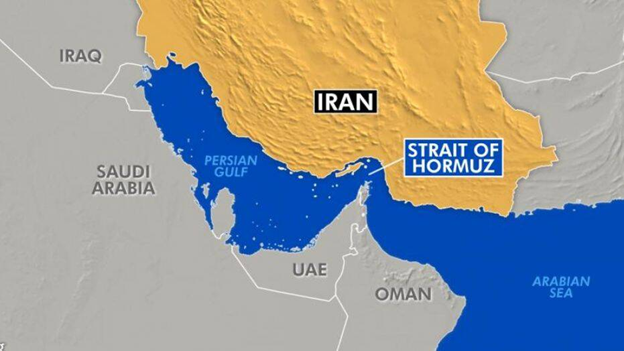
Iran has established a new regulatory body named as Persian Gulf Strait Authority (PGSA).
About
Aim: To oversee and manage operations in the strategically significant Strait of Hormuz.
Under the new system, vessels will be required to follow directives issued by the authority and secure transit permits before entering the Strait of Hormuz.
The US, Gulf states, and European nations have all rejected the legality of Iran’s fee regime.
Strait of Hormuz
Location – The Strait of Hormuz lies between Iran to the north and Oman and the United Arab Emirates to the south, linking the Persian Gulf with the Gulf of Oman and the Arabian Sea.
At its narrowest point it is about 33 kilometres wide, with shipping lanes just a few kilometres across in either direction.
Significance- Nearly half of India’s crude oil and around 60 per cent of its natural gas imports pass through the strait.
The World Health Organization (WHO) has declared an international health emergency after an Ebola outbreak in the Democratic Republic of Congo killed over 80 people.
Ebola virus disease (EVD)
It is formerly known as Ebola haemorrhagic fever. It is a rare but severe, often fatal illness in humans.
First found in – Guinea in December 2013..
Transmission – The virus is transmitted to people from wild animals and spreads in the human population(Zoonotic nature).
Host – fruit bats of the Pteropodidae family are natural Ebola virus hosts.
vomiting, diarrhoea, rash, symptoms of impaired kidney and liver function.
Treatment – The Ervebo vaccine has been shown to be effective in protecting people from the species Zaire ebolavirus. Remdesivir was also tested as an Ebola treatment
Solar Wind Magnetosphere Ionosphere Link Explorer (SMILE)
Syllabus: GS3/ Science and Technology
Context
A joint mission of the European Space Agency and the Chinese Academy of Sciences named SMILE is being developed to study how Earth’s magnetic shield responds to solar storms and space weather events.
SMILE Mission
SMILE stands for Solar wind Magnetosphere Ionosphere Link Explorer.
Launched by – is a joint ESA-China satellite mission launched on May 19, 2026.
Objective – Exploring the interface where solar winds collide with the outer boundary of Earth’s magnetosphere
Global Space Missions
Parker Solar Probe (NASA): Launched in 2018; sweeps directly inside the Sun’s coronal atmosphere (within 6.5 million km) using an advanced carbon-composite heat shield.
Solar Orbiter (ESA & NASA): Launched in 2020 to capture the first-ever close-up images of the Sun’s polar zones by shifting outside the traditional ecliptic plane.
PUNCH Mission (NASA): Targeted to track solar winds and coronal mass ejections passing from the corona directly into the broader heliosphere.
PM Modi Visit to Norway
Syllabus: GS2/IR
Context
Prime Minister Modi lands for the first bilateral visit by an Indian Prime Minister to Norway after 43 years.
Key Highlights of the Meet
Green Strategic Partnership: India and Norway formally declared the upgrade of bilateral ties to a Green Strategic Partnership to ensure increased collaboration in sectors ranging from Clean Energy to Climate Resilience, Blue economy to green shipping.
Norway Joins Indo-Pacific Oceans Initiative (IPOI): Norway formally joined India’s IPOI framework (launched 2019), which promotes a free, open, and rules-based Indo-Pacific.
Triangular Cooperation Agreement: India and Norway will jointly offer India’s Digital Public Infrastructure (DPI) (the Aadhaar-UPI-CoWIN stack) to countries of the Global South.
Diplomatic Outcomes: Norway reaffirmed support for India’s permanent seat in a reformed UN Security Council.
PM Modi awarded the Grand Cross of the Royal Norwegian Order of Merit by King Harald V, Norway’s highest civilian honour for foreign heads of government.
India – Norway Bilateral Ties
India and Norway established bilateral relations in 1947.
The India-Nordic Summit format allowed more regular and structured interactions at Prime Ministerial levels.
The first summit was held in 2018 at Stockholm.
Norway has been supporting India’s perusal to become a permanent member of a reformed UN Security Council.
Arctic/ Polar: India set up its first permanent research station ‘Himadri’ in the Arctic in 2008 at Svalbard, Norway.
The National Centre for Polar and Ocean Research (NCPOR) carries out multiple scientific expeditions to the Arctic every year.
India has also been an Observer State in the Arctic Council since 2013.
Space: ISRO uses Norway’s Svalbard ground station on commercial terms to receive data from IRS satellites.
KSAT is also setting up ISRO’s antenna in Svalbard.
India-South Korea Ties
Syllabus: GS2/IR
In News
The Indian Defence Minister’s visit to Seoul after the South Korean President’s visit to India highlights the growing strength and strategic importance of India–South Korea relations.
India-South Korea
Special Strategic Partnership: Upgraded in 2015; links India’s Act East Policy with South Korea’s Indo-Pacific strategy.
Defense Success: Shifted from buyer-seller to co-production via the K9-Vajra self-propelled artillery guns.
Supply Chain Resilience: Jointly working to de-risk supply chains and reduce economic over-reliance on China.
Climate Alignment: South Korea joined the India-led International Solar Alliance (ISA).
China Dilemma: India is structurally assertive against Beijing, while South Korea remains economically tied to China.
RTI Act Does not Apply to Cricket Board: CIC
Syllabus: GS2/Polity & Governance
Context
The Central Information Commission (CIC) held that the Board of Control for Cricket in India (BCCI) does not fall within the ambit of a “public authority” under the Right to Information (RTI) Act, 2005.
Central Information Commission (CIC)
Established – in 2005 by the Central Government under the provisions of Right to Information (RTI) Act, 2005.
Objective – It hears appeals against public authorities who have not provided information satisfactorily to the public and also addresses major issues concerning the RTI Act.
Annual report – CIC submits an annual report to the Union government on the implementation of the provisions of RTI Act.
Composition of CIC
Head – The CIC is headed by the Chief Information Commissioner and not more than ten Information Commissioners.
Tenure – The Chief Information Commissioner holds office for five years or until he attains the age of 65 years, whichever is earlier. He is not eligible for reappointment.
Appointment of the commissioner in CIC – The commissioners are appointed by the President on the recommendation of a selection committee.
Selection committee – It consists of the Prime Minister as Chairperson, the Leader of Opposition in the Lok Sabha and a Union Cabinet Minister nominated by the Prime Minister.
State Information Commission
The Right to Information Act of 2005 provides for the creation of a State Information Commission at the state level.
The State Information Commission is a high powered independent body which inter-alia looks into the complaints made to it and decides the appeals.
It entertains complaints and appeals pertaining to offices, financial institutions, public sector undertakings, etc under the concerned state government.
Composition – State Chief Information Commissioner and not more than ten State Information Commissioners appointed by the Governor.
Silver
Syllabus: GS3/Economy
Context
The government has shifted silver imports to the “restricted” category and imposed a 15% import duty to curb rising imports and protect domestic interests.
Silver
It is a relatively soft, lustrous precious metal.
It has highest electrical and thermal conductivity among all metals, critical for electronics, circuit boards, connectors, batteries, and automotive systems.
It is mainly found in ores like argentite and chlorargyrite (horn silver).
Mexico is the largest silver producer in the world.
India imports silver mainly from the United Arab Emirates, Britain and China.
India-Sweden Upgrade Ties to Strategic Partnership
Syllabus: GS2/ International Relations
Context
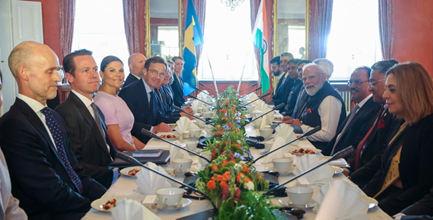
India and Sweden elevated their bilateral relationship to a Strategic Partnership, during an official visit of PM Modi to Sweden.
Key Highlights of the Visit
PM Modi received Sweden’s Royal Order of Polar Star and Commander Grand Cross, the highest recognition and honour that can be conferred upon a head of government.
India–Sweden Relations
Diplomatic Relations: India and Sweden established diplomatic relations in 1948.
Sweden hosted the first India–Nordic Summit in 2018, strengthening India’s engagement with the Nordic region.
India and Sweden jointly launched the Leadership Group for Industry Transition (LeadIT) at the UN Climate Action Summit in 2019.
LeadIT promotes low-carbon industrial transition and sustainable manufacturing practices.
Indus Waters Treaty
Syllabus: GS2/ International Relation
In Context
India has rejected the latest ruling of the Court of Arbitration (CoA), a five-member arbitral panel set up in 2023 at Pakistan’s request to settle a dispute over the design of India’s Kishenganga and Ratle hydroelectric projects in Jammu & Kashmir.
Indus Waters Treaty
Background – In 1947, the partition had cut the Indus river system into two between India and Pakistan.
Mediated by – The World Bank
Signed in – it was signed in 1960 by former PM Jawaharlal Nehru and then President of Pakistan, Ayub Khan.
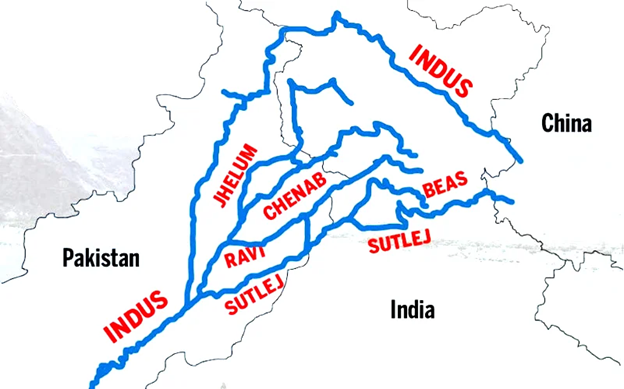
Transboundary river – The Indus River is a transboundary river that flows through Pakistan (47%), India (39%), Tibet (8%), and Afghanistan (6%). It is the longest river in Pakistan.
Note – In India, the Indus basin spreads over J&K, HP, Punjab, Rajasthan, Haryana, and Chandigarh.
Major tributaries of the Indus River are:
River
Source
Joins
Jhelum
Spring at Verinag, Kashmir Valley
Chenab at Trimmu, Pakistan
Chenab
Chandra and Bhaga streams near Bara Lacha Pass
Satluj after receiving Jhelum and Ravi
Ravi
Kullu hills near Rohtang Pass
Chenab near Rangpur, Pakistan
Beas
Near Rohtang Pass
Satluj at Harike Barrage, India
Satluj
Manasarovar-Rakas Lakes, Tibet
Indus a few kilometres above Mithankot, Pakistan
Provisions of Indus Water Treaty
It allocated the three western rivers (i.e., Indus, Chenab, and Jhelum) to Pakistan for unrestricted use, barring certain non-consumptive, agricultural and domestic uses by India.
It allocated the three eastern rivers, (i.e., Ravi, Beas and Sutlej) to India for unrestricted usage.
This meant that 80% of the share of water went to Pakistan, leaving 20% of water for use by India.
Annexure C and D
Though Pakistan has rights over waters of Jhelum, Chenab and Indus, but:
Annexure C of the IWT allows India certain agricultural uses
Annexure D allows India to build ‘run of the river’ hydropower projects (projects not requiring live storage of water).
Permanent Indus Commission
The treaty also required that both countries should establish a Permanent Indus Commission constituted by permanent commissioners of both sides.
It functions as the first stop for resolution of conflicts.
It should meet at least once a year.
Prime Minister’s Visit to Netherlands
Context
PM Modi paid an official visit to the Netherlands.
Elevation to Strategic Partnership: India and the Netherlands upgraded bilateral relations to a “Strategic Partnership”.
India- Netherlands Relations
Diplomatic relations: India and the Netherlands established diplomatic relations in 1947, with 2026 marking 79 years of bilateral diplomatic ties.
Economic Cooperation: India and the Netherlands formalized the Joint Trade & Investment Committee (JTIC) in 2025, strengthening bilateral trade, two-way investment cooperation, and collaboration in technology, MSMEs, and emerging sectors.
Cultural Cooperation: India and the Netherlands signed an MoU in 2025 for cooperation in the development of the National Maritime Heritage Complex (NMHC) at Lothal, Gujarat.
Additional Information – The National Maritime Heritage Complex (NMHC)
It is a world-class tourism facility under construction in Lothal, Gujarat to showcase India’s 4,500-year-old maritime history.
Location: Lothal, Gujarat (Ancient Indus Valley Civilization port city).
Nodal Ministry: Ministry of Ports, Shipping and Waterways (MoPSW) under the Sagarmala Programme.
Scale: Spread over 400 acres; set to be the world’s largest maritime museum complex.
Key Feature: Will host the world’s tallest lighthouse museum.
Executing Agency: Indian Port Rail Corporation Limited (IPRCL).
Bhojshala
Syllabus: GS1/Art and Culture
In News
The Madhya Pradesh High Court declared the Bhojshala complex in Dhar district a Hindu temple.
Bhojshala Complex
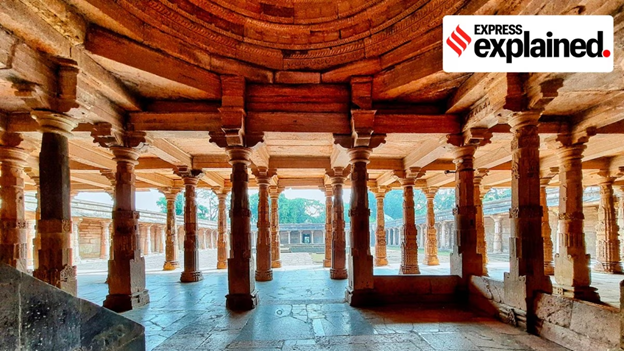
Raja Bhoja, the greatest ruler of the Paramara dynasty, founded the famous Bhojshala at Dhar around 1000–1055 A.D. as a major center of learning dedicated to Goddess Saraswati.
Later, the structure was converted into the Kamal Maula Mosque during Muslim rule.
It served as a premier college and centre of Sanskrit learning. The mosque still contains carved pillars, ceilings, and stone inscriptions from the original Bhojshala.
Important inscriptions include Sanskrit grammar tables, hymns to Vishnu, praises of Paramara kings, and the Sanskrit drama Karpuramanjari written by Madana during the reign of Arjunavarma Deva.
Jaggery Sector in India
Syllabus: GS3/Economy
In News
Jaggery production in India is a key agro-processing sector that is supporting rural livelihoods, farmer incomes, and value addition through cottage industries.
Jaggery
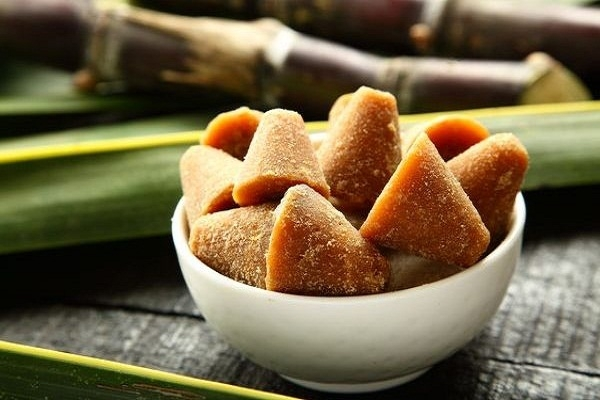
It is commonly known as gur and is a traditional, unrefined, natural sweetener.
It is produced by concentrating sugarcane juice without the use of chemicals.
It is widely consumed across Asia, Africa, Latin America, and the Caribbean under various local names.
Jaggery Production in India
India produces over 70% of the world’s jaggery, making it the largest global producer.
Uttar Pradesh contributed 48.5 percent of total production, followed by Maharashtra (24.1 percent) and Karnataka (10.5 percent).
Saranda Forest
Syllabus: GS3/Environment
In News
The Jharkhand government has filed a review petition in the Supreme Court against its earlier order directing the state to notify the Saranda elephant forests as a wildlife sanctuary within three months.
Jharkhand argues that declaring the sanctuary could affect tribal habitations, roads, and infrastructure, requiring further studies.
Saranda Forest
It is located about 122 km from Jamshedpur in Jharkhand.
It is the largest Sal forest in Asia and is known as the “land of seven hundred hills.”
It is part of the Chhotanagpur biogeographic zone and connects with forests in Odisha and Chhattisgarh, creating a continuous wildlife habitat.
Flora and fauna – It includes endangered flying lizards and large elephant populations, and forms an important migratory elephant corridor.
Major tree species – Sal, Mahua, and Kusum.
Tribes – Ho, Munda, Uraon, and Santhal peoples,
Significance – It holds deep cultural significance for local tribes, whose traditions, rituals, and sacred groves (“Sarna”) are closely tied to the forest ecosystem.
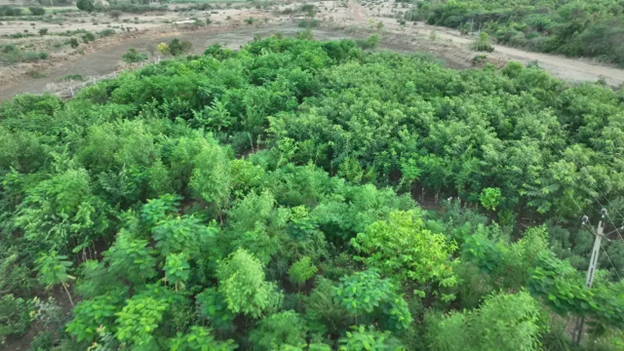
The Delhi government’s Forest Department has planned a Miyawaki plantation drive at the Asola-Bhatti Wildlife Sanctuary.
Miyawaki Technique
Origin: The Miyawaki technique, Often referred to as the ‘pot plantation method’, was developed by renowned Japanese botanist Akira Miyawaki in the 1970s.
It is a revolutionary method for creating dense forests in small urban spaces.
Principle: It involves planting trees and shrubs close to one another to accelerate their growth. Plants grow 10 times faster with this technique, making it a practical solution for urban areas.
Significance: In urban areas, the method is known to have successfully converted barren, polluted lands into thriving green ecosystems, simultaneously managing industrial waste and curbing pollution.
Asola-Bhatti Wildlife Sanctuary
The Asola-Bhatti Wildlife Sanctuary is located in southern Delhi and extends into parts of Faridabad in Haryana.
The sanctuary lies along the Southern Ridge of the Aravalli Range, which is one of the oldest mountain systems in the world.
The sanctuary was declared a protected area in 1991 under the Wildlife (Protection) Act, 1972.
The sanctuary is also known as the “green lungs” of Delhi and acts as a natural ecological barrier against the eastward expansion of the Thar Desert.
Advanced Medium Combat Aircraft (AMCA) project
Syllabus: GS3/Defence
Context
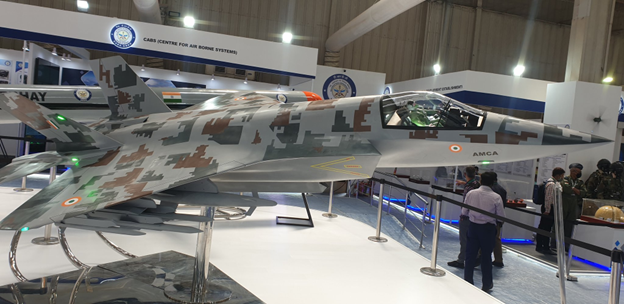
The Union Minister for Defence laid the foundation stone for the Advanced Medium Combat Aircraft (AMCA) project at Puttaparthi, Andhra Pradesh.
Advanced Medium Combat Aircraft (AMCA) programme facility
is being developed by the Aeronautical Development Agency under the Defence Research and Development Organisation (DRDO).
It will serve as the integration, development and flight testing hub for India’s indigenous fifth-generation stealth fighter aircraft programme.
The AMCA fighter aircraft will feature stealth technology, twin-engine super cruise capability and advanced avionics.
‘Abhay’: AI-powered verification system
Syllabus: GS3/Cyber Security
In News
The Central Bureau of Investigation (CBI) has launched an AI-based helpbot called “Abhay” for authentication of CBI notices.
‘Abhay’
It is the AI-powered chatbot-style verification mechanism for the public to verify notices issued by CBI.
It is designed to protect the citizens from the growing menace of cyber fraud and digital arrest scams.
It has been designed keeping in mind data confidentiality and the requirement for a public-facing authentication mechanism.
India’s First Satellite-tagged Ganges Soft-shell Turtle
Syllabus: GS3/Environment
In News
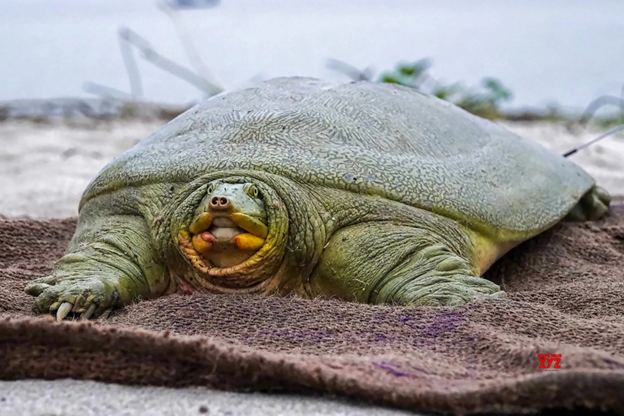
India’s first satellite-tagged Ganges soft-shell turtle was released in Kaziranga National Park and Tiger Reserve in Assam.
Assam is one of the world’s top priority areas in freshwater turtle conservation. Of the eight soft-shell turtles reported from India, five are known from the Kaziranga landscape.
Ganges soft-shell turtle (Nilssonia gangetica),
Characteristics: It can be differentiated from other riverine turtles by its distinct arrowhead-shaped markings on the top of the head.
It feeds on fish, birds, reptiles, invertebrates, carrion, and aquatic plants.
Habitat and Distribution: It mainly lives in rivers and large canals with muddy bottoms and flowing, turbid water, though it may also use ponds and lakes.
It is found across the northern plains of the Indian subcontinent, including the Indus, Ganga, Narmada, Mahanadi, and Brahmaputra river basins in India, Bangladesh, Nepal, Pakistan, and Afghanistan.
In India, the species inhabits large rivers, lakes, and reservoirs.
Ecological Role : It is a major river predator and helps clean up the system by feeding on dead and decaying animal matter.
Threats : It faces severe threats from illegal hunting, international trade, and habitat destruction.
Protection status : It is a Schedule I animal under the Wildlife Protection Act of 1972.
It is recorded as endangered on the International Union for Conservation of Nature (IUCN) Red List.
It is included in CITES Appendix I, prohibiting all forms of international commercial trade.
The Government of India, through the Directorate General of Foreign Trade, placed exports of raw, white, and refined sugar under the prohibited category till September 30, 2026.
Reasons Behind the Sugar Export Ban
El Niño and Monsoon Concerns: The government fears that a possible El Niño event may weaken the monsoon, reduce sugarcane cultivation, and affect future sugar production.
Fertiliser Supply Risks: Geopolitical tensions in West Asia may disrupt fertiliser supplies, which is significant because sugarcane is a fertiliser-intensive crop.
Maintaining Adequate Domestic Stocks: The ban aims to preserve sufficient sugar stocks to control prices, prevent shortages, and ensure domestic food security.
Assam Ships First Legal Agarwood Chips to West Asia
Syllabus:GS3/Economy
In News
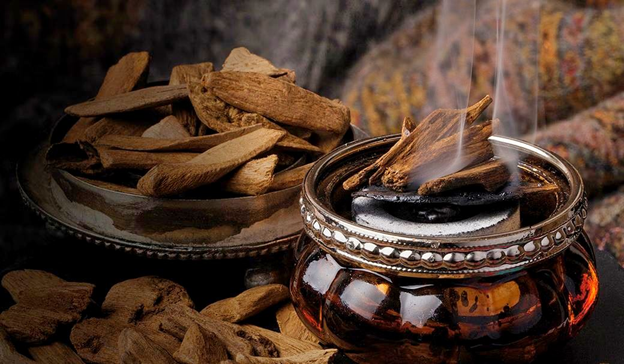
Assam legally approved export of agarwood chips to Saudi Arabia and the United Arab Emirates.
Agarwood
It is also known as oud.
It is produced from resin formed in infected Aquilaria and Gyrinops trees.
Agarwood is a highly valued material used globally in luxury perfumes, incense, cosmetics, and traditional products.
Agarwood is grown in countries such as India, Cambodia, Vietnam, Malaysia, Indonesia, Laos, and Bhutan.
In India, key species like Aquilaria malaccensis and Aquilaria khasiana are found mainly in the Northeast, including Assam and surrounding states.
Agarwood is conserved under Appendix II of the Convention on International Trade in Endangered Species of Wild Fauna and Flora (CITES).
Withholding Tax
Syllabus: GS3/Economy
Context
Amid the West Asia conflict, the government is reportedly considering slashing the ‘withholding tax’ rate from 20% to the earlier 5% as it looks to revive overseas inflows.
Withholding Tax
Withholding tax, or WHT, is a tax collected at the source of income.
Instead of waiting for an investor or foreign company to pay taxes at the end of the financial year, the government requires the payer to deduct a portion of the income before it is remitted to the recipient.
The deducted amount is then directly deposited with the government.
In simple terms, whenever income is earned whether through employment, investments, royalties or other sources the government ensures tax collection in advance through withholding tax.
Hong Kong and Singapore don’t have a withholding tax.
Significance of Slashing Withholding Tax
Attracts Foreign Investment: Lower withholding tax increases returns for foreign investors, encouraging greater FDI and portfolio investments.
Improves Ease of Doing Business: Reduces tax and compliance burden on companies engaged in cross-border transactions.
Boosts Capital and Trade Flows: Encourages international trade, technology transfer, and movement of global capital.
Supports Economic Growth: Increased investment and business activity can generate employment, innovation, and higher economic productivity.
Prime Minister’s Visit to the UAE
Syllabus: GS2/IR
Context
PM Modi made a landmark diplomatic stopover in UAE, first stop in his five-nation trip to the Netherlands, Sweden, Norway and Italy.
Key Outcomes
MoU on Strategic Collaboration between Indian Strategic Petroleum Reserves Limited (ISPRL) and Abu Dhabi National Oil Company (ADNOC).
Strategic Collaboration Agreement between Indian Oil Limited (IOCL) Company and Abu Dhabi National Oil Company (ADNOC) on supplies of Liquified Petroleum gas (LPG).
Framework for the Strategic Defence Partnership:
MoU between Cochin Shipyard Limited (CSL) and Drydocks World (DDW) on setting up a Ship Repair Cluster at Vadinar, Gujarat.
Cooperation includes offshore fabrication, under the Maritime Development Fund Scheme launched by the Government of India.
Additional Information – India and UAE
Political: India and the United Arab Emirates (UAE) established diplomatic relations in 1972.
Relationships were upgraded to a Comprehensive Strategic Partnership (CSP) in 2017.
Trade and Investment Ties: Bilateral merchandise trade between the two countries crossed US$100 billion for the first time.
Space Cooperation: Indian Space Research Organisation (ISRO) and the UAE Space Agency signed an MoU regarding cooperation in the exploration and use of outer space for peaceful purposes in 2016.
Indian Community: Indian expatriate community of approximately 3.5 million is the largest ethnic community in UAE constituting roughly about 35% of the country’s population.
Multilateral Cooperation: India and the UAE are currently part of several plurilateral platforms such as India-Middle East EU Economic Corridor (IMEC), I2U2 (India-Israel-UAE-USA) and UFI (UAE-France-India) Trilateral, etc.
Chahbahar port
Syllabus: GS2/IR
Context
Iranian Foreign Minister described Chabahar port a “golden gateway”, expressing the hope that India will continue to develop the strategic port.
Chabahar Port
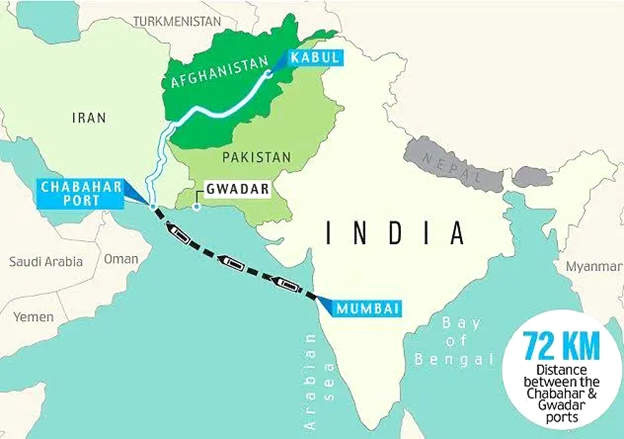
Location: It is a seaport in Chabahar located in southeastern Iran, on the Gulf of Oman.
It consists of two separate ports namedShahid Kalantari and Shahid Beheshti.
It is only about 170 kilometers west of the Pakistani port of Gwadar.
Strategic location: India needs access to iron from Afghanistan’s Hajigak mine and other natural resources from the Central Asian countries of Kazakhstan, Turkmenistan, and Uzbekistan, which is made possible by the Chabahar port.
INSTC: The port is also part of International North-South Transport Corridor (INSTC), a multimodal transport project to connect the Indian Ocean to Northern Europe.
The term “ecocide” has gained renewed attention amid allegations of large-scale environmental destruction during recent conflicts, including the wars in Gaza, Lebanon, and Iran.
Ecocide
Ecocide refers to severe, widespread, or long-term destruction of the environment caused by human actions.
The term was coined in 1970 by Arthur W. Galston.
Note – Vietnam became the first country to criminalise ecocide domestically in 1990.
Connect with the basics – International Laws on Environment
Climate Change & Ozone
UNFCCC (1992): The foundational framework aiming to stabilize greenhouse gas emissions.
Kyoto Protocol (1997): Set legally binding emission reduction targets for developed countries and established flexible market mechanisms (CDM, Emissions Trading).
Paris Agreement (2015): A legally binding treaty adopted at COP21 aiming to limit global warming to well below 2°C (striving for 1.5°C) using Nationally Determined Contributions (NDCs).
Montreal Protocol (1987): A highly successful, legally binding treaty phased out ozone-depleting substances (ODSs). [Recent] Its Kigali Amendment (2016) mandates the phased reduction of hydrofluorocarbons (HFCs).
Biodiversity & Wildlife
Convention on Biological Diversity (CBD): Targets the conservation of biological diversity, sustainable use of its components, and fair sharing of benefits. Includes the Cartagena Protocol (biosafety) and the Nagoya Protocol (access and benefit-sharing).
CITES (1973): Controls international trade of endangered flora and fauna to ensure survival.
Ramsar Convention (1971): Focuses on the conservation and wise use of internationally significant wetlands.
Hazardous Wastes & Chemicals
Basel Convention (1989): Controls the transboundary movement of hazardous wastes and their disposal.
Rotterdam Convention (1998): Promotes shared responsibility and cooperative efforts in the international trade of certain hazardous chemicals.
Stockholm Convention (2001): Aims to eliminate or restrict the production and use of Persistent Organic Pollutants (POPs).
World Migration Report 2026
Syllabus: GS2/ Indian Diaspora
Context
The International Organization for Migration released the World Migration Report 2026.
Key Findings of the Report
International migrants accounted for 7% of the global population in 2024, compared to 2.9% in 1990.
The largest migration corridor globally remains Mexico–United States Corridor with nearly 11 million migrants.
Other major corridors include: Afghanistan–Iran Corridor, Syria–Türkiye Corridor and Russia–Ukraine Corridor.
Additional Information – The International Organization for Migration (IOM)
It is the principal UN agency for migration.
Established in – 1951
Headquarter – Geneva, Switzerland.
Objective – It promotes humane, orderly migration and provides humanitarian assistance to migrants, refugees, and internally displaced persons.
India has been an official member state of the IOM since 2008
India to host 1st IBCA Summit
Syllabus: GS3/Environment
In News
The Union Minister for Environment, Forest and Climate Change launched the website and logo for the 1st International Big Cat Alliance (IBCA) Summit 2026, in New Delhi.
International Big Cat Alliance (IBCA)
Headquarters – India,
Objective – It is a multi-country, multi-agency coalition of 95 big cat range countries with an interest in big cat conservation.
Genesis: IBCA was launched by the Prime Minister of India in 2023 during the event ‘Commemorating 50 years of Project Tiger’.
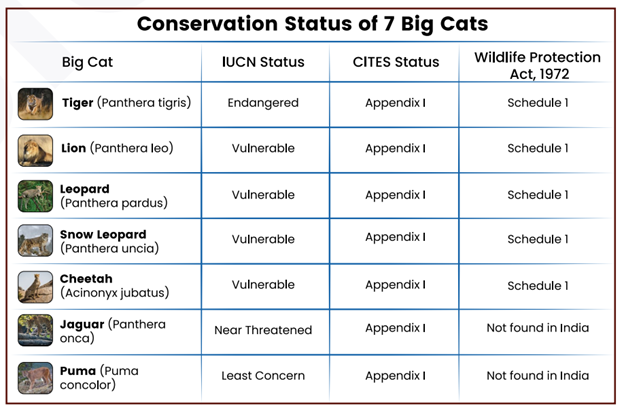
Aim:Conserving seven big cats – Tiger, Lion, Leopard, Snow Leopard, Cheetah, Jaguar, and Puma.
Members: Nicaragua, Eswatini, India, Somalia and Liberia have signed the Framework Agreement to formally become members of the IBCA.
Samagra Shiksha Teachers
Syllabus: GS2/Government Initiatives
Context
Delhi Government has approved a substantial increase in the salaries of vocational teachers and those working under the Samagra Shiksha Abhiyan.
Samagra Shiksha Scheme
Launched in – 2018-19
Financing – Centrally Sponsored Scheme
Subsumed erstwhile Centrally Sponsored Schemes:
Sarva Shiksha Abhiyan (SSA)
Rashtriya Madhyamik Shiksha Abhiyan (RMSA) and
Teacher Education (TE)
Objectives:
To implement SDG 4, Right to Education and New Education Policy.
to treat school education holistically from pre-school to Class 12
Coverage: 1.16 million schools, over 156 million students and 5.7 million Teachers of Govt. and Aided schools.
Mizoram Ginger Mission
Syllabus: GS3/Economy
In News
The Union Minister for Development of North Eastern Region (MDoNER) launched the Mizoram Ginger Mission.
Mizoram Ginger Mission
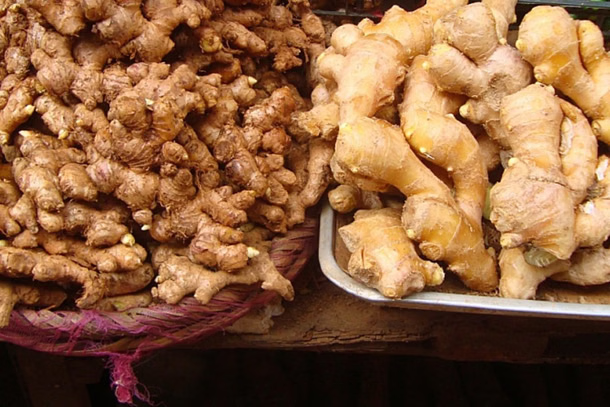
It is a Ginger Cultivation & Value Chain Development for the State of Mizoram.
This mission is a key component of the broader “Brand North East” vision, which assigns specific USPs to states, such as Sikkim (Organic State), Arunachal Pradesh (Kiwi), Tripura (Queen Pineapple), Nagaland (Coffee), and Meghalaya (Lakadong Turmeric).
Objective – to improve farmer incomes by reducing price gaps, minimising post-harvest losses, and promoting better use of GI-certified ginger through coordinated efforts among multiple ministries.
Mizoram is known for its Geographical Indication (GI)- certified ginger varieties.
Additional Information – Ginger
It is one of the oldest known spices, and is esteemed for its aroma and pungency. It originated in South – East Asia
Climatic & Soil Requirements
Climate: Warm and humid tropical climate.
Temperature: Performs best in temperatures ranging between 19 – 28 degree celsius.
Rainfall: Requires moderate to high rainfall of about 150 to 250cm every year. It does not tolerate frost or prolonged waterlogging.
Soil: Loose, fertile, well-drained sandy loam or clay loam rich in organic matter.
Global Standing: India is the largest producer of ginger in the world. Major producing states include Kerala, Odisha, Meghalaya, West Bengal, and Arunachal Pradesh.
The National Testing Agency (NTA) stated that the 2026 NEET examination had been “compromised” and announced that a re-test would be conducted for the National Eligibility cum Entrance Test (NEET).
NEET paves the way for admission to medical colleges.
Radhakrishnan Panel
Following the NEET-UG 2024 controversy, the Ministry of Education formed a high-level committee headed by former ISRO chairman K. Radhakrishnan.
National Testing Agency (NTA)
Established: In 2017.
It is an autonomous body of the Department of Higher Education of the Ministry of Education of India.
NTA conducts major entrance examinations such as the
Joint Entrance Examination (JEE) Main for engineering;
National Eligibility Cum Entrance Test-Undergraduate (NEET-UG) for medicine;
Common University Entrance Test (CUET) for general Undergraduate and Postgraduate programmes in central universities.
It also conducts recruitment exams for several government agencies including National Highway Authority of India (NHAI), Delhi High Court, Employment Provident Fund Organisation (EPFO) and for several posts in central government universities.
Public Examination (Prevention of Unfair Means ) Act, 2024
It was passed in 2024 and is aimed at curbing leaks, malpractices in recruitment examinations like UPSC, SSC etc and entrance tests such as NEET, JEE, and CUET.
The Act broadly defines “unfair means” to include various malpractices, such as:
Leaking question papers or answer keys,
Assisting candidates during exams (unauthorized communication, providing solutions),
Tampering with computer networks or resources,
Impersonating candidates,
Conducting fake examinations or issuing fake documents,
Tampering with documents for merit lists or ranks.
Penalties and Punishments:
Individuals:
Imprisonment ranges from 3 to 10 years depending on the offense’s severity.
Fines up to Rs. 1 crore for organized crimes.
Service providers:
Fines up to Rs. 1 crore for involvement in malpractices.
Barring from conducting public examinations for 4 years.
Personal liability for directors/management involved.
Organized crimes:
Harsher penalties, with imprisonment between 5 and 10 years and a minimum fine of Rs. 1 crore
The institution involved can face property attachment and forfeiture
Investigation:
All offences under the Act are cognisable, non-bailable, and non-compoundable.
An officer not below the rank Deputy Superintendent or Assistant Commissioner of Police will investigate the offences under the Act.
The Central Government may transfer the investigation to any Central Investigating Agency.
Central Bureau of Investigation (CBI)
Syllabus: GS2/Polity and Governance
Context
The Appointments Committee of the Cabinet (ACC) has approved a one-year extension in the tenure of Praveen Sood as Director of the Central Bureau of Investigation.
Central Bureau of Investigation
Set up in – It was set up in 1963 by a resolution of the Ministry of Home Affairs.
Established under – It comes under the administrative control of the Department of Personnel and Training (DoPT) of the Ministry of Personnel, Public Grievances and Pensions.
Recommended by – It was established on the recommendation of the Santhanam Committee.
Legal status – The CBI is not a statutory body. It derives its powers from the Delhi Special Police Establishment (DSPE) Act, 1946.
Functions
The CBI is the main investigating agency of the Central Government.
It also provides assistance to the Central Vigilance Commission and Lokpal.
It is also the nodal police agency in India which coordinates investigations on behalf of Interpol Member countries.
Revving up Immune Cells Might Help Fight HIV: Study
Syllabus: GS2/Health
Context
Scientists are tweaking a powerful cancer therapy in hopes it could fight HIV instead, by supercharging patients’ own immune cells.
Acquired immunodeficiency syndrome (AIDS)
Pathogen – It is a chronic, potentially life-threatening health condition caused by the human immunodeficiency virus (HIV) which damages the human immune system.
Transmission: Through direct contact with certain body fluids (blood, semen, rectal fluid, vaginal fluid or breast milk) from a person infected with HIV.
Symptoms:
Stage 1: Flu-like illness (Fever, chills, rashes, night sweats)
Stage 2: Clinical latency (No particular symptoms)
Stage 3: AIDS (Weakening of Immune System)
Prevention: Prevention is better than cure, using protective techniques, non-contaminated needles & preventing mother to child transmission.
Treatment: There is no cure for HIV infection. It is treated with antiretroviral drugs, which stop the virus from replicating in the body. Untreated HIV can progress to AIDS, often after many years.
Steps taken by Government of India
National AIDS Control Programme (NACP) (Central Sector Scheme)
India has achieved the 6th MDG of halting and reversing the HIV epidemic.
Prevention from Parent to Child Transmission (PPTCT) programme
HIV/AIDS Act 2017 (Prohibits discrimination against HIV-infected people on any grounds)
90:90:90 strategy as adopted by UNAIDS (90% (diagnosed, treatment (by anti-retroviral treatment (ART)) & suppression)) by 2020. Extended by 10 years with the goal post of 95-95-95.
Project ACCELERATE (John Hopkin & NACO initiative): To provide HIV Services through Safe Zindagi online portal.
Mission Sampark: Its purpose was to “bring back” people living with HIV (PLHIV) who had stopped antiretroviral therapy (ART).
Alzheimer’s Disease
Syllabus: GS2/Health
In News
Eli Lilly and Company has launched a new Alzheimer’s treatment in India called Lormalzi, marking one of the first disease-modifying therapies for the condition in the country.
Lormalzi Drug – It is a monoclonal antibody, is given as a once-a-month infusion and works by removing amyloid-beta plaques in the brain, which are linked to Alzheimer’s progression.
Alzheimer’s Disease
It is the most common form of dementia, a brain disorder that slowly destroys a person’s memory and thinking skills.
It is characterized by a loss of cognitive functioning — thinking, remembering, and reasoning — and behavioral abilities to such an extent that it interferes with a person’s daily life and activities.
Eventually, people with Alzheimer’s lose the ability to perform simple daily tasks, such as eating or walking.
Drugs like lecanemab and aducanumab exist globally, benefits are modest and come with complexity, high cost, and safety concerns.
Tatya Tope
Syllabus: GS1/ Modern History
Context
A rare handwritten and signed letter of Tatya Tope dating back to 1857 has been discovered in the archives of Madhya Pradesh.
Tatya Tope
Early Life: Tatya Tope, originally named Ramachandra Pandurang Tope, was born in 1814 in Nashik, Maharashtra.
His father served as a noble in the court of Baji Rao II, the last Maratha Peshwa.
He shared a close association with Nana Sahib, the adopted son of Baji Rao II, which later shaped his role in the revolt.
Role in the Revolt of 1857: He emerged as one of the most capable military commanders during the Revolt of 1857.
He played a key role in major centres of resistance such as Kanpur and Gwalior.
He worked closely with leaders like Rani Lakshmibai, helping sustain the rebellion against British forces.
Military Tactics: He was known for his effective use of guerrilla warfare, rapid mobility, and surprise attacks.
He was eventually captured by the British and executed in Shivpuri in 1859 after a formal trial.
Sikkim Becomes India’s First Paperless Judiciary State
Syllabus: GS2/Judiciary
Context
The Chief Justice of India, Surya Kant, declared Sikkim as the first paperless judiciary state in India.
About –
Significance – This initiative drastically reduces dependence on physical files, minimizes logistical delays, ensures transparency, and aids in reducing case pendency.
Technology Integration: The system includes e-filing, digital case management, and virtual hearings, aligning with the broader e-Courts Mission Mode Project and the Digital India vision.
Relevance to Hilly Terrain: Digitalization facilitates easier access to justice for litigants and lawyers, overcoming geographical barriers in the region.
Centre Eyes New E-bus Scheme
Syllabus: GS3/Environment
Context
The Centre may roll out a fresh electric bus scheme for States after completing the tendering and allocation of all 14,000 buses under the PM E-DRIVE programme.
PM E-DRIVE Scheme
Objective – To set up charging infrastructure and development of EV manufacturing ecosystem in India.
Duration – The scheme shall be implemented from October 1, 2024 to March 31, 2026.
e-Vouchers: Ministry of Heavy Industries is introducing e-vouchers for EV buyers to avail demand incentives under the scheme.
Charging Stations: The scheme addresses range anxiety of EV buyers by promoting in a big way the installation of electric vehicle public charging stations (EVPCS).
Additional Information
India’s Electric Vehicle Policy – To achieve the ambitious target of having EV sales penetration of 30% of private cars, 70% of commercial cars, 40% of buses and 80% of two and three-wheelers by 2030.
National Electric Mobility Mission Plan (NEMMP): The NEMMP was launched in 2013 with the goal of achieving national fuel security by promoting hybrid and electric vehicles.
FAME India Scheme: The Faster Adoption and Manufacture of Electric Vehicles (FAME) India scheme was launched in 2015 to promote the manufacturing and adoption of EVs.
Sacred Groves in India
Syllabus: GS3/ Environment
Context
The Kerala State Biodiversity Board has launched a pilot programme to restore sacred groves.
Sacred Groves
Sacred groves are patches of forest or natural vegetation protected by local communities due to religious beliefs and traditional practices.
They function as community-conserved ecosystems, often associated with temples, rituals, and indigenous traditions.
India has an estimated 100,000–150,000 sacred groves, reflecting their widespread cultural and ecological significance.
Suitable groves may be notified as Biodiversity Heritage Sites under the Biological Diversity Act, 2002.
Significance
Sacred groves act as biodiversity hotspots, preserving rare, endemic, and medicinal plant species.
They contribute to soil conservation and prevent erosion, especially in fragile ecosystems like the Western Ghats and Himalayas.
Culturally, they are centres of rituals, festivals, and community identity, reinforcing conservation through belief systems.
Transgender Persons (Protection of Rights) Amendment Act, 2026
Syllabus: GS2/ Polity & Governance
Context
Recently, the Supreme Court of India flagged the critical issues like Self-identification vs State verification and Welfare targeting vs individual dignity in Transgender Persons (Protection of Rights) Amendment Act, 2026.
Background: Legal Evolution of Transgender Rights in India
NALSA Judgment, 2014: It recognised transgender persons as the ‘third gender’, and affirmed right to self-identification without medical intervention.
It established self-determination as a core constitutional value.
It is linked gender identity to Article 21 (Right to Life and Dignity).
Transgender Persons Act, 2019: It defines transgender persons, mandates the right to self-perceived identity, prohibits discrimination in employment and education, and establishes the right to reside in the household.
It introduced certification by District Magistrate.
Amendment Act, 2026: It mandates medical board certification before legal recognition; removes explicit recognition of self-perceived identity; and introduces stricter definitions and penal provisions.
Key Issues Raised in the Supreme Court
Self-Identification vs Medical Gatekeeping: Violates bodily autonomy and dignity (Art. 21), and creates ‘medical gatekeeping’ by the State. Clinical validation undermines identity autonomy.
Fear of Misuse vs Rights Protection: Court flagged risk of ‘masquerading’ to access reservations/welfare.
However, misuse probability is negligible, and concerns of misuse are often overstated compared to systemic exclusion.
Impact on NALSA Principles: Amendment in 2026 dilutes self-identification doctrine, and reintroduces biological essentialism.
It acts as a ‘regressive shift from rights-based to regulatory framework’.
Healthcare and Transition Rights: It alleged that ongoing gender-affirming treatments will be disrupted.
Access to healthcare is already limited and stigmatized in India.
Classification and Stigma: Inclusion of victims of coercion alongside transgender persons leads to arbitrary and stigmatizing classification (Art. 14 violation).
Ru-Soam Bridges
Syllabus: GS1/ Culture; GS3/ Environment
Context
UNESCO has partnered with the Government of Sikkim to document indigenous Ru-Soam (cane bridge) engineering practices.
The project is being implemented in the Khangchendzonga Biosphere Reserve with support from Airbnb.
About Ru-Soam Bridges
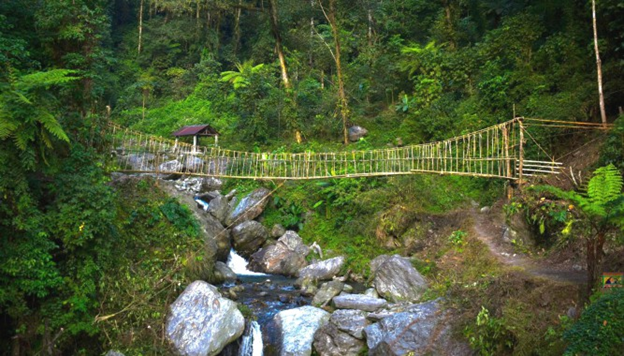
Ru-Soam are traditional cane bridges built by the Lepcha community.
These bridges are constructed using locally available natural materials such as bamboo, cane, and wood.
They demonstrate a high level of ecological understanding and structural resilience suited to mountainous terrain.
The bridges proved their resilience during the Sikkim Glacial Lake Outburst Flood 2023.
Tanzania
Syllabus: GS1/Geography
In News
Recently, the 5th session of the India–Tanzania Joint Trade Committee (JTC), held in Dar es Salaam in Tanzania.
Tanzania
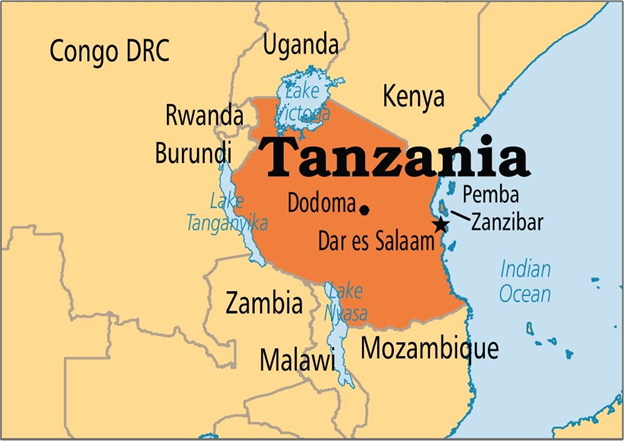
It is an East African country located just south of the Equator.
The capital is Dodoma, and Dar es Salaam is the largest city and main port.
tanzania
Bordering countries – It is bordered by Uganda, Kenya, and Lake Victoria to the north; the Indian Ocean to the east; Mozambique, Malawi, Zambia, and Lake Nyasa to the south; and Rwanda, Burundi, and Lake Tanganyika to the west.
Geographical features: Mount Kilimanjaro Located in Tanzania,
Mount Kilimanjaro is the African continent’s highest peak
Tanzania also includes a portion of Lake Victoria, the largest lake in Africa and a source of the Nile River.
Rivers – Great Ruaha, Rufiji, and Kagera rivers
Lake Tanganyika, forms the boundary between Tanzania and the Democratic Republic of the Congo.
Rashtriya Bal Swasthya Karyakram (RBSK) 2.0 Guidelines
Syllabus: GS2/Governance
In News
The Ministry of Health and Family Welfare released the Rashtriya Bal Swasthya Karyakram (RBSK) 2.0 Guidelines at the recently concluded National Summit on Good Practices and Innovations in Public Healthcare Service Delivery.
Rashtriya Bal Swasthya Karyakram (RBSK)
It is a national initiative launched under the National Health Mission (NHM).
Implementation – Ministry of Health and Family Welfare.
Objective – It focuses on early identification and intervention for children from birth to 18 years to manage conditions like birth defects, deficiencies, diseases, and developmental delays.
Target Beneficiaries – The programme splits children into age-appropriate cohorts for structured tracking:
0 to 6 weeks: Newborns screened at delivery points and through home visits by ASHAs.
6 weeks to 6 years: Pre-school children monitored at local Anganwadi centres.
6 years to 18 years: Students enrolled in government and government-aided schools.
The “4Ds” Strategy – RBSK systematically screens and provides free treatment for 30 to 32 selected health conditions grouped under four major categories:
Defects at Birth: Down syndrome, congenital cataract, cleft lip/palate, club foot, and congenital heart diseases.
Deficiencies: Anaemia, Vitamin A or D deficiency, severe acute malnutrition (SAM), and goitre.
Diseases of Childhood: Skin conditions, otitis media, rheumatic heart disease, and reactive airway disease.
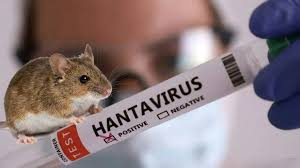
Three passengers on a cruise ship in the Atlantic Ocean have died after a suspected hantavirus outbreak, according to the World Health Organization (WHO).
Hantavirus
Responsible Pathogen – It is a rare but severe zoonotic disease, meaning it spreads from animals to humans. It belongs to the Hantaviridae family and is an RNA virus.
Vector – The virus is primarily spread by rodents such as mice and rats.
It spreads through inhalation of airborne particles from infected rodent urine or droppings, or by touching contaminated surfaces.
Human-to-human transmission is generally rare.
Symptoms – The disease usually begins with flu-like symptoms such as fever and fatigue within one to eight weeks after exposure.
In severe cases, it can lead to Hantavirus Pulmonary Syndrome, which may cause respiratory distress and can be fatal.
Treatment – There are no specific drugs to treat the disease, so treatment focuses on supportive care, including putting patients on ventilators in severe cases.
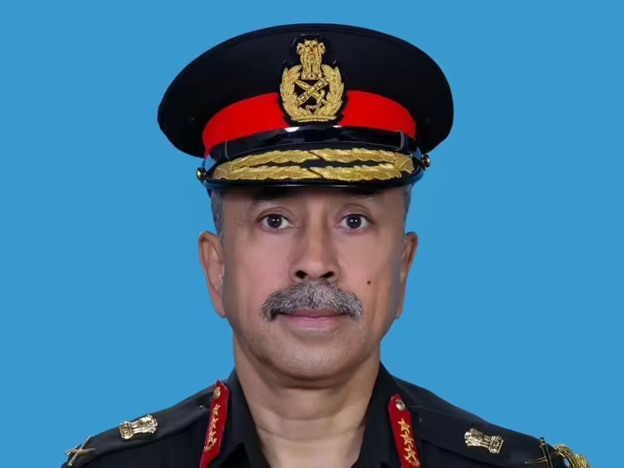
The Government of India has appointed Lieutenant General NS Raja Subramani as the new Chief of Defence Staff (CDS).
He will also function as the Secretary, Department of Military Affairs (DMA).
Chief of Defence Staff (CDS)
The post of CDS was created in 2019 following recommendations of the Kargil Review Committee and subsequent defence reforms.
The first CDS of India was General Bipin Rawat.
Role and Responsibilities of the CDS:
Principal Adviser: Acts as the primary military adviser to the Defence Minister on all tri-services matters.
Department of Military Affairs: Functions as the Secretary to the Government of India for the Department of Military Affairs.
Military Reform: Focuses on enhancing synergy, jointness in operations, and modernization of the armed forces.
Theater Commands: Drives the restructuring of military commands into integrated theater commands.
Strategic and Nuclear Role: Serves as an important military adviser to the Nuclear Command Authority.
Sardar Vallabhai Patel
Syllabus: GS1/History
In News
Recently, the Prime Minister paid tribute to Sardar Vallabhbhai Patel at Somnath Temple during the 75th anniversary celebrations of the temple’s reconstruction.
Sardar Vallabhbhai Patel
Born on – October 31, 1875,
India’s first Deputy Prime Minister and Home Minister.
He is widely regarded as the architect of India’s national integration and a key force behind the establishment of modern civil services
He was posthumously honoured with the Bharat Ratna, the highest civilian award in the country in 1991.
Contributions in India’s Freedom Struggle
Kheda Satyagraha, 1917: As a prominent local leader in the Kheda district of Gujarat, Patel supported Mahatma Gandhi in organising the Satyagraha against unjust land revenue taxes imposed by the British.
Non-Cooperation Movement, 1920-22: Patel significantly impacted the Non-Cooperation Movement, recruiting approximately 300,000 members and raising 1.5 million rupees.
Bardoli Satyagraha, 1928: During the Bardoli Satyagraha, Patel supported the local population suffering from famine and increased land taxes.
Civil Disobedience Movement 1930-34: He actively participated in the Salt Satyagraha, a nonviolent protest against the British salt monopoly.
Quit India Movement, 1942: He organised protests and strikes against British rule, and delivered compelling and electrifying speeches throughout India, inspiring and mobilising people to join mass protests, engage in acts of civil disobedience, boycott tax payments, and stage civil service shutdowns.
Do you know?
● Since 2014, Rashtriya Ekta Diwas, also known as National Unity Day, has been celebrated every year on October 31 to commemorate the birth anniversary of Sardar Patel.
● The Statue of Unity, the world’s tallest statue, was unveiled on 31 October 2018 at Kevadia in Gujarat on the 143rd birth anniversary of Sardar Vallabhbhai Patel.
● Civil Services Day is observed on 21 April to mark Sardar Vallabhbhai Patel’s address to the first batch of civil servants of Independent India in 1947.
Speedy Trial a ‘Human Right’
Syllabus: GS2/ Polity and Governance
Context
The Supreme Court of India, while hearing a criminal case pending for nearly 35 years in Uttar Pradesh, declared that the right to speedy trial is not only a constitutional guarantee under Article 21 but also a human right.
Article 21 of the Constitution
Article 21 guarantees the protection of life and personal liberty except according to procedure established by law.
Judicial interpretation has expanded Article 21 to include fair trial, legal aid, humane prison conditions, and speedy justice.
Judicial Evolution
Hussainara Khatoon v. State of Bihar: The Supreme Court first recognised speedy trial as a fundamental right under Article 21. The case highlighted the plight of undertrial prisoners languishing in jails for years.
A.R. Antulay v. R.S. Nayak: The Court laid down principles to determine violation of the right to speedy trial. It clarified that delays caused by systemic inadequacies also violate constitutional rights.
PCOS Renamed as PMOS
Syllabus: GS2/ Health
Context
A global medical consensus has renamed Polycystic Ovary Syndrome (PCOS) as Polyendocrine Metabolic Ovarian Syndrome (PMOS) after nearly 14 years of scientific consultations involving doctors, researchers, and patient advocacy groups across the world.
PMOS
PMOS, earlier known as PCOS, is a complex hormonal and metabolic disorder affecting women of reproductive age.
It impacts the endocrine system, metabolism, reproductive health, and mental well-being.
The disorder affects nearly one in eight women globally and is among the leading causes of infertility and menstrual irregularities.
Symptoms of PMOS:
Risk of Diabetes: Insulin resistance can lead to Type-2 diabetes mellitus.
Cardiovascular Risks: Women with PMOS are more vulnerable to hypertension and heart diseases.
Fertility Challenges: The disorder affects ovulation and reproductive health.
Mental Health Concerns: Long-term stress, body image issues, and hormonal imbalance may contribute to psychological disorders.
Why Was PCOS Renamed?
The earlier name Polycystic Ovary Syndrome was considered scientifically inaccurate and misleading, as many women diagnosed with the condition do not actually develop ovarian cysts.
The earlier term primarily associated the disorder with reproductive organs, whereas the condition also significantly affects metabolism, hormones, cardiovascular health, and mental health.
Pradhan Mantri Schools for Rising India (PM SHRI)
Syllabus: GS2/Governance
Context
The Union Ministry of Education has issued a fresh reminder regarding the pending implementation of the Pradhan Mantri Schools for Rising India (PM SHRI) scheme to West Bengal, Kerala and Tamil Nadu.
PM SHRI Schools
Abbreviation – PM Schools for Rising India(PM SHRI)
Nodal Ministry – Ministry of Education
Type – Centrally Sponsored Scheme
Aim –To upgrade and develop more than 14,500 Schools across the country by strengthening the selected existing schools from amongst schools managed by Central Government/ State/ UT Government/ local bodies.
Features – PM-SHRI schools will have a modern, transformational and holistic method of imparting education.
The focus of these schools will be on modern infrastructure including latest technology, smart classrooms, sports and more.
They will also be developed as “green schools” with water conservation, waste recycling, energy-efficient infrastructure and integration of an organic lifestyle in the curriculum.
Hence, these schools will showcase all components of the National Education Policy 2020 and act as exemplar schools and also offer mentorship to other schools in their vicinity.
Study on Malaria Vaccine
Syllabus: GS2/Health
In News
A major study published in the Lancet found that the world’s first approved malaria vaccine, RTS,S/AS01E, reduced overall child deaths by 13% in parts of Africa.
Additional Information – Malaria
Responsible pathogen – Malaria is an acute febrile illness caused by Plasmodium parasites.
Vector – It spreads from people to people through the bites of infected female Anopheles mosquitoes. It is preventable and curable.
Transmission – Malaria is not contagious and cannot spread from one person to another; the disease is transmitted through the bites of female Anopheles mosquitoes.
Five species of parasites can cause malaria in humans and 2 of these species – Plasmodium falciparum and Plasmodium vivax – pose the greatest threat.
Symptoms
Infants, children under 5 years, pregnant women, travelers and people with HIV or AIDS are at higher risk. Severe symptoms include:
extreme tiredness and fatigue
impaired consciousness
multiple convulsions
difficulty breathing
dark or bloody urine
jaundice (yellowing of the eyes and skin)
abnormal bleeding.
Initiatives to Control Malaria by WHO
WHO’s Global technical strategy for malaria 2016–2030 – It aims to reduce malaria case incidence and mortality rates by at least 40% by 2020, at least 75% by 2025 and at least 90% by 2030 against a 2015 baseline.
‘E-2025 Initiative’: The WHO has identified 25 countries with the potential to eradicate malaria by 2025 under the initiative.
High Burden to High Impact (HBHI) initiative: WHO has initiated the initiative in 11 high malaria burden countries, including India.
Indian Government Initiatives to Control Malaria
National target – The Government of India set a target to eliminate malaria in India by 2027.
National Framework for Malaria Elimination (NFME) – It has been developed and launched in 2016 aligned with the Global Technical Strategy (GTS) for malaria elimination 2016-2030.
Malaria Elimination Research Alliance-India (MERA-India): It was established by the Indian Council of Medical Research (ICMR) as a conglomeration of partners working on malaria control.
National Florence Nightingale Awards 2026
Syllabus: Miscellaneous
Context
President Droupadi Murmu conferred the National Florence Nightingale Awards 2026 to nurses at a function held at Rashtrapati Bhavan.
National Florence Nightingale Awards
Named after Florence Nightingale, the founder of modern nursing.
It was instituted in 1973 by the Ministry of Health and Family Welfare, Government of India.
It recognizes meritorious services of nurses and nursing professionals who contribute significantly to society.
Each award consists of a Certificate of Merit, Cash Award of Rs.1,00,000/- and a medal.