Category: National and International Current Affairs

  • India Germany Sign Pact to Shore Up Defence Industrial Cooperation | Article 6 of the Paris Agreement and India | First Fully Organic Village of Rajasthan | ISRO’s PSLV-C62/EOS-N1 Mission Experienced an Anomaly During the Third Stage | Bhadrakali Inscription | Pax Silica

    India Germany Sign Pact to Shore Up Defence Industrial Cooperation

    International

    Context

    • India and Germany signed agreements spanning sectors such as defence, technology, health, energy and human resources.

    India and Germany Bilateral Ties

    • Establishment of Ties: India and Germany entered into diplomatic relationship in 1951. 2026 marks the 75 years of the establishment of diplomatic relations.
    • Strategic Partnership: Since 2000, India and Germany have had a ‘Strategic Partnership’ and 2025 marks the 25 years of Strategic Partnership.
    • Defence Cooperation: Germany Participated in many multilateral exercises with India, such as: MILAN, PASSEX, EX TARANG SHAKTI-1.
    • Trade Cooperation: India was Germany’s 23rd largest trading partner in 2024 and Germany was the 8th largest trading partner for India in and is India’s largest trading partner in the EU.
    • Green and Sustainable Development Partnership (2022): Germany pledged €10 billion by 2030.
    • Collaboration in renewable energy, metro projects, green corridors, and smart cities directly aids India’s climate goals and SDG commitments.

    Multilateral Cooperation:

    • Support for India’s permanent seat at UNSC.
    • Coordination at G20, UN, WTO, COP climate talks.
    • Indian Diaspora: There are around 2.46 lakh (2023) Indian passport holders and Indian-origin people in Germany.

    Article 6 of the Paris Agreement and India

    Geography & Environment

    In Context

    • At COP29, carbon markets under Article 6 (A6) of the Paris Agreement were made fully operational to improve the delivery and efficiency of climate finance.
    • Earlier, India took a major step by signing the Joint Crediting Mechanism (JCM), effectively operationalising Article 6.2 and marking India’s formal entry into international carbon market cooperation.

    Article 6 of the Paris Agreement

    • It creates a framework that allows countries to cooperate voluntarily to achieve their Nationally Determined Contributions (NDCs) through two main routes:
    • Article 6.2: Enables bilateral or plurilateral cooperation through the trading of emission reductions, called Internationally Transferred Mitigation Outcomes (ITMOs).
    • Article 6.4: Establishes a centralized Paris Agreement Crediting Mechanism (PACM), evolved from the earlier Clean Development Mechanism (CDM), to validate and verify projects generating carbon credits.
    • Both mechanisms are backed by strong accounting rules to avoid double counting and ensure transparency and environmental integrity.

    India and the Joint Crediting Mechanism

    • India’s entry into Article 6 through its JCM partnership with Japan represents the operationalisation of Article 6.2. The JCM framework will facilitate the adoption of low-carbon and advanced industrial technologies, offering mutual benefits—emissions reduction for Japan and technology transfer and finance for India.
    • The Indian government has identified 13 eligible activities under A6, focusing on high-impact, emerging technologies such as:
    • Renewable energy with storage and offshore wind
    • Green hydrogen and compressed bio-gas
    • Sustainable aviation fuel and fuel-cell mobility
    • High-end energy efficiency applications

    Carbon capture, utilisation, and storage (CCUS)

    • These reflect a strategic alignment between India’s growth priorities and long-term decarbonisation goals, particularly for industries like steel, cement, and power generation.

    First Fully Organic Village of Rajasthan

    Economy

    In News

    • Bamanwas Kankar Panchayat, Rajasthan, has become the first fully organic village body in the state, covering seven hamlets.

    Natural Farming

    • It is a chemical free farming, involving livestock (preferably local breed of cow) integrated natural farming methods and diversified crop systems rooted in the Indian traditional knowledge.
    • It is largely based on on-farm biomass recycling with major stress on biomass mulching, use of on-farm cow dung-urine formulations; maintaining soil aeration and exclusion of all synthetic chemical inputs.

    Additional Information- National Mission on Natural Farming (NMNF)

    • Launched in – November 2024
    • It is a centrally sponsored Scheme
    • Objective – to promote chemical-free, ecosystem-based natural farming rooted in traditional knowledge.

    ISRO’s PSLV-C62/EOS-N1 Mission Experienced an Anomaly During the Third Stage

    Science and Technology

    In News

    • ISRO’s first launch of the year, the PSLV-C62 mission failed to place its 16 satellites into the intended orbit, marking the second consecutive failure of the long-reliable PSLV rocket.

    The PSLV-C62 / EOS-N1 Mission

    • It was the 64th flight of India’s PSLV and ninth commercial mission by NewSpace India Limited (NSIL).
    • It aimed to launch the EOS-N1 Earth observation satellite along with 15 co-passenger satellites.
    • EOS-N1 is an Earth observation satellite intended for environmental monitoring, resource mapping, and disaster management.

    Additional information – Polar Satellite Launch Vehicle (PSLV)

    • It is the third generation launch vehicle of India.
    • It has also been called “the workhorse of ISRO” for consistently delivering various satellites into low earth orbits with a high success rate.
    • It is the first Indian launch vehicle to be equipped with liquid stages.
    • It is a four-stage rocket in which each stage has its own engine and fuel.

    Major launches

    • First successful launch in October 1994.
    • PSLV successfully launched two spacecraft Chandrayaan-1 in 2008 and Mars Orbiter Spacecraft in 2013 that later travelled to Moon and Mars respectively.
    • It also launched India’s first space observatory, Astrosat.

    Geosynchronous Satellite Launch Vehicle (GSLV)

    • It is India’s largest fourth-generation launch vehicle, designed to overcome the limitations of the PSLV by carrying heavier payloads to higher orbits.
    • GSLV is a three-stage vehicle, capable of delivering up to 1,750 kg to low Earth orbit (up to 600 km) and smaller payloads to Geostationary Transfer Orbit.
    • GSLVs use cryogenic engines with liquid hydrogen and liquid oxygen, providing greater thrust than earlier launch vehicles.
    • Its advanced variant, LVM-3 (formerly GSLV Mk III), employs solid, liquid, and cryogenic engines, carrying up to 8,000 kg to low Earth orbit (up to 2,000 km) and 4,000 kg to geosynchronous orbit (36,000 km), earning the nickname ‘Bahubali’ for its payload capacity.

    Major launches

    • LVM-3’s first successful mission was in 2017 with GSAT-19.
    • It was followed by Chandrayaan-2 in 2019 and Chandrayaan-3 in 2023.
    • Note – ISRO is developing its heaviest rocket, the Lunar Module Launch Vehicle (LMLV), expected by 2035, to support future lunar missions, including India’s first human Moon mission planned for 2040.

    Bhadrakali Inscription

    Culture

    In News

    • Recently, it has been highlighted that Prabhas Patan has a rich historical and spiritual heritage, with inscriptions like Bhadrakali, copper plates, and memorial stones showcasing its prosperity, valor, and devotion.
    • Note – Prabhas Patan, also known as Dev Patan, is a historic and sacred locality in Veraval, Gujarat, celebrated as the site of the Somnath Temple. It remains one of India’s most significant pilgrimage destinations, housing the first of the twelve holy Jyotirlingas of Lord Shiva.

    Bhadrakali Inscription

    • It was carved in 1169 CE (Valabhi Samvat 850 and Vikram Samvat 1255) and currently protected by the State Department of Archaeology.
    • It is located near the museum in Prabhas Patan, beside the old Ram Temple in Bhadrakali lane.
    • It is a eulogistic inscription of Param Pashupata Acharya Shriman Bhavabrihaspati, the spiritual preceptor of Maharajadhiraj Kumarapala of Anhilwad Patan.

    Features

    • It records the ancient and medieval history of the Somnath Temple.
    • It mentions the construction of Somnath Mahadev in all four yugas.

    Accordingly, in the

    1. Satya Yuga, Chandra (Soma) built it of gold;
    2. In the Treta Yuga, Ravana built it of silver;
    3. In the Dvapara Yuga, Shri Krishna built it of wood
    4. In the Kali Yuga, King Bhimdev Solanki constructed a beautifully artistic stone temple.
    • History confirms that Bhimdev Solanki built the fourth temple on the earlier remains, followed by the fifth temple constructed by Kumarapala in 1169 CE at the same site

    Importance

    • Prabhas Patan embodies the spiritual pride of Sanatan Dharma.
    • The Bhadrakali inscription highlights the devotion of Solanki rulers and scholars like Bhavabrihaspati, and its rich artistic, architectural, and literary legacy continues to inspire, affirming that devotion and self-respect remain timeless.

    Pax Silica

    International

    Context

    • The US Ambassador announced that India would be invited next month to join Pax Silica.

    Pax Silica

    • Objective – It is a US-led strategic initiative to build a secure, prosperous, and innovation-driven silicon supply chain from critical minerals.
    • The inaugural Pax Silica Summit was held in December 2025 and the signatories include Australia, Israel, Japan, South Korea, Singapore, the UK, the Netherlands, and the UAE.
    • Together, these countries are home to the most important companies and investors powering the global AI supply chain.
    • Note – Qatar became the latest signatory to Pax Silica.
    • Significance – Its objective is to reduce coercive dependencies, protect the materials and capabilities foundational to artificial intelligence, and ensure aligned nations can develop and deploy transformative technologies at scale.

    Significance for India

    • Joining Pax Silica might help India diversify away from China to more secure suppliers like Australia for critical minerals.
  • HPV Vaccination

    HPV Vaccination

    Health and Society

    Context

    • A large population-based study has shown that high HPV (Human Papillomavirus) vaccination coverage can reduce precancerous cervical lesions even among unvaccinated women, highlighting a strong herd-protective effect.

    Cervical Cancer

    • Cervical cancer develops in a woman’s cervix (the entrance to the uterus from the vagina).
    • Spread: Almost all cervical cancer cases (99%) are linked to infection with high-risk human papillomaviruses (HPV), an extremely common virus transmitted through sexual contact.
    • Prevalence: Cervical cancer is the fourth most common cancer in women.
    • It is the second most common type of cancer in India for women.
    • Treatment: When diagnosed, cervical cancer is one of the most successfully treatable forms of cancer, as long as it is detected early and managed effectively.
    • Vaccination: There are, at present, two vaccines available in the country against the human papillomavirus (HPV) which causes cervical cancer, namely Merck’s Gardasil and Serum Institute of India’s Cervavac.
  • National Youth Day 2026

    National Youth Day 2026

    Polity and Governance

    In News

    • Recently, National Youth Day was observed to mark the birth anniversary of Swami Vivekananda.

    National Youth Day or Rashtriya Yuva Divas

    • It is celebrated on 12th January every year in commemoration of the great spiritual leader, philosopher and thinker Swami Vivekananda
    • His unwavering belief in the potential of youth continues to resonate deeply with young citizens of the country.

    Related Steps

    • Mera Yuva Bharat (MY Bharat) : It is an autonomous, technology-driven platform under the Ministry of Youth Affairs and Sports that empowers youth by connecting them with volunteering, skill development, leadership, and experiential learning opportunities.
    • National Service Scheme (NSS): It is a scheme under the Ministry of Youth Affairs and Sports and aims at instigating social consciousness of the student youth with an overall objective of personality development of the youth through community service.
    • Agnipath Scheme: The Government launched the Agnipath scheme in 2022. Under the scheme, both male and female aspirants are recruited into the ‘below the officer’s rank’ cadre of the three services for a four-year period as Agniveers.
    • Pradhan Mantri Skilling and Employability Transformation through Upgraded ITIs (PM-SETU): In October 2025, the Government launched PM-SETU and  it is a flagship, centrally sponsored scheme to modernise India’s network of Industrial Training Institutes (ITIs) and align vocational training with global industry standards.
    • The Skill India Mission (SIM) : Launched in 2015 on World Youth Skills Day, it provides training to skill, re-skill, and up-skill individuals through a wide network of centres and institutes.
    • Pradhan Mantri Kaushal Vikas Yojana (PMKVY): It was launched in 2015 to provide short-term skill training and upskilling or re-skilling, including through Recognition of Prior Learning (RPL), to youth across India.
    • The Jan Shikshan Sansthan (JSS) Scheme, initially launched as Shramik Vidyapeeth (SVP) in 1967, aims to provide skill training in a non-formal mode.
    • National Apprenticeship Promotion Scheme (NAPS): The scheme launched in August 2016, promotes apprenticeship by offering financial support for apprentice stipends.
    • Deen Dayal Upadhyaya Grameen Kaushalya Yojana (DDU-GKY): Launched in 2014 and is a part of the National Rural Livelihood Mission (NRLM), tasked with the dual objectives of adding diversity to the incomes of rural poor families and cater to the career aspirations of rural youth.
    • Pradhan Mantri Viksit Bharat Rozgar Yojana: In 2025, Prime Minister Narendra Modi announced the Pradhan Mantri Viksit Bharat Rozgar Yojana with an outlay of ₹1 lakh crore.
    • It will offer financial incentives of up to ₹15,000, disbursed in two installments, to newly employed youth. In addition, employers will receive support of up to ₹3,000 per month for each new employee, encouraging the creation of new job opportunities.
    • Startup India: Launched in 2016 to foster a robust ecosystem for innovation and entrepreneurship.
    • Pradhan Mantri MUDRA Yojana (PMMY): It is aimed at Funding the Unfunded micro enterprises and small businesses.
    • The Rashtriya Kishor Swasthya Karyakram (RKSK) was launched in 2014 by the Ministry of Health & Family Welfare to address the holistic health needs of adolescents aged 10–19 years across India.

    Conclusion

    • National Youth Day 2026 highlights the vital role of India’s youth in shaping the nation’s future through education, startups, service, and leadership.
    • Inspired by Swami Vivekananda, the day underscores that youth are not just inheritors but architects of India’s journey toward 2047.

    Additional Information – Swami Vivekananda

    • He was born Narendra Nath Datta in Kolkata on January 12, 1863,
    • He was a key figure in introducing Hindu philosophies of Yoga and Vedanta to the West.
    • He was a disciple of Ramakrishna Paramhansa and he devoted himself to spiritual and social reform in India, traveling across the country to educate people on economic improvement and spiritual knowledge.
    • He gained global recognition with his 1893 address at the Parliament of the World’s Religions in Chicago, advocating universal tolerance, acceptance of all religions, and pride in Indian traditions.
    • After returning to India, he founded the Ramakrishna Mission in 1897 and Belur Math in 1899, promoting the integration of spirituality with material progress.
    • Through his teachings, lectures, and writings—including Raja Yoga, Jnana Yoga, and Karma Yoga—he spread the practice of yoga and the principles of ‘neo-Vedanta’, leaving a lasting legacy as a messenger of Indian wisdom and a visionary for social and spiritual upliftment.
    • Netaji Subhas Chandra Bose had called him the “maker of modern India.”
  • Pradhan Mantri-Rashtriya Krishi Vikas Yojana (PM-RKVY)

    Pradhan Mantri-Rashtriya Krishi Vikas Yojana (PM-RKVY)

    Economy

    Context

    • The Union Ministry of Agriculture has proposed to merge three separate ongoing schemes with its flagship Pradhan Mantri-Rashtriya Krishi Vikas Yojana (PM-RKVY).

    The schemes to be merged with PM-RKVY are

    1. Krishonnati Yojana (KY) to boost farmers’ income,
    2. National Mission on Natural Farming (NMNF)
    3. National Bee and Honey Mission (NBHM).
    • PM-RKVY, KY and NMNF are Centrally sponsored with implementation done by the state governments using funds jointly provided by both, while NBHM is a Central sector scheme that is funded and implemented by the Centre.

    Pradhan Mantri-Rashtriya Krishi Vikas Yojana (PM-RKVY)

    • It was initiated in 2007 as an umbrella scheme for ensuring holistic development of agriculture and allied sectors.
    • Nodal Ministry: Ministry of Agriculture & Farmers Welfare.
    • Objective – It allows states to choose their own agriculture and allied sector development activities as per the district/state agriculture plan.
    • Financing – It is a central sponsored scheme
  • U.S. Takeover of Greenland would Mark End of NATO: Denmark | OPEC+ | Biohappiness

    U.S. Takeover of Greenland would Mark End of NATO: Denmark

    International

    Context

    • The Prime Minister of Denmark said that if Trump took over Greenland that would mark an end of the Nato military alliance.

    North Atlantic Treaty Organization (NATO)

    • NATO, also called the North Atlantic Alliance, is an intergovernmental military alliance.
    • Headquarters: Brussels, Belgium
    • Background: It was established by 12 countries from Europe and North America with the signing of the North Atlantic Treaty (also known as Washington Treaty) in 1949 in Washington, D.C to provide collective security against the Soviet Union attack in the aftermath of World War II.
    • Collective Defense: According to Article 5, NATO works on the principle of collective defense, where an attack on any NATO member is considered an attack on all NATO members. So far, Article 5 has been invoked once – in response to the 9/11 terrorist attacks in the United States in 2001.
    • Members: It comprises 32 member states – two North American countries (USA and Canada) 28 European countries and one eurasian country (Turkey). Sweden became the 32nd member in 2024.

    OPEC+

    International

    Context

    • OPEC+ has agreed in principle to maintain steady oil output despite rising political tensions among key members and widening geopolitical uncertainty.

    OPEC+

    • Brief: It is a coalition of oil-producing countries that includes members of the Organization of the Petroleum Exporting Countries (OPEC) and several non-OPEC nations. A partnership between OPEC and 10 non-OPEC oil-producing countries.
    • OPEC Established: 1960 by Iraq, Iran, Kuwait, Saudi Arabia, and Venezuela.
    • Headquarters: Vienna, Austria.
    • Members:
      • Founding Members: Iraq, Iran, Kuwait, Saudi Arabia, Venezuela.
      • Additional Members: Algeria, Congo, Equatorial Guinea, Gabon, Libya, Nigeria, UAE.
      • Non-OPEC members of OPEC+: Russia, Azerbaijan, Bahrain, Brunei, Kazakhstan, Mexico, Malaysia, Oman, South Sudan, and Sudan.
      • Significance of OPEC+: Controls around 40% of global oil supply.

    Biohappiness

    Geography & Environment

    In News

    • The M.S. Swaminathan Research Foundation has begun work on a project on Biohappiness in Keyi Panyor district of Arunachal Pradesh.

    Do you know?

    • Keyi Panyor became Arunachal Pradesh’s 26th district, with its headquarters at Ter Gapin-Sam Sarth, fulfilling a long-standing demand of the Nyishi community.

    BioHappiness

    • It is a term coined by late agricultural scientist Dr. M.S. Swaminathan.
    • It is a state of well-being and fulfillment achieved by conserving and using biodiversity to improve human health, nutrition, and livelihoods, fostering harmony between people and nature.
    • Significance – The new Biohappiness Project in Keyi Panyor district of Arunachal Pradesh would look at the livelihoods of the residents, the agro-biodiversity of the district, and other ecological aspects within its boundaries.
  • US President Signs Order Withdrawing US from 66 International Organisations | Doomsday Glacier | Madhav Gadgil

    US President Signs Order Withdrawing US from 66 International Organisations

    International

    In News

    • The US has withdrawn from 66 international organizations, including 31 UN entities and 35 non-UN bodies.
    • The entities include climate/energy/science forums such as the UN Framework Convention on Climate Change (UNFCCC), the Intergovernmental Panel on Climate Change (IPCC), the International Renewable Energy Agency (IRENA), and the International Solar Alliance (ISA).

    US Withdrawing

    • Sovereignty Concerns: Resistance to binding international rules perceived to constrain domestic policy autonomy.
    • Perceived Institutional Bias: Allegations of politicisation, inefficiency, and bias against US or allied interests.
    • Domestic Political Pressures: Multilateral commitments viewed as costly with limited direct electoral benefits.
    • Burden-Sharing Argument: Claim that the US contributes disproportionately to global institutions.
    • Strategic Reorientation: Preference for bilateral or minilateral arrangements over universal institutions.
    • Strategic Competition: Desire to limit platforms where rival powers gain influence.

    Potential Impacts

    • Climate Change Setback: Weakens global efforts to curb greenhouse gas emissions and provides other countries an excuse to delay climate commitments and finance pledges.
    • Fragmentation of Multilateralism: Further erodes international governance, intensifies power rivalries, and accelerates a shift towards protectionism and smaller ad-hoc regional blocs.
    • Development & Humanitarian Slowdown: US funding cuts worsen already declining international development and humanitarian aid, affecting health, education, food security, and SDG progress.
    • Global Peace & Security Risks: Reduced US support to bodies like the UN Peacebuilding Commission hampers peacebuilding and post-conflict recovery, especially in conflict-prone regions such as Africa and the Caribbean.
    • Weakening of Global Norms: Encourages selective compliance with international law and treaty obligations by other states.
    • Leadership Vacuum: Creates space for other major powers to shape global rules and institutions.

    Doomsday Glacier

    Geography & Environment

    Context

    • A new study published in the Journal of Geophysical Research: Earth Surface explains recent structural changes in the Thwaites Glacier region and shows how other Antarctic ice shelves may collapse in the future.

    Doomsday Glacier (Thwaites Glacier)

    • It is an outflow glacier of the West Antarctic Ice Sheet (WAIS), flowing into the Amundsen Sea.
    • It is nicknamed ‘Doomsday Glacier’ due to its potential to cause major sea-level rise.
    • The complete destruction of the Doomsday Glacier could lead to a global sea level rise of 3 meters.

    Additional Information – Conservation efforts of Antarctic Treaty

    • The Treaty covers the area south of 60°S latitude.
    • It was signed at Washington D.C. in 1959 with the objective of the Demilitarisation of Antarctica.
    • The signatories are supposed to bring laws so that no activity in contravention of the treaty takes place.
    • India signed the treaty in 1983.

    Convention on the Conservation of Antarctic Marine Living Resources (CCAMLR)

    • Signed in – Canberra in 1980
    • Objective – To protect and preserve the Antarctic environment and, particularly, for the preservation and conservation of marine living resources in Antarctica.
    • India ratified the CCAMLR in 1985.

    The Protocol on the Environmental Protection to the Antarctic Treaty (Madrid Protocol)

    • Signed in – Madrid in 1991.
    • Objective – It aims to strengthen the Antarctic Treaty system and develop a comprehensive regime for the protection of the Antarctic environment and dependent and associated ecosystems.
    • India ratified the Madrid Protocol in 1998.

    Council of Managers of the National Antarctic Programme (COMNAP)

    • India is also a member of the COMNAP which shows the significant position that India holds among the nations involved in Antarctic research.

    Madhav Gadgil

    Geography & Environment

    Context

    • Noted ecologist Madhav Gadgil, known for his work on the conservation of Western Ghats, has passed away.

    Major Contributions

    • In 2010, the Ministry of Environment and Forests appointed Madhav Gadgil to chair the Western Ghats Ecology Expert Panel (WGEEP), known as the Gadgil Commission.
    • His 2011 report recommended classifying 64% of the 1,40,000 sq km Ghats, spanning six states, as Ecologically Sensitive Areas (ESAs)
    • It led to debate and discussion on the significance of the Western Ghats as an ecological hotspot and the efforts to conserve them.
    • He played a key role in declaring the Nilgiris as India’s first biosphere reserve in 1986.
    • He later helped shape the Biological Diversity Act, 2002, and Forest Rights Act 2006.
    • He served on the Prime Minister’s Scientific Advisory Council and the National Tiger Authority, successfully bridging academic research with grassroots environmental activism.
    • His contributions were widely recognised with major honours, including the Padma Shri (1992), Padma Bhushan (2006), the Tyler Prize for Environmental Achievement (2015) and the UNEP Champions of the Earth award (2024).
    • Note – The annual Champions of the Earth award is the U.N.’s highest environmental honour awarded for his seminal work in the Western Ghats.
  • Pravasi Bharatiya Divas – 18th edition | PANKHUDI Portal | Graham-Blumenthal Sanctions Bill | Spina Bifida | U.S. Withdraw From International Solar Alliance | Satellite Tagging of Sea Turtles Aims to Aid Conservation

    Pravasi Bharatiya Divas – 18th edition

    International

    Context

    • The Pravasi Bharatiya Divas (PBD) is celebrated once in two years on 9th January.

    Pravasi Bharatiya Divas (PBD)

    • Objective – It is a significant event that honors the contributions of the Indian diaspora to their homeland.
    • Historic background – It symbolises Mahatma Gandhi’s return from South Africa in 1915.
    • Organised by – Ministry of External Affairs. Since 2015, it has evolved into a biennale event.

    Indian Diaspora

    • The diaspora encompasses a group of people who can either trace their origins to India or who are Indian citizens living abroad, either temporarily or permanently.
    • As per the Indian Ministry of External Affairs [2024], the global Indian diaspora numbers approximately 35.42 million, consisting of 85 million non-resident Indians (NRIs) and 19.57 million people of Indian origin (PIOs).
    • Top 5 countries where the Indian diaspora resides: United States of America (USA): 5.4Mn, United Arab Emirates (UAE): 3.6Mn, Malaysia: 2.9Mn, Canada: 2.8Mn and Saudi Arabia: 2.4Mn.
    • India is the origin of the largest number of international migrants in the world, touching nearly 18 million, according to the UN World Migration Report 2024.

    Importance of the Diaspora

    • Remittances: In 2024, India received an estimated $129.1 billion worth of remittances, the highest ever for a country in any year.
    • India’s share in global remittances was 14.3% in 2025, the highest such share since the turn of the millennium for any country.
    • These contribute significantly to foreign exchange reserves and rural household incomes.
    • Investment & Trade: NRIs and PIOs invest in Indian real estate, startups, and infrastructure, and act as trade facilitators between India and their countries of residence.
    • Tech & Innovation: Indian-origin professionals in Silicon Valley, academia, and global corporations contribute to knowledge transfer, mentorship, and innovation linkages.
    • Cultural Ambassadors: The diaspora promotes Indian languages, yoga, cuisine, Cinema, and festivals globally.
    • Policy Advocacy: Diaspora communities often influence foreign policy decisions in host countries in favor of India.
    • Citizen Diplomacy: Diaspora involvement helps India manage relations during bilateral tensions or negative media coverage.
    • Global Recognition: Their achievements enhance India’s image as a land of talent and opportunity.

    PANKHUDI Portal

    Health and Society

    In News

    • The Ministry of Women and Child Development launched PANKHUDI Portal.

    PANKHUDI Portal

    • It is an integrated Corporate Social Responsibility (CSR) and partnership facilitation digital portal.
    • Objective – It is aimed at strengthening coordination, transparency, and structured stakeholder participation in initiatives for women and child development.

    Features

    • It is developed as a single-window digital platform that brings together individuals, Non-Resident Indians (NRIs), Non-Governmental Organisations (NGOs), Corporate Social Responsibility (CSR) contributors, corporate entities, and government agencies working in the domain of women and child development.
    • It supports and strengthens the implementation of the Ministry’s flagship missions—Mission Saksham Anganwadi & Poshan 2.0, Mission Vatsalya, and Mission Shakti—through a structured and transparent digital mechanism.

    AdditionalInformation – Mission Saksham Anganwadi & Poshan 2.0

    • This is an integrated nutrition support program focused on combating malnutrition and improving early childhood development.
    • Target Beneficiaries: Children (0–6 years), adolescent girls (14–18 years), and pregnant/lactating women.

    Mission Vatsalya

    • This mission focuses on child protection and the welfare of children in difficult circumstances, aiming to ensure “No Child is Left Behind”.
    • Objectives: To secure a healthy, happy childhood for every child through better implementation of the Juvenile Justice Act (2015) and POCSO Act (2012).

    Mission Shakti

    • This umbrella scheme is dedicated to the safety, security, and economic empowerment of women. It is divided into two sub-schemes:

    Sambal (Safety and Security):

    • One Stop Centres (OSC): Integrated support for victims of violence.
    • Women Helpline (181): 24/7 emergency assistance.
    • Beti Bachao Beti Padhao (BBBP): Prevention of gender-biased sex selection and promotion of girls’ education.
    • Nari Adalats: Community-level alternative dispute resolution forums.

    Samarthya (Empowerment):

    • Shakti Sadan: Rehabilitation homes (merging former Swadhar Greh and Ujjawala schemes).
    • Pradhan Mantri Matru Vandana Yojana (PMMVY): Maternity benefit scheme.
    • Hub for Empowerment of Women (HEW): Facilitating access to government services.

    Graham-Blumenthal Sanctions Bill

    International

    Context

    • S. President Donald Trump has given his nod to the Graham-Blumenthal sanctions bill that will authorise the US President to levy up to 500% tariffs on nations that knowingly purchase Russian oil or uranium.

    Graham-Blumenthal Sanctions Bill

    • Objective – This Bill would give the US tremendous leverage against countries like China, India, and Brazil to incentivise them to stop buying the cheap Russian oil.
    • In 2018, under similar pressure from the previous Trump administration, India had “zeroed out” its oil imports from Iran and Venezuela as well.
    • Tariffs on India: The United States has imposed high tariffs on Indian goods, up to 50%.
    • Part of this tariff is connected to India’s continued purchase of Russian oil.
    • India’s Stand: India says the decision to buy oil from Russia is based on national interest. It wants to ensure energy security and keep fuel prices affordable for its people.

    Spina Bifida

    Health and Society

    Context

    • Many countries launched national awareness campaigns and programs to prevent spina bifida through folic acid supplementation.

    Spina Bifida

    • It is a congenital defect of the spinal cord caused by improper closure of the neural tube during early pregnancy.
    • The condition results in varying degrees of paralysis, ranging from mild weakness of the feet to complete paralysis of the lower limbs.
    • Many affected children also suffer from hydrocephalus, urinary and bowel incontinence, and orthopaedic deformities such as clubfoot.
    • Role of Folic Acid in Prevention: Periconceptional folic acid intake prevents over 70% of Spina Bifida cases.
    • Folic acid is a B-complex vitamin that supports neural tube development in the embryo.

    U.S. Withdraw From International Solar Alliance

    International

    Context

    • The United States has announced its withdrawal from the International Solar Alliance (ISA).

    International Solar Alliance

    • Started – The ISA, is an Indian initiative that was launched by the Prime Minister of India and the President of France on 30th November 2015 in Paris.
    • Solar powered countries – It is an initiative with 124 solar resource rich countries lying fully or partially between the tropic of Cancer and the tropic of Capricorn.
    • Objective – To collectively address key common challenges to the scaling up of solar energy in ISA member countries.
    • Headquarter – National Institute of Solar Energy (NISE) campus, Gurugram.
    • Members: Member Countries are countries which have signed and ratified the Framework Agreement of the ISA.
    • At present,  120 countries are signatories to the ISA Framework Agreement.

    Satellite Tagging of Sea Turtles Aims to Aid Conservation

    Geography & Environment

    Context

    • In a first-of-its-kind initiative, Olive Ridley sea turtles nesting on Chennai’s coast have been satellite-tagged and released as part of a two-year telemetry study (2025–27) to strengthen conservation efforts.
    • It will track turtle movements, nesting behaviour, migratory routes, and interactions with fishing activities across key sites.

    Olive ridley turtles (Lepidochelys olivacea)

    • They are the smallest and most abundant of all sea turtles in the world.
    • Distribution – They get their name from the olive green colour of their heart-shaped shell, and inhabit warm waters of the Pacific, Atlantic, and Indian oceans.
    • These are carnivores and feed mainly on jellyfish, shrimp etc.
    • These turtles are best known for their unique mass nesting called Arribada, where thousands of females come together on the same beach to lay eggs.
    • Major nesting sites in India are Rushikulya rookery coast (Odisha), Gahirmatha beach (Bhitarkanika National park) and the mouth of the Debi River.
    • Odisha is the largest mass nesting site for Olive Ridleys in the world.

    Conservation status 

    • Protection status: IUCN Red List: Vulnerable
    • CITES: Appendix I
  • Huntington’s Disease | Payments Regulatory Board | Taj Trapezium Zone (TTZ)

    Huntington’s Disease

    Health and Society

    Context

    • Huntington’s Disease is increasingly recognised as underdiagnosed in India due to limited awareness and delayed diagnosis.

    Huntington’s Disease (HD)

    • It is a rare, progressive, hereditary neurodegenerative disorder that affects the brain and leads to motor dysfunction, cognitive decline, and psychiatric disturbances (depression, psychosis, irritability, OCD), resulting in lifelong disability.
    • The disease is caused by a mutation in the huntingtin (HTT) gene and follows an autosomal dominant inheritance pattern, meaning a child inheriting the mutated gene from either parent will develop the disorder.
    • Consanguineous marriages significantly increase the probability of transmission, up to 75%.
    • Symptoms typically begin between 40 and 50 years of age and progress over 15–20 years.
    • While there is no cure for the disease, treatments are available that can improve patients’ quality of life and ease the burden on caregivers.

    Policy Perspective

    • The WHO defines rare diseases as those affecting 1 or fewer per 1,000 people. Although over 7,000 rare diseases exist globally, fewer than 5% have treatment options.
    • In 2021, the Union government formulated the National Policy for Rare Diseases (NPRD)-2021 for identification, prevention and providing support to families with rare diseases.
    • The NPRD recognises 63 rare diseases in India, but Huntington’s Disease is not included. Patients with any of the 63 recognised diseases are eligible for financial assistance of up to ₹50 lakh under PM-JAY.

    Payments Regulatory Board

    Economy

    In News

    • The first meeting of the Payments Regulatory Board (PRB) was held under the chairmanship of RBI Governor Sanjay Malhotra, marking the operationalisation of India’s new payments governance framework.

    Payments Regulatory Board

    • It is a statutory body through which the Reserve Bank of India exercises regulatory and supervisory control over payment and settlement systems in India.
    • Established under – Payment and Settlement Systems (PSS) Act, 2007.
    • Mandate – Its objective is to ensure safety, efficiency, stability, and consumer protection in digital and non-cash payments.

    Taj Trapezium Zone (TTZ)

    Geography & Environment

    In News

    • The National Green Tribunal issued a notice to the Centre and the Uttar Pradesh government over non-compliance with environmental norms in the Taj Trapezium Zone (TTZ).

    Taj Trapezium Zone

    • Purpose: It is a 10,400 sq. km trapezoidal shape area to safeguard the Taj Mahal, Agra Fort, and Fatehpur Sikri (all UNESCO World Heritage Sites) from the damaging effects of air pollution.
    • Establishment: In 1996 by the Supreme Court to control pollution affecting the Taj Mahal.
    • SC Directive: The Supreme Court mandated that industries within the TTZ switch from using coal and coke to cleaner fuels like natural gas.

    Additional Information – National Green Tribunal

    • Legal status – It is a statutory body established under the National Green Tribunal Act, 2010
    • Mandate – to ensure speedy and effective disposal of cases related to environmental protection and conservation.
    • It hears matters linked to major environmental laws in Schedule I, including the Environment (Protection) Act, 1986, Water (Prevention and Control of Pollution) Act, 1974, and Air (Prevention and Control of Pollution) Act, 1981, among others.
  • India Becomes World’s Largest Rice Producer | SAMPANN (System for Accounting and Management of Pension) | Wolf Supermoon | Suryastra Rocket Launcher System
    India Becomes World’s Largest Rice Producer

    Economy

    In News

    • India has become the world’s largest producer of rice, surpassing China.
    • India’s rice production has reached 150.18 million tonnes, compared to China’s 145.28 million tonnes.

    Rice

    • It is the most important food crop of India.
    • It is predominantly a Kharif or summer crop.

    Geographical conditions

    • Annual average temperature required – 22°C to 32°C.
    • Annual Average Rainfall -150-300 cm.
    • Soil: clayey and loamy soil.
    • Highest producing states – Based on data from the Ministry of Agriculture and Farmers Welfare for the 2024–25 crop year (finalized in late 2025), the highest producers are:
    1. Uttar Pradesh: Produced 20.93 million tonnes
    2. Telangana: Produced 17.09 million tonnes
    3. West Bengal: Produced 16.49 million tonnes

    Importance

    • It is the staple food crop of a majority of the people in India.
    • It plays a significant role in the national food and livelihood security system.

    Do you know?

    ●    ICAR has developed India’s first genome-edited rice varieties – DRR Rice 100 (Kamla) and Pusa DST Rice

    ●    These varieties have the potential to bring about revolutionary changes in terms of higher production, climate adaptability, and water conservation

    SAMPANN (System for Accounting and Management of Pension)

    Polity and Governance

    Context

    • SAMPANN (System for Accounting and Management of Pension) is an integrated, online pension management system for Department of Telecommunications (DoT) pensioners.

    SAMPANN

    • It creates a single platform for processing, sanctioning and disbursing pension directly to the bank account of pensioners.
    • Implementing agency:- Controller General of Communication Accounts, Department of Telecommunications, Ministry of Communications.
    • It also offers online grievance redressal, digital profile management and transaction record, enhancing transparency and efficiency for telecom retirees.

    Wolf Supermoon

    Science and Technology

    Context

    • The January 2026 Wolf Supermoon occurred recently.
    • A Wolf Supermoon combines two distinct concepts: Wolf Moon and Supermoon.

    Wolf Moon:

    • The term refers to the full moon occurring in January.
    • Such traditional names for full moons originated from seasonal patterns and were popularised through folklore and almanacs to mark time before modern calendars.
    • The name is associated with winter stories of wolves being heard more frequently, though it has no astronomical significance.

    Supermoon:

    • A supermoon is an astronomical phenomenon that occurs when a full moon coincides with the Moon’s closest approach to Earth, known as perigee.
    • The Moon follows an elliptical orbit, with its farthest point called apogee.

    Key Features

    • During a Wolf Supermoon, the Moon appears slightly larger and brighter than a typical full moon.
    • An associated visual effect is the Moon Illusion, where the Moon appears larger near the horizon due to human perception, not actual size change.

    Suryastra Rocket Launcher System

    Science and Technology

    Context

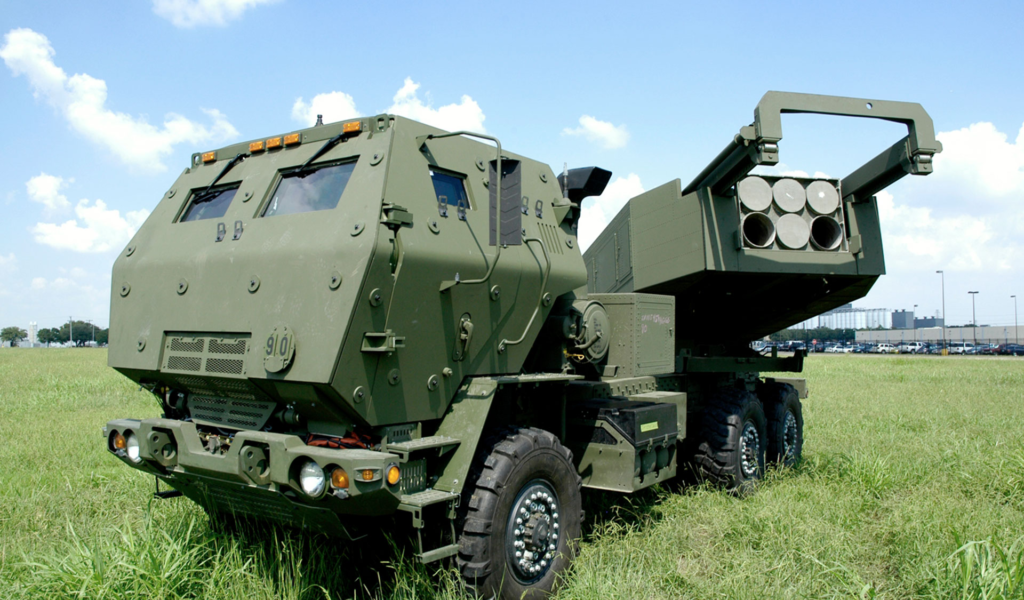
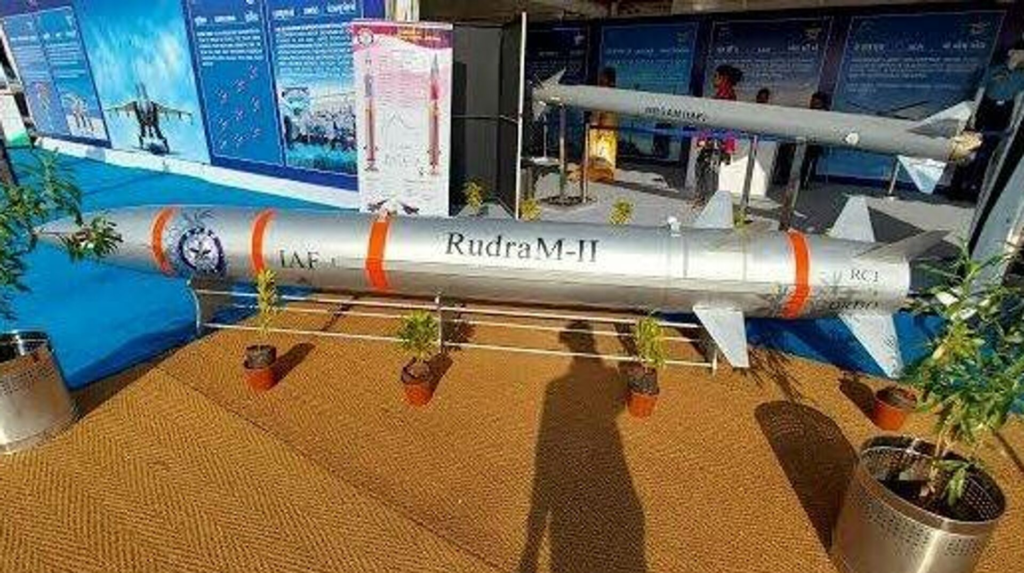
    • The Indian Army has signed a ₹293 crore contract with the NIBE Limited, in collaboration with Israel, for the supply of the long-range Suryastra Rocket Launcher system.

    Suryastra Rocket Launcher

    • It is India’s first indigenously manufactured universal multi-calibre rocket launche
    • It is capable of precision surface-to-surface strikes up to 300 km.
  • US Strikes on Venezuela | Somnath Swabhiman Parv | Human Rabies To Be Declared Notifiable Disease In Delhi
    US Strikes on Venezuela

    International

    Context

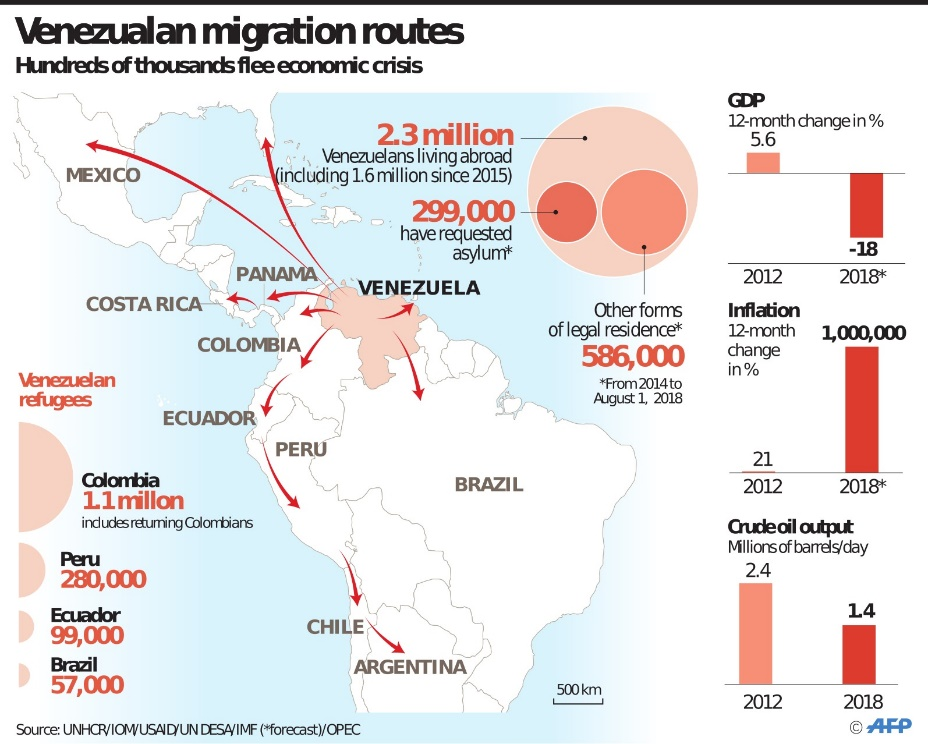
    • The US strikes on Venezuela have brought to the forefront concerns over violations of international law, breach of national sovereignty & reinforcing perceptions of U.S. imperialism.
    • However, data shows that the U.S. attack on Venezuela is unlikely to have any direct impact on India’s energy security.

    Probable Reasons for US Attack on Venezuela

    • Oil Reserves: Venezuela holds about 18% of the world’s oil reserves, more than Saudi Arabia (around 16%), Russia (about 5-6%), or the United States (around 4%).
    • Venezuela alone has more crude oil reserves than the US and Russia combined.
    • Countering China’s Expansion in Latin America: China, the world’s largest crude oil importer, has emerged as the biggest buyer of Venezuelan oil.
    • Venezuela is a strategic node in China’s energy security and global influence, making it geopolitically sensitive for the U.S.
    • S. Deals: The United States has signed trade deals with partners such as the European Union, Japan, South Korea and the United Kingdom, getting commitments from them to buy U.S. petroleum products and LNG, without having sufficient crude oil or refining capacity.
    • Resurrection of the Monroe Doctrine: The US has described the operation as consistent with the US foreign policy known as the Monroe Doctrine.

    Other Stated and Unstated Motives:

    • Allegations of state-sponsored drug trafficking
    • Containment of socialist political ideology
    • Addressing mass migration flows towards the U.S.

    Venezuela Share in Oil Supply

    • It is a member of the Organization of the Petroleum Exporting Countries (OPEC), a group of countries that largely dominates the global oil market.
    • Impact on India – India imported $255.3 million worth of oil from Venezuela in the current financial year in 2025, about 0.3% of its total oil import during this period.

    Somnath Swabhiman Parv

    Culture

    Context

    • PM Modi commemorated 1,000 years since the first attack on the Somnath Temple in 1026 AD, describing the iconic shrine as a timeless symbol of India’s civilisational resilience and unbreakable spirit.

    Somnath Temple

    • Somnath is revered as the first of the twelve Jyotirlings of Lord Shiva, as mentioned in the Dwadasha Jyotirling Stotram.
    • The temple is located at Prabhas Patan on the western coast of Gujarat, a region historically associated with maritime trade, cultural exchange, and prosperity.
    • The shrine was first attacked in January 1026 by Mahmud of Ghazni, marking the beginning of a series of invasions aimed at destroying symbols of Indian civilization.
    • Despite repeated devastation, the temple was rebuilt multiple times.

    Restoration of the Temple

    • Ahilyabai Holkar played a crucial role in restoring the temple in the 18th century, demonstrating the role of indigenous rulers in cultural revival.
    • After Independence, Sardar Vallabhbhai Patel envisioned the reconstruction of Somnath.
    • The present structure was completed and inaugurated on May 11th 1951, by Dr. Rajendra Prasad, reflecting the constitutional ethos of cultural freedom.
    • M. Munshi was instrumental in the reconstruction of the temple.
    • Swami Vivekananda viewed Somnath as a symbol of India’s national spirit that regenerates despite adversity.

    Human Rabies To Be Declared Notifiable Disease In Delhi

    Health and Society

    Context

    • The Delhi government is set to declare human rabies a notifiable disease in the National Capital Territory of Delhi under the Epidemic Diseases Act.

    Notifiable Disease

    • A notifiable disease is one that must be legally reported to public health authorities upon diagnosis or suspicion.
    • Mandatory reporting enables real-time surveillance, early detection, rapid response, and evidence-based planning.

    Additional Information – Rabies

    • It is a zoonotic viral disease (Disease Transmitted from Animals to Humans).
    • Pathogen – It is caused by the Rabies virus, of the Lyssavirus genus, within the family Rhabdoviridae.
    • It is a Ribonucleic Acid (RNA) virus that is present in the saliva of a rabid animal (dog, cat, monkey, etc).
    • Rabies is 100% fatal but 100% vaccine-preventable.
    • 33% of global rabies deaths are recorded in India.

    Common Vectors/ Reservoirs of Virus

    • Most mammals can carry the virus and hence can cause the disease.
    • In South Asia and Africa, the most common reservoir of the virus is the domestic/street dog.
    • In developed nations like the USA, animals that transmit rabies are bats, foxes, raccoons, and skunks.

    Symptoms

    • Anxiety, Confusion, salivation, seizures, hallucinations and paralysis.

    National Action Plan for dog Mediated Rabies Elimination by 2030 (NAPRE)

    • Under this, the union will encourage all the States and UTs to make Rabies a notifiable Disease.
    • A notifiable disease is any disease that is required by law to be reported to government authorities.
    • “Joint Inter-Ministerial Declaration Support Statement” for Elimination of Dog mediated Rabies from India by 2030 was also launched.

    World Rabies Day

    • Celebrated on 28 September which marks the anniversary of Louis Pasteur’s death.
    • Louis Pasteur was a French chemist and microbiologist, who developed the first rabies vaccine.
    • He also discovered Pasteurisation, Vaccines for Anthrax and Cholera and Chamberland filters.