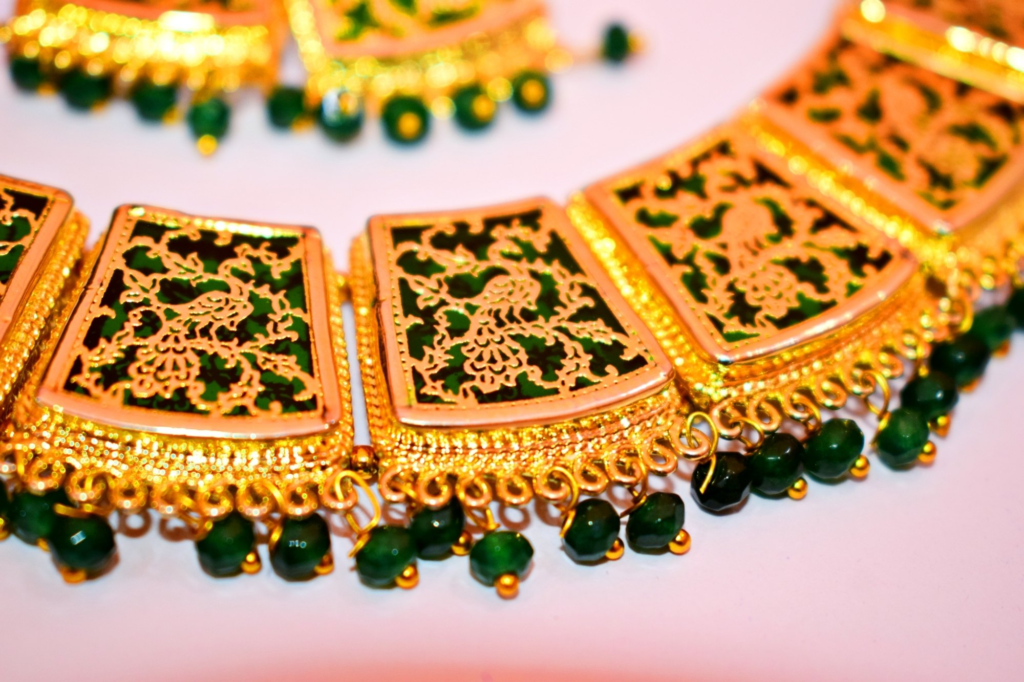
PM Modi presented Thewa motif cufflinks to the Slovak President during his recent visit.
Thewa Art
Thewa art is among India’s most distinctive traditional crafts of Pratapgarh, Rajasthan.
The art form dates back nearly 400 years and traces its origins to the Mughal era.
It is known for its intricate gold engravings on coloured glass.
It involves creating delicate designs in 23-carat gold and embedding them on multicoloured glass surfaces.
Thewa work requires precision and patience, it takes around three days to create a single set.
Over the years, it has emerged as a symbol of India’s cultural heritage while also generating livelihood opportunities for artisans associated with the craft.
Sushruta
Art & Culture
In News
The Royal College of Surgeons of Edinburgh in Scotland has unveiled a statue honouring Sushruta, the ancient Indian physician believed to have lived around 2,600 years ago.
Sushruta
Sushruta was an ancient Indian physician and surgeon, widely regarded as the Father of Surgery and the Father of Plastic Surgery.
He is known for advanced surgical techniques, anatomical studies and systematic medical education.
He performed complex surgical procedures centuries before these practices became common in the Western world.
Sushruta’s medical knowledge is compiled in the Sushruta Samhita, one of the oldest and most comprehensive medical texts.
The text is divided into:
Purva Tantra: Surgery, anatomy, internal medicine, pediatrics, and toxicology.
Uttara Tantra: Diseases of the eye, ear, nose, throat, psychiatry, and geriatric care.
Major Contributions
Pioneered Rhinoplasty: Nasal reconstruction using a skin flap from the forehead or cheek (pedicle flap).
Eight Types of Surgery (Ashtavidha Shastrakarma): Classified surgical procedures into excision, incision, scraping, puncturing, probing, extraction, drainage, and suturing.
Burn and Trauma Management: Classified burns and other thermal injuries, including heat stroke and frostbite.
Lifestyle Diseases: Described conditions resembling diabetes, obesity, and cardiovascular disorders, emphasizing the role of lifestyle in health.
Caspian Sea
Geography
Context
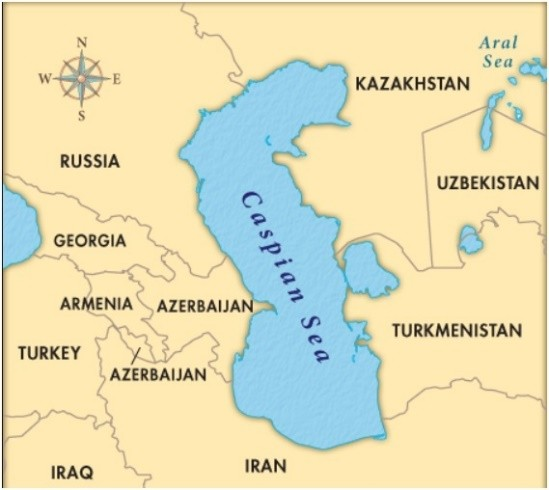
Since the mid-1990s, the Caspian Sea has lost nearly 24,000 sq km of its surface area, roughly equivalent to the size of Sicily, the largest island in the Mediterranean Sea.
Caspian Sea
The Caspian Sea is the world’s largest inland body of water, located between Europe and Asia.
It is bordered by Russia, Kazakhstan, Turkmenistan, Iran, and Azerbaijan.
Despite its name, it is technically a saltwater lake with no natural outlet.
Rivers – Volga (largest), Ural, Kura, and Terek rivers.
The region is rich in oil and natural gas reserves, making it strategically important.
BHARATI programme
Science & Technology
News
The Agricultural and Processed Food Products Export Development Authority (APEDA), under the Ministry of Commerce & Industry, has successfully concluded the first cohort of BHARATI (Bharat’s Hub for Agritech, Resilience, Advancement and Incubation for Export Innovation).
BHARATI
It is APEDA’s flagship export acceleration programme aimed at helping Indian agri-food startups become globally competitive exporters.
Objectives:
Promote an ‘export-first’ approach among agri-food startups.
Build a pipeline of export-ready enterprises to support India’s target of USD 50 billion in APEDA-scheduled exports by 2030.
Address challenges related to product development, quality standards, sustainability, logistics, and export compliance.
Additional Information – Agricultural and Processed Food Products Export Development Authority (APEDA)
Legal Status: Statutory body under the APEDA Act, 1985.
Nodal Ministry: Ministry of Commerce and Industry.
Predecessor: Replaced the Processed Food Export Promotion Council (PFEPC).
Headquarters: New Delhi.
Governance: Headed by a Chairman appointed by the Central Government.
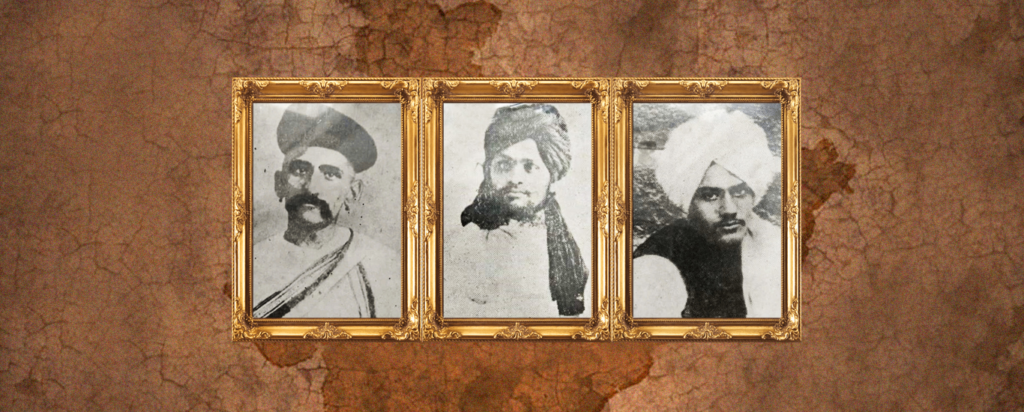
On 22 June 1897, the Chapekar brothers assassinated British plague commissioner Walter Charles Rand in Pune.
About
The Chapekar Brothers, Damodar Hari Chapekar, Balkrishna Hari Chapekar, and Vasudeo Hari Chapekar, were among the earliest revolutionary nationalists in India’s freedom struggle.
They were influenced by the revolutionary activities of Vasudev Balwant Phadke and the nationalist ideas propagated by Bal Gangadhar Tilak through his newspaper Kesari.
Formation of Secret Organisation: They organized an association called “Chapekar Club” for physical and military training which they also called “the society for the removal of obstacles to the Hindu Religion”.
During the bubonic plague outbreak of 1896–97, the British administration implemented harsh plague-control measures under the leadership of Walter Charles Rand, Chairman of the Poona Plague Committee.
Soldiers conducted intrusive house searches, violated religious customs, and subjected local residents to humiliating inspections.
Viewing Rand as a symbol of colonial oppression, the Chapekar brothers planned his assassination.
Arrest and Execution: Damodar Hari Chapekar was executed in 1898, whereas Vasudeo Hari Chapekar and Balkrishna Hari Chapekar were executed in 1899.
Nirbhay Chetna
Poiity
Context
The Ministry of Panchayati Raj organised a three-day Training of Trainers (ToT) programme on Nirbhay Chetna.
About
Nirbhay Chetna is a key intervention under the Nirbhay Raho initiative, launched in 2026 by the Ministry of Panchayati Raj.
It comprises three complementary components:
Nirbhay Netri focuses on capacity-building and legal awareness among elected women representatives;
Nirbhay Chetna seeks to sensitise elected male representatives on gender equality and women’s safety; and
Nirbhay Drishti envisages the installation of CCTV cameras at strategic rural locations to strengthen technology-enabled safety infrastructure in Panchayats.
TReDS Platform
Economy
Context
The Reserve Bank of India (RBI) has issued Reserve Bank of India (Trade Receivables Discounting System) Directions, 2026, aimed at simplifying the onboarding process for MSMEs.
Trade Receivables Discounting System (TReDS)
Objective – Resolve MSME liquidity crunch by offering collateral-free working capital.
Nodal Regulator – Reserve Bank of India (RBI).
Statutory Backing – Regulated under the Payment and Settlement Systems (PSS) Act, 2007.
India’s Access and Benefit Sharing (ABS) under CBD
Environment and Ecology
Context
India’s Access and Benefit Sharing (ABS) framework under the Biological Diversity Act, 2002 has mobilized more than Rs 266 crore since 2008, with around ₹145 crore disbursed to beneficiaries.
Access and Benefit Sharing (ABS)
It is a framework under the Convention on Biological Diversity (CBD)
It ensures fair sharing of monetary and non-monetary benefits arising from the use of biological resources and traditional knowledge with the source communities and countries
India operationalizes ABS through the Biological Diversity Act, 2002, and its recent amendment the Biological Diversity (Amendment) Act, 2023.
Significance
India’s ABS framework is advancing the objectives of the Nagoya Protocol, supporting the National Biodiversity Strategy and Action Plan (NBSAP) 2024-2030, and contributing to the Kunming-Montreal Global Biodiversity Framework, particularly Target 13 on fair and equitable benefit sharing.
Connect with the basics – Biological Diversity Act, 2002
Enacted – The act was enacted in 2002
Objective – It aims at the conservation of biological resources, managing its sustainable use and enabling fair and equitable sharing benefits arising out of the use and knowledge of biological resources with the local communities.
The act envisaged a three-tier structure to regulate the access to biological resources:
The National Biodiversity Authority (NBA)
The State Biodiversity Boards (SBBs)
The Biodiversity Management Committees (BMCs) (at local level)
National Biodiversity Authority
Established in – The National Biodiversity Authority (NBA) was established in 2003 by the Central Government to implement India’s Biological Diversity Act (2002).
Statutory body – It is a Statutory body that performs facilitative, regulatory and advisory functions for the Government of India on the issue of Conservation and sustainable use of biological resources.
Headquarter – The NBA has its Headquarters in Chennai, Tamil Nadu, India.
Functions
Monitoring and prevention of actions prohibited under the Act.
Providing advice to the government on how best to conserve biodiversity in India.
Prepare a report on how the government can select biological heritage sites.
Make concrete steps to prevent the grant of intellectual property rights regarding locally used biological resources or allied traditional knowledge
Interstellar comet 3I/ATLAS
Science & technology
Context
The discovery of 3I/ATLAS, only the third known interstellar object, has provided scientists with a rare opportunity to study material from an ancient planetary system.
3I/ATLAS
3I/ATLAS is the third interstellar object ever detected passing through our Solar System. Interstellar refers to anything located, moving, or occurring in the space between stars within a galaxy.
It is a comet about 2.6 km in diameter.
The name “3I” denotes the third identified interstellar object.
It was formed when the Universe was only about 13% of its current age.
It contains water with about 30 times more deuterium (heavy hydrogen) than comets in the Solar System.
Carbon isotope ratios differ significantly from those found in Solar System objects.
Pradhan Mantri Rashtriya Bal Puraskar (PMRBP)
Miscellaneous – Awards
Context
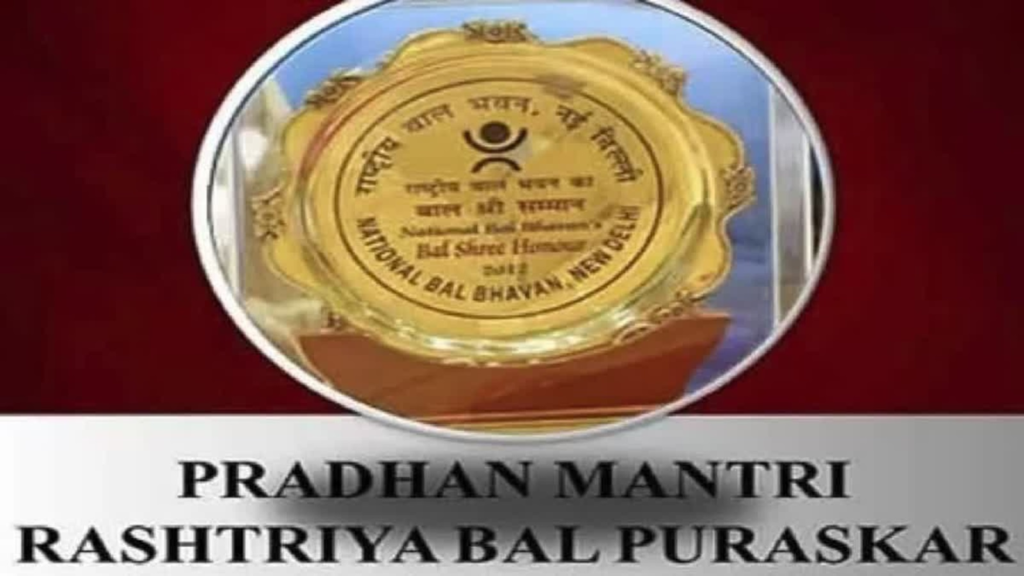
The Ministry of Women and Child Development has invited nominations for the Pradhan Mantri Rashtriya Bal Puraskar (PMRBP) 2026.
Pradhan Mantri Rashtriya Bal Puraskar (PMRBP)
The Pradhan Mantri Rashtriya Bal Puraskar is conferred annually by the President of India on Veer Bal Diwas (26 December).
Instituted in its present form in 2019, the award recognises children aged 5–18 years for exceptional achievements in six categories: Bravery, Art & Culture, Environment, Science & Technology, Social Service and Sports.
To be eligible, a nominee must:
Be an Indian citizen residing in India;
Not have received the award previously; and
Have achieved the recognised accomplishment within the two years preceding the nomination deadline.
While the award is generally not conferred posthumously, exceptional cases may be considered.
This award is the highest civilian honour for children in India. Each awardee of PMRBP is given a medal, a certificate and a citation booklet.
Assam’s Uniform Civil Code Bill, 2026
Polity
Context
The Government of Assam has introduced the Uniform Civil Code (UCC) Bill, 2026 in the State Assembly.
Assam became the third state in India to table a Uniform Civil Code (UCC) bill, following Uttarakhand and Gujarat.
Uniform Civil Code (UCC)?
A Uniform Civil Code refers to the provision of one law for the entire country, applicable to all religious communities, in their personal matters such as marriage, divorce, inheritance, adoption, etc.
Aim: To replace the existing diverse personal laws that vary based on religious affiliations.
Constitutional Provisions
Article 44 contained in part IV of the Constitution says that the state “shall endeavor to secure for the citizens a uniform civil code throughout the territory of India”.
Part IV of the Constitution outlines the Directive Principles of State Policy, which, while not enforceable or justiciable in a court of law, are fundamental to the country’s governance.
UCC in India
UCC in Goa: It follows the Portuguese Civil Code of 1867, which means that people of all religions in Goa are subject to the same laws on marriage, divorce, and succession.
The Goa Daman and Diu Administration Act of 1962, which was passed after Goa joined the union as a territory in 1961, gave Goa permission to apply the Civil Code.
In 2024, The Uttarakhand Legislative Assembly passed The Uniform Civil Code of Uttarakhand Act, 2024, becoming the first Indian State to adopt a UCC post-independence.
Key Provisions of the Assam UCC Bill, 2026
Ban on Polygamy and Bigamy: The Bill mandates monogamy for all residents under its ambit. Bigamy and polygamy would attract punishment under the Bharatiya Nyaya Sanhita (BNS), 2023.
Existing polygamous marriages solemnised before enforcement of the law would remain legally protected.
Uniform Marriage Age: The minimum legal age is fixed at 21 years for men and 18 years for women.
Mandatory Registration: Registration of all marriages and divorces would become compulsory and couples must submit a marriage memorandum within 60 days of marriage.
Non-registration may attract penalties and fines.
Regulation of Live-in Relationships: Registration of live-in relationships within one month has been made mandatory and children born from such relationships would be considered legitimate.
Deserted partners would have legal rights to claim maintenance.
Uniform Grounds for Divorce: The Bill standardises divorce grounds such as; cruelty, desertion, mutual consent.
The Bill also penalises illegal dissolution of marriage and unlawful conditions imposed before remarriage.
Gender-Equal Inheritance: The Bill establishes equal inheritance rights for spouses, children, and parents. It creates a uniform succession framework irrespective of religion.
Testamentary succession through written wills is legally recognised.
Child and Fraudulent Marriages: The Bill prescribes punishment for child marriage and marriages conducted without valid consent.
The Bill also provides imprisonment and fines for fraudulent or deceptive marriages conducted through force, coercion, concealment, or misrepresentation.
Exemption for Scheduled Tribes: The Bill excludes Scheduled Tribes (STs) from its purview in order to protect customary practices and constitutional safeguards available to tribal communities.
Kerala’s Dedicated Senior Citizens Welfare Department
Polity
Context
The government in Kerala has decided to establish a separate Department for Senior Citizens’ Welfare to address the growing challenges associated with population ageing, and social isolation among elderly citizens.
Elderly Population in India
Kerala is Ageing Faster than Other States
Kerala has the highest proportion of elderly population in India. Around 18.7% of Kerala’s population is above 60 years of age, compared to the national average of nearly 11–12%.
Government Initiatives for Elderly in India
Atal Pension Yojana (APY): Launched in 2015 to ensure old-age income security for unorganised sector workers. It provides a guaranteed monthly pension (₹1,000–₹5,000) post-60 years.
Rashtriya Vayoshri Yojana (RVY): Launched in 2017 to distribute assistive living devices (hearing aids, walking sticks, wheelchairs, etc.) to BPL senior citizens or those with income below ₹15,000/month.
Senior Care Ageing Growth Engine (SAGE) Portal: Promotes start-ups and innovation in elderly care services, encouraging the growth of the silver economy.
Ayushman Bharat – PMJAY: It Extends ₹5 lakh annual health coverage to around 6 crore senior citizens aged 70 years and above, across 4.5 crore families.
President Confers Padma Awards
Culture
In News
President Droupadi Murmu conferred Padma Awards to 66 eminent personalities for the year 2026 at the first Civil Investiture Ceremony held at Rashtrapati Bhavan.
The awards are announced annually on Republic Day. For 2026, the President approved 131 Padma Awards, including 5 Padma Vibhushan, 13 Padma Bhushan, and 113 Padma Shri.
Key Recipients
Dharmendra Singh Deol was honoured with the Padma Vibhushan posthumously for contributions to art.
N. Rajam also received the Padma Vibhushan for contributions to music.
Bhagat Singh Koshyari received the Padma Bhushan for public affairs.
Uday Kotak was awarded the Padma Bhushan for trade and industry.
Harmanpreet Kaur received the Padma Shri for sports.
Folk musician Taga Ram Bheel was conferred the Padma Shri award for keeping alive the legacy of the Algoza.
Padma Awards
The Padma Awards are among India’s highest civilian honours instituted in 1954.
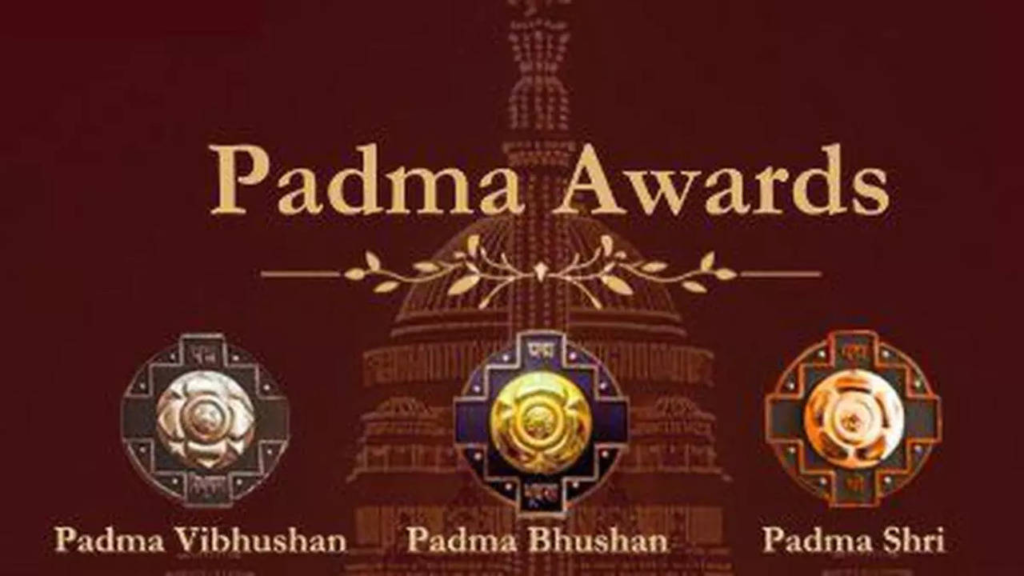
They are presented in three categories: Padma Vibhushan, Padma Bhushan and Padma Shri.
‘Padma Vibhushan’ is awarded for exceptional and distinguished service;
‘Padma Bhushan’ for distinguished service of high order and
‘Padma Shri’ for distinguished service in any field.
The awards recognise “work of distinction” and are given for exceptional achievements or service across a wide range of fields, including art, literature and education, sports, medicine, social work, science and engineering, public affairs, civil service, trade and industry.
All individuals are eligible for the awards regardless of race, occupation, position or gender.
Note – However, government servants, including employees of public sector undertakings, are generally not eligible, except for doctors and scientists.
The government is committed to transform Padma Awards into “People’s Padma”, encouraging citizens to nominate deserving individuals.
Self-nominations are also allowed.
The nominations must include detailed information about the nominee’s distinguished achievements in their respective fields
nominations will be accepted only through the online Rashtriya Puraskar Portal.
The awards are announced on the occasion of Republic Day every year.
These Awards are conferred by the President of India at ceremonial functions which are held at RashtrapatiBhawan usually around March/ April every year.
JEEVAN App and SHATAYU Geriatric Caregiver Dashboard
Government Schemes
Context
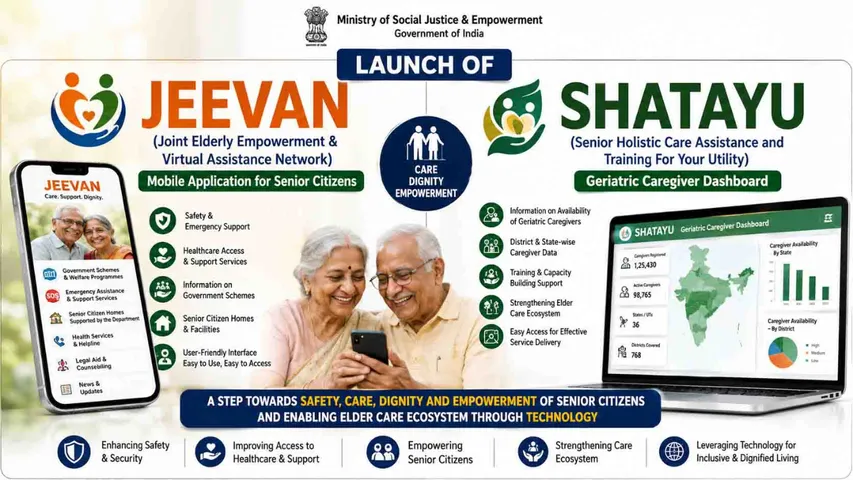
A mobile application JEEVAN (Joint Elderly Empowerment and Virtual Assistance Network) has been launched by the Ministry of Social Justice and Empowerment.
About
Aim: To strengthen support systems for senior citizens across the country.
Features of JEEVAN App:
Information on Government schemes and welfare programmes, emergency assistance and details of senior citizen homes.
Senior Holistic Care Assistance and Training for Your Utility (SHATAYU) Dashboard
to support and strengthen caregiving services for senior citizens.
The platform is designed to enhance the safety, welfare, healthcare access and social inclusion of senior citizens across the country.
It provides features such as information on the availability of Geriatric Caregivers in a particular district and the State for the senior citizens.
Pradhan Mantri Formalisation of Micro Food Processing Enterprises (PMFME) Scheme
Government Schemes
Context
Ministry of Food Processing Industries, addressed a media interaction regarding the implementation and achievements of the Pradhan Mantri Formalisation of Micro Food Processing Enterprises (PMFME) Scheme.
About
The PMFME Scheme was launched in 2020 under the Ministry of Food Processing Industries as part of the Aatmanirbhar Bharat Abhiyan.
The scheme was conceptualised to address the challenges faced by India’s unorganised micro food processing sector.
It is the centrally sponsored scheme, with an outlay of Rs. 10,000 crore, approved for implementation during 2020-21 to 2024-25 and has been extended till September 2026.
The Scheme also operationalizes the One District One Product (ODOP) approach, enabling economies of scale in procurement, common services, and market linkage.
Achievements: A total of 1,96,270 individual micro food processing enterprises have been supported under the Credit Linked Subsidy component with more than 40% of beneficiaries being women entrepreneurs.
The Western Ghats may soon receive stronger legal protection in at least three states through the notification of Ecologically Sensitive Areas (ESAs).
Once notified, these areas will face stricter curbs on mining, polluting industries, and large construction projects.
Eco Sensitive Zones
Notified by – These are notified by the Ministry of Environment, Forest and Climate Change (MoEFCC) under the Environmental (Protection) Act, 1986.
Definition – The land falling within 10 km of the boundaries of national parks and wildlife sanctuaries are notified as eco-fragile zones or Eco-Sensitive Zones (ESZs).
Activities in ESZs
Prohibited Activities: Commercial mining, saw mills, industries causing pollution (air, water, soil, noise etc), establishment of major hydroelectric projects (HEP), commercial use of wood.
Regulated Activities: Felling of trees, establishment of hotels and resorts, commercial use of natural water, erection of electrical cables, drastic change of agriculture system.
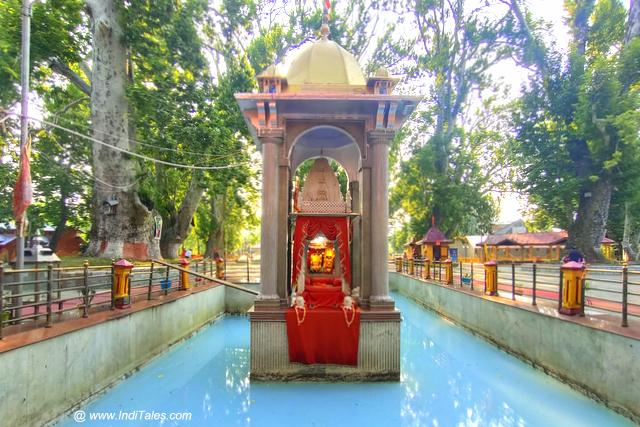
In Kashmir Valley, the annual Mela Kheer Bhawani is being celebrated with religious fervour and gaiety on the occasion of Jyeshtha Ashtami.
About
This is one of the most important festivals for the Kashmiri Pandit community during which devotees offer Kheer (rice pudding), milk, flowers, and aromatic leaves to Mata Ragnya Devi.
The mela symbolizes faith, resilience, cultural reconnection, and communal harmony.
About Kheer Bhawani Temple
It is dedicated to Goddess Ragnya Devi, who is considered an incarnation of Goddess Durga.
The original temple was built by Maharaja Pratap Singh around 1912 in Ganderbal, Jammu and Kashmir. It was later embellished and renovated by Maharaja Hari Singh.
A distinctive feature of the temple is a hexagonal spring located at its center, revered for its sacred water.
Both the temple and the festival derive their name from the sweet dish ‘kheer’, which is distributed as prasad (a religious offering) to devotees.
Khurasani Imli
Economy
Context
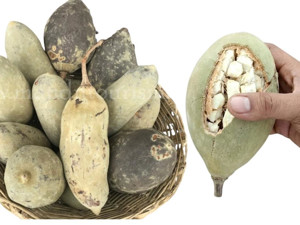
The fruit of Mandu’s Baobab tree, known locally as Khurasani Imli, has secured a Geographical Indication (GI) tag.
About
Khurasani Imli is the fruit of the Baobab tree (Adansonia digitata), a species native to Africa and Madagascar.
It is popularly known as the “Tree of Life” because of its multiple uses and exceptional resilience.
In India, baobabs occur in the semi-arid regions of central India and parts of the Western Ghats.
Mandu in Madhya Pradesh is one of the few places in India where Baobab trees are found in large numbers.
Historical accounts suggest that the seeds were brought to Mandu by Afghan rulers or Arab traders around the 14th–15th century.
The tree is known for its distinctive bottle-shaped trunk and its ability to store large quantities of water.
The fruit is rich in Vitamin C, antioxidants, and has traditional medicinal uses.
12th International Day of Yoga
Culture
News –
The 12th International Day of Yoga (IDY) was celebrated globally on June 21, 2026, under the official theme “Yoga for Healthy Ageing”.
About –
Main Venue: The national celebration was led by Prime Minister Narendra Modi at the historic Red Road in Kolkata, West Bengal.
Nodal Ministry: The Ministry of Ayush serves as the nodal agency coordinating the celebrations and policy implementation in India.
Key 2026 Initiatives:
Yoga Sangam Portal: A digital platform that allowed over 6 lakh organizations to synchronize and perform yoga simultaneously across the country.
Yoga 365 Campaign: Aimed at shifting public perspective from a symbolic one-day annual celebration to daily lifestyle integration.
Lonar Record: During the 75-day countdown event (Yoga Mahotsav-2026) at Lonar Lake, Maharashtra, a record was set in the Asia Book of Records for the largest collective performance of Trikonasana (Triangle Pose).
Background –
Prime Minister Narendra Modi proposed the idea at the UN General Assembly (UNGA) in September 2014. UNGA Resolution 69/131 was adopted in December 2014 with a record 175 co-sponsoring nations.
Why June 21?: The date marks the Summer Solstice, the longest day of the year in the Northern Hemisphere. In Indian mythology, this celestial transition is historically viewed as the beginning of Yogic science (the transition of Adi Yogi to Adi Guru).
UNESCO Recognition: In December 2016, Yoga was inscribed on UNESCO’s Representative List of the Intangible Cultural Heritage of Humanity.
Philosophical Roots: Yoga is one of the six orthodox (Astika) schools of Indian philosophy (Shad-Darshana). It was systematically compiled by Maharishi Patanjali in the Yoga Sutras, advocating the eight-fold path (Ashtanga Yoga).
The Archaeological Survey of India (ASI) has sent nearly 5,000-year-old skeletons unearthed at Haryana’s Rakhigarhi, for scientific examination and facial reconstruction.
Rakhigarhi
The present-day Rakhigarhi is located 27 km from the Ghaggar river, in the Ghaggar-Hakra river plain in Haryana.
The archaeological site, dating back to 2600-1900 BCE.
It is the largest Harappans site in the Indian Subcontinent.
The site was first excavated by Amarendra Nath of Archaeological Survey of India (ASI).
Findings
Granary: A granary belonging to the mature Harappan phase (2600 BCE to 2000 BCE) has been found here. It has 7 rectangular or square chambers.
Culture, clothing and worship: Fire altars and apsidal structures were revealed in Rakhigarhi.
Cemetery and burial sites: A cemetery of Mature Harappan period is discovered at Rakhigarhi, with eight graves found.
First Amendment
Polity
Context
On June 18, 1951, the First Amendment to the Indian Constitution came into force.
The First Amendment to the Indian Constitution, enacted on June 18, 1951, was introduced by Prime Minister Jawaharlal Nehru to override court rulings that blocked state policies.
Key Changes
Restricted Free Speech: Added “public order,” “friendly relations with foreign states,” and “incitement to an offence” as limits to Article 19.
Protected Land Reforms: Created the Ninth Schedule to shield land reform laws from judicial review.
Allowed Quotas: Added Article 15(4) to enable caste-based reservations in education and employment.
Enabled State Monopolies: Allowed the government to nationalise trades or businesses.
Ammonia Gas
Science & technology
Context
An ammonia gas leak at a private seafood processing and export facility in Tiruvallur district of Tamil Nadu has hospitalized many working people.
Ammonia (NH₃)
Ammonia (NH₃) is a colourless gas with a strong, pungent smell.
It is a simple inorganic compound made up of nitrogen and hydrogen.
Although it occurs naturally in small quantities during the decomposition of organic matter, it is also produced on a large scale because of its wide industrial and agricultural applications.
Industrial ammonia is commercially produced through the Haber–Bosch process, in which atmospheric nitrogen reacts with hydrogen under high temperature and pressure in the presence of an iron catalyst.
It is majorly used in fertilizers industries, chemical industries and in food processing due to its excellent cooling efficiency.
Biochar
Environment
Context
Biochar is emerging as a sustainable solution to convert agricultural waste into a valuable resource for improving soil health and mitigating climate change.
Biochar
Biochar is a charcoal-like substance that’s made by burning organic material from agricultural and forestry wastes (also called biomass) in a controlled process called pyrolysis.
Unlike ordinary organic matter, biochar decomposes very slowly and can remain in the soil for hundreds of years.
It is highly porous, enabling it to store water, nutrients, and beneficial microorganisms.
Benefits of Biochar
Agricultural Productivity: Studies indicate that biochar can improve crop yields by 10–30%, particularly in nutrient-deficient soils.
Carbon Credits: Biochar can generate carbon credits because it removes carbon from the atmosphere and stores it in soil.
Water Retention: Biochar acts like a sponge and stores water within its porous structure. Research shows that it can increase the water-holding capacity of soils by 10–25%.
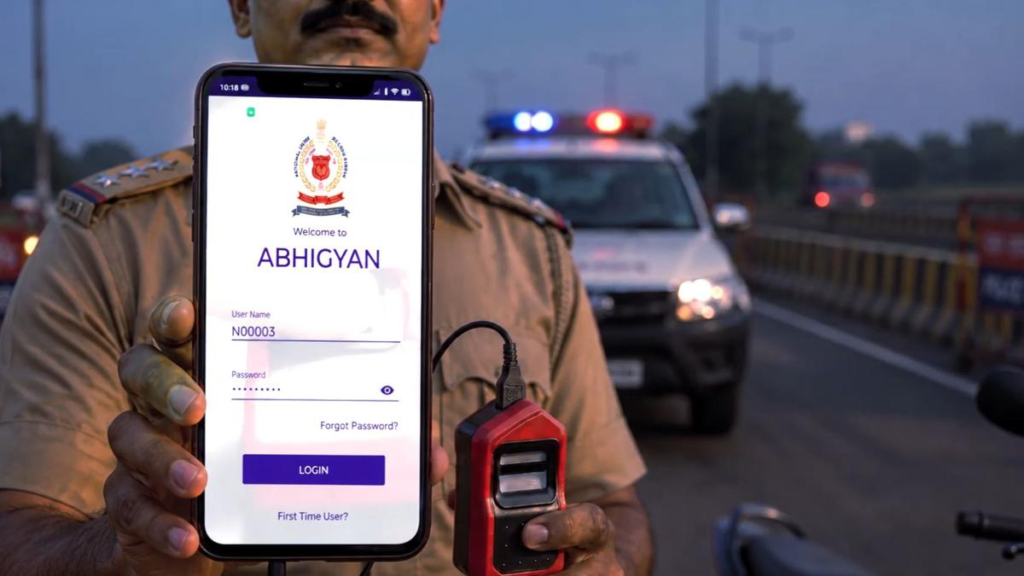
The Union Home Minister launched the Abhigyan app developed by the National Crime Records Bureau (NCRB).
About
The app links to the National Automated Fingerprint Identification System (NAFIS) to store fingerprint scans of accused, convicts, and those in prisons on a centralized platform.
The prints can be matched with the NAFIS database in 35 seconds.
Significance – During routine vehicle checks on the streets, biometric scans of any suspicious individual can be conducted to identify persons wanted in connection with crimes.
Right To Walk On Footpath Is A Fundamental Right: SC
Polity
Context
In a landmark judgment, the Supreme Court has held that the right to walk on safe and demarcated footpaths is a fundamental right.
About
The right to walk flows from Article 19(1)(d) (freedom of movement) and Article 21 (right to life and personal liberty).
According to the Court, the right to walk also supports freedom of expression, assembly, and association under Article 19(1)(a), 19(1)(b), and 19(1)(c).
The judgment places a duty on municipal corporations, urban development authorities, municipalities, and even panchayats to build, maintain, and protect pedestrian infrastructure.
The Court emphasized that pedestrian rights must be prioritized over motorised vehicles in urban planning, and citizens can seek legal remedies if safe and accessible footpaths are not provided.
Energy Transition Index (ETI) 2026
Economy
Context
According to the Energy Transition Index (ETI) 2026, the global energy transition has effectively stalled despite total energy investments touching $3.3 trillion in 2025.
Energy Transition Index (ETI)
Published by – It is an annual index published by the World Economic Forum.
Objective – It measures how effectively countries are transitioning toward secure, sustainable, equitable, and affordable energy systems.
Evaluation Criteria: The index is based on two broad dimensions:
System Performance: Energy security, sustainability, and equity.
Significance: It helps governments identify strengths and weaknesses in their energy transition efforts and guides policy reforms.
Major Findings of Energy Transition Index (ETI) 2026
Sweden, Finland and Denmark retained their top three positions globally.
India advanced two places to rank 70th.
Financial Action Task Force (FATF)
International
Context
The Financial Action Task Force (FATF) Plenary has appointed Culture Ministry Secretary Vivek Aggarwal as the next vice-president.
This is the first time that India will hold the Vice-Presidency of the FATF.
He will serve as vice president from July 2026 to June 2027.
Financial Action Task Force
Established – The Financial Action Task Force (FATF) is an inter-governmental body established in 1989 during the G7 Summit in Paris.
Objective – To set standards and promote effective implementation of legal, regulatory and operational measures for combating money laundering, terrorist financing and other related threats to the integrity of the international financial system.
Secretariat – It is located at the Organisation for Economic Cooperation and Development (OECD) headquarters in Paris.
Member Countries – 37 member countries where India is also a member.
FATF has two lists
Grey List – Countries that are considered safe haven for supporting terror funding and money laundering are put in the FATF grey list. This inclusion serves as a warning to the country that it may enter the blacklist.
Black List – Countries known as Non-Cooperative Countries or Territories (NCCTs) are put in the blacklist. These countries support terror funding and money laundering activities. The FATF revises the blacklist regularly, adding or deleting entries.
Smart Seed Coating Technology to Boost Crop Yields
Science & technology
Context
The Indian Council of Agricultural Research’s Indian Institute of Oilseeds Research (ICAR-IIOR), Hyderabad, has developed Smart Seed Coating Technology that improves seed quality.
Smart Seed Coating Technology
Developed by – ICAR-IIOR
It utilizes biodegradable biopolymeric materials to create a multifunctional protective layer around seeds.
The coating acts as a carrier system for beneficial microorganisms, nutrients, micronutrients, crop protection agents, and plant growth-promoting compounds, delivering them directly at the seed-soil interface.
This protective microenvironment promotes rapid germination, vigorous seedling growth, enhanced root development, and improved tolerance to environmental stresses during the critical crop establishment phase.
The innovation is particularly valuable for rainfed agriculture, which accounts for a significant share of India’s cultivated area and remains highly vulnerable to delayed monsoons.
The National Payments Corporation of India (NPCI) rolled out Drunix,
About –
It is an open-source blockchain platform, to help companies build and scale tokenisation platforms, digital asset ecosystems, multi-organisation networks.
Significance –
It helps banks and businesses build safe systems to share data and track digital assets.
It uses Blockchain: This means data is super safe, shared fairly, and cannot be changed by tricks.
It is Made in India: India changed a global tool called Hyperledger Fabric to make it faster and better for Indian needs.
It is Open-Source: The code is free for anyone to see and use. This makes it easy for companies to work together.
Basic terms
Tokenization – It Tokenization is the process of converting ownership rights or assets into digital tokens on a blockchain.
These assets include financial securities, real estate, commodities, digital currencies and identity credentials.
Cryptocurrency – It is a virtual currency used for financial transactions. It uses blockchain technology for various transactions.
Blockchain – The blockchain is an incorruptible digital ledger of transactions that can be programmed to record virtually everything of value. Each list of records in a blockchain is called a block.
SHe-Box 2.0 Portal Under Mission Shakti
Government Schemes
Context
The government has highlighted the role of the SHe-Box 2.0 Portal under Mission Shakti in strengthening the implementation of workplace sexual harassment laws and ensuring a safer work environment for women.
SHe-Box
It is portal that has been developed to operationalise the provisions of the Sexual Harassment of Women at Workplace (Prevention, Prohibition and Redressal) Act, 2013.
The portal was launched by the Ministry of Women and Child Development (MWCD).
SHe-Box 2.0
It was launched in 2024.
Objective – It provides a secure, confidential and user-friendly interface that enables women to report incidents without fear of stigma or retaliation.
Significance – It provides single-window access for women across all organised, unorganised, public and private sectors to register and track complaints
The portal is available in 22 languages, including Hindi and English.
Additional Information – Mission Shakti
This umbrella scheme is dedicated to the safety, security, and economic empowerment of women. It is divided into two sub-schemes:
Sambal (Safety and Security):
One Stop Centres (OSC): Integrated support for victims of violence.
Women Helpline (181): 24/7 emergency assistance.
Beti Bachao Beti Padhao (BBBP): Prevention of gender-biased sex selection and promotion of girls’ education.
Nari Adalats: Community-level alternative dispute resolution forums.
Samarthya (Empowerment):
Shakti Sadan: Rehabilitation homes(merging former Swadhar Greh and Ujjawala schemes).
Hub for Empowerment of Women (HEW): Facilitating access to government services.
Dark Web
Science & Technology
News
The Union government submitted before the Delhi High Court that the messaging platform Telegram has evolved into the “new dark web”.
Dark Web
The dark web is a hidden part of the internet that you cannot find using normal search engines like Google.
It requires specialized software, such as the Tor browser, to access.
While it is famous for hiding cybercriminal activities, it is also used for privacy and free speech.
To understand the dark web, it helps to picture the internet as having three main layers:
The Surface Web: The everyday internet. These are the websites you can easily search for, like news outlets, social media, and online stores.
The Deep Web: The much larger portion of the internet that is hidden but not malicious. This includes private databases, online bank accounts, and password-protected email inboxes.
The Dark Web: A small, specific section of the deep web intentionally hidden by heavy encryption.
Key Features of the Dark Web
Anonymity: Users and website hosts are hidden. Traffic is routed through a series of encrypted servers to prevent people from tracking identities or locations.
Special Websites: Instead of ending in .com or .org, dark web sites typically use domains like .onion.
Legal vs. Illegal Uses: While heavily associated with illicit marketplaces (for illegal goods or stolen data), it is legally accessed by journalists, whistleblowers, and individuals seeking privacy from surveillance in oppressive regimes.
The Prime Minister will disburse ₹2,400 crore worth incentives under the Pradhan Mantri Viksit Bharat Rojgar Yojana (PM-VBRY).
About PM-VBRY
It is a flagship government program launched in 2025
Implementation – Ministry of Labour & Employment.
Aim: To promote employment generation, enhance employability, and strengthen social security across all sectors with a particular focus on the manufacturing sector.
Features:
First-time employees are eligible for incentives of up to ₹15,000.
For the employer’s side, the government offers a reward of up to ₹3,000 per new employee after six months of stable employment.
The initiative is expected to encourage greater participation in the formal workforce and contribute to sustained long-term economic growth.
QS Rankings 2027
Economy
Context
Recently QS (Quacquarelli Symonds) World University Ranking 2027, was released ranking Higher education institutions across the world.
Major Findings
It evaluated more than 1,500 institutions across 106 countries and territories.
It features 52 Indian universities, making India the world’s fifth most represented higher education system.
Global Top 5 Universities dominated by US and UK
Massachusetts Institute of Technology (MIT), US
Imperial College London, UK (tied)
Stanford University, US (tied)
University of Oxford, UK
Harvard University, US
Top 10 Indian Institutions (QS World Rankings 2027)
Rank
Institution
Global Rank
1
IIT Delhi
118
2
IIT Bombay
134
3
IIT Madras
170
4
IIT Kharagpur
205
5
IIT Kanpur
221 (tied)
5
IISc Bengaluru
221 (tied)
7
University of Delhi
322
8
IIT Roorkee
335
9
IIT Guwahati
349
10
Shoolini University
454
Additional Information – QS Rankings
QS was founded in 1990
Headquartered in – London.
It specialises in providing data, research and consulting services to the international higher education sector.
QS Rankings, established in 2004, is the most reputed Ranking among the major global university rankings and offers an impartial assessment of institutions.
It assesses institutions across 10 key indicators including academic reputation, employment outcomes, international faculty ratio, international research network, international student diversity, faculty-student ratio and sustainability.
Pradhan Mantri Awas Yojana-Urban 2.0
Government Schemes
Context
The Union Government has approved over 2.13 lakh additional houses for eligible urban poor families under the Pradhan Mantri Awas Yojana-Urban 2.0 (PMAY-U 2.0).
Pradhan Mantri Awas Yojana-Urban 2.0
It is a flagship scheme of the Ministry of Housing and Urban Affairs (MoHUA), under which central assistance of up to ₹2.50 lakh crore is provided.
It was launched in September 2024 as an upgraded and expanded version of PMAY-U, which was launched on 25 June 2015.
It is open to families belonging to the Economically Weaker Section (EWS), Low Income Group (LIG), and Middle Income Group (MIG) segments who do not own a pucca house anywhere in the country.
The income criteria for eligibility are as follows:
EWS households: Annual income up to ₹3 lakh.
LIG households: Annual income from ₹3 lakh to ₹6 lakh.
MIG households: Annual income from ₹6 lakh to ₹9 lakh.
The cost of house construction is shared among the Centre, States/UTs, Urban Local Bodies (ULBs), and beneficiaries, with the cost-sharing pattern varying across regions.
PMAY-U and PMAY-U 2.0 together have sanctioned over 1.27 crore houses across the country.
Pradhan Mantri Awaas Yojana–Gramin (PMAY-G)
Launched by: Ministry of Rural Development (MoRD).
Background: Introduced on 1 April 2016 by restructuring the erstwhile Indira Awaas Yojana (IAY) to provide pucca houses with basic amenities to rural households.
Exercise KHAAN QUEST 2026
Defence
Context
The Exercise KHAAN QUEST is going to be conducted from 20 June to 3 July at the Five Hills Training Area in Ulaanbaatar.
About
The exercise first started as a bilateral event between USA and Mongolian Armed Forces in the year 2003.
Subsequently, from the year 2006 onwards the exercise graduated to a Multinational Peacekeeping Exercise with the current year being the 23rd iteration.
The exercise aims to enhance interoperability and cooperation among participating militaries in peace support operations under Chapter VII of the United Nations Charter.
According to some recent reports Iran and the United States have reached a preliminary framework for renewed diplomatic engagement after a prolonged period of tensions.
Background
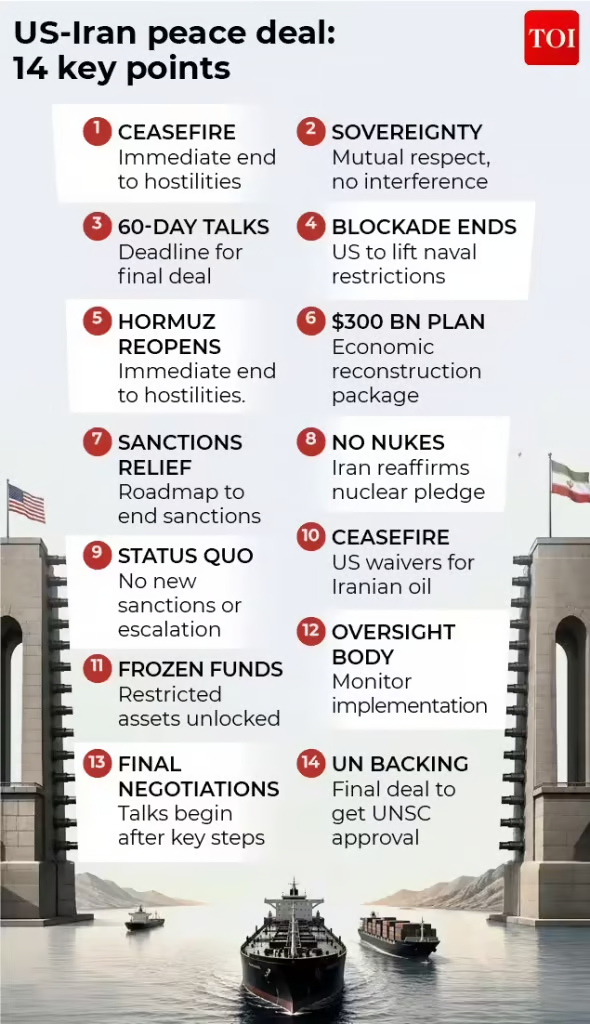
The pact includes a 14-point Memorandum of Understanding (MoU) between the United States and Iran outlining a roadmap for de-escalation, restoration of commercial navigation through the Strait of Hormuz, and negotiations on sanctions relief etc.
It also includes an immediate halt to military action, including in Lebanon, and a 60-day negotiation period.
Evolution of Iran–U.S. Nuclear Diplomacy
The 2015 Nuclear Agreement: The Joint Comprehensive Plan of Action (JCPOA) was signed between Iran and the P5+1 countries.
Iran agreed to limit uranium enrichment and accept enhanced inspections in exchange for sanctions relief.
U.S. Withdrawal and Renewed Tensions: The United States withdrew from the JCPOA in 2018 and reimposed sanctions on Iran.
In response, Iran gradually reduced its compliance with several provisions of the agreement.
Potential Opportunities of Iran–U.S. Agreement
The reduction in tensions will lower the risk of military confrontation and proxy conflicts across the region.
Also the stable conditions will ensure smoother energy flows and reduce volatility in global oil markets.
Improved security conditions will encourage trade, investment, and reconstruction efforts in conflict affected areas.
For India, improved regional conditions are necessary to boost the development of Chabahar Port and the International North-South Transport Corridor (INSTC).
Joint Crediting Mechanism under Paris Agreement
Environment
Context
India and Japan have adopted the Rules of Implementation for the Joint Crediting Mechanism (JCM) under Article 6.2 of the Paris Agreement.
Joint Crediting Mechanism (JCM)
It is a bilateral carbon market system proposed by Japan to help nations reduce greenhouse gas emissions through advanced low-carbon technologies.
It operates under Article 6.2 of the Paris Agreement, which allows nations to trade carbon credits to meet their climate goals
Article 6.2 of the Paris Agreement
It allows countries to work together to hit their climate goals by trading carbon credits.
Under this rule, a country that cuts more greenhouse gases than planned can sell those extra savings to another country
Additional Information- Paris Agreement on Climate Change, 2015 (COP 21)
It was adopted at the United framework convention on climate change(COP21) in Paris in 2015.
Objective – To strengthen the global response to the threat of climate change and specify long-term goals regarding global average temperatures, adaptation to climate change, and finance flows.
Paris agreement Goals
Temperature – To hold global warming below 2 degrees Celsius above pre-industrial levels and to put efforts to still limit the temperature increase even further to 1.5 degrees Celsius.
Reduce emissions – To foster climate resilience and development through lower greenhouse gas emissions by 2030
Intended Nationally Determined Targets(INDCs)
An Intended Nationally Determined Contribution is a public pledge from a country on collective action on climate change. These contributions are to be achieved before 2030
India’s Climate Action Targets at a Glance
Commitment Area
Initial/Updated 2030 Targets
Enhanced 2031-2035 Targets
Emissions Intensity
Reduce GDP emissions intensity by 45% (from 2005 levels).
Reduce GDP emissions intensity by 47% (from 2005 levels).
Non-Fossil Energy Capacity
Achieve 50% of cumulative electric power capacity from non-fossil sources.
Achieve 60% of cumulative electric power installed capacity from non-fossil sources.
Carbon Sinks
Create a sink of 2.5 to 3 billion tonnes of CO₂ equivalent.
Create an additional sink of 3.5 to 4.0 billion tonnes of CO₂ equivalent.
Bitumen
Economy
Context
The recent conflict in West Asia has hit India’s push to expand road infrastructure as India imports 30-40% of Bitumen.
Over 99% of India’s bitumen imports come from Iraq, UAE, Iran, Oman and Bahrain.
Bitumen
Bitumen is a byproduct of crude oil.
It is known for its waterproofing and adhesive properties.
It is predominantly used in road construction and roofing.
Canada has one of the largest natural deposits of bitumen in its oil sands, contributing significantly to global supply.
It is produced in refineries to ensure purity, maintain consistent quality, and meet massive global construction demands at a lower cost.
PM Modi addressed the 52nd G7 Summit Outreach Session at Évian-les-Bains, France, marking India’s 8th consecutive G7 invitation.
Key Declarations adopted
Development Finance: Called for reforms in global development finance and debt management, including strengthening the IMF–World Bank 3-Pillar Approach and mobilizing private capital.
IMF–World Bank 3-Pillar Approach helps vulnerable countries address liquidity challenges through structural reforms, external financial support, and reducing their debt servicing burdens.
Ebola Response: Urged coordinated international action to contain the Bundibugyo Ebola outbreak in the DRC and Uganda.
Cancer Action: Committed to advancing research on cancers, reducing lung cancer mortality, and improving global access to paediatric cancer data.
Geopolitics: Welcomed the US-Iran nuclear agreement, promoted a free and open Indo-Pacific, and expressed concern over North Korea’s nuclear programme etc.
Migrant Smuggling: Pledged stronger action against human trafficking and migrant smuggling networks, including cooperation with online platforms.
Drug Trafficking: Announced a G7+ Ports Network to combat maritime drug trafficking and disrupt related illicit financial flows.
Group of Seven (G7)
Group of Seven (G7): An informal organization of seven of the world’s largest advanced economies, representing about 10% of the population and nearly 30% of global GDP.
Members: Canada, France, Germany, Italy, Japan, United Kingdom, and the United States.
Presidency: Rotates annually among member states.
Telegram Ban Under Section 69A of the IT Act 2000
Polity
In News
MeitY temporarily blocked Telegram in India under Section 69A of the IT Act 2000, on NTA’s recommendation, after criminal networks exploited the platform’s message-editing feature to defraud NEET UG 2026 re-examination candidates.
Section 69A of IT Act 2000
It is the primary legal provision that empowers the Central Government to block public access to any digital information through any computer resource.
Grounds for invocation – sovereignty and integrity of India, defence, security of State, friendly relations with foreign states, public order, or preventing incitement to cognisable offences.
The Supreme Court in Shreya Singhal v. Union of India (2015) upheld Section 69A as constitutionally valid, describing it as a “narrowly drawn provision with several safeguards.”
Operation DRISHTI
Government Schemes
Context
The Indian Army and Indian Air Force have launched a Mega Advanced Surgical Eye Camp under Operation DRISHTI at Military Hospital Namkum, Ranchi.
Operation DRISHTI
It is a flagship humanitarian outreach programme of the Armed Forces Medical Services (AFMS) that combines advanced ophthalmic expertise with social service.
Objective – to deliver specialized eye care services to remote, underserved, and geographically challenging regions of the country.
Earlier the initiative successfully conducted eight advanced surgical eye camps across the country, including in Leh, Ladakh, Lakshadweep, Bhuj, Kutch, and Bagdogra.
Aadhaar ‘misuse’
Polity
Context
The Supreme Court sought responses from the Centre and States on a plea alleging misuse of Aadhaar cards.
About
An Aadhaar card is a 12-digit unique identification numberissued by the Unique Identification Authority of India (UIDAI) to Indian residents.
It was introduced in 2010.
It serves as valid proof of identity and address and is essential for availing government welfare schemes, financial services, and digital authentication.
Purpose of Aadhaar
Unique Identification: The unique identification number serves as a universally accepted proof of identity and address.
Social Welfare Schemes: Aadhaar streamlines the distribution of government benefits and subsidies, reducing fraud and ensuring that benefits reach the rightful recipients.
Data-Driven Governance: Aadhaar assists in creating data-driven policies and governance by providing accurate population statistics and demographics.
Related Governance Framework
Aadhaar Act, 2016: It is the primary law governing Aadhaar, provides the legal framework for issuance, authentication, and use of Aadhaar numbers for delivery of subsidies, benefits, and services.
Information Technology Act, 2000: Provides legal protection against unauthorized access, data theft, hacking, and cyber offences involving Aadhaar-related information.
Digital Personal Data Protection Act, 2023: Establishes safeguards for processing and protection of personal data, including Aadhaar-linked information, and recognizes individuals’ data privacy rights.
Justice K.S. Puttaswamy v. Union of India (2018): It upheld the constitutional validity of Aadhaar and restricted mandatory Aadhaar linkage in several private-sector services.
It emphasized privacy as a fundamental right and required safeguards against misuse.
Kashmir Saffron
Economy
In News
The West Asia conflict has disrupted Iranian saffron exports, triggering a global demand surge for Kashmiri saffron.
Kashmir Saffron
Kashmir Saffron is a premium spice grown on the Karewa lands of Jammu and Kashmir. It received a GI Tag in 2020.
Geography and Climate
Soil:Grows only on Karewa soils (thick, flat beds of clay and sand from old lakes).
Altitude: High elevations of 1,600 to 1,800 meters above sea level.
Regions: Pampore is the main area, called the “Saffron Bowl of Kashmir.”
Key Features and Types
Unique traits: Deep red color, thick stigmas, strong smell, and zero chemical colors.
Three types: Mongra (pure dark red threads; best quality), Lachha (dry threads with some yellow parts), and Guchhi (threads tied in bundles).
Government Steps
National Saffron Mission: Started to fix soil, give water sprinklers, and boost crop yields.
Saffron Bowl Project: Trying to grow saffron in Northeast India (like Sikkim and Arunachal Pradesh).
GI Recognition for Jharkhand’s Traditional Heritage
Economy
Context
Eleven traditional products of Jharkhand have recently been granted the Geographical Indication (GI) Tag.
GI-Tagged Products of Jharkhand
Bhagaiya Silk: Bhagaiya Silk is produced in the Bhagaiya region of Godda district. It is known for its traditional handloom weaving techniques and high-quality silk fabric.
Kuchai Silk: It is cultivated naturally on Asan and Arjun trees in the village of Seraikela-Kharsawan (historically known as Kuchai).
Kesaria Kalakand: It is a traditional sweet that forms an important part of the region’s culinary heritage.
Dokra Craft: It is one of the oldest surviving metal-casting traditions in India. It employs the traditional lost-wax casting technique to produce decorative and utility items.
Tumka Chadar: It is a uniquely crafted shawl or bedspread sheet (chadar) woven by local tribal and artisan communities in Jharkhand.
Baroni Paintings: It is traditional folk paintings of Jharkhand depicting local customs, nature, and tribal cultural traditions.
Pancho Saree and Fabric: The traditional handwoven textiles of Jharkhand known for their distinctive patterns and cultural significance among local communities.
Jadopatia Painting: It is a traditional scroll-painting art practiced by the Santhal community, depicting folklore, mythology, social customs, and cultural narratives.
Bhoya Saree and Fabric: It is a traditional handwoven textiles of Jharkhand.
Munda Jewellery: It is a traditional ornament crafted by the Munda tribal community. It reflects the artistic traditions and social customs of Jharkhand’s tribal population.
Jharkhand Bamboo Craft: Bamboo Craft utilizes locally available bamboo to create utility and decorative products.
Connect with the basics – Geographical Indication or GI Tag
It is a name or a sign given to certain products related to a specific geographical location or origins like a region, town, or country.
A certification for unique products – GI Tag may be regarded as a certification for a particular product with certain specific qualities or has a specific reputation because of its geographical origin.
GI Tags can be issued for wine and spirit drinks, foodstuffs, agricultural products, handicrafts, and industrial products.
Trade-Related Aspects of Intellectual Property Rights (TRIPS) – At the International level, GI is governed by the World Trade Organisation’s (WTO’s) Agreement on Trade-Related Aspects of Intellectual Property Rights (TRIPS).
Geographical Indications of Goods (Registration and Protection) Act – In India, Geographical Indications registration is administered by the Geographical Indications of Goods (Registration and Protection) Act, 1999, which came into force in September 2003.
Darjeeling tea – The first product in India to be accorded with the GI tag was Darjeeling tea in 2004-05.
India and Slovakia Elevate Ties to Comprehensive Partnership
International
Context
India and Slovakia elevated their ties to a comprehensive partnership and inked 11 agreements to expand bilateral cooperation.
About
The visit was the first by an Indian Prime Minister to Slovakia since its independence in 1993.
The two leaders also agreed to work towards the earliest implementation of the India-European Union free trade agreement.
The Slovak President presented The Order of the White Double Cross (1st Class), the highest state honour of Slovakia, to Prime Minister Narendra Modi.
Slovakia
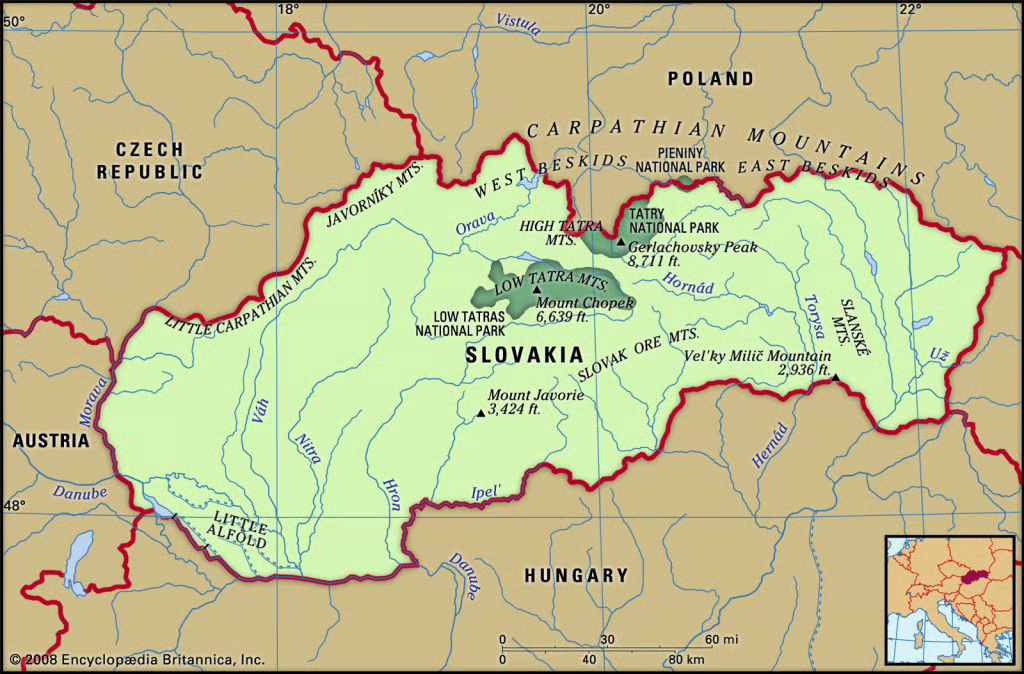
Slovakia is a landlocked country in Central Europe.
It became an independent state on January 1, 1993, after the peaceful dissolution of Czechoslovakia.
Neighbouring countries – Slovakia is bordered by Poland to the north, Ukraine to the east, Hungary to the south, Austria to the southwest and the Czech Republic, lies to the west.
Capital city – Bratislava is the only national capital in the world that directly borders two separate countries i.e. Austria and Hungary.
Official Language: Slovak.
Currency: Euro (€).
It is a member of both the European Union and NATO (the North Atlantic Treaty Organization).
BRICS Indore Declaration
International
Context
The BRICS Agriculture Ministers and officials-level meetings were held in Indore in which the ‘BRICS Indore Declaration’ was unanimously adopted.
BRICS Indore Declaration – Main Focus Areas
Helping Small Farmers: Focuses on helping small farmers, women, and youth.
Food Security: Working together to feed the world.
New Technology: Using smart tools like AI and digital maps in farming.
Safe Farming: Protecting nature with organic and natural farming.
Key Initiatives
Digital Agriculture Network: Led by IIT Delhi to bring digital tools to farms.
Natural Farming Centres: Led by ICAR-IIFSR to study safe farming methods.
Farmers’ Seed Rights: A forum to protect traditional seeds and farmers’ rights.
BRICS
Founded in – 2009
HeadQuarters – Shanghai
It is an acronym for the grouping of the world’s leading emerging economies, namely Brazil, Russia, India, China, and South Africa (included in 2010)
Origin – The term “BRIC” was coined by the British Economist Jim O’Neill in 2001 to describe the four emerging economies of Brazil, Russia, India, and China.
Recent Expansion (BRICS+): In 2024–2025, the bloc expanded to include Egypt, Ethiopia, Iran, the UAE, and Indonesia. Saudi Arabia has received an invitation but has not yet formalized its membership.
Share of BRICS – BRICS brings together five of the largest developing countries, representing 41% of the global population, 24% of the global GDP, and 16% of the global trade (By 2028, BRICS is expected to make up 35 percent of the global economy)
Chairmanship – The chairmanship of the forum is rotated annually among the members.
Initiatives of BRICS
New Development Bank (NDB)
Contingent Reserve Arrangement (CRA)
BRICS Payment System
Customs Agreements
Constellation of Remote Sensing Satellites
New Initiative
BRICS is planning to launch its own “new currency” system, a major step towards de-dollarization (reducing dependence on the US dollar for trade).
U.S. and Iran reach Agreement to end war, re-open Hormuz Strait
International
Context
The U.S. and Iran have reached a preliminary agreement to end the war.
About
The pact includes an immediate halt to military action, including in Lebanon, and a 60-day negotiation period.
The US has announced the removal of the US naval blockade, authorizing the reopening of the Strait of Hormuz for global shipping.
The move would allow international maritime traffic to resume.
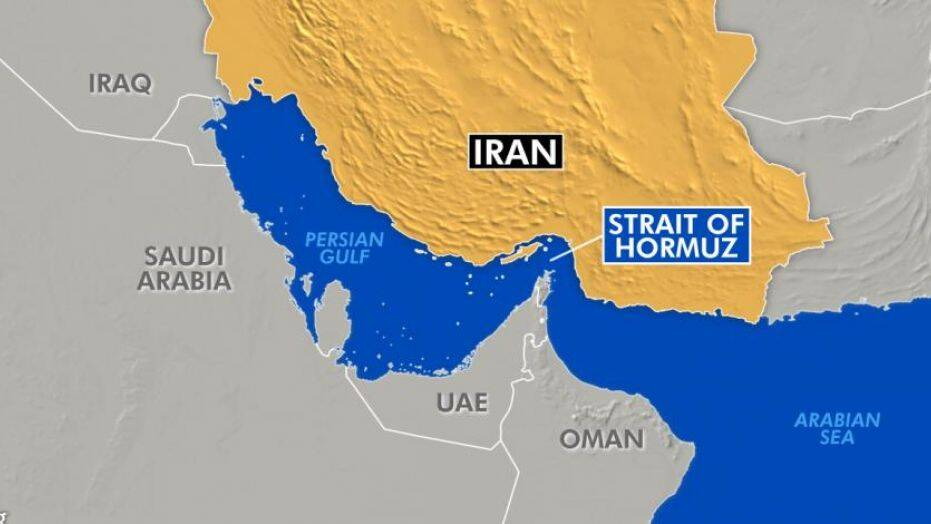
Strait of Hormuz
Location – The Strait of Hormuz lies between Iran to the north and Oman and the United Arab Emirates to the south, linking the Persian Gulf with the Gulf of Oman and the Arabian Sea.
At its narrowest point it is about 33 kilometres wide, with shipping lanes just a few kilometres across in either direction.
Significance- Nearly half of India’s crude oil and around 60 per cent of its natural gas imports pass through the strait.
Adding Cervavac to National Immunisation Programme After 2027
GS2/ Health
In News
The HPV vaccine developed by the Serum Institute of India (SII), with support from the Department of Biotechnology (DBT), is likely to be included in the national vaccination programme after 2027.
More about the news
Cervavac, India’s first indigenously developed HPV vaccine, is currently administered in a two-dose schedule, which limited its inclusion in the national HPV vaccination programme.
Earlier this year, the Ministry of Health and Family Welfare launched a nationwide HPV vaccination campaign targeting 14-year-old girls using MSD’s Gardasil vaccine.
Human papillomavirus (HPV)
HPV is a common sexually transmitted infection.
Most infections are asymptomatic and self-limiting.
Nature: HPV is a DNA virus from the Papillomaviridae family.
Additional Information – Cervical Cancer
Cervical cancer develops in a woman’s cervix (the entrance to the uterus from the vagina).
Spread: Almost all cervical cancer cases (99%) are linked to infection with high-risk human papillomaviruses (HPV), an extremely common virus transmitted through sexual contact.
Prevalence: Cervical cancer is the fourth most common cancer in women.
It is the second most common type of cancer in India for women.
Treatment: When diagnosed, cervical cancer is one of the most successfully treatable forms of cancer, as long as it is detected early and managed effectively.
Vaccination: There are, at present, two vaccines available in the country against the human papillomavirus (HPV) which causes cervical cancer, namely Merck’s Gardasil and Serum Institute of India’s Cervavac.
Prime Minister Held Official Talks with President of France
International
Context
PM Modi held bilateral talks with French President Emmanuel Macron in France.
This marked the first meeting between the two leaders since India-France ties were elevated to a “Special Global Strategic Partnership” earlier this year.
Major Highlights
Adoption of the “Innovation Roadmap 2030”, aimed at providing long-term direction to bilateral cooperation in technology and innovation.
The two leaders also agreed to establish a Joint India-France AI Working Group to deepen collaboration in artificial intelligence.
Additional Information – India-France Relations
India–France Strategic Partnership: It was launched on 26 January 1998 and is India’s first-ever Strategic Partnership.
Rafale Fighter Jets: India procured 36 Rafales from Dassault Aviation.
Scorpene Submarines (Project P-75): Collaboration with France’s Naval Group, 6 submarines built in India; latest is INS Vaghsheer.
Recently both nations formally concluded an Inter-Governmental Agreement (IGA) to procure 26 Rafale-M fighter jets for the Indian Navy.
Joint Exercises: Shakti, Varuna, FRINJEX-23.
Economic Cooperation:Within the European Union, France remains India’s fifth-largest trading partner, following the Netherlands, Belgium, Italy, and Germany.
The process of enabling Unified Payment Interface (UPI) has been successful in France.
Joint missions: TRISHNA (satellite mission), MDA systems, ground station support.
International Solar Alliance (ISA): Co-founded by India and France in 2015 to promote solar energy worldwide.
Joint UNESCO Nomination for Xuanzang’s Records
Art and Culture
Context
India and China are in advanced discussions regarding a joint UNESCO nomination for Xuanzang’s work, ‘The Great Tang Records on the Western Regions’.
Xuanzang (Hiuen Tsang)
He was a Chinese Buddhist monk, scholar, and traveler who journeyed across India during the 7th century CE.
He spent nearly 19 years travelling through India and studying Buddhist philosophy.
He studied at the ancient university of Nalanda University.
His work, The Great Tang Records on the Western Regions, provides detailed information about:
Political conditions under Harshavardhana and other rulers.
Social and economic life in early medieval India.
Religious traditions and Buddhist institutions.
Economic and geographical conditions of early medieval India.
Other Joint Nominations Under Consideration
Panchatantra with Iran: India is exploring a joint UNESCO nomination of Panchatantra with Iran. The Panchatantra has influenced Persian literature and folklore for centuries and represents a shared literary heritage.
Satyagraha with South Africa: The idea reflects the historical association of Mahatma Gandhi’s non-violent movement with South Africa.
Shared Civilizational Traditions:
Ramayana traditions shared between India and Indonesia.
Buddhist scriptures and heritage common to India and China.
Queen Pineapple
Economy
Context
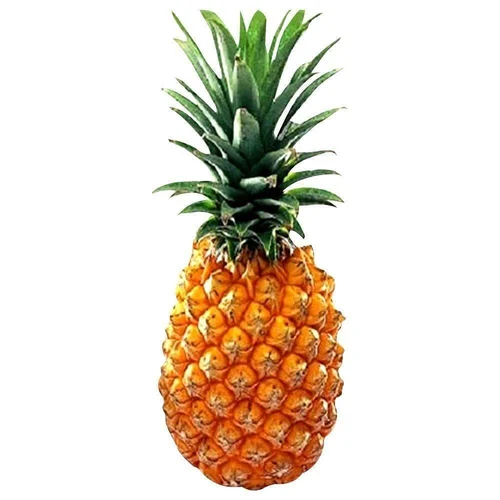
Ahead of the pineapple festival in Delhi, Tripura eyes global status for queen pineapple.
About
The queen pineapple was declared the state fruit of Tripura in 2018, four years after it attained the GI tag in 2014 for its golden-yellow hue and a distinct aroma.
Cultivation: An area with 30–40% slope is generally selected for cultivation and plants require sandy soil and good drainage to prevent water logging and temperature range of 180°C to 32°C is most favorable for its cultivation.
Tripura’s unique agro climatic condition makes it one of India’s leading pineapple-producing regions where Queen and Kew varieties are mostly cultivated by tribal growers.
Mission Queen Pineapple: It is a three year long centrally-funded farm-to-plate programme worth Rs 236 crore launched in 2026.
India contributes roughly 6-8% of total global pineapple production. On a regional scale, West Bengal and Assam are the top-producing states.
Do you Know?
Cultivation of pineapple originated in South America and gradually spread to other tropical parts of the world.
Pineapple cultivation was introduced to India by the Portuguese in 1548 AD.
Costa Rica is the leading global producer and exporter of pineapple.
NCERT Dancing Girl Row
Art and Culture
Context
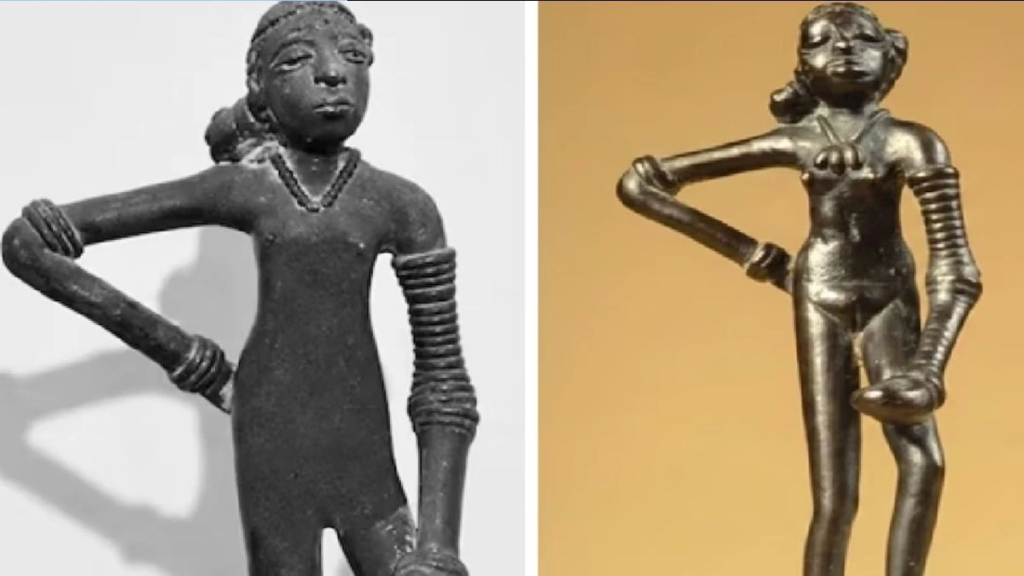
After facing backlash, NCERT has decided to restore the original image of the Indus Valley Civilization’s iconic Dancing Girl in its Class 9 textbook, reversing its earlier decision to depict the figurine with a covered torso.
Dancing Girl
The “Dancing Girl” is a 4,500-year-old bronze statuette unearthed in 1926 by archaeologist Ernest Mackay at Mohenjo-daro (present-day Pakistan), a major urban centre of the Indus Valley Civilization.
The statue is around 10.5 centimetres tall and is adorned with a necklace and a large number of bangles stacked on her arms.
Material and Technique: The bronze sculpture was created using the lost-wax technique, a metal-casting method that continues to be practiced in parts of India, including West Bengal, Jharkhand, and Chhattisgarh.
Today, the original artefact is housed in the National Museum, New Delhi.
Additional Information – Harappan Civilization
The Harappan civilization is believed to be one of the oldest world civilizations together with Egypt and Mesopotamia.
It was developed along the river Indus and for that reason it is also known as the Indus Valley Civilization.
The Harappan civilization is identified as a Bronze-age civilization because many objects have been found that are made up of copper based alloys.
Major Features of Civilization
Urban Planning: Their towns were well planned and they had brick houses which were situated along the roads.
Every house was equipped with a staircase, a kitchen and several rooms.
Their courtyards had wells, bathrooms and they had proper drainage systems.
Ornaments: The Harappans wore ornaments made of gold, silver, ivory,shell, clay, semi-precious stones and others.
Trade and Commerce: The civilization had extensive trade networks, reaching as far as Mesopotamia, Afghanistan, and the Arabian Peninsula.
Religion and Iconography: Harappan artifacts depict various symbols and motifs believed to be related to religious beliefs.
These include figures such as the “Priest King” and images of animals like bulls, suggesting possible reverence for certain animals.
Craftsmanship and Artistry: The Harappans produced intricate pottery, including the famous red pottery with black painted motifs.
They also created jewelry, sculptures, and seals made of steatite, terracotta, and other materials.
Agriculture: They cultivated crops such as wheat, barley, peas, and cotton.
Social Organization: The society was likely stratified, with evidence suggesting a hierarchical structure. This is indicated by variations in housing sizes and the presence of public buildings.
Decline and Disappearance: The reasons for the decline of the Harappan Civilization are still debated among historians and archaeologists.
Possible factors include ecological changes, such as shifts in river courses, as well as invasions and internal conflicts.
Major Harappan Sites
Site
Present Day
Harappa
Punjab, Pakistan
Mohenjo-Daro
Sindh, Pakistan
Dholavira
Kutch district of Gujarat,
Kalibangan
Rajasthan
Lothal
Gujarat
Rakhigarhi
Haryana
Chanhudaro
Sindh, Pakistan
Ganweriwala
Punjab, Pakistan
Sutkagendor
Baluchistan Province, Pakistan
Alamgirpur
Uttar Pradesh
Dengue Vaccine Safety Concerns
Science & technology
Context
Brazil recently suspended the administration of its dengue vaccine, Butantan-DV, after reports of severe adverse events, including two deaths, during a large-scale vaccination campaign.
Additional Information – Dengue
Pathogen – Dengue is a viral infection caused by the dengue virus (DENV).
DENV is an RNA virus of the Flaviviridae family with four serotypes (DENV-1 to 4).
Symptoms: High fever, severe headache, pain behind the eyes, muscle and joint pains, nausea, vomiting, swollen glands, rash.
Transmission: The virus is transmitted to humans through the bites of infected female mosquitoes, primarily the Aedes Aegypti mosquito.
There is a possibility of maternal transmission of Dengue (from a pregnant mother to her baby), transmission via blood products, organ donation and transfusions.
Prevention: There is no specific antiviral treatment for dengue, so prevention relies on controlling mosquito populations and raising public awareness.
The mosquitoes that spread dengue are active during the day. The best way of protection is to protect yourself from mosquito bites.
India’s first indigenous dengue vaccine
DengiAll is an indigenous, tetravalent, single-dose dengue vaccine candidate being developed by Panacea Biotec in collaboration with the Indian Council of Medical Research (ICMR).