
Oreshnik Missile
Defence
Context
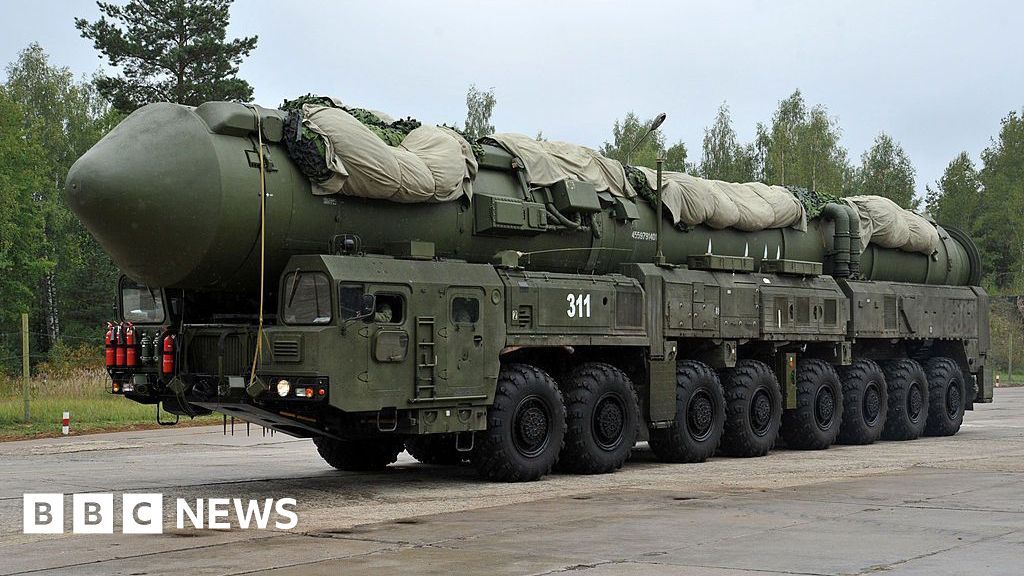
- Russia used its powerful Oreshnik hypersonic ballistic missile in an overnight missile and drone attack on Kyiv, Ukraine.
Oreshnik
- It is an intermediate-range hypersonic weapon believed to be based on Russia’s RS-26 Rubezh system.
- It can carry both nuclear and conventional warheads.
- Its strike range is estimated between 3,000 and 5,500 kilometres, allowing it to target large parts of Europe.
- It is almost impossible for modern air defence systems to intercept the missile owing to its speed of Mach 10, or nearly 2.5–3 kilometres per second.
Algoza
Culture
Context
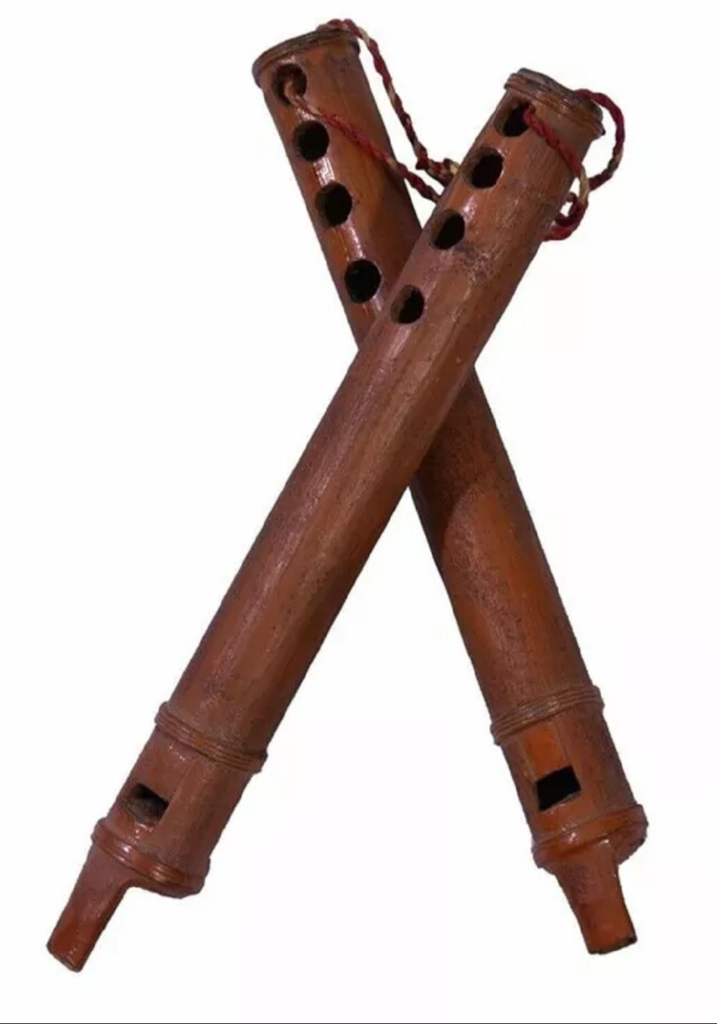
- Taga Ram Bheel of Jaisalmer was honoured with the Padma Shri 2026 for preserving and promoting traditional Rajasthani folk music through the ancient instrument called the Algoza.
Algoza
- The Algoza is a traditional folk wind instrument associated with Rajasthan, Punjab, Sindh, and parts of western India and Pakistan.
- It consists of two wooden flutes played simultaneously — one creates the melody while the other provides a rhythmic base.
- What makes the instrument unique is the use of circular breathing, a difficult technique that allows musicians to produce continuous music without stopping for breath.
- Often called the soul of Thar Desert folk music, the Algoza has traditionally been played during festivals, weddings, storytelling sessions, and devotional gatherings.
Khajuraho
Art & Culture
In News
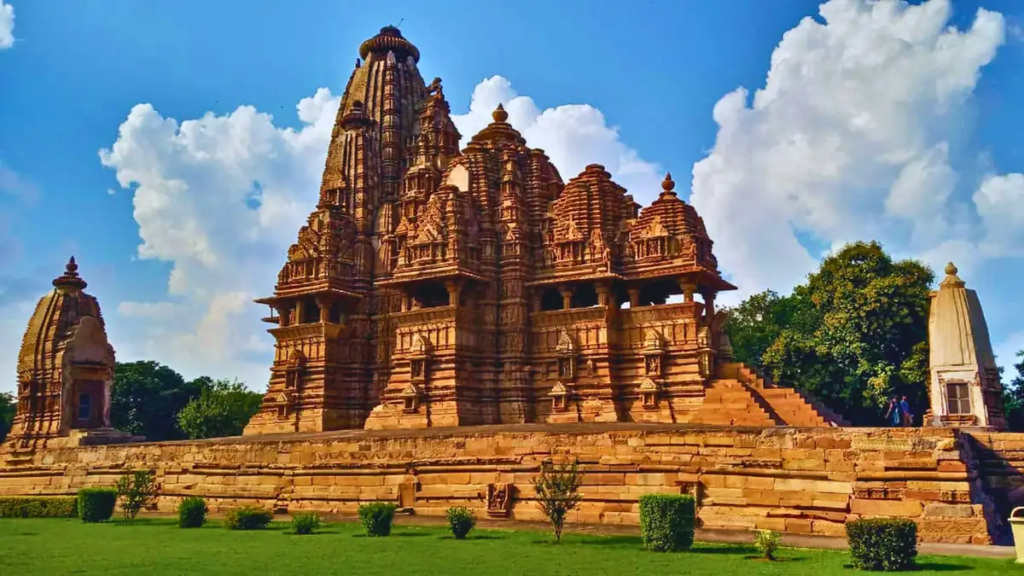
- World Heritage Site Khajuraho, is set to host the 25-day countdown event for the International Day of Yoga (IDY) 2026.
Khajuraho
- The Khajuraho Group of Monuments, a group of Hindu and Jain temples located in Chhatarpur district of Madhya Pradesh, was inscribed as a UNESCO World Heritage Site in 1986.
- The temples are famous for their nagara-style architectural symbolism and their erotic sculptures.
Historical records:
- Most Khajuraho temples were built between 950 and 1050 CE by the Chandela dynasty.
- Historical records note that the Khajuraho temple complex once had 85 temples spread across 20 square kilometres.
- At present, only about 25 temples have survived, spread over six square kilometres.




















Leave a Reply