
UAE Exit from OPEC and OPEC+
Syllabus: GS2/ Regional Groupings
Context
- The United Arab Emirates announced its withdrawal from OPEC and OPEC+ (effective May 1, 2026).
Reason
- UAE blamed fellow Arab states for not doing enough to protect it from numerous Iranian attacks during the war and decided to exit the grouping.
OPEC+
- Brief: It is a coalition of oil-producing countries that includes members of the Organization of the Petroleum Exporting Countries (OPEC) and several non-OPEC nations. A partnership between OPEC and 10 non-OPEC oil-producing countries.
- OPEC Established: 1960 by Iraq, Iran, Kuwait, Saudi Arabia, and Venezuela.
- Headquarters: Vienna, Austria.
- Members:
- Founding Members: Iraq, Iran, Kuwait, Saudi Arabia, Venezuela.
- Additional Members: Algeria, Congo, Equatorial Guinea, Gabon, Libya, Nigeria, UAE.
- Non-OPEC members of OPEC+: Russia, Azerbaijan, Bahrain, Brunei, Kazakhstan, Mexico, Malaysia, Oman, South Sudan, and Sudan.
- Significance of OPEC+: Controls around 40% of global oil supply.
Geophagy
Syllabus: GS3/Environment
News
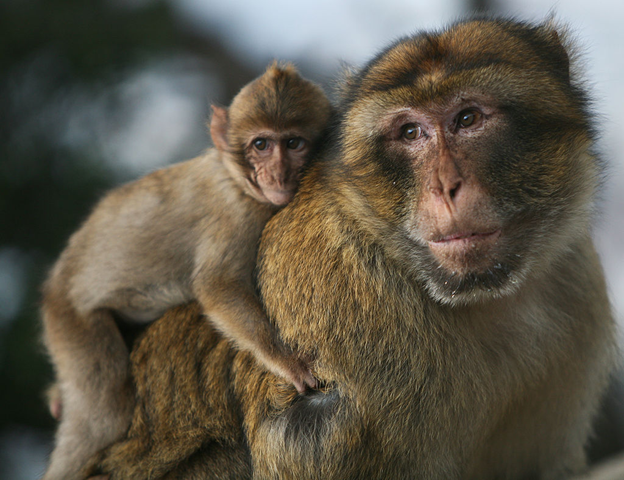
- Barbary macaques in Gibraltar have been found to eat soil (geophagy) more often than other populations.
Geophagy
- It is the widespread behavior of eating soil, clay, or earth substances like chalk or kaolin.
- It is observed across many animal groups and also among some human populations, especially in tropical regions.
- It is found in many cultures worldwide but especially common in parts of Africa, among pregnant women, children, and rural populations.
- It may be linked to health or nutritional needs, such as relieving nausea, but its exact causes are not well understood.
Barbary macaque (Macaca sylvanus)
- It is a unique primate found in Africa north of the Sahara and is the only wild monkey in Europe.
- Once widespread across North Africa and parts of Southern Europe, it now survives mainly in small forest areas in Algeria and Morocco, with an introduced population in Gibraltar.
- The species is listed on Appendix I of CITES and The IUCN Red List of Threatened Species classifies it as Endangered .
India Becomes 5th Largest Military Spender in 2025: SIPRI
Syllabus: GS3/Defence
Context
- India emerged as the world’s fifth-largest military spender in 2025, with defence expenditure reaching $92.1 billion, according to the Stockholm International Peace Research Institute (SIPRI).
Key Highlights (India)
- Defence spending rose by 8.9% year-on-year, driven by operational and procurement needs amid India–Pakistan tensions (May 2025).
- India remains the 2nd largest arms importer, accounting for 8.2% of global imports. However, arms imports declined by 4% between 2016–20 and 2021–25.
- Strategic Shift: India has gradually diversified its arms imports away from Russia towards Western suppliers such as France, Israel, and the United States; Russia’s share declined from 70% (2011–15) to 51% (2016–20) and further to 40% in 2021–25.
Stockholm International Peace Research Institute’s (SIPRI)
- It is an independent international institute dedicated to research into conflict, armaments, arms control and disarmament.
- It was established in 1966 in Stockholm (Sweden).









Leave a Reply