
e-Pratyaropan Portal
Polity
Context
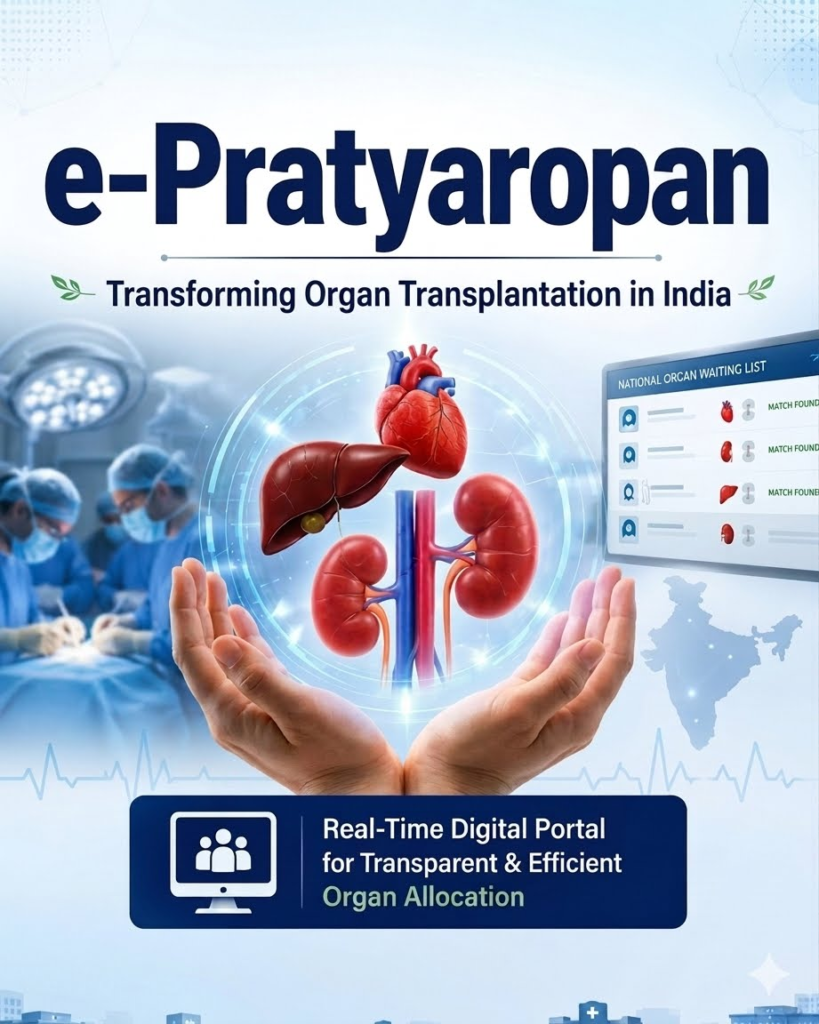
- The National Organ and Tissue Transplant Organisation (NOTTO) has launched the e-Pratyaropan Portal along with the NOTTO mobile application to create a unified digital ecosystem for organ donation and transplantation in India.
e-Pratyaropan Portal
- It is a centralized digital platform launched by NOTTO under the Ministry of Health and Family Welfare
- Objective – to digitize India’s organ donation and transplantation ecosystem.
Features
- Automated Allocation: Uses algorithms to distribute organs transparently, eliminating manual or discretionary bias.
- Unified Registry: Syncs real-time waiting lists across hospital, state, regional, and national levels.
- Live Tracking: Integrates with the NOTTO app to monitor the transit of organs through green corridors.
- Emergency Prioritization: Allows hospitals to flag “super urgent” cases for immediate, lifesaving matching.
Delhi Lakshmi Yojana
Government Schemes
Context
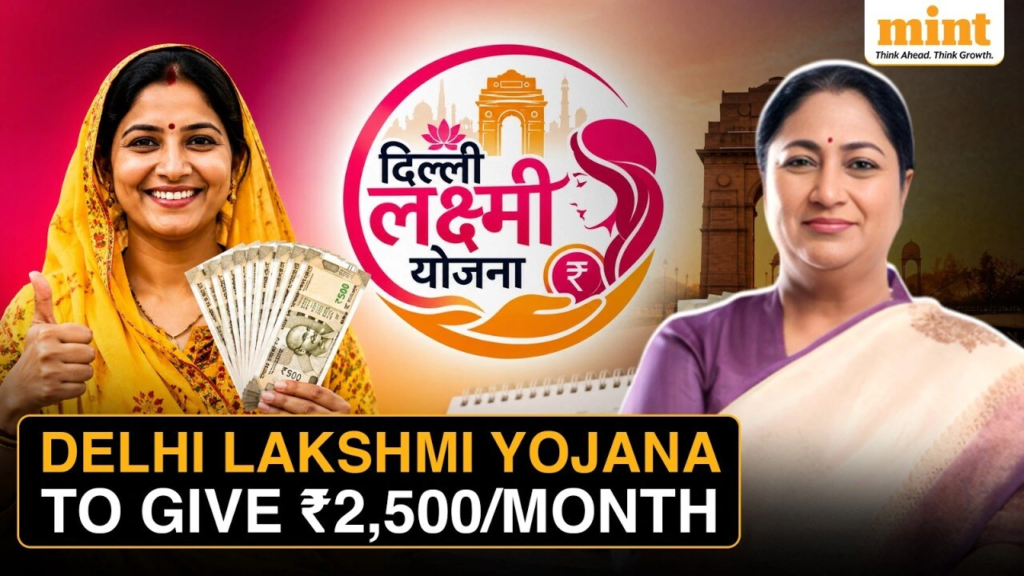
- The online registration portal for the Delhi Lakshmi Yojana has opened for registration.
About
- Launched in July 2026
- Objective – to provide ₹2,500 monthly to women from economically weaker sections. It targets over 17 lakh beneficiaries with a ₹5,110 crore budget.
Key Points
- Eligibility: Delhi residents for 10+ years, aged 21–60, with annual family income under ₹2.5 lakh. Only the eldest eligible woman per household qualifies.
- Exclusions: Excludes taxpayers, government employees, pension recipients, and families with over three children.
- Administration: Requires a mandatory recommendation letter from a local MLA/MP and uses 4-layer digital verification.
- Significance: Promotes financial inclusion and women’s autonomy, but faces criticism over political gatekeeping (MLA/MP letters) and strict exclusion criteria.
Glaw Lake Becomes India’s 101st Ramsar Site
Environment
Context
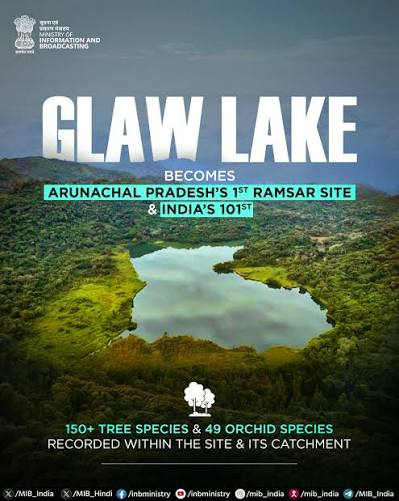
- India’s one more wetland, Glaw Lake of Arunachal Pradesh, has entered the global list of protected wetlands as a Ramsar site.
Glaw Lake
- Location – Arunachal Pradesh’s Lohit district
- It has been officially designated as India’s 101st Ramsar Site, making it the first-ever wetland from the state to achieve this international recognition.
Ecological & Cultural Significance
- High-altitude freshwater lake nestled deep inside the Kamlang Tiger Reserve and Wildlife Sanctuary in the Eastern Himalayas.
- Biodiversity Hotspot: The wetland and its catchment area support an incredibly rich ecosystem, housing over 150 tree species and 49 orchid species.
- Wildlife Sanctuary: It serves as an Important Bird and Biodiversity Area (IBA).
- It acts as a crucial wintering ground for the critically endangered white-bellied heron and supports all four big cat species: tigers, leopards, clouded leopards, and snow leopards.
- Cultural Roots: The lake holds sacred value for the local Mishmi community, who hold a cultural belief that guardian deities protect its pristine waters.
Connect with the basics – Ramsar Convention
-
- A Ramsar site is a wetland designated as one of international importance under the Ramsar Convention.
- Ramsar Convention – It is one of the inter-governmental accords to preserve the wetlands of international importance.
- It was signed on February 2, 1971 in Ramsar, Iran and came into force in 1975.
- India became a signatory to the Ramsar Convention in 1982.
Ramsar Facts
-
- Total: 101 sites (As of June 2026).
- India has the most sites in Asia.
-
- 100th Site: Jai Prakash Narayan Bird Sanctuary (Surha Tal) in Uttar Pradesh (Added June 2026).
- Top State: Tamil Nadu (20 sites), followed by Uttar Pradesh (13 sites).
- First Sites: Chilika Lake (Odisha) and Keoladeo National Park (Rajasthan) in 1981.
- Sizes: Sundarban (West Bengal) is the largest. Renuka (Himachal Pradesh) is the smallest.
Montreux Record (Threatened Sites)
- What it is: A register of Ramsar sites facing ecological danger from pollution or human interference.Active Indian Sites:
- Only two sites—Keoladeo National Park (Rajasthan) and Loktak Lake (Manipur).
- Removed- Chilika Lake was removed after successful recovery.
Utkalmani Pandit Gopabandhu Das
History
Context
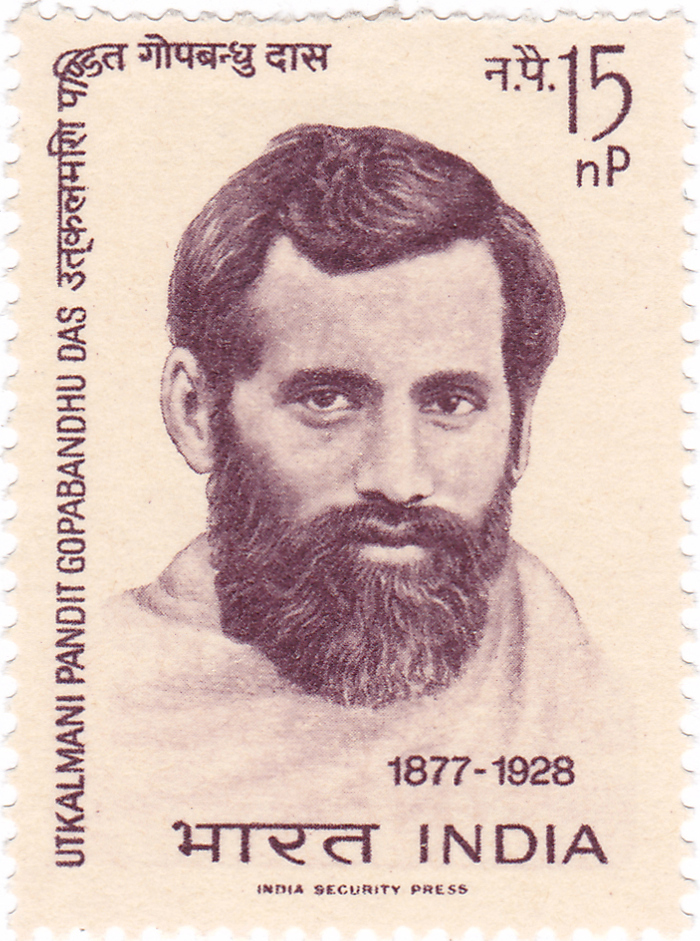
- President Droupadi Murmu unveiled the statue of Utkalmani Pandit Gopabandhu Das in New Delhi.
About
- He is popularly known as Utkalmani (Gem of Odisha).
- He was a prominent freedom fighter, social reformer, educationist, poet, and journalist from Odisha.
- Devoted to the service of the poor and social upliftment.
- He founded the Satyabadi Bana Vidyalaya at Sakhigopal to promote nationalist ideals through education.
- He was elected to the Legislative Council in 1917 and actively participated in India’s freedom movement as a member of the Indian National Congress.
- He founded the Odia newspaper The Samaja in 1919, which became an important platform for promoting nationalism and public awareness.
- He also made significant contributions to Odia literature.
- His notable works include Abakasha Chinta, Go-Mahatmya, Nachiketa Upakhyana, Karakabita, Dharmapada, and Bandira Atmakatha, many of which were written during his time at Ravenshaw College.
Universal Immunisation Programme
GS2/Health
Context
- According to a study by the Union Health Ministry, introducing the hexavalent (six-in-one) vaccine into India’s Universal Immunisation Programme could improve the efficiency of childhood immunisation programmes.
About
- A hexavalent vaccine is a combination that protects infants against diphtheria, tetanus, pertussis (whooping cough), Hepatitis B, polio, and Haemophilus influenzae type b (Hib) in a single injection.
- It eases the workload of frontline health workers, lowers cold-chain requirements, and saves caregivers’ time.
Universal Immunization Programme (UIP) of India
- Launched in – India launched the EPI in 1978, which was later renamed as the Universal Immunization Programme (UIP) in 1985.
Additional Information – Intensified Mission Indradhanush (IMI 5.0)
- Implementation – It is the flagship routine immunization campaign of the Union Ministry of Health and Family Welfare.
- Objective – It ensures that routine immunization services reach the missed-out and dropped out children and pregnant women across the country.
- Uniqueness – This year, for the first time the campaign is being conducted across all the districts in the country. It includes children up to 5 years of age (Previous campaigns included children up to 2 years of age).
- Special focus is on improvement of Measles and Rubella vaccination coverage with the aim of Measles & Rubella elimination by 2023.
Additional Information – Mission Indradhanush
- Launched in – 2014
- Aim – To ensure full immunization with all available vaccines for children up to two years of age and pregnant women.
12 Diseases covered under Mission Indradhanush
- Bacillus Calmette-Guérin (BCG).
- Diphtheria, Pertussis and Tetanus (DPT).
- Tetanus and adult Diphtheria (Td).
- Bi valent oral polio vaccine (bOPV).
- Measles-Rubella (MR) vaccine.
- Hepatitis B (Hep B).
- Pentavalent — DPT + Hepatitis B + Haemophilus Influenzae type b (DPT + Hep B + Hib).
- Rotavirus Vaccine (RVV).
- Pneumococcal Conjugate Vaccine (PCV).
- Japanese Encephalitis (JE) Vaccine.




Leave a Reply