
Albino Hog Deer
Environment
Context
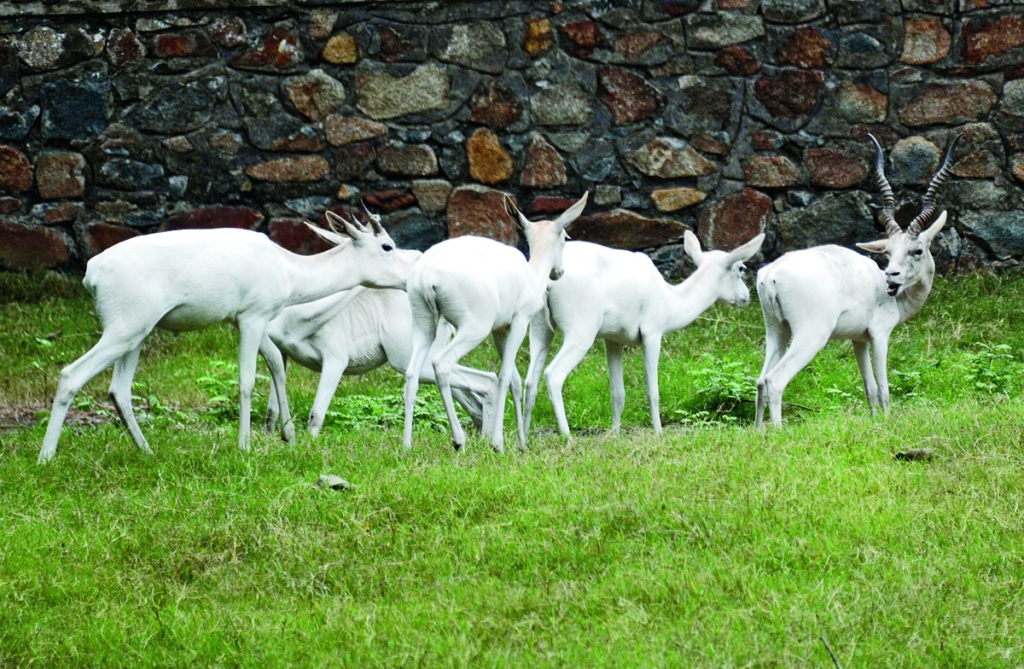
- A rare albino hog deer was recently spotted roaming inside Assam’s Kaziranga National Park.
-
- About
- The albino hog deer is a small cervid native to the region of the Indian subcontinent and Indo-Gangetic Plain.
- It is characterised by white fur, pink eyes and pale hooves.
- Due to a rare genetic mutation known as albinism, the animal entirely lacks melanin pigment.
- Albinism can make survival difficult in nature as these animals often struggle with camouflage, visibility to predators, and sensitivity to sunlight.
- Beyond hog deers, India is also home to a variety of albino species, such as the Gaur, Indian cobra and primates like rhesus macaque.
- Odisha’s Bhitarkanika National Park is famously home to rare albino saltwater crocodiles.
Babesia Infection
Science & technology
Context
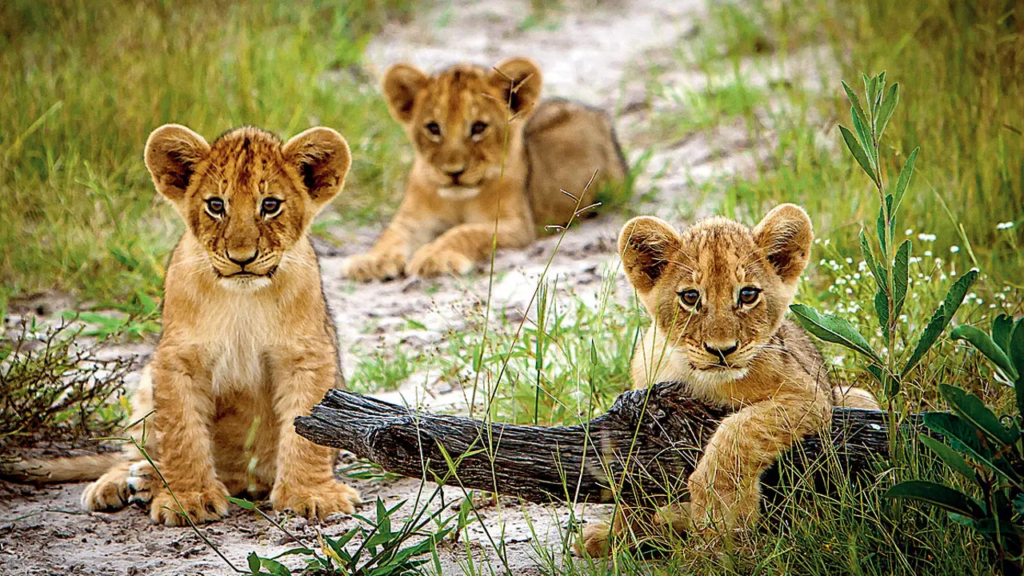
- Eight lion cubs have died in Gujarat due to a suspected Babesia infection, raising concerns about the health of the Asiatic lion population.
About
- Babesia is a parasitic disease transmitted through ticks and can cause weakness, fever, coughing and nasal discharge in infected animals.
- It is a zoonotic disease, meaning it can transmit from animals to humans.
- Atovaquone plus azithromycin is used to treat most mild to moderate cases and is usually taken for 7 to 10 days.
Asiatic Lion (Panthera leo persica)
-
- It is one of the five big cat species found in India.
- Physical Characteristics: Asiatic lions are slightly smaller than African lions.
- Males have less developed manes, leaving their ears visible.
-
- Prominent longitudinal fold of skin along the belly (a distinguishing feature from African lions).
- Distribution: In India, concentrated in the state of Gujarat in and around the Gir Forest mainly in;
- Gir National Park and Wildlife Sanctuary
- Paniya Wildlife Sanctuary
- Mityala Wildlife Sanctuary
- Barda Wildlife Sanctuary
Conservation Status:
- IUCN Red List status: Endangered
- CITES: Appendix I
- Wildlife Protection Act, 1972: Schedule I




















Leave a Reply