Bugle, an instrument common with the drills of armed forces and used in wars, ceremonies, and parades for decades, has earned a GI tag.
Meerut Bugle
Meerut’s association with bugle-making dates back to the late 19th century.
The instrument’s journey has been parallel to the evolution of India’s military culture.
This was used as command tools during the British era, and as the armed forces evolved, the bugle retained its position of honour
G-Secs
Syllabus: GS3/ Economy
In News
Recently, G-Sec yields have inched upward even though the RBI has cut the repo rate.
Government security(G-Sec)
Definition – It is a tradable instrument issued by the Central Government or the State Governments.
It acknowledges the Government’s debt obligation.
It includes short term (usually called treasury bills, with original maturities of less than one year) or long term (usually called Government bonds or dated securities with original maturity of one year or more).
Central Industrial Security Force (CISF)
Syllabus: GS3/Internal Security
In News
Central Industrial Security Force (CISF) has been designated as a Recognised Security Organisation (RSO) for seaports under the International Ship and Port Facility Security (ISPS) code.
India has about 250 seaports, of which 65–68 handle active cargo operations.
Central Industrial Security Force
It is a paramilitary force established in 1969, under the Central Industrial Security Force Act, 1968.
Every year, CISF Raising Day is observed on March 10.
Operates under – Ministry of Home Affairs of India.
Functions – It provides security to the strategic establishment including
Department of Space
Department of Atomic Energy,
Airports, Delhi Metro and ports.
Historical monuments
Basic areas of the Indian economy such as petroleum and natural gas, electricity, coal, steel and mining.
Article 240
Syllabus: GS2/Governance
In News
The Union Home Ministry clarified that no Constitutional Amendment Bill in the upcoming winter session would bring Chandigarh under Article 240.
Constitution (131st Amendment) Bill, 2025
It proposes to bring Chandigarh under Article 240, grouping it with Union Territories that lack legislatures, thereby empowering the President to frame regulations for it.
It will open the door to an independent administrator in the Union Territory of Chandigarh.
The Punjab Governor is currently the Administrator of Chandigarh.
The move is aimed to simplify the Central Government’s law-making process for Chandigarh.
It aims to ensure uniformity in governance across Union Territories without legislatures.
It aims to empower the President to frame regulations for Chandigarh, equivalent to Acts of Parliament.
Article 240 of the Constitution
It grants the power to the President to make regulations for the peace, progress and effective governance of certain Union territories, including the Andaman and Nicobar Islands, Lakshadweep, and Dadra and Nagar Haveli and Daman and Diu.
KIA becomes India’s first airport to achieve Level 3 Accessibility Enhancement Accreditation
The Kempegowda International Airport (KIA) has become the first airport in India to be awarded Level 3 in the Accessibility Enhancement Accreditation (AEA) programme by the Airports Council International (ACI).
Researchers discover new species of spider in a Chikkamagaluru village, name it after Malenadu
A team of researchers exploring biodiversity in the Western Ghats has discovered a new species of spider belonging to pilia, a genus of jumping spiders, at Madhugundi village in Mudigere taluk of Chikkamagaluru.
The researchers named it “Pilia malenadu”, to give credit to the place it was found
The Indo-Tibetan Border Police force is establishing 10 all-woman Border Outposts along the Line of Actual Control (LAC), marking a significant step toward gender inclusion in border security.
Indo-Tibetan Border Police (ITBP)
Raised:24 October 1962, after the India-China war.
Status: A Central Armed Police Force under the Ministry of Home Affairs.
Motto: “Shaurya-Dridhata-Karma Nishtha”
Operational Roles: Guarding the 3,488 km-long India-China border from the Karakoram Pass (Ladakh) to Jachep La (Arunachal Pradesh).
Legal Framework: In 1992, the ITBPF Act was enacted; in 2004, the entire India-China border was assigned to ITBP for border guarding duties.
African Grey Parrot
Syllabus: GS3/Species
In News
According to state forest departments, there are no officially registered breeders or authorized pet shops for African grey parrots in India, despite their widespread availability in markets.
African Grey Parrot
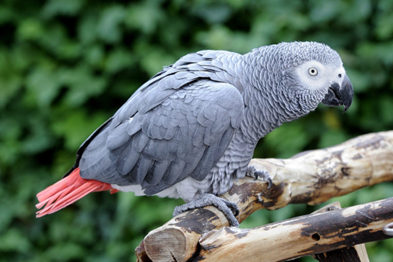
Scientific name – Psittacus erithacus) is a medium-sized, highly intelligent parrot.
It is often regarded as the “The Einsteins of the Bird World.”
It is native to West and Central Africa, inhabiting savannas & coastal mangroves.
There are two main subspecies: the Congo African Grey (CAG), known for its bright red tail, and the Timneh African Grey (TAG), with a darker maroon tail.
Uniqueness – African greys are notable for their exceptional talking and comprehension abilities, capable of large vocabularies and contextual speech.
IUCN Status – Endangered by the IUCN.
Mount Semeru
Syllabus: GS1/ Physical Geography
In News
Mount Semeru, located in eastern Java (Indonesia), erupted recently.
Why is Indonesia Prone to Volcanic Eruptions?
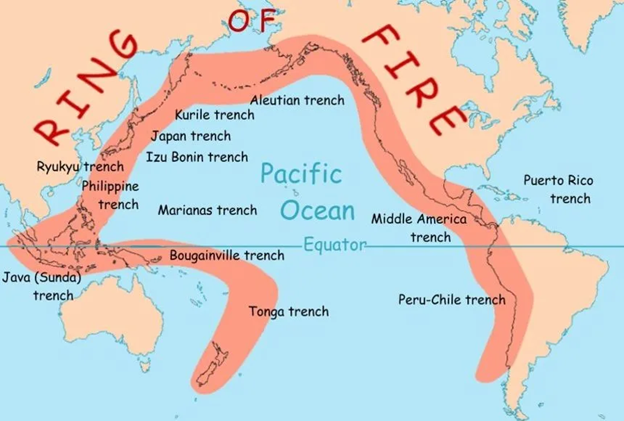
Indonesia sits on the convergent boundary where the Indo-Australian Plate subducts under the Eurasian Plate
This process forms a chain of stratovolcanoes across Java, Sumatra, and the Sunda Arc.
It lies at the heart of the Ring of Fire, which accounts for 75% of the world’s volcanoes and 90% of earthquakes.
Geological Survey of India (GSI)
Syllabus: GS1/ Geography
In News
The International Seminar titled “Unearthing the Past, Shaping the Future: 175 Years of GSI” was inaugurated by the Union Minister of Coal & Mines as part of the Geological Survey of India’s (GSI) 175th Foundation Year celebrations.
Geological Survey of India
It is India’s premier national geoscientific organization
Functions under – Ministry of Mines
Established in – 1851 by Sir Thomas Oldham.
The term “Geological Survey of India” was first used in 1848 during coal investigations led by John McClelland.
Key Functions
Geological Mapping and Surveys: Comprehensive mapping of surface and subsurface geology, including ground, airborne, and marine surveys.
Mineral Exploration: Scientific exploration and assessment of mineral, energy (including coal, oil), and water resources.
Geotechnical and Geoenvironmental Studies: Supporting infrastructure planning, groundwater studies, land stability analysis, and environmental assessments.
Integrated Child Development Services Programme
Syllabus: GS2/Welfare Scheme
In News
Integrated Child Development Services programme has expanded widely and improved nutrition, education, and early childhood care through anganwadis.
Integrated Child Development Services programme
Launched on – 2 October 1975
It is India’s flagship early childhood care and development programme.
It provides a package of nutrition, health and pre-school education services to children under 6 years and their mothers through a nationwide network of Anganwadi centres.
Financing – It is a centrally sponsored scheme
It is now subsumed under the Saksham Anganwadi and POSHAN 2.0 umbrellato integrate nutrition and early childhood care.
Amoebic Meningoencephalitis
Syllabus: GS2/ Health
In News
Karnataka has issued guidelines for Sabarimala pilgrims following cases of amoebic meningoencephalitis or brain fever.
Amoebic Meningoencephalitis
Pathogen – It is a rare brain infection caused by Naegleria fowleri.
fowleri is a free-living amoeba found in warm freshwater and soil.
Transmission: Infection typically occurs when contaminated water enters the nose during activities like swimming, nasal cleansing in religious rituals, or sinus irrigation.
It does not spread through drinking water or person-to-person contact.
Symptom : It travels to the brain, destroying tissue and causing brain swelling.
Treatment and Precautions : To reduce risk, limit water entering the nose during water activities.
The Bengaluru Tech Summit (BTS) 2025 took place from November 18 to 20, 2025, at the Bangalore International Exhibition Centre (BIEC).
2025 theme – “Futurise,”
Bengaluru Tech Summit (BTS)
Organizers: It is an initiative of the Department of Electronics, Information Technology and Biotechnology, Government of Karnataka, in partnership with industry stakeholders.
Significance – . The summit reinforced Karnataka’s position as a global technology and innovation hub by bringing together innovators, researchers, entrepreneurs, and policymakers
The Prime Minister of India, at the India-Brazil-South Africa (IBSA) Leaders’ Summit, emphasized that the United Nations Security Council (UNSC) reforms are no longer a matter of choice but a global imperative.
India-Brazil-South Africa (IBSA) Leaders Summit 2025
Note – It coincided with the first G20 Summit held in Johannesburg, Africa.
IBSA Dialogue Forum
It was established in 2003 via the Brasilia Declaration, as a collective voice for the Global South.
It comprises India, Brazil and South Africa (IBSA troika), and they reaffirmed their commitment to multilateralism, democratic values, and inclusive development.
It can act as a bridge between Asia, Africa, and South America.
Key Initiatives- It include IBSA Trust Fund (operationalised in 2006) to enhance South-South cooperation and IBSAMAR multinational maritime exercise.
Additional information – UNSC
It is one of the principal organs of the UN, responsible for maintaining international peace and security.
It was established in 1945 as part of the UN Charter.
It is composed of 15 member states, including five permanent members (P5)with veto power, and ten non-permanent members elected for two-year terms by the General Assembly.
It is headquartered in New York City.
South Africa G20 Summit Concluded
Syllabus: GS2/ International Relations
In News
The 2025 G20 Summit in Johannesburg, South Africa is the first-ever G20 summit held on African soil under the theme “Solidarity, Equality, Sustainability.”
Key Highlights of the Summit
Adoption of the G20 Leaders’ Declaration – It reaffirms commitments to climate action (focusing on adaptation finance and renewable energy).
Emphasis on institutional reforms including UN Security Council reform.
Strong focus on empowerment of women and girls and condemning terrorism.
African Union’s permanent membership in the G20.
India’s Stand/Initiatives
Proposed the Global Traditional Knowledge Repository to harness collective human wisdom.
Launched the G20-Africa Skills Multiplier to create one million certified trainers to skill African youth.
Advocated for a Global Healthcare Response Team for rapid health crisis intervention.
Initiated the Open Satellite Data Partnership for agriculture, fisheries, and disaster management data sharing.
Pitched the Critical Minerals Circularity Initiative promoting recycling and sustainable supply chains.
Launched the ACITI trilateral framework with Australia and Canada for cooperation in critical technologies, AI, supply chains, and clean energy.
Assam Accord (1985)
Syllabus: GS2/Government Policy & Intervention
Context
Recently, the Assam government has announced that a broad consensus has been reached on Clause 6 of the Assam Accord, 1985.
Assam Accord (1985)
It was signed on August 15, 1985, between the Government of India, the All Assam Students’ Union (AASU), and the All Assam Gana Sangram Parishad (AAGSP).
It marked the end of a six-year-long anti-foreigner agitation in Assam (1979–1985), which happened because of illegal immigration from Bangladesh. It impacted the state’s demography, culture, and economy.
Clause 6 of the Assam Accord: It promised ‘constitutional, legislative, and administrative safeguards’ to protect the ‘cultural, social, and linguistic identity’ of the Assamese people.
Border Security: The Accord called for the sealing and fencing of the India-Bangladesh border to prevent further illegal immigration.
Auramine in Indian food
Syllabus: GS2/ Health
In News
India continues to face recurring episodes of chemical adulteration in food, particularly through the use of non-permitted synthetic dyes like auramine O.
Auramine O
It is a synthetic, odorless yellow dye extensively used in industry, including textile and leather processing, printing inks and paper manufacturing.
Auramine O is not approved for use as a food colour in India, the European Union, the United States, or most other regulatory jurisdictions.
Other dyes such as metanil yellow, rhodamine B, and malachite green appear in certain samples of sweets that are also not approved.
It has a range of health risks, including liver and kidney damage, enlargement of the spleen, mutagenic effects that can alter genetic material, and potential carcinogenic outcomes.
Serious Fraud Investigation Office (SFIO)
Syllabus: GS3/ Economy
In News
The Serious Fraud Investigation Office (SFIO) has introduced new technical and procedural safeguards to prevent impersonation and misuse of its summons and notices.
Serious Fraud Investigation Office (SFIO)
Established under – Companies Act, 2013,
Functions under – Ministry of Corporate Affairs
Mandate – It is a specialized body for white-collar crime investigations rather than routine company law violations.
Significance – It brings together experts from accountancy, forensic audit, banking, law, IT, capital markets, taxation and company law to handle serious and complex corporate frauds.
Bharat New Car Assessment Programme (Bharat NCAP)
Syllabus: GS3/ Environment
In News
The Ministry of Road Transport and Highways (MoRTH) has released a revised draft of Bharat New Car Assessment Program (Bharat NCAP 2.O).
Bharat New Car Assessment Programme (Bharat NCAP)
Launched in – October 2023
Objective – It provides safety ratings for vehicles based on crash testing and evaluation criteria.
It laid down the detailed procedure for vehicle manufacturers or importers to get their vehicles tested as per Automotive Industry Standard.
Central Institute of Road Transport (CIRT) in Pune is the designated agency for issuing the Bharat NCAP ratings.
5 institutes of the Ministry of Earth Sciences have been formally brought under a single umbrella by merging five separate Societies into one single called “Earth System Sciences Council” (ESSC).
Earth System Sciences Council
Aim: To streamline governance and collectively address the scientific and humanitarian problems posed by the changing climate, erratic monsoons and melting polar regions.
Institutes Merged:
Indian Institute of Tropical Meteorology (IITM) Pune
National Centre for Polar and Ocean Research (NCPOR) Goa
National Institute of Ocean Technology (NIOT) Chennai
National Centre for Earth Science Studies (NCESS) Thiruvananthapuram
Indian National Centre for Ocean Information and Services (INCOIS) Hyderabad.
Earth System Science Organisation comprises two sub-ordinate offices:
India Meteorological Department (IMD) and the National Centre for Medium Range Weather Forecasting (NCMRWF).
ESSC formally registered as a body in 2023, MoES Secretary will head the ESSC and the minister for Earth Sciences will act as the ESSC president.
‘YUVA AI for ALL’
Syllabus: GS3/ S&T
In News
The Ministry of Electronics and Information Technology (MeitY), under the IndiaAI Mission, has launched ‘YUVA AI for ALL’, afirst-of-its-kind free course that introduces the world of Artificial Intelligence (AI) to all Indians.
‘YUVA AI for ALL’
It is a short, 5-hour self-paced course designed to make students, professionals and other curious learners comfortable with the basics of AI and to show how it’s transforming the world.
It aims to empower 1 crore (10 million) citizens with foundational AI skills – helping bridge the digital divide, promote ethical AI adoption, and prepare India’s workforce for the future.
IndiaAI Mission
Launched in – March 2024.
Mandate – It is a comprehensive initiative aimed at fostering AI research, development, and innovation in India.
Implementing Agency:‘IndiaAI’ Independent Business Division under Digital India Corporation.
Hanoi Convention
Syllabus: GS3/Cybersecurity
Context
72 nations have signed a landmark United Nations Convention against Cybercrime treaty in Hanoi aimed at tackling cybercrime.
Hanoi Convention
Aim: It proposes a legislative framework to boost international cooperation among law enforcement agencies and offer technical assistance to countries that lack adequate infrastructure for combating cybercrime.
First Universal Convention: The Convention establishes the first universal framework for investigating and prosecuting offences against Cybercrime.
Legally Binding: The UN Cybercrime Convention is a powerful, legally binding instrument.
Adoption: It was adopted by the General Assembly in 2024 after five years of negotiation.
The signing process is expected to remain open till next year.
Key Provisions:It criminalises the following types of crimes:
Cyber-dependent crimes: Unauthorized access (hacking), data interference.
Cyber-enabled crimes: Online fraud, non-consensual dissemination of intimate images.
Child exploitation: Online sexual abuse, distribution of abuse material, solicitation/grooming.
It facilitates the sharing of electronic evidence across borders and establishes a 24/7 cooperation network among States.
It also makes history as the first international treaty to recognise the non-consensual dissemination of intimate images as an offence – a significant victory for victims of online abuse.
Enforcement: It will enter into force 90 days after the 40th State deposits its ratification.
Conference of the States Parties: After entry into force, a Conference of the States Parties will convene periodically to improve the capacity of and cooperation between States Parties.
Secretariat: The United Nations Office on Drugs and Crime serves as the secretariat.
Connect with the basics – Types of Cyber Attacks
Malware – It is short for malicious software, refers to any kind of software that is designed to cause damage to a single computer, server, or computer network.
Example – Ransomware, Spy ware, Worms, viruses, and Trojans are all varieties of malware.
Phishing – It is the method of trying to gather personal information using deceptive e-mails and websites.
Types of Malware
Spyware – Spyware is software that spies on you, tracking your internet activities in order to send advertising (Adware) back to your system.
Virus – A virus is a contagious program or code that attaches itself to another piece of software, and then reproduces itself when that software is run. Most often this is spread by sharing software or files between computers.
Worm – A program that replicates itself and destroys data and files on the computer. Worms work to “eat” the system operating files and data files until the drive is empty.
Recent Steps Taken in India regarding Cyber Security
Cyber Surakshit Bharat Initiative – It was launched in 2018 with an aim to spread awareness about cybercrime and building capacity for safety measures for IT staff across all government departments.
National Cyber security Coordination Centre (NCCC) – In 2017, the NCCC was developed to scan internet traffic and communication metadata coming into the country to detect real-time cyber threats.
Cyber Swachhta Kendra – In 2017, this platform was introduced for internet users to clean their computers and devices by wiping out viruses and malware.
Computer Emergency Response Team – India (CERT-IN) – It is the nodal agency which deals with cybersecurity threats like hacking and phishing.
Legislation
Information Technology Act, 2000.
Personal Data Protection Bill, 2019.
International Mechanisms
International Telecommunication Union (ITU) – It is a specialised agency within the United Nations which plays a leading role in the standardisation and development of telecommunications and cyber security issues.
Budapest Convention on Cybercrime
It is an international treaty that seeks to address Internet and computer crime (cybercrime) by harmonizing national laws, improving investigative techniques, and increasing cooperation among nations.
It came into force on 1st July 2004.
India is not a signatory to this convention.
Protection of Plant Variety and Farmers’ Rights Act (PPV&FRA Act)
Syllabus: GS3/Agriculture
Context
The Union Agriculture Minister said that the Centre will amend the Protection of Plant Variety and Farmers’ Rights Act (PPV&FRA Act), incorporating suggestions from stakeholders.
Protection of Plant Variety and Farmers’ Rights Act (PPV&FRA Act) 2001
Aim: To provide for the establishment of an effective system for the
Protection of plant varieties,
Rights of farmers and plant breeders
To encourage the development of new varieties of plants.
Significance:
Balances innovation and farmers’ traditional rights.
Promotes agrobiodiversity conservation.
Enhances seed industry growth while protecting rural livelihoods.
India’s Dugong (sea cows) are Under Threat
Syllabus: GS3/Species in News
In News
A recent report released at the IUCN Conservation Congress in Abu Dhabi warns of the growing threat to India’s dugong population.
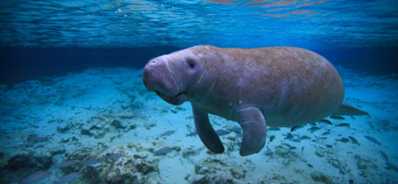
Dugongs(Dugong dugon)
Dugongs are primarily herbivorous, grazing on 30 kg-40 kg of seagrass a day.
They are known as “sea cows,” and peacefully graze on seagrass in shallow coastal waters of the Indian and western Pacific Oceans.
They are often referred to as the “farmers or gardeners of the sea” for their important role in preserving the coastal ecosystems and aiding fish production.
Geographic Range: These gentle giants are found in warm waters along coastlines, mainly confined to seagrass beds which occur in calm sheltered habitats such as bays and lagoons.
Distribution – They are found in the Gulf of Mannar, the Palk Bay, the Gulf of Kutch and the Andaman and Nicobar Islands in India.
Threats – Their population was on the decline over the past several decades owing to a variety of factors, including hunting for meat, commercial fishing practices leading to accidental drowning, and habitat degradation.
Protection status :
International Union for Conservation of Nature (IUCN) Red List – Vulnerable
Wild Life (Protection) Act, 1972 – Schedule I
Conservation Efforts in India
Dugong Conservation Reserve: India established its first dugong conservation reserve in Palk Bay, Tamil Nadu, which has been recognized by the IUCN as a global model for marine biodiversity conservation.
National Dugong Recovery Program: Launched in collaboration with Tamil Nadu, Gujarat, and the Andaman & Nicobar Islands to protect habitats and promote dugong conservation.
International Cooperation: India’s efforts align with global conservation frameworks such as CITES and the Convention on Migratory Species (CMS).
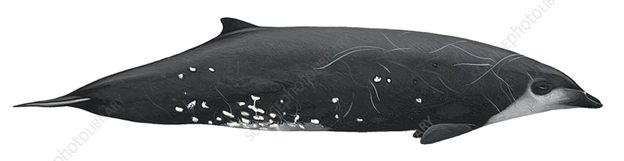
Ginkgo-toothed Beaked Whales
Syllabus: GS3/Species in News
In News
A team of scientists has spotted the rare ginkgo-toothed beaked whales for the first time in the wild along the coast of Baja California in Mexico.
Beaked whales are the deepest-diving mammals on Earth.
They spend most of their lives in the oceans, only coming to the surface for air for a few minutes at a time, usually far away from coastlines.
They are found in the tropical and warm-temperate waters of the western Pacific.
IUCN status – Data Deficient
LeadIT
Syllabus: GS3/ Environment
In News
At COP30 in Belém, Brazil, India’s Union Environment Minister addressed the LeadIT Industry Leaders’ Roundtable, reaffirming India’s role in driving low-carbon industrial transitions.
LeadIT
Launch: 2019, jointly by India and Sweden, with support from the World Economic Forum at the UN Climate Action Summit.
Purpose: To accelerate the transition of hard-to-abate, high-emitting industries—such as steel, cement, aluminium, chemicals, and heavy transport—towards net-zero by 2050.
It was among the first global high-level initiatives focused specifically on industrial decarbonisation.
LeadIT 2.0 (2024–2026), adopted during the LeadIT Summit at COP28 (Dubai). LeadIT 2.0 aims to move from dialogue to implementation.
CRISPR-Cas systems
In News
Indian scientists at ICAR’s Central Rice Research Institute have developed a patented indigenous Genome-Editing(GE) technology using TnpB proteins as a compact alternative to the globally patented CRISPR-Cas systems.
Do you know?
In May 2025, ICAR released two genome-edited rice varieties developed by Indian Institute of Rice Research (IIRR) and the Indian Agricultural Research Institute (IARI).
IIRR enhanced yields in Samba Mahsuri rice by editing the cytokinin oxidase 2 gene using CRISPR-Cas12a, while IARI improved drought and salinity tolerance in MTU-1010 (Cottondora Sannalu) by editing the DST gene with CRISPR-Cas9.
TnpB or Transposon-associated proteins
It acts as “molecular scissors,” and precisely cuts and modifies plant DNA, enabling desirable traits without introducing foreign genes.
Unlike bulky Cas9 and Cas12a proteins, the hypercompact TnpB (408 amino acids) can be easily delivered into cells via viral vectors, bypassing tissue culture methods.
Additional Information- Gene Editing Technology
It refers to technology that permits the change of an organism’s DNA by allowing genetic material to be added, removed, or altered at particular locations in the genome.
CRISPR Cas9 Technology
Acronym – Clustered Regularly Interspaced Short Palindromic Repeats.
Significance – With the use of the gene editing technique CRISPR, researchers can modify the DNA of living things.
An enzyme called Cas9 functions as molecular scissors, guided by RNA molecules created to precisely match a certain DNA sequence.
GE (Genome Editing): Involves precise modification of specific genes within an organism’s genome without introducing foreign genes, resulting in targeted genetic changes.
GM (Genetically Modified): Involves the insertion of foreign genes from unrelated organisms into an organism’s genome to confer specific traits or characteristics.
Regulatory Bodies
GEAC (Genetic Engineering Appraisal Committee): It is a regulatory body under the Ministry of Environment, Forest and Climate Change (MoEFCC).GEAC is responsible for evaluating and approving genetically modified organisms (GMOs)
Cartagena Protocol on Biosafety (CPB): Ensures safe handling of GMOs that may impact biodiversity under the Convention on Biological Diversity. Nagoya-Kuala Lumpur.
The Karnataka State Commission for Protection of Child Rights (KSCPCR) launched a Child Rights Index, a first-of-its-kind document in the country.
Child Rights Index
The document details the laws and schemes in each department for children, how effective the implementation of the same has been and what changes can be adopted for improving things.
It is conceived to ensure the rights, protection and welfare of children
State at 10th position in Child Rights Index
Karnataka’s performance in realising child rights and well-being is ‘moderate’ and the State ranks 10th among 30 States, according to the Child Rights Index 2023.
The index is calculated considering six dimensions:
India has been re-elected to the Codex Alimentarius Commission’s Executive Committee for the Asia region until the end of CAC50 in 2027.
Codex Alimentarius Commission
Established: 1963 by FAO and WHO.
Objective: Protect consumer health and promote fair practices in food trade.
Members: 189, including 188 countries and 1 organization (European Union).
Meetings: Annual sessions rotating between Geneva and Rome.
Source: TH
Water Budgeting
Syllabus: GS3/ Agriculture
In News
NITI Aayog released a report on Water Budgeting in Aspiration Blocks to enhance local water security.
Water Budgeting
Definition – Water budgeting is a systematic estimation of water availability and water demand across all sectors — agriculture, households, livestock, industry, and ecology.
It directly supports SDG 6 (Clean Water & Sanitation) and the national push toward water-use efficiency.
Significance – It will strengthen decentralised planning under Jal Jeevan Mission, Jal Shakti Abhiyan, and Atal Bhujal Yojana.
Indira Gandhi Peace Prize
Syllabus: Miscellaneous
Context
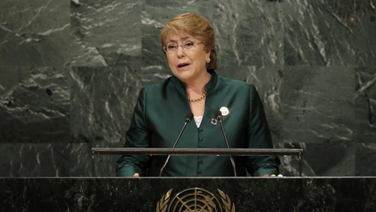
Michelle Bachelet, the former President of Chile, has been awarded the Indira Gandhi Peace Prize for 2024.
Indira Gandhi Peace Prize
It is an annual award established by the Indira Gandhi Memorial Trust in India.
The prize is named in honor of the late Prime Minister of India, Indira Gandhi
It was instituted in 1986.
Prize money: Recently, the prize money has been increased from rupees 25 lakhs to rupees 1 crore.
Objective – The award is presented to individuals or organizations that have made significant contributions to peace, the development of new international economic order, and the strengthening of democracy.
Generally, the award is presented on the occasion of the birth anniversary of Indira Gandhi on November, 19th.
Categories: The award is presented in three categories:
Peace: Recognizes efforts to promote and maintain international peace and security.
Disarmament: Acknowledges contributions to the reduction and elimination of weapons of mass destruction.
Development: Honors work in promoting economic and social development.
National Action Plan on AMR 2.0 Launched
Syllabus: GS2/Issues Related To Health
Context
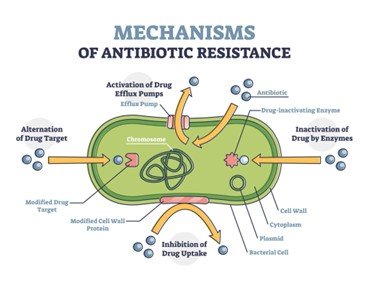
Recently, the Union Health Minister launched the second version of the National Action Plan on Antimicrobial Resistance (NAP-AMR) (2025–29).
National Action Plan on AMR 2.0 (2025–29)
It addresses gaps from NAP-AMR 1.0 (2017–2021), including strengthening surveillance, expanding public awareness, enhancing private-sector engagement, and improving regulatory and laboratory capacity.
Connect with the basics – Antimicrobial Resistance
Definition – It occurs when bacteria, viruses, fungi and parasites change over time and no longer respond to medicines making infections harder to treat and increasing the risk of disease spread, severe illness and death.
Nearly 700,000 people die of AMR every year. The toll can rise to as many as 10 million by 2050 and eat up 3.8 per cent of annual global gross domestic product (GDP).
Causes
Overuse and Misuse of Antibiotics
Inadequate Dosage and Duration
Self-Medication
Antibiotics Consumption in Food-Animals
Poor Sanitation
Global Efforts against Antimicrobial Resistance
Global Action Plan on Antimicrobial Resistance (GAP)
World Antimicrobial Awareness Week (WAAW)
Global Antimicrobial Resistance and Use Surveillance System (GLASS)
Global Antibiotic Research and Development Partnership (GARDP)
Measures Taken against Antimicrobial Resistance in India
National Action Plan on Antimicrobial Resistance (NAP-AMR)
AMR Surveillance Network
India’s Red Line campaign: Which demands that prescription-only antibiotics be marked with a red line, to discourage the over-the-counter sale of antibiotics– is a step forward.
Removing of Ineligible Beneficiaries from NFSA List
Syllabus: GS3/Food Security
Context
The Union Government has removed around 2.25 crore ineligible beneficiaries from the free monthly ration scheme under the National Food Security Act (NFSA) over the past four to five months.
National Food Security Act (NFSA), 2013
The right to food is implicit in the right to life under Article 21 of the Indian Constitution.
Mandate – It aims to provide subsidized foodgrains to a larger section of India’s population.
It amounts to roughly35 crore people under the Targeted Public Distribution System (TPDS), based on the 2011 Census data.
It covers:
Up to 75% of the rural population;
Up to 50% of the urban population;
Categories of Beneficiaries: The Act divides beneficiaries into two main groups:
Antodaya Anna Yojana (AAY) Households: Entitled to 35 kg of foodgrains per month.
Priority Household (PHH) Individuals: Entitled to 5 kg of foodgrains per person per month.
Currently, free foodgrains (wheat and rice) are distributed every month to poor households under these categories.
Scale of Distribution
India currently has over 19 crore ration card holders, and around 5 lakh fair price shops operating across States and Union Territories.
It leverages the existing infrastructure of the Public Distribution System (PDS) and integrates schemes like the Mid-Day Meal Scheme and Integrated Child Development Services (ICDS).
Targeting Only ‘Rightful’ Beneficiaries
The government’s objective is to ensure that only genuine beneficiaries—those who truly need assistance—receive the benefits.
The Department of Food and Public Distribution identified ineligible individuals using various criteria and shared the lists with State governments for verification and deletion.
It used Aadhaar-based verificationto identify and remove ineligible names.
Key reasons for removal included:
Ownership of four-wheelers;
High income above the eligibility threshold
Company directorships;
Deceased beneficiaries
Modified UDAN Regional Air Connectivity Scheme
Syllabus: GS3/Economy
In News
The government has proposed a ₹30,000 crore outlay for the modified UDAN regional air connectivity scheme, to extend it beyond April 2027.
Of this, ₹18,000 crore is earmarked for new airport development and ₹12,000 crore for viability gap funding (VGF) to support airlines connecting underserved regions.
UDAN Scheme
It is a regional connectivity scheme launched in 2016.
The first UDAN flight operated between Shimla and Delhi in 2017.
Ministry: Ministry of Civil Aviation.
Aim: To make air travel affordable and accessible to the common citizen by connecting Tier-2 and Tier-3 cities to major hubs.
Implementation: 0
Viability Gap Funding (VGF): Financial support to airlines to ensure affordable fares.