Author: instakas

  • Foreign Minister of Afghanistan Visited India | National Red List Roadmap and Vision 2025–2030 | Sawalkote Hydroelectric Project | Bharat Taxi | CCRAS Launches SPARK 4.0 | Three Major Ports Recognised as Green Hydrogen Hubs Under The National Green Hydrogen Mission

    Foreign Minister of Afghanistan Visited India

    Syllabus: GS2/IR

    Context

    • Afghanistan’s Taliban foreign minister met external affairs minister S. Jaishankar in New Delhi.

    India–Taliban Diplomatic Engagement

    • Assurance for Terror Concerns: Afghanistan reassured India that it would not allow any group to use its territory against another country
    • India’s Embassy Reopening: External Affairs Minister S. Jaishankar announced that India would reopen its full embassy in Kabul.
    • Diplomatic Context: Around a dozen countries — including China, Russia, Iran, Pakistan, and Turkey — already operate embassies in Kabul.
    • Strategic Balance: The move reflects India’s pragmatic approach to maintain influence in Afghanistan amid Pakistan and China’s growing presence.
    • Counterterrorism Focus: India’s emphasis on Afghan soil not being used for terrorism directly addresses concerns about groups like LeT and JeM.

    National Red List Roadmap and Vision 2025–2030

    Syllabus:GS3/Environment

    In News

    • India has officially launched its National Red List Roadmap and Vision 2025–2030 at the IUCN World Conservation Congress 2025.
    • It marks a transformative step in species assessment and conservation planning.

    National Red List Roadmap and Vision 2025–2030

    • Mandate – It envisions publishing Red Data Books for both flora and fauna, providing authoritative documentation of threatened species.
    • It is developed by the Zoological Survey of India (ZSI), Botanical Survey of India (BSI), IUCN India, and the Centre for Species Survival.
    • India aims to publish National Red Data Books for both flora and fauna by 2030.

    Key Features

    • It will assess nearly 11,000 species of plants and animals by 2030, including terrestrial and marine biodiversity
    • It adheres to IUCN Red List protocols and supports India’s commitments under the Convention on Biological Diversity and the Kunming-Montreal Global Biodiversity Framework.
    • It includes a centralized digital platform for data collection, monitoring, and public access to conservation status.

    Relevance for India

    • India, one of the world’s 17 megadiverse countries, is home to four of the 36 global biodiversity hotspots, the Himalayas, Western Ghats, Indo-Burma, and Sundaland.
    • It occupies just 2.4% of the world’s land area and it harbours nearly 8% of global flora and 7.5% of global fauna, with over 28% of plants and 30% of animals being endemic.

    Sawalkote Hydroelectric Project

    Syllabus: GS1/Geography

    In News

    • Recently, an apex committee of the Environment Ministry has accorded a fresh environmental clearance to the Sawalkote hydroelectric project.

    Sawalkote Hydroelectric Project

    • Origin: First proposed 1984,
    • Location – It is a run-of-the-river hydroelectric initiative located on the Chenab River in Jammu and Kashmir.
    • Developed by – National Hydroelectric Power Corporation (NHPC).
    • Energy capacity – It is one of India’s largest hydroelectric projects in the Indus basin, with a proposed capacity of 1,856 MW.
    • Additional Information – Chenab river
    • Origin: The Chenab is formed at Tandi in Himachal Pradesh by the confluence of the Chandra and Bhaga rivers.
    • Source: The Chandra and Bhaga rivers originate from the Barelacha Pass in the Himalayas.
    • Flow: It flows through Himachal Pradesh and the Jammu region of Jammu and Kashmir, India, before entering Pakistan.
    • Joining the Indus: In Pakistan, it joins the Sutlej River to form the Panjnad, which then merges with the Indus River.

    Key facts for UPSC

    • Other name: It is also known as the Chandrabhaga river.
    • Historical name: In ancient texts, it was called
    • Indus Waters Treaty: As a transboundary river, it is governed by the 1960 Indus Waters Treaty. Pakistan is allocated the Chenab’s waters, but India is permitted to use the water for non-consumptive purposes like hydroelectric power generation.
    • Tributaries: The Marusudar is a major tributary of the Chenab.

    Bharat Taxi

    Syllabus: GS2/ Governance

    In News

    • A new cooperative ride-hailing platform called “Bharat Taxi” is set to launch in December 2025.

    Bharat Taxi

    • Launched by – The platform is being built with support from the National e-Governance Division (NeGD) and will integrate with national digital platforms like DigiLocker and UMANG.
    • Promotion: The initiative is jointly promoted by a number of major cooperative and financial institutions, including NCDC, IFFCO, Amul, KRIBHCO, NAFED, NABARD, NDDB, and NCEL.
    • Mission: It aims to create a driver-owned platform that provides higher earnings for drivers, transparent fares for riders, and an inclusive mobility ecosystem.
    • Significance – The service is designed to compete with private ride-hailing services like Ola and Uber, without surge pricing, by leveraging a cooperative pricing model.

    CCRAS Launches SPARK 4.0

    Syllabus: GS2/ Governance

    In News

    • The Central Council for Research in Ayurvedic Sciences (CCRAS), under the Ministry of Ayush, announced the fourth edition of its flagship Studentship Program for Ayurveda Research Ken (SPARK) for 2025–26.

    Studentship Program for Ayurveda Research Ken (SPARK)

    • Objective – It aims to promote scientific curiosity and research skills among undergraduate Ayurveda students across the country.

    Features –

    • Under SPARK–4.0, 300 Bachelor of Ayurvedic Medicine and Surgery (BAMS) students from colleges recognised by the National Commission for Indian System of Medicine (NCISM) would be receiving a studentship of ₹50,000, disbursed as ₹25,000 per month over two months.
    • The student would get short-term independent research projects and a certificate on completion.
    • Significance – to strengthen Ayurveda’s research ecosystem.

    Three Major Ports Recognised as Green Hydrogen Hubs Under The National Green Hydrogen Mission

    Syllabus:GS3/Environment

    In News

    • The Ministry of New and Renewable Energy has designated Deendayal, V.O. Chidambaranar, and Paradip ports as Green Hydrogen Hubs under the National Green Hydrogen Mission.

    Green Hydrogen

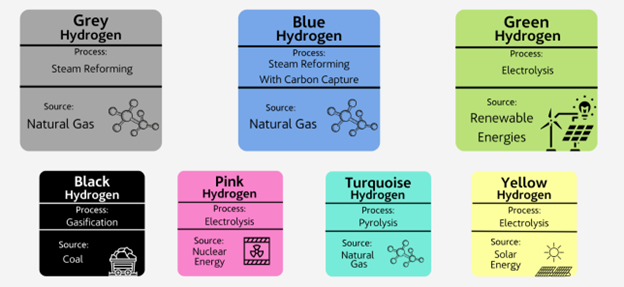
    • Green Hydrogen: It is produced using electrolysis of water with electricity generated by renewable energy.
    • Benefit: It is a clean burning element that can decarbonise a range of sectors including iron and steel, chemicals, and transportation.
    • Hydrogen can be stored for long periods of time which can be used to produce electricity using fuel cells.

    National Green Hydrogen Mission

    • Aim: To make India a global hub for the production of green hydrogen.
    • Implementing Ministry: Ministry of New and Renewable Energy(MNRE)

    Additional Information – Hydrogen

    • Symbol and Atomic number – Hydrogen is the chemical element with the symbol H and atomic number 1.
    • Hydrogen is the lightest element and the most abundant chemical substance in the universe, constituting roughly 75% of all normal matter.
    • It is colorless, odorless, tasteless, non-toxic, and highly combustible gas.
  • City leads globally in AI skill penetration

    City leads globally in AI skill penetration

    News –

    • ‘The State government was investing ₹1,000 crore to build innovation clusters across Mangaluru, Mysuru, Hubballi-Dharwad, and Belagavi’
    • Bengaluru’s ecosystem leads globally in AI skill penetration and R&D output, ranking among the top five cities worldwide.
    • “3P model of People, Policy and Participation, which ensures every stakeholder, from academia to entrepreneurs, has a voice in shaping growth,’‘
    • Karnataka is not just an investment destination but the global knowledge and skill capital. With 40% of India’s R&D talent, 30% of all Global Capability Centres, and 48% of the country’s 110 unicorns.
    • Karnataka drives the nation’s digital economy.’‘
  • Supreme Court on Retrospective Application of Surrogacy Act | World Mental Health Day | Atacama Desert | Africa’s Great Green Wall project | UN to Cut 25% of its Global Peacekeeping Force | Saksham

    Supreme Court on Retrospective Application of Surrogacy Act

    Syllabus: GS2/ Health

    In News

    • In a landmark judgment, the Supreme Court ruled that the age restrictions under the Surrogacy (Regulation) Act, 2021, cannot be applied retrospectively to couples who had frozen embryos and initiated the surrogacy process before the Act came into force.

    Surrogacy (Regulation) Act, 2021

    • Definition of Surrogacy – The Act defines surrogacy as a practice where a woman gives birth to a child for an intending couple with the intention to hand it over to them after the birth.
    • It is permitted only for altruistic purposes or for couples who suffer proven infertility or disease.
    • Surrogacy is prohibited for commercial purposes including for sale, prostitution or any other forms of exploitation.
    • Abortion: Abortion of such a fetus is allowed only with the consent of the surrogate mother and the authorities and must adhere to the provisions of the Medical Termination of Pregnancy Act.
    • Eligibility and Conditions for Couples: A couple should procure certificates of eligibility and essentiality in order to have a child via surrogacy.
      • The couple is deemed ‘eligible’ if they have been married for five years, the wife is aged between 23-50 years and the husband is between 26-55 years.
      • The couple must not have any living child (biological, adopted or surrogate.)
      • A child with mental or physical disabilities, or one suffering from a life-threatening disorder has been exempted from the above criterion.
      • The couple can get an ‘essential’ certificate if suffering from proven infertility of either partner certified by a District Medical Board.
      • They must also have insurance coverage for 16 months for the surrogate mother, covering any postpartum complications.
    • Eligibilty to be a surrogate – A surrogate mother has to be a close relative of the couple, a married woman with a child of her own, aged between 25-35 years, who has been a surrogate only once in her life.
    • She must also possess a certificate of medical and psychological fitness for surrogacy.
    • Regulation: The Centre and State governments will constitute a National Surrogacy Board (NSB) and State Surrogacy Boards (SSB) respectively.
    • Offences: Offences under the Act include commercial surrogacy, selling of embryos, exploiting, abandoning a surrogate child etc.
    • These may invite up to 10 years of imprisonment and a fine of up to Rs. 10 lakh.
    • Importance : The Act expands access to reproductive options for individuals and couples who are unable to conceive or carry a pregnancy due to medical reasons.

    World Mental Health Day

    Syllabus: GS2/Health

    Context

    • On October 10, every year, World Mental Health Day highlights the extent of mental illness in the world.
    • Global Mental Health Issue (as per WHO): More than a billion people are living with mental health disorders.

    World Mental Health Day

    • Most Common Mental Health Disorders: Anxiety and depressive disorders together accounted for more than two-thirds of all mental health conditions in 2021.
    • Mental Health in India: India has a 7% lifetime prevalence of mental disorders in the country.
    • According to the latest NCRB data, 1,71,418 suicides were reported in India in 2023, a 0.3% increase from 2022, with Maharashtra recording the highest number.
    • Even more alarming, student suicides reached 13,892, a 64.9% rise over the past decade.

    Rise in Mental Health Issues Among Youth

    • Excessive internet & social media use: Leads to anxiety, sleep disorders, and attention issues.
    • Lack of family engagement: Weak social support systems negatively impact emotional well-being.
    • Hostile workplaces & long working hours: Cause burnout, stress, and reduced productivity.
    • Unhealthy lifestyle choices: Ultra-processed foods and lack of physical activity worsen mental and physical health.

    Understanding Mental Wellbeing

    The India’s National Mental Health Survey defines mental well-being as a multidimensional concept that includes:

    1. Emotional health: Managing stress and emotions effectively.
    2. Social health: Building healthy relationships and a supportive community.
    3. Cognitive health: Enhancing focus, decision-making, and problem-solving abilities.
    4. Physical health: Maintaining overall fitness through a healthy lifestyle.

    Key Initiatives by the Government of India

    • Mental Healthcare Act, 2017: The act decriminalised suicide attempts in India and also included WHO guidelines in the categorisation of mental illnesses.
    • The most significant provision in the act was “advance directives”, which allowed individuals with mental illnesses to decide the course of their treatment.
    • It also restricted the use of electro-convulsive therapy (ECT) and banned its use on minors, finally introducing measures to tackle stigma in Indian society.
    • Rights of Persons with Disabilities Act, 2017: The Act acknowledges mental illness as a disability and seeks to enhance the Rights and Entitlements of the Disabled.
    • In Sukdeb Saha vs State of Andhra Pradesh, the Supreme Court of India reinforced mental health as a fundamental right under Article 21.
    • District Mental Health Programme (DMHP): Delivered in 767 districts, offering services like suicide prevention, stress management, and counseling.
    • National Tele Mental Health Programme (NTMHP): Launched in 2022 to provide access to mental health services through 53 Tele MANAS Cells across 36 states/UTs.

    Atacama Desert

    Syllabus: GS1/ Geography

    In News

    • A rare burst of winter rains has triggered in Chile’s Atacama Desert

    Atacama Desert

    • Location: It is the driest desert in the world, located in northern Chile.
    • It is nestled between the Andes Mountains on the east and the Pacific Ocean on the west.
    • It forms a continuous strip for nearly 1,000 km along the narrow coast of the northern third of Chile.
    • Bordered by: It is bordered by Argentina, Peru, and Bolivia
    • It also hosts 12 volcanoes, mainly located in the western outliers of the Andes.
    • Rainfall: Average rainfall in this region is about 1 mm per year. Some locations within the desert have never had any rainfall whatsoever.
    • Temperature: Temperatures are comparatively mild throughout the year. The average temperature in the desert is about 63 degrees F (18 degrees C).
    • Natural Resources: This region has the largest natural supply of Sodium Nitrate, which can be used for producing fertilizers and explosives, amongst other things.
    • Chinchorro Mummies: The oldest artificially mummified human remains have been found in the Atacama Desert.

    Africa’s Great Green Wall project

    Syllabus: GS2/IR

    Context

    • Despite ambitious goals to restore 100 million hectares of land across Africa, the Great Green Wall project faces significant challenges in Senegal.

    Africa’s Great Green Wall project

    • Launched by – African Union in 2007,
    • Objective – It aims to combat desertification and land degradation across the Sahel region by creating a mosaic of green and productive landscapes.

    Key aspects of the Great Green Wall

    • Location: The project focuses on the Sahel region, a semi-arid zone that stretches across Africa, forming a transition between the Sahara Desert to the north and the savannas to the south.
    • Countries involved: Originally involving 11 countries, the initiative now includes over 20 nations across Africa’s width, from Senegal in the west to Djibouti in the east. Core participating countries include Burkina Faso, Chad, Djibouti, Eritrea, Ethiopia, Mali, Mauritania, Niger, Nigeria, and Sudan.

    Objectives

    • Land restoration: To restore 100 million hectares of degraded land by 2030.
    • Climate change mitigation: To sequester 250 million tonnes of carbon from the atmosphere.
    • Livelihood improvement: To create 10 million green jobs for local communities, enhancing food security and reducing poverty.

    Additional Information – African Union

    • The African Union (AU) is a continental body consisting of the 55 member states that make up the countries of the African Continent.
    • It was officially launched in 2002 as a successor to the Organisation of African Unity (OAU, 1963-1999).
    • Aim: integration of African states to drive Africa’s growth and economic development.

    UN to Cut 25% of its Global Peacekeeping Force

    Syllabus:GS2/IR

    In News

    • The United Nations is going to reduce its global peacekeeping operations by 25%, with 13,000–14,000 personnel expected to withdraw from nine missions due to significant U.S. funding cuts.

    United Nations peacekeepers

    • The United Nations (UN) Peacekeepers, commonly known as the ‘Blue Helmets’
    • They are military, police, and civilian personnel deployed by the United Nation
    • Objective – to help countries transition from conflict to peace.
    • Duties – It includes protecting civilians, preventing conflict, strengthening security, and supporting peace processes.
    • Peacekeeping operations are authorized by the UN Security Council and supported by member states, with personnel drawn from many countries around the world.

    Saksham

    Syllabus:GS3/Defence

    In News

    • The Indian Army has initiated the procurement of SAKSHAM (Situational Awareness for Kinetic Soft and Hard Kill Assets Management).

    Saksham

    • It is an indigenously developed Counter-Unmanned Aerial System (CUAS) Grid System, to bolster operational readiness against emerging drone threats.
    • It is a modular Command and Control (C2) system that integrates real-time sensor data, AI-driven analytics, and counter-drone capabilities to secure the Tactical Battlefield Space (TBS).
    • It was developed in collaboration with Bharat Electronics Limited (BEL).
  • Neeriddare Nale scheme

    Neeriddare Nale scheme

    News –

    • The State government will implement the Neeriddare Nale (water is future) initiative across 525 gram panchayats in 27 taluks of 15 districts.

    Neeriddare Nale scheme (meaning “Water is Future”)

    • Launched on – October 9, 2025
    • Goal: To conserve water and increase groundwater levels in areas where it has been overexploited.
    • Focus areas: The first phase targets 525 gram panchayats across 27 taluks in 15 districts where groundwater is critically low.
    • Strategies: The program will implement several measures including:
    1. Constructing new groundwater recharge structures.
    2. Installing rain water harvesting systems.
    3. Regulating water extraction in critical areas.
    4. Developing region-specific crop and water management strategies.
    5. Public awareness: The scheme also involves public awareness campaigns. Actor Vasista Simha was appointed as the brand ambassador for the Department of Minor Irrigation and Groundwater Development to help engage the younger generation on water conservation issues.
  • Water Resilience Project

    Water Resilience Project

    News-

    • IISc, IIT-M join forces with Greater Bengaluru authority for the World Bank-funded water security and resilience project.
    • The project will receive over ₹3,500 crore in funding from the World Bank, with key stakeholders including the GBA, BWSSB, Minor Irrigation, and the Karnataka State Natural Disaster Monitoring Centre (KSNDMC).

    Karnataka Water Security and Resilience Program (Bengaluru)

    • Objective – It is a World Bank-supported initiative to address water scarcity and urban flooding in Bengaluru through improved water management
    • It includes reviving 183 lakes, upgrading stormwater drains, building sewage treatment plants, reducing water leakage through new technology like smart meters, and enhancing disaster response systems.
    • Duration: The program is set to be initiated in April 2025.
    • Implementing Agency: The Revenue Department (Disaster Management) is the primary implementing agency.
  • Draft Shram Shakti Niti, 2025 Unveiled | Invasive Alien Species | Biometric, Wearable Glass Authentication for UPI Payments | Central, State co-op Banks Brought under Ambit of RBI’s Ombudsman scheme | PM-KUSUM Programme | 93rd Air Force Day

    Draft Shram Shakti Niti, 2025 Unveiled

    Syllabus: GS2/Government Policy & Intervention

    Context

    • Recently, the Union Ministry of Labour & Employment has unveiled the Draft National Labour and Employment Policy, titled as Shram Shakti Niti 2025, aimed at reshaping India’s labour landscape.

    Shram Shakti Niti 2025 or National Labour and Employment Policy

    ಶ್ರಮ ಶಕ್ತಿ ನೀತಿ 2025 ಅಥವಾ ರಾಷ್ಟ್ರೀಯ ಕಾರ್ಮಿಕ ಮತ್ತು ಉದ್ಯೋಗ ನೀತಿ

    • Objective – It aims to build a labour ecosystem that is inclusive, equitable, and resilient, ensuring dignity, protection, and opportunity for every worker.

    Key Features of the Policy

    • Universal and Portable Social Security: Policy aims to establish universal and portable social security for all workers.
    • It envisions the creation of a Universal Social Security Account (USSA) by integrating key welfare and insurance systems such as:
    1. Employees Provident Fund Organisation (EPFO);
    2. Employees State Insurance Corporation (ESIC);
    3. Pradhan Mantri Jan Arogya Yojana (PM-JAY);
    4. e-SHRAM portal
    5. State welfare boards.
    • Skilling & Employment: The policy envisions a skill-employment creation with the help of programs like Skill India, the National Apprenticeship Promotion Scheme, and Pradhan Mantri Kaushal Vikas Yojana.
    • These will be supported by a digitally enhanced National Career Service–Digital Public Infrastructure (NCS-DPI), designed to connect talent with opportunity across India’s towns, cities, and MSME cluster
    • Nodal ministry – The Ministry of Labour & Employment aims to act as National Employment Facilitator and regulator enabling convergence among workers, employers, and training institutions.

    Invasive Alien Species

    Syllabus: GS3/Environment

    In News

    • Conservation scientists warn that invasive alien species are destroying local biodiversity and habitats in India.

    Invasive alien species

    • Definition: They are non-native organisms introduced accidentally or intentionally (e.g., ornamental fish, decorative plants, or for land restoration).
    • They often spread rapidly, outcompeting native species, harming biodiversity and damaging habitats.
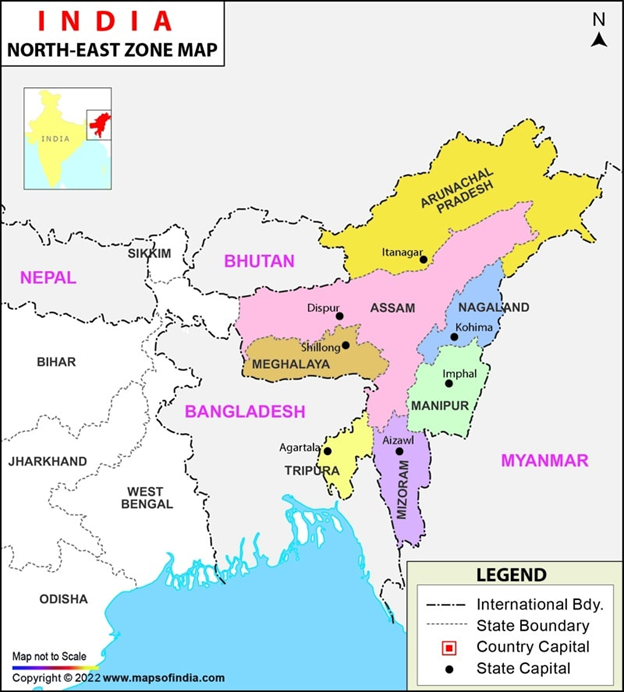
    Common Examples in India

    • Lantana camara: Invades forests, outcompetes native plants, and hinders regeneration.
    • Parthenium hysterophorus (Congress grass): Spreads over farmland and causes allergic reactions.

    • Eichhornia crassipes (Water hyacinth): Chokes lakes and rivers, depleting oxygen and affecting fisheries.
    • African Catfish (Clarias gariepinus): Outcompetes native fish species, threatening aquatic biodiversity.

    Control and Management Measures

    • Stricter quarantine checks on imports, trade, and shipping.
    • Ballast water management in ships to prevent marine invasions.
    • Mechanical Control: Manual removal, cutting, dredging, or uprooting.
    • Chemical Control: Use of herbicides or pesticides — applied cautiously to avoid ecological harm.

    Biometric, Wearable Glass Authentication for UPI Payments

    Syllabus: GS3/Economy

    Context

    • The National Payments Corporation of India (NPCI) and the Reserve Bank of India launched biometric and wearable glass recognition-based authentication for UPI transactions at the Global Fintech Fest 2025.

    About

    • Face & Biometric Authentication: Users can authenticate UPI payments using face recognition or biometrics stored in Aadhaar.
    • Authentication occurs entirely on the user’s device, ensuring data privacy and security.

    Hands-Free Payments via Smart Glasses:

    • Wearable smart glasses enable small-value transactions using voice commands.
    • Users can scan a QR code and complete payments without using a phone, PIN, or touch.
    • Multi-Signatory UPI Accounts: Allows joint account holders to authorize payments collectively.
    • Enhances convenience, transparency, and control for family or business accounts.

    Additional Information – National Payments Corporation of India (NPCI)

    • Established in – It serves as an umbrella body for the operation of retail payments in India.
    • Established by – Reserve Bank of India along with the Indian Bank’s Association.
    • Established under – It was set up under the provisions of the Payment and Settlement Systems Act, 2007.

    Products of NPCI

    1. RuPay
    2. National Common Mobility Card
    3. Bharat Interface for Money (BHIM)
    4. Unified Payments Interface (UPI)
    5. Bharat Bill Payment System

    Central, State co-op Banks Brought under Ambit of RBI’s Ombudsman scheme

    Syllabus: GS3/Economy

    Context

    • State co-operative banks and central co-operative banks will come under the ambit of the Reserve Bank Integrated Ombudsman Scheme, 2021.

    Reserve Bank Integrated Ombudsman Scheme (RB-IOS)

    • It was launched in 2021,
    • Objectiveto provide customers a speedy, cost-effective, and expeditious grievance redress mechanism.
    • Coverage: All commercial banks, regional rural banks (RRBs), state co-operative banks, central co-operative banks, and scheduled/non-scheduled primary (urban) co-operative banks with a deposit size of ₹50 crore or more.
    • All Non-Banking Financial Companies (excluding housing finance companies) with asset size of ₹100 crore or more that accept deposits or have a customer interface.

    Significance:

    • Strengthens consumer protection in the financial sector.
    • Enhances trust and accountability in banks and NBFCs

    PM-KUSUM Programme

    Syllabus:GS3/Environment

    In News

    • The Union government is planning to promote the PM-KUSUM in African and island nations through the International Solar Alliance.

    PM-KUSUM Scheme

    • Launched in – 2019
    • Implementation – Ministry of New and Renewable Energy.
    • Aim: To provide financial support to farmers for installing solar-powered irrigation systems like solar pumps and grid-connected solar plants.
    • Significance- To deliver affordable and reliable solar energy to the agricultural sector, reducing irrigation costs and cutting pollution caused by diesel use.
    • Target: The scheme aims to add about 34,800 MW of solar capacity by March 2026.

    93rd Air Force Day

    Syllabus: GS3/Defence

    Context

    • The Indian Air Force (IAF) celebrated its 93rd anniversary with a ceremonial parade at Air Force Station Hindon.

    Indian Air Force (IAF)

    • Establishment – It is the air arm of the Indian Armed Forces, officially established on October 8, 1932.
    • Mission – to safeguard Indian airspace and conduct aerial warfare.
    • Uniqueness – it is the fourth largest air force in the world,
    • Motto – “Touch the sky with glory,” is inspired by the Bhagavad Gita.
    • Theme: The 2025 theme is focused on the IAF’s contribution to Operation Sindoor.
  • VLGC Shivalik | Paramparagat Krishi Vikas Yojana (PKVY) | 150th anniversary of Vande Matram | Leprosy in India | Namchik Namphuk Coal Block | Falling Camel Counts | Exercise KONKAN-25

    VLGC Shivalik

    Syllabus: GS3/Economy

    Context

    • The Union Minister of Ports, Shipping and Waterways (MoPSW) received India’s third Very Large Gas Carrier (VLGC), Shivalik,

    Very Large Gas Carrier (VLGC), Shivalik

    • It is built in South Korea and named after the Himalayan range.
    • It is an 82,000 cubic metre LPG carrier equipped with advanced safety, temperature control, and operational systems.
    • The vessel joins the Shipping Corporation of India Limited’s (SCI) two existing VLGCs — Sahyadri and Anandamayi.
    • Significance – The arrival of Shivalik symbolizes India’s march toward maritime self-reliance.

    Paramparagat Krishi Vikas Yojana (PKVY)

    Syllabus: GS3/ Agriculture, GS3/ Environment

    Context

    • The Paramparagat Krishi Vikas Yojana (PKVY), launched in 2015 under the National Mission for Sustainable Agriculture, has emerged as a flagship initiative to promote organic farming in India.

    Basics – Organic farming

    • Organic farming is a sustainable agriculture system that excludes synthetic inputs like chemical fertilizers and pesticides.
    • It relies on natural resources like crop residues, farmyard manure, and compost to maintain soil health and manage pests and diseases.

    Organic farming in India

    • India ranks at 4th place in organic farming globally in terms of area.
    • Madhya Pradesh has the largest area under organic certification followed by Maharashtra, Rajasthan, Gujarat and Karnataka.
    • Sikkim is India’s first fully organic state.
    • India ranks first globally in terms of number of farmers practicing organic farming.

    Paramparagat Krishi Vikas Yojana (PKVY)

    • It was launched in 2015 under the National Mission for Sustainable Agriculture
    • Aim – The schemes stress on end-to-end support to farmers engaged in organic farminge. from production to processing, certification and marketing and post-harvest management.
    • Objective – to advance a scalable model of eco-agriculture that integrates low-cost, chemical-free techniques.
    • Significance – to enhance food safety, income generation, and environmental sustainability.

    150th anniversary of Vande Matram

    Syllabus: GS1/ Culture

    In Context

    • The Union Cabinet announced nationwide celebration of the 150th anniversary of the national song ‘Vande Mataram’.

    Vande Matram

    • Vande Mataram was composed by Bankim Chandra Chatterjee in Sanskrit and first appeared in the novel Anandamath(1882).
    • Its first public recital by Rabindranath Tagore at the 1896 INC session gave it national exposure.
    • The national song has equal status with Jana Gana Mana, as declared by a 1950 Presidential order.
    • Article 51A(a) mandates respect for the anthem but not for a national song, indicating a sensitive balance.
    • The song was a rallying cry for anti-colonial revolutionaries and a symbol of collective resolve during the independence movement.

    Leprosy in India

    Syllabus: GS2/ Health

    Context

    • India’s leprosy prevalence rate has fallen from 57.2 per 10,000 population in 1981 to just 0.57 in 2025.

    Leprosy

    • Leprosy, also known as Hansen’s disease.
    • It is a chronic neuromuscular disorder. It is caused by several strains of Mycobacterium leprae.
    • Leprosy can be cured with Multi-Drug Therapy (MDT).

    National Leprosy Eradication Programme (NLEP)

    • It is a Centrally Sponsored Scheme under the National Health Mission (NHM).
    • Objective – It aims at eliminating leprosy in each of the districts by 2030.
    • NIKUSTH- A real-time leprosy reporting software implemented across India..

    Namchik Namphuk Coal Block

    Syllabus: GS3/ Environment

    In News

    • Arunachal Pradesh has launched its first commercial coal mining project at the Namchik-Namphuk coal block in Changlang district.

    Namchik-Namphuk Coal Block

    • Location: Changlang district, southeastern Arunachal Pradesh, part of the Upper Assam coal belt region.
    • Reserves: Estimated 5 crore tonnes of coal, enabling long-term production viability.
    • Economic Impact: Expected to generate ₹100 crore annual revenue for the state.
    • Environmental Features: Operates under Mission Green Coal Regions, focusing on land reclamation, afforestation, and eco-responsible mining.
    • Social Impact: Creation of local employment; reduction of illegal mining activities.
    • Strategic Alignment: Supports the PM EAST vision – balanced Northeast development.

    Falling Camel Counts

    Syllabus: GS3/Species in News

    Context

    • The Ministry of Fisheries, Animal Husbandry and Dairying is planning to launch the National Camel Sustainability Initiative (NCSI) — a national mission aimed at reversing the steady decline in India’s camel population.

    Key findings –

    • India is witnessing a rapid and alarming decline in its camel population, especially in the traditionally camel-rearing states of Rajasthan and Gujarat.
    • According to the 20th Livestock Census, India’s camel population stood at 2.52 lakh in 2019, down from about 11 lakh in 1977 and 4 lakh in 2013.
    • Nearly 90% of these camels are concentrated in Rajasthan and Gujarat.

    Camels in India – Dromedary Camel (Camelus dromedarius) 

    • India mainly has one species of camel. It is a one-humped camel, adapted to desert conditions.
    • Chinkara and Camel are the two State Animals of Rajasthan.

    Economic & Cultural Importance:

    • Transport & Labor: Traditionally used for carrying goods, plowing, and transport in desert regions.
    • Milk Production: Camel milk is nutritious and in demand.
    • Tourism: Camel safaris are popular in Rajasthan.
    • Cultural Festivals: Camel fairs, especially the Bikaner Camel Festival, celebrate the animal.
    • Defense Use: Camels are used by the Border Security Force (BSF) in desert patrols.

    Exercise KONKAN-25

    Syllabus: GS3/Defence

    Context

    • India and the United Kingdom conducted the 2025 edition of Exercise KONKAN, an annual bilateral maritime exercise that began in 2004.

    Exercise KONKAN-25

    • Participating countries – India and the United Kingdom
    • Type – It is an annual bilateral maritime exercise

    Other India-UK Bilateral Exercises

    • AJEYA WARRIOR (Army)
    • Exercise Indradhanush (Air Force)
    • Exercise Cobra Warrior (multinational air exercise hosted by the UK).
  • State Film Awards

    State Film Awards

    News-

    • The Karnataka government has announced the State Film Awards for 2021, celebrating the best of Kannada cinema released in that year.

    State Film Awards

    1. Best Film: “Doddahatti Boregowda” (Directed by Raghu KM)
    2. Second Best Film: “777 Charlie” (Directed by Kiranraj K)
    3. Third Best Film: “Bisilu Kudure” (Directed by Hridaya Shiva)
    4. Best Actor: Rakshit Shetty for “777 Charlie”
    5. Best Actress: Archana Jois for “Mute”
    6. Best Supporting Actor: Pramod for “Ratnan Prapancha”
    7. Best Supporting Actress: Umashree for “Ratnan Prapancha”
    8. Best Popular Entertaining Film: “Yuvarathnaa” (Produced by Vijay Kiragandur, Directed by Santhosh Ananddram)
    9. Best Children’s Film: “Cake” (Directed by Kishore Moodbidri)
    10. Best Debut Director: Shankar Guru for “Badava Rascal”
    11. Best Regional Language Film: “Nada Peda Asha” (Kodava language, Directed by Prakash Kariappa)
  • WHO Global Report on Trends in Prevalence of Tobacco Use | Reforming Passive Euthanasia in India | MY Bharat-National Service Scheme (NSS) Awards | PM-SETU Yojana | All Jal Jeevan mission Pipelines to be mapped | Securities Transaction Tax

    WHO Global Report on Trends in Prevalence of Tobacco Use

    Syllabus: GS2/ Health

    In News

    • The WHO Global Report on Trends in Prevalence of Tobacco Use 2000–2024 and projections 2025–2030 has been released.

    Key Highlights

    Global Trends:

    • Decline in Use: Global adult tobacco use dropped from 26.2% (2010) to 19.5% (2024).
    • Still Prevalent: Despite progress, 1 in 5 adults globally still consumes tobacco.
    • E-Cigarettes Rise: Over 100 million people worldwide now use e-cigarettes, posing new regulatory and health challenges.

    India’s Progress & Status:

    • Tobacco Users (2024): Around 48 million Indians aged 15+ use tobacco.
    • Global Standing: India is the 2nd largest producer (after China) and 2nd largest exporter (after Brazil).

    Initiatives taken by India to Control Tobacco Consumption

    • Cigarettes Act, 1975 – The act mandated the display of statutory health warnings in advertising and cigarette packages.
    • Cigarettes and other Tobacco Products Act (COTPA), 2003 – The act replaced the Cigarettes Act of 1975. It aims to provide smoke-free public places and also place restrictions on tobacco advertising and promotion.
    • Prohibition of Electronic Cigarettes Bill, 2019 – To prohibit the Production, Manufacture, Import, Export, Transport, Sale, Distribution, Storage and Advertisement of e-Cigarettes.
    • National Health Policy 2017 – It has set an ambitious target of reducing tobacco use by 30% by 2025.
    • Tobacco Quit line service – 1800-112-356 – It was initiated in 2016 to reach a large number of tobacco users. It aims to provide telephone-based information, advice and support for tobacco cessation.
    • National Tobacco Control Programme (launched in 2007-08): Aims to create awareness about harmful effects, aligned with the WHO Framework Convention on Tobacco Control (FCTC).
    • Tobacco-Free Film Rules (2024): Enforced new standards for tobacco depiction in films and TV.
    • Yellow Line Campaign: Introduced visible indicators (yellow lines) around schools to reinforce bans on tobacco sales within 100 yards.
    • Taxation and Price Interventions: Incremental increases in excise and GST duties, though experts recommend further hikes to maximize impact.

    About Tobacco (Nicotiana tabacum)

    • Cultivation – It is an annual herbaceous plant native to tropical and subtropical regions of South America and widely cultivated worldwide.
    • Climatic conditions – It requires a frost-free period of 90–120 days, with optimal temperatures of 20°C–30°C and at least 500 mm of rainfall;
    • Soil – It prefers well-drained sandy loam or alluvial soils.
    • Nicotine content – Every part of the plant (except the seed) contains nicotine (2–8% nicotine), concentrated mostly in the leaves (about 64% of total plant nicotine content).

    Reforming Passive Euthanasia in India

    Syllabus: GS2/Polity and Governance; GS4/Ethics

    Context

    • Despite the legal validity of passive euthanasia, its implementation remains mired in procedural complexity, institutional gaps, and ethical ambiguity.
    • Note – Karnataka is the second State after Kerala to implement the directive.

    Supreme Court Ruling

    • Common Cause vs. Union of India & Anr. (2018) case – It recognised right to die with dignity as a fundamental right under Article 21 and upheld legal validity of passive euthanasia.
    • Definition of Euthanasia – It is an act of deliberately ending a person’s life to relieve suffering from painful and incurable disease or disorder.

    Passive euthanasia v/s Active euthanasia

    • Passive euthanasia – It is withholding or withdrawal of life-sustaining treatment for terminally ill patients undergoing prolonged medical treatment with no hope of recovery and do not have decision-making capacity.
    • Active euthanasia It is the intentional act of killing a terminally ill patient on voluntary request. It is illegal in India.

    MY Bharat-National Service Scheme (NSS) Awards

    Syllabus: Miscellaneous

    Context

    • President Droupadi Murmu presented the MY Bharat-National Service Scheme (NSS) Awards for the year 2022–23 at Rashtrapati Bhavan.

    MY Bharat-National Service Scheme (NSS) Awards

    • Instituted by – Ministry of Youth Affairs and Sports
    • Aim – These awards are conferred annually to acknowledge outstanding voluntary community service.

    National Service Scheme (NSS)

    • Launched in – 1969 during the birth centenary of Mahatma Gandhi,
    • It is one of the flagship youth programmes of the Government of India.
    • It aims to foster the personality and character development of students through voluntary community service, inspired by the Gandhian ideals of selfless service.
    • The motto of NSS – “Not Me, But You” (स्वयं से पहले आप) – reflects its core philosophy of prioritising community welfare above individual interest.

    PM-SETU Yojana

    Syllabus: GS2/Governance

    Context

    • The Prime Minister launched the Pradhan Mantri Skilling and Employability Transformation through Upgraded ITIs- PM – SETU.

    PM-SETU Yojana

    • Abbreviation – Pradhan Mantri Skilling and Employability Transformation through Upgraded ITIs
    • Financing – It is a centrally sponsored scheme
    • Objective – to transform 1,000 Government ITIs across India into modern, industry-aligned training institutions.

    All Jal Jeevan mission Pipelines to be mapped

    Syllabus :GS2/Governance

    In News

    • The Union government is planning  to map all drinking water assets, including pipelines under the Jal Jeevan Mission (JJM), on the GIS-based PM Gati Shakti platform.

    Jal Jeevan Mission (JJM)

    • Launched in – 2019
    • Objective to provide Functional Household Tap Connections
    • Significance – to ensure 55 litres per capita per day of safe drinking water to all rural households by 2024.
    • However, due to implementation challenges, the deadline has now been extended to 2028.
    • Nodal Ministry – Ministry of Jal Shakti.
    • Financing  – Central sponsored scheme

    Securities Transaction Tax

    Syllabus: GS3/Economy

    In News

    • The Supreme Court of India decided to examine a plea challenging the constitutional validity of the Securities Transaction Tax (STT).

    Securities Transaction Tax (STT)

    • It is a direct tax levied on the transaction value of securities traded on the Indian stock exchange under the Finance Act, 2004.
    • It aims to combat tax evasion in the stock market.
    • It includes – derivatives, shares, and equity-oriented mutual funds.
    • It is applied on the buying and selling of securities irrespective of the profit or loss made in the transaction.
  • HelpAge India launches ‘AdvantAge60’ campaign

    HelpAge India launches ‘AdvantAge60’ campaign

    News –

    • HelpAge India, a NGO working for the cause of senior citizens, launched its new campaign ‘AdvantAge60

    ‘AdvantAge60: Powering Aspirations’,

    • It is a campaign that promotes a positive view of aging for elders in India.
    • The campaign aims to showcase how individuals over 60 can lead active, enabled, and empowered lives, countering ageist stereotypes by highlighting the strength and potential of older people.
    • Theme: “Powering Aspirations – Active, Enabled & Empowered”.
    • Launch: Launched on International Day of Older Persons 2025.