The Kalaloka store, which will showcase and sell Karnataka’s traditional and GI-certified products to both domestic and international travellers at the Kempegowda International Airport (KIA).
The Kalaloka store, which has been aesthetically designed to reflect the State’s culture and heritage, has been set up by the Department of Industries at Terminal 2.
It features Karnataka’s traditional products such as Mysore Sandal Soap, sandalwood oil, incense sticks, Mysuru Silk, Channapatna toys, LIDKAR leather goods, aromatic coffee powders and beverages, handloom products, Ilkal sarees, Lambani garments, sandalwood artefacts, Bidriware, and Mysore-style paintings.
“In total, 45 GI-certified products from Karnataka will be showcased and sold here,”
State ranks fourth in country in terms of adoption numbers
News –
Maharashtra tops the list; despite growing interest, Karnataka faces a shortage of adoptable children
Karnataka ranks fourth in the country in terms of adoption numbers, following Maharashtra, Tamil Nadu, and West Bengal, according to data shared by officials from the Directorate of Child Protection.
Additional Information – Central Adoption Resource Authority (CARA)
Legal status – It has been set up as a statutory body of the Ministry of Women and Child Development.
It functions as a nodal body for the adoption of Indian children and is mandated to monitor and regulate in-country and inter-country adoption.
Following convention – It is designated as the Central Authority to deal with Hague Conventions on Inter-Country Adoptions, 1993, ratified by the Government of India in 2003.
CARINGS (Child Adoption Resource Information and Guidance System) Portal
Launched in – 2011.
It serves as the sole platform for adoption, complying with the Hague Convention, international protocols, and national laws.
Karnataka has recorded a 24% reduction in maternal deaths this year — from January to October —compared to the corresponding period in 2024.
The Health Department had launched the “Mission Zero Preventable Maternal Deaths”
Mission Zero Preventable Maternal Deaths
It is an initiative launched by the state of Karnataka, India
Objective – to reduce its maternal mortality rate (MMR).
Maternal mortality ratio (MMR) for Karnataka is 68 maternal deaths per 100,000 live births, as per the Sample Registration System (SRS) Special Bulletin for 2021-2023.
The mission aims to eliminate all preventable maternal deaths by enhancing healthcare infrastructure, services, and monitoring.
Key Components of the Initiative
The initiative, also integrated into India’s national Surakshit Matritva Aashwasan (SUMAN) program, focuses on a multi-pronged strategy to ensure quality and accessible care.
Infrastructure and Resource Rationalization: The plan involves strengthening all 147 taluk hospitals and 42 well-performing community health centers (CHCs) to provide 24/7 comprehensive emergency obstetric and newborn care (CEmONC) services.
Targeting High-Risk Pregnancies: A significant portion of maternal deaths (an estimated 70% in Karnataka) are considered preventable. The mission emphasizes the identification and rigorous tracking of high-risk pregnancies, ensuring timely intervention for complications like hemorrhage, hypertensive disorders, and anemia.
Financial and Nutritional Support: The initiative includes provisions for nutritional kits and cash incentives for pregnant and lactating women from low socioeconomic backgrounds.
“Koti Vruksha Abhiyan”
“Koti Vruksha Abhiyan” has pushed up the forest cover of Vijayapura district.
“Koti Vruksha Abhiyan” (One Crore Tree Campaign)
It is a large-scale tree plantation initiative primarily associated with Vijayapura, Karnataka, aimed at transforming the district’s arid landscape.
Launched in 2015 by Minister M. B. Patil.
The program has successfully planted over 15 million trees by encouraging community participation through subsidized saplings
This effort has significantly increased the district’s forest cover, revived ecosystems, brought back wildlife, and inspired other regions.
India and Nepal have amended the Treaty of Transit to facilitate the movement of rail-based freight between Jogbani in India and Biratnagar in Nepal.
India – Nepal Relations
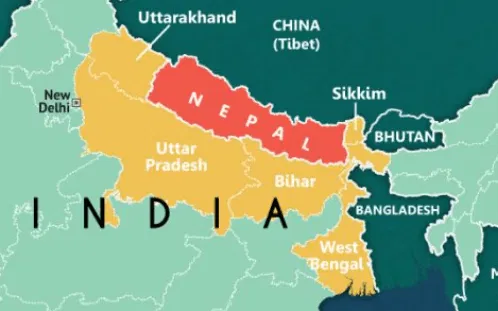
Shared Border: The country shares a border with five Indian states – Sikkim, West Bengal, Bihar, Uttar Pradesh and Uttarakhand.
India-Nepal Treaty of Peace and Friendship – Signed in 1950, it forms the special relations that exist between India and Nepal.
Defence Cooperation: Both countries conduct Joint Military Exercise SURYA KIRAN alternately in India and in Nepal.
The Gorkha regiments of the Indian Army are raised partly by recruitment from hill districts of Nepal.
Trade and Economic: India remains Nepal’s largest trade partner and Investment where Indian firms account for 33.5 % of total FDI stock in Nepal.
Operation Maitri & post-earthquake reconstruction assistance: In the wake of the 2015 earthquake in Nepal, GoI was the first responder and carried out its largest disaster relief operation abroad (Operation Maitri).
Cultural Ties: The leaders of the two countries have often noted the age-old ‘roti beti’ relationship, which refers to cross-border marriages between people of the two countries.
Areas of Concerns between India & Nepal
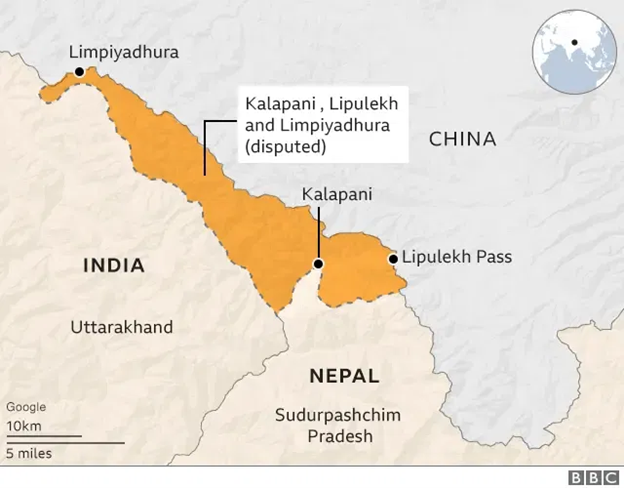
Kalapani dispute: The area is in India’s control but Nepal claims the region because of historical reasons. The area is the largest territorial dispute between Nepal and India.
Workplace Stress & Diabetes
Syllabus: GS2/Health
Context
India has an estimated 10.1 crore people living with diabetes according to ICMR–INDIAB, 2023, and workplace stress may be one of the factors heightening this burden.
World Diabetes Day is observed on November 14.
Diabetes Burden in India
India is often called the diabetes capital of the world.
According to the ICMR–INDIAB Study, the diabetic population jumped from about 32 million in 2000, to almost 90 million adults in 2024.
Recent reports estimate that 1 in 9 Indian adults live with diabetes
Diabetes
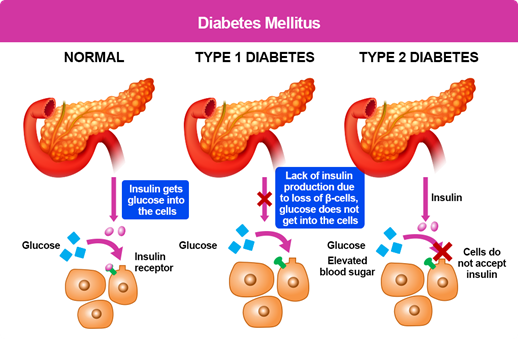
Diabetes is a chronic metabolic disorder in which the body either does not produce enough insulin or cannot effectively use the insulin it produces.
This leads to high levels of glucose (sugar) in the blood.
Insulin: Insulin is a hormone produced by the pancreas.
It helps glucose (from food) enter cells, where it is used for energy.
Types of Diabetes
It is an autoimmune disease where the body’s immune system destroys insulin-producing cells. The body produces little or no insulin.
It usually begins in childhood or adolescenc
It requires lifelong insulin injections.
Type 2 Diabetes
This is the most common type of diabetes. The body doesn’t produce enough insulin.
It is usually linked to obesity, sedentary lifestyle, unhealthy diet and family history.
It can be managed with diet, exercise, oral medications, and sometimes insulin.
Gestational Diabetes:
This occurs during pregnancy and usually disappears after delivery, but increases the risk of type 2 diabetes later in life.
Hepatitis A
Syllabus: GS2/Health
Context
As India debates the inclusion of the typhoid conjugate vaccine in its Universal Immunisation Programme, it raises the question whether Hepatitis A deserves a priority for inclusion.
Hepatitis
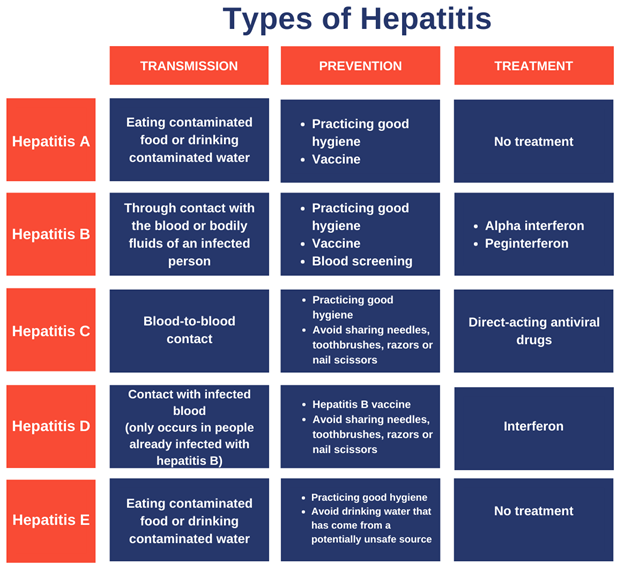
Hepatitis is an inflammation of the liver. There are five main strains of the hepatitis virus, referred to as types A, B, C, D and E.
Types B and C lead to chronic disease and together are the most common cause of liver cirrhosis, liver cancer and viral hepatitis-related deaths.
Hepatitis A:
It is caused by the Hepatitis A Virus (HAV). It does not cause chronic infection and is usually self-limiting.
It spread through contaminated food and water (fecal–oral route).
It is entirely preventable where vaccines offer protection rates exceeding 90 to 95%.
Hepatitis B:
It is known to cause acute infection, liver failure happens in severe cases.
Spread: Spread through blood and body fluids, sexual contact, mother-to-child transmission.
Treatment: Hepatitis B can be prevented with a vaccine, providing nearly 100% protection against the virus. The vaccine is usually given soon after birth with boosters a few weeks later.
Hepatitis C:
The severity from a mild illness to a serious, lifelong illness including liver cirrhosis and cancer.
Spread: The hepatitis C virus is a bloodborne virus and most infections occur through exposure to blood from unsafe injection practices.
Treatment: Direct-acting antiviral medicines (DAAs) can cure more than 95% of persons, there is currently no effective vaccine against hepatitis C.
Hepatitis D:
It only affects people who are already infected with hepatitis B, as it needs the hepatitis B virus to be able to survive in the body.
It is usually spread through blood-to-blood contact or sexual contact.
There’s no vaccine specifically for hepatitis D, but the hepatitis B vaccine can prevent it.
Hepatitis E:
It is generally a mild and short-term infection that does not require any treatment, but it can be serious with a weakened immune system.
There’s no vaccine for hepatitis E.
Rheumatoid Arthritis
Syllabus: GS2/Health; GS3/Science and Tech
Context
A new study in which researchers mapped the hidden preclinical evolution of rheumatoid arthritis.
Rheumatoid Arthritis (RA)
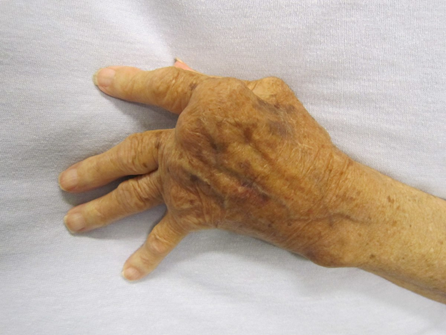
It is a chronic autoimmune disease in which the immune system mistakenly attacks the joints.
Age & Gender Pattern: It commonly affects individuals between 30–60 years. Women are three times more likely to develop RA than men.
Causes and Risk Factors: The exact cause remains unclear. Likely contributors include – genetic factors, hormones, and environmental triggers such as smoking or certain infections.
Systemic Nature: It is a systemic disease, affecting not just joints but also lungs, heart, eyes, skin, nerves, and blood vesse
Persistent inflammation increases the risk of heart disease and contributes to fatigue, fever, and depression.
Treatment and Management: It is not curable, but early diagnosis and timely management can; reduce symptoms, slow disease progression, and prevent long-term disability.
Indian Railways is supporting the new ‘Aabhar’ online store‘Aabhar’ online store.
Hosted by – Government e-Marketplace (GeM)
Objective- It showcases gift items made by
Indigenous tribes & handloom weavers
One District One Product (ODOP)
Geographical Indication (GI) product makers
Central Cottage Industries Emporium (CCIE)
Khadi and Village Industries Commission (KVIC)
Significance –
It is promoted with the ‘Vocal for Local’ campaign
It is aimed at fostering social inclusion and supporting rural artisans, women-led enterprises, and traditional industries.
Do you know?
● The ‘One Station One Product’ (OSOP) scheme was launched by the railways to promote local and indigenous products and provide additional income opportunities for marginalized communities.
Digital Marine Fisheries Census 2025
POLITY
Context
The Union Ministry of Fisheries, Animal Husbandry and Dairying launched the Digital Marine Fisheries Census 2025 by using VYAS –NAV, VYAS – BHARAT and VYAS- SUTRA app.
Digital Marine Fisheries Census 2025
Digital Architecture: The digital process is powered by three multilingual Android applications developed by the ICAR–Central Marine Fisheries Research Institute (CMFRI):
VyAS–NAV: For validation of fishing villages and harbours.
VyAS–BHARAT: For household and infrastructure enumeration.
VyAS–SUTRA: For real-time supervision and monitoring of data collection.
Kendriya Grihmantri Dakshata Padak
Syllabus: Miscellaneous
Context
The Kendriya Grihmantri Dakshata Padak has been awarded to 1,466 personnel for the year 2025.
Kendriya Grihmantri Dakshata Padak
Instituted by – Ministry of Home Affairs (MHA).
Key Areas of Recognition – It recognises excellence in Special Operations, Investigation, Intelligence, and Forensic Science.
It is conferred annually on October 31, marking the birth anniversary of Sardar Vallabhbhai Patel.
The medal is conferred on members of the Police Forces, Security Organisations, Intelligence Wings/Branches, Central Armed Police Forces (CAPFs), Central Police Organisations (CPOs), and Forensic Science units at the Central, State, and Union Territory levels.
Domestic Workers (Social Security and Welfare) Bill, 2025
News –
The Karnataka Domestic Workers’ Rights Union has urged the State government to strengthen the proposed Domestic Workers (Social Security and Welfare) Bill, 2025,
The Domestic Workers (Social Security and Welfare) Bill, 2025
Aim – It is aimed at formalizing the domestic work sector and providing social security and welfare benefits to an estimated 15 lakh (1.5 million) domestic workers.
Key Provisions of the Draft Bill
Mandatory Registration: Both domestic workers and their employers (including households, agencies, and digital platforms) are required to register on a government portal.
Written Employment Agreements: Employers must provide a written contract specifying wages, working hours, benefits, and conditions of work. Unregistered employment is considered illegal.
Minimum Wages and Working Hours: Workers are entitled to a minimum wage, with a cap of 48 working hours per week, overtime pay, rest periods, and weekly holidays.
Social Security and Welfare Board: The bill provides for the creation of a Karnataka State Domestic Workers Social Security and Welfare Board to manage a dedicated fund. This fund would provide benefits such as health insurance, maternity/paternity benefits, pension, accident compensation, and education support for children.
Penalties: Non-compliance can result in fines and imprisonment for employers or agencies. Severe offenses like child labor or human trafficking carry stricter penalties (up to 7 years imprisonment and a ₹50,000 fine).
Grievance Redressal: District-level committees are proposed to resolve disputes between workers and employers.
High-powered committee formed to review functioning of prisons in State
News-
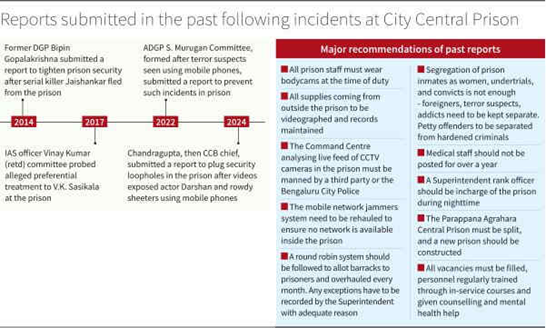
A high-powered committee has been constituted to review the functioning, administration, and security of prisons across Karnataka, following reports of illegal activities and preferential treatment at the Parappana Agrahara Central Prison.
A high-powered committee would be led by Additional Director-General of Police (Law and Order) Hitendra, with Inspector-General of Police Sandeep Patil, Superintendents of Police Amarnath Reddy and Rishyanth, as members.
The Prime Minister addressed the International Arya Mahasammelan 2025 in New Delhi, praising Arya Samaj’s 150-year legacy in social reform, education, and Vedic thought.
PM Modi urged Arya Samaj to support the Gyan Bharatam Mission – digitising ancient manuscripts and engaging youth in preserving India’s knowledge heritage.
Arya Samaj
Founded by – Swami Dayanand Saraswati
Established in – 1875 in Bombay, which was finalized in Lahore in 1877.
Major Reforms
Religious – Rejected idol worship, ritualism, and priestly dominance
Social – Opposed caste by birth, untouchability, child marriage, and forced widowhood. Advocated inter-caste marriage, widow remarriage, women’s education, and social service.
Educational: Established DAV schools and Gurukul Kangri to blend Vedic knowledge with modern science, fostering social mobility and nationalism.
Role in Indian Nationalism and Social Change
Arya Samaj members, including Lala Lajpat Rai, Bhagat Singh, and others, contributed significantly to India’s freedom movement, promoting Swadeshi and social awakening.
Relevance of Arya Samaj in Contemporary India
Women Led Progress: Arya Samaj’s early advocacy for women’s empowerment aligns with national initiatives like Beti Bachao Beti Padhao, Nari Shakti Vandan Adhiniyam and “Drone Didis”.
Preserving Gurukul Tradition & Educational Reform: Arya Samaj revived India’s Gurukul system, blending Vedic learning with modern education.
Vedic Ideals & Global Relevance: The motto “Krinvanto Vishwam Aryam” mirrors India’s development philosophy — national progress for global welfare. Its ideals resonate in initiatives like Mission LiFE, One Sun One World One Grid, and International Yoga Day, spreading sustainable and spiritual living worldwide.
APEC Summit (2025)
Syllabus: GS2/International Relation; Global Grouping
Context
Recently, the Asia-Pacific Economic Cooperation (APEC) Summit (2025), held in Gyeongju, South Korea, concluded with the adoption of APEC Leaders’ Gyeongju Declaration (2025)
APEC Summit (2025)
Adoption of Leaders’ Declaration (Gyeongju Declaration): APEC leaders endorsed a joint declaration reaffirming their commitment to:
Free and open trade across the Asia-Pacific region;
Strengthening supply chain resilience;
Promoting inclusive and sustainable economic growth;
Advancing digital transformation and climate action.
Asia-Pacific Economic Cooperation (APEC)
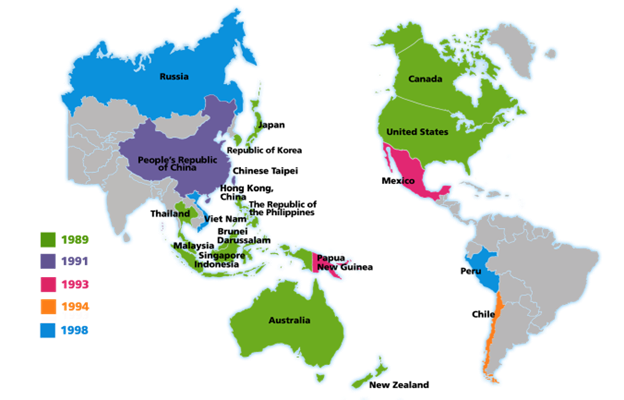
It is a regional economic forum established in 1989
Mandate – to strengthen the interdependence of economies across the Asia-Pacific region.
Member Economies (21 Members): Australia; Brunei Darussalam; Canada; Chile; People’s Republic of China; Hong Kong, China; Indonesia; Japan; Republic of Korea; Malaysia; Mexico; New Zealand; Papua New Guinea; Peru; The Philippines; The Russian Federation; Singapore (APEC Secretariat & Headquarter); Chinese Taipei; Thailand; United States of America; and Viet Nam.
Carbon Capture for Net-Zero India
Syllabus: GS3/ Environment
Context
Ocean-based carbon capture can help India reach net-zero by 2070, turning its seas into engines of carbon removal and blue growth.
What is Carbon Capture, Utilisation, and Storage (CCUS)?
The International Energy Agency (IEA) defines CCUS as a group of technologies for capturing of CO2 from large and stationary CO2 emitting sources, such as fossil fuel based power plants and other industries.
India’s Emission Reductions Commitments
India has launched the LiFE mission (Lifestyle for Environment) and updated its NDCs (Nationally Determined Contributions) under the Paris Agreement.
Under its updated NDC 2022, India pledges:
45% reduction in emissions intensity (amount of CO₂ per unit of GDP) by 2030, compared to 2005 levels.
50% of installed electricity capacity will come from non-fossil fuel sources by 2030.
Creating a carbon sink of 2.5 to 3 billion tonnes of CO₂ equivalent (GtCO₂e) by increasing forests and tree cover.
Union Health Ministry sets 3 Guinness World Records
Syllabus: GS2/Health
Context
The Union Health Ministry has achieved three Guinness World Record titles under the nationwide “Swasth Nari, Sashakt Parivar Abhiyaan” (SNSPA) campaign.
The Records Achieved are:
Most people register for a health care platform in one month.
Most people sign up for a breast cancer screening online in one week.
Most people sign up for vital signs screening online in one week (at state level).
Swasth Nari, Sashakt Parivar Abhiyaan
Launched from – It was launched from 17th September to 2nd October 2025, in conjunction with Poshan Maah.
Objective -The campaign focuses on improving the health and nutrition of women, adolescent girls, and children.
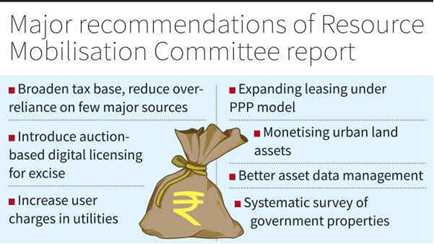
The Resource Mobilisation Committee (RMC) of Karnataka submitted its report in November 2025 recommending comprehensive reforms to boost the state’s revenue.
The Resource Mobilisation Committee (RMC) of Karnataka,
Formed in – August- 2024
Headed by – The committee headed by retired IAS officer K.P. Krishnan
Mandate – It is a government-appointed body recommending comprehensive reforms to boost the state’s revenue.
Key recommendations
Increase and rationalize user charges: Rationalize and increase user charges for government services and utilities, transitioning to volumetric billing with automatic inflation indexation.
Tax reforms: Restructure the tax regime to broaden the tax base and reduce the state’s dependence on a few sources like commercial taxes and excise duties.
Modernize the excise system: Introduce auction-based digital licensing to enhance transparency and efficiency in the excise sector.
Asset monetization: Unlock the value of government assets through scientific valuation and leasing under public-private partnerships.
Strengthen asset management: Improve asset data management and conduct systematic surveys of government properties.
Create an economic policy wing: Establish a new wing within the finance department to monitor non-tax revenues and oversee asset monetization initiatives.
Urban land monetisation among steps to shore up revenues
Krishi Mela 2025
News –
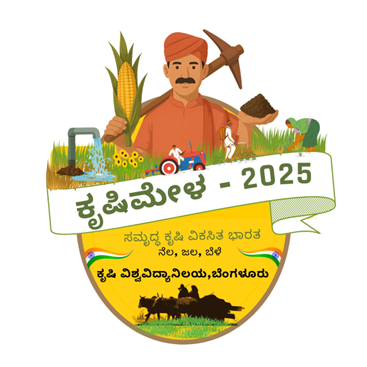
Krishi Mela 2025 was conducted by the University of Agricultural Sciences-Bangalore from November 13 to 16 on the GKVK campus in Bengaluru.
Tenth-century inscription dating to Ganga dynasty reign found on outskirts of Mysuru
News –
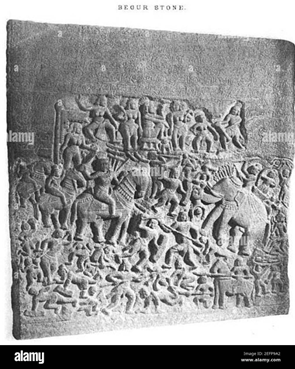
A 10th-century inscription from the Ganga dynasty reign has been found inside the Mahalingeshwara Temple at Nadanahalli on the outskirts of Mysuru.
It is a Kannada inscription dating back to the time of Butuga II, a ruler from the ganga dynasty in 948 A.D.
It is believed that during the reign of Butuga II, his bodyguard, Maremma, may have donated the garden to the temple tax-free and entrusted its management to the village chief Vijaketa Gavunda.
Karnataka Startup Policy 2025-30
News –
Cabinet approves policy to help set up 25,000 start-ups in five years
Karnataka Startup Policy 2025-30
Policy aims to ensure that at least 10,000 of the targeted 25,000 start-ups are set up outside Bengaluru.
Vision
To position the state as a global innovation hub, fostering a vibrant and supportive ecosystem for nurturing startups throughout their lifecycle.
To provide resources, mentorship, and infrastructure desired to drive sustainable growth and technological advancements.
Mission
Through this policy Karnataka seeks to establish up to 25,000 additional startups, out of which up to 10,000 startups emerging from clusters Beyond Bengaluru. By expanding the entrepreneurial footprints, the initiative helps the state to enhance its role as a leading innovation hub.
Expand innovation hubs, incubation centers, and co-working spaces to support entrepreneurs across different regions.
Strengthen international collaborations, trade partnerships, and global networking opportunities for startups to expand their reach.
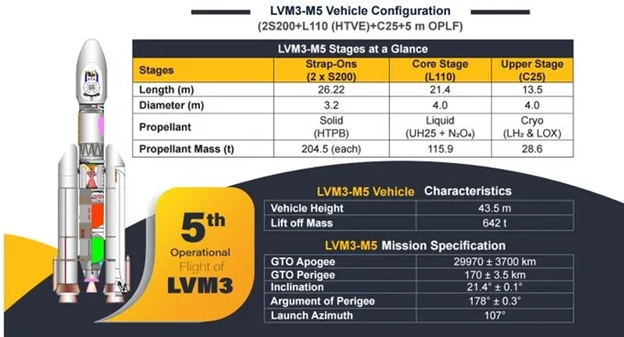
The Indian Space Research Organisation (ISRO) successfully launched the Indian Navy’s advanced communication satellite GSAT-7R (CMS-03) from the Satish Dhawan S Satish Dhawan Space Centre in Sriharikota.
GSAT-7R Satellite
It is an indigenously developed satellite, weighing approximately 4,400 kg, is India’s heaviest communication satellite to be launched from the country to date.
It is designed to replace Gsat-7 (Rukmini), which was launched in 2013 and is primarily dedicated to the Indian Navy.
Launch vehicle – LVM3, on its M5 mission.
The satellite had been successfully inserted into a geosynchronous transfer orbit (GTO).
Lucknow Designated as a UNESCO Creative City of Gastronomy
Syllabus: Miscellaneous
In News
UNESCO designated Lucknow as a Creative City of Gastronomy, recognizing its rich and diverse culinary heritage, particularly its famed Awadhi cuisine.
This makes Lucknow the second Indian city after Hyderabad (2019) to earn this honor in the gastronomy category of the UNESCO Creative Cities Network (UCCN).
UNESCO Creative City of Gastronomy
The UNESCO Creative City of Gastronomy designation celebrates cities with rich culinary traditions and innovative food cultures.
This recognition is part of the UNESCO Creative Cities Network (UCCN).
UNESCO Creative Cities Network
Launched in –
Aim – To promote investment in creativity for sustainable urban development, social inclusion and cultural vibrancy.
The Network covers seven creative fields – Crafts and Folk Arts, Media Arts, Film, Design, Gastronomy, Literature and Music.
With this, Lucknow joins a global network of 408 cities across 100+ countries
Nipah Virus
Syllabus: GS2/ Health, GS3/ Science and Technology
Context
The Indian Council of Medical Research (ICMR) is promoting development and production of monoclonal antibodies (mAbs) against Nipah viral disease.
Nipah Virus
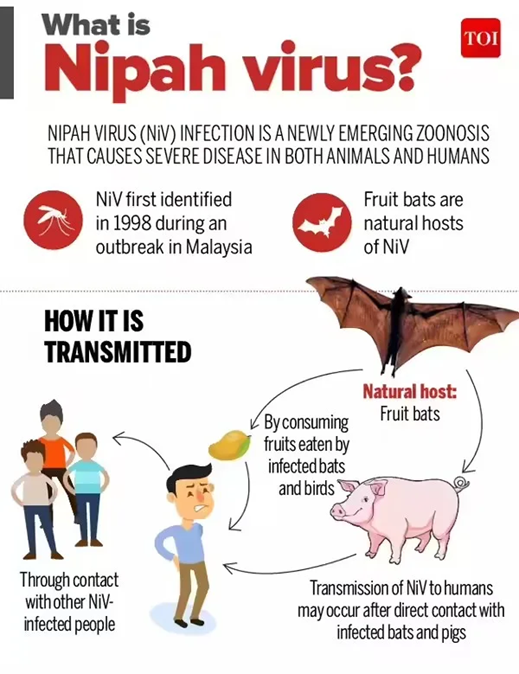
Nipah is a zoonotic disease, which means it is transmitted to humans through infected animals or contaminated food.
First discovered in – The first outbreaks of the Nipah virus among humans was reported from Malaysia (1998) and Singapore (1999).
Host reservoir: The animal host reservoir of the virus is the fruit bat, commonly known as flying fox.
Fruit bats are known to transmit this virus to other animals like pigs, and also dogs, cats, goats, horses and sheep.
Symptoms: Fever, headache, cough, sore throat, difficulty in breathing, and vomiting.In severe cases, disorientation, drowsiness, seizures, encephalitis (swelling of the brain) can occur, progressing to coma and death.
Transmission: It can also be transmitted directly from person to person through close contact with an infected person.Some cases of infection have also been reported among people who climb trees where bats often roost.
Russia’s ‘doomsday missile’
Syllabus: GS3/Defence
In News
Russia has launched its newest nuclear submarine ‘Khabarovsk’ designed to carry the underwater nuclear drone ‘doomsday missile’.
‘Doomsday Missile’
It is also known as Poseidon
It can travel at high speeds, greater than those of existing submarines and torpedoes.
It can operate at great depths and across intercontinental distances, which could make it difficult to intercept.
It is capable of intercontinental travel and immense destruction.
It can travel deep underwater across long distances with a nuclear power source.
It can reach coastal targets and serve as a strategic deterrent.
Employee Enrollment Scheme 2025
Syllabus: GS3/Economy
Context
The Centre launched the Employee Enrollment Scheme 2025, aimed at voluntarily enrolling employees under the Employees’ Provident Fund Organisation (EPFO).
Employee Enrollment Scheme 2025
It was launched by the Union Minister of Labour during the 73rd foundation day of the EPFO.
It aims at encouraging employers to voluntarily declare and enroll eligible employees.
Employers can enrol workers who joined their organisations between July 1, 2017 and October 31, 2025, but were not registered under the Employees’ Provident Fund (EPF) for any reason.
Significance – The Scheme provides a chance for employers to regularise their workforce without fear of heavy penalties or legal action.
Employees’ Provident Fund Organisation (EPFO)
It is a statutory body under the Ministry of Labour and Employment.
Established under – Employees’ Provident Fund and Miscellaneous Provisions Act, 1952.
Objectives: To ensure financial security and social welfare of employees post-retirement.
To promote voluntary savings among employees.
To regulate and supervise provident fund, pension, and insurance schemes.
Rowmari-Donduwa Wetland Complex
Syllabus: GS3/Environment
Context
Experts from academic institutions and conservation groups are collaborating to propose the Rowmari and Donduwa wetlands in Assam for Ramsar site designation.
Rowmari-Donduwa Wetland Complex
Location – This is within the Laokhowa Wildlife Sanctuary, which is a part of the Kaziranga Tiger Reserve.
Laokhowa and the adjoining Burhachapori Wildlife Sanctuaries function as connectivity corridors for wild animals migrating between the Kaziranga Tiger Reserve and Orang National Park (Kaziranga-Orang landscape).
It hosts around 120 species of resident and migratory birds annually, including globally threatened species such as, the knob-billed duck, black-necked stork, and the ferruginous pochard.
This complex has recorded more birds than the only two Ramsar sites in the northeast, Assam’s Deepor Beel and Manipur’s Loktak Lake.
Connect with the basics – Ramsar Convention
A Ramsar site is a wetland designated as one of international importance under the Ramsar Convention.
Ramsar Convention – It is one of the inter-governmental accords to preserve the wetlands of international importance.
It was signed on February 2, 1971 in Ramsar, Iran and came into force in 1975.
India became a signatory to the Ramsar Convention in 1982.
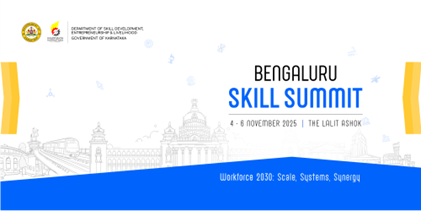
The Bengaluru Skill Summit 2025 was held from November 4 to 6, 2025.
Theme : “Workforce 2030: Scale, Systems, and Synergy.”
Organizers and Partners
The summit was organized by the Government of Karnataka through the Skill Development Entrepreneurship and Livelihood Department, along with the Karnataka Skill Development Corporation, Department of Agriculture, and Karnataka Digital Economy Mission.
Objectives and Vision
to strengthen institutions, build a robust ecosystem for traditional and emerging skills, improve the quality and inclusivity of skilling, and foster innovation and global workforce mobility.
Karnataka aims to be the “Skill Gateway to the World” by aligning with international certification standards and vocational education frameworks.
Fair and Remunerative Price
News –
CM writes to PM seeking meet to address FRP concerns
Sugar Production in India
India became the world’s top sugar producer in 2021-2022, surpassing Brazil.
Location of Sugar Industry in India: Sugar industry is broadly distributed over two major areas of production:
Uttar Pradesh, Bihar, Haryana and Punjab in the north and
Maharashtra, Karnataka, Tamil Nadu and Andhra Pradesh in the south.
Sugarcane – Uses
It belongs to the bamboo family of plants and is indigenous to India.
About two-third of the total sugarcane produced in India is consumed for making gur and khandsari and only one-third of it goes to sugar factories.
It also provides raw material for manufacturing alcohol.
Bagasse, the crushed cane residue, can be more beneficially used for manufacturing paper.
Ethanol production – It is also an efficient substitute for petroleum products and a host of other chemical products.
India has become the 3rd largest country in the world in ethanol production after the USA and Brazil.
Conditions for growth
Crop duration: 10-15 months, and even 18 months to mature, depending upon geographical conditions.
Soil: Sugarcane can tolerate any kind of soil that can retain moisture. Examples – loams, clayey, black cotton soil, brown or reddish loam and laterites.
It should be rich in nitrogen, calcium and phosphorus.
Climate: Hot and Humid (21-27 °C of temperature and 75-150 cm of rainfall).
Government steps
Fair and Remunerative Price (FRP) of sugarcane
Recommended by – Commission for Agricultural Costs and Prices (CACP)
Objective – to assure margins on account of profit and risk to farmers, irrespective of the fact whether sugar mills generate profit or not.