Multi-purpose indoor sports complex at V.C. Farm in Mandya
News –
Union Minister H.D. Kumaraswamy, laid the foundation stone for a ₹14-crore multi-purpose indoor sports complex at V.C. Farm in Mandya, Karnataka, on March 14, 2026.
Project Details
Location: The facility is being constructed within the campus of the University of Agricultural Sciences at V.C. Farm.
Funding: Sanctioned under the Government of India’s Khelo India scheme to strengthen grassroots sports infrastructure.
Additional Information – Khelo India programme.
Launched in 2018,
Financing – Central Sector Scheme
It is aimed at reviving the sports culture at the grassroots level.
It is implemented by the Ministry of Youth Affairs and Sports.
Core Objectives & Features
Twin Goals: To achieve mass participation and promote excellence in sports.
Talent Identification: Promising athletes are identified and provided with an annual financial assistance of ₹5 lakh for 8 years.
Structure: It merged previous schemes like the Rajiv Gandhi Khel Abhiyan (RGKA), Urban Sports Infrastructure Scheme (USIS), and National Sports Talent Search Scheme (NSTSS).
The Special Window for Affordable and Mid-Income Housing Investment Fund (SWAMIH) has emerged as a key policy initiative for India’s Housing Sector.
Special Window for Affordable and Mid-Income Housing Investment Fund (SWAMIH)
Launched in 2019,
It provides last-mile financing to housing projects affected by financial constraints.
The fund is sponsored by the Ministry of Finance, Government of India, and is managed by SBICAP Ventures Ltd., a State Bank Group company.
Impact and Outcomes: Over 58,596 homes completed so far under SWAMIH, with more than 1 lakh homes expected, benefiting over 2.38 lakh people.
National Chambal Sanctuary
Syllabus: GS3/Environment
In News
Recently, the Supreme Court of India took suo motu cognisance to protect the National Chambal Sanctuary from rampant illegal sand mining that threatens the habitat of Gharial.
National Chambal Sanctuary
Location- It is situated in a large arc of the Chambal River, covering nearly 1800 km across Rajasthan, Madhya Pradesh and Uttar Pradesh.
It is the first and only tri-state riverine protected area in India.
It is a major habitat of the critically endangered Gharial.
Species – Besides Gharials, the sanctuary hosts a rich biodiversity of Marsh Crocodile Muggers, several species of freshwater turtles, including the endangered Red Crowned Roof Turtle, Smoothcoated Otters, Gangetic River Dolphins, Indian Skimmer, Black-bellied Tern, Sarus Crane and Black-necked Storks.
Additional Information – Gharials
Characteristics:
They show Sexual Dimorphism means males and females differ significantly in size and appearance.
Unlike crocodiles, gharials feed exclusively on warm-blooded species and are not man-eaters.
Habitat Distribution:
Gharials are strictly riverine species, requiring deep, clear, fast-flowing waters with steep, sandy riverbanks.
Mainly found in Chambal River, Girwa River, Ken River, Yamuna River, Brahmaputra River, Ghaghara River, Bhagirathi-Hooghly River.
Conservation Status:
IUCN Status: Critically Endangered
It is listed under Schedule 1 of the Wild Life (Protection) Act, 1972.
Conservation programmes
Project Crocodile (1975): Initiative of United Nations Development Programme (UNDP) and the Food and Agriculture Organization (FAO) and focused on captive breeding.
International Solar Alliance
Syllabus: GS3/Environment
News
Recently, the Government highlighted the growing global momentum behind solar energy and ISA’s role in advancing the clean energy transition.
International Solar Alliance
Started – The ISA, is an Indian initiative that was launched by the Prime Minister of India and the President of France on 30th November 2015 in Paris.
Solar powered countries – It is an initiative with 124 solar resource rich countries lying fully or partially between the tropic of Cancer and the tropic of Capricorn.
Objective – To collectively address key common challenges to the scaling up of solar energy in ISA member countries.
Headquarter – National Institute of Solar Energy (NISE) campus, Gurugram.
Members: As of March 2026, the International Solar Alliance (ISA) has expanded to include 125 member and signatory countries. Of these, approximately 107 countries have officially ratified the ISA Framework Agreement to become full members.
KC-135 Stratotanker
Syllabus: GS3/Defence
Context
A KC-135 Stratotanker refuelling aircraft crashed in western Iraq during an ongoing military mission Operation Epic Fury (code name mission against Iran).
KC-135 Stratotanker
The KC-135 Stratotanker was built by Boeing in the 1950s and early 1960s.
It has been a backbone to the US military’s air refuelling fleet, and critical in allowing aircraft to carry out missions without having to land.
They were used extensively in the first Gulf War to extend the range of fighter jets and bombers.
It has a speed of 530 miles per hour at 30,000 feet (9,144 meters).
Global Pandemic Agreement
Syllabus: GS2/Health
News
India is pushing for a fair benefit-sharing framework for developing countries in the upcoming pandemic agreement negotiations in Geneva.
Global Pandemic Agreement
It was adopted by the World Health Assembly in May 2025.
It seeks to establish a legally binding international framework to address global gaps and inequalities in pandemic prevention, preparedness, and respons
Its Pathogen Access and Benefit-Sharing (PABS) system is being negotiated to regulate how biological samples and genetic data are shared internationally.
It is expected to be adopted by May 2026, will then be open for countries to sign and ratify, and will enter into force 30 days after 60 ratifications.
Veena player Jayanthi Kumaresh has been announced the coveted Sangita Kalanidhi at the 100th Conference and Concerts of The Music Academy, Madras.
Bharatanatyam dancer Narendra G will be conferred the Nritya Kalanidhi award.
Sangita Kalanidhi Award
Instituted in 1942 by The Music Academy, Madras.
It is regarded as the highest honour in Carnatic music, often described as the “Nobel Prize of Carnatic music.”
The award comprises a gold medal and a ‘birudu patra’ (citation).
Additional Information – Music Academy, Madras
It originated as an offshoot of the All India Congress Session of 1927 held in Chennai (then Madras).
It was established to promote and standardise Carnatic music traditions.
The Academy organizes the annual Music and Dance Festival, one of the most prominent cultural events in the Carnatic tradition.
The Academy also confers several awards, including the Sangita Kala Acharya, TTK Award, and Musicologist Award.
Jnanpith Award
Syllabus: Miscellaneous
Context
Tamil poet and lyricist Vairamuthu has been selected for the Jnanpith Award for the year 2025.
Vairamuthu
He is the third Tamil litterateur to receive the award after Akilan (1975) and Jayakanthan (2002), and the first to be honoured for Tamil poetry, while the earlier awardees were recognised for prose.
He has written over 8,000 songs, won seven National Film Awards for lyrics, and earned the honorific “Kaviperarasu” (Emperor of Poets).
The award, however, has been met with sharp criticism from some writers, artists and activists who point to sexual harassment allegations made against him during the #MeToo movement in India.
About Jnanpith Award (also spelled Gyanpeeth Award)
Instituted in 1961 by the Bharatiya Jnanpith,
It is India’s highest literary honour, awarded annually to an Indian author for outstanding contribution to literature.
Bharatiya Jnanpith is a literary and research organization founded by Sahu Shanti Prasad Jain and Rama Jain.
It is awarded for the work in 22 languages recognized by the Constitution of India and, from 2013, in the English language.
The award carries a ₹11 lakh cash prize, citation, and a bronze statuette of Vagdevi (Saraswati).
The first recipient was Malayalam writer G. Sankara Kurup in 1965 for Odakkuzhal.
Western Tragopan: King of Birds
Syllabus: GS3/Environment
Context
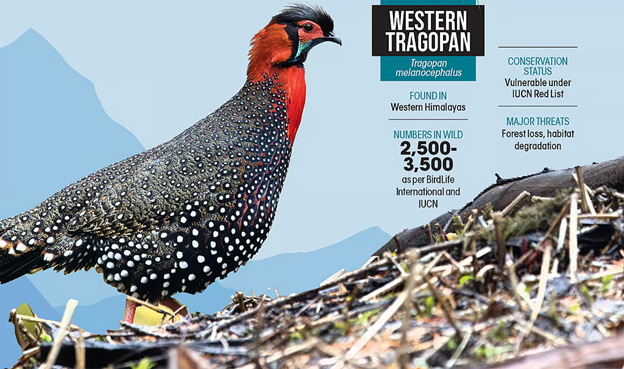
The Western Tragopan, a rare Himalayan pheasant, faces increasing threats due to forest loss and human pressures.
Western Tragopan (Tragopan melanocephalus),
It is also known as Jujurana or “king of birds,” is one of the rarest and most stunning pheasant species in the world.
Habitat and Distribution: Found in temperate and subalpine forests at 2,400–3,600 m (occasionally down to 2,000 m in winter).
From Swat Valley (Pakistan) across Kashmir and Himachal Pradesh to Uttarakhand.
Diet: They are omnivores, feeding on berries, seeds, buds, shoots, and insects.
Major Threats: Forest degradation, climate change, and human disturbances.
Conservation Status: It is listed as Vulnerable by BirdLife International and the International Union for Conservation of Nature (IUCN).
Do you know?
The bird is also the state bird of Himachal Pradesh, highlighting its cultural and ecological value.
Paid Menstrual Leave May Hurt Women’s Careers: SC
Health & Society
Context
The Supreme Court expressed apprehensions that a law making paid leave during menstrual pain compulsory may damage the careers of young women and deprive them of equal opportunities.
Menstrual Leave
Menstrual leave refers to paid or unpaid leave granted to women during menstruation when they experience health issues such as:
Dysmenorrhea: painful menstrual cramps
Endometriosis: a disorder where tissue similar to uterine lining grows outside the uterus
Highlights of the SC Judgement
Such a move could create a psychological barrier among women that they are inferior to men as they can’t work when they are menstruating.
The Court encouraged “voluntary” initiatives in this regard by States like Odisha, Karnataka and Kerala, which gives leave to students in State-run universities and institutions up to 60 days’ leave annually for menstrual pain.
Arguments in Favour of Paid Menstrual Leave
Promotes Gender-Sensitive Workplaces: Recognises biological realities of women and promotes inclusivity and empathy in the workplace.
Aligns with Constitutional Principles: Supports Article 42 of the Constitution of India, which directs the state to ensure just and humane conditions of work.
Improves Productivity and Well-being: Allows women to rest during periods of pain or discomfort, leading to better overall performance and morale.
Health and Human Rights Perspective: Upholds women’s right to health, dignity, and bodily autonomy.
De-stigmatising Menstruation: Recognising menstrual health in workplace policy can help break social taboos & promote gender equality.
Global Alignment: Reflects global best practices, countries like Japan, South Korea, Indonesia, Taiwan, and Spain have similar policies.
Arguments Against
Risk of Workplace Discrimination:Employers may become reluctant to hire or promote women, viewing them as less productive or more costly.
Informal Sector Dominance: Nearly 88% of India’s workforce is in the informal sector, where formal leave policies are largely absent.
Implementation Challenges in the Private Sector: Ensuring compliance and monitoring across diverse industries could be difficult.
Existing Menstrual Leave Policies in India
India does not have a national law on menstrual leave, but some states have introduced policies.
Bihar was the first state to introduce menstrual leave (1992) for government employees.
Some companies have introduced voluntary menstrual leave policies like Zomato, Swiggy.
Additional Information – Karnataka Menstrual Leave Policy-2025
Women in the state of Karnataka will be entitled to up to 12 menstrual leaves annually.
This development marks a significant step in recognising menstrual health at a workplace and rights issue.
The Dr. Sapna S committee was appointed by the Karnataka government to study and recommend menstrual leave policy
Significance – It aims to create a more inclusive and stigma-free workplace and is considered a landmark decision in India, as it covers both government and private sectors comprehensively.
Transgender Persons (Protection of Rights) Amendment Bill, 2026
News-
The Transgender Persons (Protection of Rights) Amendment Bill, 2026 was introduced in the Lok Sabha by the Union Minister for Social Justice and Empowerment.
Major Highlights of the Bill
The Bill aims to amend the Transgender Persons (Protection of Rights) Act, 2019.
Definition of Transgender Person: It seeks to narrow the definition of “transgender person” and clarifies that persons with different sexual orientations or self perceived sexual identities will not fall within the definition of transgender persons under the Act.
Changes To Recognition Of Gender Identity: The District Magistrate will issue a certificate of identity after examining the recommendation of a designated medical board headed by a Chief Medical Officer or Deputy Chief Medical Officer.
Additional Information – LGBTQIA+
LGBTQIA+ is an umbrella term for lesbian, gay, bisexual, transgender, queer, intersex, and asexual persons, with ‘+’ representing other identities that are not specifically included in these letters.
India’s Position on LGBTQIA+ Rights
As per census 2011, there were 4.87 lakhs persons in India who opted for “other” in gender category.
Decriminalisation: Navtej Singh Johar v. Union of India (2018) decriminalised consensual homosexual acts (Section 377 partially struck down).
Transgender Rights: NALSA v. Union of India (2014) recognised the right to self-identify gender.
It recognises transgender as the “third gender” upholding their fundamental rights.
Constitutional Provisions: Article 14 – Right to equality, Article 15 – No discrimination on grounds of sex and Article 21 – Right to life and personal liberty.
Legislation: The Transgender Persons (Protection of Rights) Act, 2019 provides legal recognition of transgender identity.
Challenges Faced by the Transgenders
Societal Issues: Trans persons face deep-rooted societal prejudices, leading to ostracisation from families and communities.
Lack of Access to Education: High school dropout rates due to bullying, harassment, and gender-based violence.
Barriers in Employment: Trans persons face widespread discrimination in hiring and the workplace. Often forced into informal, unsafe, and exploitative sectors, like begging or sex work, due to lack of opportunities.
Healthcare Exclusion: They face lack of gender-affirmative healthcare, discrimination by medical staff, and unavailability of hormonal and surgical services in public hospitals.
High mental health burden due to social rejection and isolation.
Violence and Abuse: Prone to verbal, physical, and sexual violence both in public and private spaces.
Political Underrepresentation: Low political visibility and representation in mainstream parties and institutions.
Lack of policy-making participation hinders the articulation of their needs.
Government Initiatives
National Portal for Transgender Persons – launched in 2020, enables online applications for identity certificates and access to benefits.
SMILE (Support for Marginalised Individuals for Livelihood and Enterprise)Scheme, introduced in 2022, provides livelihood, skill training, and shelter support through Garima Greh centres and Ayushman Bharat TG Plus health coverage.
National Council for Transgender Persons: It serves as a statutory body under the Ministry of Social Justice and Empowerment to safeguard and promote the rights of transgender persons in India.
Kharg Island
Syllabus: GS1/Geography
Context
Recently, U.S. forces struck military targets at Kharg Island in Iran.
Kharg Island
It is often referred to as the ‘Orphan pearl’.
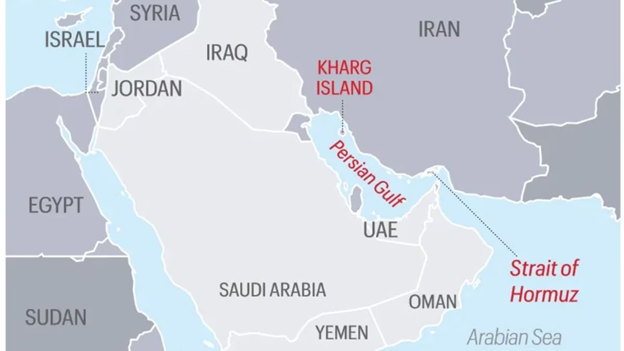
It is a small island in the northeastern Persian Gulf, approximately 25 kilometres off the coast of Iran’s Khuzestan Province.
Despite its modest size, it is the single most important oil export terminal in Iran and one of the most strategically significant energy chokepoints in the world.
Almost all Iranian crude destined for international markets is loaded here before passing through the Strait of Hormuz into global shipping lanes.
Do you know?
Iran is the third-largest producer in Organization Of The Petroleum Exporting Countries (OPEC), accounting for roughly 4.5% of global oil supply.
The Karnataka Budget 2026 announced the establishment of a new Aerospace Common Facility Centre (CFC) at the KIADB Aerospace Park in Bengaluru (₹30 crore) and a Flight Training School at Shivamogga and Vijaypura airports
The projects focus on enhancing aeronautical manufacturing, assembly, and training, with 25% of seats at the training school reserved for local and women candidates.
Key Details of the Aerospace Initiative:
Aerospace Common Facility Centre: Located in the KIADB Aerospace Park, Bengaluru, this facility will support manufacturing and assembly units with a ₹30 crore budget, backed by a ₹10 crore initial allocation.
Flight Training School: To be established under a PPP model, the school will be at Sogane (Shivamogga) and Vijaypura airport.
Focus Areas: The initiative aims to support R&D, maintenance, repair & overhaul (MRO), and aircraft manufacturing.
Projected Benefits: This move aims to boost Shivamogga as a key aviation training hub.
India’s indigenous navigation satellite system Navigation with Indian Constellation (NavIC) has suffered a setback after the failure of the IRNSS-1F satellite due to malfunction of its last operational rubidium atomic clock.
Navigation with Indian Constellation (NavIC)
It was launched in 2013.
Established by – Indian Space Research Organisation (ISRO).
It is India’s autonomous regional navigation satellite system, designed to fulfill both civilian and military navigational needs.
NavIC was erstwhile known as Indian Regional Navigation Satellite System (IRNSS).
Purpose – It provides precise Position, Velocity, and Timing (PVT) services within India and extends up to 1,500 km beyond the country’s borders, forming its primary service area.
NavIC is designed with a constellation of 7 satellites and a network of ground stations operating 24 x 7.
Three satellites of the constellation are placed in geostationary orbit and four satellites are placed in inclined geosynchronous orbit.
Significance – It provides location accuracy better than 20 meters and timing accuracy better than 40 nanoseconds across the core service area.
Thorium can Power India’s 100 GWe by 2047 Mission
Syllabus: GS3/Energy Sector
Context
The SHANTI Act 2025 represents a watershed moment for India’s atomic energy programme; however, resolving the challenges of thorium utilisation is urgent.
India’s Thorium Reserves
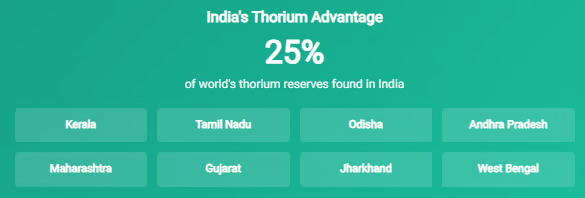
India has one of the largest reserves of thorium in the world.
Together, Kerala and Odisha account for over 70% of India’s thorium.
India has been developing a three-stage nuclear program, with thorium-based reactors being a critical part of the third stage.
Challenges: Extracting thorium from ores requires high amounts of energy and creates significant waste.
It includes challenges such as the need for advanced reactor technology and economic viability.
Need for Thorium Utilization
Reduce Reliance on Imports: The growth of nuclear generation capacity currently depends heavily on imported uranium.
Domestic uranium ores are lean and costly to extract, though this does provide some insulation against supply disruptions.
Significance of Thorium for India
Resource Advantage: India has limited uranium but abundant thorium reserves, mainly in coastal and riverine sands.
Nuclear Behaviour: Thorium is not fissile like uranium; it is fertile and converts into uranium-233 after absorbing neutrons, which can then sustain nuclear fission.
Strategic Fit: Integral to India’s long-term three-stage nuclear power programme.
India’s Three-stage nuclear programme
India established the Atomic Energy Commission in 1948.
In 1956, Asia’s first research reactor, Apsara, was commissioned at the Bhabha Atomic Research Centre (BARC) in Trombay.
Note – India was the second Asian nation to build a nuclear power plant in 1969 at Tarapur, just after Japan and long before China.
India has a three-phase programme of nuclear power visioned by Dr Homi J Bhabha, the father of India’s nuclear programme.
First Stage (Pressurized Heavy Water Reactors – PHWRs)
Second Stage (Fast Breeder Reactors – FBRs)
Third Stage (Advanced Heavy Water Reactors – AHWRs)
Rajasthan’s Property Bill
Syllabus: GS2/Polity
Context
The Rajasthan Prohibition of Transfer of Immovable Property in Disturbed Areas Bill was passed by the Rajasthan Legislative Assembly.
Rajasthan becomes the second state in India, after Gujarat, to implement such a bill.
Rajasthan Prohibition of Transfer of Immovable Property in Disturbed Areas Bill
Aim: To regulate property transactions in areas that the government declares as “disturbed”.
Under the proposed law, Section 3(1,2) states that the State government may declare any area within the State as a ‘disturbed area’ if it considers that communal violence, riots, or public disorder exist or are likely to occur.
Once a locality is notified, any transfer of immovable property, including land, houses or commercial establishments, would require prior approval from the District Magistrate.
Property transactions carried out without such permission would be treated as legally invalid.
The law also provides penalties for property transfers carried out without the required permission.
Concern – The Bill has also drawn attention in relation to Article 14, which guarantees equality before the law.
Do you Know?
Note – The right to property was removed as a fundamental right by the 44th Amendment to the Constitution in 1978.
It remains protected under Article 300A, which states that no person can be deprived of property except by authority of law.
The Karnataka government, as part of the 2026–27 state budget, announced a ₹2,000 crore electric bus programme supported by World Bank aid to modernize public transport.
This initiative, known as the Karnataka Electric Bus Program (KEBP), includes inducting 4,000 electric buses into state-run transport fleets and developing 94 charging depots.
Karnataka Electric Bus Program (KEBP)
Capacity Expansion: The initiative aims to modernize fleets for the Bengaluru Metropolitan Transport Corporation (BMTC) and other state road transport corporations.
Infrastructure Development: The program includes the development of 32 BMTC electric bus depots and 62 depots for other state road transport corporations.
Rural Focus: A significant portion, including nearly 1,950 electric buses, is expected to enhance connectivity in rural areas.
Objectives: The project aims to reduce pollution, lower fuel costs, and improve connectivity throughout the state.
The Vice President of India recently paid tribute to Mahatma Gandhi and the freedom fighters involved in the Dandi March (1930).
Dandi March
The British colonial government had imposed a monopoly on the production and sale of salt and levied a salt tax, making even this basic necessity expensive for Indians.
In 1930, Gandhiji declared that he would lead a march to break the salt law as it was sinful to tax salt since it is such an essential item of food.
Gandhiji with his 78 followers started Salt Satyagraha March on 12th March 1930 from Sabarmati Ashram and reached Dandi after 24 days on 6 th April 1930.
He broke the salt law by picking up natural salt from the seashore and boiling seawater to make salt.
The Salt Satyagraha became the starting point of the Civil Disobedience Movement.
The Dandi March inspired similar protests across different regions like in Tamil Nadu led by C. Rajagopalachari & in Kerala organized by K. Kelappan, popularly known as Kerala Gandhi.
After Gandhi’s arrest, Sarojini Naidu led a nonviolent protest at the Dharasana Salt Works on 21 May 1930.
Bull Sharks in Iran’s Karun River
Syllabus: GS1/ Geography
Context
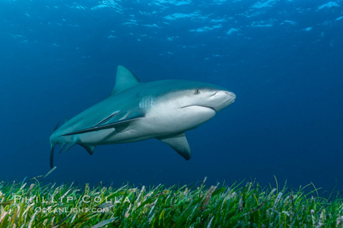
Recent discussions about unusual wildlife habitats have highlighted the presence of bull sharks in Iran’s Karun River near the city of Ahvaz.
Karun River
The Karun River is the largest and only navigable river in Iran.
It originates in the Zagros Mountains.
It flows through southwestern Iran and eventually joins the Shatt al-Arab, which is formed by the confluence of the Tigris River and Euphrates River.
The Shatt al-Arab then empties into the Persian Gulf.
Bull Sharks (Carcharhinus leucas)
Biological Features: Bull sharks are one of the few shark species capable of surviving in both saltwater and freshwater.
They possess specialised osmoregulation mechanisms that allow them to control salt concentration in their bodies.
This adaptation enables them to travel far inland through river systems.
Global Distribution: Bull sharks have been recorded in several rivers across the world, like; Mississippi River (USA), Amazon River, Zambezi River and Ganges River.
Conservation Status: It is listed as Vulnerable on the IUCN Red List.
UNSC Condemning Iran Attacks on Gulf
Syllabus: GS2/IR
Context
India co-sponsored a resolution at the UN Security Council that condemned the attacks by Iran against Gulf Cooperation Council countries and Jordan.
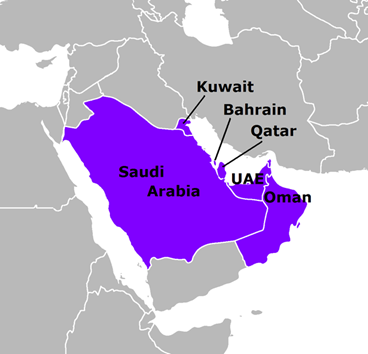
India along with 134 countries that demanded the “immediate cessation of all attacks by Iran” against GCC countries Bahrain, Kuwait, Oman, Qatar, Saudi Arabia, the United Arab Emirates, and Jordan.
The resolution was passed with 13 UNSC members voting in favour while Russia and China abstained.
It also condemned “any actions or threats by Iran aimed at obstructing international navigation through the Strait of Hormuz”.
Additional Information – Gulf Cooperation Council (GCC)
It is a political and economic union of six Arabian Peninsula countries
Members: Bahrain, Kuwait, Oman, Qatar, Saudi Arabia, and the United Arab Emirates.
Establishment: Founded on May 25, 1981, through an agreement signed in Riyadh, Saudi Arabia.
Objectives: To achieve unity and coordination among member states in all fields, including economic, security, cultural, and social cooperation.
Headquarters: Riyadh, Saudi Arabia.
Purple Potatoes
Syllabus: GS3/Agriculture
Context
A young farmer from Punjab has gained attention for cultivating purple potatoes using seed tubers imported from Bolivia.
Purple potatoes
Cultivated in – Andean region of South America, especially Peru and Bolivia.
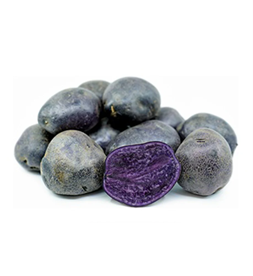
Purple potatoes are naturally pigmented potato varieties with deep purple skin and flesh.
The tubers are deep purple both externally and internally due to a high concentration of anthocyanins, natural antioxidants responsible for the colour.
The thicker peel gives them a longer shelf life than conventional potatoes.
The crop duration is around 90–100 days, with sowing generally done in October–November.
They are rich in vitamin C and antioxidants, and are considered beneficial for people managing conditions such as diabetes or joint pain.
Do You Know?
India has developed its own purple potato variety Kufri Jamunia, launched in 2024 by Prime Minister Narendra Modi.
Potato Cultivation
India is the world’s second top producer and consumer of potato after China; in 2020, it saw a production of 51.30 million tonnes.
Among the states in India, Uttar Pradesh and West Bengal lead the production, followed by Bihar.
Potato is a cool-season crop and best suited to well-drained sandy loam soils.
Assam’s GI-tagged Joha Rice
Syllabus: GS3/Economy
Context
India has facilitated the export of 25 metric tonnes of Assam’s GI-tagged Joha Rice to the United Kingdom and Italy.
Joha Rice
It is an aromatic indigenous rice variety, which received its Geographical Indication (GI) tag in 2017.
It is gaining recognition in premium global markets for its distinctive fragrance, fine grain texture and rich taste.
The leading districts in Joha rice production are: Nagaon, Baksa, Goalpara, Sibsagar, Majuli, Chirang and Golaghat.
This strong production base provides a good opportunity to create a surplus for exports and enhance farmers’ income.
Connect with the basics – Geographical Indication or GI Tag
It is a name or a sign given to certain products related to a specific geographical location or origins like a region, town, or country.
A certification for unique products – GI Tag may be regarded as a certification for a particular product with certain specific qualities or has a specific reputation because of its geographical origin.
GI Tags can be issued for wine and spirit drinks, foodstuffs, agricultural products, handicrafts, and industrial products.
Trade-Related Aspects of Intellectual Property Rights (TRIPS) – At the International level, GI is governed by the World Trade Organisation’s (WTO’s) Agreement on Trade-Related Aspects of Intellectual Property Rights (TRIPS).
Geographical Indications of Goods (Registration and Protection) Act – In India, Geographical Indications registration is administered by the Geographical Indications of Goods (Registration and Protection) Act, 1999, which came into force in September 2003.
Darjeeling tea – The first product in India to be accorded with the GI tag was Darjeeling tea in 2004-05.
Operation White Hammer
Syllabus: GS3/Internal Security
Context
The Directorate of Revenue Intelligence (DRI) recently raided an illegal Alprazolam manufacturing unit in Andhra Pradesh as part of Operation “White Hammer.”
Alprazolam
It is a psychotropic substance regulated under the Narcotic Drugs and Psychotropic Substances Act, 1985.
Alprazolam is a benzodiazepine drug used to treat anxiety disorders and commonly marketed under brand names such as Xanax.
India is one of the world’s largest producers of generic medicines, which sometimes leads to misuse of pharmaceutical chemicals for illicit drug trade.
Legal Framework in India
Narcotic Drugs and Psychotropic Substances Act, 1985: Regulates production, possession, sale, transport, and consumption of narcotic and psychotropic substances.
Drugs and Cosmetics Act, 1940: Regulates manufacture, quality, and sale of pharmaceutical drugs in India.
Directorate of Revenue Intelligence
It is India’s premier anti-smuggling intelligence agency & functions under the Department of Revenue, Ministry of Finance.
Headquarters: New Delhi.
Operation Sagar Bandhu
Syllabus: GS2/IR; GS3/Defence
Context
The Indian Army has launched a Major Bridge Project in Sri Lanka under Operation Sagar Bandhu.
About
The bridge will connect Colombo, the capital city, with the key economic centre of Puttalam along a vital coastal corridor passing through Chilaw District.
The project reflects India’s engineering assistance to support Sri Lanka’s infrastructure recovery and connectivity.
It is aligned with India’s Neighbourhood First Policy and broader regional cooperation initiatives.
Background
India launched Operation Sagar Bandhu in November 2025 as a First Responder following the devastating Cyclone Ditwah.
The operation aimed to provide Humanitarian Assistance and Disaster Relief (HADR) to Sri Lanka.
Karnataka Digital Economy Mission (KDEM) annual report
News –
The Karnataka Digital Economy Mission (KDEM) annual report for FY 2024-25 highlights a significant expansion in the state’s technology sector, specifically through the addition of 50 new Global Capability Centres (GCCs)
Key Highlights from the KDEM Annual Report
GCC Distribution: Of the 50 new centres, 40 were established in Bengaluru, while 10 were set up in “Beyond Bengaluru” clusters.
Employment & Talent: The state’s GCC talent pool has surged to 6.5 lakh professionals in FY 2024-25, up from 3.5 lakh in 2021.
Startup Growth: The number of DPIIT-registered startups in Karnataka reached 16,700, with over 3,300 of these registered outside Bengaluru.
Infrastructure: Over 1.1 million sq. ft. of IT park infrastructure is now available in “Beyond Bengaluru” clusters to support decentralized growth.
Nipuna Karnataka: The report notes progress on this skilling initiative, with four corporate proposals approved to train approximately 10,000 beneficiaries in emerging tec
Additional Information – The Karnataka Global Capability Centre (GCC) Policy 2024–2029.
It was launched on November 19, 2024.
It is India’s first dedicated framework to attract and scale Global Capability Centres (GCCs)
Objective – The policy aims to double the state’s existing 500+ GCCs to 1,000 by 2029, generating $50 billion in economic output and creating 3.5 lakh new jobs.
Union Home Minister Amit Shah paid tribute to Savitribai Phule on her death anniversary.
About Savitribai Phule (1831 – 1897)
Born in Naigaon village of Maharashtra’s Satara district.
In 1840, at the age of nine, she married Jyotirao Phule, who was just 13 at the time.
Formally recognised as India’s first female teacher. In 1848, the couple established the country’s first school for girls in Bhidewada, Pune.
In 1863, Jyotiba Phule and Savitribai began Balhatya Pratibandhak Griha, India’s first home dedicated to prohibiting infanticide.
She also advocated inter-caste marriages, widow remarriage, and eradication of child marriage, sati, and dowry systems, among other social issues.
In 1873, the Phule’s set up the Satyashodhak Samaj (‘Truth-seekers’ society’), a platform open to all, irrespective of their caste, religion or class hierarchies, with the sole aim of bringing social equity.
Literary works: Kavya Phule (Poetry’s Blossoms) in 1854 and Bavan Kashi Subodh Ratnakar (The Ocean of Pure Gems), in 1892.
Kurumba Painting
Syllabus: GS1/ Culture
In News
The Kurumba art tradition is facing the threat of extinction due to declining practitioners.
About
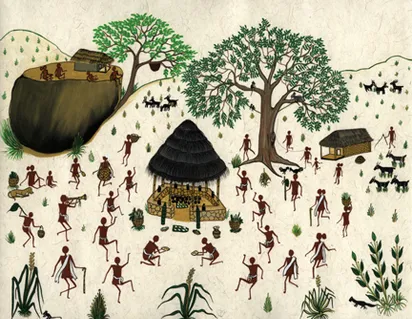
Kurumba paintings trace back over 3,000 years, linked to rock art sites like Ezhuthupaarai in Tamil Nadu’s Nilgiris; they were practiced by the Kurumba tribe.
The Kurumba tribe is classified as a Particularly Vulnerable Tribal Group (PVTG).
Originally they were painted over the house walls, temple walls or during festivals and artists derive natural pigments from forest sources like tree resins.
These folk paintings illustrate rituals, festivals, honey hunting, nature, animals, and daily community activities using simple linear motifs, dots, lines, and geometric patterns.
Source: IE
Fiscal Health Index 2026
Syllabus: GS2/Polity and Governance
Context
NITI Aayog has released the second annual edition of Fiscal Health Index (FHI 2026.
Key Highlights of FHI 2026
Overall State Rankings:
Odisha remains the top-performing state, further improving its fiscal score.
Goa and Jharkhand also feature among the Achiever states.
Gujarat and Maharashtra continue to remain in the top five.
Haryana shows a notable improvement by gaining three ranks.
States Showing Recovery:
Bihar, Karnataka, and Telangana demonstrate moderate improvement in fiscal performance.
Low-Performing States:
Punjab, West Bengal, and Kerala continue to remain at the bottom of the rankings, reflecting persistent fiscal stress.
NE and Himalayan States:
Evaluated separately for the first time, Arunachal Pradesh tops as Achiever (strong revenue growth), followed by Uttarakhand;
Himachal Pradesh and Manipur lag due to weak own-revenues (<5% GSDP) and fiscal stress from high committed expenditures.
Policy Recommendations:
Priorities include boosting own-tax capacity (e.g., property, excise reforms), elevating capex to 5%+ GSDP, enhancing public financial management via digitization, and curbing off-budget borrowings to ensure debt sustainability below 25-30% GSDP.
Fiscal Health Index
FHI initiative assesses the fiscal health of states in India.
Sub Indices: Quality of Expenditure, Revenue Mobilisation, Fiscal Prudence, Debt Index, and Debt Sustainability.
Data for the index is sourced from the Comptroller and Auditor General of India (CAG).
National Shipping Board (NSB)
Syllabus: GS2/Governance
In News
The government held a high-level interaction with the National Shipping Board (NSB) to address emerging challenges in India’s shipping sector amid evolving global geopolitical dynamics.
About National Shipping Board (NSB)
It is India’s apex advisory body on shipping and maritime matters, constituted under Section 23 of the Merchant Shipping Act, 1958.
It works under the Ministry of Ports, Shipping and Waterways.
Its primary role is to advise the central government on shipping policies and maritime development.
Its chairperson is appointed by the Central Government.
Source: PIB
International Energy Agency (IEA)
Economy
Context
India is not going to join the International Energy Agency (IEA) initiative to release strategic oil reserves as part of an effort to cool oil prices.
India is the world’s third-largest oil-importing and consuming nation, and has 5.33 million tonnes of underground strategic reserves. But they are only 80% filled currently.
India is not a full member of IEA and does not have an obligation to follow the mandate of the international body.
India’s Oil Imports
India imports nearly 88% of its crude oil requirements from around 41 countries.
Roughly half of those supplies in February passed through the Strait of Hormuz.
International Energy Agency (IEA)
Established: In 1974.
Founding members – Austria, Belgium, Canada, Denmark, Germany, Ireland, Italy, Japan, Luxembourg, The Netherlands, Norway, Spain, Sweden, Switzerland, Türkiye, United Kingdom, and the United States.
Reason: It was created when major oil-exporting countries drastically reduced oil supplies, causing severe economic disruptions in industrialized nations.
Mandate: IEA’s original mandate was to ensure that oil supplies were kept stable, and potential disruptions in future were anticipated and prevented through timely action.
Members: The membership was kept open only for OECD countries.
There are now 33 full members with Colombia being inducted as 33rd members recently.
Associate Members: In 2015, IEA opened the doors for non-OECD countries to become associate members.
Note – The associate members participate in the policy discussions and activities, but do not have decision-making rights.
India became an associate member in 2017. There are 13 associate members right now.
Additional information – Organisation for Economic Co-operation & Development (OECD)
It is an intergovernmental organisation that promotes economic development, policy coordination, and global cooperation.
Motto: “Better Policies for Better Lives.”
Established in 1961, succeeding the Organisation for European Economic Co-operation (OEEC).
Headquarters: Paris, France.
Membership: 38 member countries (mainly developed economies). India is not a member.
Black Rain in Tehran
Syllabus: GS3/ Environment
Context
The World Health Organization (WHO) has warned of “black rain” and toxic air pollution in Tehran, following attacks on oil facilities.
What is “Black Rain”?
“Black rain” refers to rainfall contaminated with soot, ash, oil particles, and chemical pollutants that are released into the atmosphere after large fires or explosions.
Instead of clear water droplets, the rain carries dark, oily particles, giving it a black or grey appearance.
Such rain usually occurs when massive fires release pollutants into the air and rainfall absorbs these particles before reaching the ground.
Historically, similar phenomena were observed after the Atomic Bombings of Hiroshima and Nagasaki in 1945, when radioactive soot and debris mixed with rainwater.
Source: IE
Kisan Credit Card (KCC)
Syllabus: GS3/Economy
Context
The Kisan Credit Card (KCC) provides timely, affordable, and collateral-free credit to farmers, including small, marginal, tenant farmers and SHGs/JLGs.
Kisan Credit Card (KCC)
The Kisan Credit Card (KCC) Scheme, introduced in 1998, was designed to simplify and expedite farmers’ access to short-term institutional credit for crop production.
It provides working capital and investment credit for allied activities and covers post-harvest and marketing expenses, thereby offering comprehensive financial support to enhance farm incomes.
Under the Modified Interest Subvention Scheme (MISS), the loan limit has been enhanced to Rs. 5 lakh, with collateral-free credit raised to Rs. 2 lakh per borrower.
Eligible Beneficiaries of KCC: It extends coverage to:
individual farmers and joint borrowers who are owner-cultivators,
tenant farmers, oral lessees, and sharecroppers.
In addition, the scheme also includes Self Help Groups (SHGs) and Joint Liability Groups (JLGs), including groups formed by tenant farmers and sharecroppers.