
National Coastal Mission 2.0
Government Scheme
News
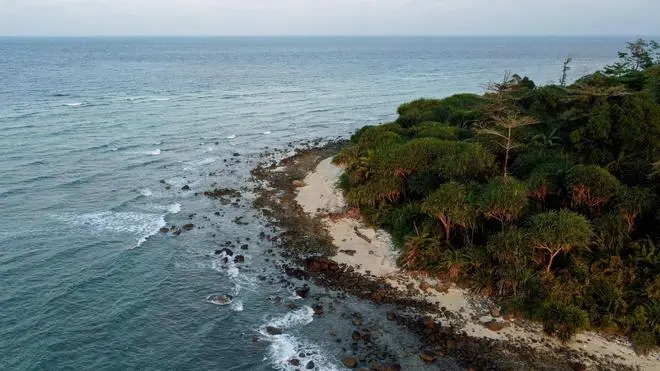
- Union Minister for Environment, Forest and Climate Change, launched the Guidelines for implementation of National Coastal Mission (NCM 2.0).
National Coastal Mission 2.0
-
- Type: Central Sector Scheme | Ministry: MoEFCC
- Period: 2025–26 to 2030–31
- Coverage: 9 coastal States + 4 UTs
- Focus: Coastal resilience, ecosystem restoration, biodiversity, pollution control & sustainable tourism.
- Key measures:
-
- Climate adaptation & mitigation
- Conservation of mangroves and marine ecosystems
- ICZMP & Coastal Marine Spatial Planning
- Resilient livelihoods for coastal communities
- Coastal pollution management
- Research, capacity building & awareness
- Goal: Promote climate-resilient Blue Economy, Atmanirbhar Bharat and fulfil international environmental commitments.
Green Energy Corridor Phase III
Environment
News –
- The Union Cabinet approved the third phase of the Green Energy Corridor, with an outlay of about ₹1.86 lakh crore, to strengthen Intra-State Transmission Systems.
About
- Ministry: Ministry of New & Renewable Energy (MNRE)
- Launched: 2015
- Aim: Build transmission infrastructure to integrate and evacuate renewable energy into the national grid.
- Target: Evacuation of up to 135 GW renewable energy by 2032–33.
Implementation:
- Greenfield: Tariff-Based Competitive Bidding (TBCB)
- Brownfield: Cost-Plus Basis (CPB)
- Agencies: State Transmission Utilities + Central Electricity Authority (CEA).
- Phase III: 50 GWh Battery Energy Storage Systems (BESS) to manage renewable-energy intermittency and grid congestion.
Cholera Deaths Increased by 30% in 2025
Health
News –
- Cholera deaths increased by 30% in 2025 as per World Health Organisation’s (WHO) latest edition of the Weekly Epidemiological Record.
Key Highlights
- Cause: Vibrio cholerae; mainly transmitted through contaminated food & water.
- Symptoms: Severe diarrhoea → dehydration → death if untreated.
- Global burden: 7 countries—Angola, Bangladesh, DR Congo, Nigeria, South Sudan, Sudan & Yemen—accounted for ~90% of reported global cases/deaths.
- Worst-affected region: Africa; cases ↑ 34% and deaths ↑ 58% over 2024.
- Vaccines: Oral cholera vaccine production increased from 30 million (2022) → ~80 million doses (2025).
- Prevention: WASH, surveillance, community engagement and timely treatment.
- 2030 Target (GTFCC): 90% reduction in cholera deaths and elimination in up to 20 countries.
Mahanadi Water Dispute
Polity
News –
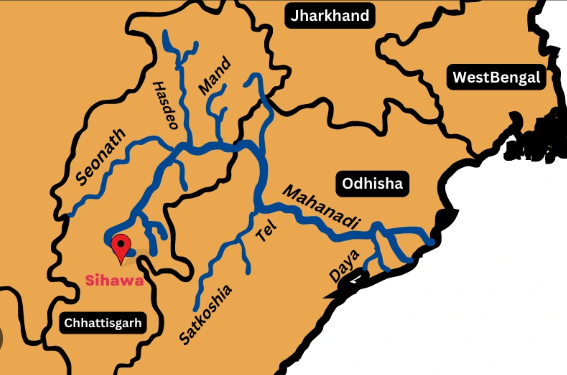
- The Union Home Minister chaired a meeting with the Chief Ministers of Chhattisgarh and Odisha in New Delhi to resolve the long-standing Mahanadi water dispute.
Mahanadi Water Dispute
- Parties: Odisha & Chhattisgarh over sharing of Mahanadi waters.
- Issue: Odisha alleges that upstream barrages in Chhattisgarh reduce non-monsoon flow into the Hirakud Reservoir.
- Tribunal: Mahanadi Water Disputes Tribunal, constituted in March 2018 under the Inter-State River Water Disputes Act, 1956.
- Constitutional basis: Article 262.
- Riparian position: Chhattisgarh = upper riparian; Odisha = lower riparian.
- Other parties: Jharkhand, Maharashtra & Madhya Pradesh.
Article 262
- Parliament may provide for adjudication of inter-State river water disputes.
- Parliament may exclude the Supreme Court and other courts’ jurisdiction over such disputes.
Additional Information – Mahanadi
-
- Length: ~851 km; major east-flowing Peninsular river.
- Source: Near Pharsiya village, Dhamtari, Chhattisgarh.
- Course: Chhattisgarh → Odisha → Bay of Bengal; forms a delta near Cuttack.
- Tributaries:
- Left: Seonath (longest), Hasdeo, Mand, Ib
- Right: Ong, Tel, Jonk
- Major Projects: Ravishankar Sagar, Hirakud Dam, Naraj Barrage.
- Hirakud Dam: Near Sambalpur, Odisha; noted as the world’s longest earthen dam (~25.8 km including dykes).
- Hirakud Reservoir: Ramsar site (2021).
- Satkosia Gorge: Mahanadi cuts through the Eastern Ghats in Odisha; located within Satkosia Tiger Reserve.
Union Public Service Commission (UPSC)
Polity
News –
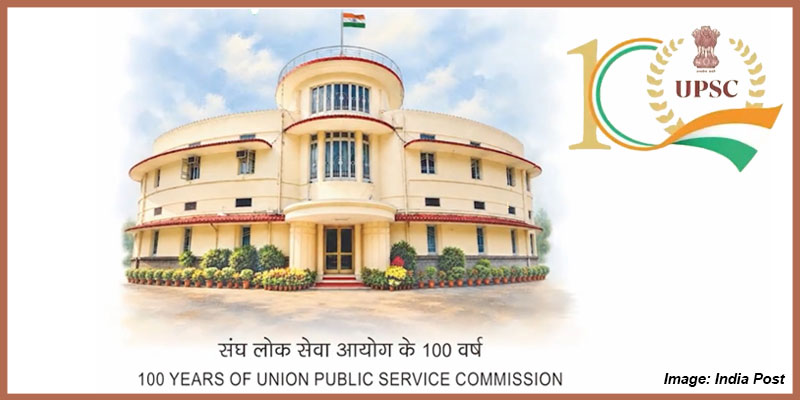
- 1 October 2026 marks 100 years since the establishment of the Union Public Service Commission.
- Present status: Independent Constitutional Body for recruitment to All India Services & Central Civil Services.
- Constitutional basis: Articles 315–323, Part XIV.
Composition & Tenure
-
Appointment: Chairman + members appointed by the President.
-
Number of members: Not fixed by Constitution; usually 9–11 members.
-
Qualification: At least ½ of members must have 10 years’ government service.
-
Tenure: 6 years or age 65 years, whichever is earlier.
Removal — Article 317
-
The President can remove members for insolvency, outside paid employment or physical/mental infirmity.
-
For misbehaviour: Supreme Court inquiry → report → Presidential removal.
Constitutional Provisions
-
Article 315: Provides for a Public Service Commission for the Union and a Public Service Commission (PSC) for each State.
-
Article 316: Deals with the appointment and term of office of members.
-
Article 317: Deals with removal and suspension of members.
-
Article 318: Provides for regulations regarding conditions of service and staff.
-
Article 319: Provides restrictions on holding offices after ceasing to be a member.
-
Article 320: Specifies the functions of Public Service Commissions.
-
Article 321: Enables Parliament or a State Legislature to extend the functions of a State PSC.
-
Article 322: Deals with expenses of the Commission.
- Article 323: Deals with submission of reports by the Commission.
State of the World’s Forests 2026
Environment
News –
- Food and Agriculture Organization (FAO) has published the State of the World’s Forests 2026
About
- Published by: FAO.
- Theme: Restoring Forests and Landscapes – The Way Forward for a Sustainable Future.
- Forest & Landscape Restoration (FLR): Restoring ecological functionality + human well-being across degraded/deforested landscapes.
- Key point: FLR is not merely tree planting; it restores entire landscapes for multiple benefits and land uses.
- Global forest area (2025): 4.14 billion ha (~32% of global land area).
- Degraded forests: >460 million ha.
- Major drivers: Climate change, population growth, urbanisation and infrastructure development.
- Degradation impacts: Forest fires, forest-cover loss, unsustainable harvesting, land-use change, soil erosion and overgrazing.
- 2030 target: Under Kunming–Montreal Global Biodiversity Framework (Target 2), nearly 469 million ha need effective restoration.
People’s Plan Campaign
Polity
News –
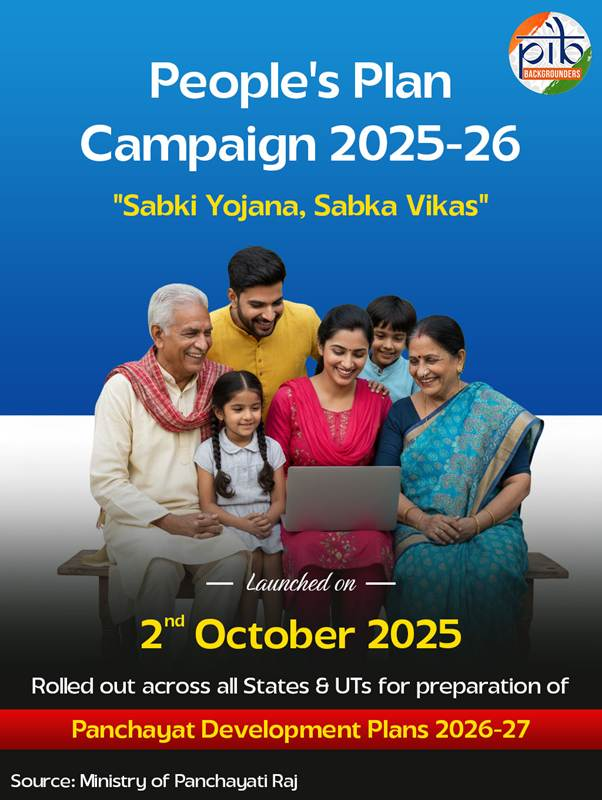
- Special Gram Sabhas were convened on Gandhi Jayanti to mark the launch of the People’s Plan Campaign 2026-27, “Sabki Yojana, Sabka Vikas”.
About
- Launched: 2018 by Ministry of Panchayati Raj (MoPR).
- 2026–27 Theme: “Sabki Yojana, Sabka Vikas”.
- Aim: Prepare participatory & comprehensive Panchayat Development Plans (PDPs) for economic development and social justice.
- Coverage: All 29 subjects of the 11th Schedule.
- Process: Gram Sabha → identifies local needs/priorities → Panchayat prepares plan → uploaded on eGramSwaraj.
- Nodal Ministry: MoPR; State Panchayati Raj Departments coordinate with line departments.
Gram Sabha
- Article 243(b): Body of persons registered in electoral rolls of a village within a Panchayat area.
- Article 243A: Powers/functions determined by the State Legislature.
- Not a tier of Panchayati Raj: It is a permanent body of village voters.
- Functions: Discuss/approve development plans, review expenditure and monitor Panchayat activities.
Mahatma Gandhi
History & Culture
News –
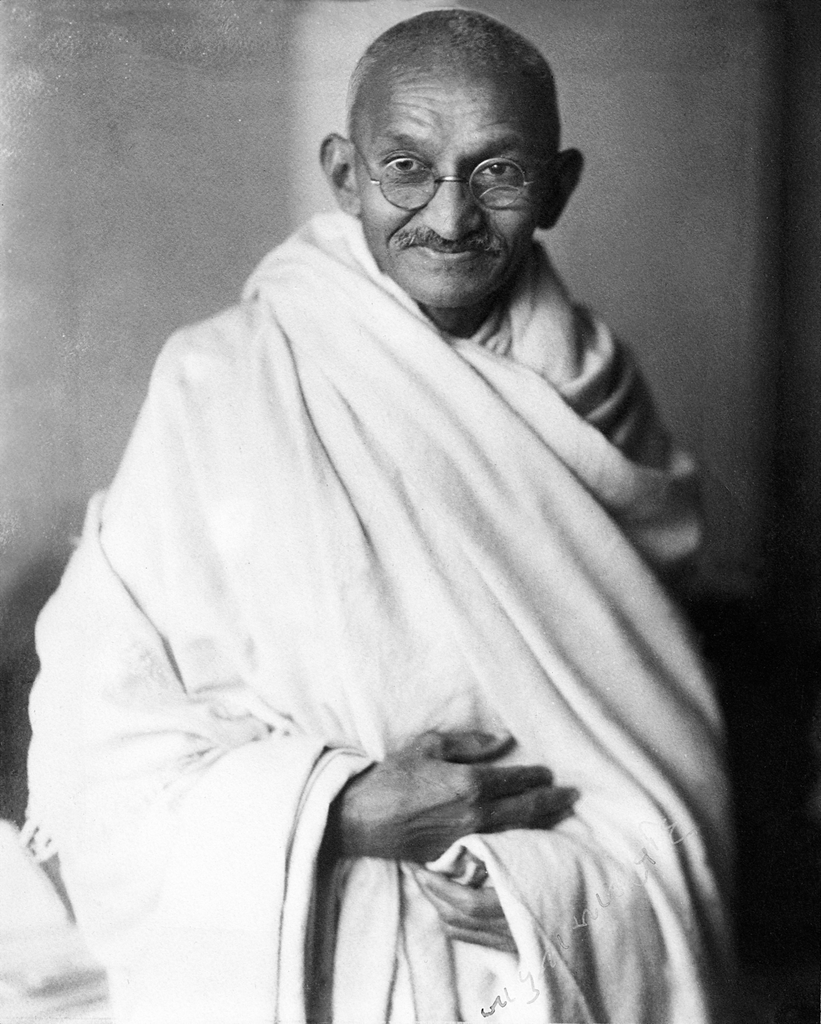
- India observed Mahatma Gandhi’s 157th birth anniversary on October 2, 2026, celebrated globally as the International Day of Non-Violence.
About
-
- Born: 1869, Porbandar, Gujarat; studied law in London.
- Ideological influences: Bhagavad Gita, Tolstoy’s The Kingdom of God Is Within You, Ruskin’s Unto This Last.
- South Africa (1893–1914): Natal Indian Congress (1894), Indian Opinion (1903), Phoenix Settlement (1904), Tolstoy Farm (1910).
- Returned to India: 9 January 1915.
- Early Satyagrahas:
- Champaran (1917): Indigo/tinkathia system.
- Ahmedabad (1918): Mill workers’ dispute; first hunger strike.
- Kheda (1918): Land revenue issue.
- Congress President: Only once — Belgaum Session, 1924.
- Dandi March: 12 March–6 April 1930; 240 miles, from Sabarmati to Dandi; 78 followers; broke Salt Law.
- Gandhi-Irwin Pact: 1931; Gandhi attended Second Round Table Conference as Congress representative.
- Quit India Movement: 8 August 1942, Gowalia Tank Maidan; “Do or Die” call.
- Constructive Programme: Harijan Sevak Sangh (1932); Village Industries; Nai Talim/Wardha Scheme (1937).
- Works: Hind Swaraj (1909), The Story of My Experiments with Truth; edited Young India, Navajivan and Harijan.









Leave a Reply