Blog

  • Komagata Maru Incident | Lift Abortion Time Limit for Minor Rape Survivors: SC | ‘Women and Men in India 2025’ Report

    Komagata Maru Incident

    Syllabus: GS1/History

    In News

    • Recently a Punjabi Singer compared the 1914 Komagata Maru rejection of Indians in Canada with his own sold-out concert to highlight how attitudes have changed over time.

    Komagata Maru Incident

    • The Komagata Maru (also called Guru Nanak Jahaz) was a Japanese steamship chartered by Gurdit Singh in 1914, carrying 376 Indians seeking better opportunities in Canada.
    • Early 20th century Punjab faced rural indebtedness, famines and epidemics and many ex-soldiers and peasants migrated abroad for livelihood.
    • Most passengers were Sikhs, along with Muslims and Hindus, who faced severe restrictions under Canada’s immigration laws.
    • On arrival in Vancouver, only 24 were allowed to disembark, and the rest were kept onboard without adequate food, water, or medical aid.
    • Attempts by authorities to seize the ship were resisted, and a local support group raised funds to challenge the restrictions legally, but the ship was ultimately forced to leave.

    Reasons for Passenger Denial

    • Both India and Canada were under British rule, so Indian passengers believed they had the right to settle anywhere in the British Empire.
    • However, in 1908 Canada introduced the “continuous journey regulation,” which required immigrants to arrive directly from their country of origin without stops—something practically impossible from India.
    • This rule, influenced by anti-Asian sentiment after the 1907 Vancouver riots led by the Asiatic Exclusion League, was designed to restrict immigration, particularly targeting Asians, including Indians.

    Return in India

    • After being expelled from Vancouver and refused entry at other ports during World War I, the ship was sent back to India.
    • At Budge Budge near Kolkata, British authorities tried to send the passengers to Punjab, but they resisted and marched toward the city.
    • Troops opened fire, killing 20 and injuring several. Gurdit Singh initially escaped but later surrendered on Mahatma Gandhi’s advice and was imprisoned for five years.

    Impact of Komagata Maru Incident on Indian Freedom Movement

    • The Komagata Maru incident exposed the racial discrimination faced by Indians within the British Empire, first in Canada and later in India.
    • The humiliation and violence against the passengers strengthened the belief that Indians could not secure equal rights under colonial rule, boosting demands for complete independence instead of reforms.
    • It also energized revolutionary groups like the Ghadar Party, further encouraging resistance and the idea of armed struggle against British rule.

    Lift Abortion Time Limit for Minor Rape Survivors: SC

    Syllabus: GS2/Health

    Context

    • The Supreme Court has asked the Union government to amend the abortion law to remove the time limit on medical termination of unwanted pregnancies in the case of minor rape victims.

    Medical Termination of Pregnancy (MTP) in India

    • The act was passed in 1971 and was amended in 2021,
    • It legalizes abortion in India under specific conditions, promoting reproductive autonomy and health.

    It allows termination up to

    1. 20 weeks with one doctor’s opinion,
    2. 20–24 weeks for special categories with two opinions, and beyond
    3. 24 weeks via medical boards for fetal abnormalities.

    Key Features of MTP (Amendment) Act, 2021

    • Increased Limits: Enhanced gestation limits to 24 weeks for special categories, including rape survivors, victims of incest, minors, and women with disabilities.
    • Unmarried Women Included: The 2021 amendment covers unmarried women, allowing them to terminate pregnancies caused by contraceptive failure.
    • Confidentiality: The name and details of the woman must remain confidential.
    • Legal & Constitutional BasisReproductive Autonomy: The Supreme Court has ruled that the right to reproductive autonomy is part of Article 21 (Right to Privacy and Dignity).
    • Prior Legal Framework: Originally enacted in 1971 based on the Shantilal Shah Committee (1964) to reduce high maternal mortality from unsafe abortions.

    ‘Women and Men in India 2025’ Report

    Syllabus: GS3/Economy

    In News

    • The Ministry of Statistics and Programme Implementation (MoSPI) released the 27th edition of its publication titled “Women and Men in India 2025: Selected Indicators and Data”.

    Women and Men in India 2025’ Report Brief

    • It provides a comprehensive statistical overview of gender-related conditions in India using official data from multiple ministries and agencies.

    Key Highlights of the publication:

    Demography and Population

    • Sex Ratio at Birth (SRB): The national SRB improved from 904 (2017–19) to 917 (2021–23), signaling improved survival rates for female children.
    • Regional Variations: Arunachal Pradesh recorded the highest sex ratio (1,085), while Jharkhand registered the lowest (899).

    Health and Nutrition

    • Infant Mortality Rate (IMR): Documented a steady, long-term decline for both male and female infants between 2008 and 2023. India’s Infant Mortality Rate (IMR) is approximately 25 deaths per 1,000 live births
    • Maternal Mortality Ratio (MMR): Marked a steep decline from 254 (2004–06) down to 88 (2021–23).

    EducationGender

    Higher Education:

    • The Gross Enrolment Ratio (GER) for females rose to 2, surpassing the male GER of 28.9.
    • The Literacy Gap: A stark 14.4% gender gap persists, with male literacy at 84.7% and female literacy at 70.3%.4.
    Economic Participation

    • Rural Female LFPR: The Labour Force Participation Rate for rural women witnessed a major surge, climbing from 37.5% (2022) to 45.9% (2025).
    • Agricultural Concentration:7% of all working rural females remain heavily concentrated in agricultural activities.

    Major steps taken for women empowerment

    • Constitutional and Legal Framework: The Indian Constitution guarantees gender equality through provisions in its Preamble, Fundamental Rights, and Directive Principles of State Policy.
    • Article 14 ensures equality before the law, while Article 15 prohibits discrimination based on sex.
    • Article 51(a)(e) encourages citizens to renounce practices derogatory to women’s dignity.
    • The Directive Principles, particularly Articles 39 and 42, emphasize equal livelihood opportunities, equal pay, and maternity relief.
    • Poshan Abhiyaan: It launched in 2018, is a flagship government programme aimed at improving nutrition for children, adolescent girls, pregnant women, and lactating mothers by reducing malnutrition
    • Beti Bachao Beti Padhao (BBBP): The scheme aims to prevent gender biased sex selective elimination, ensure survival and protection of girl child and also to ensure education of the girl child.
    • The Pradhan Mantri Matru Vandana Yojana (PMMVY) provides financial compensation for loss of wages due to pregnancy and childbirth.
    • The scheme, previously limited to the first child, has now been extended to cover the second child if the child is a girl—a progressive step towards promoting gender equality.
    • Mission Saksham Anganwadi : to improve nutrition, health, and immunity and reduce malnutrition among children, adolescent girls, pregnant women, and lactating mothers.
    • Kasturba Gandhi Balika Vidyalayas (KGBVs) are residential schools for girls from socio-economically disadvantaged groups in educationally backward areas, offering safe education from classes VI to XII and supporting their transition to higher secondary schooling.
    • Vigyan Jyoti, run by the Department of Science & Technology, encourages meritorious girls (classes IX–XII), especially in rural areas, to pursue STEM careers.
    • Nurturing Aspirations through Vocational Training for Young Adolescent Girls (NAVYA): NAVYA, launched in 2025 is a skill development programme for adolescent girls (16–18 years, Class 10 pass).
    • Mission Shakti : It aims at ensuring the safety, security, and empowerment of women through two key components: Sambal (safety and security) and Samarthya (empowerment).
  • Karnataka Scheduled Castes (Sub-Classification) Bill, 2025

    Karnataka Scheduled Castes (Sub-Classification) Bill, 2025

    Context- 

    • The Karnataka Cabinet approved a revised internal reservation formula within the existing 15% quota for Scheduled Castes (SCs). 
    • The decision divides the 15% allocation proportionately to ensure equitable distribution of education and employment opportunities across SC sub-groups.

    The revised quota matrix is distributed as follows:

    • 5.25% for “left-hand” groups (Madigas and allied castes)
    • 5.25% for “right-hand” groups (Holeyas and allied castes)
    • 4.50% for other SCs, including nomadic communities (Bhovi, Lambani, Koracha, Korama)

    Karnataka Scheduled Castes (Sub-Classification) Bill, 2025

    • It is a landmark piece of legislation enacted to divide the 101 Scheduled Castes (SCs) in Karnataka into smaller sub-groups. 
    • The bill fulfills a decades-long demand to prevent relatively advanced communities from cornering reservation benefits and ensures that more oppressed, nomadic, and backward sub-castes receive an equitable share of education and state public employment.

    Background and Context

    • Legal Backing: The legislation follows a historic August 1, 2024, Supreme Court ruling that granted states the constitutional authority to sub-classify Scheduled Castes.
    • Commission Basis: The sub-classification framework relies primarily on empirical demographic data compiled by Justice H.N. Nagamohan Das Commission.
    • Legislative Timeline: The State Cabinet cleared the bill on December 11, 2025, and the Karnataka Legislative Assembly passed it on December 18, 2025. Following clarifications requested by Governor Thaawarchand Gehlot, the bill received Governor’s official assent on February 28, 2026.
  • National and International Issues MCQ’s

    National and International Issues MCQ’s

    1. Consider the following pairs:

    Channel / Passage

    Separates

    1. Duncan Passage

    South Andaman and Little Andaman

    2. Ten Degree Channel

    Andaman Islands and Nicobar Islands

    3. Six Degree Channel

    Great Nicobar and Sumatra

    4. Eight Degree Channel

    Minicoy Island and Maldives

    How many of the pairs given above are correctly matched?

    1. Two only
    2. Three only
    3. All Four 
    4. One only 


    Answer: C


    1. Which of the following locations forms a tri-junction involving India, Nepal and China?
    1. Kalapani
    2. Lipulekh Pass
    3. Limpiyadhura
    4. Dharchula

    Answer: B


    1. Which of the following statements regarding the Treaty of Sugauli, 1816 is/are correct?
    1. It was signed between the British East India Company and Nepal.
    2. The Kali River was accepted as the western boundary of Nepal.
    3. The treaty clearly identified Limpiyadhura as the river’s origin.

    Select the correct answer using the code below:

    1. I and II only
    2. II only
    3. I and III only
    4. I, II and III

    Answer: A


    1. Consider the following statements regarding the Fugitive Economic Offenders Act, 2018:
    1. A Fugitive Economic Offender is a person against whom an arrest warrant has been issued for a scheduled offence involving ₹100 crore or more.
    2. The Act empowers authorities to confiscate properties of the offender located both in India and abroad, including benami assets.
    3. A declared Fugitive Economic Offender is barred from initiating or defending civil claims in Indian courts.
    4. Cases under the Act are adjudicated through special courts established under the Prevention of Corruption Act, 1988.

    Which of the statements given above are correct?

    1. 1, 2 and 3 only
    2. 2 and 4 only
    3. 1 and 4 only
    4. 1, 2, 3 and 4

    Answer: A


    1. How many of the following NPCI products/ services are directly related to digital payments?
    1. Unified Payments Interface (UPI)
    2. Bharat Interface for Money (BHIM)
    3. Bharat Bill Payment System (BBPS)
    4. National Common Mobility Card (NCMC)
    5. Goods and Services Tax Network (GSTN)

    Select the correct answer using the code below:

    1. 2
    2. 3
    3. 4
    4. 5

    Answer: C


    1. The term “Mission Drishti” refers to:
    1. India’s lunar exploration programme launched by ISRO.
    2. A human spaceflight mission carried by ISRO.
    3. A missile defence system developed by DRDO.
    4. The world’s first OptoSAR Earth-observation satellite launched by an Indian start-up GalaxEye.

    Answer: D


    1. With reference to the cotton in India, consider the following statements:
    1. The Mission for Cotton Productivity (2026–31) is also known as Kapas Kranti and promotes High-Density Planting System (HDPS).
    2. Cotton is a subtropical Kharif crop that requires a warm climate and about 210 frost-free days.
    3. Black Soil (Regur) is considered ideal for cotton cultivation because of its moisture-retaining capacity.
    4. India is the world’s second-largest producer of cotton after China.

    How many of the statements given above are correct?

    1. One
    2. Two
    3. Three
    4. Four 

    Answer: C


    1. Consider the following statements regarding e-waste management:
    1. The E-Waste (Management) Rules, 2022 regulate the management and disposal of electronic waste in India.
    2. India’s first e-waste clinic was inaugurated in Indore, Madhya Pradesh, for processing e-waste only from households.
    3. The Basel Convention deals with the transboundary movement and environmentally sound management of hazardous wastes.
    4. India is a party to the Basel Convention.

    How many of the above statements are correct?

    1. Only one
    2. Only two
    3. Only three
    4. All four

    Key Answer: C


    1. With reference to the Emergency Credit Line Guarantee Scheme (ECLGS 5.0), consider the following statements:
    1. It has been introduced to provide financial support to businesses facing liquidity pressures arising from the ongoing West Asia situation.
    2. The scheme aims to facilitate an additional credit flow of about ₹2.55 lakh crore.
    3. The scheme exclusively targets large industries and multinational corporations.
    4. MSMEs and the airline sector are among the major beneficiaries under the scheme.

    Which of the statements given above are correct?

    1. I, II and IV only
    2. I and III only
    3. II and III only
    4. I, II, III and IV

    Answer: A


    1. With reference to the UDGAM portal, consider the following statements:
    1. UDGAM stands for Unclaimed Deposits – Gateway to Access Information and it has been developed by the Reserve Bank of India.
    2. It enables users to directly withdraw and settle unclaimed deposits through the portal itself.
    3. The portal provides a centralized search facility for identifying unclaimed deposits across participating banks.

    Which of the statements given above are correct?

    1. 1 and 2 only
    2. 1 and 3 only
    3. 2 and 3 only
    4. 1, 2 and 3


    Answer: B


    1. Consider the following statements:
    1. The FRP of sugarcane is recommended by the Commission for Agricultural Costs and Prices.
    2. The FRP is approved by the Cabinet Committee on Economic Affairs chaired by the Finance Minister.
    3. India surpassed Brazil to become the world’s top sugar producer in 2021–22 and Uttar Pradesh became the top producer of sugar in India.
    4. The sugar industry in India is confined only to northern states such as Uttar Pradesh and Punjab.

    With reference to the Fair and Remunerative Price (FRP) of sugarcane and the sugar industry in India, which of the statements given above are correct?

    1. 1, 2 and 4 only
    2. 1 and 3 only
    3. 1, 2 and 3 only
    4. 2, 3 and 4


    Answer: B


    1. With reference to the Pulitzer Prize, consider the following statements:
    1. The Pulitzer Prize was established in 1917 in honour of Joseph Pulitzer and is administered by Columbia University.
    2. The Pulitzer Prize recognises excellence in journalism, literature and music composition.
    3. Among the 23 Pulitzer Prize categories, only the Public Service category receives a gold medal.
    4. Gobind Behari Lal became the first person from India to win the Pulitzer Prize for journalism in 1937.
    5. Two Indian journalists named Anand RK and Suparna Sharma along with Natalie Obiko Pearson won the Pulitzer Prize 2026. 

    How many of the statements given above are NOT correct?

    1. Three only
    2. Four only
    3. All Five 
    4. All are correct 


    Answer: D


    1. With reference to the Komagata Maru Incident, consider the following statements:
    1. The incident was linked to the discriminatory immigration policy known as the Continuous Journey Regulation imposed by Canada.
    2. The ship Komagata Maru was chartered by Baba Gurdit Singh to challenge exclusionary immigration laws.
    3. The passengers of the Komagata Maru were allowed to settle permanently in Vancouver after intervention by the British government.
    4. The incident strengthened revolutionary nationalist activities associated with the Ghadar Party.

    Which of the statements given above are correct?

    1. 1, 2 and 4 only
    2. 1 and 3 only
    3. 2 and 4 only
    4. 1, 2, 3 and 4

    Answer: A


    1. Consider the following statements:
    1. The national Sex Ratio at Birth (SRB) improved from 904 during 2017–19 to 917 during 2021–23.
    2. India’s Infant Mortality Rate (IMR) is about 25 deaths per 1,000 live births, and it has shown a long-term decline for both male and female infants.
    3. The Gross Enrolment Ratio (GER) for females remained lower than that of males in higher education.
    4. More than 70% of working rural females in India are engaged in agricultural activities.

    With reference to the “Women and Men in India 2025” report released by the Ministry of Statistics and Programme Implementation, which of the statements given above are correct?

    1. 1 and 3 only
    2. 2 and 4 only
    3. 1, 2 and 4 only
    4. 1, 2, 3 and 4

    Answer: C


    1. Which of the following is released the Panchayat Advancement Index (PAI) 2.0?
    1. Ministry of Rural Development
    2. NITI Aayog 
    3. Ministry of Panchayati Raj
    4. Ministry of Statistics and Programme Implementation


    Answer: C


    1. The term “Girmityas” refers to:
    1. Indian soldiers recruited by the British Army
    2. Indentured labourers taken from India to plantations overseas
    3. Tribal communities displaced during colonial rule
    4. Merchants involved in Indian Ocean trade


    Answer: B


    1. Consider the following statements:
    1. It is an intergovernmental organisation aimed at promoting regional cooperation among countries bordering the Indian Ocean.
    2. The organisation was established in 1997 and was formerly known as IOR-ARC.
    3. The Secretariat of IORA is located in Colombo, Sri Lanka.
    4. India is the current Chair of IORA for the 2025–2027 term.

    With reference to the Indian Ocean Rim Association (IORA), which of the statements given above are correct?

    1. 1, 2 and 4 only
    2. 1 and 3 only
    3. 2 and 4 only
    4. 1, 2, 3 and 4


    Answer: A


    1. Match List-I with List-II and List-III and select the correct answer using the code given below.

    List-I (Scheme)

    List-II (Implementing Authority)

    List-III (Eligible Age Group)

    I. Pradhan Mantri Suraksha Bima Yojana (PMSBY)

    1. PFRDA through NPS

    a. 18–50 years

    II. Atal Pension Yojana (APY)

    2. Ministry of Finance

    b. 18–70 years

    III. Pradhan Mantri Jeevan Jyoti Bima Yojana (PMJJBY)

    3. Ministry of Finance

    c. 18–40 years

    Codes:

    1. I-2-b, II-1-c, III-3-a
    2. I-1-b, II-2-c, III-3-a
    3. I-2-c, II-1-a, III-3-b
    4. I-3-b, II-1-c, III-2-a

    Answer: A


    1. Which of the following best describes MIRV technology?
    1. Defensive shield system against missiles
    2. Technology enabling multiple warheads from one missile to hit different targets
    3. Satellite-based navigation system
    4. Missile launch detection system


    Answer: B


    1. The order Odonata includes which of the following insects?
    1. Beetles and butterflies
    2. Dragonflies and damselflies
    3. Bees and ants
    4. Grasshoppers and crickets


    Answer: B


    1. Consider the following statements regarding committees related to the Western Ghats:
    1. The Madhav Gadgil Committee recommended declaring the entire Western Ghats as an Ecologically Sensitive Area (ESA) and setting up a dedicated ecological authority for its regulation.
    2. The Kasturirangan Committee recommended demarcating about 37% of the Western Ghats as Ecologically Sensitive Areas while allowing limited developmental activities in select regions.
    3. The Sanjay Kumar Committee was constituted to review state objections regarding ESA demarcation and to examine proposed exclusions from ecologically sensitive zones.
    4. The Kasturirangan Committee recommended a strict conservation approach similar to the Gadgil Committee, disallowing most developmental activities across the Western Ghats.

    Which of the statements given above are correct?

    1. 1 and 2 only
    2. 1, 2 and 3 only
    3. 2 and 3 only
    4. 1, 2, 3 and 4


    Answer: B


    1. Consider the following statements
    1. Inter-Operable Criminal Justice System (ICJS) project.
    2. Crime and Criminal Tracking Network & Systems (CCTNS)
    3. Crime in India
    4. Accidental Deaths & Suicides in India
    5. Prison Statistics India.

    How many of the projects and reports are being implemented and released by NCRB?

    1. Only Three 
    2. Only Four 
    3. All Five 
    4. Only Two 


    Answer: C


    1. Consider the following statements regarding the Bunker Oil Convention (2001):
    1. It was adopted under the International Maritime Organization (IMO).
    2. It deals with pollution caused by fuel oil used in ships.
    3. It applies only to oil tankers transporting crude oil.
    4. It mandates compulsory insurance for ship owners.

    Which of the statements given above are correct?

    1. I, II and IV only
    2. I and III only
    3. II and III only
    4. I, II, III and IV


    Answer: A


    1. Consider the following statements:
    1. It is a service-oriented digital platform designed to monitor and maintain digital health records of women in their reproductive age.
    2. It is developed as an upgraded version of the Reproductive and Child Health (RCH) portal.
    3. It introduces QR-enabled digital Mother and Child Health (MCH) Cards for portable access to health records.
    4. It is a standalone system and does not integrate with any other national health platforms.

    Which of the statements given above regarding the JANANI Platform are correct?

    1. 1, 2 and 3 only
    2. 1 and 4 only
    3. 2 and 4 only
    4. 1, 2, 3 and 4


    Answer: A


    1. Consider the following statements:
    1. The Vadinar Ship Repair Facility is being developed in Gujarat under a joint initiative of the Deendayal Port Authority and Cochin Shipyard Limited.
    2. The facility is designed to handle ship repair and maintenance of vessels up to approximately 300 metres in length.
    3. It will primarily function as a greenfield deep-sea port dedicated to container cargo handling on India’s western coast.
    4. The project aims to reduce India’s dependence on foreign shipyards for ship repair and maintenance services.

    Which of the statements given above are correct?

    1. I and II only
    2. I, II and IV only
    3. II and III only
    4. I, III and IV only

    Answer: B


    1. Consider the following statements regarding Foreign Exchange Reserves:
    1. Foreign exchange reserves in India are maintained by the Reserve Bank of India.
    2. India’s foreign exchange reserves consist only of foreign currency assets and gold reserves.
    3. Special Drawing Rights (SDRs) and reserve position in the International Monetary Fund form part of India’s foreign exchange reserves.
    4. Foreign exchange reserves help in stabilising the Indian rupee, financing imports, maintain investor confidence and meeting external payment obligations during economic stress.
    5. Strong forex reserves helps in protecting the economy during periods of global financial instability, rising oil prices, currency volatility and sudden capital outflows.

    How many of the statements given above are correct?

    1. Two only
    2. Three only
    3. Four only
    4. All Five 

    Key Answer: C


    1. Which of the following can help finance India’s Current Account Deficit?
    1. Foreign Direct Investment
    2. Foreign Exchange Reserves
    3. External Commercial Borrowings
    4. Foreign Portfolio Investment

    Select the correct answer using the code below:

    1. 1 and 2 only
    2. 1, 3 and 4 only
    3. 2, 3 and 4 only
    4. 1, 2, 3 and 4

    Answer: D


    1. With reference to jute cultivation and related initiatives in India, consider the following statements:
    1. India is the world’s largest producer of jute.
    2. West Bengal, Bihar and Assam together account for nearly the entire jute production of India.
    3. The Jute Crop Information System project uses remote sensing technology for monitoring jute cultivation.
    4. The Jute Crop Information System project is being implemented solely by the Indian Space Research Organisation.
    5. Jute is regarded as an eco-friendly fibre because it is biodegradable and renewable.

    Which of the statements given above are correct?

    1. 1, 2, 3 and 5 only
    2. 1, 3 and 4 only
    3. 2, 4 and 5 only
    4. 1, 2, 3, 4 and 5

    Answer: A


    1. Consider the following statements regarding the Tribe of India:
    1. The Baiga tribe is primarily found in the state of Madhya Pradesh.
    2. The term “Baiga” refers to a traditional warrior community.
    3. The Baigas of Chhattisgarh are classified as a Particularly Vulnerable Tribal Group (PVTG).
    4. The tribe traditionally practiced shifting cultivation known locally as “Bewar” cultivation.
    5. Pre-agricultural level of technology, low level of literacy, economic backwardness, and a declining or stagnant population are the criteria for identifying PVTGs.

    Which of the statements given above are correct?

    1. 1, 3 and 4 only
    2. 2, 4 and 5 only
    3. 1, 2 and 3 only
    4. 1, 3, 4 and 5 only

    Answer: D


    1. With reference to the following initiatives related to the Indian judiciary, consider the statements below:
    1. “One Case One Data” is a digital initiative aimed at integrating all levels of courts through a unified database system.
    2. The initiative connects only the High Courts and the Supreme Court, excluding subordinate courts.
    3. “Su Sahay” is an Artificial Intelligence-powered chatbot integrated with the Supreme Court website.
    4. “Su Sahay” has been developed by the National Informatics Centre in collaboration with the Supreme Court Registry.
    5. The primary objective of “Su Sahay” is to provide financial assistance to litigants appearing before the Supreme Court.

    Which of the statements given above are correct?

    1. 1, 3 and 4 only
    2. 1, 2 and 5 only
    3. 2, 3, 4 and 5 only
    4. 1, 3, 4 and 5 only

    Answer: A


    1. Consider the following statements regarding the National Panchayat Awards:
    1. The National Panchayat Awards are conferred annually by the Ministry of Rural Development.
    2. The Deen Dayal Upadhyay Panchayat Satat Vikas Puraskar recognises Panchayats for performance linked to Sustainable Development Goals.
    3. The Nanaji Deshmukh Sarvottam Panchayat Satat Vikas Puraskar is awarded only to Gram Panchayats.
    4. Kawrthah North Village in Mizoram has secured the top rank under the “Clean and Green Panchayat” category of the Deen Dayal Upadhyay Panchayat Satat Vikas Puraskar 2025
    5. Karnataka secured the highest number of awards in the latest edition of the National Panchayat Awards.

    Which of the statements given above are correct?

    1. 1, 2, 4 and 5 only
    2. 1, 3 and 5 only
    3. 2, 3, 4 and 5 only
    4. 1, 2, 3 and 4 only

    Answer: C


    1. Consider the following statements regarding the SEHAT initiative:
    1. SEHAT stands for “Science Excellence for Health through Agricultural Transformation.”
    2. It is a joint initiative of the Indian Council of Medical Research and the Indian Council of Agricultural Research.
    3. The initiative seeks to promote nutrition and public health through measures such as biofortified foods and integrated farming.
    4. SEHAT focuses exclusively on increasing agricultural exports from India.
    5. The initiative supports the One Health Mission approach.

    Which of the statements given above are correct?

    1. 1, 2, 3 and 5 only
    2. 1, 3 and 4 only
    3. 2, 4 and 5 only
    4. 1, 2, 3, 4 and 5

    Answer: A


    1. With reference to the contributions of Sardar Vallabhbhai Patel in India’s freedom struggle, arrange the following events in chronological order:
    1. Bardoli Satyagraha
    2. Non-Cooperation Movement
    3. Quit India Movement
    4. Kheda Satyagraha
    5. Civil Disobedience Movement

    Select the correct answer using the code given below:

    1. 4 – 2 – 1 – 5 – 3
    2. 1 – 3 – 4 – 2 – 5
    3. 3 – 4 – 1 – 5 – 2
    4. 1 – 4 – 3 – 2 – 5

    Answer: A


    1. The Right to Speedy Trial in India is derived from which Article of the Constitution?
    1. Article 14
    2. Article 19
    3. Article 21
    4. Article 32

    Answer: C


    1. Consider the following statements regarding Polyendocrine Metabolic Ovarian Syndrome (PMOS):
    1. PMOS, earlier known as PCOS, is a hormonal and metabolic disorder affecting women of reproductive age.
    2. The disorder affects only reproductive health and has no impact on metabolism or mental well-being.
    3. Insulin resistance associated with PMOS may increase the risk of Type-2 diabetes mellitus.
    4. Women with PMOS may face cardiovascular risks such as hypertension and heart diseases.

    Which of the statements given above are correct?

    1. 1 and 2 only
    2. 1, 3 and 4 only
    3. 2, 3 and 4 only
    4. 1, 2, 3 and 4


    Answer: B


    1. Consider the following statements regarding the PM Schools for Rising India (PM SHRI) Scheme:
    1. PM SHRI is a Centrally Sponsored Scheme under the Ministry of Education.
    2. The scheme aims to upgrade more than 14,500 existing schools across the country.
    3. PM SHRI schools are intended to function as exemplar schools showcasing the provisions of the National Education Policy 2020.
    4. The scheme focuses on modern infrastructure including smart classrooms, sports facilities and technology-enabled learning.
    5. Only schools managed by the Central Government are eligible to be selected under the PM SHRI Scheme.

    Which of the statements given above are correct?

    1. 1, 2, 3 and 4 only
    2. 1, 3 and 5 only
    3. 2, 4 and 5 only
    4. 1, 2, 3, 4 and 5

    Answer: A


    1. Match the following malaria control initiatives with their objectives/features:

    Initiative

    Objective/Feature

    a. E-2025 Initiative

    1. Research alliance established by ICMR for malaria control.

    b. National Framework for Malaria Elimination

    2. WHO initiative identifying countries with malaria eradication potential by 2025.

    c. MERA-India

    3. India’s framework aligned with the Global Technical Strategy for malaria elimination.

    d. High Burden to High Impact Initiative

    4. WHO initiative implemented in high malaria burden countries including India

    Select the correct answer using the code below:

    1. a-2, b-3, c-1, d-4
    2. a-1, b-2, c-4, d-3
    3. a-3, b-1, c-2, d-4
    4. a-2, b-4, c-1, d-3

    Answer: A


    1. With reference to the Public Examinations (Prevention of Unfair Means) Act, 2024, consider the following statements:
    1. The Act covers recruitment examinations such as UPSC and SSC as well as entrance examinations like NEET, JEE and CUET.
    2. Tampering with computer networks or impersonating candidates are categorized as “unfair means” under the Act.
    3. All offences under the Act are bailable in nature, but non-compoundable.
    4. Service providers involved in malpractices may face fines and debarment from conducting public examinations.
    5. The Central Government may transfer investigation of offences under the Act to a Central Investigating Agency.

    Which of the statements given above are correct?

    1. 1, 2, 4 and 5 only
    2. 1, 3 and 5 only
    3. 2, 3 and 4 only
    4. 1, 2, 3, 4 and 5

    Answer:A


    1. Match List-I with List-II:

    List-I

    List-II

    a. 90-90-90 Strategy

    1. Reconnecting HIV patients who discontinued ART

    b. Project ACCELERATE

    2. Central Sector Scheme for HIV/AIDS control

    c. Mission Sampark

    3. HIV services through Safe Zindagi portal

    d. National AIDS Control Programme (NACP)

    4. UNAIDS target related to diagnosis, treatment and viral suppression

    Select the correct answer using the code given below:

    1. a-4, b-1, c-3, d-2
    2. a-3, b-4, c-2, d-1
    3. a-4, b-3, c-1, d-2
    4. a-2, b-3, c-1, d-4

    Answer: C


    1. Consider the following statements:
    1. Alzheimer’s disease is the most common form of dementia.
    2. It mainly affects the respiratory system and does not interfere with daily activities in the early stages.
    3. Alzheimer’s disease is characterized by decline in cognitive functions such as thinking, memory, and reasoning.
    4. Drugs such as lecanemab and aducanumab have shown completely curative outcomes without safety concerns.
    5. Eli Lilly and Company has launched an Alzheimer’s treatment called “Lormalzi” in India.

    With reference to Alzheimer’s Disease, which of the statements given above are correct?

    1. 1, 2 and 4 only
    2. 1, 3 and 5 only
    3. 2, 3, 4 and 5 only
    4. 1, 3, 4 and 5 only

    Answer: B


    1. Consider the following statements about a personality associated with the Revolt of 1857:
    1. His original name was Ramachandra Pandurang Tope, and his father served in the court of the last Maratha Peshwa, Baji Rao II.
    2. He maintained close ties with Nana Sahib and emerged as one of the most effective military commanders during the Revolt of 1857.
    3. He played an important role in resistance centres such as Kanpur and Gwalior and worked alongside Rani Lakshmibai against British forces.
    4. He became known for guerrilla warfare tactics, rapid mobility, and surprise attacks before being captured and executed at Shivpuri in 1859.

    The personality described above is:

    1. Kunwar Singh
    2. Tatya Tope
    3. Nana Sahib
    4. Mangal Pandey

    Answer:B


    1. Consider the following statements:
    1. Sikkim became the first state in India to establish a completely paperless judiciary system.
    2. The initiative aims to promote digital governance and improve judicial efficiency.

    Which of the statements given above is/are correct?

    1. I only
    2. II only
    3. Both I and II
    4. Neither I nor II

    Answer: C


    1. With reference to the PM E-DRIVE Scheme, consider the following statements:
    1. The scheme aims to promote charging infrastructure and the electric vehicle manufacturing ecosystem in India.
    2. The scheme is being implemented for the period from October 1, 2024 to March 31, 2026.
    3. Under the scheme, the Ministry of Heavy Industries has introduced e-vouchers for EV buyers to avail demand incentives.
    4. The scheme discourages installation of public charging stations in order to reduce government expenditure.

    Which of the statements given above are correct?

    1. 1, 2 and 3 only
    2. 1 and 4 only
    3. 2, 3 and 4 only
    4. 1, 2, 3 and 4

    Answer: A


    1. With reference to Biodiversity Heritage Sites (BHS) in India, consider the following statements:
    1. Biodiversity Heritage Sites are declared under the provisions of the Biological Diversity Act, 2002.
    2. These sites are declared only within National Parks and Wildlife Sanctuaries.
    3. State Governments notify Biodiversity Heritage Sites in consultation with local bodies.
    4. The objective of Biodiversity Heritage Sites is to conserve areas having unique, ecologically fragile, or biodiversity-rich ecosystems.

    How many of the statements given above are correct?

    1. 2
    2. 3
    3. 4
    4. None 

    Answer: B


    1. Consider the following statements:
    1. The Act seeks to amend the Transgender Persons (Protection of Rights) Act, 2019.
    2. It replaces the earlier self-identification mechanism with a system involving Medical Boards and certification by the District Magistrate.
    3. The amendment has generated debate regarding its compatibility with the Supreme Court’s NALSA judgment on self-perceived gender identity.
    4. The Act introduces stricter penal provisions for offences such as forcing a person into transgender identity or bonded labour.

    With reference to the Transgender Persons (Protection of Rights) Amendment Act, 2026, how many of the statements given above are NOT correct?

    1. Two only 
    2. Three only 
    3. All Four 
    4. None 

    Answer: D


    1. With reference to Ru-Soam Bridges, consider the following statements:
    1. Ru-Soam bridges are traditional cane bridges associated with the Lepcha community.
    2. These bridges are constructed using materials such as bamboo, cane, and wood sourced locally.
    3. They are mainly designed for desert ecosystems and arid landscapes.
    4. The resilience of these bridges was demonstrated during the Sikkim Glacial Lake Outburst Flood 2023.

    How many of the statements given above are correct?

    1. 2
    2. 3
    3. 4
    4. None 

    Answer: B


    1. With reference to Tanzania, consider the following statements:
    1. Mount Kilimanjaro, the highest peak in Africa, is located in Tanzania.
    2. Tanzania shares a part of Lake Victoria, which is regarded as a source of the Nile River.
    3. Lake Tanganyika forms part of the boundary between Tanzania and the Democratic Republic of the Congo.
    4. Tanzania is bordered by the Mediterranean Sea on its eastern side.

    Which of the statements given above are correct?

    1. 1, 2 and 3 only
    2. 1 and 4 only
    3. 2, 3 and 4 only
    4. 1, 2, 3 and 4

    Answer: A


    1. Consider the following statements:
    1. RBSK was launched under the National Health Mission with the objective of early identification and intervention for children from birth to 18 years.
    2. Under the programme, children between 6 weeks and 6 years are primarily monitored through Anganwadi Centres.
    3. The “4Ds” strategy of RBSK includes Defects at Birth, Deficiencies, Diseases of Childhood, and Developmental Delays & Disabilities.
    4. Only communicable diseases are covered under the screening process of RBSK.
    5. Newborn screening under RBSK is conducted at delivery points and through home visits by ASHAs.

    With reference to the Rashtriya Bal Swasthya Karyakram (RBSK), which of the statements given above are correct?

    1. 1, 2, 3 and 5 only
    2. 1, 3 and 4 only
    3. 2, 4 and 5 only
    4. 1, 2, 3, 4 and 5

    Answer: A


    1. With reference to Hantavirus Pulmonary Syndrome, consider the following statements:
    1. Hantavirus is a zoonotic disease caused by an RNA virus belonging to the Hantaviridae family.
    2. The disease is primarily transmitted through rodents such as mice and rats.
    3. Human-to-human transmission of hantavirus commonly occurs through respiratory droplets.
    4. Severe infection may lead to Hantavirus Pulmonary Syndrome causing respiratory distress.
    5. There are no specific antiviral drugs available for the disease, and treatment mainly involves supportive care.

    Which of the statements given above are correct?

    1. 1, 2, 3 and 4 only
    2. 2, 3, 4 and 5 only
    3. 1, 2, 4 and 5 only
    4. 1, 2, 3, 4 and 5

    Answer: C


    1. The term “Ecocide” is best described as:
    1. Conservation of endangered species through captive breeding
    2. Severe, widespread, or long-term destruction of the environment caused by human actions
    3. Natural extinction of species due to climatic changes
    4. Restoration of degraded ecosystems through afforestation

    Answer: B


    1. With reference to the World Migration Report 2026 released by the International Organization for Migration, consider the following statements:
    1. International migrants constituted 3.7% of the global population in 2024.
    2. The Mexico–United States corridor remains the world’s largest migration corridor.
    3. The Afghanistan–Iran corridor and Syria–Türkiye corridor are among the major migration corridors globally.
    4. The share of international migrants in the global population declined between 1990 and 2024.

    Which of the statements given above are correct?

    1. 1, 2 and 3 only
    2. 1 and 4 only
    3. 2, 3 and 4 only
    4. 1, 2, 3 and 4

    Answer: A


    1. With reference to the Samagra Shiksha Scheme, consider the following statements:
    1. The scheme was launched in 2018–19 as a Centrally Sponsored Scheme.
    2. It subsumes Sarva Shiksha Abhiyan, Rashtriya Madhyamik Shiksha Abhiyan, and Teacher Education schemes.
    3. It aims to provide a holistic approach to school education from pre-school to Class 12.
    4. It is implemented exclusively for private schools in India.
    5. The scheme supports the implementation of SDG 4 and the Right to Education framework.

    Which of the statements given above are correct?

    1. 1, 2, 3 and 4 only
    2. 1, 2, 3 and 5 only
    3. 2, 3, 4 and 5 only
    4. 1, 2, 3, 4 and 5

    Answer: B


    1. With reference to the “Brand North East” initiative, consider the following pairs:
    1. Sikkim : Organic State
    2. Arunachal Pradesh : Kiwi production
    3. Tripura : Queen Pineapple
    4. Nagaland : Coffee cultivation
    5. Meghalaya : Lakadong Turmeric

    How many of the pairs given above are correctly matched?

    1. 2
    2. 3
    3. 4
    4. 5

    Answer: D


    1. Consider the following paragraph:

    A valuable aromatic resin is obtained from certain trees that produce it as a defensive response to infection or injury. This resin is widely used in luxury perfumes, incense, and traditional medicine systems across Asia and the Middle East. It is one of the most expensive natural raw materials in the world. The trade of this product is regulated under Appendix II of CITES due to concerns over overexploitation and declining wild populations.

    Which of the following species is being referred to?

    1. Sandalwood
    2. Agarwood 
    3. Rosewood
    4. Teak 

    Answer: B


    1. Consider the following statements regarding economic implications of reducing withholding tax:
    1. It can increase foreign direct investment inflows.
    2. It may improve ease of doing business in cross-border transactions.
    3. It directly reduces domestic savings and investment levels.
    4. It can facilitate international capital movement and trade flows.

    Which of the statements given above are correct?

    1. 1, 2 and 4 only
    2. 1 and 3 only
    3. 2 and 3 only
    4. 1, 2, 3 and 4

    Answer: A


    1. Consider the following statements regarding the Chabahar Port:
    1. It is a seaport located in Chabahar in southeastern Iran on the Gulf of Oman.
    2. It comprises two separate ports named Shahid Kalantari and Shahid Beheshti.
    3. It is situated approximately 170 kilometres west of the Pakistani port of Gwadar.
    4. It facilitates India’s access to iron ore from Afghanistan’s Hajigak mines and natural resources from Central Asian countries.
    5. It is a key component of the International North-South Transport Corridor (INSTC), aimed at connecting the Indian Ocean region with Northern Europe.

    How many of the above statements are correct?

    1. 2
    2. 3
    3. 4
    4. 5

    Answer: D


    1. Consider the following statements regarding the Asola–Bhatti Wildlife Sanctuary:
    1. It is located in southern Delhi and extends into parts of Faridabad district in Haryana.
    2. It lies along the Southern Ridge of the Aravalli Range.
    3. The sanctuary was declared a protected area in 1991 under the WLP Act, 1972.
    4. It is popularly known as the “green lungs” of Delhi and acts as a natural ecological barrier against the westward expansion of the Thar Desert.
    5. The sanctuary is primarily located in the Himalayan foothills and is part of the Shiwalik ecological zone.

    Which of the statements given above are correct?

    1. 1, 2 and 3 only
    2. 1, 2, 3 and 4 only
    3. 2, 3 and 5 only
    4. 1, 3, 4 and 5 only

    Answer: A


    1. With reference to “Abhay”, recently in news, consider the following statements:
    1. It is an AI-powered chatbot developed by the Central Bureau of Investigation (CBI).
    2. It is designed to help the public verify the authenticity of CBI notices and communications.
    3. It uses blockchain technology to issue criminal convictions digitally.
    4. It aims to reduce cyber frauds involving fake notices and impersonation of investigative agencies.

    Which of the statements given above are correct?

    1. 1 and 2 only
    2. 1, 2 and 4 only
    3. 2 and 3 only
    4. 1, 2, 3 and 4

    Answer: B


    1. Consider the following passage:

    A large freshwater reptile was recently satellite-tagged and released in a national park located in Assam, which is considered one of the global priority landscapes for turtle conservation. This animal is found in major river systems such as the Ganga, Brahmaputra, Indus, Narmada, and Mahanadi, and also extends across several South Asian countries including India, Nepal, Bangladesh, Pakistan, and Afghanistan. It typically inhabits large rivers and canals with muddy bottoms and turbid, flowing water, but may also be found in ponds and lakes.

    This species is an opportunistic feeder, consuming fish, birds, reptiles, invertebrates, carrion, and aquatic vegetation, thereby playing an important ecological role in river ecosystems by cleaning up decaying organic matter. It is also heavily threatened due to illegal hunting, international trade, and habitat degradation.

    It is listed under Schedule I of the Wildlife Protection Act, 1972, placed in CITES Appendix I, and categorized as Endangered on the IUCN Red List.

    Which one of the following species is being described in the passage?

    1. Indian Narrow-headed Softshell Turtle
    2. Ganges Softshell Turtle
    3. Indian Flapshell Turtle
    4. Indian Roofed Turtle

    Answer: B


    1. With reference to India–Sweden relations, consider the following statements:
    1. PM Modi received the Royal Order of Polar Star and Commander Grand Cross during his visit and it is among the highest honours conferred by Sweden upon a foreign head of government.
    2. The first India–Nordic Summit was hosted by Sweden in 2018.
    3. The Leadership Group for Industry Transition (LeadIT) was launched jointly by India and Sweden at the UN Climate Action Summit in 2019.
    4. LeadIT aims to promote low-carbon industrial transition and sustainable manufacturing practices.

    Which of the statements given above are correct?

    1. 1 and 2 only
    2. 2, 3 and 4 only
    3. 1, 3 and 4 only
    4. 1, 2, 3 and 4

    Answer: D


    1. With reference to the Indus Waters Treaty, consider the following statements:
    1. The treaty was mediated by the World Bank.
    2. The western rivers allocated primarily to Pakistan are the Indus, Chenab and Jhelum.
    3. India received unrestricted rights over the Ravi, Beas and Sutlej rivers.
    4. Under the treaty, India received nearly 80% of the total waters of the Indus river system.

    Which of the statements given above are correct?

    1. 1, 2 and 3 only
    2. 1 and 4 only
    3. 2 and 3 only
    4. 1, 2, 3 and 4

    Answer: A


    1. With reference to the National Maritime Heritage Complex, consider the following statements:
    1. It is being developed at Lothal in Gujarat.
    2. India and the Netherlands signed an MoU in 2025 for cooperation in its development.
    3. Lothal was an important port city of the Indus Valley Civilization.

    Which of the statements given above are correct?

    1. 1 and 2 only
    2. 2 and 3 only
    3. 1 and 3 only
    4. 1, 2 and 3

    Answer: D


    1. With reference to the Bhojshala Complex, consider the following statements:
    1. Bhojshala was established by Raja Bhoja of the Paramara dynasty as a centre dedicated to Goddess Saraswati.
    2. It functioned as a major centre of Sanskrit learning during the medieval period.
    3. The inscriptions found in the complex include Sanskrit grammar tables, hymns to Vishnu, and portions of the drama Karpuramanjari.
    4. Karpuramanjari was written during the reign of Raja Bhoja himself.

    Which of the statements given above are correct?

    1. 1 and 2 only
    2. 1, 2 and 3 only
    3. 2, 3 and 4 only
    4. 1, 2, 3 and 4

    Answer: B


    1. With reference to the Saranda Forest, consider the following statements:
    1. Saranda Forest is situated in Jharkhand and forms part of the Chhotanagpur biogeographic zone.
    2. It is known as the largest Sal forest in Asia and is popularly called the “land of seven hundred hills.”
    3. The forest ecosystem is dominated by tree species such as Sal, Mahua, and Kusum.
    4. The tribal communities associated with the forest include the Ho, Munda, Uraon, and Santhal peoples.
    5. The sacred groves known as “Sarna” are associated with the cultural traditions of local tribes inhabiting the region.

    How many of the statements given above are correct?

    1. 2
    2. 3
    3. 4
    4. 5

    Answer: D


    1. Consider the following pairs:

    Space Mission     :        Launching/Partner Agency

    1. SMILE Mission : ESA and Chinese Academy of Sciences
    2. Parker Solar Probe : NASA
    3. Solar Orbiter : ISRO and NASA
    4. PUNCH Mission : NASA

    How many of the pairs given above are correctly matched?

    1. Only one
    2. Only two
    3. Only three
    4. All four

    Answer: C


    1. The Green Strategic Partnership was formally declared between India and which country?
    1. Sweden
    2. Denmark
    3. Norway
    4. Finland

    Answer: C


    1. Consider the following statements regarding the Right to Information (RTI) Act, 2005:
    1. The Central Information Commission (CIC) is a statutory body established under the RTI Act, 2005.
    2. Any body substantially financed directly or indirectly by government funds may fall under the definition of “public authority.”
    3. The CIC recently held that the BCCI is a constitutional body and therefore exempt from RTI obligations.
    4. The RTI Act applies only to ministries and departments of the Union Government.
    5. The CIC functions as the final appellate authority under the RTI framework at the central level.

    Which of the statements given above are correct?

    1. 1, 2 and 5 only
    2. 1, 3 and 4 only
    3. 2, 4 and 5 only
    4. 1, 2, 3 and 5 only

    Answer: A


    1. Consider the following statements regarding Silver:
    1. Silver possesses the highest electrical and thermal conductivity among all metals.
    2. Argentite and chlorargyrite are important ores of silver.
    3. Mexico is the world’s largest producer of silver.
    4. India imports silver mainly from the United Arab Emirates, Britain and China.
    5. India has recently shifted silver imports to the “prohibited” category under its import policy.

    Which of the statements given above are correct?

    1. 1, 2, 3 and 4 only
    2. 1, 3, 4 and 5 only
    3. 2, 4 and 5 only
    4. 1, 2, 3, 4 and 5

    Answer: A


    1. Consider the following statements regarding the Nordic countries:
    1. The Nordic countries consist of Denmark, Finland, Iceland, Norway, and Sweden.
    2. All Nordic countries are members of the European Union (EU).
    3. Scandinavia geographically forms the core region associated with the Nordic countries.
    4. Sweden is the most populated Nordic country, while Iceland is the least populated.

    Which of the statements given above are correct?

    1. 1 and 2 only
    2. 1, 3 and 4 only
    3. 2 and 3 only
    4. 1, 2, 3 and 4

    Answer: B


    1. Consider the following statements regarding the applicability of the Unlawful Activities (Prevention) Act (UAPA):
    1. The provisions of the Act apply to citizens of India outside India.
    2. The Act applies to persons in the service of the Government wherever they may be.
    3. The Act applies to persons on ships and aircraft registered in India, wherever they may be located.
    4. The Act is applicable only within the territorial jurisdiction of India.

    How many of the statements given above are correct?

    1. Four 
    2. Three 
    3. Two 
    4. One 

    Answer: B


    1. Consider the following statements regarding the AYUSH Anudan Portal:
    1. It has been developed under the Ayush Grid initiative of the Government of India.
    2. The portal functions as a decentralized offline mechanism for processing AYUSH-related grants.
    3. It aims to streamline the submission, appraisal, processing, and monitoring of funding proposals.
    4. The portal is integrated with the NGO Darpan Portal for verification of applicant organizations.
    5. The nodal ministry for the portal is the Ministry of Health and Family Welfare.

    Which of the statements given above are correct?

    1. 1, 2 and 5 only
    2. 1, 3 and 4 only
    3. 2, 3 and 4 only
    4. 1, 2, 3 and 4 only

    Answer: B


    1. Consider the following statements regarding the recently established Persian Gulf Strait Authority (PGSA) by Iran:
    1. The PGSA has been established to oversee and manage operations in the Strait of Hormuz.
    2. Under the new framework, vessels entering the Strait of Hormuz must obtain transit permits from the authority.
    3. The fee regime introduced by Iran under the PGSA has been universally accepted by the United States, Gulf countries, and European nations.
    4. The Strait of Hormuz is strategically significant for global energy trade.
    5. The PGSA has been created under the supervision of the United Nations Security Council.

    Which of the statements given above are correct?

    1. 1, 2 and 4 only
    2. 1, 3 and 5 only
    3. 2, 4 and 5 only
    4. 1, 2, 3 and 4 only

    Answer: A


    1. Consider the following pairs regarding Chandrayaan-3 payloads:

           Payload                     :                  Function

    1. ChaSTE : Measurement of thermal conductivity and temperature.
    2. ILSA : Study of seismic activity around the landing site.
    3. RAMBHA-LP : Measurement of lunar plasma environment.

    Which of the pairs given above are correctly matched?

    1. 1 and 2 only
    2. 2 and 3 only
    3. 1 and 3 only
    4. 1, 2 and 3

    Answer: D


    1. Consider the following pairs:

           Ramsar Site               :           State

    1. Siliserh Lake          :           Rajasthan
    2. Kopra Jalashay      :          Chhattisgarh
    3. Chhari-Dhand Conservation Reserve : Gujarat
    4. Shekha Jheel Bird Sanctuary : Uttar Pradesh

    How many of the pairs given above are correctly matched?

    1. One 
    2. Two 
    3. Three 
    4. Four 

    Answer: D


    1. Consider the following statements about a 19th-century freedom fighter:
    1. He was originally known as Shivdeen.
    2. He was associated with the Shankarpur Estate in Awadh.
    3. He served as a trusted commander under Rana Beni Madhav Baksh Singh.
    4. He is remembered for rescuing Rana Beni Madhav Singh from British captivity during the Revolt of 1857.

    The personality described above is:

    1. Mangal Pandey
    2. Veera Pasi
    3. Kunwar Singh
    4. Bakht Khan

    Answer: B


    1. Match List-I with List-II and select the correct answer using the codes given below.

    List-I (Handicraft/Product)

    List-II (State/Region)

    List-III (Distinct Feature)

    a. Shirui Lily silk stole

    1. Gujarat

    I. “Tree of Life” motif

    b. Meenakari and Kundan earrings

    2. Rajasthan

    II. Traditional gemstone and enamel jewellery

    c. Tarakasi

    3. Odisha

    III. Silver filigree craftsmanship

    d. Rogan painting

    4. Manipur

    IV. Inspired by the rare Shirui Lily flower

    Codes:

    1. a-4-IV, b-2-II, c-3-III, d-1-I
    2. a-2-IV, b-1-II, c-4-III, d-3-I
    3. a-4-III, b-2-I, c-1-II, d-3-IV
    4. a-3-IV, b-2-III, c-4-II, d-1-I

    Answer: A


    1. Consider the following statements regarding Kiwi cultivation in India and the Arunachal Kiwi Mission:
    1. Kiwi is a woody deciduous vine native to eastern Asia and it grows properly in the winter season .
    2. It is best suited to tropical lowland regions below 300 m altitude due to its high heat tolerance.
    3. In India, Arunachal Pradesh is the largest producer contributing more than 50% of total kiwi production.
    4. Kiwi plants generally begin fruiting within 4–5 years and reach full commercial production after about 7–8 years.
    5. The Arunachal Kiwi Mission promotes kiwi orchard tourism and farm-stay experiences in regions such as Ziro Valley and Dirang, integrating horticulture with experiential tourism.

    Which of the statements given above are correct?

    1. 1, 3 and 5 only
    2. 1, 3, 4 and 5 only
    3. 1, 2, 3 and 4 only
    4. 2, 3, 4 and 5 only

    Answer: B


    1. With reference to the Sample Registration System (SRS) in India, consider the following statements:
    1. It is conducted by the Registrar General of India.
    2. It provides annual estimates of fertility and mortality indicators at both national and sub-national levels.
    3. Infant Mortality Rate (IMR) refers to the number of deaths of children below five years of age per 1,000 live births.
    4. According to SRS 2024, the Birth Rate in rural areas remained higher than in urban areas.
    5. Bihar recorded the highest Birth Rate in 2024.

    Which of the statements given above are correct?

    1. 1, 2, 4 and 5 only
    2. 1, 2 and 5 only
    3. 2, 3 and 4 only
    4. 1, 3, 4 and 5 only

    Answer: A


    1. With reference to the Bharat Audyogik Vikas Yojna (BHAVYA), consider the following statements:
    1. It aims to create 100 future-ready industrial parks integrated with the PM GatiShakti programme.
    2. The scheme seeks to improve multimodal connectivity and last-mile access for industries.
    3. Only the Central Government will finance and manage the industrial parks under the scheme.
    4. The National Industrial Corridor Development Corporation will play an important role in implementation.

    Which of the statements given above are correct?

    1. 1, 2 and 4 only
    2. 1 and 3 only
    3. 2, 3 and 4 only
    4. 1, 2, 3 and 4

    Answer: A


    1. Consider the following statements:
    1. It is located on the southern bank of the Brahmaputra River.
    2. It serves as a wildlife corridor between Kaziranga and Orang National Parks.
    3. It lies in the state of Arunachal Pradesh.
    4. It forms part of the Kaziranga landscape ecosystem.

    With reference to the Laokhowa–Burhachapori Wildlife Sanctuary, which of the statements given above are correct?

    1. 1 and 2 only
    2. 1, 2 and 4 only
    3. 2 and 3 only
    4. 1, 3 and 4 only

    Answer: B


    1. The term “Zwan–Wolf Effect”, sometimes seen in space science reports, refers to:
    1. Sudden expansion of a star during its red giant phase
    2. Compression of electrically charged particles along magnetic field lines due to solar wind interaction
    3. Formation of asteroid belts between terrestrial planets
    4. Emission of gravitational waves from collapsing neutron stars

    Answer: B


    1. With reference to the Constitution (One Hundred and Twenty-Ninth Amendment) Bill, 2024, consider the following statements:
    1. The Bill seeks to enable simultaneous elections for the Lok Sabha and State Legislative Assemblies.
    2. If the Lok Sabha or a State Assembly is dissolved before completing its term, fresh elections will be held for a completely new five-year term.
    3. The Union Territories Laws (Amendment) Bill, 2024 extends the simultaneous election framework to Union Territory Assemblies.

    Which of the statements given above is/are correct?

    1. 1 and 2 only
    2. 1 and 3 only
    3. 2 and 3 only
    4. 1, 2 and 3

    Answer: B


    1. With reference to anti-defection law in India, consider the following statements:
    1. In Kihoto Hollohan v. Zachillhu, the Supreme Court held that the decision of the Speaker under the Tenth Schedule is completely immune from judicial review.
    2. The Tenth Schedule relates to disqualification of legislators on grounds of defection.
    3. In Keisham Meghachandra Singh v. Speaker, Manipur, the Supreme Court prescribed an outer limit of three months for the Speaker to decide disqualification petitions.

    Which of the statements given above is/are correct?

    1. 2 only
    2. 1 and 3 only
    3. 2 and 3 only
    4. 1, 2 and 3

    Answer: C


    1. With reference to Vande Mataram, consider the following statements:
    1. Vande Mataram was composed by Bankim Chandra Chatterjee and first appeared in the novel Anandamath.
    2. The novel Anandamath was set against the background of the Revolt of 1857.
    3. Rabindranath Tagore first sang Vande Mataram at the 1896 session of the Indian National Congress.
    4. Vande Mataram is explicitly protected under the Constitution of India in the same manner as the National Anthem.

    Which of the statements given above are correct?

    1. 1 and 3 only
    2. 1, 2 and 4 only
    3. 2 and 3 only
    4. 1, 3 and 4 only

    Answer: A


    Key Answers

    01). C               26). C           51). A            76). A

    02). B               27). D           52). B            77). B

    03). A               28). A           53). D            78). A

    04). A               29). D           54). B            79). A

    05). C               30). A           55). A            80). B

    06). D               31). C           56). D            81). B

    07). C               32). A           57). A            82). B

    08). C               33). A           58). B            83). C

    09). A               34). C           59). B            84). A

    10). B               35). B           60). D

    11). B               36). A           61). A

    12). D               37). A           62). D

    13). A               38). A           63). B

    14). C               39). C           64). D

    15). C               40). B           65). C

    16). B               41). B           66). C

    17). A               42). C           67). A

    18). A               43). A           68). A

    19). B               44). B           69). B

    20). B               45). D           70). B

    21). B               46). B           71). B

    22). C               47). A           72). A

    23). A               48). A           73). D

    24). A               49). C           74). D

    25). B               50). B           75). B

  • World Food Programme | E-PRAAPTI Portal | INS Sunayna

    World Food Programme

    Syllabus: GS2/International Organisations

    Context

    • The World Food Programme is assisting to deliver food and nutrition to the people across South Sudan.

    About

    • It is the food assistance branch of the United Nations and the world’s largest humanitarian organization addressing hunger and food insecurity.
    • It was established in 1961 by the UN General Assembly and the Food and Agriculture Organization (FAO).
    • WFP has a presence in over 120 countries and territories.
    • It is fully funded by voluntary donations.

    Major Functions:

    1. Provides food during conflicts, natural disasters, and pandemics.
    2. Nutritional support to pregnant women, children, and vulnerable groups.
    3. Tackles malnutrition and stunting.
    4. Provides meals to children to boost attendance and learning outcomes.
    5. It was awarded the Nobel Peace Prize 2020 for efforts in combating hunger and preventing hunger from being used as a weapon of war.
    6. Headquarters: Rome

    E-PRAAPTI Portal

    Syllabus: GS2/Governance

    In News

    • The Employees’ Provident Fund Organisation (EPFO) is launching a new portal called E-PRAAPTI to help resolve long-pending issues of unclaimed EPF deposits.

    E-PRAAPTI Portal

    • It is a dedicated digital platform to facilitate identification, tracking, Unique Account Number (UAN) linking, and activation of old EPF accounts.
    • Significance – It heavily utilizes Aadhaar-based authentication to resolve unclaimed deposits and streamline social security for workers.

    INS Sunayna

    Syllabus: GS2/IR

    Context

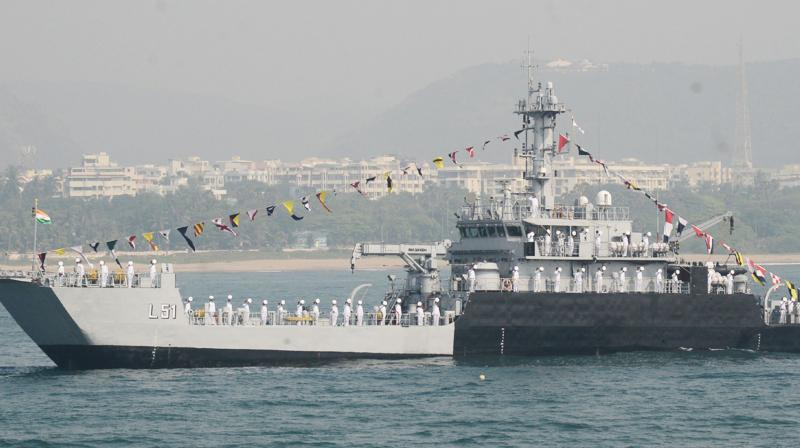
    • INS Sunayna has arrived at Changi Naval Base in Singapore.

    INS Sunayna

    • Class & Type: Second ship of the Saryu-class Naval Offshore Patrol Vessels (NOPVs).
    • Commissioning Year: 2013.Displacement: 2,200 tonnes.
    • Speed: Exceeds 25 knots (~46 km/h) powered by two KOEL/Pielstick diesel engines.
    • Armament: Equipped with one 76mm main gun (electro-optic fire control system), Close-in Weapon Systems (CIWS), and CHAFF launchers.
    • Core Roles: Fleet support operations, coastal and offshore patrolling, ocean surveillance, and monitoring Sea Lines of Communication (SLOCs)
  • UAE Exit from OPEC and OPEC+ | Geophagy | India Becomes 5th Largest Military Spender in 2025: SIPRI

    UAE Exit from OPEC and OPEC+

    Syllabus: GS2/ Regional Groupings

    Context

    • The United Arab Emirates announced its withdrawal from OPEC and OPEC+ (effective May 1, 2026).

    Reason

    • UAE blamed fellow Arab states for not doing enough to protect it from numerous Iranian attacks during the war and decided to exit the grouping.

    OPEC+

    • Brief: It is a coalition of oil-producing countries that includes members of the Organization of the Petroleum Exporting Countries (OPEC) and several non-OPEC nations. A partnership between OPEC and 10 non-OPEC oil-producing countries.
    • OPEC Established: 1960 by Iraq, Iran, Kuwait, Saudi Arabia, and Venezuela.
    • Headquarters: Vienna, Austria.
    • Members:
      • Founding Members: Iraq, Iran, Kuwait, Saudi Arabia, Venezuela.
      • Additional Members: Algeria, Congo, Equatorial Guinea, Gabon, Libya, Nigeria, UAE.
      • Non-OPEC members of OPEC+: Russia, Azerbaijan, Bahrain, Brunei, Kazakhstan, Mexico, Malaysia, Oman, South Sudan, and Sudan.
    • Significance of OPEC+: Controls around 40% of global oil supply.

    Geophagy

    Syllabus: GS3/Environment

    News

    • Barbary macaques in Gibraltar have been found to eat soil (geophagy) more often than other populations.

    Geophagy

    • It is the widespread behavior of eating soil, clay, or earth substances like chalk or kaolin.
    • It is observed across many animal groups and also among some human populations, especially in tropical regions.
    • It is found in many cultures worldwide but especially common in parts of Africa, among pregnant women, children, and rural populations.
    • It may be linked to health or nutritional needs, such as relieving nausea, but its exact causes are not well understood.

    Barbary macaque (Macaca sylvanus)

    • It is a unique primate found in Africa north of the Sahara and is the only wild monkey in Europe.
    • Once widespread across North Africa and parts of Southern Europe, it now survives mainly in small forest areas in Algeria and Morocco, with an introduced population in Gibraltar.
    • The species is listed on Appendix I of CITES and The IUCN Red List of Threatened Species classifies it  as Endangered .

    India Becomes 5th Largest Military Spender in 2025: SIPRI

    Syllabus: GS3/Defence

    Context

    • India emerged as the world’s fifth-largest military spender in 2025, with defence expenditure reaching $92.1 billion, according to the Stockholm International Peace Research Institute (SIPRI).

    Key Highlights (India)

    • Defence spending rose by 8.9% year-on-year, driven by operational and procurement needs amid India–Pakistan tensions (May 2025).
    • India remains the 2nd largest arms importer, accounting for 8.2% of global imports. However, arms imports declined by 4% between 2016–20 and 2021–25.
    • Strategic Shift: India has gradually diversified its arms imports away from Russia towards Western suppliers such as France, Israel, and the United States; Russia’s share declined from 70% (2011–15) to 51% (2016–20) and further to 40% in 2021–25.

    Stockholm International Peace Research Institute’s (SIPRI)

    • It is an independent international institute dedicated to research into conflict, armaments, arms control and disarmament.
    • It was established in 1966 in Stockholm (Sweden).
  • CAR-T Cell Therapy | Atacama Desert | 2026 Shanghai Cooperation Organisation (SCO) Defence Ministers’ Meeting

    CAR-T Cell Therapy

    Syllabus: GS3/ Biotechnology

    Context

    • A recent study demonstrated that engineered CAR-T cells can detect “faint” tumour signals, offering a breakthrough in treating solid tumours such as kidney, ovarian, and pancreatic cancers.

    T-cells

    • They are white blood cells that act as the body’s frontline defenders, detecting and destroying infections or abnormal cells like cancer, and coordinating other immune cells to respond—making them crucial for immunotherapy.

    CAR T-cell therapy

    • It is an advanced treatment that modifies a patient’s T-cells to more effectively attack cancer.
    • Doctors first collect T-cells from the patient’s blood and then introduce a gene that gives them special receptors called chimeric antigen receptors (CARs).
    • These receptors function like GPS, directing the T-cells to locate and target cancer cells.
    • After engineering, the T-cells are expanded in the lab and then infused back into the patient’s body.
    • NexCAR19 is the world’s first humanised CAR-T therapy developed in India by ImmunoACT.

    Benefits

    • Targeted Precision: : CAR-T cell therapy Specifically attacks cancer cells while sparing healthy cells, reducing side effects compared to chemotherapy.
    • Personalised Treatment: CAR-T cell therapy Uses the patient’s own T-cells, engineered to target their unique cancer, enhancing effectiveness.
    • Long-Lasting Effects: Engineered T-cells can persist in the body, providing extended protection against cancer recurrence.
    • Reduced Hospitalisation & Costs: Fewer hospital stays and less supportive care needed, leading to potential cost savings.
    • Advances in Cancer Treatment: Opens new avenues in immunotherapy, expanding treatment options and research possibilities.
    • Technological Evolution: Continuous development of CAR constructs allows targeting of diverse cancers and combination therapies.
    • Affordability: Indigenous therapies like NexCAR19 in India make CAR-T treatment more accessible and cost-effective.

    Atacama Desert

    Syllabus: GS1/Places in News

    Context

    • Light pollution threatens the world’s darkest skies in the Atacama.

    Atacama Desert

    • Location: It is the driest desert in the world, located in northern Chile.
    • It is nestled between the Andes Mountains on the east and the Pacific Ocean on the west.
    • It forms a continuous strip for nearly 1,000 km along the narrow coast of the northern third of Chile.
    • Bordered by: It is bordered by Argentina, Peru, and Bolivia
    • It also hosts 12 volcanoes, mainly located in the western outliers of the Andes.
    • Rainfall: Average rainfall in this region is about 1 mm per year. Some locations within the desert have never had any rainfall whatsoever.
    • Temperature: Temperatures are comparatively mild throughout the year. The average temperature in the desert is about 63 degrees F (18 degrees C).
    • Natural Resources: This region has the largest natural supply of Sodium Nitrate, which can be used for producing fertilizers and explosives, amongst other things.
    • Chinchorro Mummies: The oldest artificially mummified human remains have been found in the Atacama Desert.

    2026 Shanghai Cooperation Organisation (SCO) Defence Ministers’ Meeting

    Syllabus: GS2/Regional Groupings

    Context

    • Speaking at the SCO Defence Ministers’ Meeting in Kyrgyzstan, the Defence Minister called for unified SCO action against terrorism and warned against double standards.

    Shanghai Cooperation Organisation (SCO)

    • Founded in – The SCO is an intergovernmental organization founded in 2001 with six members.
    • Objective: To enhance regional cooperation for efforts to curb terrorism, separatism, and extremism in the Central Asian region.
    • Members: China, Russia, India, Pakistan, Iran, Belarus and the four Central Asian countries of Kazakhstan, Kyrgyzstan, Tajikistan, Uzbekistan.
    • Secretariat: Beijing
    • Official languages: Russian and Chinese
    • Observer status: Afghanistan, Belarus and Mongolia
    • The SCO has been an observer in the UN General Assembly since 2005.

    Areas of Concern

    • Ongoing Border Tensions – Incidents in Doklam (2017), Galwan Valley (2020), and northeastern states (Sikkim, Arunachal Pradesh).
    • Belt and Road Initiative (BRI): India has expressed reservations about China’s Belt and Road Initiative, especially regarding the China-Pakistan Economic Corridor (CPEC), which passes through the territory of India.
  • G7 Declaration on Desertification | World Tapir Day

    G7 Declaration on Desertification

    Syllabus: GS3/Environment

    Context

    • Recently, the G7 Environment Ministers have elevated desertification, land degradation and drought to the core of their agenda, and termed these conditions ‘systemic global challenges’ and ‘security risk multipliers’.

    Key Highlights of Declaration

    • Scale of the Crisis: Desertification, land degradation and drought leads to declining soil fertility, water scarcity, and loss of ecosystem services.
    • It directly threatens food security and livelihoods, particularly in agrarian economies.
    • Nearly 40% of global land is degraded, affecting about 3.2 billion people.

    Additional information- UNCCD and COP17 (Ulaanbaatar, Mongolia; Aug 2026)

    United Nations Convention to combat Desertification (UNCCD)

    • Established in – 1994
    • Objective – To combat desertification and It is the sole legally binding international agreement linking environment to sustainable land management.
    • Significance – To maintain and restore the land and soil reproductively.
    • June 17 – It is observed as the World Day to Combat Desertification and Drought (WDCDD).
    • UNCCD COP16 (2024, Riyadh, Saudi Arabia): $12 billion was pledged for land restoration; India showcased the Aravalli Green Wall initiative.
    • Theme (2026): ‘Restoring Land, Restoring Hope’.

    Other Institutional Mechanisms

    • Bonn Challenge (2011): Global pledge to restore 350 million hectares by 2030
    • Kunming-Montreal Global Biodiversity Framework: Targets 2 and 11 address land restoration
    • UN Decade on Ecosystem Restoration (2021–30): Joint UNEP-FAO initiative
    • G20 Global Land Initiative: Aligned with India’s G20 Presidency (2022) goal to reduce degraded land by 50% by 2040

    World Tapir Day

    Syllabus: GS3/Environment

    In News

    • Recently, World Tapir Day was observed globally to raise awareness about Tapirs.

    Tapirs

    • Tapirs are large herbivorous mammals.
    • Tapirs inhabit jungle and forest regions of South America, Central America, and Southeast Asia.
    • Tapirs form an important part of the ecosystem as seed dispersers and form one of the oldest surviving genera in the animal kingdom.
    • Threats posed are habitat loss, hunting, and human encroachment.

    Types and IUCN Red List status

    1. Lowland Tapir(Tapirus terrestris) – Vulnerable
    2. Mountain Tapir(Tapirus pinchaque)  – Endangered
    3. Malay Tapir(Tapirus indicus) – Endangered
    4. Baird’s Tapir(Tapirus bairdii) –Endangered.
  • Project AI 4 WaterPolicy | Small Hydro Power Development Scheme

    Project AI4WaterPolicy

    Syllabus: GS2/AI in Governance

    Context

    • Project AI4WaterPolicy helped community-led development in Rajasthan.

    Project AI4WaterPolicy

    • It is an innovative action-research pilot project designed to strengthen rural water governance in India by using artificial intelligence to actively listen to communities rather than just broadcast information.
    • Developed by -International Water Management Institute (IWMI)
    • Implemented in the water-stressed Sirohi and Pali districts of Rajasthan,
    • Significance – the project demonstrates how lightweight tech applications can dramatically improve last-mile government responsiveness and support community-led development.

    Small Hydro Power Development Scheme

    Syllabus: GS3/Environment

    In News

    • Recently, the Union Cabinet has approved the Small Hydro Power (SHP) Development Scheme.

    Small Hydro Power Development Scheme

    • Financing– It is a centrally sponsored initiative
    • Duration – 2026-27 to 2030-31
    • Implementation -Ministry of New and Renewable Energy (MNRE),
    • Objective: To exploit untapped small hydro potential, reduce transmission losses, and provide reliable, decentralized electricity to remote and inaccessible regions.
  • SAARC Currency Swap Framework | Project DANTAK

    SAARC Currency Swap Framework

    Syllabus: GS2/IR

    Context

    • India has approved the first withdrawal of 30 billion rupees for the Maldives under the SAARC Currency Swap Framework, reinforcing its ongoing financial support to the island nation.

    Currency Swap Framework

    • A currency swap framework is a bilateral or multilateral agreement that allows countries to exchange their currencies.
    • It serves as a financial safety net, providing immediate short-term liquidity, helping stabilize foreign exchange reserves, and averting balance of payments crises without exposing nations to open-market risks

    SAARC

    • Abbreviation – South Asian Association for Regional Cooperation (SAARC)
    • Established: 8 December 1985 in Dhaka, Bangladesh, with the signing of the SAARC Charter.
    • Headquarters: Kathmandu, Nepal (Secretariat established in 1987).
    • Member States (8): India, Pakistan, Bangladesh, Sri Lanka, Nepal, Bhutan, the Maldives, and Afghanistan (joined in 2007).
    • Observer States (9): Australia, China, the European Union, Iran, Japan, Mauritius, Myanmar, South Korea, and the United States

    Objectives –

    1. to accelerate economic growth, social progress and cultural development in the region;
    2. to promote and strengthen collective self-reliance among the countries of South Asia;
    3. to promote active collaboration and mutual assistance in the economic, social, cultural, technical and scientific fields;
    4. to strengthen cooperation with other developing countries;

    Project DANTAK

    Syllabus:GS2/IR/GS3/Economy

    In News

    • Project DANTAK celebrated its Raising Day marking 65 years of its continuous service in Bhutan since 1961.

    Project DANTAK

    • It is a premier overseas infrastructure initiative in Bhutan executed by India’s Border Roads Organisation (BRO).
    • Implementing Agency – Border Roads Organisation (BRO), Ministry of Defence.
    • Timeline: Established April 24, 1961, by PM Nehru and Bhutan’s 3rd King.
    • Mandate: Construct strategic infrastructure, roads, and bridges in Bhutan.
    • Key Projects: Paro Airport, Yongphula Airfield, and the East-West Highway.
    • Total Output: Over 1,650 km of roads plus schools and hospitals.
  • National Panchayati Raj Day | Pathogen Access and Benefit-Sharing (PABS) Annex

    National Panchayati Raj Day

    Syllabus: GS2/Governance

    In News

    • The National Panchayati Raj Day (NPRD) is observed every year on 24 April to mark the establishment of the Panchayati Raj system.

    About

    • The day commemorates the 73rd Constitutional Amendment Act, 1992, which came into effect in 1993 and gave constitutional status to Panchayati Raj Institutions (PRIs).
    • These provisions are included in Part IX of the Indian Constitution, strengthening grassroots democracy by empowering local bodies at the village, block, and district levels.

    Historical Background of Panchayati Raj System

    • After independence, decentralised governance was promoted through the Balwant Rai Mehta Committee (1957), which recommended a three-tier Panchayati Raj system which was first implemented in Rajasthan in 1959.
    • Constitutional backing came through the 73rd Amendment Act, making PRIs mandatory and embedding them in Part IX (Articles 243–243O) of the Constitution.

    Pathogen Access and Benefit-Sharing (PABS) Annex

    Syllabus: GS2/Health

    Context

    • The historic WHO Pandemic Agreement (WPA), adopted in 2025, still lacks the much-needed Pathogen Access and Benefit-Sharing (PABS)

    Pathogen Access and Benefit-Sharing (PABS)

    • It is a crucial, legally binding component of the WHO Pandemic Agreement.
    • It establishes a multilateral system designed to ensure the rapid, transparent sharing of pathogens with pandemic potential alongside the fair and equitable distribution of medical countermeasures like vaccines, diagnostics, and treatments.

    WHO Pandemic Agreement

    • It was adopted by the World Health Assembly in 2025.
    • Objective – The aim is to negotiate a WHO convention on pandemic prevention, preparedness and response, that would culminate in a legally binding international instrument.
    • Following its adoption, the next crucial step is for an Intergovernmental Working Group (IGWG) on the Pandemic Agreement to negotiate the details of the Pathogen Access and Benefit-Sharing (PABS) system.
    • The Agreement will officially enter into force 30 days after 60 countries have ratified it.